
İngilizce'deki temel zamanları öğrenmek, dili doğru kullanmanın anahtarıdır. Zamanlar, ne...
 İngilizce111 views·Updated Jun 22, 2026·5 pages
İngilizce Zaman Tensleri Gözden Geçirme
Ebru Akan@ebruakan_kimo0


1 / 5
1
of 5
Temel Zaman Formları
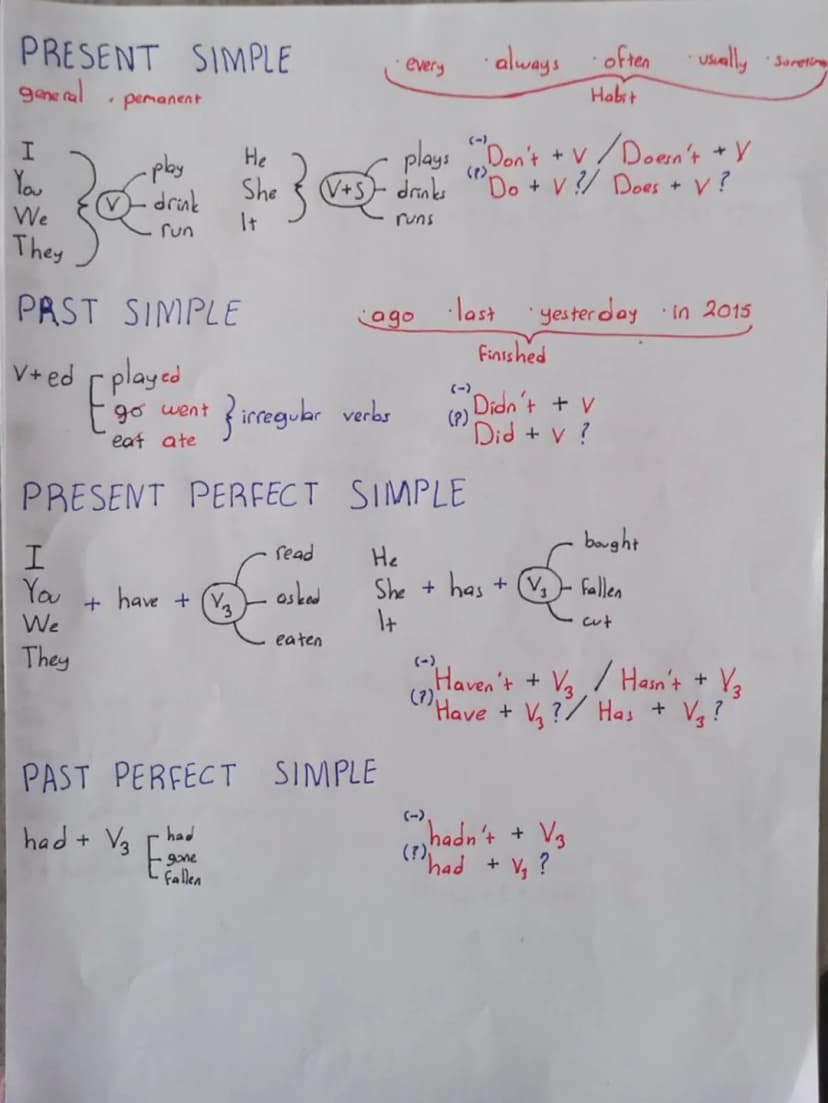
Present Simple (Geniş Zaman), alışkanlıklarımızı ve genel doğruları ifade eder. "Every day, always, often, usually" gibi kelimelerle kullanılır. I/You/We/They özne grubunda fiil yalın halde (play, drink), He/She/It özne grubunda ise fiile -s eki (plays, drinks) eklenir. Olumsuz cümlede Don't/Doesn't + fiil, soru cümlesinde Do/Does + fiil kullanılır.
Past Simple (Geçmiş Zaman), geçmişte tamamlanmış olayları anlatır. "Ago, last, yesterday, in 2015" gibi zaman belirteçleriyle kullanılır. Düzenli fiillere -ed eki getirilir (played), düzensiz fiiller ise ikinci halleriyle kullanılır (went, ate). Olumsuz cümlede Didn't + fiil, soru cümlesinde Did + fiil kullanılır.
Present Perfect Simple, geçmişte başlayıp etkisi şimdiye kadar devam eden olayları anlatır. I/You/We/They + have + V₃ veya He/She/It + has + V₃ formunda kullanılır. Olumsuz cümlede Haven't/Hasn't + V₃, soru cümlesinde Have/Has + V₃ formları kullanılır.
Püf Noktası: Present Perfect, geçmişle şimdi arasında bağlantı kurar. "I have lost my keys" (Anahtarlarımı kaybettim) derken, anahtarların şu an kayıp olduğunu ve bunun geçmişte gerçekleştiğini belirtirsiniz.
Past Perfect Simple , geçmişteki bir olaydan önce gerçekleşen olayları anlatır. Had + V₃ (had gone, had fallen) şeklinde kullanılır. Olumsuz cümlede hadn't + V₃, soru cümlesinde had + V₃ yapısı kullanılır.
2
of 5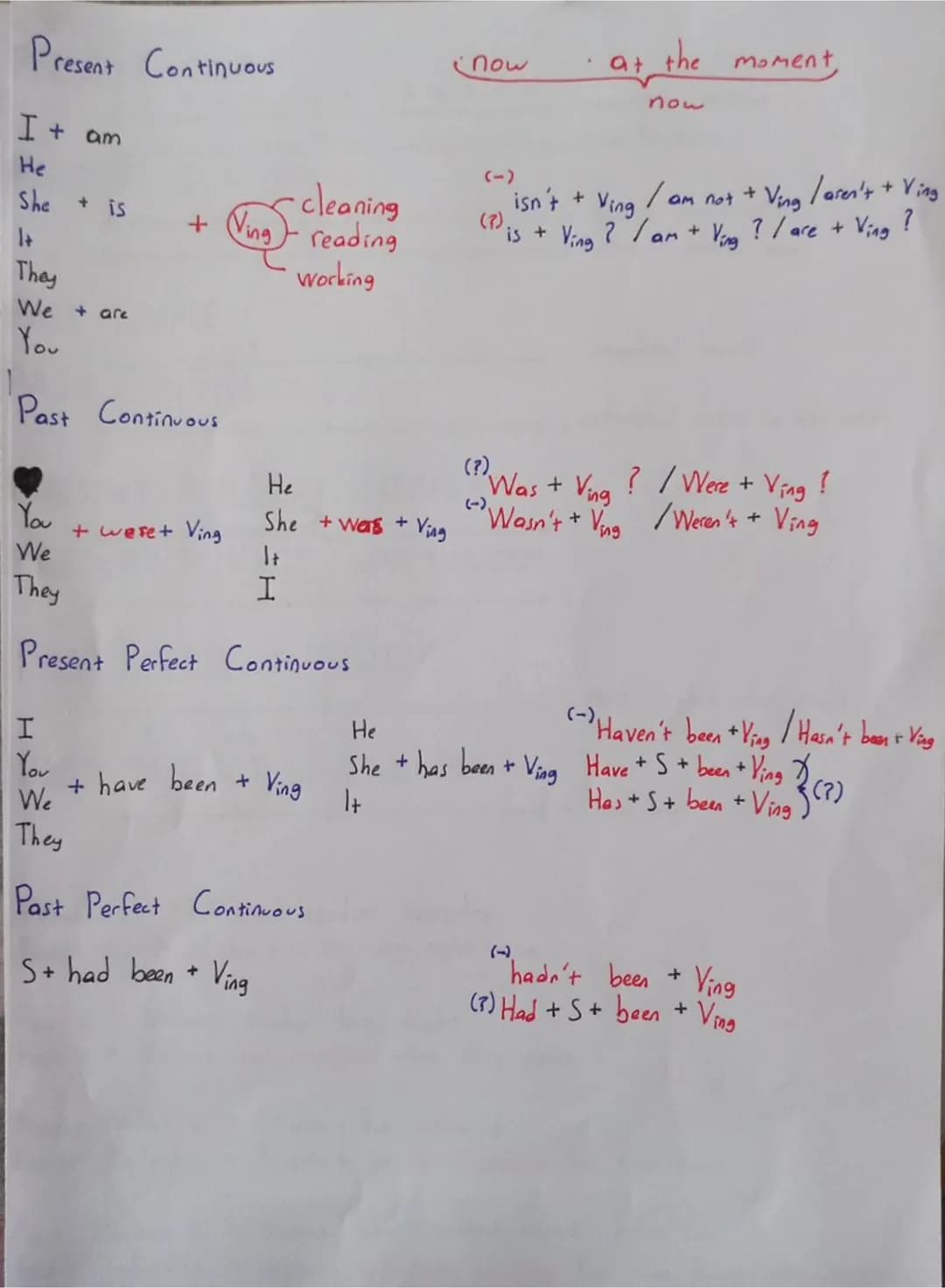
Zaman Çizgisi ve Kullanım Karşılaştırmaları
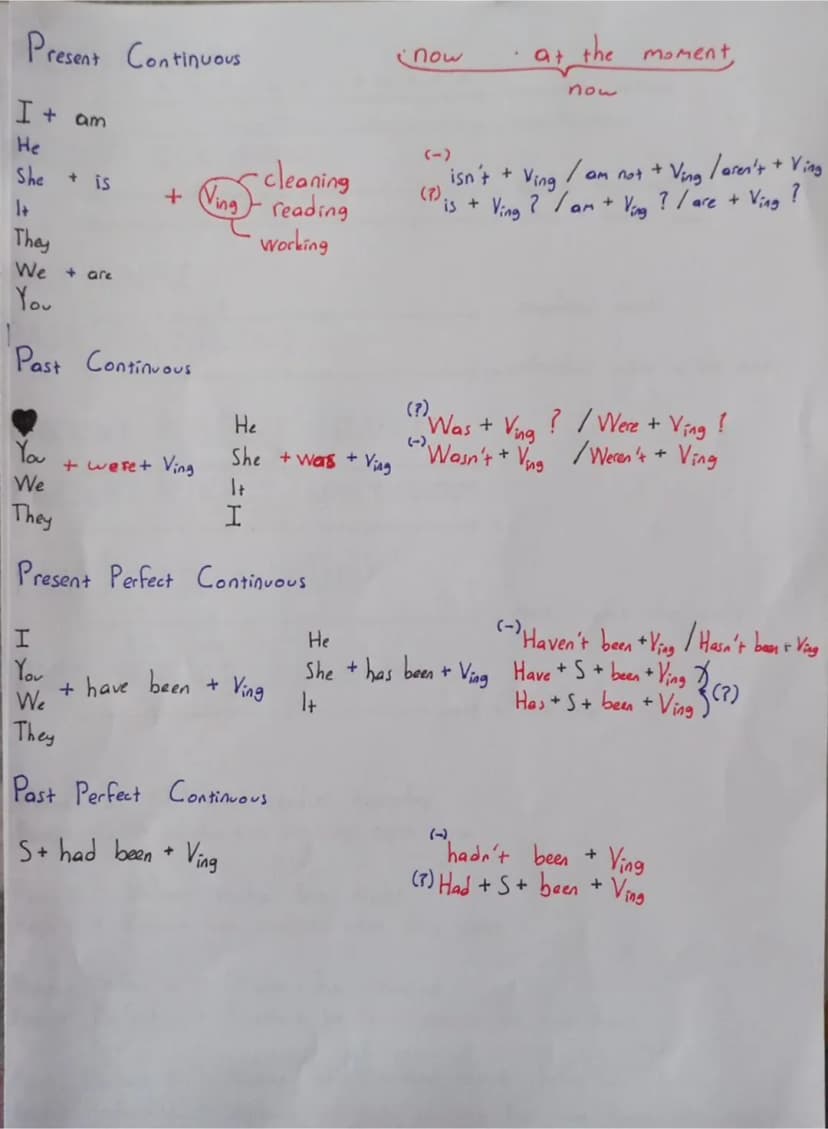
İngilizce'de zamanlar, olayların ne zaman gerçekleştiğini ve devam edip etmediğini gösterir. Present Simple tekrarlanan eylemleri ve genellemeleri ifade ederken, Present Continuous şu an gerçekleşen eylemleri anlatır. "Mahmut studies everyday" (Mahmut her gün çalışır) ve "Mahmut is studying right now" (Mahmut şu an çalışıyor) örneklerinde farkı görebilirsiniz.
Past Simple tamamlanmış eylemleri, Past Continuous ise geçmişte devam eden eylemleri anlatır. "Mahmut studied last night" (Mahmut dün gece çalıştı) ve "Mahmut was studying when they came" (Onlar geldiğinde Mahmut çalışıyordu) cümleleri bu zamanların farkını gösterir.
Present Perfect Simple geçmişle şimdi arasındaki bağlantıyı gösterir. "Mahmut has studied English" . Present Perfect Continuous ise bir eylemin ne kadar süredir devam ettiğini vurgular: "Mahmut has been studying for two hours" (Mahmut iki saattir çalışıyor).
İpucu: Zamanları karşılaştırırken her birinin odak noktasını düşünün - eylemin ne zaman gerçekleştiğini mi, ne kadar sürdüğünü mü, yoksa tamamlanıp tamamlanmadığını mı vurgulamak istediğiniz önemlidir.
Past Perfect Simple ve Past Perfect Continuous, geçmişte başka bir olaydan önce gerçekleşen veya devam eden durumları anlatır. "Mahmut had studied English before" (Mahmut daha önce İngilizce çalışmıştı) ve "Mahmut had been studying for two hours when they came" (Onlar geldiğinde Mahmut iki saattir çalışıyordu).
3
of 5
Özel Yapılar ve Zaman Belirteçleri
Used to, geçmişte yapılan ama artık yapılmayan alışkanlıkları anlatır. "He used to live on a houseboat" (Eskiden bir ev teknede yaşardı). Soru formu "Did he use to live on a houseboat?" ve olumsuz form "He didn't use to live on a houseboat" şeklindedir.
Would geçmişteki alışkanlıkları anlatır ama dikkat - sadece olumlu cümlelerde ve durum fiilleriyle (stative verbs) kullanılamaz. "When he was young, he would often play basketball" (Gençken sık sık basketbol oynardı).
Zaman belirteçleri, zamanları doğru kullanmak için çok önemlidir. Present Perfect ile kullanılan belirteçler arasında "for" (belirli bir süre boyunca), "since" (belirli bir zamandan beri), "already" (çoktan), "just" (az önce), "yet" (henüz) bulunur. Örneğin: "I have known them for six years" (Onları altı yıldır tanıyorum).
Hatırlatma: "For" ve "since" arasındaki farkı unutma! "For" bir süreyi (for two hours), "since" ise başlangıç noktasını (since Monday) belirtir.
How long, ever, lately gibi soru kelimeleri Present Perfect ile sık kullanılır: "Have you ever travelled abroad?" (Hiç yurtdışına seyahat ettin mi?). "As soon as", "by the time", "just as" gibi bağlaçlar ise farklı zamanları birbirine bağlar: "By the time we got to the cinema, the film had already begun" (Sinemaya vardığımızda film çoktan başlamıştı).
4
of 5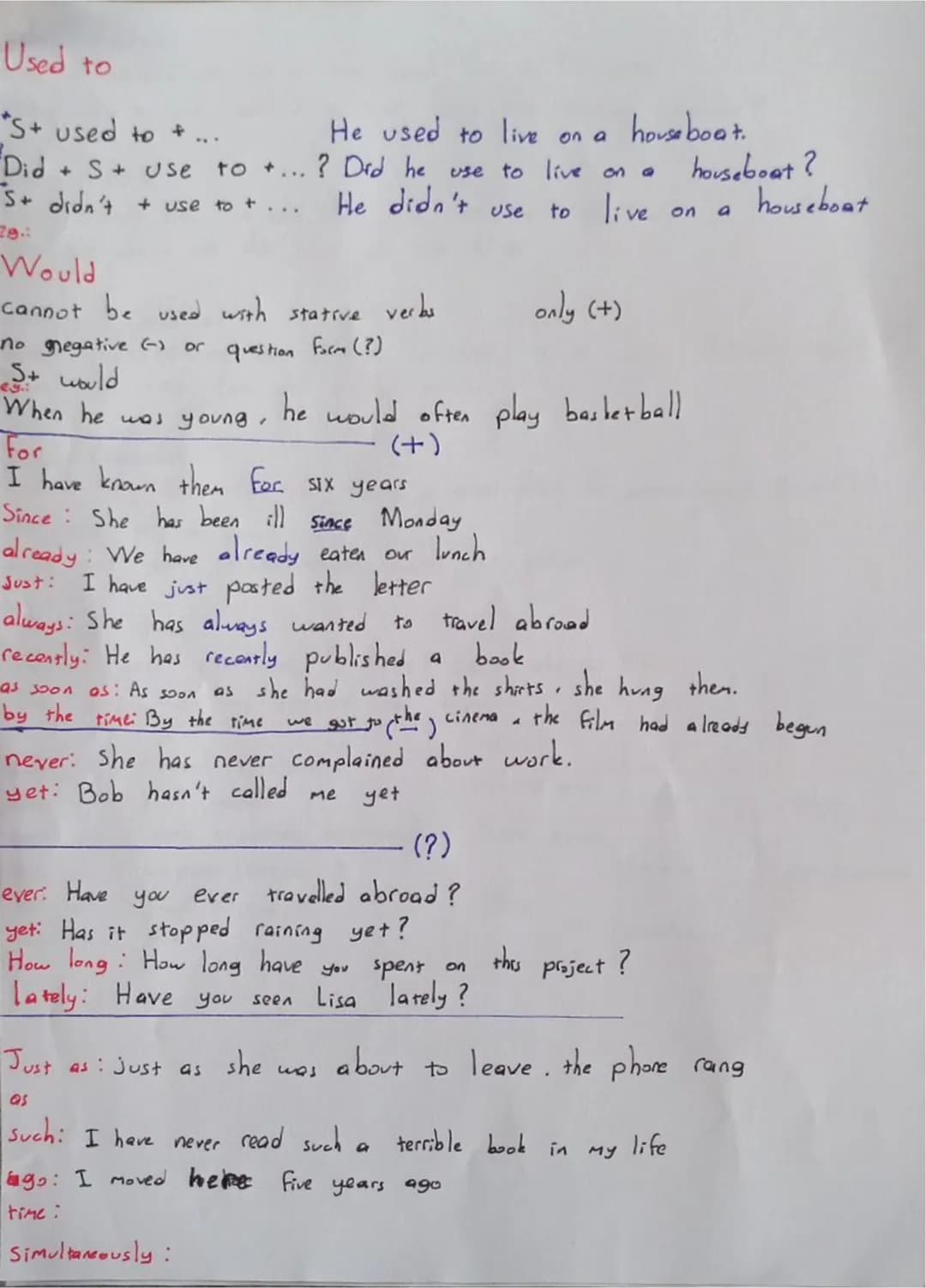
Karıştırılan Kelimeler ve Fiil Grupları
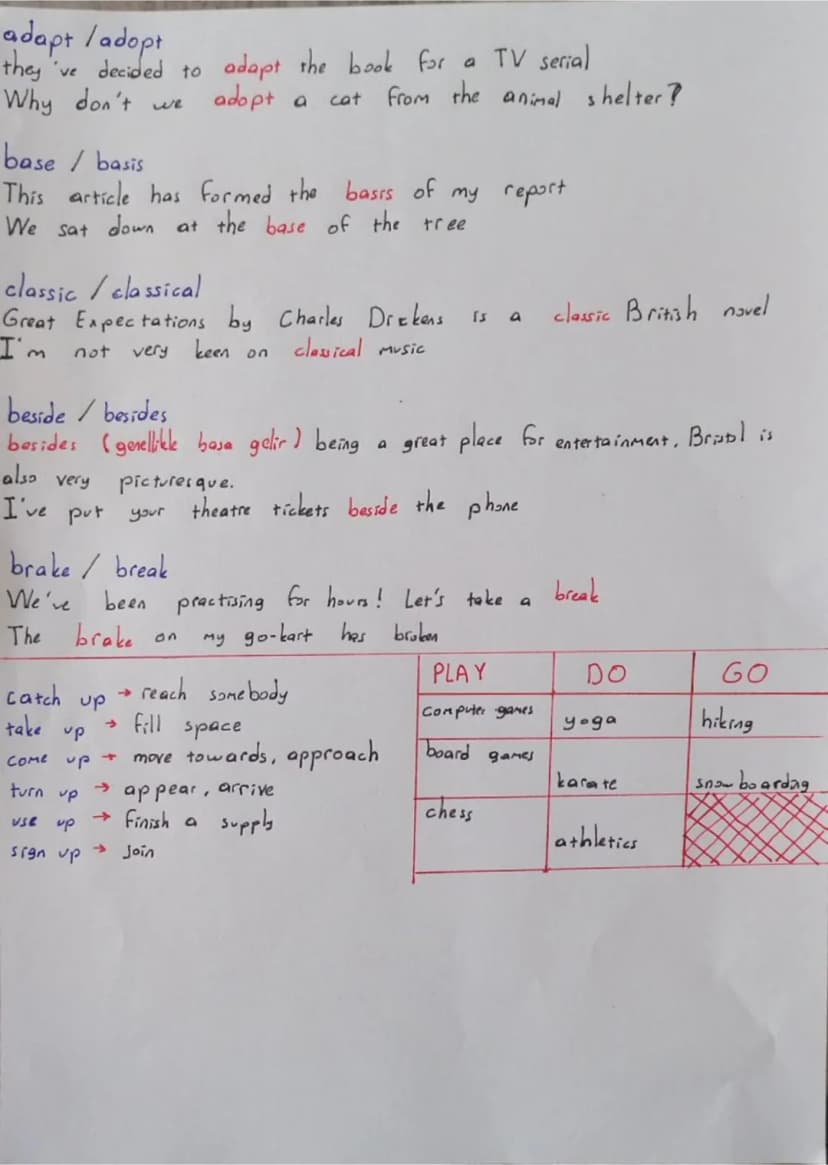
İngilizce'de karıştırılan kelime çiftlerini öğrenmek iletişimi güçlendirir. Adapt/adopt çifti önemlidir: "They've decided to adapt the book for a TV serial" (Kitabı bir TV dizisine uyarlamaya karar verdiler) ve "Why don't we adopt a cat?" (Neden bir kedi sahiplenmeyelim?).
Base/basis, classic/classical ve beside/besides de sıkça karıştırılır. "This article has formed the basis of my report" (Bu makale raporumun temelini oluşturdu) ama "We sat at the base of the tree" (Ağacın dibine oturduk). "Besides being entertaining, Bristol is also picturesque" (Eğlenceli olmasının yanı sıra, Bristol aynı zamanda pitoresktir).
Phrasal verb'ler (öbekli fiiller) İngilizce'nin önemli bir parçasıdır. Catch up (yetişmek), take up (yer kaplamak), come up (yaklaşmak), turn up (ortaya çıkmak), use up (tüketmek), sign up (kaydolmak) bunlara örnektir.
Eğlenceli Not: İngilizce'de aktiviteler farklı fiillerle ifade edilir: bilgisayar oyunları, masa oyunları ve satranç için play; yoga ve karate için do; yürüyüş ve snowboard için go kullanılır!
Bazı sözcükler yazılışları benzer olduğu için karıştırılır: brake (fren) ve break (mola, kırmak). "The brake on my go-kart has broken" ve "Let's take a break" (Bir mola verelim) örneklerindeki farkı görebilirsiniz.
5
of 5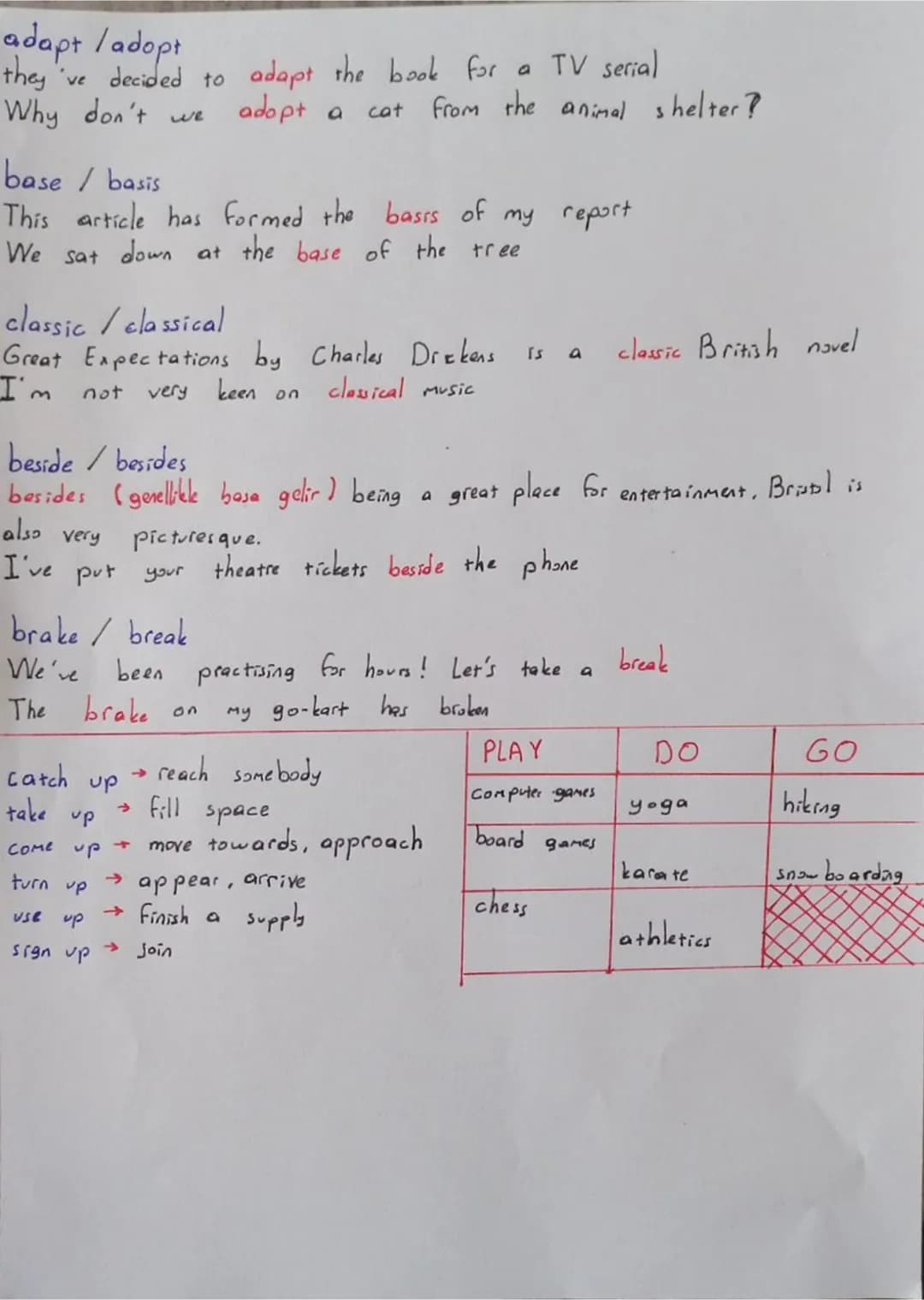
We thought you’d never ask...
What is the Knowunity AI companion?
Our AI companion is specifically built for the needs of students. Based on the millions of content pieces we have on the platform we can provide truly meaningful and relevant answers to students. But its not only about answers, the companion is even more about guiding students through their daily learning challenges, with personalised study plans, quizzes or content pieces in the chat and 100% personalisation based on the students skills and developments.
Where can I download the Knowunity app?
You can download the app in the Google Play Store and in the Apple App Store.
Is Knowunity really free of charge?
That's right! Enjoy free access to study content, connect with fellow students, and get instant help – all at your fingertips.
Similar Content
 Język angielski
Most popular content: Past Tense
9İngilizceİngilizce Dilbilgisi Çalışma Notları
İngilizce dilbilgisi alıştırmaları ve cümle yapısı üzerine çalışma notları.
61,0413
İngilizce6. Sınıf İngilizce holidays
6. Sınıf İngilizce holidays
6808109
İngilizceGeçmiş Zaman
İngilizce Konu Anlatımı
102977
İngilizce7. Sınıf ingilizce 3. Ünite
Beğenir misiniz
71977
İngilizceİNGİLİZCE PAST SIMPLE KONU ANLATIMI
KOLAY VE BASİT BİR ŞEKİLDE PAST SIMPLE
625816
İngilizceSimple past tense
İyi dersler
99477
İngilizce7. SINIF ingilizce
3.ünite BIOGRAPHIES
71832
İngilizceGeçmiş Zaman Kullanımı
İngilizce Geçmiş Zaman Yapısı ve Kullanımı
72544
İngilizceSimple Past Tense
simple past tense
102081
Most popular content in İngilizce
9İngilizce8. Sınıf ingilizce
Tüm üniteleri içeriyor!
877733
İngilizceİngilizce 9.Sınıf
9.sınıf İngilizce
95,24260
İngilizceİngilizce guiz
ingilizce meslekler
68660
İngilizceİngilizce 7. Sınıf 1. Ünite ders notu
İngilizce
72,73840
İngilizce6. Sınıf İngilizce Yummy breakfast
6. Sınıf İngilizce
61,49815
İngilizce8.Sınıf İngilizce 4.Ünite Kelimeleri
İngilizce kelimeler
88617
İngilizce6 sınıf İngilizce 1 ünite konu tekrarı
6 sınıf İngilizce
65,25653
İngilizceingilizce
1. ünite ingilizce kelimeleri
74220
I
İngilizceingilizce 6. sınıf
Bu sınav, 6. sınıf İngilizce dersi konularını kapsayan çeşitli sorulardan oluşmaktadır.
61560
Most popular content
9 Tarih
Tarih9. Sınıf Tarih Konu Anlatımı
9. sınıf tarih tüm ünite konu anlatımı
94,16066
 Matematik
8.sınıf matematik
Tüm üniteleri içermektedir!
85,207185
 Biyoloji
Tyt biyoloji
Bio
95,100132
Tarih9.sınıf tarih ders notları
Yeni maarif modele uygundur
92,20748
Biyoloji11. sınıf biyoloji dolaşım sistemi ders notları
11. sınıf biyoloji dolaşım sistemi ders notları
114,34185
TarihTYT AYT TARİH
Tarih
92,58362
T.C. İnkılâp Tarihi ve Atatürkçülükİnkılap tarihi
Beğenin
82,76154
 Fen Bilimleri
7. Sınıf Fen Bilimleri
Tüm üniteler
79,269188
 Felsefe
11.Sınıf Felsefe 2.Dönem 2.Yazılı sınavı ders notları
20.yüzyıl felsefesini hazırlayan düşünce ortamı, 20.yüzyıl felsefesi temel problemleri ve akımları konularını içermektedir
113,596113
Can't find what you're looking for? Explore other subjects.
Students love us — and so will you.
4.6/5App Store
4.7/5Google Play
The app is very easy to use and well designed. I have found everything I was looking for so far and have been able to learn a lot from the presentations! I will definitely use the app for a class assignment! And of course it also helps a lot as an inspiration.
Stefan SiOS user
This app is really great. There are so many study notes and help [...]. My problem subject is French, for example, and the app has so many options for help. Thanks to this app, I have improved my French. I would recommend it to anyone.
Samantha KlichAndroid user
Wow, I am really amazed. I just tried the app because I've seen it advertised many times and was absolutely stunned. This app is THE HELP you want for school and above all, it offers so many things, such as workouts and fact sheets, which have been VERY helpful to me personally.
AnnaiOS user
İngilizce111 views·Updated Jun 22, 2026·5 pagesİngilizce Zaman Tensleri Gözden Geçirme
Ebru Akan@ebruakan_kimo0
İngilizce'deki temel zamanları öğrenmek, dili doğru kullanmanın anahtarıdır. Zamanlar, ne zaman, nasıl ve hangi durumlarda kullanıldıklarını bildiğimizde, İngilizce konuşma ve yazma becerilerimiz güçlenir. Haydi birlikte İngilizce'nin temel zamanlarını inceleyelim.
1
of 5
Sign up to see the content. It's free!
- Access to all documents
- Improve your grades
- Join milions of students
Temel Zaman Formları
Present Simple (Geniş Zaman), alışkanlıklarımızı ve genel doğruları ifade eder. "Every day, always, often, usually" gibi kelimelerle kullanılır. I/You/We/They özne grubunda fiil yalın halde (play, drink), He/She/It özne grubunda ise fiile -s eki (plays, drinks) eklenir. Olumsuz cümlede Don't/Doesn't + fiil, soru cümlesinde Do/Does + fiil kullanılır.
Past Simple (Geçmiş Zaman), geçmişte tamamlanmış olayları anlatır. "Ago, last, yesterday, in 2015" gibi zaman belirteçleriyle kullanılır. Düzenli fiillere -ed eki getirilir (played), düzensiz fiiller ise ikinci halleriyle kullanılır (went, ate). Olumsuz cümlede Didn't + fiil, soru cümlesinde Did + fiil kullanılır.
Present Perfect Simple, geçmişte başlayıp etkisi şimdiye kadar devam eden olayları anlatır. I/You/We/They + have + V₃ veya He/She/It + has + V₃ formunda kullanılır. Olumsuz cümlede Haven't/Hasn't + V₃, soru cümlesinde Have/Has + V₃ formları kullanılır.
Püf Noktası: Present Perfect, geçmişle şimdi arasında bağlantı kurar. "I have lost my keys" (Anahtarlarımı kaybettim) derken, anahtarların şu an kayıp olduğunu ve bunun geçmişte gerçekleştiğini belirtirsiniz.
Past Perfect Simple , geçmişteki bir olaydan önce gerçekleşen olayları anlatır. Had + V₃ (had gone, had fallen) şeklinde kullanılır. Olumsuz cümlede hadn't + V₃, soru cümlesinde had + V₃ yapısı kullanılır.
2
of 5Sign up to see the content. It's free!
- Access to all documents
- Improve your grades
- Join milions of students
Zaman Çizgisi ve Kullanım Karşılaştırmaları
İngilizce'de zamanlar, olayların ne zaman gerçekleştiğini ve devam edip etmediğini gösterir. Present Simple tekrarlanan eylemleri ve genellemeleri ifade ederken, Present Continuous şu an gerçekleşen eylemleri anlatır. "Mahmut studies everyday" (Mahmut her gün çalışır) ve "Mahmut is studying right now" (Mahmut şu an çalışıyor) örneklerinde farkı görebilirsiniz.
Past Simple tamamlanmış eylemleri, Past Continuous ise geçmişte devam eden eylemleri anlatır. "Mahmut studied last night" (Mahmut dün gece çalıştı) ve "Mahmut was studying when they came" (Onlar geldiğinde Mahmut çalışıyordu) cümleleri bu zamanların farkını gösterir.
Present Perfect Simple geçmişle şimdi arasındaki bağlantıyı gösterir. "Mahmut has studied English" . Present Perfect Continuous ise bir eylemin ne kadar süredir devam ettiğini vurgular: "Mahmut has been studying for two hours" (Mahmut iki saattir çalışıyor).
İpucu: Zamanları karşılaştırırken her birinin odak noktasını düşünün - eylemin ne zaman gerçekleştiğini mi, ne kadar sürdüğünü mü, yoksa tamamlanıp tamamlanmadığını mı vurgulamak istediğiniz önemlidir.
Past Perfect Simple ve Past Perfect Continuous, geçmişte başka bir olaydan önce gerçekleşen veya devam eden durumları anlatır. "Mahmut had studied English before" (Mahmut daha önce İngilizce çalışmıştı) ve "Mahmut had been studying for two hours when they came" (Onlar geldiğinde Mahmut iki saattir çalışıyordu).
3
of 5Sign up to see the content. It's free!
- Access to all documents
- Improve your grades
- Join milions of students
Özel Yapılar ve Zaman Belirteçleri
Used to, geçmişte yapılan ama artık yapılmayan alışkanlıkları anlatır. "He used to live on a houseboat" (Eskiden bir ev teknede yaşardı). Soru formu "Did he use to live on a houseboat?" ve olumsuz form "He didn't use to live on a houseboat" şeklindedir.
Would geçmişteki alışkanlıkları anlatır ama dikkat - sadece olumlu cümlelerde ve durum fiilleriyle (stative verbs) kullanılamaz. "When he was young, he would often play basketball" (Gençken sık sık basketbol oynardı).
Zaman belirteçleri, zamanları doğru kullanmak için çok önemlidir. Present Perfect ile kullanılan belirteçler arasında "for" (belirli bir süre boyunca), "since" (belirli bir zamandan beri), "already" (çoktan), "just" (az önce), "yet" (henüz) bulunur. Örneğin: "I have known them for six years" (Onları altı yıldır tanıyorum).
Hatırlatma: "For" ve "since" arasındaki farkı unutma! "For" bir süreyi (for two hours), "since" ise başlangıç noktasını (since Monday) belirtir.
How long, ever, lately gibi soru kelimeleri Present Perfect ile sık kullanılır: "Have you ever travelled abroad?" (Hiç yurtdışına seyahat ettin mi?). "As soon as", "by the time", "just as" gibi bağlaçlar ise farklı zamanları birbirine bağlar: "By the time we got to the cinema, the film had already begun" (Sinemaya vardığımızda film çoktan başlamıştı).
4
of 5Sign up to see the content. It's free!
- Access to all documents
- Improve your grades
- Join milions of students
Karıştırılan Kelimeler ve Fiil Grupları
İngilizce'de karıştırılan kelime çiftlerini öğrenmek iletişimi güçlendirir. Adapt/adopt çifti önemlidir: "They've decided to adapt the book for a TV serial" (Kitabı bir TV dizisine uyarlamaya karar verdiler) ve "Why don't we adopt a cat?" (Neden bir kedi sahiplenmeyelim?).
Base/basis, classic/classical ve beside/besides de sıkça karıştırılır. "This article has formed the basis of my report" (Bu makale raporumun temelini oluşturdu) ama "We sat at the base of the tree" (Ağacın dibine oturduk). "Besides being entertaining, Bristol is also picturesque" (Eğlenceli olmasının yanı sıra, Bristol aynı zamanda pitoresktir).
Phrasal verb'ler (öbekli fiiller) İngilizce'nin önemli bir parçasıdır. Catch up (yetişmek), take up (yer kaplamak), come up (yaklaşmak), turn up (ortaya çıkmak), use up (tüketmek), sign up (kaydolmak) bunlara örnektir.
Eğlenceli Not: İngilizce'de aktiviteler farklı fiillerle ifade edilir: bilgisayar oyunları, masa oyunları ve satranç için play; yoga ve karate için do; yürüyüş ve snowboard için go kullanılır!
Bazı sözcükler yazılışları benzer olduğu için karıştırılır: brake (fren) ve break (mola, kırmak). "The brake on my go-kart has broken" ve "Let's take a break" (Bir mola verelim) örneklerindeki farkı görebilirsiniz.
5
of 5Sign up to see the content. It's free!
- Access to all documents
- Improve your grades
- Join milions of students
We thought you’d never ask...
What is the Knowunity AI companion?
Our AI companion is specifically built for the needs of students. Based on the millions of content pieces we have on the platform we can provide truly meaningful and relevant answers to students. But its not only about answers, the companion is even more about guiding students through their daily learning challenges, with personalised study plans, quizzes or content pieces in the chat and 100% personalisation based on the students skills and developments.
Where can I download the Knowunity app?
You can download the app in the Google Play Store and in the Apple App Store.
Is Knowunity really free of charge?
That's right! Enjoy free access to study content, connect with fellow students, and get instant help – all at your fingertips.
Similar Content
Most popular content: Past Tense
9İngilizceİngilizce Dilbilgisi Çalışma Notları
İngilizce dilbilgisi alıştırmaları ve cümle yapısı üzerine çalışma notları.
61,0413
İngilizce6. Sınıf İngilizce holidays
6. Sınıf İngilizce holidays
6808109
İngilizceGeçmiş Zaman
İngilizce Konu Anlatımı
102977
İngilizce7. Sınıf ingilizce 3. Ünite
Beğenir misiniz
71977
İngilizceİNGİLİZCE PAST SIMPLE KONU ANLATIMI
KOLAY VE BASİT BİR ŞEKİLDE PAST SIMPLE
625816
İngilizceSimple past tense
İyi dersler
99477
İngilizce7. SINIF ingilizce
3.ünite BIOGRAPHIES
71832
İngilizceGeçmiş Zaman Kullanımı
İngilizce Geçmiş Zaman Yapısı ve Kullanımı
72544
İngilizceSimple Past Tense
simple past tense
102081
Most popular content in İngilizce
9İngilizce8. Sınıf ingilizce
Tüm üniteleri içeriyor!
877733
İngilizceİngilizce 9.Sınıf
9.sınıf İngilizce
95,24260
İngilizceİngilizce guiz
ingilizce meslekler
68660
İngilizceİngilizce 7. Sınıf 1. Ünite ders notu
İngilizce
72,73840
İngilizce6. Sınıf İngilizce Yummy breakfast
6. Sınıf İngilizce
61,49815
İngilizce8.Sınıf İngilizce 4.Ünite Kelimeleri
İngilizce kelimeler
88617
İngilizce6 sınıf İngilizce 1 ünite konu tekrarı
6 sınıf İngilizce
65,25653
İngilizceingilizce
1. ünite ingilizce kelimeleri
74220
I
İngilizceingilizce 6. sınıf
Bu sınav, 6. sınıf İngilizce dersi konularını kapsayan çeşitli sorulardan oluşmaktadır.
61560
Most popular content
9Tarih9. Sınıf Tarih Konu Anlatımı
9. sınıf tarih tüm ünite konu anlatımı
94,16066
Matematik8.sınıf matematik
Tüm üniteleri içermektedir!
85,207185
BiyolojiTyt biyoloji
Bio
95,100132
Tarih9.sınıf tarih ders notları
Yeni maarif modele uygundur
92,20748
Biyoloji11. sınıf biyoloji dolaşım sistemi ders notları
11. sınıf biyoloji dolaşım sistemi ders notları
114,34185
TarihTYT AYT TARİH
Tarih
92,58362
T.C. İnkılâp Tarihi ve Atatürkçülükİnkılap tarihi
Beğenin
82,76154
Fen Bilimleri7. Sınıf Fen Bilimleri
Tüm üniteler
79,269188
Felsefe11.Sınıf Felsefe 2.Dönem 2.Yazılı sınavı ders notları
20.yüzyıl felsefesini hazırlayan düşünce ortamı, 20.yüzyıl felsefesi temel problemleri ve akımları konularını içermektedir
113,596113
Can't find what you're looking for? Explore other subjects.
Students love us — and so will you.
4.6/5App Store
4.7/5Google Play
The app is very easy to use and well designed. I have found everything I was looking for so far and have been able to learn a lot from the presentations! I will definitely use the app for a class assignment! And of course it also helps a lot as an inspiration.
Stefan SiOS user
This app is really great. There are so many study notes and help [...]. My problem subject is French, for example, and the app has so many options for help. Thanks to this app, I have improved my French. I would recommend it to anyone.
Samantha KlichAndroid user
Wow, I am really amazed. I just tried the app because I've seen it advertised many times and was absolutely stunned. This app is THE HELP you want for school and above all, it offers so many things, such as workouts and fact sheets, which have been VERY helpful to me personally.
AnnaiOS user