
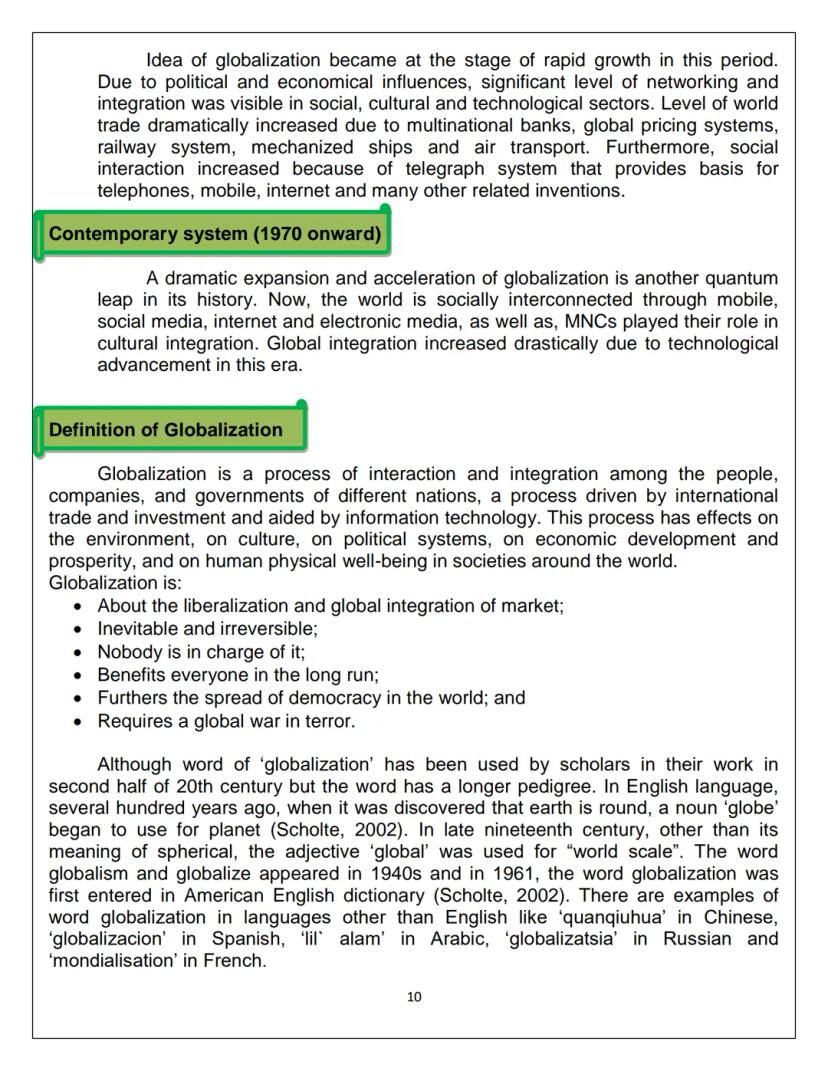
Globalization is the process of interaction and integration among people,...
 World History14 views·Updated Jun 5, 2026·16 pages
Optimizing Titles and Descriptions
B
belanojanice261@belanojanice261
1 / 10
1
of 10
Understanding Globalization
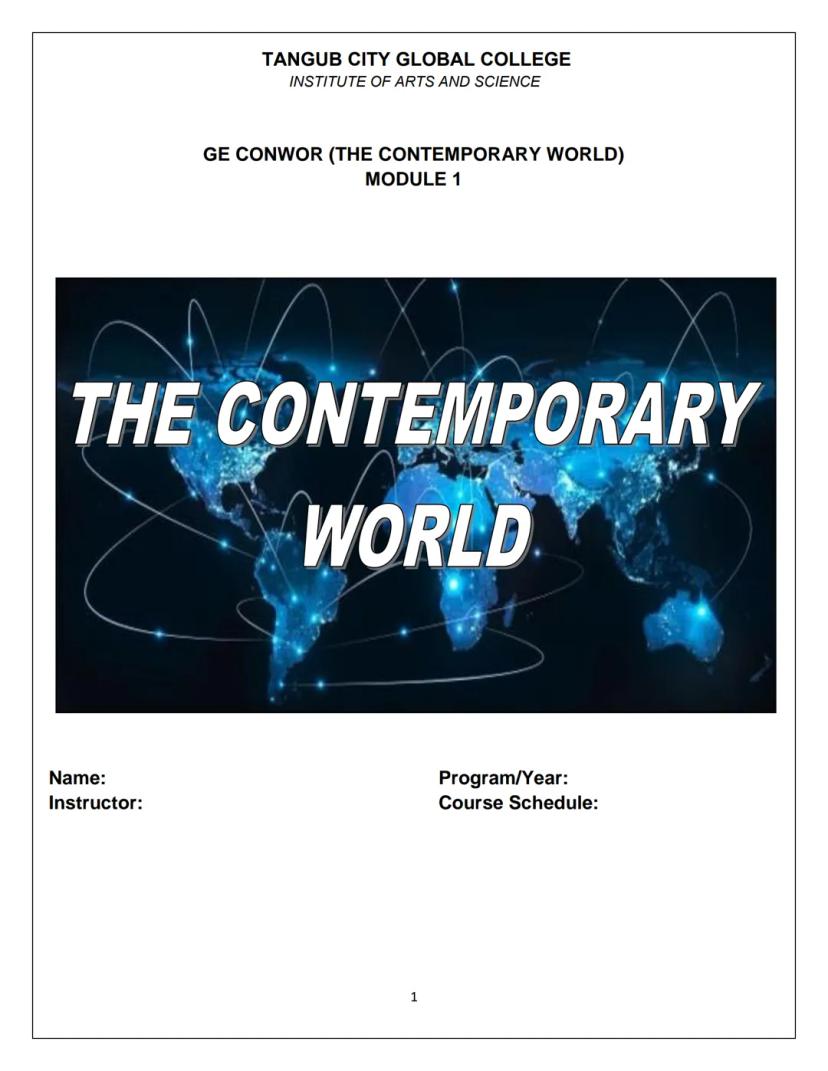
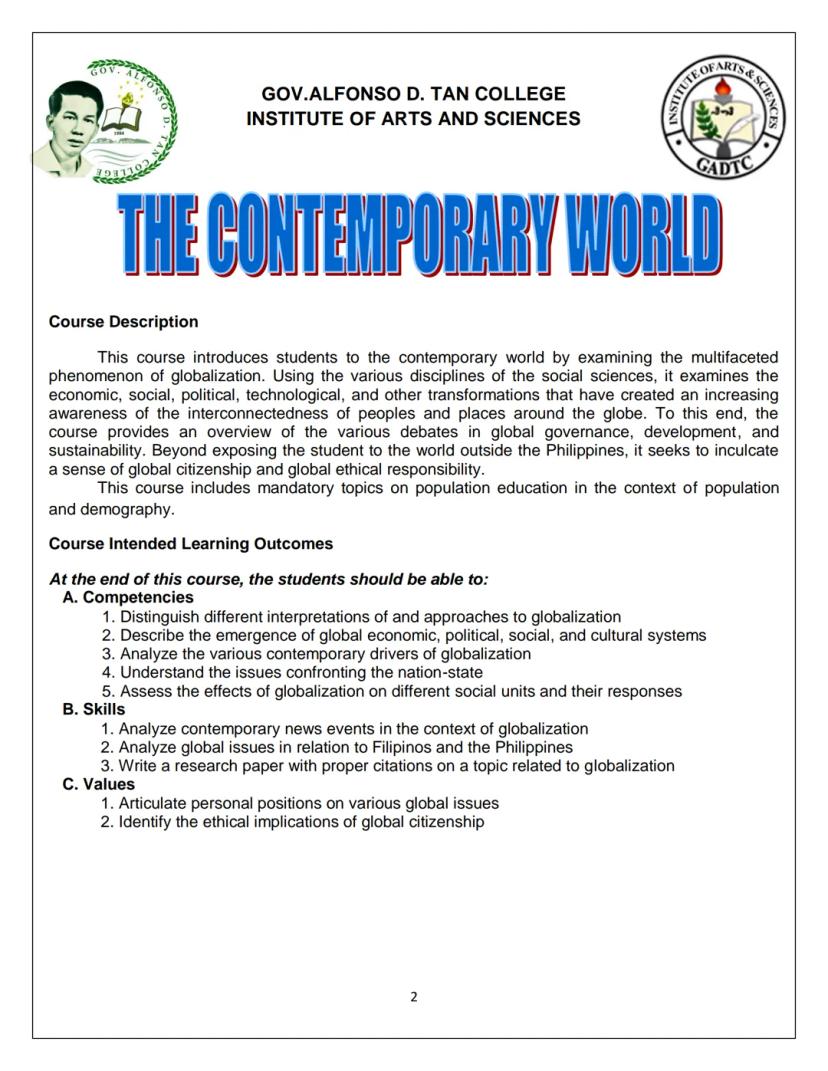
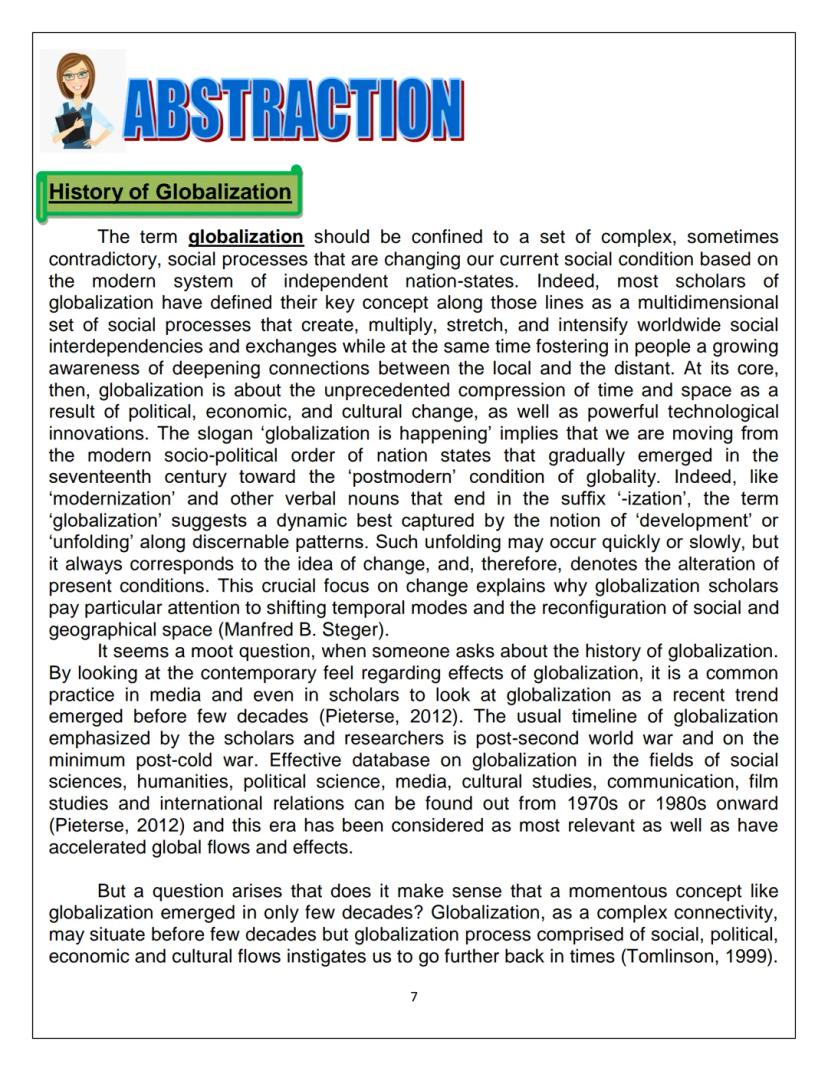
Globalization connects people and places around the world through increasingly complex networks of interdependence. This isn't just about economics—it involves social, cultural, political, and technological transformations that have created a deeply interconnected global community.
At its core, globalization represents the unprecedented compression of time and space. This compression results from technological innovations and significant political, economic, and cultural changes that have allowed information, goods, and ideas to flow rapidly across traditional borders.
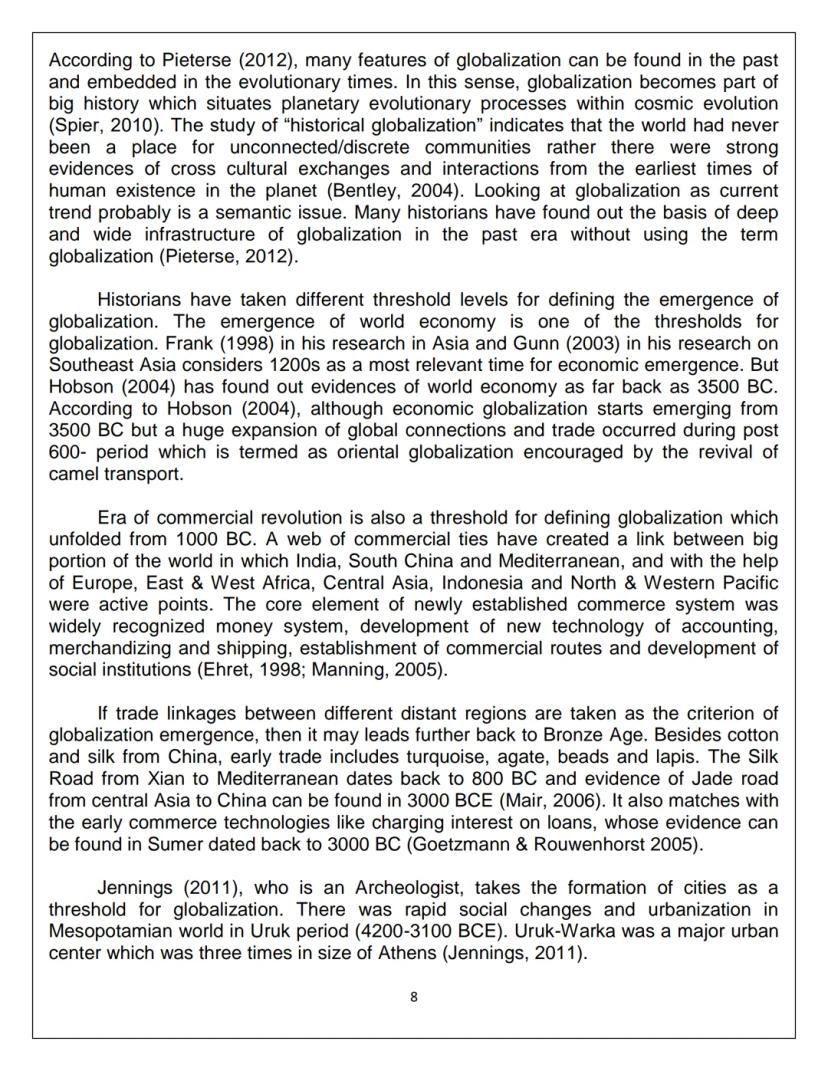
While many view globalization as a recent phenomenon, its roots extend deep into human history. Historians have identified various "threshold moments" for globalization, from early trade networks along the Silk Road (dating back to 800 BCE) to the Bronze Age commerce systems and even earlier urban centers in Mesopotamia.
Did you know? The term "globalization" first appeared in an American English dictionary in 1961, though the process it describes has been unfolding for thousands of years through exploration, trade, conquest, migration, and technological advancement.
2
of 10
The Historical Evolution of Globalization
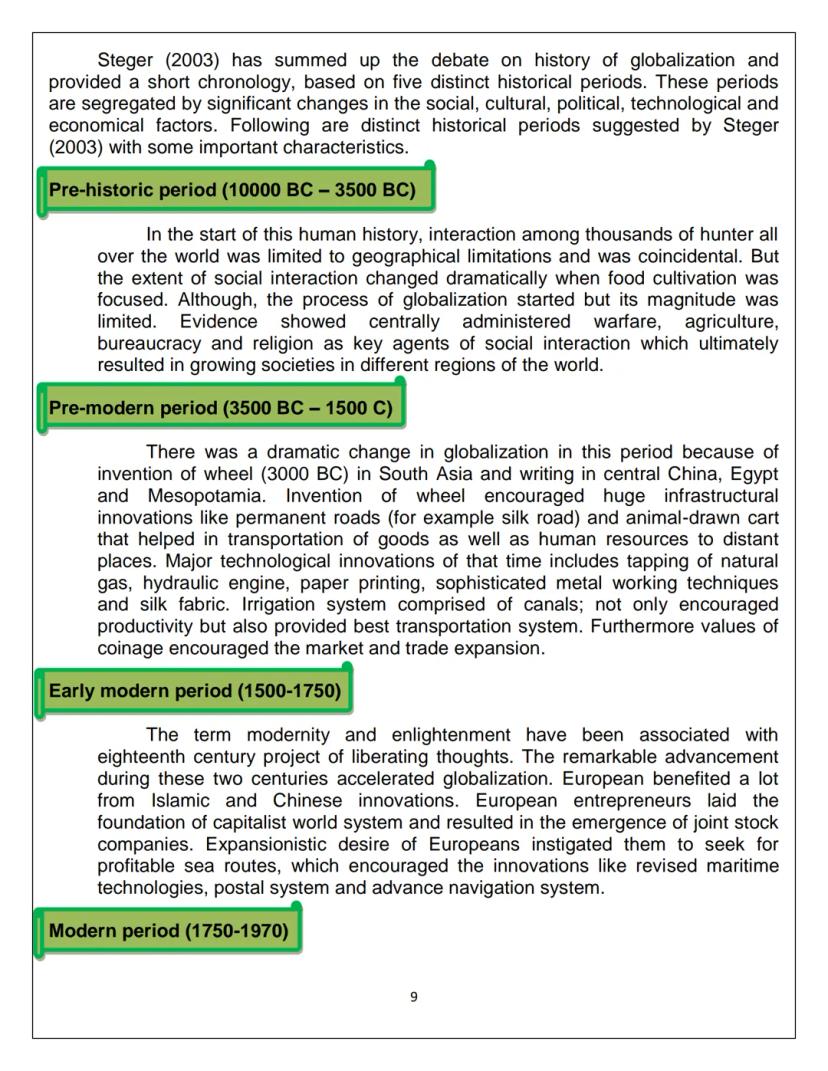
Globalization didn't begin in the 20th century—it evolved through distinct historical periods. In prehistoric times , interaction between hunter-gatherer groups was limited, but agricultural development expanded social connections. The invention of the wheel and writing in the pre-modern period dramatically accelerated global connections through trade routes like the Silk Road.
During the early modern period (1500-1750), European entrepreneurs established capitalist systems and joint-stock companies while seeking profitable sea routes. This era saw significant maritime technological advancements and the beginning of global postal systems.
The modern period (1750-1970) brought unprecedented integration through railways, mechanized ships, telegraph systems, and multinational banks. These innovations dramatically increased global trade and communication.
Since 1970, we've experienced the contemporary phase of globalization, characterized by dramatic expansion through digital technologies, mobile communications, and multinational corporations that have transformed how people connect worldwide.
Remember: Globalization isn't simply a recent trend—it's part of a long historical process that has intensified over time as technologies and social systems have evolved to enable greater connectivity.
3
of 10
The Multiple Dimensions of Globalization
Globalization manifests through several interconnected aspects that collectively transform our world. Economic globalization involves the creation of global markets and the freedom to exchange goods and capital across borders. This has led to complex supply chains where products might be designed in one country, with components from several others, and assembled in yet another location.
Political globalization has resulted in international organizations and frameworks that regulate relationships between governments. Bodies like the United Nations, World Trade Organization, and regional forums like the European Union create rules and agreements that participating countries follow.
Informational globalization has revolutionized how we communicate and share knowledge. The development of fiber optics, satellites, telephones, and the internet has created unprecedented information flows between geographically distant locations.
Cultural globalization involves the sharing of ideas, attitudes, and values across national borders. Mass media and communication technologies spread cultural products—from Disney theme parks to fast-food chains—creating interconnections between diverse cultures and ways of life.
Think about it: Look around your daily life—how many products do you use that involve components or ideas from multiple countries? This is globalization in action!
4
of 10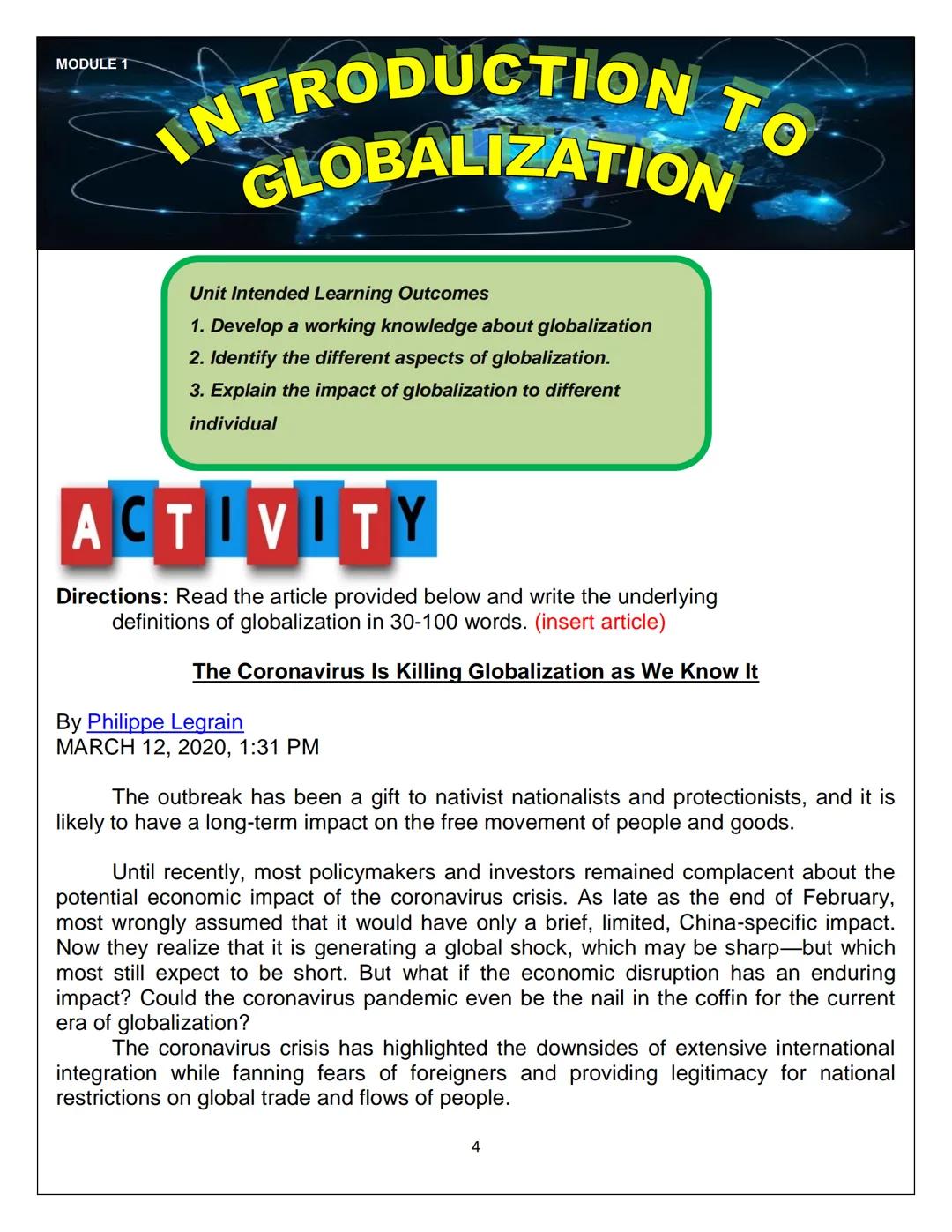
Globalization's Impact and Future
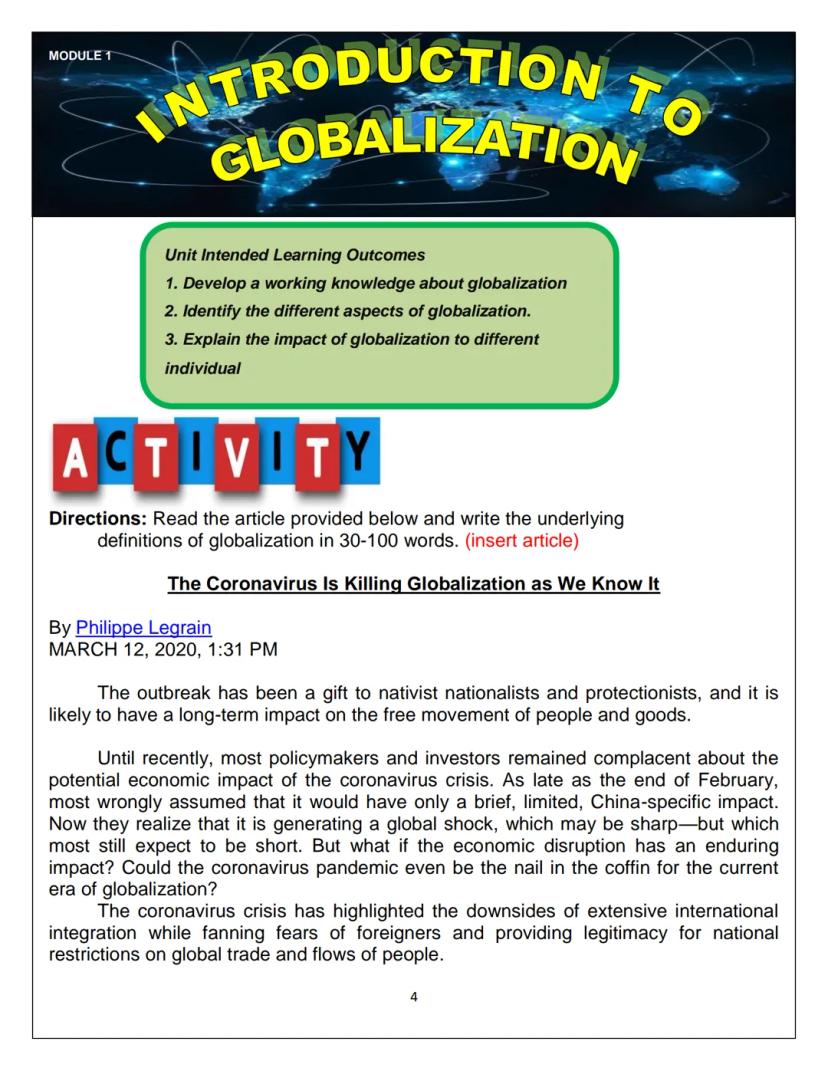
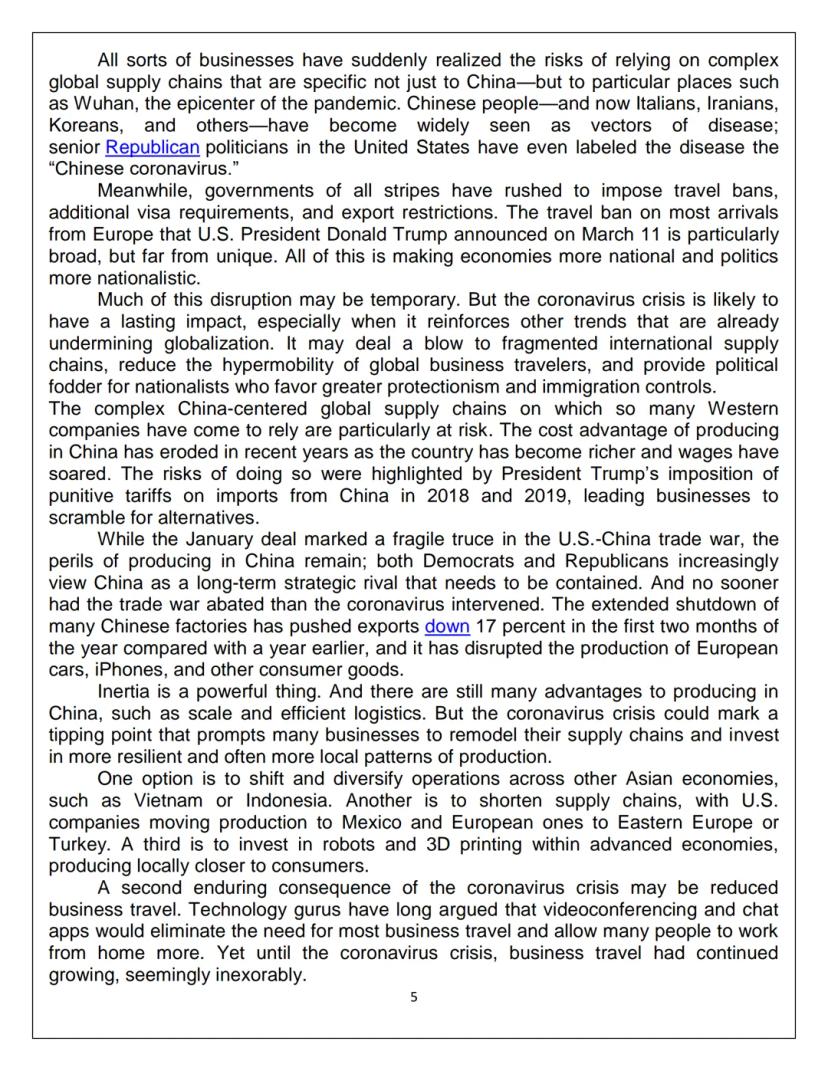
The coronavirus pandemic highlighted both the strengths and vulnerabilities of our globalized world. The crisis exposed the risks of complex global supply chains and prompted many businesses to reconsider their production strategies. Options include diversifying operations across multiple countries, shortening supply chains, or investing in automated production closer to consumers.
Globalization has also transformed how we work and communicate. The pandemic accelerated trends toward remote work and virtual meetings, demonstrating that technologies can often substitute for business travel. This shift may have lasting impacts on business practices, work-life balance, and even climate change as air travel decreases.
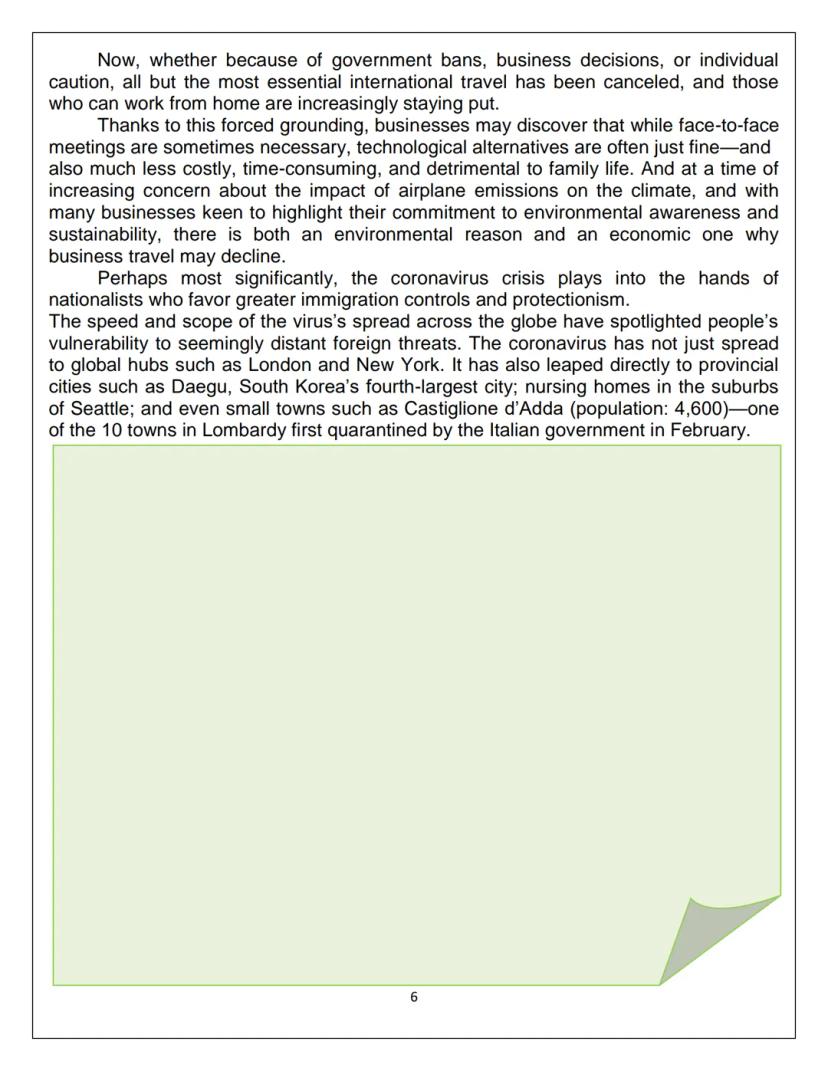
Perhaps most significantly, globalization continues to reshape politics and national identity. The rapid spread of information, people, and ideas across borders creates both opportunities and tensions. While some view globalization as a path to prosperity and cooperation, others see it as a threat to local cultures and economic security.
Understanding globalization helps us make sense of our rapidly changing world. Whether we're analyzing supply chains, cultural trends, or political movements, recognizing the multi-faceted nature of global interconnectedness is essential for navigating the contemporary world.
Looking ahead: How will you engage with globalization in your future career? Almost every profession now operates in a global context, from healthcare to business to environmental conservation.
5
of 10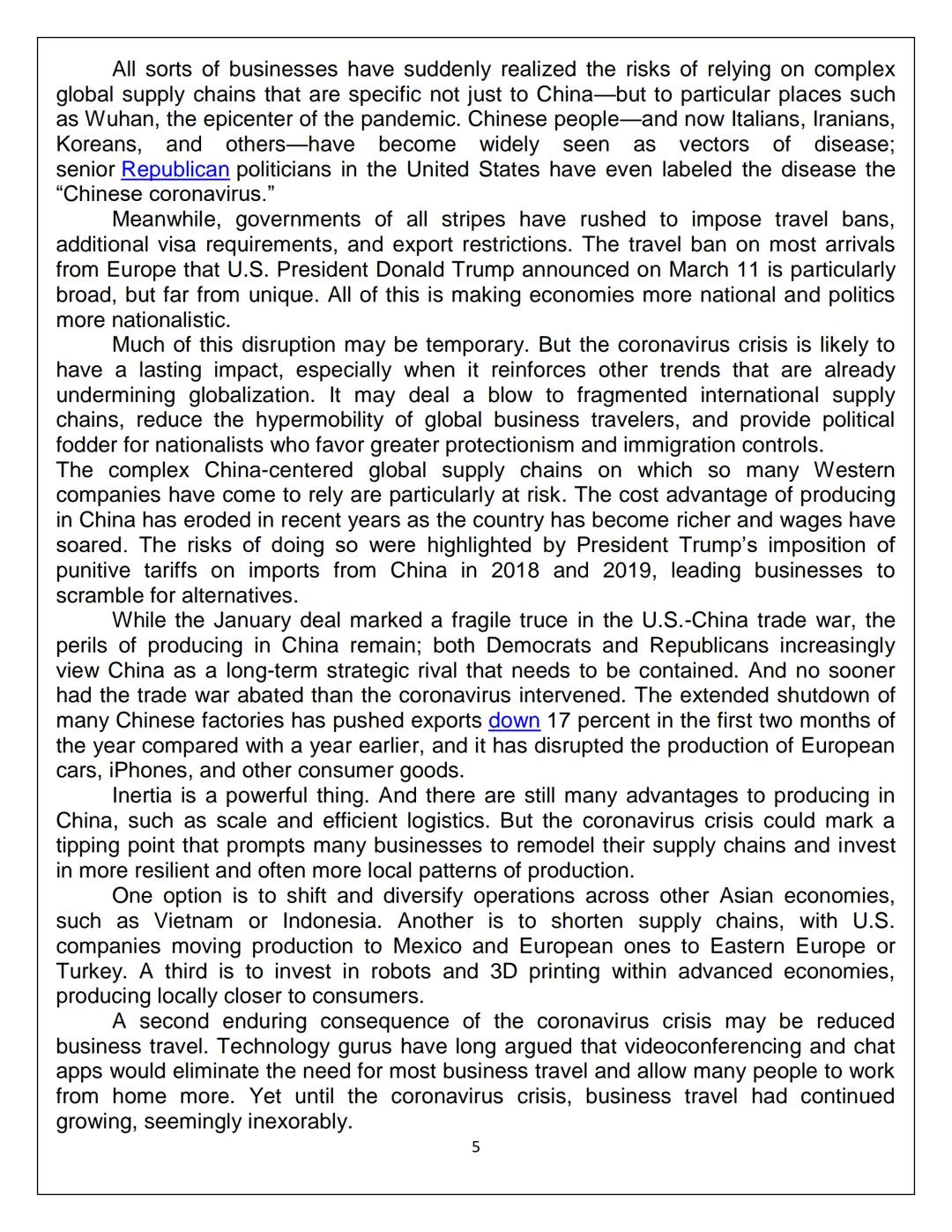
6
of 10
7
of 10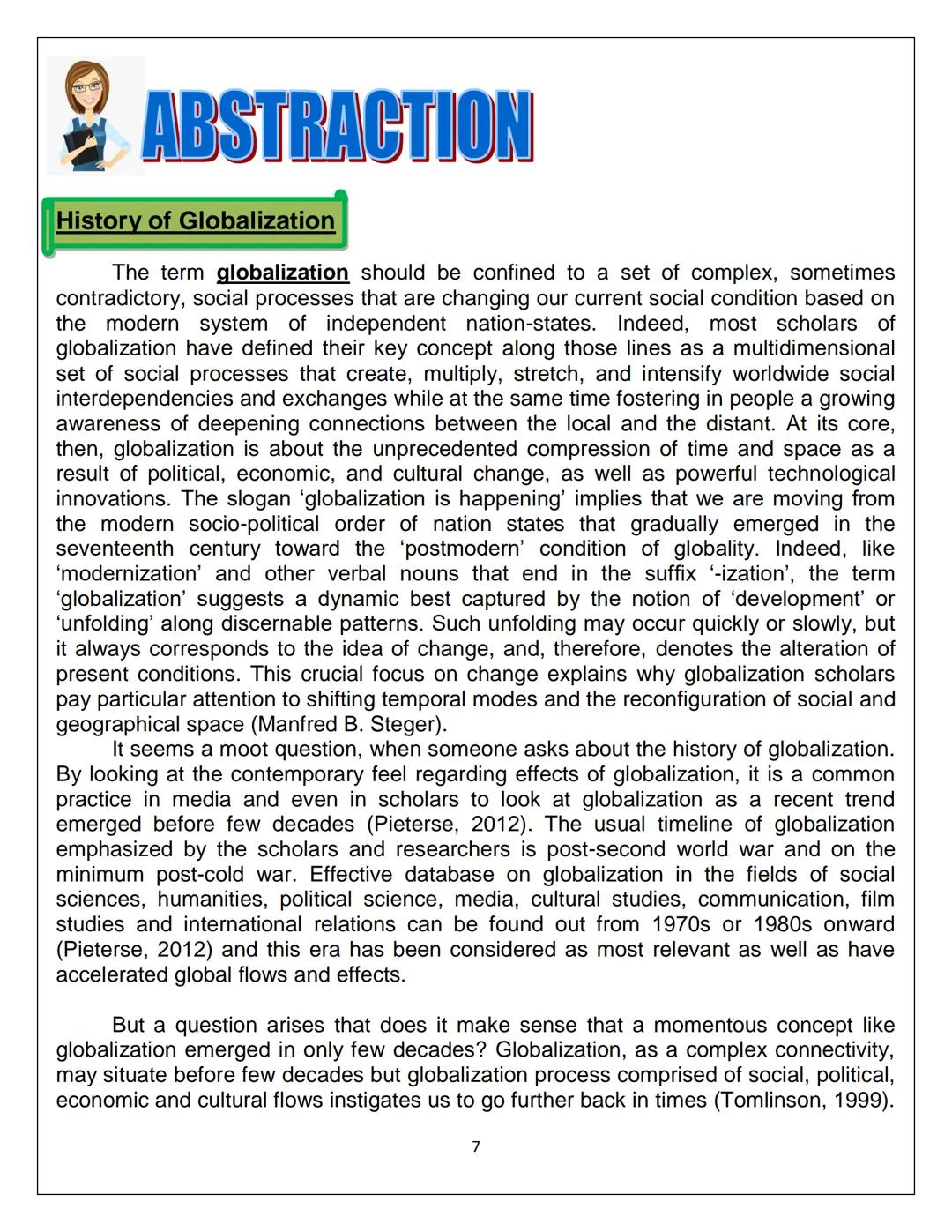
8
of 10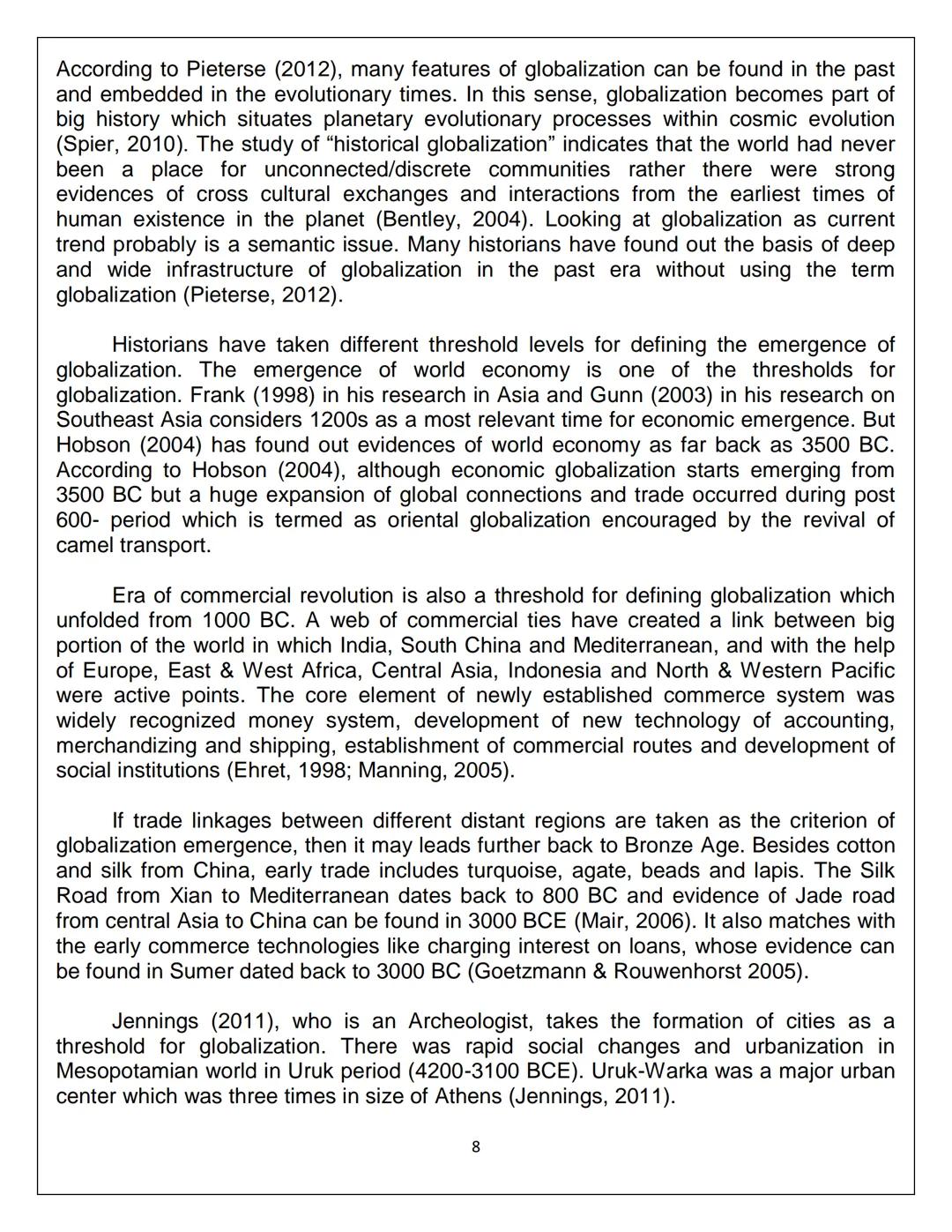
9
of 10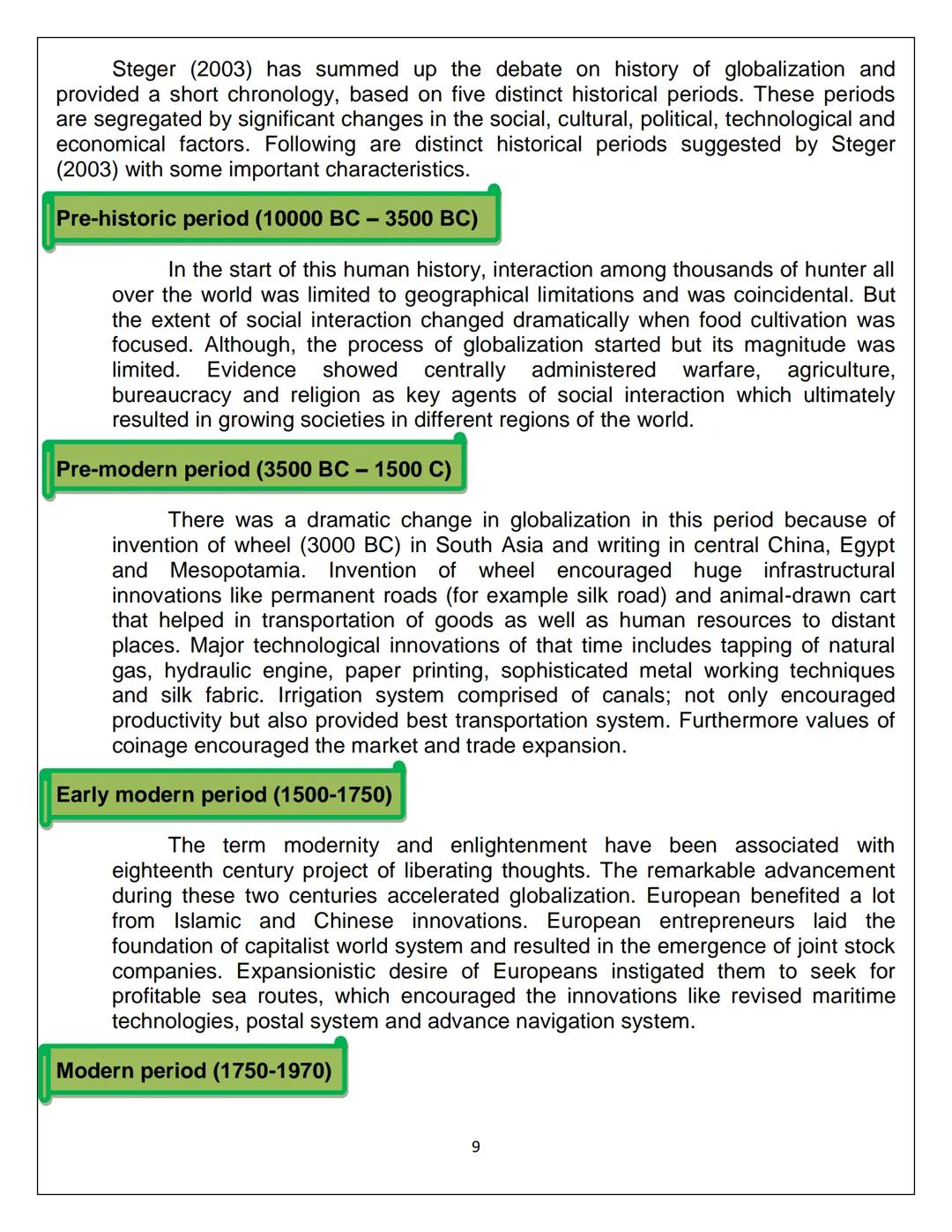
10
of 10
We thought you’d never ask...
What is the Knowunity AI companion?
Our AI companion is specifically built for the needs of students. Based on the millions of content pieces we have on the platform we can provide truly meaningful and relevant answers to students. But its not only about answers, the companion is even more about guiding students through their daily learning challenges, with personalised study plans, quizzes or content pieces in the chat and 100% personalisation based on the students skills and developments.
Where can I download the Knowunity app?
You can download the app in the Google Play Store and in the Apple App Store.
Is Knowunity really free of charge?
That's right! Enjoy free access to study content, connect with fellow students, and get instant help – all at your fingertips.
Most popular content in World History
9W
World HistoryWorld War 1 Multiple Choice Question Quiz
This quiz was created to test your knowledge of World War 1. This quiz contains questions about the war's events, alliances, significant battles, and the aftermath.
7th3800
World HistoryHumanism in the European Renaissance
Learn about Renaissance Humanism, an intellectual movement emphasizing human potential, achievements, and the revival of classical learning during the European transformation.
9th2323
World HistoryAncient River Civilizations: Mesopotamia, Egypt, and the Indus Valley
Covers the rise and characteristics of foundational early societies in Mesopotamia, the Nile Valley (Egypt), and the Indus Valley regions.
9th3602
P
World HistoryPaleolithic Era
This is a short little quiz based off of my notes from Advanced Global
9th1340
World HistoryAP 10 - QUARTER 2 NOTES
Globalisasyon SDG Migrasyon Teritoryal Dinastiyang Politikal
10th820
 English
A Raisin in the Sun Comprehension Questions [Act I, Scene One]
A Raisin in the Sun comprehension questions with answers.
9th1250
World HistoryAP World History Unit 1 Notes
Unit 1 Notes
2,830432
World HistoryByzantine Empire Study Guide
Covers: Justinian and Theodora, Constantinople, art and architecture, split of Catholic Church, etc.
9th1855
World HistoryThe Mongols
world history
632
Most popular content
9O
 AP US History
Origins and Dynamics of the Columbian Exchange
Analyze the ecological and economic motivations behind the initial transfer of goods, people, and diseases between the Old and New Worlds.
9th3,1280
I
AP US HistoryIntroduction to Early Cultural Interactions
Analyze the initial social and religious encounters between Europeans, Africans, and Indigenous peoples in the colonial Americas.
9th2,7730
O
AP World HistoryOrigins of Ancient River Civilizations
Analyze the environmental factors and technological innovations that led to the rise of early states in Mesopotamia, Egypt, and the Indus Valley.
9th3,1870
M
AP US HistoryMotivations for European Exploration
Analyze the economic, religious, and political factors that drove European powers to the Americas during the 15th and 16th centuries.
9th1,7780
F
 AP Psychology
Foundations of Ethical Guidelines in Research
Practice the core principles of the APA ethical code including informed consent, debriefing, and the role of Institutional Review Boards.
9th1,3360
I
AP US HistoryIntroduction to Native American Societies
Examine the diverse social, political, and economic structures of North American indigenous groups prior to European contact.
9th1,1100
I
 AP Biology
Introduction to Biological Elements of Life
Practice identifying the essential elements including carbon, nitrogen, phosphorus, and sulfur that compose biological macromolecules.
9th1,7390
I
AP US HistoryIntroduction to the Spanish Encomienda System
Explore the fundamental economic and social structures of the Spanish colonial system, focusing on the encomienda and the casta social hierarchy.
9th8890
O
AP World HistoryOrigins and Continuity of the Byzantine Empire
Analyze the political and cultural transitions from the Roman Empire to the Byzantine Empire, focusing on the reign of Justinian I and his code.
9th1,6320
Can't find what you're looking for? Explore other subjects.
Students love us — and so will you.
4.6/5App Store
4.7/5Google Play
The app is very easy to use and well designed. I have found everything I was looking for so far and have been able to learn a lot from the presentations! I will definitely use the app for a class assignment! And of course it also helps a lot as an inspiration.
Stefan SiOS user
This app is really great. There are so many study notes and help [...]. My problem subject is French, for example, and the app has so many options for help. Thanks to this app, I have improved my French. I would recommend it to anyone.
Samantha KlichAndroid user
Wow, I am really amazed. I just tried the app because I've seen it advertised many times and was absolutely stunned. This app is THE HELP you want for school and above all, it offers so many things, such as workouts and fact sheets, which have been VERY helpful to me personally.
AnnaiOS user
World History14 views·Updated Jun 5, 2026·16 pagesOptimizing Titles and Descriptions
B
belanojanice261@belanojanice261
Globalization is the process of interaction and integration among people, companies, and governments across nations. This complex phenomenon has drastically transformed our world through economic, political, cultural, and technological connections. Let's explore how globalization shapes our contemporary world and impacts...
1
of 10
Sign up to see the content. It's free!
- Access to all documents
- Improve your grades
- Join milions of students
Understanding Globalization
Globalization connects people and places around the world through increasingly complex networks of interdependence. This isn't just about economics—it involves social, cultural, political, and technological transformations that have created a deeply interconnected global community.
At its core, globalization represents the unprecedented compression of time and space. This compression results from technological innovations and significant political, economic, and cultural changes that have allowed information, goods, and ideas to flow rapidly across traditional borders.
While many view globalization as a recent phenomenon, its roots extend deep into human history. Historians have identified various "threshold moments" for globalization, from early trade networks along the Silk Road (dating back to 800 BCE) to the Bronze Age commerce systems and even earlier urban centers in Mesopotamia.
Did you know? The term "globalization" first appeared in an American English dictionary in 1961, though the process it describes has been unfolding for thousands of years through exploration, trade, conquest, migration, and technological advancement.
2
of 10Sign up to see the content. It's free!
- Access to all documents
- Improve your grades
- Join milions of students
The Historical Evolution of Globalization
Globalization didn't begin in the 20th century—it evolved through distinct historical periods. In prehistoric times , interaction between hunter-gatherer groups was limited, but agricultural development expanded social connections. The invention of the wheel and writing in the pre-modern period dramatically accelerated global connections through trade routes like the Silk Road.
During the early modern period (1500-1750), European entrepreneurs established capitalist systems and joint-stock companies while seeking profitable sea routes. This era saw significant maritime technological advancements and the beginning of global postal systems.
The modern period (1750-1970) brought unprecedented integration through railways, mechanized ships, telegraph systems, and multinational banks. These innovations dramatically increased global trade and communication.
Since 1970, we've experienced the contemporary phase of globalization, characterized by dramatic expansion through digital technologies, mobile communications, and multinational corporations that have transformed how people connect worldwide.
Remember: Globalization isn't simply a recent trend—it's part of a long historical process that has intensified over time as technologies and social systems have evolved to enable greater connectivity.
3
of 10Sign up to see the content. It's free!
- Access to all documents
- Improve your grades
- Join milions of students
The Multiple Dimensions of Globalization
Globalization manifests through several interconnected aspects that collectively transform our world. Economic globalization involves the creation of global markets and the freedom to exchange goods and capital across borders. This has led to complex supply chains where products might be designed in one country, with components from several others, and assembled in yet another location.
Political globalization has resulted in international organizations and frameworks that regulate relationships between governments. Bodies like the United Nations, World Trade Organization, and regional forums like the European Union create rules and agreements that participating countries follow.
Informational globalization has revolutionized how we communicate and share knowledge. The development of fiber optics, satellites, telephones, and the internet has created unprecedented information flows between geographically distant locations.
Cultural globalization involves the sharing of ideas, attitudes, and values across national borders. Mass media and communication technologies spread cultural products—from Disney theme parks to fast-food chains—creating interconnections between diverse cultures and ways of life.
Think about it: Look around your daily life—how many products do you use that involve components or ideas from multiple countries? This is globalization in action!
4
of 10Sign up to see the content. It's free!
- Access to all documents
- Improve your grades
- Join milions of students
Globalization's Impact and Future
The coronavirus pandemic highlighted both the strengths and vulnerabilities of our globalized world. The crisis exposed the risks of complex global supply chains and prompted many businesses to reconsider their production strategies. Options include diversifying operations across multiple countries, shortening supply chains, or investing in automated production closer to consumers.
Globalization has also transformed how we work and communicate. The pandemic accelerated trends toward remote work and virtual meetings, demonstrating that technologies can often substitute for business travel. This shift may have lasting impacts on business practices, work-life balance, and even climate change as air travel decreases.
Perhaps most significantly, globalization continues to reshape politics and national identity. The rapid spread of information, people, and ideas across borders creates both opportunities and tensions. While some view globalization as a path to prosperity and cooperation, others see it as a threat to local cultures and economic security.
Understanding globalization helps us make sense of our rapidly changing world. Whether we're analyzing supply chains, cultural trends, or political movements, recognizing the multi-faceted nature of global interconnectedness is essential for navigating the contemporary world.
Looking ahead: How will you engage with globalization in your future career? Almost every profession now operates in a global context, from healthcare to business to environmental conservation.
5
of 10Sign up to see the content. It's free!
- Access to all documents
- Improve your grades
- Join milions of students
6
of 10Sign up to see the content. It's free!
- Access to all documents
- Improve your grades
- Join milions of students
7
of 10Sign up to see the content. It's free!
- Access to all documents
- Improve your grades
- Join milions of students
8
of 10Sign up to see the content. It's free!
- Access to all documents
- Improve your grades
- Join milions of students
9
of 10Sign up to see the content. It's free!
- Access to all documents
- Improve your grades
- Join milions of students
10
of 10Sign up to see the content. It's free!
- Access to all documents
- Improve your grades
- Join milions of students
We thought you’d never ask...
What is the Knowunity AI companion?
Our AI companion is specifically built for the needs of students. Based on the millions of content pieces we have on the platform we can provide truly meaningful and relevant answers to students. But its not only about answers, the companion is even more about guiding students through their daily learning challenges, with personalised study plans, quizzes or content pieces in the chat and 100% personalisation based on the students skills and developments.
Where can I download the Knowunity app?
You can download the app in the Google Play Store and in the Apple App Store.
Is Knowunity really free of charge?
That's right! Enjoy free access to study content, connect with fellow students, and get instant help – all at your fingertips.
Most popular content in World History
9W
World HistoryWorld War 1 Multiple Choice Question Quiz
This quiz was created to test your knowledge of World War 1. This quiz contains questions about the war's events, alliances, significant battles, and the aftermath.
7th3800
World HistoryHumanism in the European Renaissance
Learn about Renaissance Humanism, an intellectual movement emphasizing human potential, achievements, and the revival of classical learning during the European transformation.
9th2323
World HistoryAncient River Civilizations: Mesopotamia, Egypt, and the Indus Valley
Covers the rise and characteristics of foundational early societies in Mesopotamia, the Nile Valley (Egypt), and the Indus Valley regions.
9th3602
P
World HistoryPaleolithic Era
This is a short little quiz based off of my notes from Advanced Global
9th1340
World HistoryAP 10 - QUARTER 2 NOTES
Globalisasyon SDG Migrasyon Teritoryal Dinastiyang Politikal
10th820
EnglishA Raisin in the Sun Comprehension Questions [Act I, Scene One]
A Raisin in the Sun comprehension questions with answers.
9th1250
World HistoryAP World History Unit 1 Notes
Unit 1 Notes
2,830432
World HistoryByzantine Empire Study Guide
Covers: Justinian and Theodora, Constantinople, art and architecture, split of Catholic Church, etc.
9th1855
World HistoryThe Mongols
world history
632
Most popular content
9O
AP US HistoryOrigins and Dynamics of the Columbian Exchange
Analyze the ecological and economic motivations behind the initial transfer of goods, people, and diseases between the Old and New Worlds.
9th3,1280
I
AP US HistoryIntroduction to Early Cultural Interactions
Analyze the initial social and religious encounters between Europeans, Africans, and Indigenous peoples in the colonial Americas.
9th2,7730
O
AP World HistoryOrigins of Ancient River Civilizations
Analyze the environmental factors and technological innovations that led to the rise of early states in Mesopotamia, Egypt, and the Indus Valley.
9th3,1870
M
AP US HistoryMotivations for European Exploration
Analyze the economic, religious, and political factors that drove European powers to the Americas during the 15th and 16th centuries.
9th1,7780
F
AP PsychologyFoundations of Ethical Guidelines in Research
Practice the core principles of the APA ethical code including informed consent, debriefing, and the role of Institutional Review Boards.
9th1,3360
I
AP US HistoryIntroduction to Native American Societies
Examine the diverse social, political, and economic structures of North American indigenous groups prior to European contact.
9th1,1100
I
AP BiologyIntroduction to Biological Elements of Life
Practice identifying the essential elements including carbon, nitrogen, phosphorus, and sulfur that compose biological macromolecules.
9th1,7390
I
AP US HistoryIntroduction to the Spanish Encomienda System
Explore the fundamental economic and social structures of the Spanish colonial system, focusing on the encomienda and the casta social hierarchy.
9th8890
O
AP World HistoryOrigins and Continuity of the Byzantine Empire
Analyze the political and cultural transitions from the Roman Empire to the Byzantine Empire, focusing on the reign of Justinian I and his code.
9th1,6320
Can't find what you're looking for? Explore other subjects.
Students love us — and so will you.
4.6/5App Store
4.7/5Google Play
The app is very easy to use and well designed. I have found everything I was looking for so far and have been able to learn a lot from the presentations! I will definitely use the app for a class assignment! And of course it also helps a lot as an inspiration.
Stefan SiOS user
This app is really great. There are so many study notes and help [...]. My problem subject is French, for example, and the app has so many options for help. Thanks to this app, I have improved my French. I would recommend it to anyone.
Samantha KlichAndroid user
Wow, I am really amazed. I just tried the app because I've seen it advertised many times and was absolutely stunned. This app is THE HELP you want for school and above all, it offers so many things, such as workouts and fact sheets, which have been VERY helpful to me personally.
AnnaiOS user