
Ever wondered how you're able to scroll through TikTok, share...
 MIL137 views·Updated Jun 24, 2026·6 pages
Understanding Media and Information Literacy: A Beginner's Guide

Veleda Kisses@kissedbykisses


1 / 6
1
of 6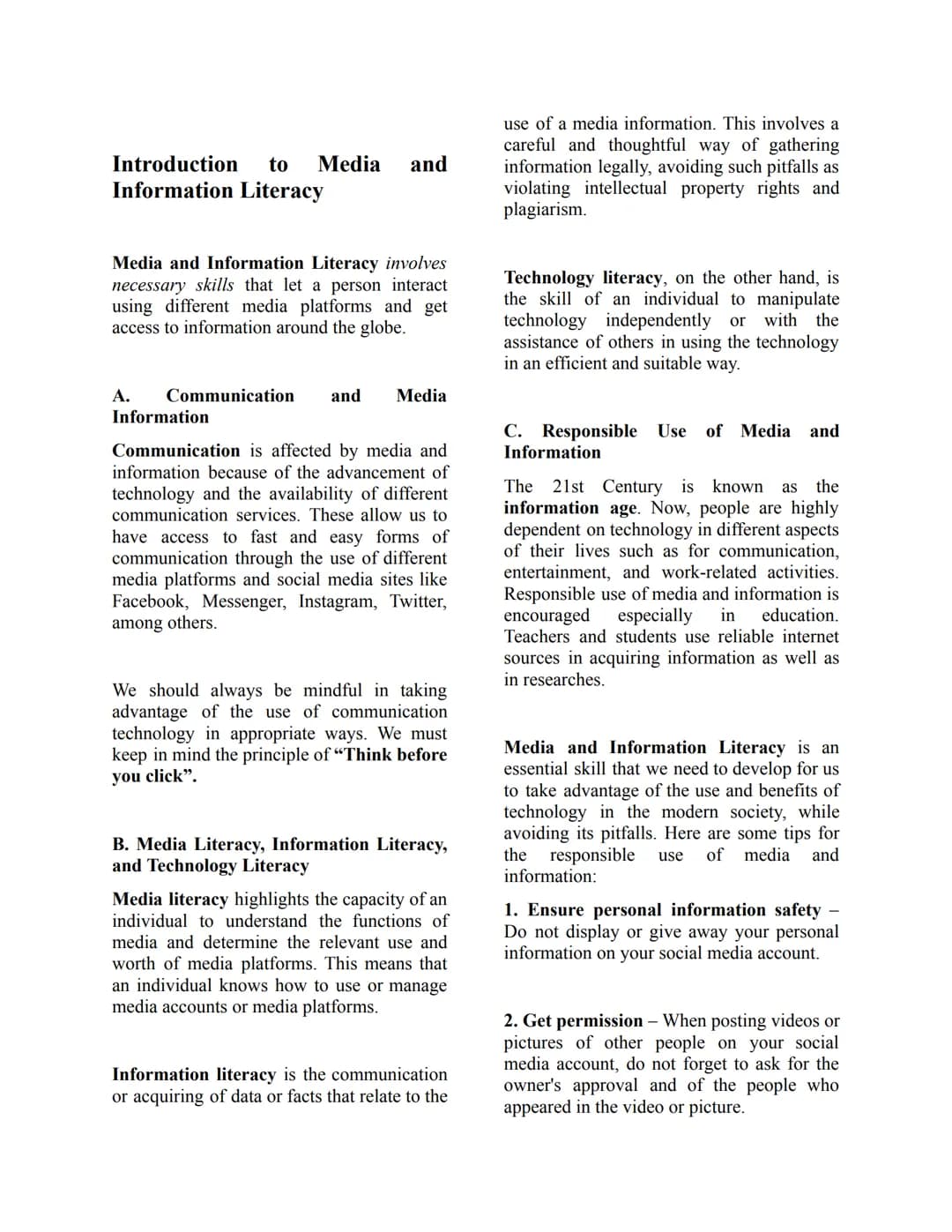
Getting Started with Media and Information Literacy
Think about how many times you check your phone daily - that's media and information literacy in action! Media and Information Literacy gives you the essential skills to interact with different platforms like Instagram, Twitter, and YouTube while accessing information from around the world.
Communication has totally changed because of technology. Instead of waiting days for a letter, you can now video call your friend in another country instantly. Social media platforms have made communication super fast and easy, but here's the catch - you need to be smart about it.
The golden rule? "Think before you click." This isn't just about avoiding embarrassing posts (though that's important too!). It's about being responsible with the powerful communication tools at your fingertips.
Pro Tip: Before posting anything, ask yourself: "Would I be okay if my teacher, parents, or future employer saw this?"
2
of 6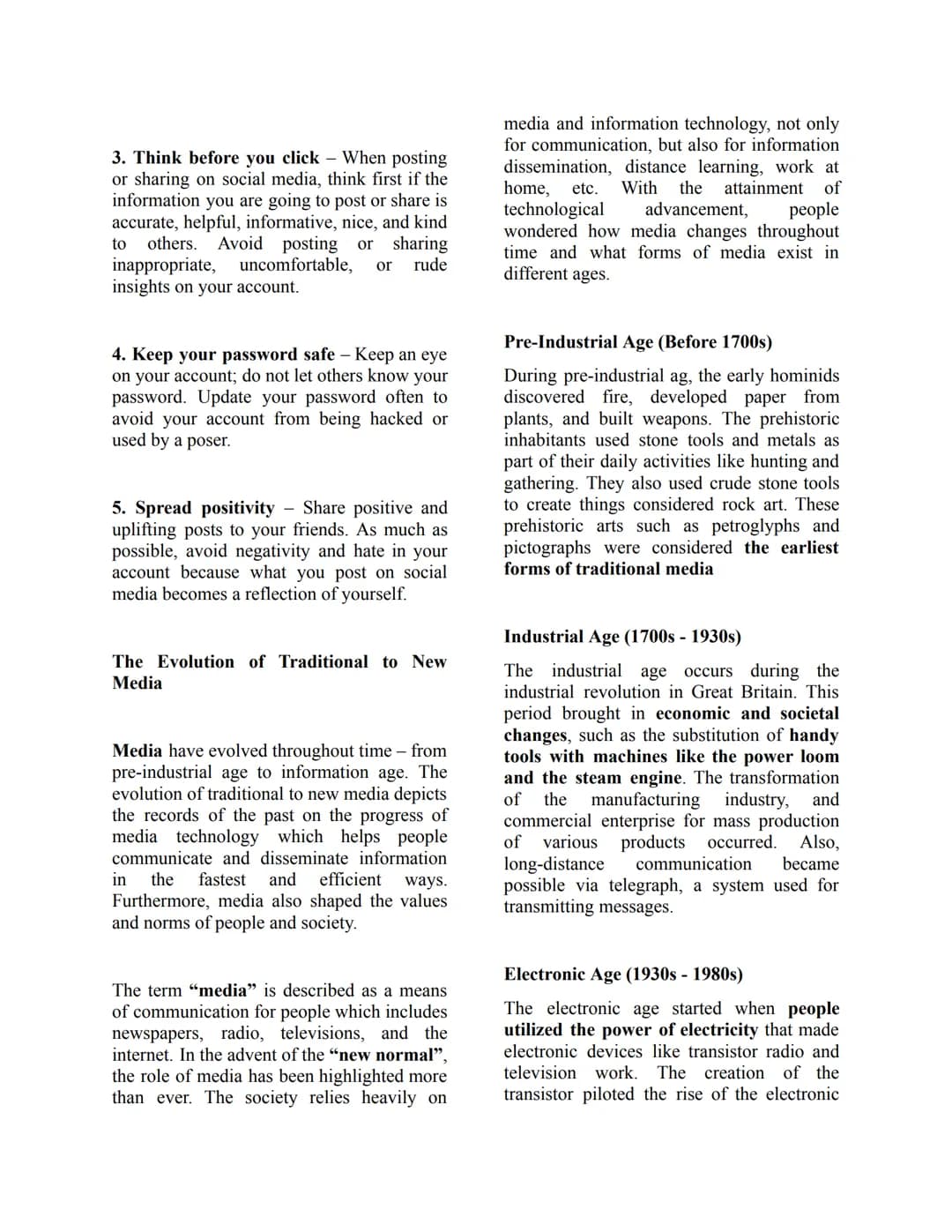
The Three Types of Literacy You Need
Media literacy is like being fluent in the language of social media and digital platforms. You know how to create posts, understand how algorithms work, and can spot when something seems off. Basically, you're not just using media - you're mastering it.
Information literacy is your detective skill for gathering facts and data legally and ethically. This means knowing how to research properly, avoid plagiarism, and respect intellectual property rights. No more copy-pasting from Wikipedia without proper citations!
Technology literacy is your ability to handle tech independently or ask for help when needed. Whether it's troubleshooting your laptop or learning a new app, you're confident with digital tools.
Remember: These three types work together - you can't be truly media literate without understanding information and technology too!
3
of 6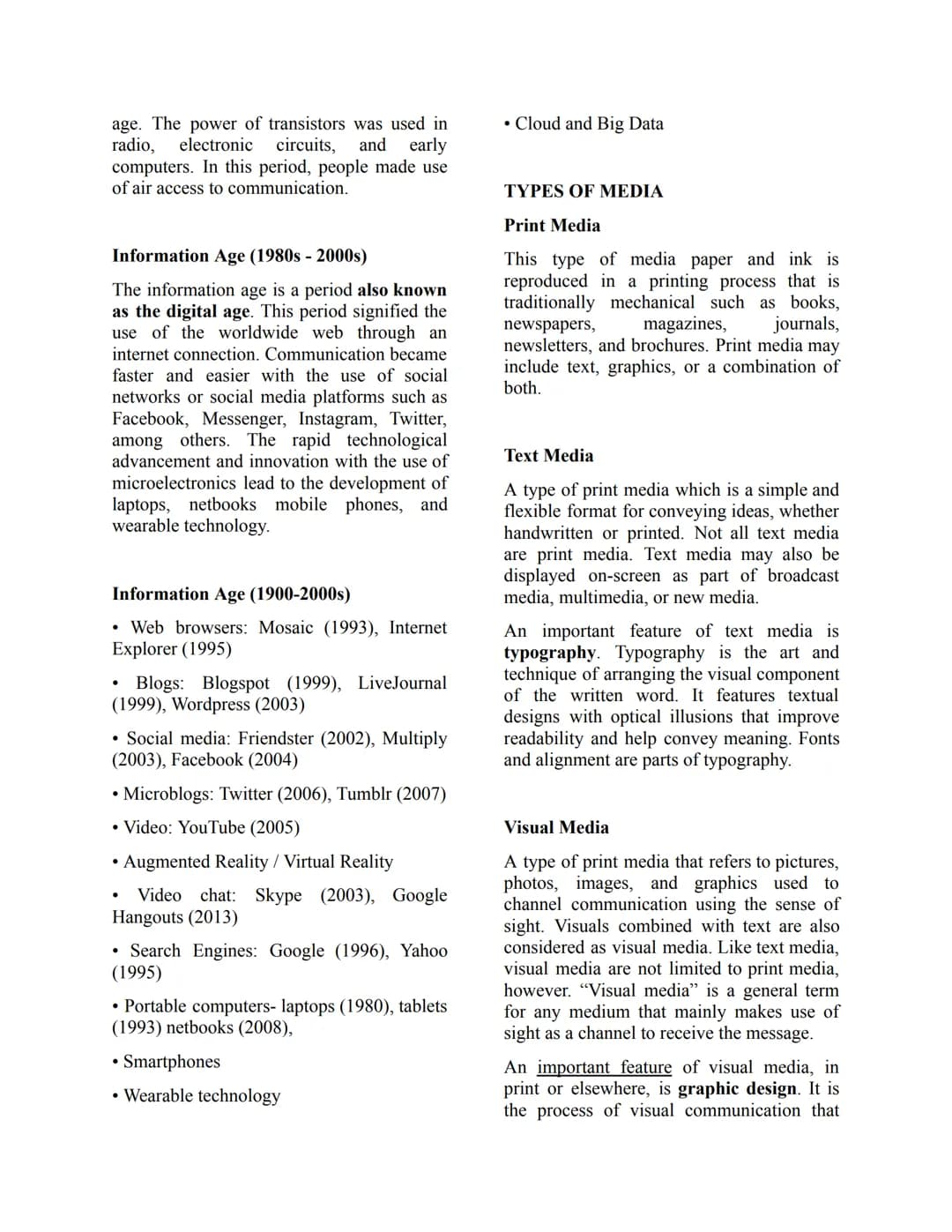
How to Use Media Responsibly
We're living in the Information Age, where pretty much everything depends on technology. Your classes, entertainment, work, and social life all involve digital platforms somehow.
Here are the non-negotiable rules for responsible media use: Keep your personal information private (no posting your address or phone number!). Always get permission before posting photos or videos of other people - it's just basic respect.
Think before you click - ask yourself if what you're sharing is accurate, helpful, and kind. Keep your passwords secure and update them regularly (yes, "password123" doesn't count as secure!). Most importantly, spread positivity because your social media is basically your digital reputation.
The 21st century has made us incredibly dependent on technology, but that's not necessarily bad - as long as we use it wisely and responsibly.
Reality Check: What you post online can affect your college applications and job prospects, so make it count in a good way!
4
of 6
From Cave Paintings to TikTok: Media Evolution
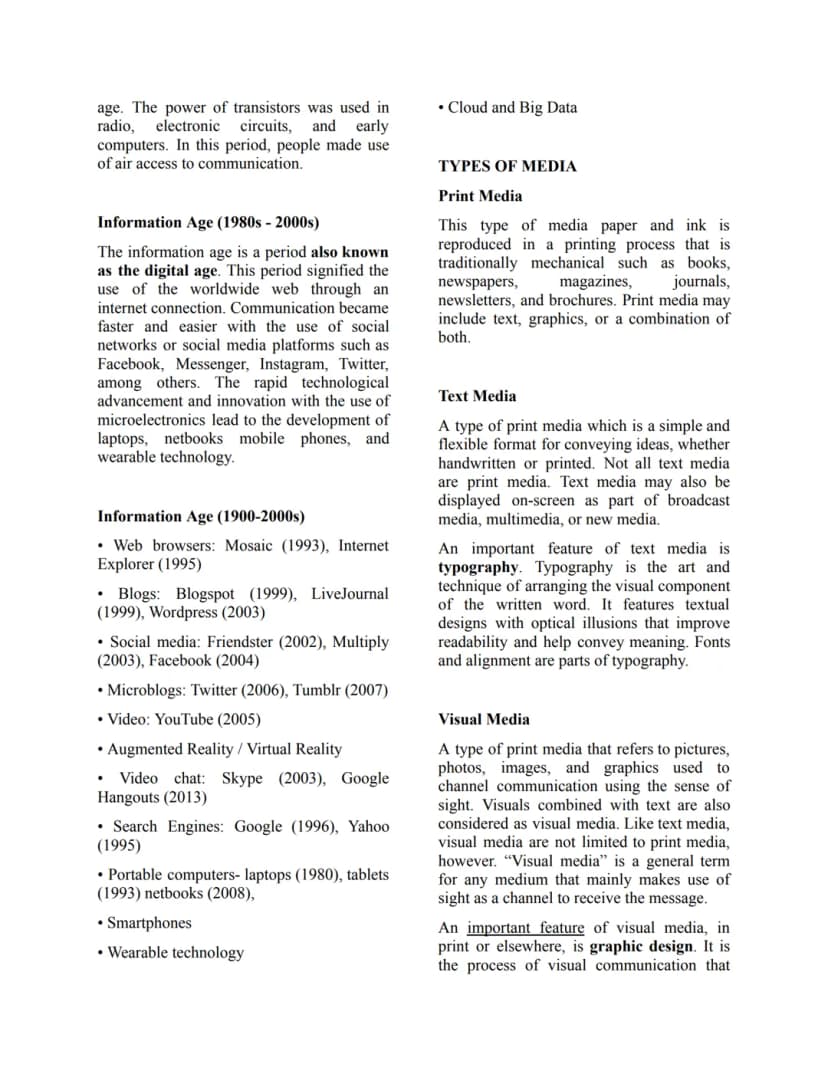
The evolution from traditional media to new media is actually pretty wild when you think about it. We've gone from cave paintings to viral videos in just a few thousand years!
Pre-Industrial Age (before 1700s) was all about basic survival tools and rock art. Think petroglyphs and pictographs - basically the world's first Instagram posts, but carved in stone! The Industrial Age brought us machines, mass production, and the telegraph for long-distance communication.
The Electronic Age introduced transistor radios and television, using electricity to power communication. Finally, the Information Age gave us the internet, social media platforms, smartphones, and basically everything you use daily.
This period brought us web browsers, blogs, Facebook, Twitter, YouTube, and all the apps that make your phone more entertaining than TV ever was!
Fun Fact: YouTube was created in 2005, which means it's younger than most of you, but it's completely changed how we consume media!
5
of 6
Understanding Different Types of Media
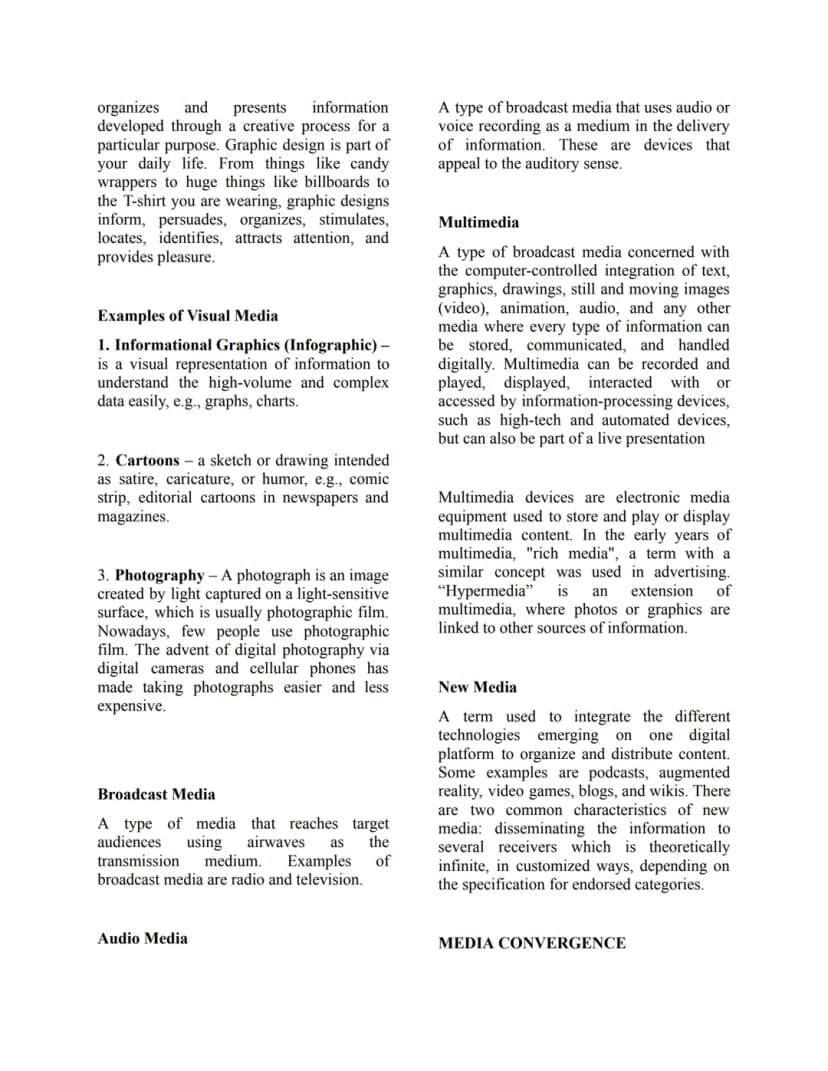
Print media includes traditional stuff like books, newspapers, and magazines - anything that uses paper and ink. Text media is broader and includes digital text too, with typography being super important for readability and visual appeal.
Visual media is all about communicating through sight - photos, graphics, infographics, cartoons, and photography. Graphic design is everywhere in visual media, from candy wrappers to billboards to your favorite app icons.
Broadcast media uses airwaves to reach audiences through radio and TV. Multimedia combines everything - text, graphics, video, audio, and animation - usually through computers and digital devices.
New media integrates different technologies on digital platforms, like podcasts, augmented reality, video games, blogs, and wikis. The coolest part? Media convergence means your smartphone can do what used to require separate devices - camera, radio, TV, computer, and more!
Think About It: Your phone is basically a multimedia powerhouse that would have seemed like magic to people just 30 years ago!
6
of 6
Media Effects and How They Influence You
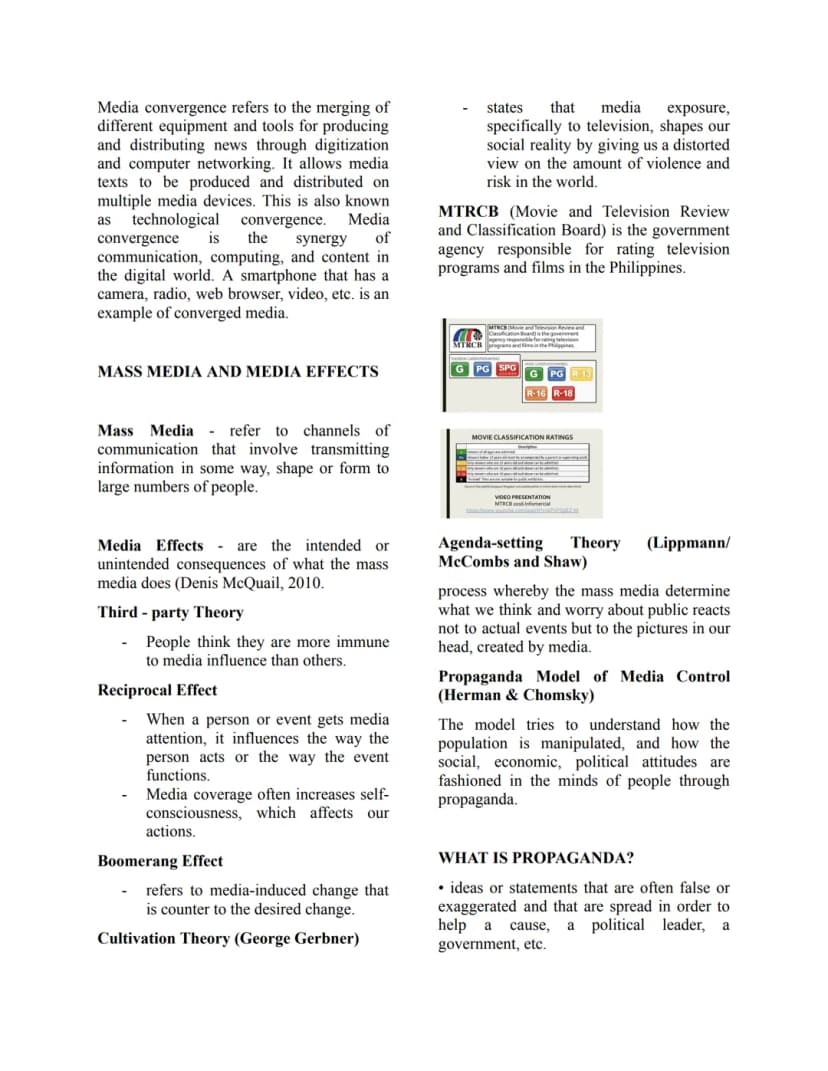
Mass media channels reach huge numbers of people, and media effects are the intended or unintended consequences of what media does to us. Understanding these effects helps you become a smarter consumer of information.
The Third-party Theory suggests you think you're more immune to media influence than others (spoiler alert: you're probably not!). Reciprocal Effect means when someone gets media attention, it changes how they act - like how influencers might change their behavior because they know they're being watched.
Cultivation Theory shows that heavy TV watching can distort your view of reality, making the world seem more violent than it actually is. Agenda-setting Theory explains how media determines what we think about and worry about - basically, media doesn't tell you what to think, but what to think about.
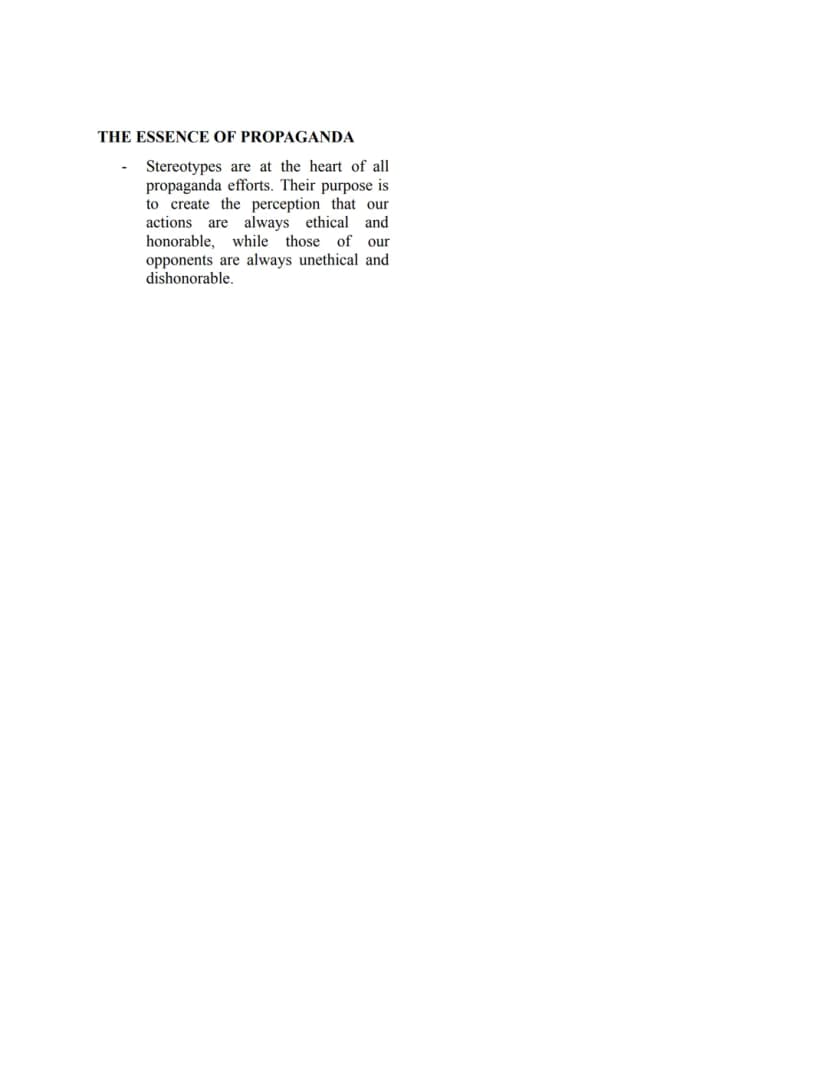
Propaganda involves spreading ideas (often false or exaggerated) to influence people's opinions. The key is learning to spot when information is trying to manipulate you rather than inform you.
Critical Thinking: Always ask yourself - who created this content, why did they create it, and what do they want me to think or do?
We thought you’d never ask...
What is the Knowunity AI companion?
Our AI companion is specifically built for the needs of students. Based on the millions of content pieces we have on the platform we can provide truly meaningful and relevant answers to students. But its not only about answers, the companion is even more about guiding students through their daily learning challenges, with personalised study plans, quizzes or content pieces in the chat and 100% personalisation based on the students skills and developments.
Where can I download the Knowunity app?
You can download the app in the Google Play Store and in the Apple App Store.
Is Knowunity really free of charge?
That's right! Enjoy free access to study content, connect with fellow students, and get instant help – all at your fingertips.
Most popular content in MIL
5Most popular content
9 Math
MathMathematics Grade 10 Quarter 1
Grade 10 Math topics
G1010,218250
 Iba pa
El Filibusterismo (FILIPINO 10)
Kilalanin ang mga karakter at alamin ang mga pangyayari mula Kabanata 1 hanggang 39.
G1011,183240
 Science
Science 9 Quarter 1 Lesson 1
Topics: The Respiratory System and The Circulatory System
G911,075383
 Gen Physics
General Physics 1, First Sem
Units of Measurement, Vectors, and Kinematics. All with formulas
G116,247168
 Filipino
Filipino 8 Reviewer
Filipino Reviewer for 4th Quarter for Grade 8 students
G88,088127
ScienceSCIENCE Grade 9 Quarter 3 Reviewer
All about the lessons in Grade 9 Quarter 3 SCIENCE, all complete, highlighted, printable, and has extra informations.
G914,629303
 Pre-Cal
UPCAT Reviewer: Mathematics
general coverage of the mathematics section for UPCAT
G127,085397
OtherIntroduction to Philosophy - 1st Semester, Grade 12
A summarized notes for Grade 12 students. Easier learning for the 1st semester’s Philosophy subject.
G123,96856
ScienceThe Human Digestive System
Science Grade 8 1st Quarter Lesson
G84,78386
Can't find what you're looking for? Explore other subjects.
Students love us — and so will you.
4.6/5App Store
4.7/5Google Play
The app is very easy to use and well designed. I have found everything I was looking for so far and have been able to learn a lot from the presentations! I will definitely use the app for a class assignment! And of course it also helps a lot as an inspiration.
Stefan SiOS user
This app is really great. There are so many study notes and help [...]. My problem subject is French, for example, and the app has so many options for help. Thanks to this app, I have improved my French. I would recommend it to anyone.
Samantha KlichAndroid user
Wow, I am really amazed. I just tried the app because I've seen it advertised many times and was absolutely stunned. This app is THE HELP you want for school and above all, it offers so many things, such as workouts and fact sheets, which have been VERY helpful to me personally.
AnnaiOS user
MIL137 views·Updated Jun 24, 2026·6 pagesUnderstanding Media and Information Literacy: A Beginner's Guide
Veleda Kisses@kissedbykisses
Ever wondered how you're able to scroll through TikTok, share memes on Facebook, or research for your projects online? That's all thanks to Media and Information Literacy- basically the superpower skills you need to navigate our digital world smartly...
1
of 6
Sign up to see the content. It's free!
- Access to all documents
- Improve your grades
- Join milions of students
Getting Started with Media and Information Literacy
Think about how many times you check your phone daily - that's media and information literacy in action! Media and Information Literacy gives you the essential skills to interact with different platforms like Instagram, Twitter, and YouTube while accessing information from around the world.
Communication has totally changed because of technology. Instead of waiting days for a letter, you can now video call your friend in another country instantly. Social media platforms have made communication super fast and easy, but here's the catch - you need to be smart about it.
The golden rule? "Think before you click." This isn't just about avoiding embarrassing posts (though that's important too!). It's about being responsible with the powerful communication tools at your fingertips.
Pro Tip: Before posting anything, ask yourself: "Would I be okay if my teacher, parents, or future employer saw this?"
2
of 6Sign up to see the content. It's free!
- Access to all documents
- Improve your grades
- Join milions of students
The Three Types of Literacy You Need
Media literacy is like being fluent in the language of social media and digital platforms. You know how to create posts, understand how algorithms work, and can spot when something seems off. Basically, you're not just using media - you're mastering it.
Information literacy is your detective skill for gathering facts and data legally and ethically. This means knowing how to research properly, avoid plagiarism, and respect intellectual property rights. No more copy-pasting from Wikipedia without proper citations!
Technology literacy is your ability to handle tech independently or ask for help when needed. Whether it's troubleshooting your laptop or learning a new app, you're confident with digital tools.
Remember: These three types work together - you can't be truly media literate without understanding information and technology too!
3
of 6Sign up to see the content. It's free!
- Access to all documents
- Improve your grades
- Join milions of students
How to Use Media Responsibly
We're living in the Information Age, where pretty much everything depends on technology. Your classes, entertainment, work, and social life all involve digital platforms somehow.
Here are the non-negotiable rules for responsible media use: Keep your personal information private (no posting your address or phone number!). Always get permission before posting photos or videos of other people - it's just basic respect.
Think before you click - ask yourself if what you're sharing is accurate, helpful, and kind. Keep your passwords secure and update them regularly (yes, "password123" doesn't count as secure!). Most importantly, spread positivity because your social media is basically your digital reputation.
The 21st century has made us incredibly dependent on technology, but that's not necessarily bad - as long as we use it wisely and responsibly.
Reality Check: What you post online can affect your college applications and job prospects, so make it count in a good way!
4
of 6Sign up to see the content. It's free!
- Access to all documents
- Improve your grades
- Join milions of students
From Cave Paintings to TikTok: Media Evolution
The evolution from traditional media to new media is actually pretty wild when you think about it. We've gone from cave paintings to viral videos in just a few thousand years!
Pre-Industrial Age (before 1700s) was all about basic survival tools and rock art. Think petroglyphs and pictographs - basically the world's first Instagram posts, but carved in stone! The Industrial Age brought us machines, mass production, and the telegraph for long-distance communication.
The Electronic Age introduced transistor radios and television, using electricity to power communication. Finally, the Information Age gave us the internet, social media platforms, smartphones, and basically everything you use daily.
This period brought us web browsers, blogs, Facebook, Twitter, YouTube, and all the apps that make your phone more entertaining than TV ever was!
Fun Fact: YouTube was created in 2005, which means it's younger than most of you, but it's completely changed how we consume media!
5
of 6Sign up to see the content. It's free!
- Access to all documents
- Improve your grades
- Join milions of students
Understanding Different Types of Media
Print media includes traditional stuff like books, newspapers, and magazines - anything that uses paper and ink. Text media is broader and includes digital text too, with typography being super important for readability and visual appeal.
Visual media is all about communicating through sight - photos, graphics, infographics, cartoons, and photography. Graphic design is everywhere in visual media, from candy wrappers to billboards to your favorite app icons.
Broadcast media uses airwaves to reach audiences through radio and TV. Multimedia combines everything - text, graphics, video, audio, and animation - usually through computers and digital devices.
New media integrates different technologies on digital platforms, like podcasts, augmented reality, video games, blogs, and wikis. The coolest part? Media convergence means your smartphone can do what used to require separate devices - camera, radio, TV, computer, and more!
Think About It: Your phone is basically a multimedia powerhouse that would have seemed like magic to people just 30 years ago!
6
of 6Sign up to see the content. It's free!
- Access to all documents
- Improve your grades
- Join milions of students
Media Effects and How They Influence You
Mass media channels reach huge numbers of people, and media effects are the intended or unintended consequences of what media does to us. Understanding these effects helps you become a smarter consumer of information.
The Third-party Theory suggests you think you're more immune to media influence than others (spoiler alert: you're probably not!). Reciprocal Effect means when someone gets media attention, it changes how they act - like how influencers might change their behavior because they know they're being watched.
Cultivation Theory shows that heavy TV watching can distort your view of reality, making the world seem more violent than it actually is. Agenda-setting Theory explains how media determines what we think about and worry about - basically, media doesn't tell you what to think, but what to think about.
Propaganda involves spreading ideas (often false or exaggerated) to influence people's opinions. The key is learning to spot when information is trying to manipulate you rather than inform you.
Critical Thinking: Always ask yourself - who created this content, why did they create it, and what do they want me to think or do?
We thought you’d never ask...
What is the Knowunity AI companion?
Our AI companion is specifically built for the needs of students. Based on the millions of content pieces we have on the platform we can provide truly meaningful and relevant answers to students. But its not only about answers, the companion is even more about guiding students through their daily learning challenges, with personalised study plans, quizzes or content pieces in the chat and 100% personalisation based on the students skills and developments.
Where can I download the Knowunity app?
You can download the app in the Google Play Store and in the Apple App Store.
Is Knowunity really free of charge?
That's right! Enjoy free access to study content, connect with fellow students, and get instant help – all at your fingertips.
Most popular content in MIL
5Most popular content
9MathMathematics Grade 10 Quarter 1
Grade 10 Math topics
G1010,218250
Iba paEl Filibusterismo (FILIPINO 10)
Kilalanin ang mga karakter at alamin ang mga pangyayari mula Kabanata 1 hanggang 39.
G1011,183240
ScienceScience 9 Quarter 1 Lesson 1
Topics: The Respiratory System and The Circulatory System
G911,075383
Gen PhysicsGeneral Physics 1, First Sem
Units of Measurement, Vectors, and Kinematics. All with formulas
G116,247168
FilipinoFilipino 8 Reviewer
Filipino Reviewer for 4th Quarter for Grade 8 students
G88,088127
ScienceSCIENCE Grade 9 Quarter 3 Reviewer
All about the lessons in Grade 9 Quarter 3 SCIENCE, all complete, highlighted, printable, and has extra informations.
G914,629303
Pre-CalUPCAT Reviewer: Mathematics
general coverage of the mathematics section for UPCAT
G127,085397
OtherIntroduction to Philosophy - 1st Semester, Grade 12
A summarized notes for Grade 12 students. Easier learning for the 1st semester’s Philosophy subject.
G123,96856
ScienceThe Human Digestive System
Science Grade 8 1st Quarter Lesson
G84,78386
Can't find what you're looking for? Explore other subjects.
Students love us — and so will you.
4.6/5App Store
4.7/5Google Play
The app is very easy to use and well designed. I have found everything I was looking for so far and have been able to learn a lot from the presentations! I will definitely use the app for a class assignment! And of course it also helps a lot as an inspiration.
Stefan SiOS user
This app is really great. There are so many study notes and help [...]. My problem subject is French, for example, and the app has so many options for help. Thanks to this app, I have improved my French. I would recommend it to anyone.
Samantha KlichAndroid user
Wow, I am really amazed. I just tried the app because I've seen it advertised many times and was absolutely stunned. This app is THE HELP you want for school and above all, it offers so many things, such as workouts and fact sheets, which have been VERY helpful to me personally.
AnnaiOS user