
İngilizce'de geçmiş alışkanlıkları, gelecek planları ve şu ana kadar olan...
 İngilizce398 views·Updated Jun 14, 2026·3 pages
11. Sınıf İngilizce Ders Notları: Miktar ve Zaman İfadeleri, Used to Kullanımı
A
Azra Aksoy@azraaksoy_fbo44


1 / 3
1
of 3
Used to ve Would - Geçmiş Alışkanlıkları Anlatmak
Geçmişte yaptığın ama şimdi yapmadığın şeylerden bahsederken used to kullanırsın. Mesela eskiden çok çizgi film izlerdim ama artık izlemem gibi durumlar için mükemmel!
Used to yapısı şöyle: olumlu cümlede "used to + fiil", olumsuzda "didn't use to + fiil", soruda "Did + use to + fiil". Benjamin used to look after patients (Benjamin eskiden hastalara bakardı) gibi.
Would da geçmiş alışkanlıklar için kullanılır ama sadece eylemler için! Durum bildiren fiillerle (like, want gibi) kullanmazsın. He would treat many patients everyday diyebilirsin ama "I would like going to doctor" demezsin.
💡 İpucu: Used to hem eylemler hem durumlar için, would sadece eylemler için kullanılır!
2
of 3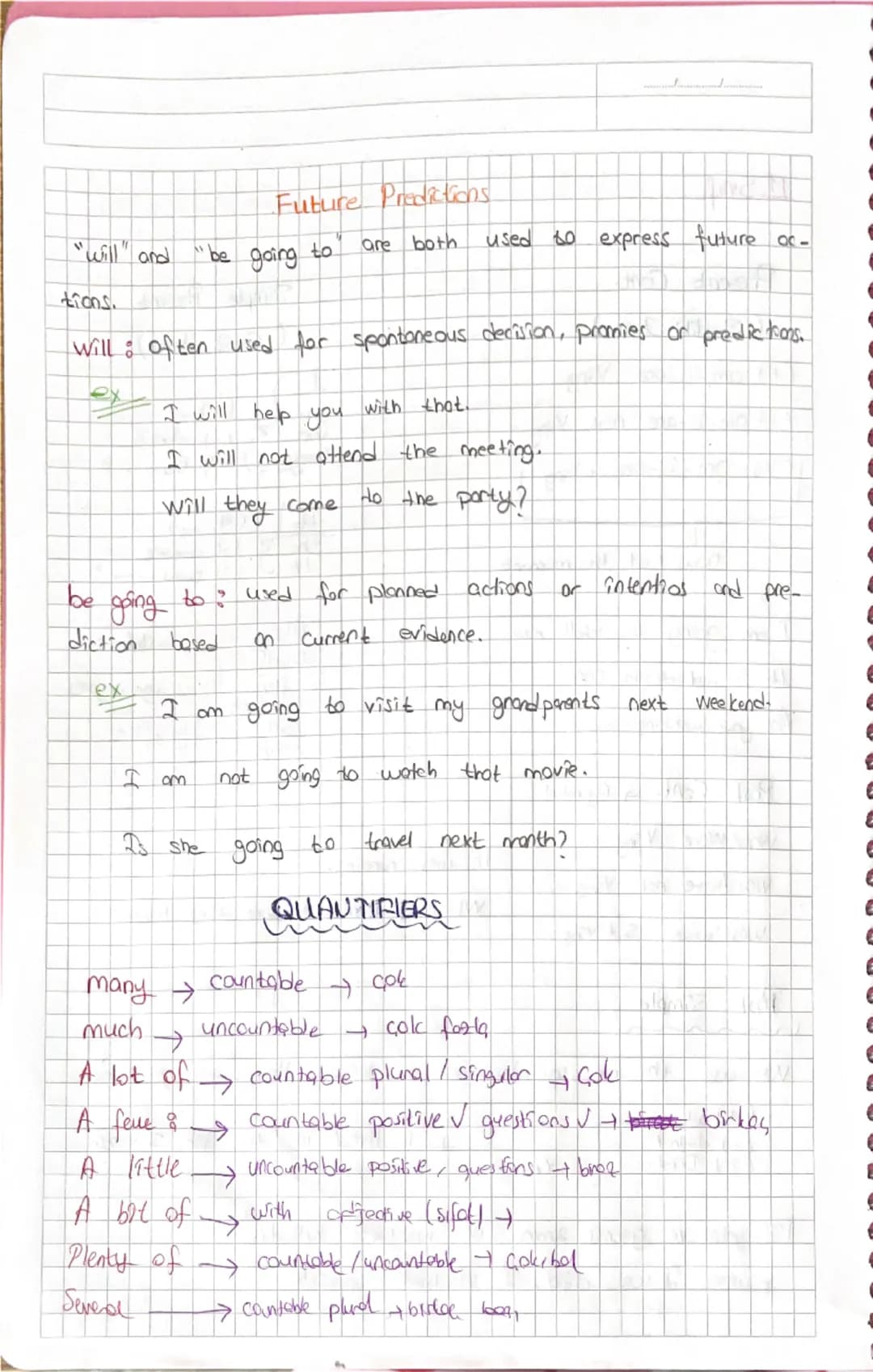
Will ve Be Going To - Gelecek Zamanı
Gelecekte olacak şeylerden bahsederken will ve be going to arasında fark var! Will spontan kararlar, vaatler ve tahminler için kullanılır. "I will help you" gibi o anda karar verdiğin şeyler için mükemmel.
Be going to ise önceden planladığın şeyler veya kesin kanıtları olan tahminler için kullanırsın. "I am going to visit my grandparents next weekend" cümlesi gibi önceden planlanmış durumlar için ideal.
Will'in yapısı: will + fiil, will not + fiil, Will + özne + fiil. Be going to'nun yapısı: am/is/are going to + fiil şeklinde.
💡 İpucu: Spontan karar = will, önceden plan = be going to!
3
of 3
Present Perfect ve Quantifiers
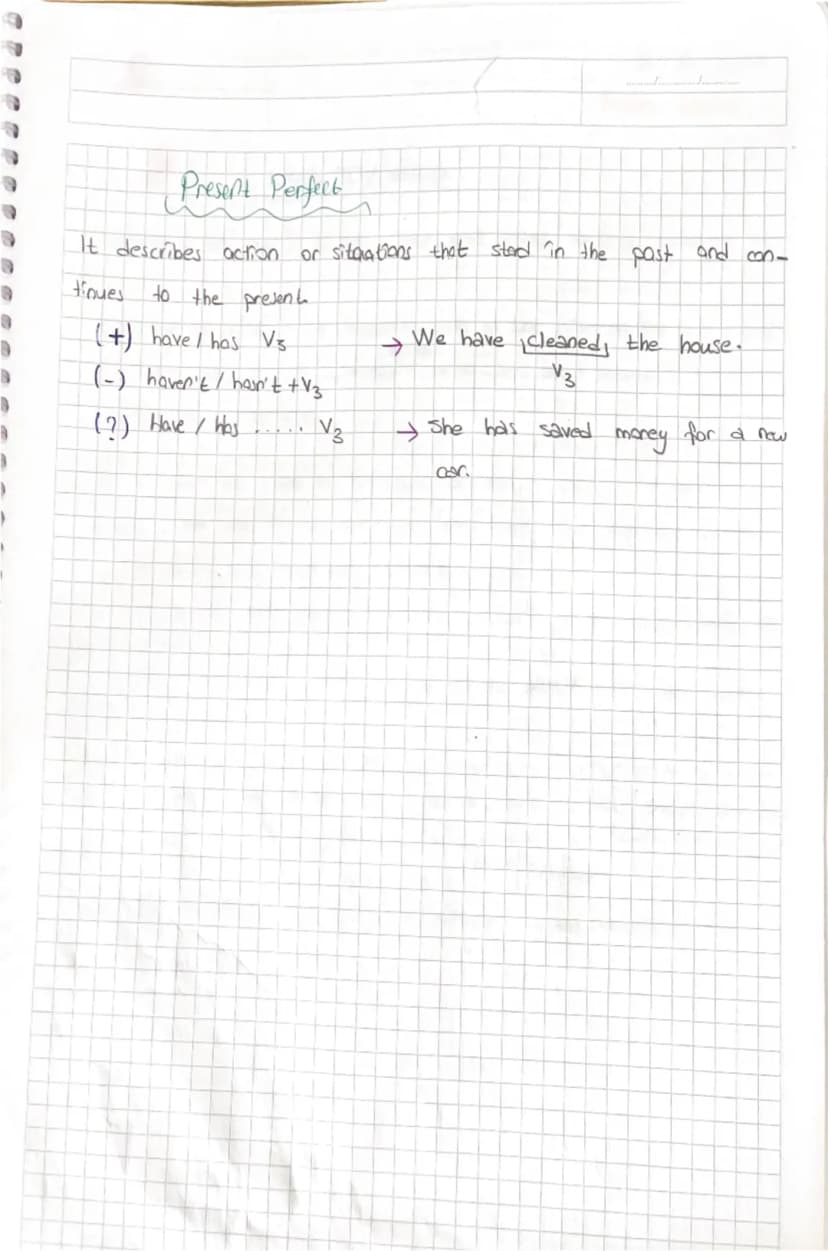
Present Perfect geçmişte başlayıp şu ana kadar devam eden durumları anlatır. Have/has + V3 (üçüncü hali) yapısıyla kurulur. "We have cleaned the house" gibi işi bitirdik ama etkisi hâlâ devam ediyor.
Quantifiers (miktar belirteçleri) sayılabilir ve sayılamayan isimlerle farklı kullanılır. Many sayılabilir, much sayılamayan isimlerle gider. A lot of her ikisiyle de kullanabilirsin.
A few (birkaç) sayılabilir, a little (biraz) sayılamayan isimlerle kullanılır. Plenty of bol miktarda demek ve her iki tür isimle de çalışır.
💡 İpucu: Many people, much water, a lot of everything!
We thought you’d never ask...
What is the Knowunity AI companion?
Our AI companion is specifically built for the needs of students. Based on the millions of content pieces we have on the platform we can provide truly meaningful and relevant answers to students. But its not only about answers, the companion is even more about guiding students through their daily learning challenges, with personalised study plans, quizzes or content pieces in the chat and 100% personalisation based on the students skills and developments.
Where can I download the Knowunity app?
You can download the app in the Google Play Store and in the Apple App Store.
Is Knowunity really free of charge?
That's right! Enjoy free access to study content, connect with fellow students, and get instant help – all at your fingertips.
Similar Content
 Anglais
Most popular content in İngilizce
9İngilizce8. Sınıf ingilizce
Tüm üniteleri içeriyor!
877733
İngilizceİngilizce 9.Sınıf
9.sınıf İngilizce
95,24260
İngilizceİngilizce guiz
ingilizce meslekler
68660
İngilizceİngilizce 7. Sınıf 1. Ünite ders notu
İngilizce
72,73840
İngilizce6. Sınıf İngilizce Yummy breakfast
6. Sınıf İngilizce
61,49815
İngilizce8.Sınıf İngilizce 4.Ünite Kelimeleri
İngilizce kelimeler
88617
İngilizce6 sınıf İngilizce 1 ünite konu tekrarı
6 sınıf İngilizce
65,25653
İngilizceingilizce
1. ünite ingilizce kelimeleri
74220
I
İngilizceingilizce 6. sınıf
Bu sınav, 6. sınıf İngilizce dersi konularını kapsayan çeşitli sorulardan oluşmaktadır.
61560
Most popular content
9 Tarih
Tarih9. Sınıf Tarih Konu Anlatımı
9. sınıf tarih tüm ünite konu anlatımı
94,16066
 Matematik
8.sınıf matematik
Tüm üniteleri içermektedir!
85,198184
 Biyoloji
Tyt biyoloji
Bio
95,100132
Tarih9.sınıf tarih ders notları
Yeni maarif modele uygundur
92,20748
Biyoloji11. sınıf biyoloji dolaşım sistemi ders notları
11. sınıf biyoloji dolaşım sistemi ders notları
114,34185
TarihTYT AYT TARİH
Tarih
92,58362
T.C. İnkılâp Tarihi ve Atatürkçülükİnkılap tarihi
Beğenin
82,76154
 Fen Bilimleri
7. Sınıf Fen Bilimleri
Tüm üniteler
79,269188
 Felsefe
11.Sınıf Felsefe 2.Dönem 2.Yazılı sınavı ders notları
20.yüzyıl felsefesini hazırlayan düşünce ortamı, 20.yüzyıl felsefesi temel problemleri ve akımları konularını içermektedir
113,596113
Can't find what you're looking for? Explore other subjects.
Students love us — and so will you.
4.6/5App Store
4.7/5Google Play
The app is very easy to use and well designed. I have found everything I was looking for so far and have been able to learn a lot from the presentations! I will definitely use the app for a class assignment! And of course it also helps a lot as an inspiration.
Stefan SiOS user
This app is really great. There are so many study notes and help [...]. My problem subject is French, for example, and the app has so many options for help. Thanks to this app, I have improved my French. I would recommend it to anyone.
Samantha KlichAndroid user
Wow, I am really amazed. I just tried the app because I've seen it advertised many times and was absolutely stunned. This app is THE HELP you want for school and above all, it offers so many things, such as workouts and fact sheets, which have been VERY helpful to me personally.
AnnaiOS user
İngilizce398 views·Updated Jun 14, 2026·3 pages11. Sınıf İngilizce Ders Notları: Miktar ve Zaman İfadeleri, Used to Kullanımı
A
Azra Aksoy@azraaksoy_fbo44
İngilizce'de geçmiş alışkanlıkları, gelecek planları ve şu ana kadar olan durumları nasıl ifade edeceğini öğrenmeye hazır mısın? Bu konular günlük hayatta sürekli kullandığın yapılar!
1
of 3
Sign up to see the content. It's free!
- Access to all documents
- Improve your grades
- Join milions of students
Used to ve Would - Geçmiş Alışkanlıkları Anlatmak
Geçmişte yaptığın ama şimdi yapmadığın şeylerden bahsederken used to kullanırsın. Mesela eskiden çok çizgi film izlerdim ama artık izlemem gibi durumlar için mükemmel!
Used to yapısı şöyle: olumlu cümlede "used to + fiil", olumsuzda "didn't use to + fiil", soruda "Did + use to + fiil". Benjamin used to look after patients (Benjamin eskiden hastalara bakardı) gibi.
Would da geçmiş alışkanlıklar için kullanılır ama sadece eylemler için! Durum bildiren fiillerle (like, want gibi) kullanmazsın. He would treat many patients everyday diyebilirsin ama "I would like going to doctor" demezsin.
💡 İpucu: Used to hem eylemler hem durumlar için, would sadece eylemler için kullanılır!
2
of 3Sign up to see the content. It's free!
- Access to all documents
- Improve your grades
- Join milions of students
Will ve Be Going To - Gelecek Zamanı
Gelecekte olacak şeylerden bahsederken will ve be going to arasında fark var! Will spontan kararlar, vaatler ve tahminler için kullanılır. "I will help you" gibi o anda karar verdiğin şeyler için mükemmel.
Be going to ise önceden planladığın şeyler veya kesin kanıtları olan tahminler için kullanırsın. "I am going to visit my grandparents next weekend" cümlesi gibi önceden planlanmış durumlar için ideal.
Will'in yapısı: will + fiil, will not + fiil, Will + özne + fiil. Be going to'nun yapısı: am/is/are going to + fiil şeklinde.
💡 İpucu: Spontan karar = will, önceden plan = be going to!
3
of 3Sign up to see the content. It's free!
- Access to all documents
- Improve your grades
- Join milions of students
Present Perfect ve Quantifiers
Present Perfect geçmişte başlayıp şu ana kadar devam eden durumları anlatır. Have/has + V3 (üçüncü hali) yapısıyla kurulur. "We have cleaned the house" gibi işi bitirdik ama etkisi hâlâ devam ediyor.
Quantifiers (miktar belirteçleri) sayılabilir ve sayılamayan isimlerle farklı kullanılır. Many sayılabilir, much sayılamayan isimlerle gider. A lot of her ikisiyle de kullanabilirsin.
A few (birkaç) sayılabilir, a little (biraz) sayılamayan isimlerle kullanılır. Plenty of bol miktarda demek ve her iki tür isimle de çalışır.
💡 İpucu: Many people, much water, a lot of everything!
We thought you’d never ask...
What is the Knowunity AI companion?
Our AI companion is specifically built for the needs of students. Based on the millions of content pieces we have on the platform we can provide truly meaningful and relevant answers to students. But its not only about answers, the companion is even more about guiding students through their daily learning challenges, with personalised study plans, quizzes or content pieces in the chat and 100% personalisation based on the students skills and developments.
Where can I download the Knowunity app?
You can download the app in the Google Play Store and in the Apple App Store.
Is Knowunity really free of charge?
That's right! Enjoy free access to study content, connect with fellow students, and get instant help – all at your fingertips.
Similar Content
Most popular content in İngilizce
9İngilizce8. Sınıf ingilizce
Tüm üniteleri içeriyor!
877733
İngilizceİngilizce 9.Sınıf
9.sınıf İngilizce
95,24260
İngilizceİngilizce guiz
ingilizce meslekler
68660
İngilizceİngilizce 7. Sınıf 1. Ünite ders notu
İngilizce
72,73840
İngilizce6. Sınıf İngilizce Yummy breakfast
6. Sınıf İngilizce
61,49815
İngilizce8.Sınıf İngilizce 4.Ünite Kelimeleri
İngilizce kelimeler
88617
İngilizce6 sınıf İngilizce 1 ünite konu tekrarı
6 sınıf İngilizce
65,25653
İngilizceingilizce
1. ünite ingilizce kelimeleri
74220
I
İngilizceingilizce 6. sınıf
Bu sınav, 6. sınıf İngilizce dersi konularını kapsayan çeşitli sorulardan oluşmaktadır.
61560
Most popular content
9Tarih9. Sınıf Tarih Konu Anlatımı
9. sınıf tarih tüm ünite konu anlatımı
94,16066
Matematik8.sınıf matematik
Tüm üniteleri içermektedir!
85,198184
BiyolojiTyt biyoloji
Bio
95,100132
Tarih9.sınıf tarih ders notları
Yeni maarif modele uygundur
92,20748
Biyoloji11. sınıf biyoloji dolaşım sistemi ders notları
11. sınıf biyoloji dolaşım sistemi ders notları
114,34185
TarihTYT AYT TARİH
Tarih
92,58362
T.C. İnkılâp Tarihi ve Atatürkçülükİnkılap tarihi
Beğenin
82,76154
Fen Bilimleri7. Sınıf Fen Bilimleri
Tüm üniteler
79,269188
Felsefe11.Sınıf Felsefe 2.Dönem 2.Yazılı sınavı ders notları
20.yüzyıl felsefesini hazırlayan düşünce ortamı, 20.yüzyıl felsefesi temel problemleri ve akımları konularını içermektedir
113,596113
Can't find what you're looking for? Explore other subjects.
Students love us — and so will you.
4.6/5App Store
4.7/5Google Play
The app is very easy to use and well designed. I have found everything I was looking for so far and have been able to learn a lot from the presentations! I will definitely use the app for a class assignment! And of course it also helps a lot as an inspiration.
Stefan SiOS user
This app is really great. There are so many study notes and help [...]. My problem subject is French, for example, and the app has so many options for help. Thanks to this app, I have improved my French. I would recommend it to anyone.
Samantha KlichAndroid user
Wow, I am really amazed. I just tried the app because I've seen it advertised many times and was absolutely stunned. This app is THE HELP you want for school and above all, it offers so many things, such as workouts and fact sheets, which have been VERY helpful to me personally.
AnnaiOS user