
Stai per padroneggiare i verbi francesi! Questa guida ti accompagnerà...
 Francese2,019 views·Updated Jun 16, 2026·6 pages
Guida ai Tempi Verbali Francesi

Michela Cimino@ciminomichela

1 / 6
1
of 6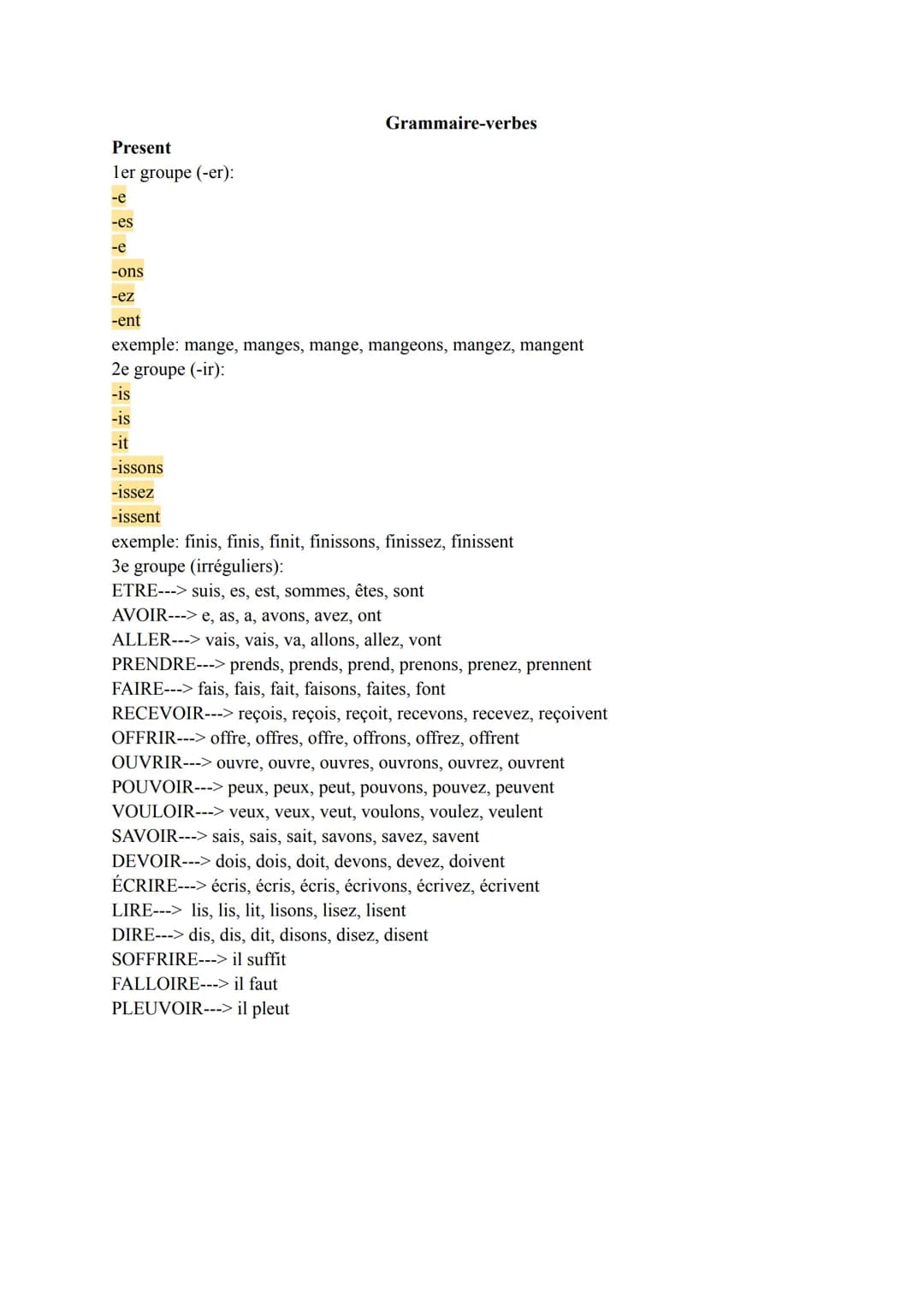
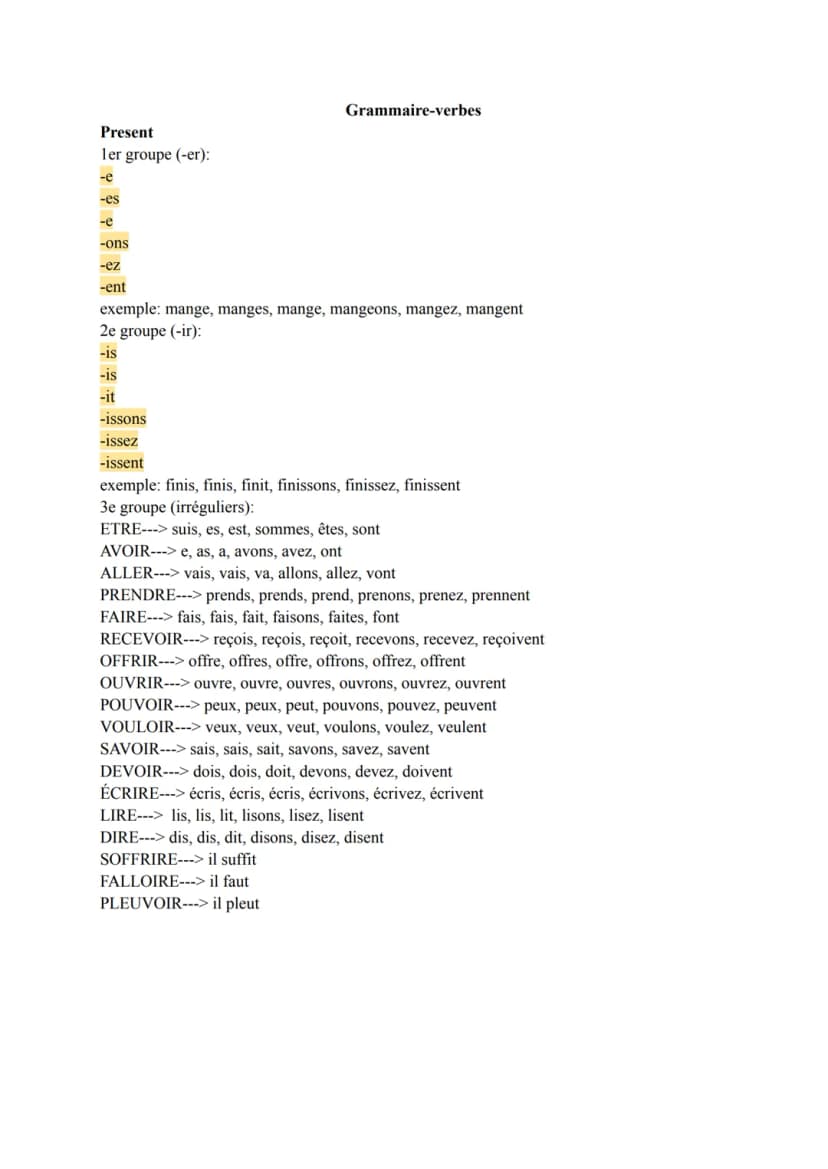
I Tre Gruppi Verbali al Presente
Il francese divide i verbi in tre gruppi principali. I verbi del primo gruppo finiscono in -er e seguono uno schema fisso: -e, -es, -e, -ons, -ez, -ent (come "manger").
I verbi del secondo gruppo finiscono in -ir e usano le desinenze: -is, -is, -it, -issons, -issez, -issent (come "finir"). Sono più facili da ricordare perché hanno sempre "-iss-" nelle forme plurali.
Il terzo gruppo include tutti i verbi irregolari più comuni come être, avoir, aller. Questi verbi sono fondamentali e vanno imparati a memoria perché non seguono regole fisse.
Consiglio pratico: Memorizza prima être, avoir e aller - li userai continuamente!
2
of 6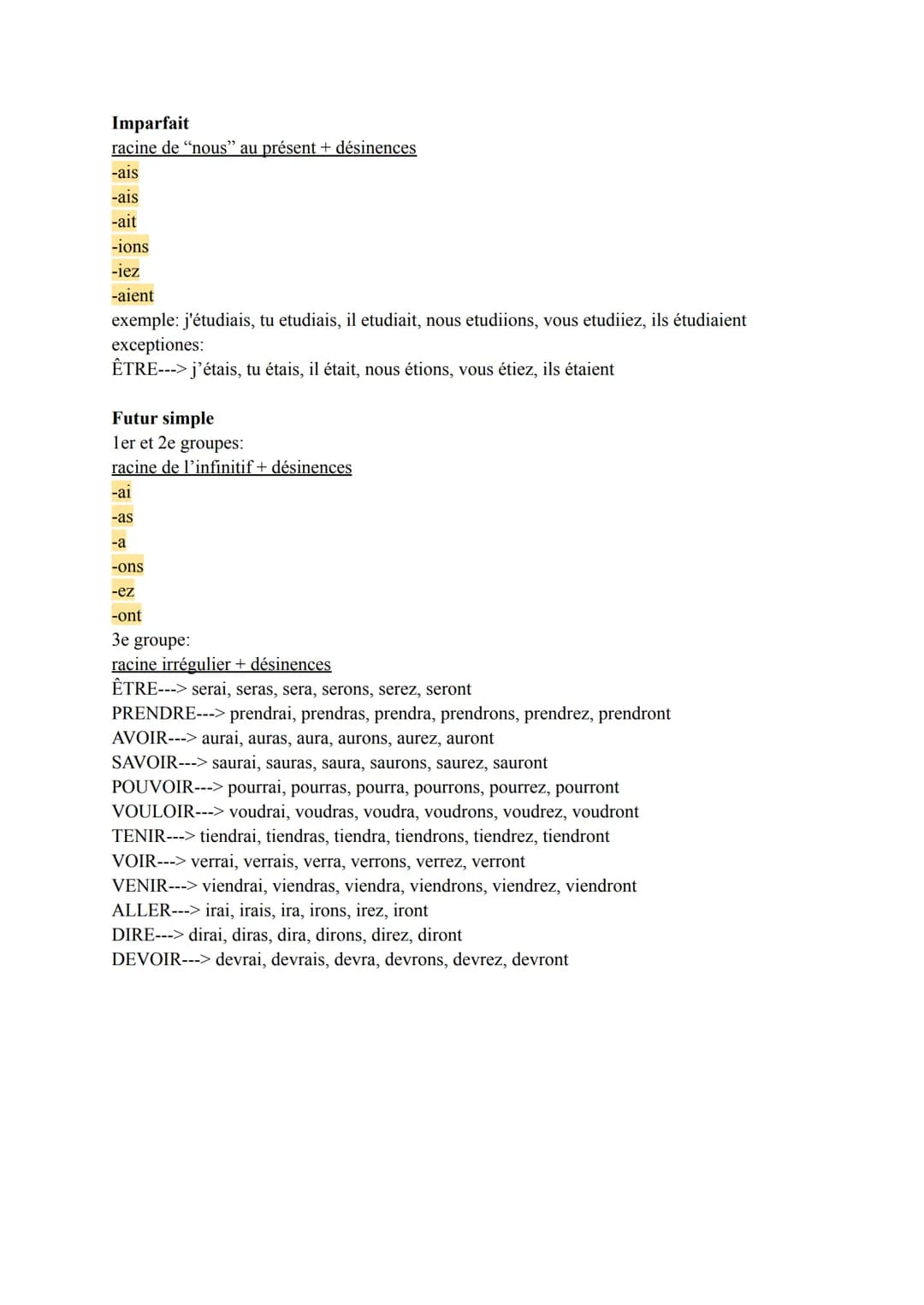
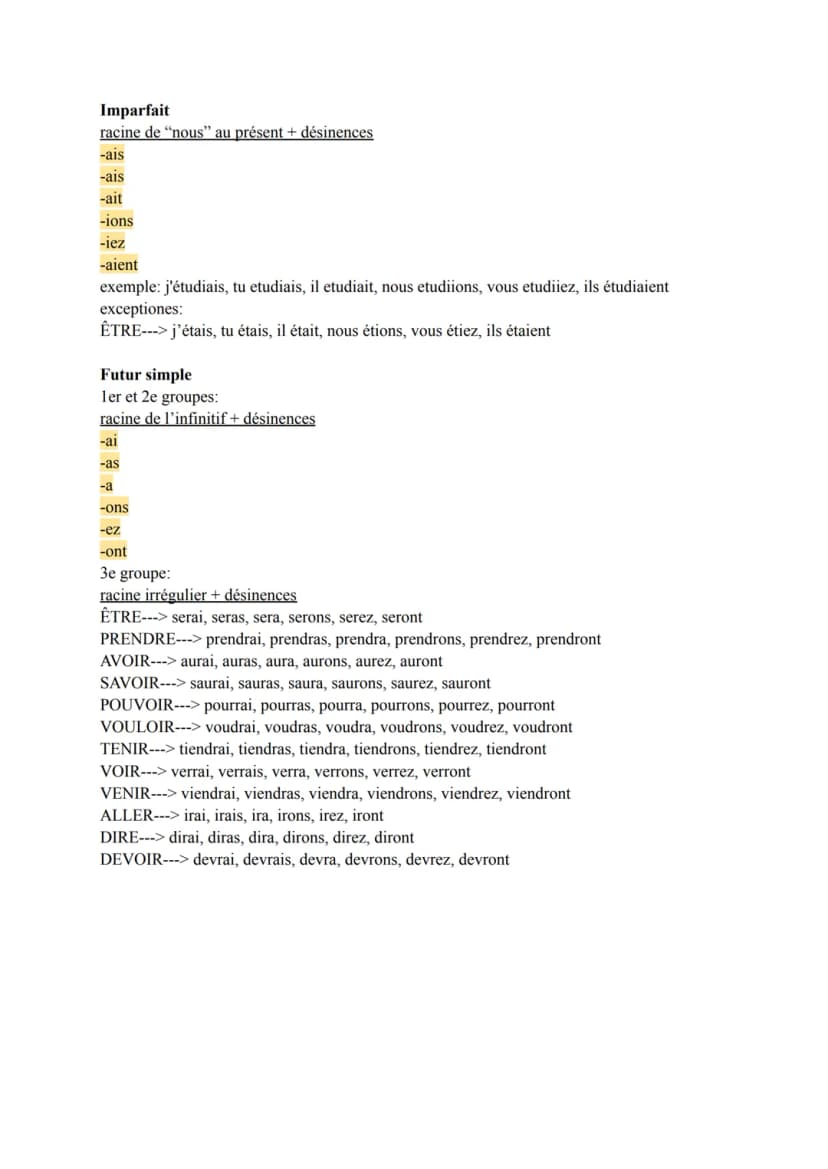
Imperfetto e Futuro: Due Tempi Essenziali
L'imperfetto è semplice da formare: prendi la radice del "nous" al presente e aggiungi -ais, -ais, -ait, -ions, -iez, -aient. L'unica eccezione è "être" che diventa "j'étais".
Il futuro semplice funziona così: per i verbi regolari (1° e 2° gruppo) usi l'infinito + le desinenze . Per i verbi del terzo gruppo, devi imparare le radici irregolari come "ser-" per être o "ir-" per aller.
Ricorda che il futuro francese esprime sia certezza che probabilità. È molto più usato del futuro italiano nel linguaggio quotidiano.
Trucco: Per l'imperfetto, pensa a "azioni ripetute nel passato" - come una foto sfocata del passato!
3
of 6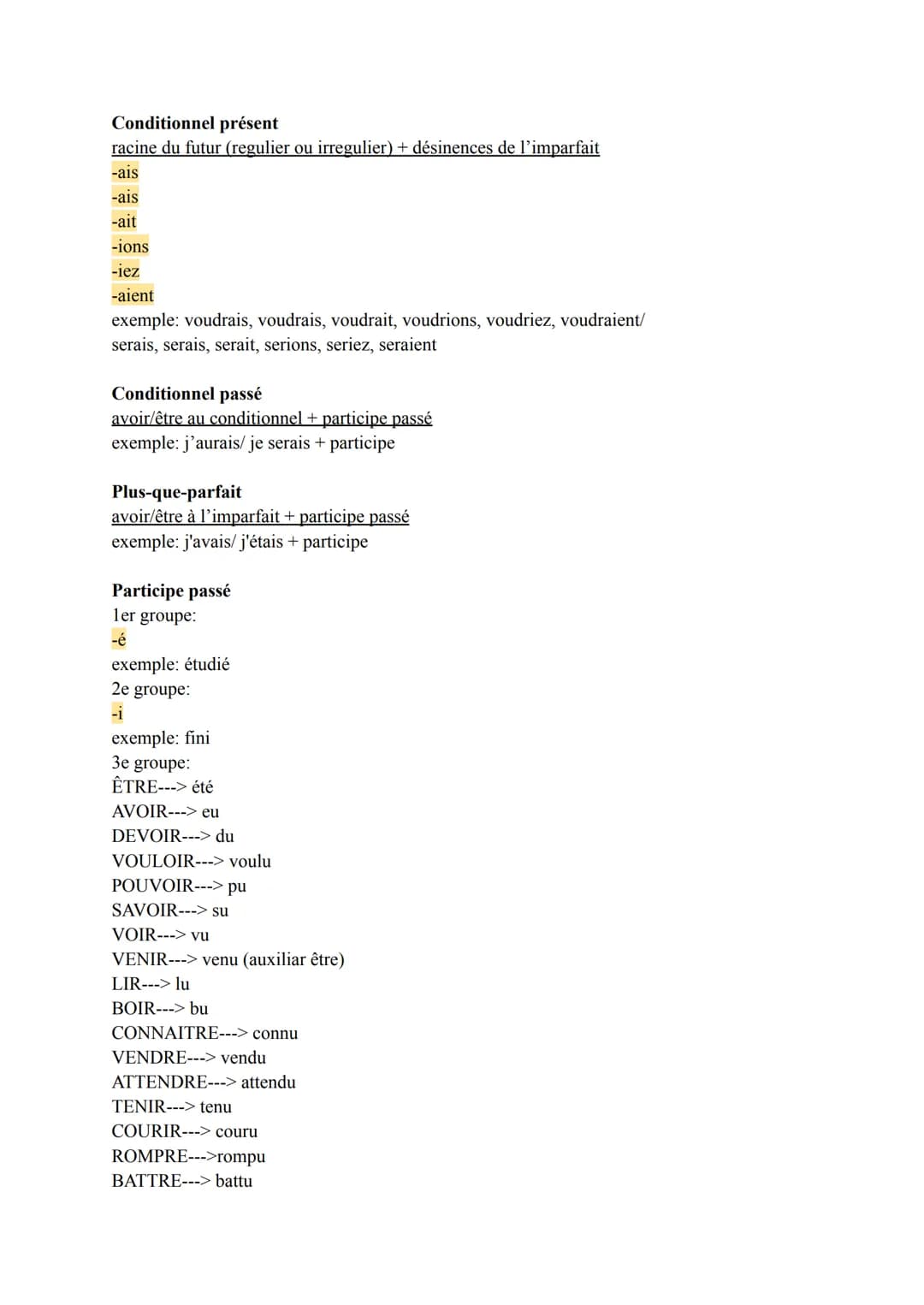
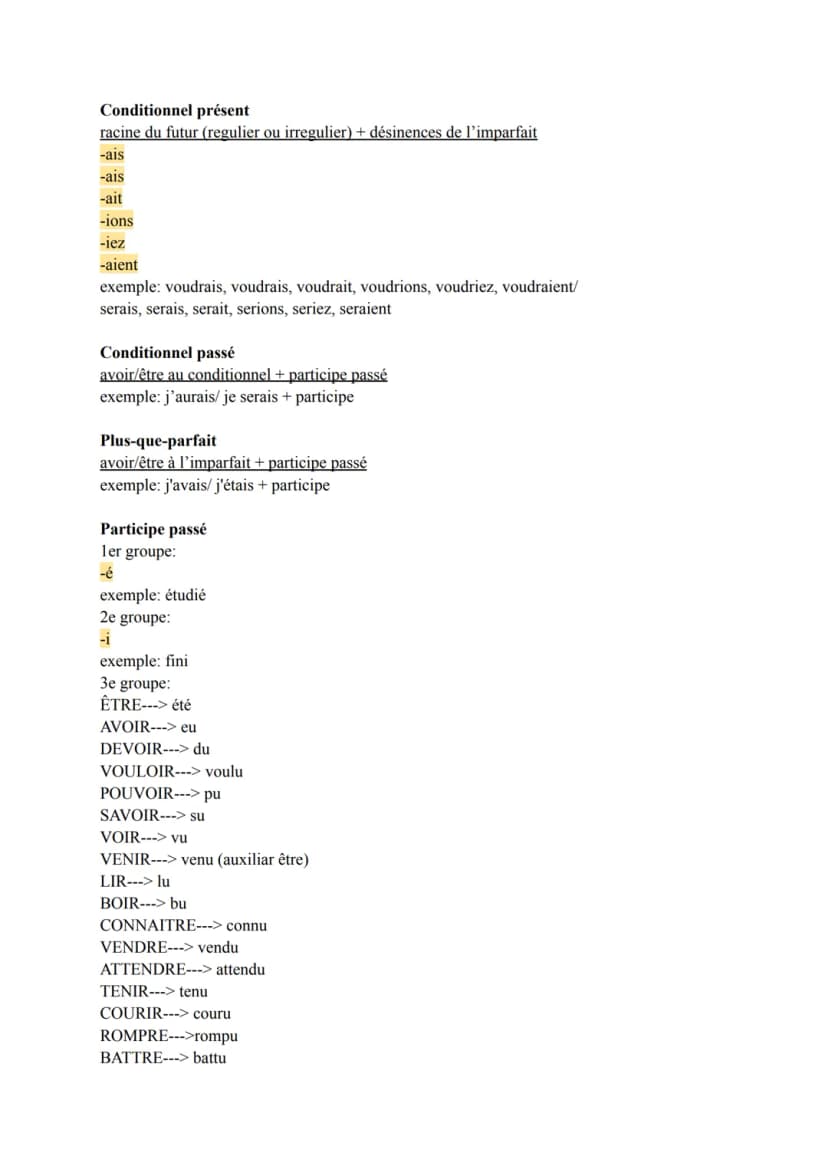
Condizionale e Tempi Composti
Il condizionale presente combina la radice del futuro con le desinenze dell'imperfetto. È perfetto per essere educati ("Je voudrais...") o per esprimere ipotesi.
I tempi composti usano sempre un ausiliare + il participio passato. Il condizionale passato usa l'ausiliare al condizionale, mentre il più-che-perfetto usa l'ausiliare all'imperfetto.
Per il participio passato: 1° gruppo sempre in -é, 2° gruppo sempre in -i, 3° gruppo irregolare (da memorizzare). I participi più importanti sono: été, eu, fait, dit, pris, mis.
Attenzione: Con être l'accordo del participio è sempre obbligatorio, con avoir solo se il complemento oggetto precede!
4
of 6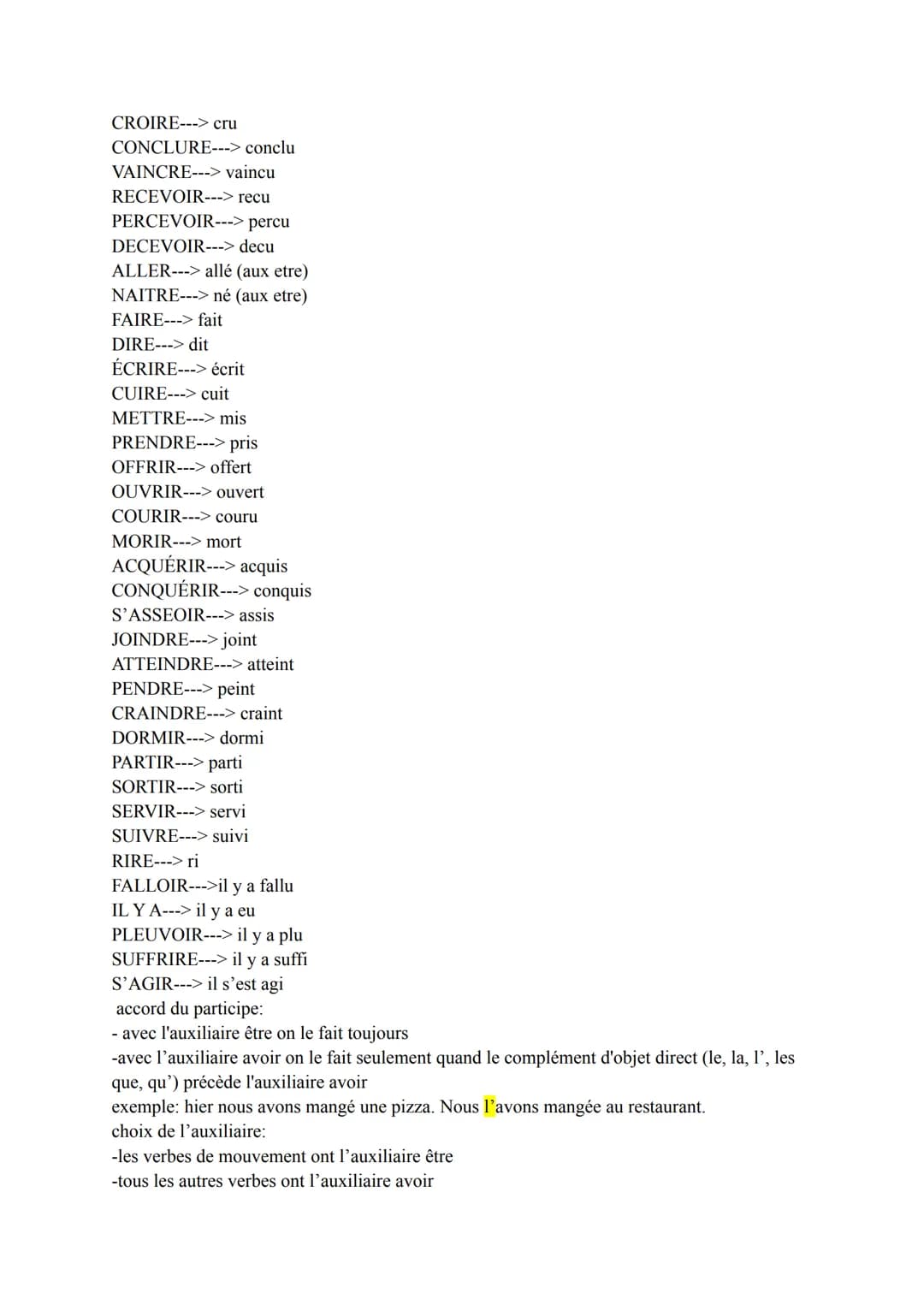
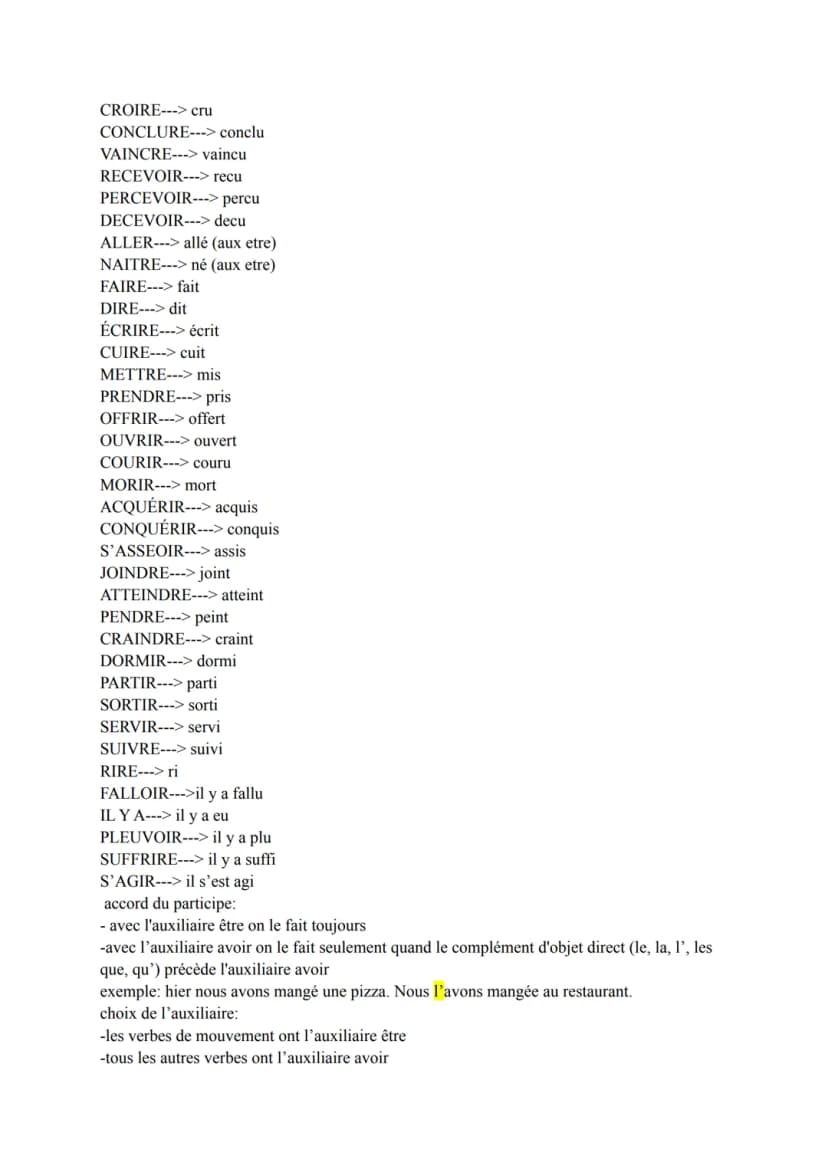
Participi Passati e Accordi
I participi passati irregolari sembrano tanti, ma molti hanno pattern simili. Ad esempio: pris, mis, suivis hanno tutti la "-is" finale.
L'accordo del participio ha regole precise: con l'ausiliare être si accorda sempre con il soggetto. Con l'ausiliare avoir si accorda solo quando il complemento oggetto diretto (le, la, l', les, que) precede il verbo.
La scelta dell'ausiliare è cruciale: i verbi di movimento usano être, tutti gli altri usano avoir. Attenzione: "augmenter", "diminuer", "baisser" usano avoir anche se indicano movimento.
Esempi pratici: "Elle est partie" (accordo con être) vs "La pizza que nous avons mangée" (accordo con avoir perché "que" precede).
5
of 6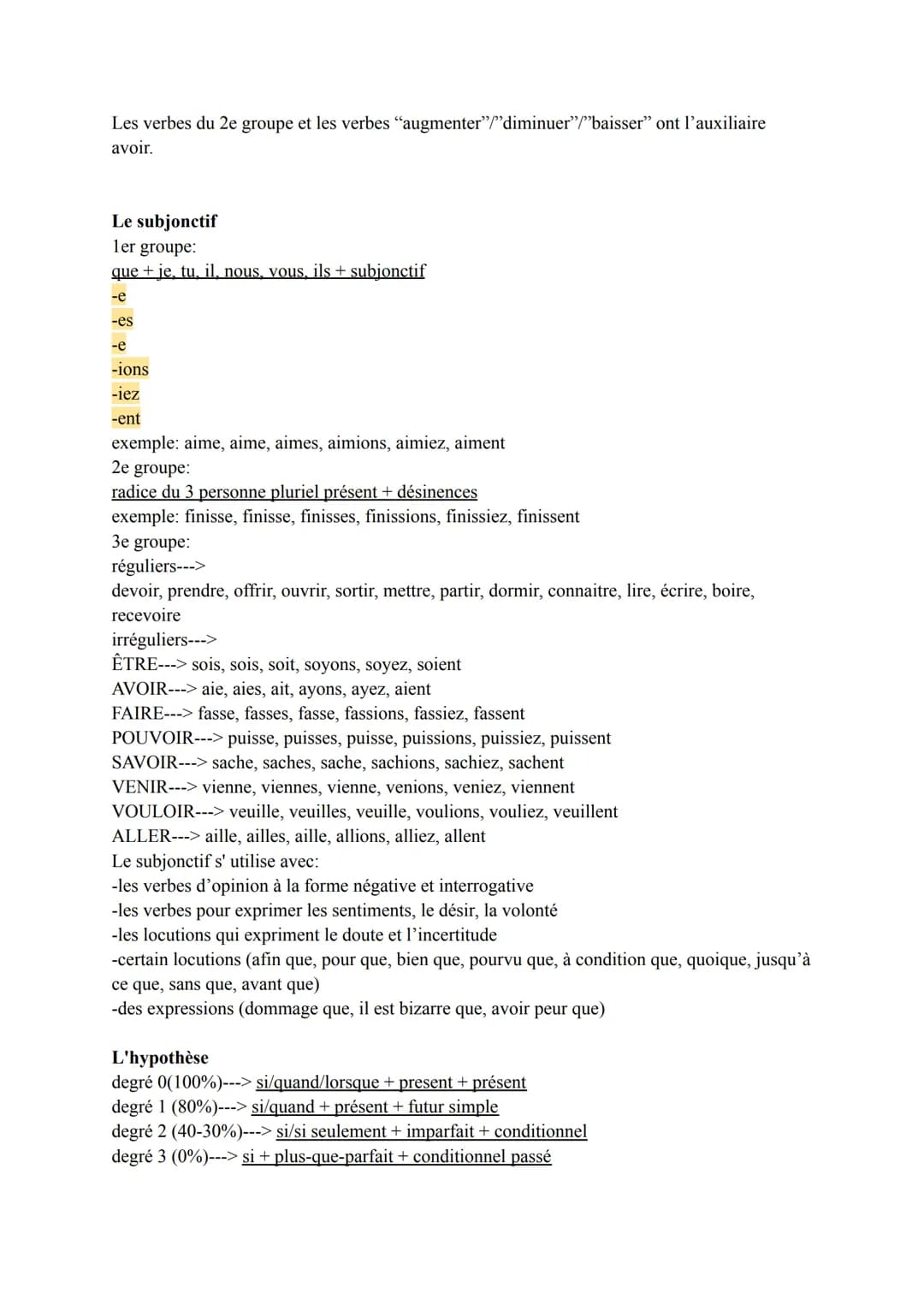
Congiuntivo e Ipotesi
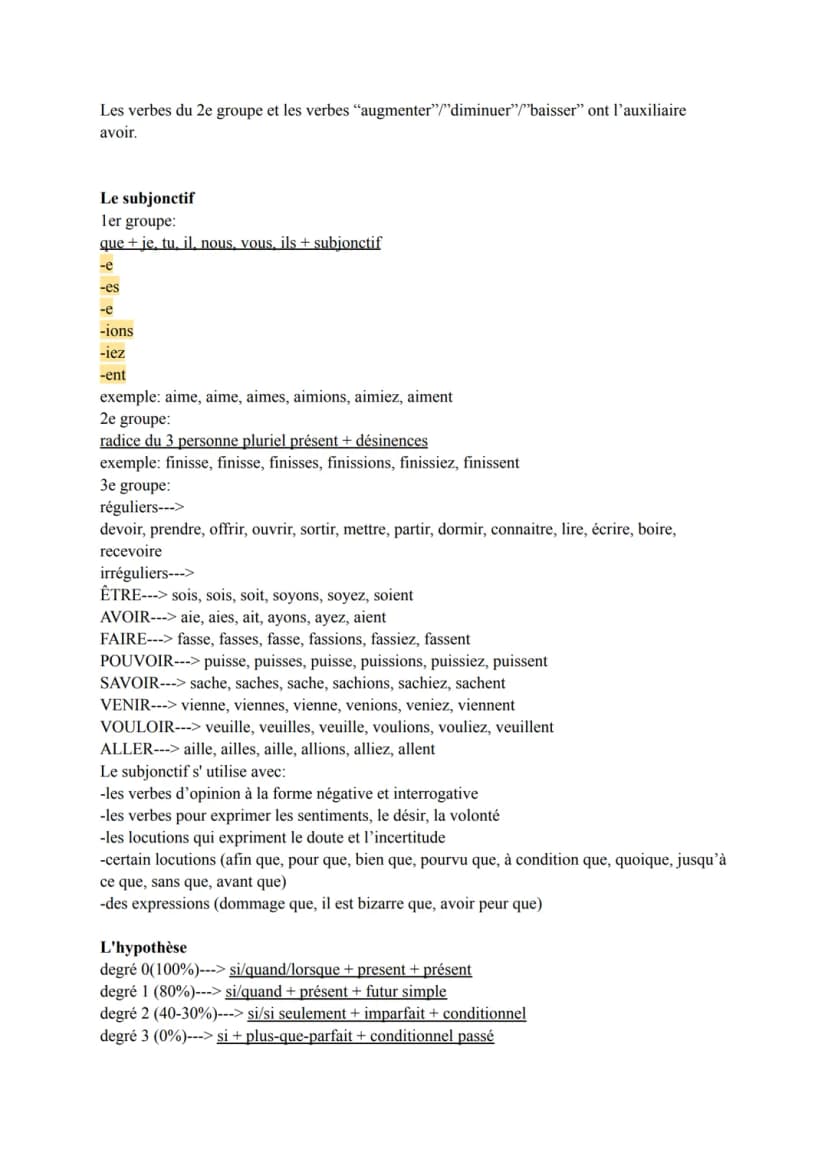
Il congiuntivo esprime dubbi, sentimenti e opinioni. Si forma con "que" + le desinenze -e, -es, -e, -ions, -iez, -ent. Per il 2° gruppo usi la radice della 3ª persona plurale del presente.
I verbi irregolari al congiuntivo sono pochi ma essenziali: être → sois, avoir → aie, faire → fasse. Il congiuntivo si usa dopo verbi di sentimento, dubbio, e certe locuzioni come "bien que", "pour que".
Le ipotesi hanno quattro gradi di probabilità: dal 100% allo 0% . Più è improbabile l'ipotesi, più i tempi sono "lontani" dal presente.
Schema utile: Si + imparfait + conditionnel = ipotesi possibile ma improbabile
6
of 6
We thought you’d never ask...
What is the Knowunity AI companion?
Our AI companion is specifically built for the needs of students. Based on the millions of content pieces we have on the platform we can provide truly meaningful and relevant answers to students. But its not only about answers, the companion is even more about guiding students through their daily learning challenges, with personalised study plans, quizzes or content pieces in the chat and 100% personalisation based on the students skills and developments.
Where can I download the Knowunity app?
You can download the app in the Google Play Store and in the Apple App Store.
Is Knowunity really free of charge?
That's right! Enjoy free access to study content, connect with fellow students, and get instant help – all at your fingertips.
Similar Content
 Français
Most popular content: Construction des verbes
9FranceseLE PASSÉ COMPOSÉ
il passato prossimo italiano in francese
3ªm1,28621
FranceseLe Passé Composé
il passato composto in francese
1ªm2,88971
FrancesePASSÉ COMPOSÉ
passé composé in francese
2ªl2,67169
FrancesePassè compose
Regole e esempi sull'accordo del participio passato in francese.
3ªm2,13939
Franceseregole grammaticali dei verbi francesi (dal presente indicativo al congiuntivo passato)
formazione del verbo e declinazioni + casi irregolari principali
3ªl4,581100
FranceseINDICATIF PRÉSENT
Indicativo presente in francese Formazione verbi regolari e irregolari
4,07994
FranceseFrancese verbi e tempi
Verbi irregolari, gallicismi, plus-que-parfait, futuro, conditionnel passé, imperfetto passè composè
4ªl1,43531
FranceseL’imperfetto in francese
Spiegazione dell’imperfetto secondo le regole generali del francese
1ªl1,37519
Francesel’imperatif
imperativo in francese
2ªl62914
Most popular content in Francese
9V
FranceseVerbe être
Français be like🤪
1ªm1,1872
V
FranceseVERBI IN FRANCÈ
ciao! stai cercando dove studiare francese? beh sei nel posto giusto…cerca di fare più risposte corrette…se non c’è la fai non ti sdrammatizzare capita a tutti ma ora non perderti qua ma perditi nel divertimento del quiz!!!
1ªl7130
I
Franceseil verbo essere francese
un quiz semplice per aiutarti a ricordare il verbo essere francese
1ªm4782
L
Francesela famille
la famiglia in francese
1ªl5821
Q
FranceseQuiz sugli aggettivi possessivi
quiz sugli aggettivi possessivi di francese andate a studiare i miei appunti dal documento caricato in precedenza prima di farlo
1ªm5940
I
Francesei gallicismi quiz
test di francese
2ªm1,6132
L
Francesela negazione
la negazione
2ªm3470
FranceseLE PASSÉ COMPOSÉ
il passato prossimo italiano in francese
3ªm1,28621
Q
FranceseQuiz su i gallicismi
2ªm4762
Most popular content
9 Italiano
Riassunto patente B
Riassunto patente B - appunti presi a lezione
5ªl29,228943
 Altro
AltroTeoria patente b
Tutti gli argomenti per la patente
1ªl21,114685
 Ed. civ.
Teoria patente di guida B: Segnali stradali
Segnali stradali di pericolo, luminosi, di prescrizione, di indicazione, temporanei, complementari, pannelli integrativi, segnaletica orizzontale, segnalazioni agenti del traffico, distanza di visibilità per l‘arresto, minima di sicurezza.
5ªl40,0421,645
 Filosofia
Aristotele
Aristotele: vita, metafisica, fisica, etica e politica, retorica e poetica
3ªl7,623216
ItalianoI promessi sposi
Riassunti completi di tutti i 38 capitoli dei Promessi sposi.
2ªl14,090314
AltroPATENTE
schemi per esame teorico della patente
Università22,067756
S
ItalianoSintesi finale di Analisi logica
Esercitazione completa di analisi logica su frasi articolate per consolidare la conoscenza di tutti i complementi.
3ªm5,5290
P
 Inglese
Present Simple vs Present Continuous
Develop the ability to choose correctly between the Present Simple for habits and the Present Continuous for ongoing actions.
3ªm4,2120
G
ItalianoGabriele D'Annunzio e l'Estetismo
Domande sull'ideale del superuomo, il panismo e la concezione dell'arte come valore assoluto in D'Annunzio.
4ªl2,6740
Can't find what you're looking for? Explore other subjects.
Students love us — and so will you.
4.6/5App Store
4.7/5Google Play
The app is very easy to use and well designed. I have found everything I was looking for so far and have been able to learn a lot from the presentations! I will definitely use the app for a class assignment! And of course it also helps a lot as an inspiration.
Stefan SiOS user
This app is really great. There are so many study notes and help [...]. My problem subject is French, for example, and the app has so many options for help. Thanks to this app, I have improved my French. I would recommend it to anyone.
Samantha KlichAndroid user
Wow, I am really amazed. I just tried the app because I've seen it advertised many times and was absolutely stunned. This app is THE HELP you want for school and above all, it offers so many things, such as workouts and fact sheets, which have been VERY helpful to me personally.
AnnaiOS user
Francese2,019 views·Updated Jun 16, 2026·6 pagesGuida ai Tempi Verbali Francesi
Michela Cimino@ciminomichela
Stai per padroneggiare i verbi francesi! Questa guida ti accompagnerà attraverso tutti i tempi verbali essenziali, dalla coniugazione del presente fino al congiuntivo e alle ipotesi.
1
of 6
Sign up to see the content. It's free!
- Access to all documents
- Improve your grades
- Join milions of students
I Tre Gruppi Verbali al Presente
Il francese divide i verbi in tre gruppi principali. I verbi del primo gruppo finiscono in -er e seguono uno schema fisso: -e, -es, -e, -ons, -ez, -ent (come "manger").
I verbi del secondo gruppo finiscono in -ir e usano le desinenze: -is, -is, -it, -issons, -issez, -issent (come "finir"). Sono più facili da ricordare perché hanno sempre "-iss-" nelle forme plurali.
Il terzo gruppo include tutti i verbi irregolari più comuni come être, avoir, aller. Questi verbi sono fondamentali e vanno imparati a memoria perché non seguono regole fisse.
Consiglio pratico: Memorizza prima être, avoir e aller - li userai continuamente!
2
of 6Sign up to see the content. It's free!
- Access to all documents
- Improve your grades
- Join milions of students
Imperfetto e Futuro: Due Tempi Essenziali
L'imperfetto è semplice da formare: prendi la radice del "nous" al presente e aggiungi -ais, -ais, -ait, -ions, -iez, -aient. L'unica eccezione è "être" che diventa "j'étais".
Il futuro semplice funziona così: per i verbi regolari (1° e 2° gruppo) usi l'infinito + le desinenze . Per i verbi del terzo gruppo, devi imparare le radici irregolari come "ser-" per être o "ir-" per aller.
Ricorda che il futuro francese esprime sia certezza che probabilità. È molto più usato del futuro italiano nel linguaggio quotidiano.
Trucco: Per l'imperfetto, pensa a "azioni ripetute nel passato" - come una foto sfocata del passato!
3
of 6Sign up to see the content. It's free!
- Access to all documents
- Improve your grades
- Join milions of students
Condizionale e Tempi Composti
Il condizionale presente combina la radice del futuro con le desinenze dell'imperfetto. È perfetto per essere educati ("Je voudrais...") o per esprimere ipotesi.
I tempi composti usano sempre un ausiliare + il participio passato. Il condizionale passato usa l'ausiliare al condizionale, mentre il più-che-perfetto usa l'ausiliare all'imperfetto.
Per il participio passato: 1° gruppo sempre in -é, 2° gruppo sempre in -i, 3° gruppo irregolare (da memorizzare). I participi più importanti sono: été, eu, fait, dit, pris, mis.
Attenzione: Con être l'accordo del participio è sempre obbligatorio, con avoir solo se il complemento oggetto precede!
4
of 6Sign up to see the content. It's free!
- Access to all documents
- Improve your grades
- Join milions of students
Participi Passati e Accordi
I participi passati irregolari sembrano tanti, ma molti hanno pattern simili. Ad esempio: pris, mis, suivis hanno tutti la "-is" finale.
L'accordo del participio ha regole precise: con l'ausiliare être si accorda sempre con il soggetto. Con l'ausiliare avoir si accorda solo quando il complemento oggetto diretto (le, la, l', les, que) precede il verbo.
La scelta dell'ausiliare è cruciale: i verbi di movimento usano être, tutti gli altri usano avoir. Attenzione: "augmenter", "diminuer", "baisser" usano avoir anche se indicano movimento.
Esempi pratici: "Elle est partie" (accordo con être) vs "La pizza que nous avons mangée" (accordo con avoir perché "que" precede).
5
of 6Sign up to see the content. It's free!
- Access to all documents
- Improve your grades
- Join milions of students
Congiuntivo e Ipotesi
Il congiuntivo esprime dubbi, sentimenti e opinioni. Si forma con "que" + le desinenze -e, -es, -e, -ions, -iez, -ent. Per il 2° gruppo usi la radice della 3ª persona plurale del presente.
I verbi irregolari al congiuntivo sono pochi ma essenziali: être → sois, avoir → aie, faire → fasse. Il congiuntivo si usa dopo verbi di sentimento, dubbio, e certe locuzioni come "bien que", "pour que".
Le ipotesi hanno quattro gradi di probabilità: dal 100% allo 0% . Più è improbabile l'ipotesi, più i tempi sono "lontani" dal presente.
Schema utile: Si + imparfait + conditionnel = ipotesi possibile ma improbabile
6
of 6Sign up to see the content. It's free!
- Access to all documents
- Improve your grades
- Join milions of students
We thought you’d never ask...
What is the Knowunity AI companion?
Our AI companion is specifically built for the needs of students. Based on the millions of content pieces we have on the platform we can provide truly meaningful and relevant answers to students. But its not only about answers, the companion is even more about guiding students through their daily learning challenges, with personalised study plans, quizzes or content pieces in the chat and 100% personalisation based on the students skills and developments.
Where can I download the Knowunity app?
You can download the app in the Google Play Store and in the Apple App Store.
Is Knowunity really free of charge?
That's right! Enjoy free access to study content, connect with fellow students, and get instant help – all at your fingertips.
Similar Content
Most popular content: Construction des verbes
9FranceseLE PASSÉ COMPOSÉ
il passato prossimo italiano in francese
3ªm1,28621
FranceseLe Passé Composé
il passato composto in francese
1ªm2,88971
FrancesePASSÉ COMPOSÉ
passé composé in francese
2ªl2,67169
FrancesePassè compose
Regole e esempi sull'accordo del participio passato in francese.
3ªm2,13939
Franceseregole grammaticali dei verbi francesi (dal presente indicativo al congiuntivo passato)
formazione del verbo e declinazioni + casi irregolari principali
3ªl4,581100
FranceseINDICATIF PRÉSENT
Indicativo presente in francese Formazione verbi regolari e irregolari
4,07994
FranceseFrancese verbi e tempi
Verbi irregolari, gallicismi, plus-que-parfait, futuro, conditionnel passé, imperfetto passè composè
4ªl1,43531
FranceseL’imperfetto in francese
Spiegazione dell’imperfetto secondo le regole generali del francese
1ªl1,37519
Francesel’imperatif
imperativo in francese
2ªl62914
Most popular content in Francese
9V
FranceseVerbe être
Français be like🤪
1ªm1,1872
V
FranceseVERBI IN FRANCÈ
ciao! stai cercando dove studiare francese? beh sei nel posto giusto…cerca di fare più risposte corrette…se non c’è la fai non ti sdrammatizzare capita a tutti ma ora non perderti qua ma perditi nel divertimento del quiz!!!
1ªl7130
I
Franceseil verbo essere francese
un quiz semplice per aiutarti a ricordare il verbo essere francese
1ªm4782
L
Francesela famille
la famiglia in francese
1ªl5821
Q
FranceseQuiz sugli aggettivi possessivi
quiz sugli aggettivi possessivi di francese andate a studiare i miei appunti dal documento caricato in precedenza prima di farlo
1ªm5940
I
Francesei gallicismi quiz
test di francese
2ªm1,6132
L
Francesela negazione
la negazione
2ªm3470
FranceseLE PASSÉ COMPOSÉ
il passato prossimo italiano in francese
3ªm1,28621
Q
FranceseQuiz su i gallicismi
2ªm4762
Most popular content
9ItalianoRiassunto patente B
Riassunto patente B - appunti presi a lezione
5ªl29,228943
AltroTeoria patente b
Tutti gli argomenti per la patente
1ªl21,114685
Ed. civ.Teoria patente di guida B: Segnali stradali
Segnali stradali di pericolo, luminosi, di prescrizione, di indicazione, temporanei, complementari, pannelli integrativi, segnaletica orizzontale, segnalazioni agenti del traffico, distanza di visibilità per l‘arresto, minima di sicurezza.
5ªl40,0421,645
FilosofiaAristotele
Aristotele: vita, metafisica, fisica, etica e politica, retorica e poetica
3ªl7,623216
ItalianoI promessi sposi
Riassunti completi di tutti i 38 capitoli dei Promessi sposi.
2ªl14,090314
AltroPATENTE
schemi per esame teorico della patente
Università22,067756
S
ItalianoSintesi finale di Analisi logica
Esercitazione completa di analisi logica su frasi articolate per consolidare la conoscenza di tutti i complementi.
3ªm5,5290
P
InglesePresent Simple vs Present Continuous
Develop the ability to choose correctly between the Present Simple for habits and the Present Continuous for ongoing actions.
3ªm4,2120
G
ItalianoGabriele D'Annunzio e l'Estetismo
Domande sull'ideale del superuomo, il panismo e la concezione dell'arte come valore assoluto in D'Annunzio.
4ªl2,6740
Can't find what you're looking for? Explore other subjects.
Students love us — and so will you.
4.6/5App Store
4.7/5Google Play
The app is very easy to use and well designed. I have found everything I was looking for so far and have been able to learn a lot from the presentations! I will definitely use the app for a class assignment! And of course it also helps a lot as an inspiration.
Stefan SiOS user
This app is really great. There are so many study notes and help [...]. My problem subject is French, for example, and the app has so many options for help. Thanks to this app, I have improved my French. I would recommend it to anyone.
Samantha KlichAndroid user
Wow, I am really amazed. I just tried the app because I've seen it advertised many times and was absolutely stunned. This app is THE HELP you want for school and above all, it offers so many things, such as workouts and fact sheets, which have been VERY helpful to me personally.
AnnaiOS user