
This is your guide to the AQA GCSE Food Preparation...
 Food & Nutrition173 views·Updated Jun 18, 2026·28 pages
FoodTech Exam Questions for Practice

Eniola Hammed@eniolahammed



1 / 10
1
of 10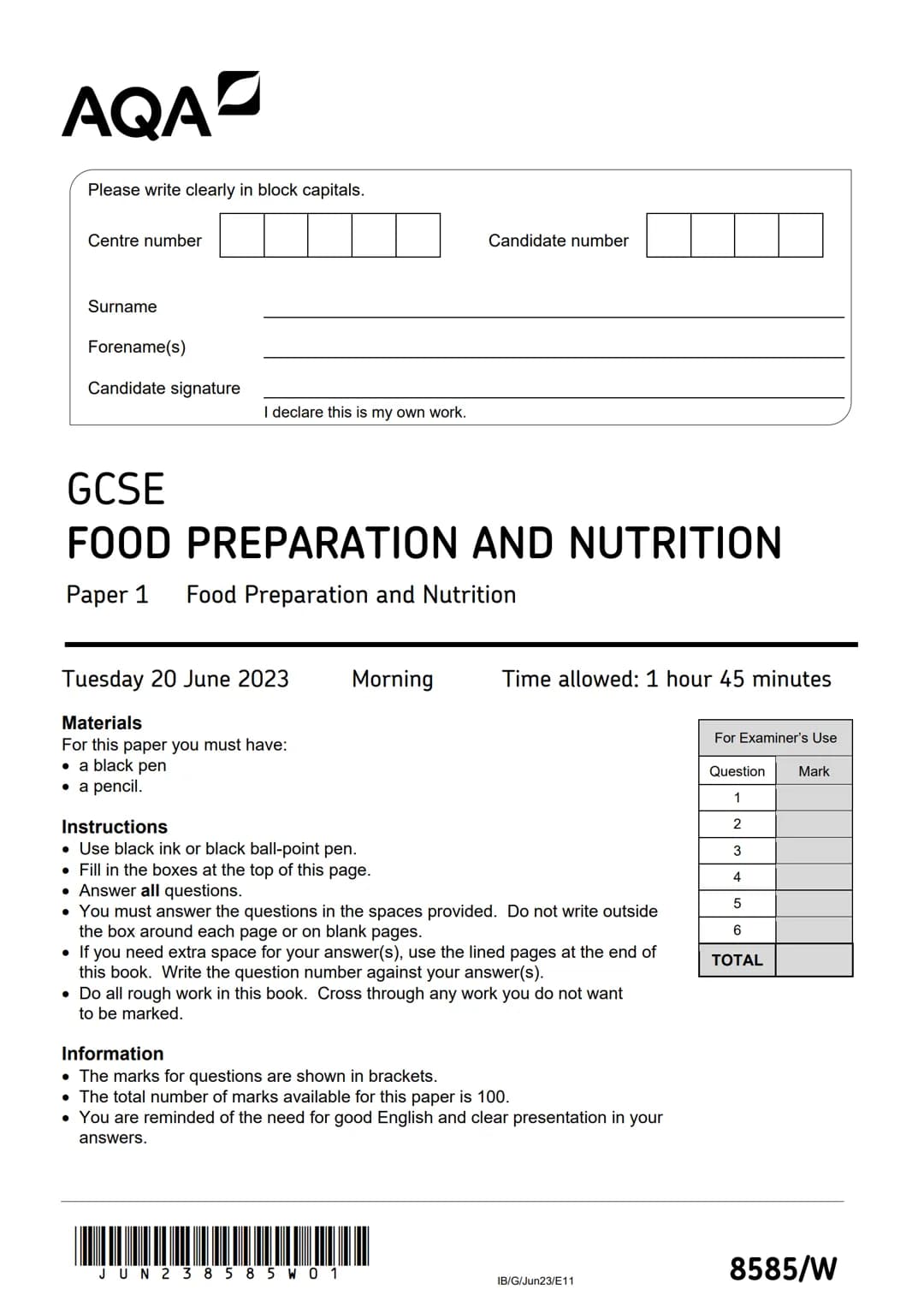
Exam Structure and Instructions
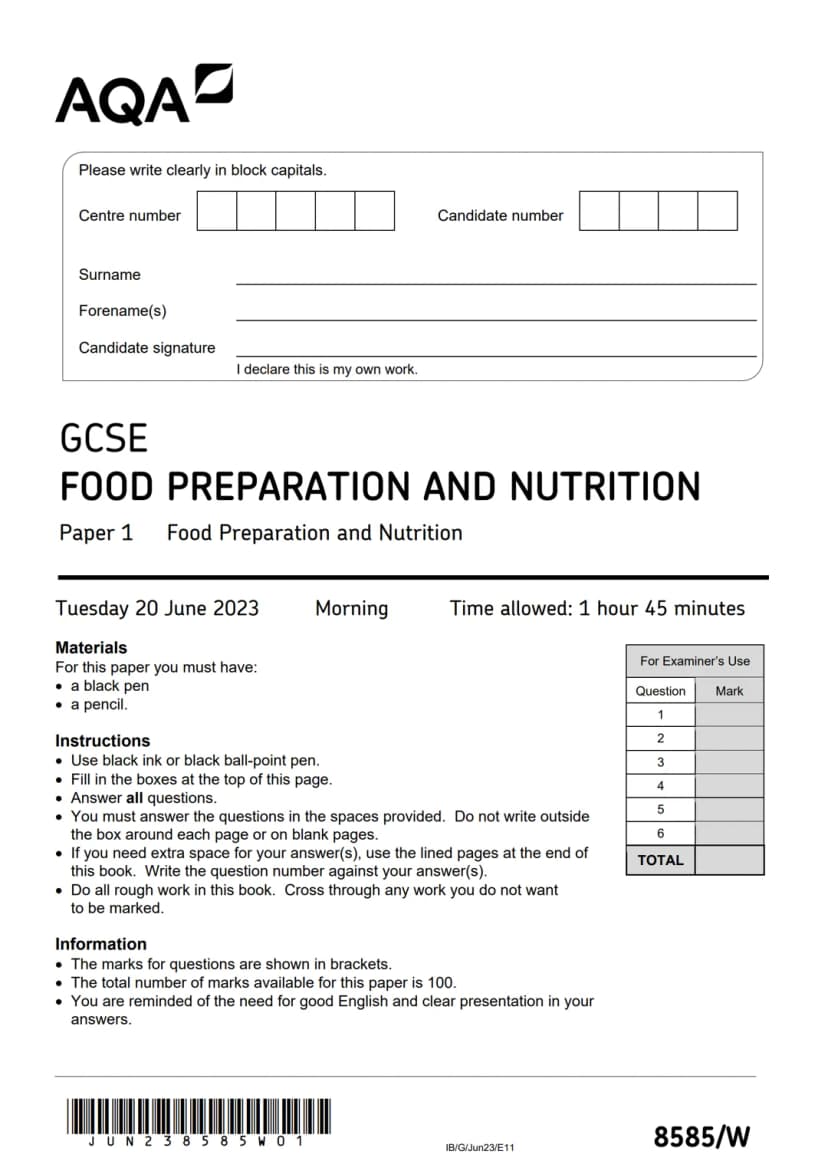
This GCSE paper tests everything you've learned about food preparation and nutrition in 1 hour 45 minutes. The exam is split into two main sections that test different skills.
Section A contains 20 multiple-choice questions worth 20 marks total. You'll need to completely fill in circles for your answers, and there's a specific method for changing answers if you make mistakes.
Section B has longer written questions worth 80 marks. This means Section B is worth four times more than Section A, so spend most of your time here! Always write clearly and show your food science knowledge.
Top Tip: Spend about 20 minutes on Section A and the remaining time on Section B to match the mark allocation.
2
of 10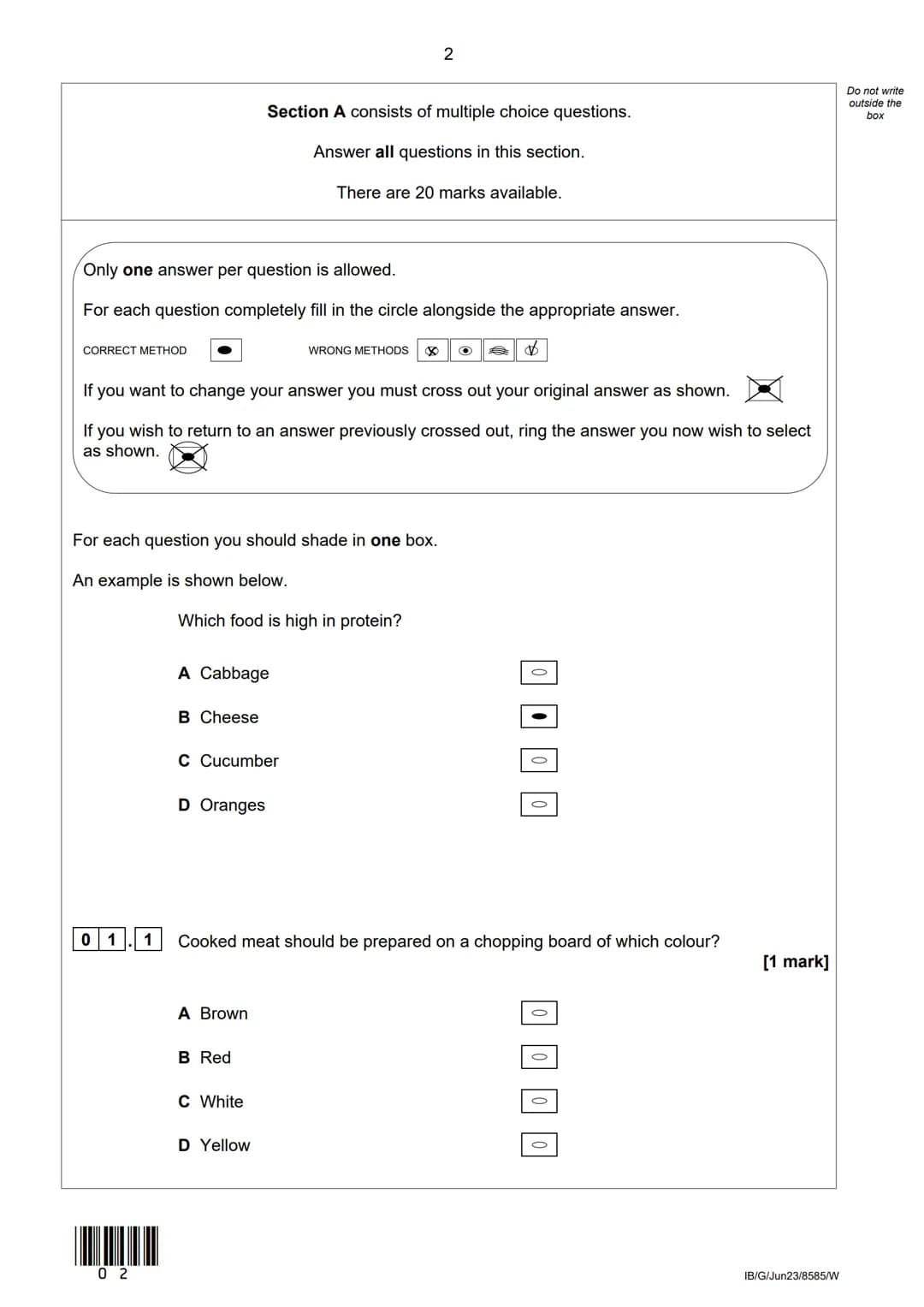
Food Safety and Hygiene Essentials
Colour-coded chopping boards are crucial for preventing cross-contamination - red boards are specifically for raw meat. This simple system keeps harmful bacteria away from ready-to-eat foods.
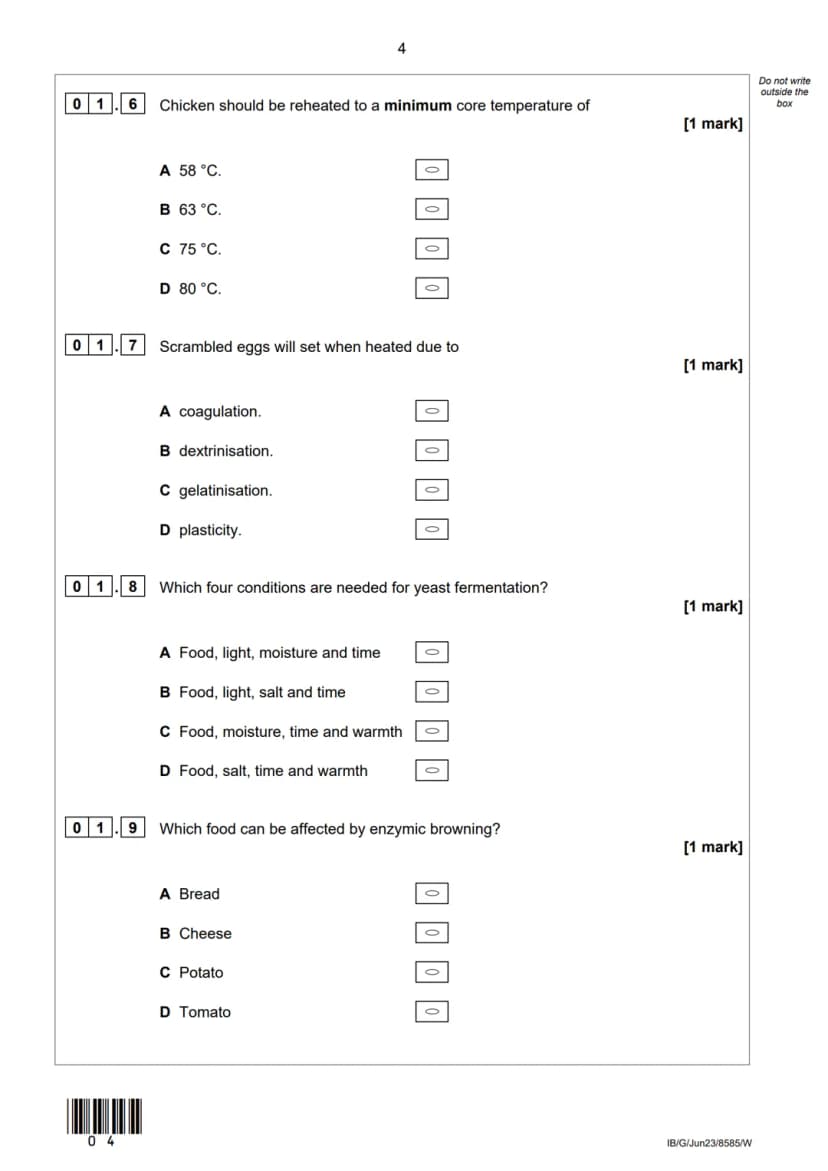
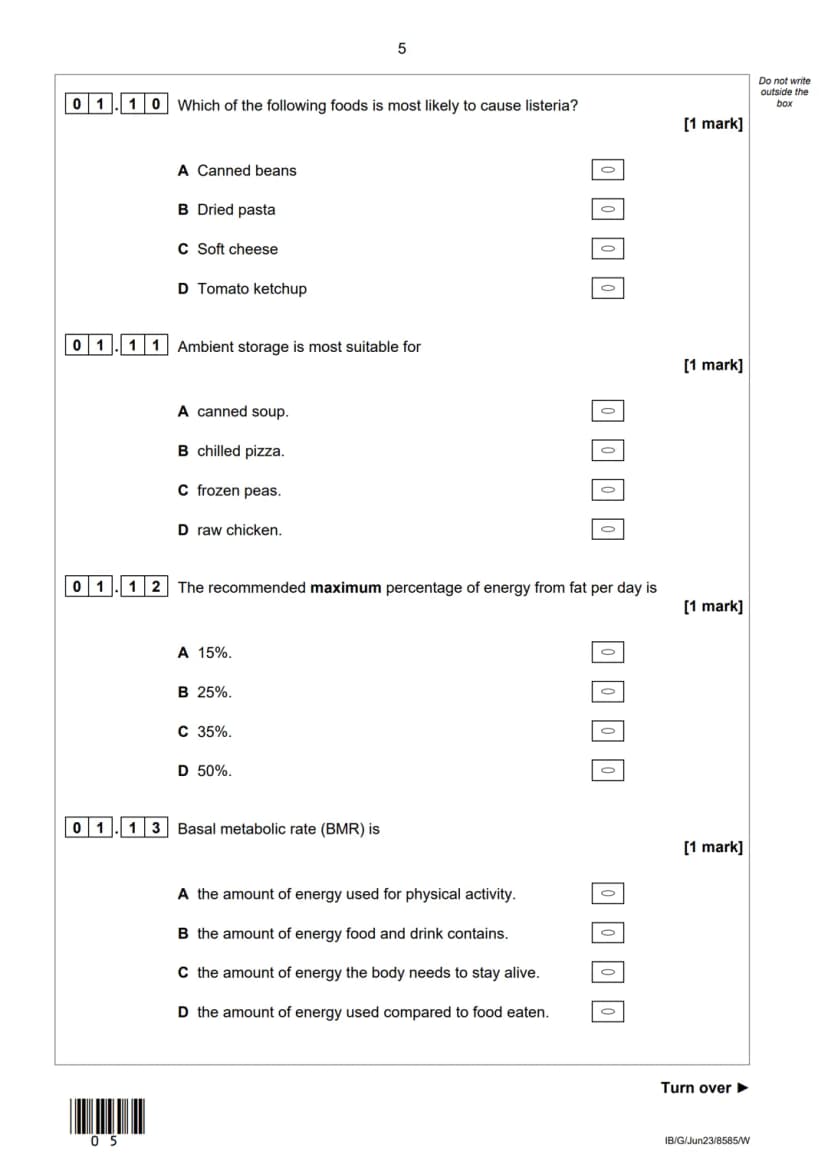
Temperature control is vital for food safety. Chicken must be reheated to at least 75°C at its core to kill dangerous bacteria like salmonella. High-risk foods like soft cheese can harbour listeria, which is why pregnant women are advised to avoid them.
Storage methods depend on the food type. Ambient storage works perfectly for shelf-stable items like canned soup, whilst fresh meat needs refrigeration. Understanding these basics will keep you and others safe in the kitchen.
Remember: When in doubt about food safety, always choose the higher temperature or shorter storage time!
3
of 10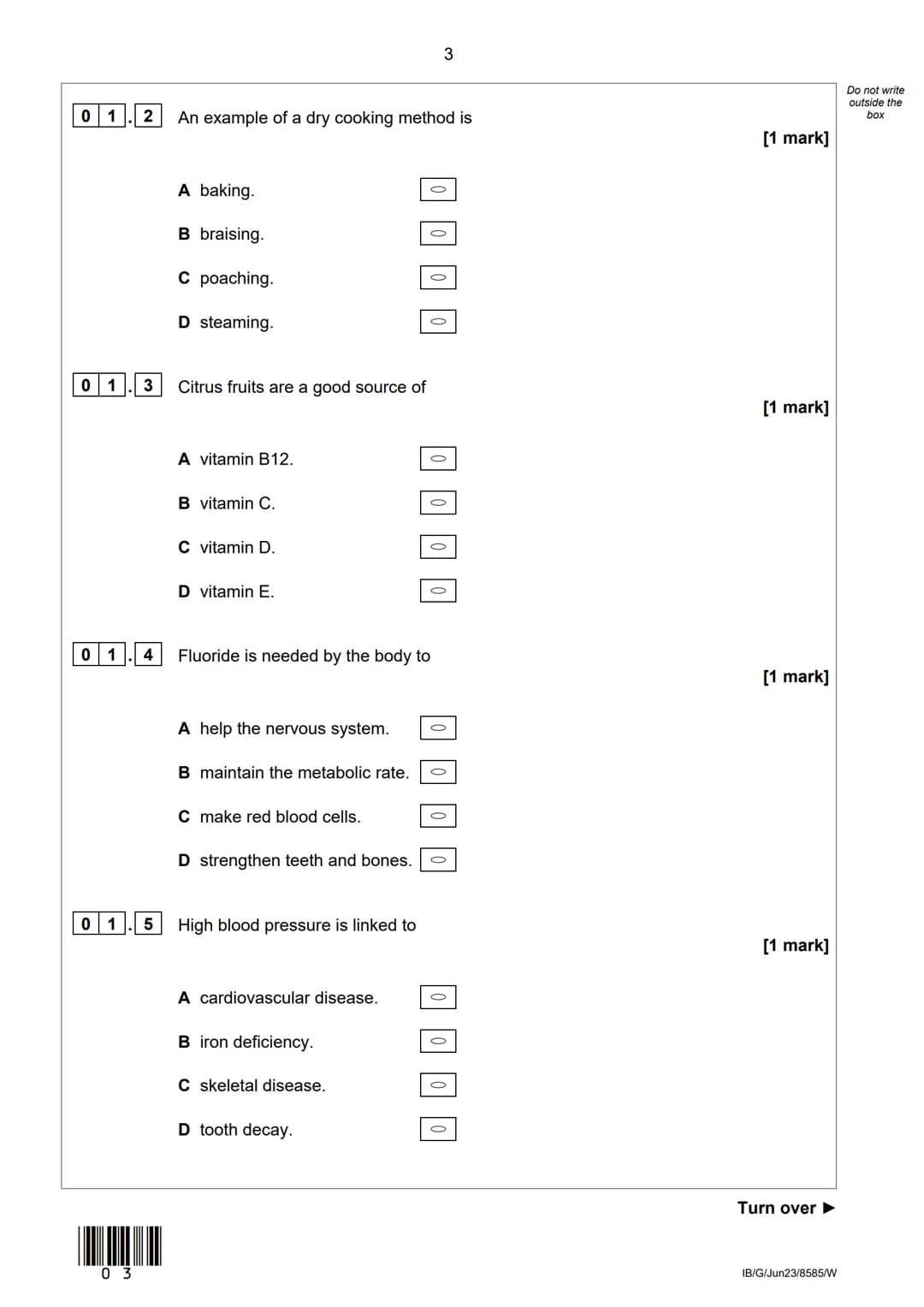
Cooking Methods and Food Science
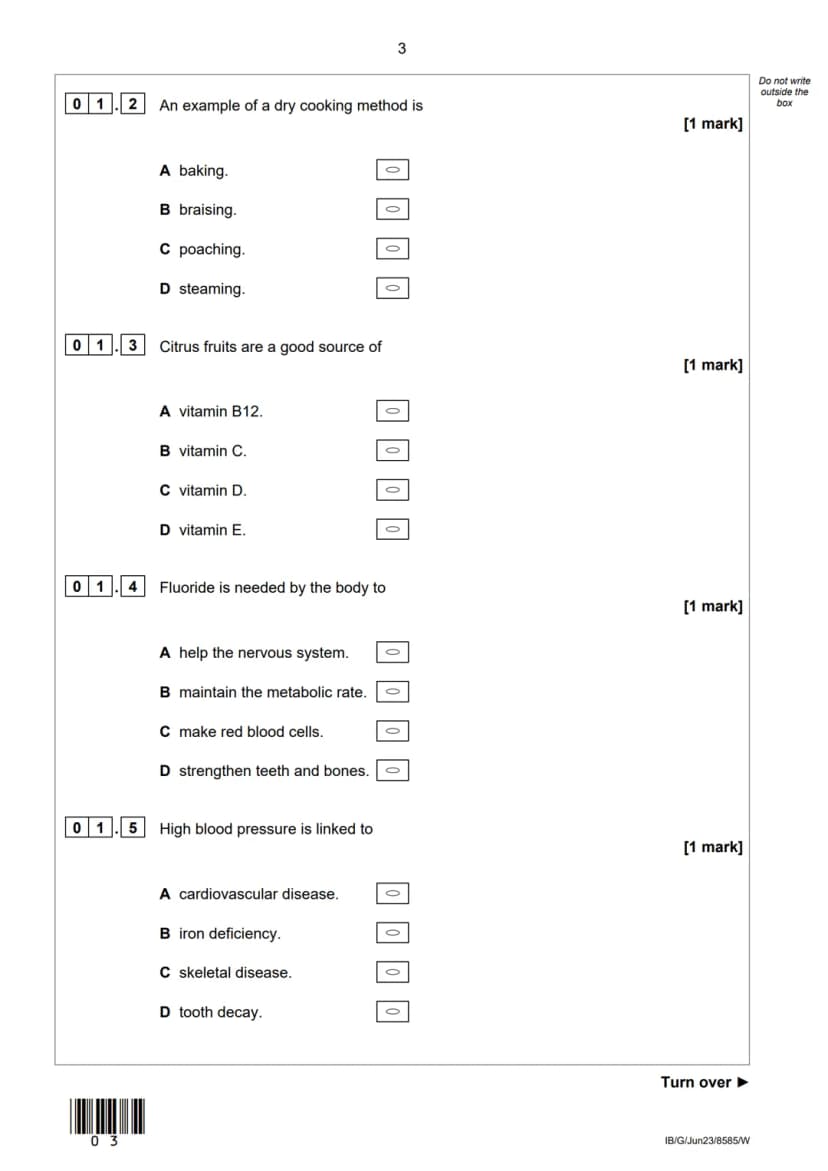
Dry cooking methods like baking don't use water or steam, unlike braising, poaching, or steaming. Understanding these categories helps you choose the right technique for different ingredients.
Protein coagulation is what makes scrambled eggs set when heated - the proteins literally change structure and become solid. This same process happens in many cooked foods containing protein.
Yeast fermentation needs four key conditions: food (usually sugar), moisture, time, and warmth. Miss any of these and your bread won't rise! Enzymic browning affects foods like potatoes when cut surfaces are exposed to air.
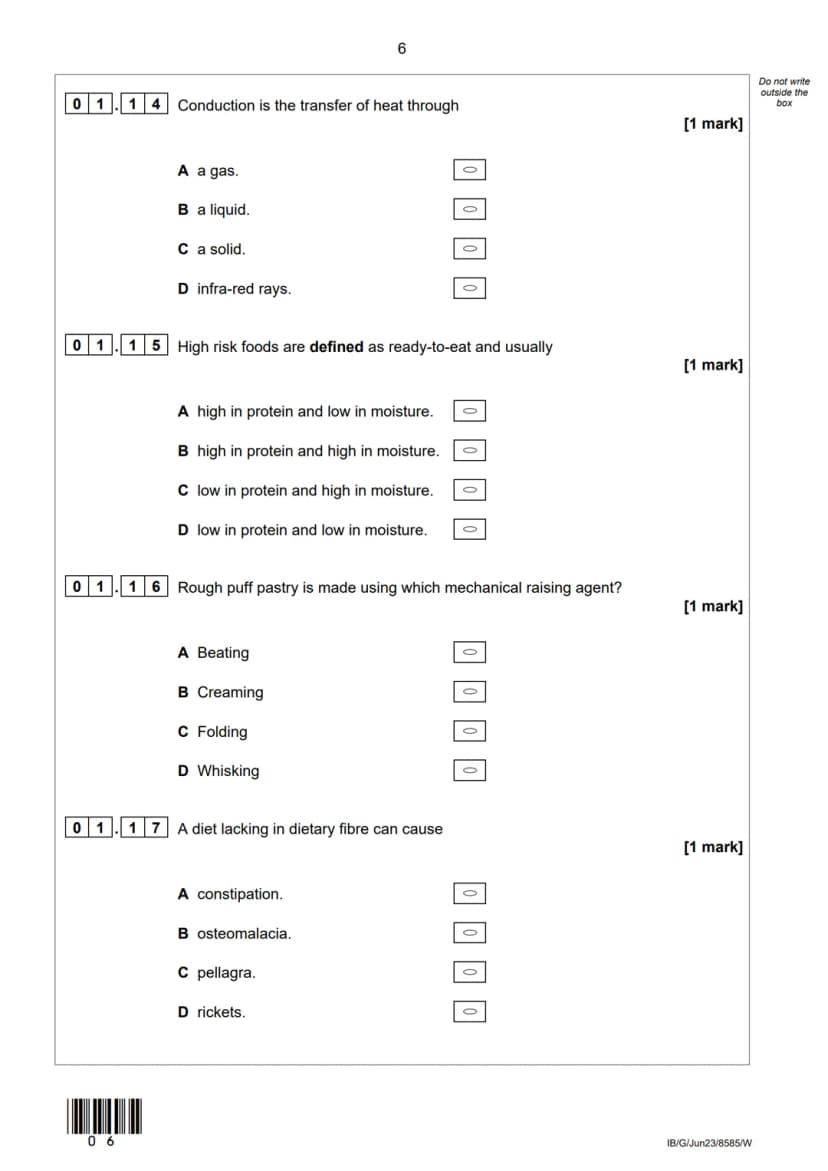
Heat transfer happens through conduction in solids - think of a metal spoon getting hot in a pan. This knowledge helps you understand why different cookware materials work better for specific cooking methods.
Key Insight: Food science explains the 'why' behind cooking techniques, making you a more skilled cook!
4
of 10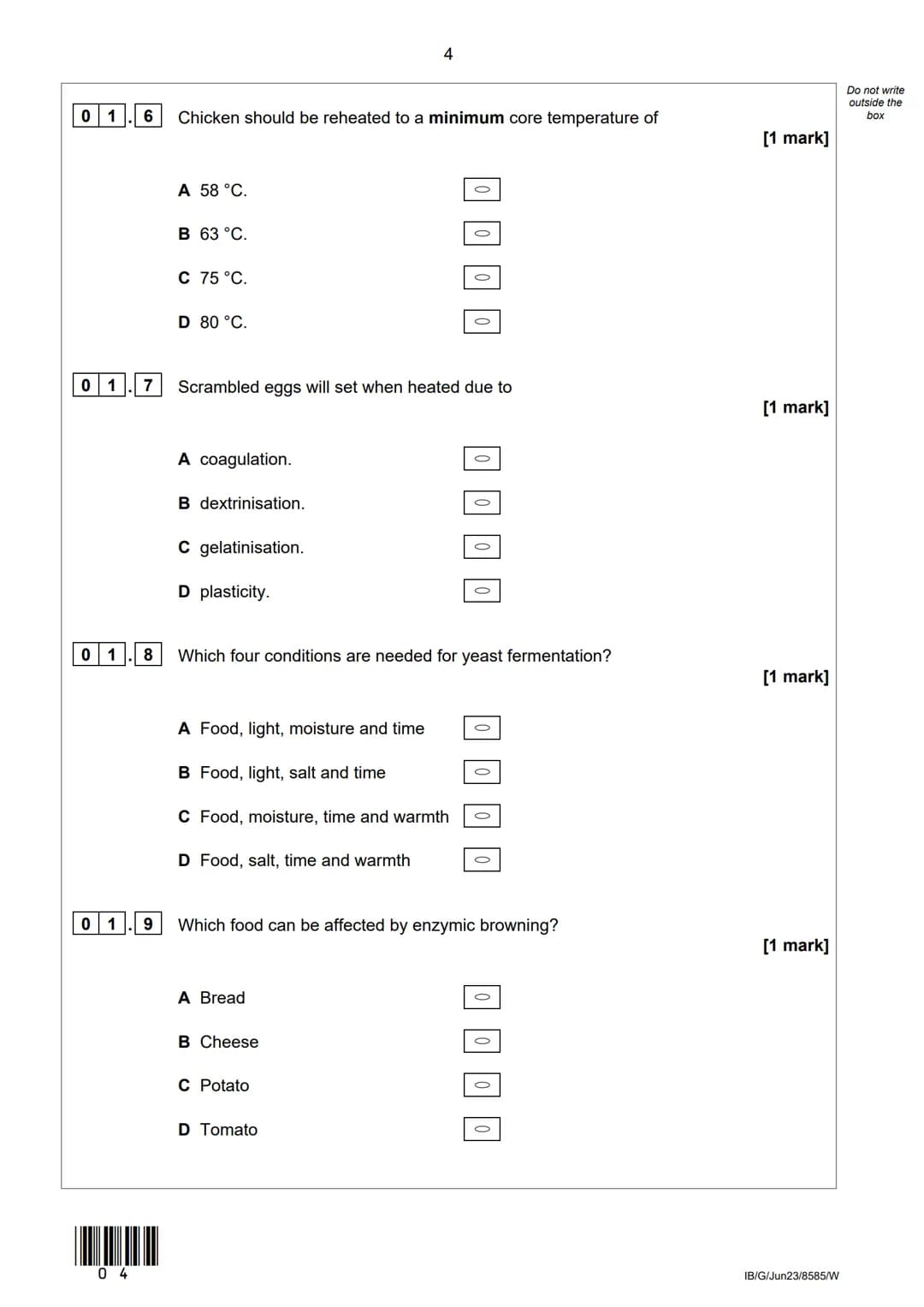
Nutrition and Health Connections
Vitamin C from citrus fruits supports your immune system, whilst fluoride strengthens teeth and bones. Different nutrients have specific jobs in keeping your body healthy.
Cardiovascular disease links directly to high blood pressure, showing how diet affects long-term health. The recommended maximum 35% of daily energy from fat helps maintain healthy weight and reduces disease risk.
Basal metabolic rate (BMR) is the energy your body needs just to stay alive - breathing, heartbeat, and basic cell functions. This forms the foundation of understanding how many calories you actually need.
Dietary fibre prevents constipation and supports digestive health. A lack of fibre is one of the most common nutritional issues in modern diets, but it's easily fixed by eating more fruits, vegetables, and whole grains.
Health Fact: Understanding nutrition helps you make informed food choices that support your energy levels and long-term wellbeing!
5
of 10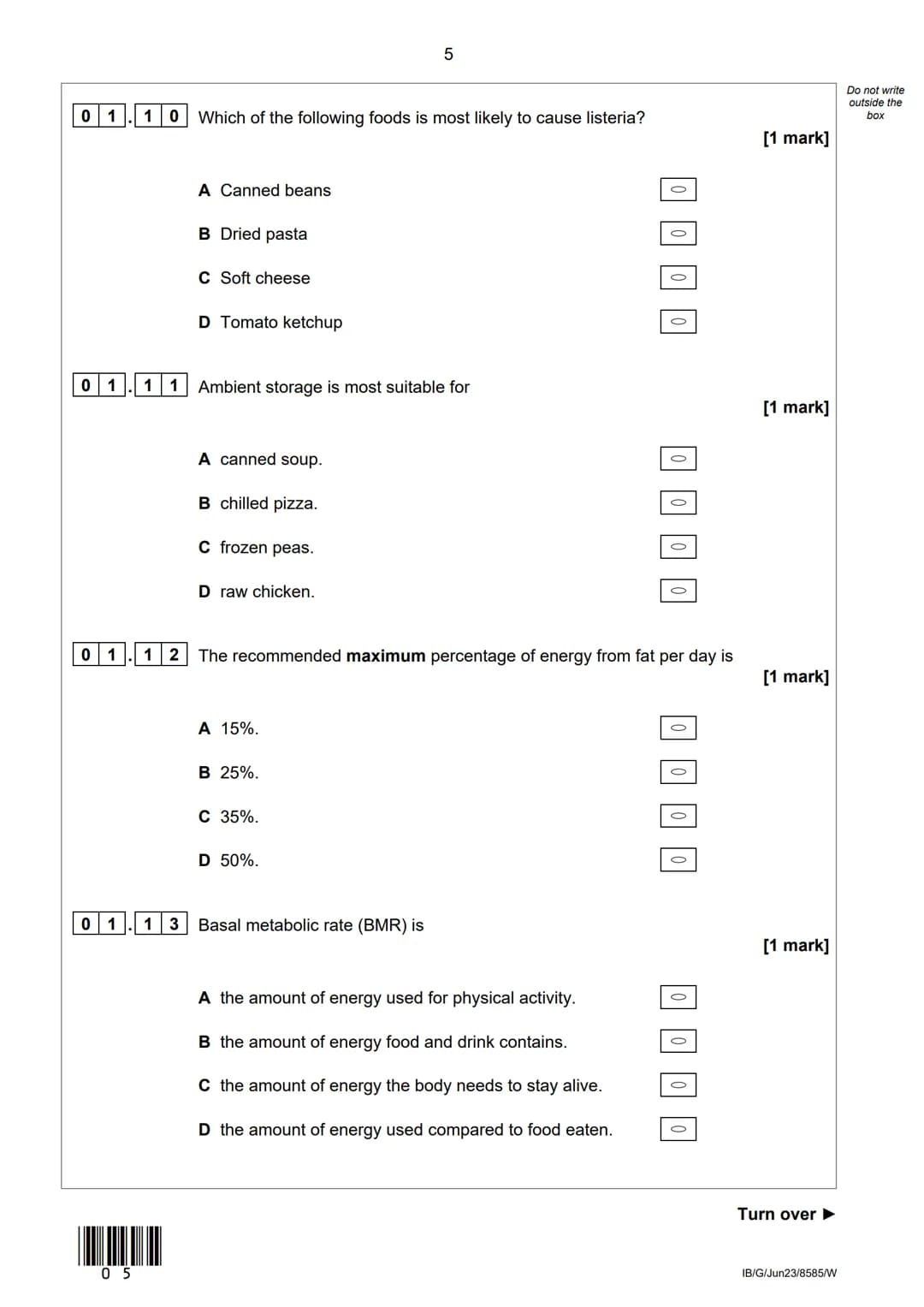
Special Diets and Food Adaptations
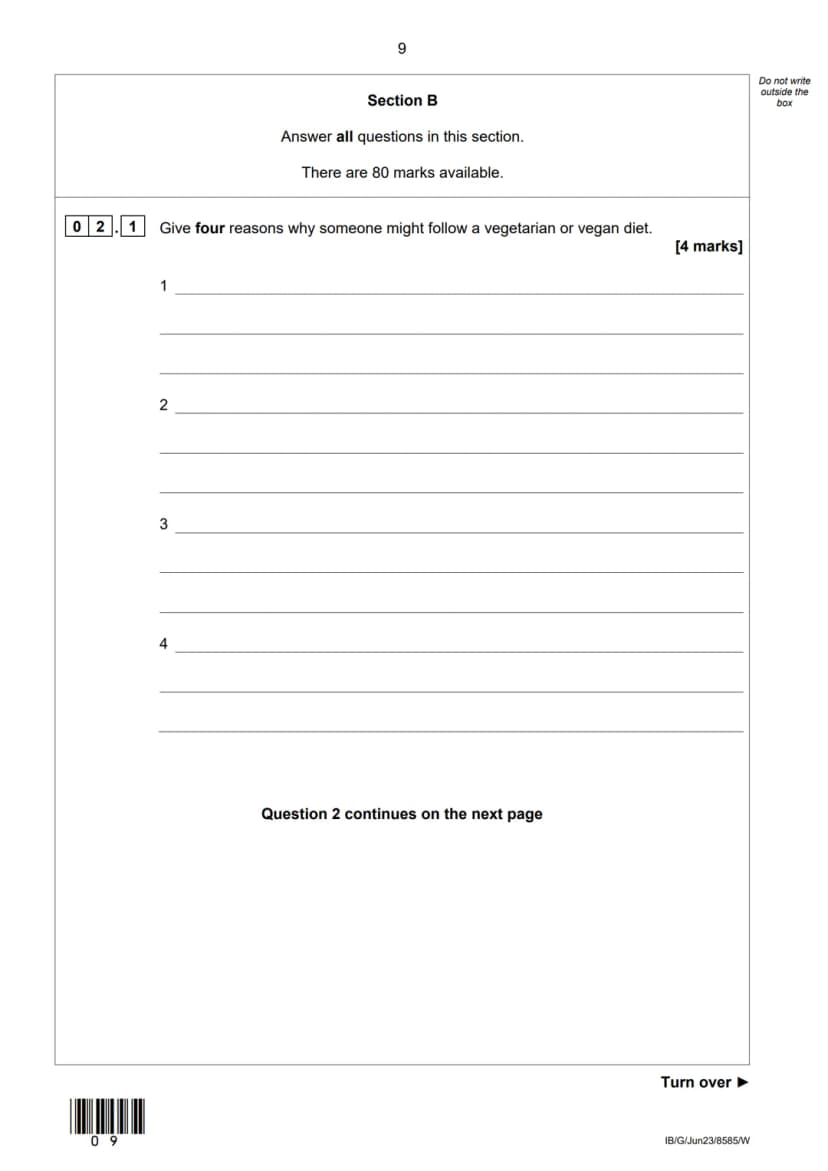
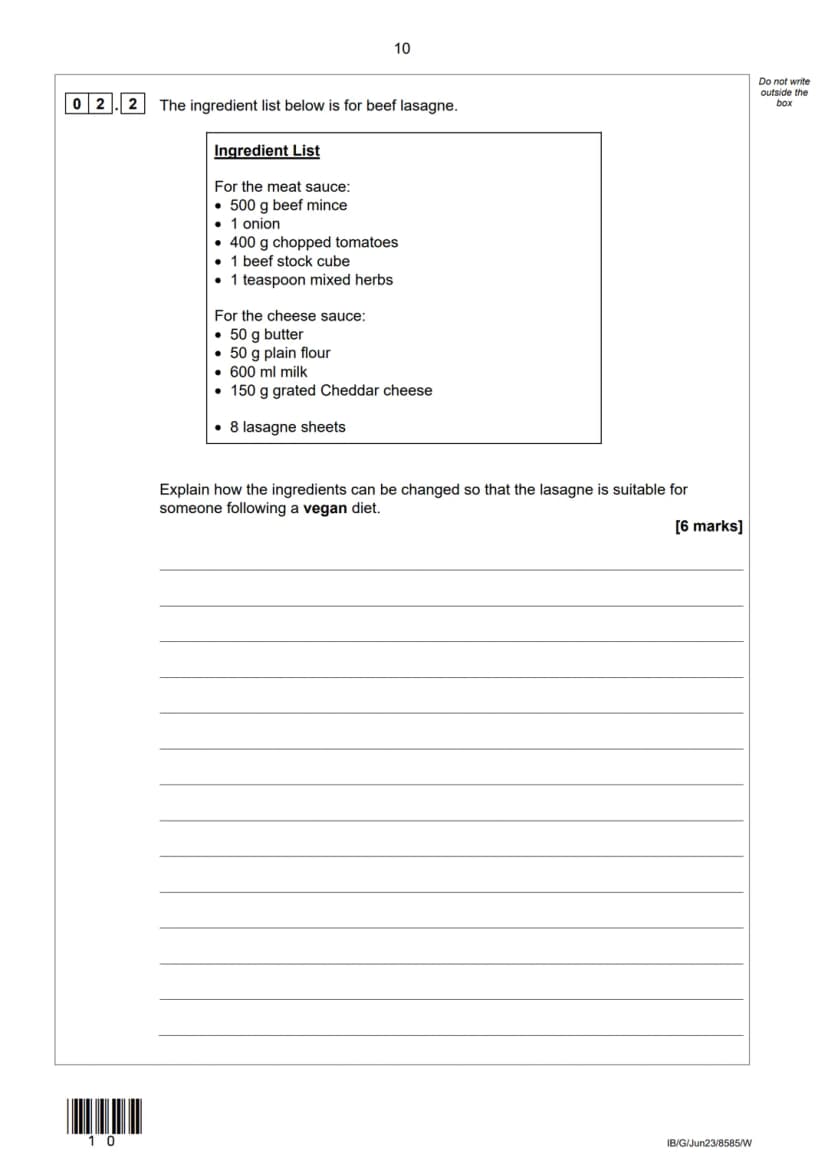
People choose vegetarian or vegan diets for various reasons including health benefits, environmental concerns, animal welfare, and religious beliefs. Understanding these motivations helps you support different dietary needs.
Adapting recipes for vegans requires systematic ingredient substitution. Replace beef mince with plant-based alternatives like lentils or soy mince, swap butter for vegan margarine, use plant milk instead of dairy, and choose nutritional yeast or vegan cheese alternatives.
Fairtrade supports producers in developing countries by ensuring fair wages and working conditions. This ethical approach to food purchasing connects your choices to global social responsibility.
Polysaccharides like those found in bread are complex carbohydrates that provide sustained energy. Recognising different carbohydrate types helps you understand how foods affect your energy levels throughout the day.
Modern Reality: Today's food choices involve considering health, ethics, environment, and social impact - not just taste!
6
of 10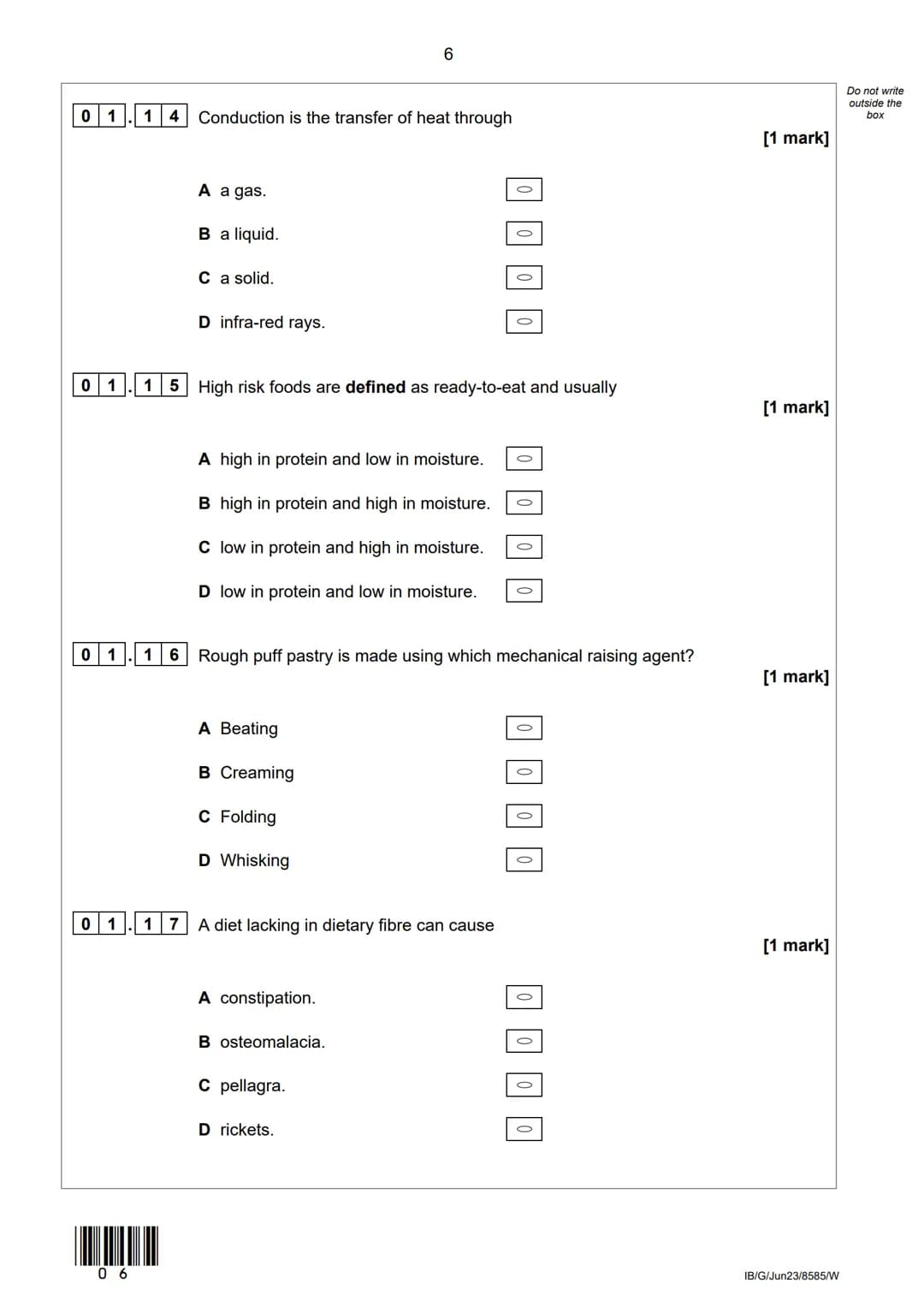
7
of 10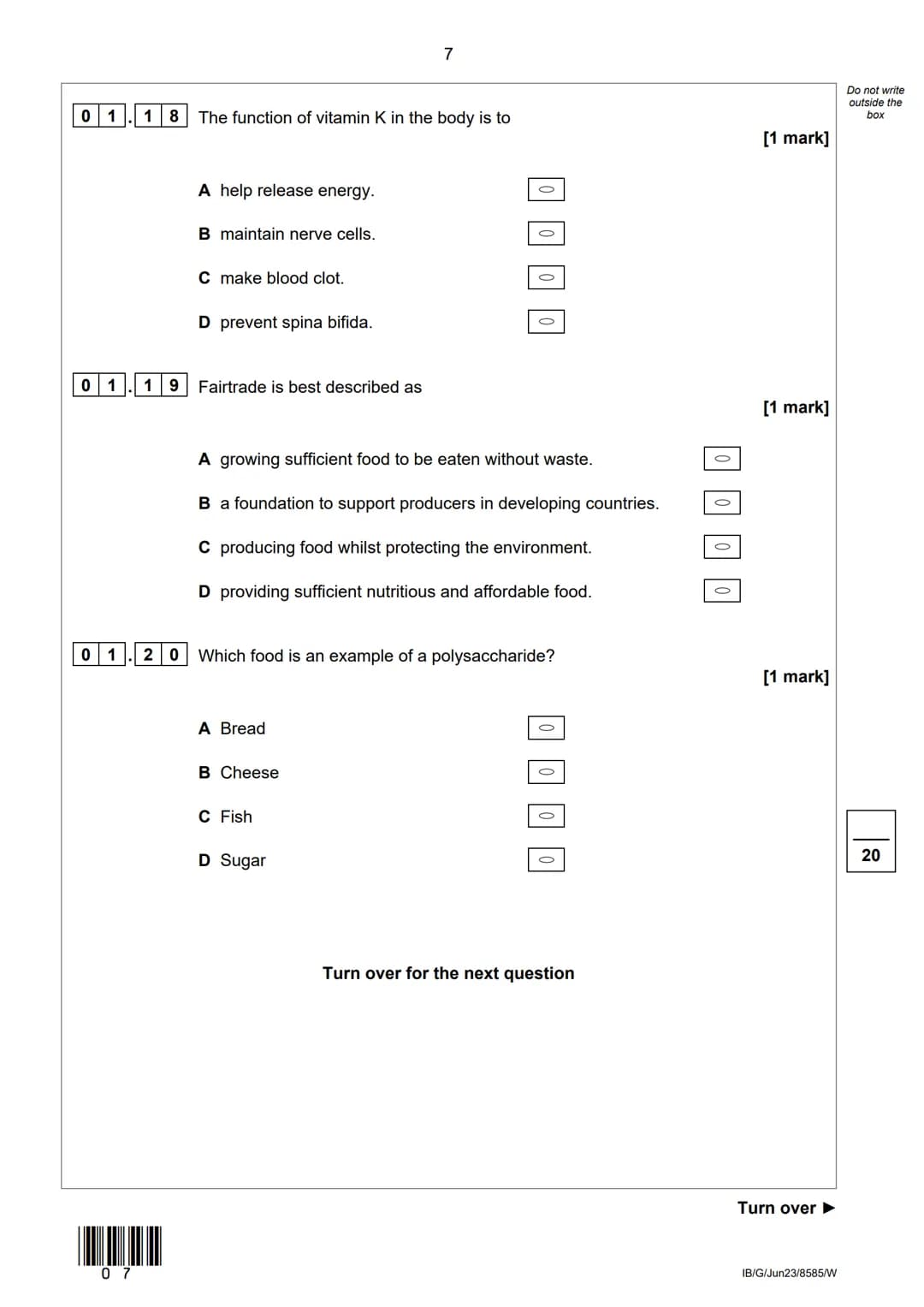
8
of 10
9
of 10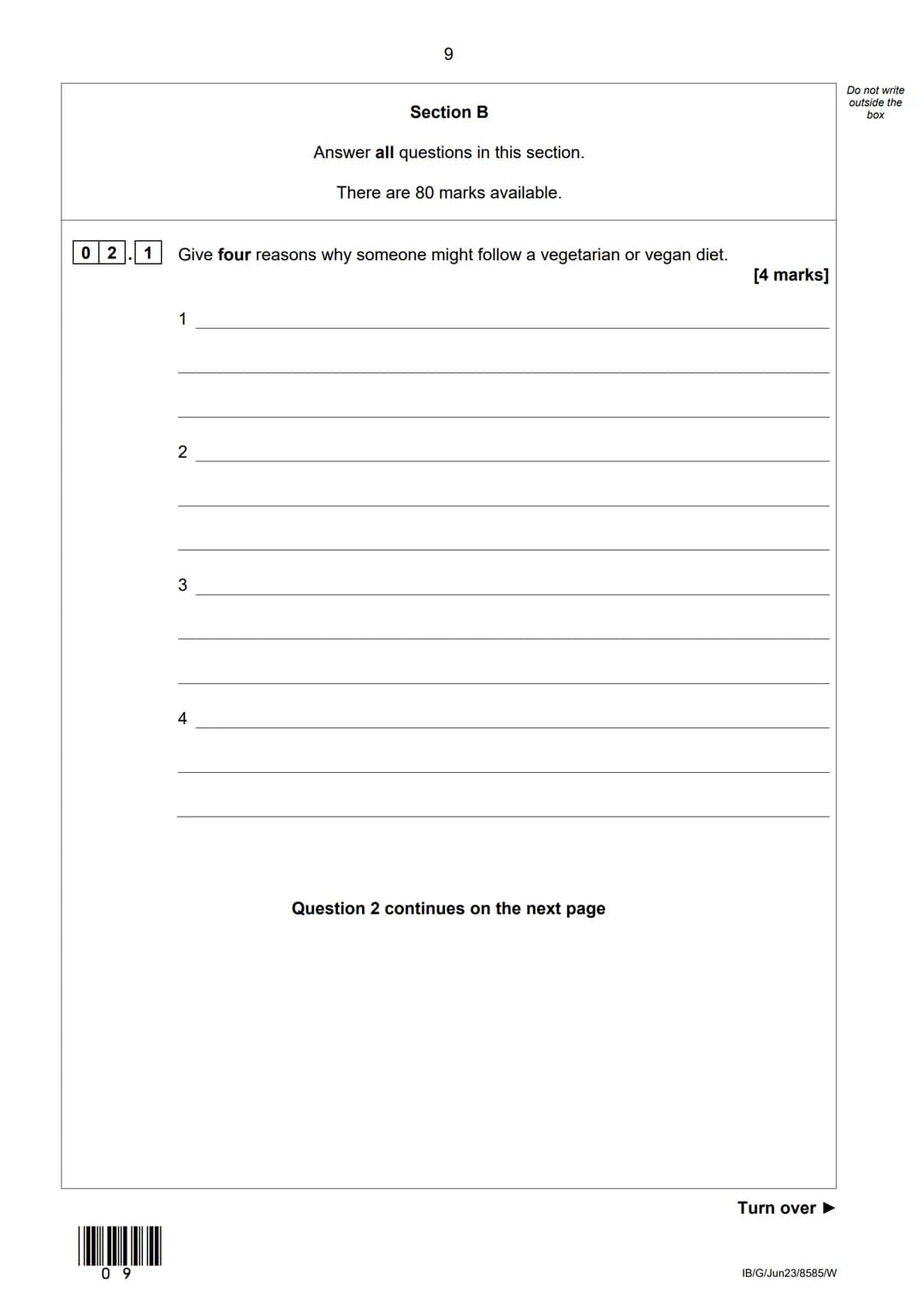
10
of 10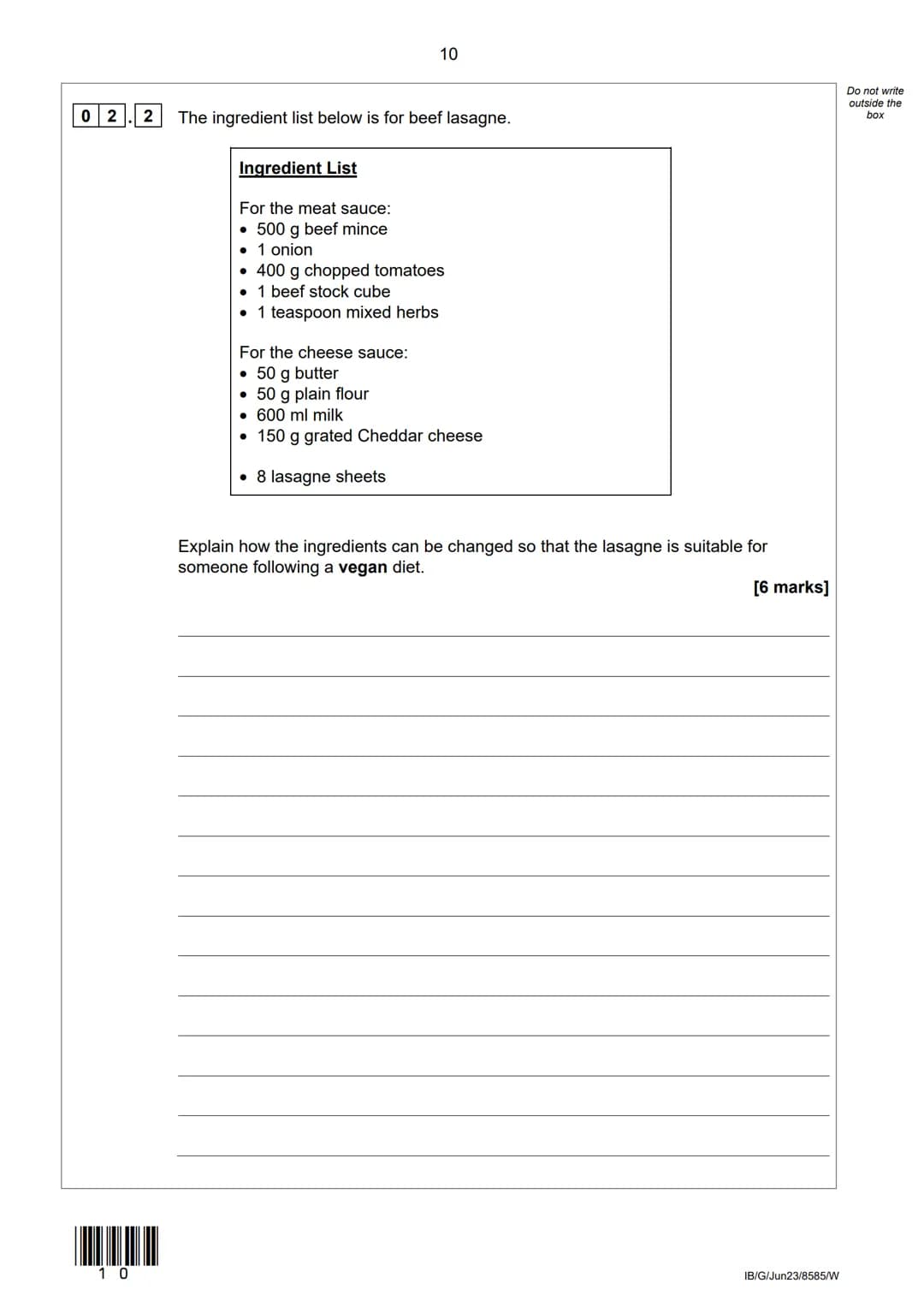
We thought you’d never ask...
What is the Knowunity AI companion?
Our AI companion is specifically built for the needs of students. Based on the millions of content pieces we have on the platform we can provide truly meaningful and relevant answers to students. But its not only about answers, the companion is even more about guiding students through their daily learning challenges, with personalised study plans, quizzes or content pieces in the chat and 100% personalisation based on the students skills and developments.
Where can I download the Knowunity app?
You can download the app in the Google Play Store and in the Apple App Store.
Is Knowunity really free of charge?
That's right! Enjoy free access to study content, connect with fellow students, and get instant help – all at your fingertips.
Similar Content
 Gesundheit
 Química
Most popular content in Food & Nutrition
9F
Food & Nutritionfood - protein quiz
protein information to lurn
113402
C
Food & Nutritioncarbohydrate uses
carbohydrate uses in food technology
111710
Food & NutritionSuccess Factors in Hospitality
Explore the critical factors influencing the success of hospitality and catering providers. This summary covers key concepts such as market saturation, financial management, branding, and customer service, essential for understanding the dynamics of the industry. Ideal for WJEC Level 1/2 Hospitality & Catering students preparing for exams and coursework.
111,36138
Food & NutritionHospitality & Catering A02 Insights
Explore essential concepts and operational strategies in the Hospitality and Catering industry with this comprehensive revision resource for WJEC Level 1/2. Covering customer service, kitchen operations, and compliance with health and safety regulations, this guide is designed to enhance your understanding and prepare you for exams. Ideal for students seeking to excel in their studies.
1285816
Food & NutritionNutritional Science Essentials
Explore the key concepts of macronutrients and micronutrients, including proteins, fats, carbohydrates, and their roles in a healthy diet. This summary covers sources, functions, and the effects of deficiencies and excesses, along with cooking processes and chemical properties relevant to food technology. Ideal for AQA Food Science students.
111,48320
Food & NutritionUnderstanding Communicable Diseases
Explore the key concepts of communicable diseases, including the roles of bacteria, viruses, and fungi. Learn about how these pathogens spread, their impact on health, and methods for prevention and treatment. This summary covers essential information for understanding infectious diseases and their transmission.
95238
Food & NutritionFood Safety & Allergies Overview
Explore essential concepts in food safety, allergens, and food-related illnesses with this comprehensive revision booklet for WJEC Level 1/2 Hospitality & Catering. Key topics include microbial growth, food intolerances, pathogens, and legal responsibilities in food handling. Perfect for exam preparation and understanding food hygiene standards.
1275013
Food & NutritionHospitality & Catering Essentials
Explore key concepts in the hospitality and catering industry, including food safety, employee roles, technological advancements, and health regulations. This comprehensive summary covers essential topics for GCSE students, providing insights into food technology, event catering, and the tourism sector. Ideal for exam preparation and understanding industry standards.
115718
Food & NutritionAQA GCSE: Vitamins and Minerals mind map
Mind map on vitamins and minerals AQA GCSE food preparation and nutrition
111491
Most popular content
9 Sociology
Sociology of Education Overview
Explore comprehensive A-Level Sociology notes on the education system, covering key theories, policies, and sociological perspectives. This resource includes insights on marketisation, gender roles, cultural deprivation, and educational inequalities, providing a thorough understanding of how education shapes social stratification and individual achievement. Ideal for exam preparation and in-depth study.
12102,8693,040
SociologySociology of Families: Comprehensive Revision
Dive into an extensive overview of family dynamics, perspectives, and patterns in sociology. This resource covers key concepts such as family diversity, gender roles, marriage, and the impact of social policies on family structures. Perfect for A-Level Sociology students preparing for Paper 2.
1273,6612,307
CriminologyCriminology: Crime & Punishment Overview
Comprehensive mindmaps covering key concepts in the Crime and Punishment topic for WJEC Criminology Unit 4. This resource includes detailed insights into the Criminal Justice System, crime prevention strategies, sentencing models, and the roles of various agencies. Ideal for A-Level revision, ensuring you grasp essential theories and legislative processes to excel in your exams.
1254,8691,059
SociologyComprehensive Crime & Deviance Overview
Explore an extensive revision of crime and deviance topics, including theories, types of crime, and the impact of media. This resource covers key concepts such as Marxism, functionalism, gender and crime, and the influence of globalization on criminal behavior. Ideal for students seeking a thorough understanding of criminology and its various theories. Type: Full Topic Revision.
1251,6541,399
C
 Biology
Cell Biology and Cell structure
cell structures
93,2470
 English Literature
An Inspector Calls: Character Insights
Explore in-depth analysis and key quotes for characters in J.B. Priestley's 'An Inspector Calls'. This resource covers Gerald Croft, Inspector Goole, Sheila Birling, Mrs. Birling, Eric Birling, and Eva Smith, focusing on themes of class, gender roles, and social responsibility. Ideal for students aiming for Grade 8 and above.
1025,429907
CriminologyWJEC Unit 4 Criminology
Criminology unit 4 detailed revision note
127,151125
CriminologyCriminology Theories Overview
Explore key criminology theories and their implications on crime and deviance. This comprehensive summary covers biological, psychological, and sociological perspectives, including labelling theory, right realism, and the impact of social campaigns on policy development. Ideal for A-Level criminology students seeking to understand the complexities of criminal behaviour and the factors influencing crime prevention strategies.
129,760210
English LiteratureRomeo and Juliet: Key themes
Key Romeo and Juliet themes and analysed quotes
106,708198
Can't find what you're looking for? Explore other subjects.
Students love us — and so will you.
4.6/5App Store
4.7/5Google Play
The app is very easy to use and well designed. I have found everything I was looking for so far and have been able to learn a lot from the presentations! I will definitely use the app for a class assignment! And of course it also helps a lot as an inspiration.
Stefan SiOS user
This app is really great. There are so many study notes and help [...]. My problem subject is French, for example, and the app has so many options for help. Thanks to this app, I have improved my French. I would recommend it to anyone.
Samantha KlichAndroid user
Wow, I am really amazed. I just tried the app because I've seen it advertised many times and was absolutely stunned. This app is THE HELP you want for school and above all, it offers so many things, such as workouts and fact sheets, which have been VERY helpful to me personally.
AnnaiOS user
Food & Nutrition173 views·Updated Jun 18, 2026·28 pagesFoodTech Exam Questions for Practice
Eniola Hammed@eniolahammed
This is your guide to the AQA GCSE Food Preparation and Nutrition Paper 1 from June 2023. You'll find all the essential knowledge tested in this exam, from food safety basics to nutritional science, plus practical tips for tackling similar...
1
of 10
Sign up to see the content. It's free!
- Access to all documents
- Improve your grades
- Join milions of students
Exam Structure and Instructions
This GCSE paper tests everything you've learned about food preparation and nutrition in 1 hour 45 minutes. The exam is split into two main sections that test different skills.
Section A contains 20 multiple-choice questions worth 20 marks total. You'll need to completely fill in circles for your answers, and there's a specific method for changing answers if you make mistakes.
Section B has longer written questions worth 80 marks. This means Section B is worth four times more than Section A, so spend most of your time here! Always write clearly and show your food science knowledge.
Top Tip: Spend about 20 minutes on Section A and the remaining time on Section B to match the mark allocation.
2
of 10Sign up to see the content. It's free!
- Access to all documents
- Improve your grades
- Join milions of students
Food Safety and Hygiene Essentials
Colour-coded chopping boards are crucial for preventing cross-contamination - red boards are specifically for raw meat. This simple system keeps harmful bacteria away from ready-to-eat foods.
Temperature control is vital for food safety. Chicken must be reheated to at least 75°C at its core to kill dangerous bacteria like salmonella. High-risk foods like soft cheese can harbour listeria, which is why pregnant women are advised to avoid them.
Storage methods depend on the food type. Ambient storage works perfectly for shelf-stable items like canned soup, whilst fresh meat needs refrigeration. Understanding these basics will keep you and others safe in the kitchen.
Remember: When in doubt about food safety, always choose the higher temperature or shorter storage time!
3
of 10Sign up to see the content. It's free!
- Access to all documents
- Improve your grades
- Join milions of students
Cooking Methods and Food Science
Dry cooking methods like baking don't use water or steam, unlike braising, poaching, or steaming. Understanding these categories helps you choose the right technique for different ingredients.
Protein coagulation is what makes scrambled eggs set when heated - the proteins literally change structure and become solid. This same process happens in many cooked foods containing protein.
Yeast fermentation needs four key conditions: food (usually sugar), moisture, time, and warmth. Miss any of these and your bread won't rise! Enzymic browning affects foods like potatoes when cut surfaces are exposed to air.
Heat transfer happens through conduction in solids - think of a metal spoon getting hot in a pan. This knowledge helps you understand why different cookware materials work better for specific cooking methods.
Key Insight: Food science explains the 'why' behind cooking techniques, making you a more skilled cook!
4
of 10Sign up to see the content. It's free!
- Access to all documents
- Improve your grades
- Join milions of students
Nutrition and Health Connections
Vitamin C from citrus fruits supports your immune system, whilst fluoride strengthens teeth and bones. Different nutrients have specific jobs in keeping your body healthy.
Cardiovascular disease links directly to high blood pressure, showing how diet affects long-term health. The recommended maximum 35% of daily energy from fat helps maintain healthy weight and reduces disease risk.
Basal metabolic rate (BMR) is the energy your body needs just to stay alive - breathing, heartbeat, and basic cell functions. This forms the foundation of understanding how many calories you actually need.
Dietary fibre prevents constipation and supports digestive health. A lack of fibre is one of the most common nutritional issues in modern diets, but it's easily fixed by eating more fruits, vegetables, and whole grains.
Health Fact: Understanding nutrition helps you make informed food choices that support your energy levels and long-term wellbeing!
5
of 10Sign up to see the content. It's free!
- Access to all documents
- Improve your grades
- Join milions of students
Special Diets and Food Adaptations
People choose vegetarian or vegan diets for various reasons including health benefits, environmental concerns, animal welfare, and religious beliefs. Understanding these motivations helps you support different dietary needs.
Adapting recipes for vegans requires systematic ingredient substitution. Replace beef mince with plant-based alternatives like lentils or soy mince, swap butter for vegan margarine, use plant milk instead of dairy, and choose nutritional yeast or vegan cheese alternatives.
Fairtrade supports producers in developing countries by ensuring fair wages and working conditions. This ethical approach to food purchasing connects your choices to global social responsibility.
Polysaccharides like those found in bread are complex carbohydrates that provide sustained energy. Recognising different carbohydrate types helps you understand how foods affect your energy levels throughout the day.
Modern Reality: Today's food choices involve considering health, ethics, environment, and social impact - not just taste!
6
of 10Sign up to see the content. It's free!
- Access to all documents
- Improve your grades
- Join milions of students
7
of 10Sign up to see the content. It's free!
- Access to all documents
- Improve your grades
- Join milions of students
8
of 10Sign up to see the content. It's free!
- Access to all documents
- Improve your grades
- Join milions of students
9
of 10Sign up to see the content. It's free!
- Access to all documents
- Improve your grades
- Join milions of students
10
of 10Sign up to see the content. It's free!
- Access to all documents
- Improve your grades
- Join milions of students
We thought you’d never ask...
What is the Knowunity AI companion?
Our AI companion is specifically built for the needs of students. Based on the millions of content pieces we have on the platform we can provide truly meaningful and relevant answers to students. But its not only about answers, the companion is even more about guiding students through their daily learning challenges, with personalised study plans, quizzes or content pieces in the chat and 100% personalisation based on the students skills and developments.
Where can I download the Knowunity app?
You can download the app in the Google Play Store and in the Apple App Store.
Is Knowunity really free of charge?
That's right! Enjoy free access to study content, connect with fellow students, and get instant help – all at your fingertips.
Similar Content
Most popular content in Food & Nutrition
9F
Food & Nutritionfood - protein quiz
protein information to lurn
113402
C
Food & Nutritioncarbohydrate uses
carbohydrate uses in food technology
111710
Food & NutritionSuccess Factors in Hospitality
Explore the critical factors influencing the success of hospitality and catering providers. This summary covers key concepts such as market saturation, financial management, branding, and customer service, essential for understanding the dynamics of the industry. Ideal for WJEC Level 1/2 Hospitality & Catering students preparing for exams and coursework.
111,36138
Food & NutritionHospitality & Catering A02 Insights
Explore essential concepts and operational strategies in the Hospitality and Catering industry with this comprehensive revision resource for WJEC Level 1/2. Covering customer service, kitchen operations, and compliance with health and safety regulations, this guide is designed to enhance your understanding and prepare you for exams. Ideal for students seeking to excel in their studies.
1285816
Food & NutritionNutritional Science Essentials
Explore the key concepts of macronutrients and micronutrients, including proteins, fats, carbohydrates, and their roles in a healthy diet. This summary covers sources, functions, and the effects of deficiencies and excesses, along with cooking processes and chemical properties relevant to food technology. Ideal for AQA Food Science students.
111,48320
Food & NutritionUnderstanding Communicable Diseases
Explore the key concepts of communicable diseases, including the roles of bacteria, viruses, and fungi. Learn about how these pathogens spread, their impact on health, and methods for prevention and treatment. This summary covers essential information for understanding infectious diseases and their transmission.
95238
Food & NutritionFood Safety & Allergies Overview
Explore essential concepts in food safety, allergens, and food-related illnesses with this comprehensive revision booklet for WJEC Level 1/2 Hospitality & Catering. Key topics include microbial growth, food intolerances, pathogens, and legal responsibilities in food handling. Perfect for exam preparation and understanding food hygiene standards.
1275013
Food & NutritionHospitality & Catering Essentials
Explore key concepts in the hospitality and catering industry, including food safety, employee roles, technological advancements, and health regulations. This comprehensive summary covers essential topics for GCSE students, providing insights into food technology, event catering, and the tourism sector. Ideal for exam preparation and understanding industry standards.
115718
Food & NutritionAQA GCSE: Vitamins and Minerals mind map
Mind map on vitamins and minerals AQA GCSE food preparation and nutrition
111491
Most popular content
9SociologySociology of Education Overview
Explore comprehensive A-Level Sociology notes on the education system, covering key theories, policies, and sociological perspectives. This resource includes insights on marketisation, gender roles, cultural deprivation, and educational inequalities, providing a thorough understanding of how education shapes social stratification and individual achievement. Ideal for exam preparation and in-depth study.
12102,8693,040
SociologySociology of Families: Comprehensive Revision
Dive into an extensive overview of family dynamics, perspectives, and patterns in sociology. This resource covers key concepts such as family diversity, gender roles, marriage, and the impact of social policies on family structures. Perfect for A-Level Sociology students preparing for Paper 2.
1273,6612,307
CriminologyCriminology: Crime & Punishment Overview
Comprehensive mindmaps covering key concepts in the Crime and Punishment topic for WJEC Criminology Unit 4. This resource includes detailed insights into the Criminal Justice System, crime prevention strategies, sentencing models, and the roles of various agencies. Ideal for A-Level revision, ensuring you grasp essential theories and legislative processes to excel in your exams.
1254,8691,059
SociologyComprehensive Crime & Deviance Overview
Explore an extensive revision of crime and deviance topics, including theories, types of crime, and the impact of media. This resource covers key concepts such as Marxism, functionalism, gender and crime, and the influence of globalization on criminal behavior. Ideal for students seeking a thorough understanding of criminology and its various theories. Type: Full Topic Revision.
1251,6541,399
C
BiologyCell Biology and Cell structure
cell structures
93,2470
English LiteratureAn Inspector Calls: Character Insights
Explore in-depth analysis and key quotes for characters in J.B. Priestley's 'An Inspector Calls'. This resource covers Gerald Croft, Inspector Goole, Sheila Birling, Mrs. Birling, Eric Birling, and Eva Smith, focusing on themes of class, gender roles, and social responsibility. Ideal for students aiming for Grade 8 and above.
1025,429907
CriminologyWJEC Unit 4 Criminology
Criminology unit 4 detailed revision note
127,151125
CriminologyCriminology Theories Overview
Explore key criminology theories and their implications on crime and deviance. This comprehensive summary covers biological, psychological, and sociological perspectives, including labelling theory, right realism, and the impact of social campaigns on policy development. Ideal for A-Level criminology students seeking to understand the complexities of criminal behaviour and the factors influencing crime prevention strategies.
129,760210
English LiteratureRomeo and Juliet: Key themes
Key Romeo and Juliet themes and analysed quotes
106,708198
Can't find what you're looking for? Explore other subjects.
Students love us — and so will you.
4.6/5App Store
4.7/5Google Play
The app is very easy to use and well designed. I have found everything I was looking for so far and have been able to learn a lot from the presentations! I will definitely use the app for a class assignment! And of course it also helps a lot as an inspiration.
Stefan SiOS user
This app is really great. There are so many study notes and help [...]. My problem subject is French, for example, and the app has so many options for help. Thanks to this app, I have improved my French. I would recommend it to anyone.
Samantha KlichAndroid user
Wow, I am really amazed. I just tried the app because I've seen it advertised many times and was absolutely stunned. This app is THE HELP you want for school and above all, it offers so many things, such as workouts and fact sheets, which have been VERY helpful to me personally.
AnnaiOS user