
Aristophanes, the celebrated ancient Greek playwright, revolutionized comedy through...
 Classical Civilisation596 views·Updated Jun 19, 2026·11 pages
Fun Guide to Characters and Quotes in Aristophanes' Frogs

eleanor <3@eleanorflovver
1 / 10
1
of 10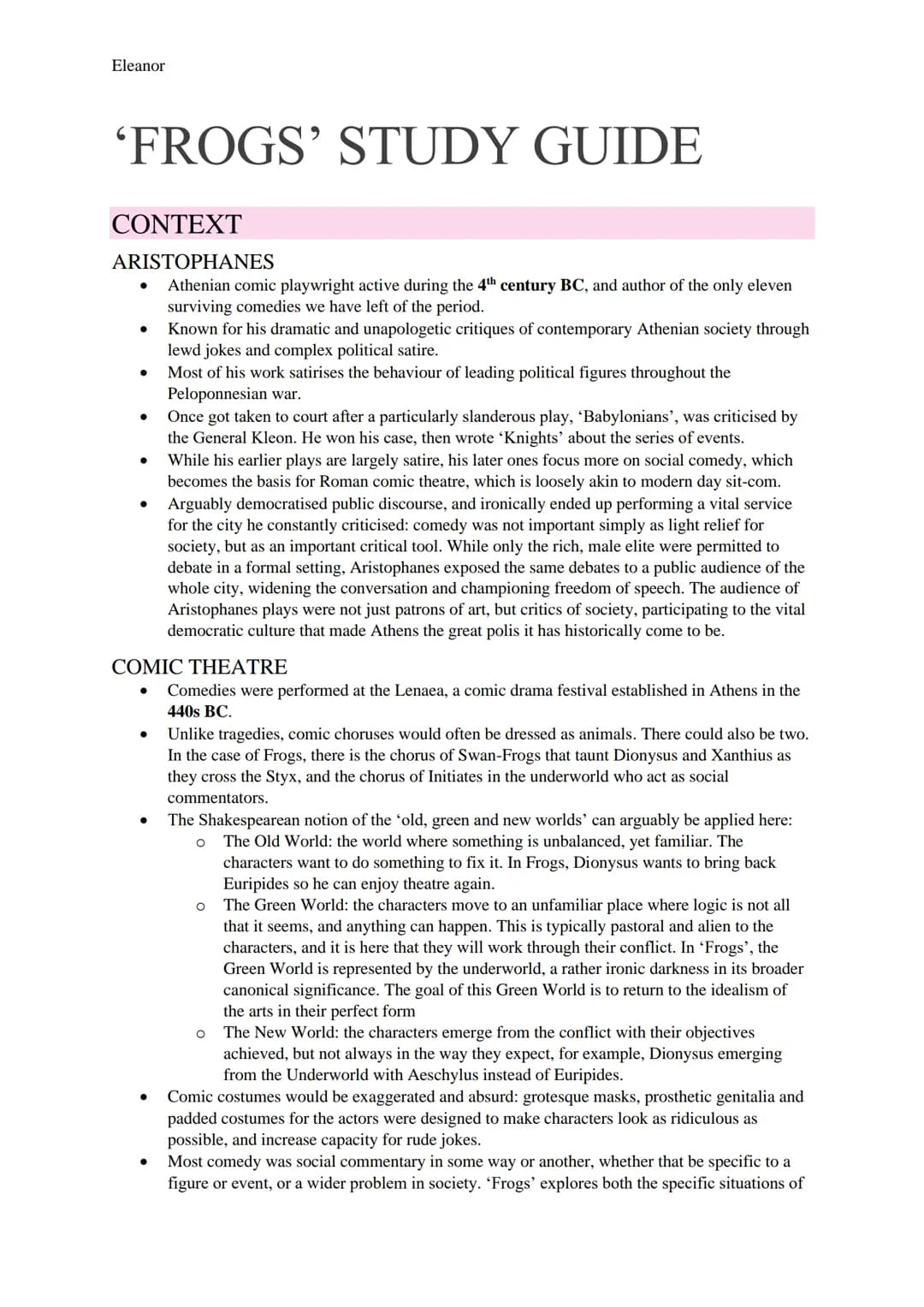
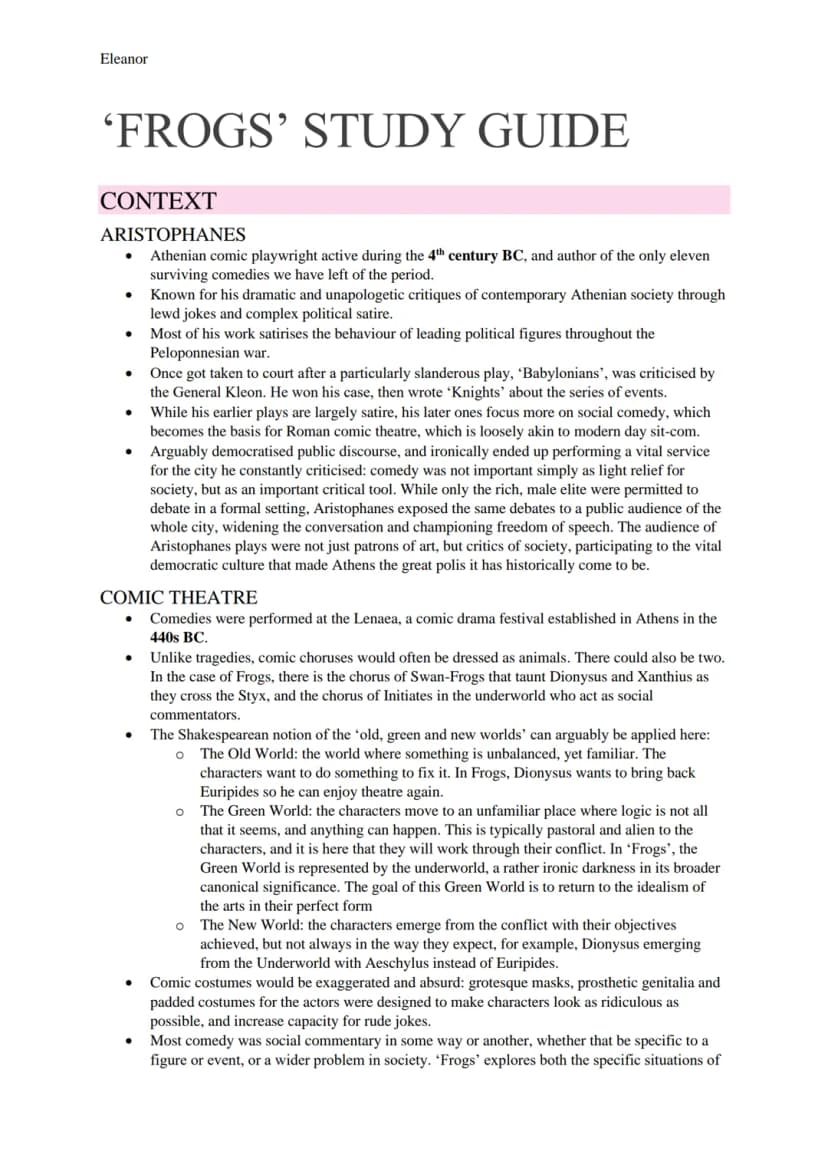
Understanding Aristophanes and The Frogs: A Comprehensive Guide
Aristophanes stands as ancient Athens' greatest comic playwright, revolutionizing theater in the 4th century BC. As one of the most influential figures in classical literature, his work "The Frogs" exemplifies his mastery of political satire and social commentary.
Definition: What is Aristophanes known for: Aristophanes pioneered political comedy and social satire in ancient Athens, writing plays that criticized political figures while entertaining the masses through clever wordplay and outrageous humor.
Living in Athens during the tumultuous Peloponnesian War, Aristophanes used his comedic genius to address serious societal issues. His plays, particularly "The Frogs," demonstrate how character of dionysus in frogs serves as both entertainment and social critique. The god Dionysus's journey to the underworld represents Athens' own search for cultural renewal during wartime.
Where did Aristophanes live and work shaped his artistic vision profoundly. Athens provided the perfect stage for his theatrical innovations, as the city's democratic culture encouraged open dialogue and criticism. His contributions to theater include:
- Introducing double choruses
- Developing complex plot structures
- Creating memorable character types
- Pioneering political satire in drama
Highlight: Why is Aristophanes called the father of comedy: His innovative blend of political commentary, fantastical plots, and sharp wit established the foundations of comic theater that influenced generations of playwrights.
2
of 10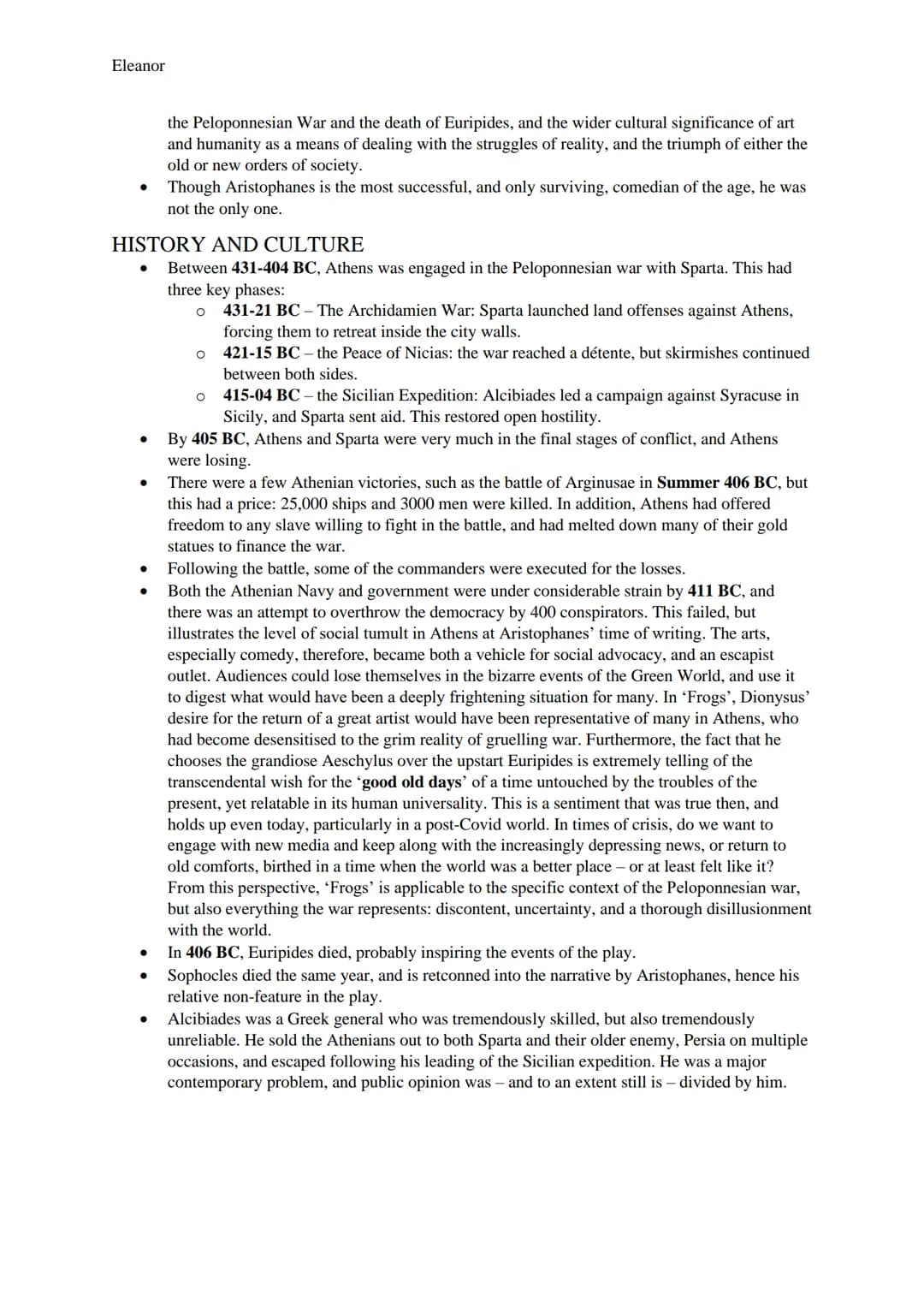
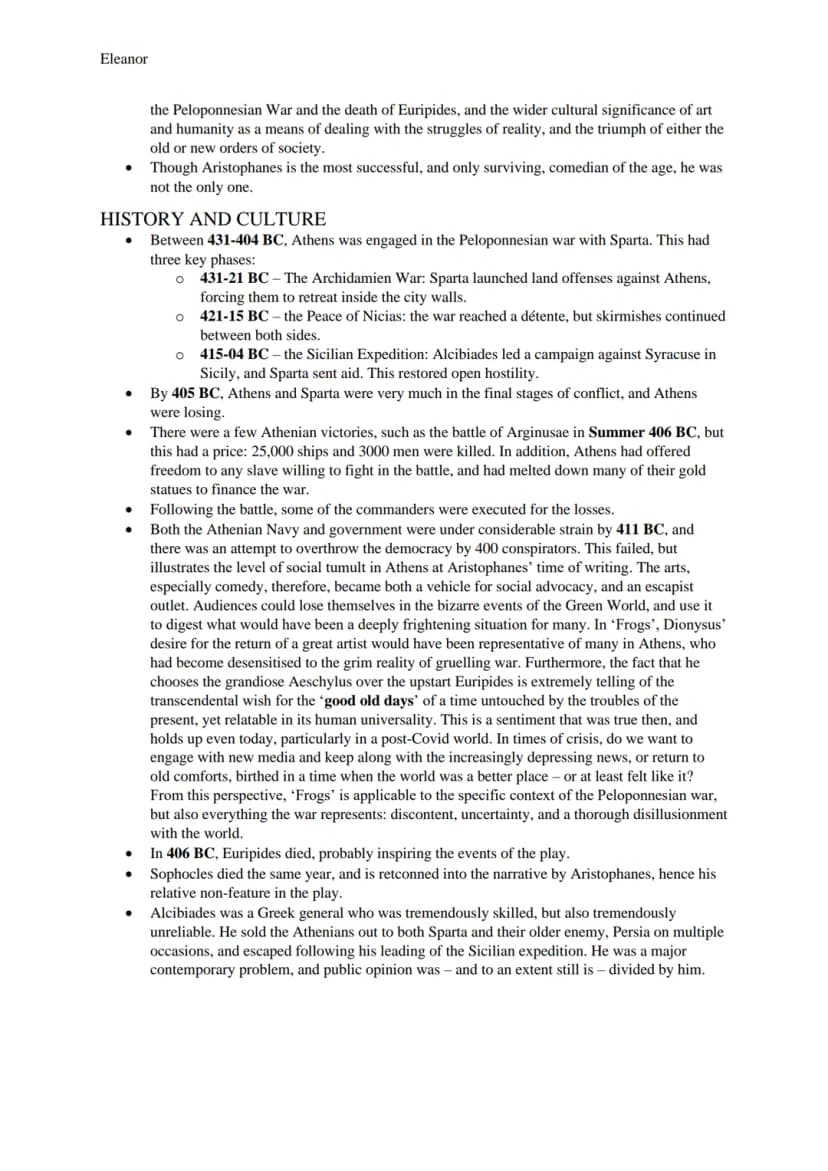
The Frogs: Plot and Character Analysis
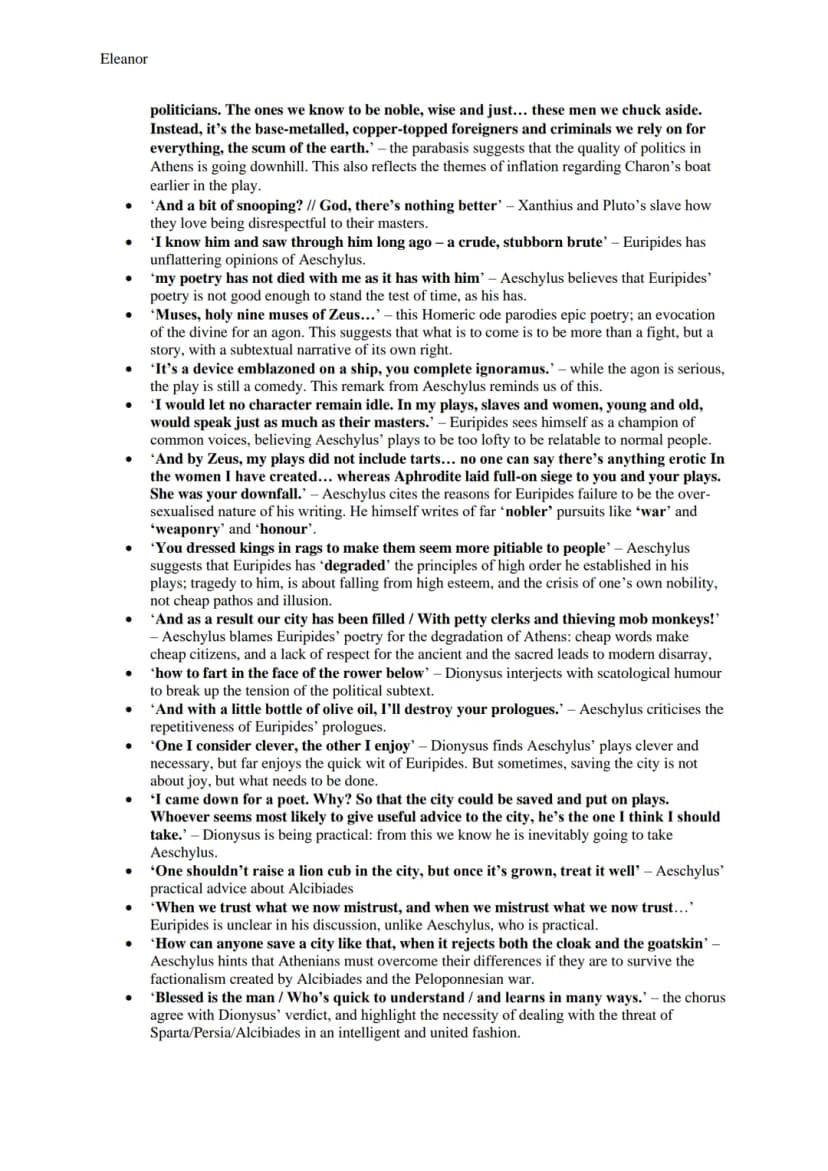
The frogs summary centers on Dionysus's journey to the underworld to retrieve Euripides, believing Athens needs great poetry to survive its crisis. The play's structure moves through three distinct worlds:
- The mortal realm where Dionysus begins his quest
- The supernatural crossing of the River Styx
- The underworld where the dramatic contest occurs
Example: Analysis of characters and quotes in frogs reveals multiple layers of meaning. When Dionysus declares "I long for a real poet," he expresses both personal desire and Athens' collective yearning for artistic excellence.
The quotes from the frogs by aristophanes demonstrate his masterful combination of humor and serious themes. Key characters include:
- Dionysus: The foolish yet determined protagonist
- Xanthias: The clever slave who often outshines his master
- Aeschylus and Euripides: Competing poets representing old and new artistic values
3
of 10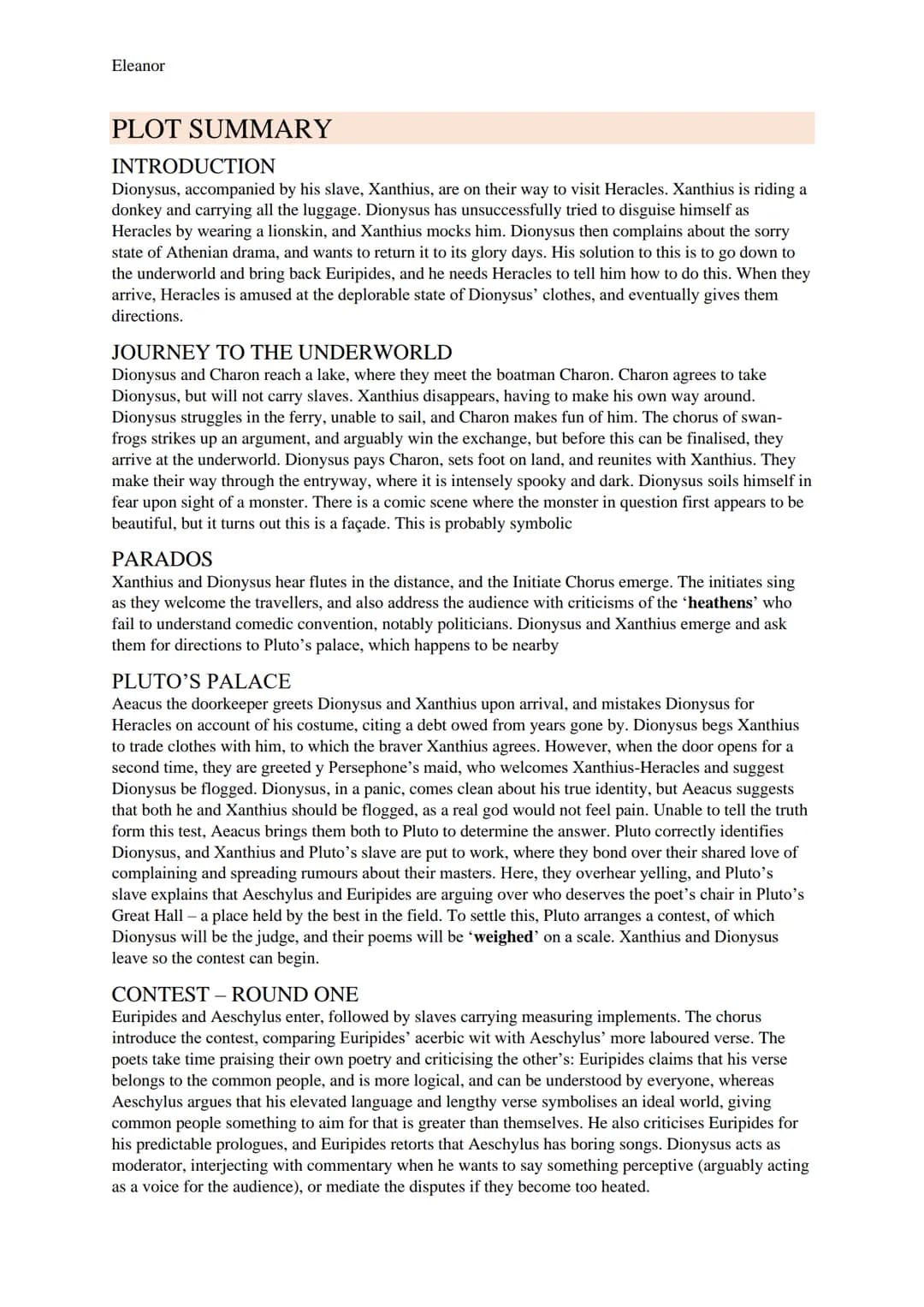
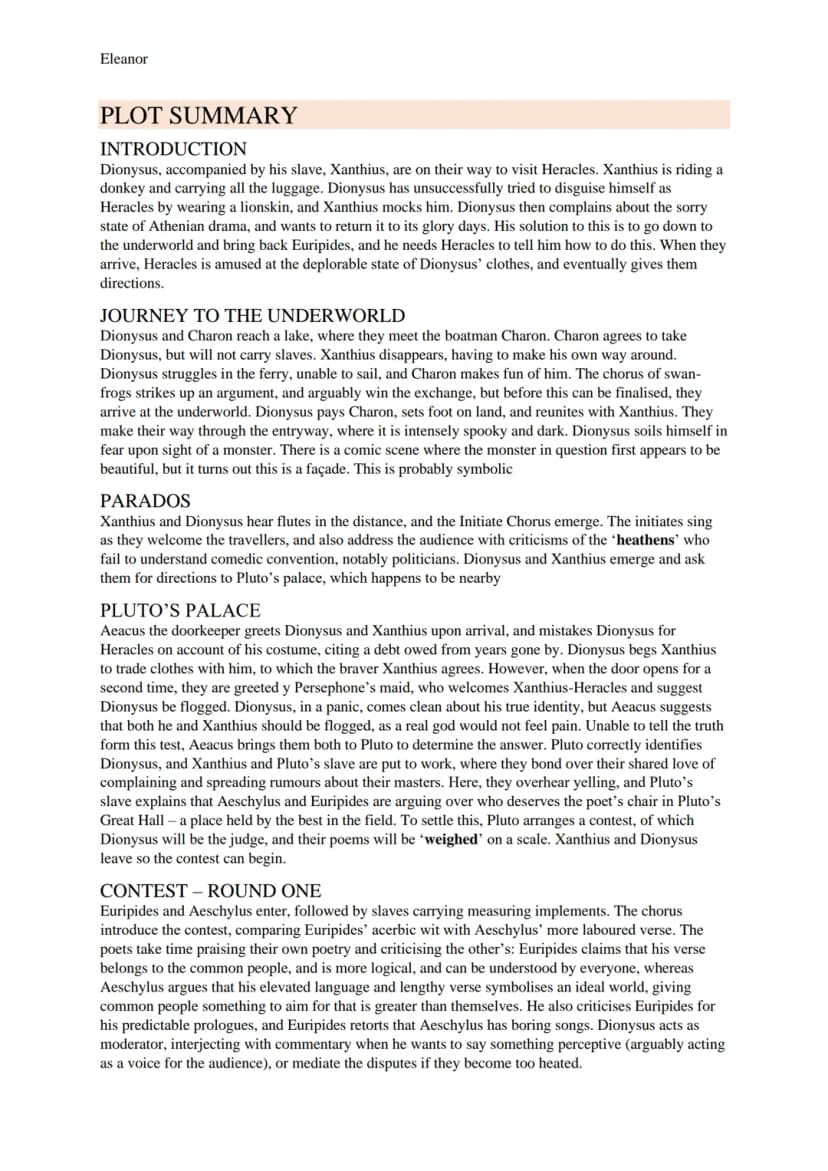
Critical Analysis and Cultural Context
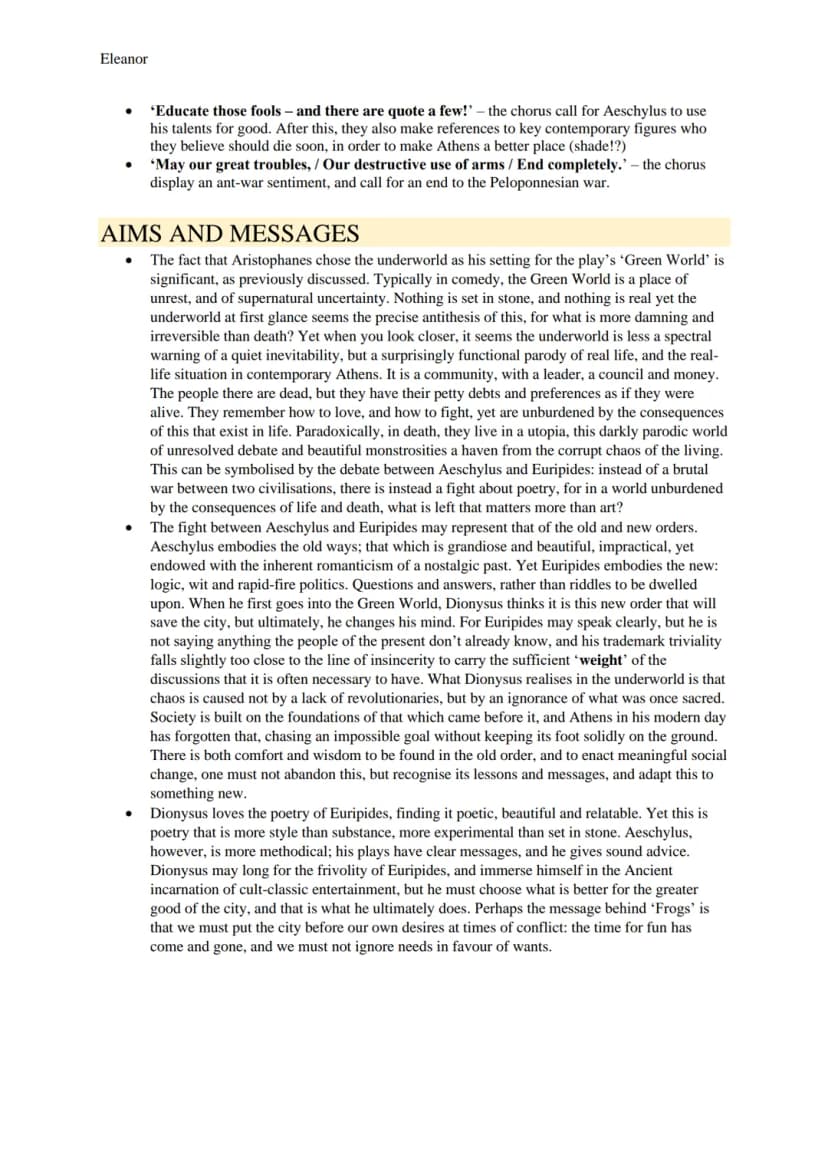
The frogs critical analysis reveals how Aristophanes used comedy to address serious political and cultural issues. The play's central contest between Aeschylus and Euripides represents larger conflicts in Athenian society:
Quote: "The city yearns for a poet who can show the way" - This line encapsulates the play's core theme about art's role in social healing.
Aristophanes contributions to theater and society included:
- Democratizing public discourse through accessible comedy
- Creating complex metaphors for political situations
- Developing new theatrical techniques
- Preserving cultural criticism through entertainment
The play's enduring relevance stems from its exploration of universal themes like:
- Tradition versus innovation
- Art's role in society
- Leadership during crisis
- The power of satire
4
of 10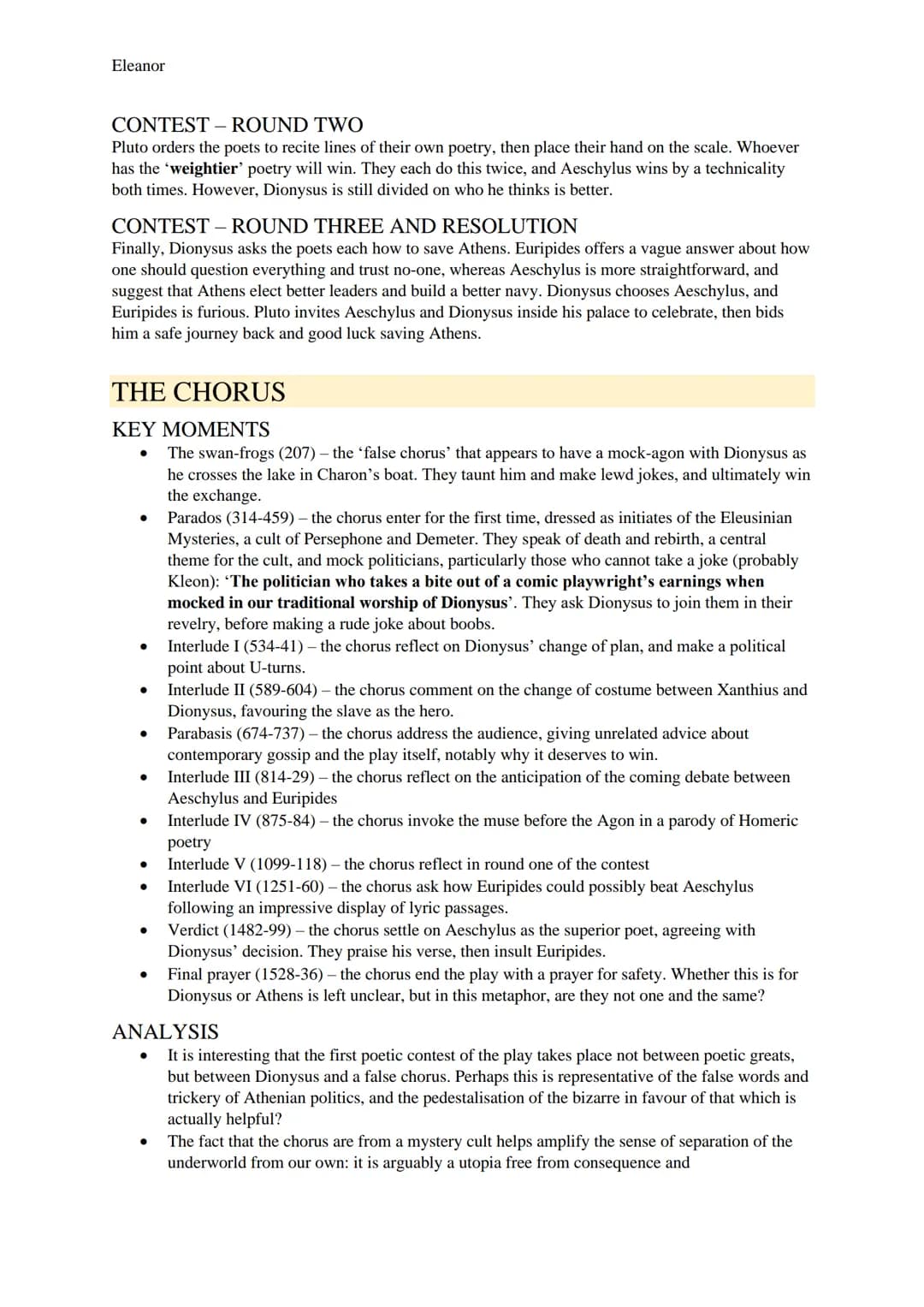
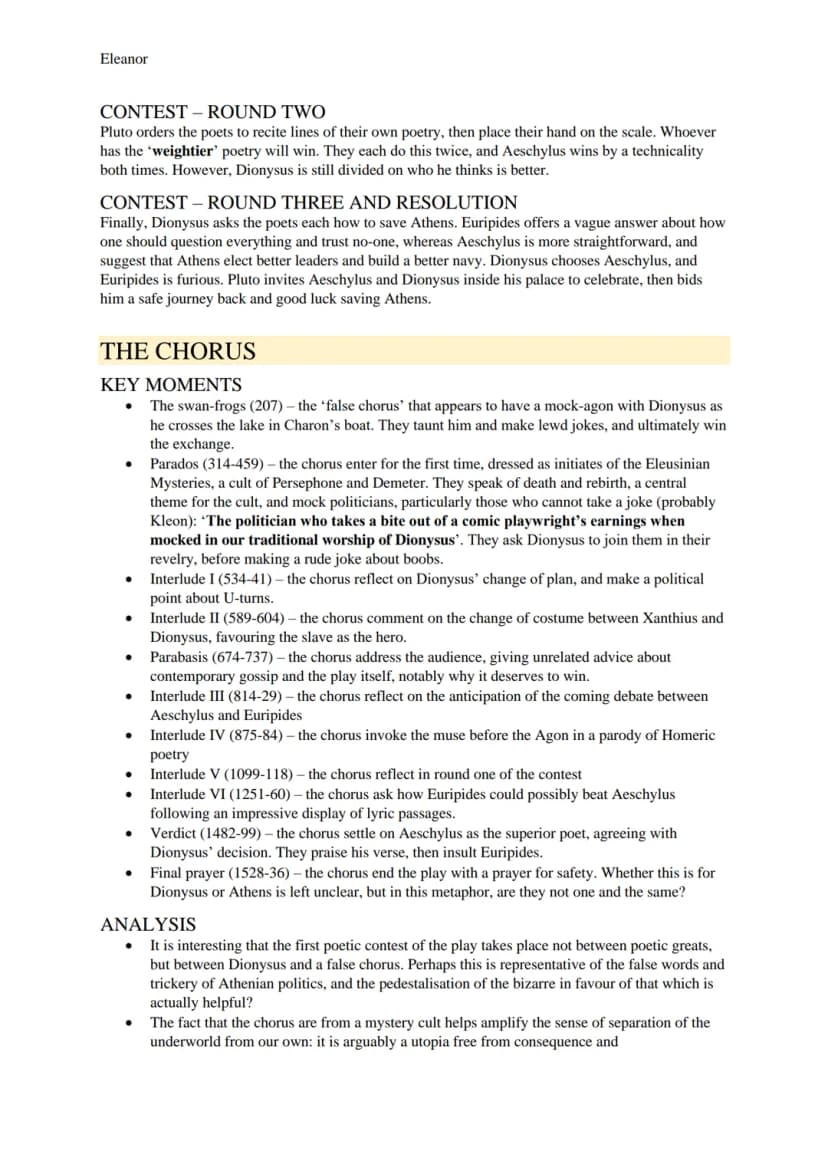
Legacy and Historical Impact
Aristophanes famous works continue to influence modern comedy and political satire. While details about how did aristophanes die remain unclear, his artistic legacy lives on through eleven surviving plays, with "The Frogs" among his most celebrated works.
Vocabulary: The frogs characters embody archetypal roles that appear throughout comedy history: the foolish master, clever servant, competing intellectuals, and supernatural beings.
Though little is known about Aristophanes wife or personal life, his public impact on Athenian society was profound. His plays provided:
- Entertainment for diverse audiences
- Political commentary accessible to all classes
- Preservation of cultural debates
- Models for future comedic writers
The enduring relevance of "The Frogs" demonstrates how great comedy can address serious social issues while entertaining audiences across millennia.
5
of 10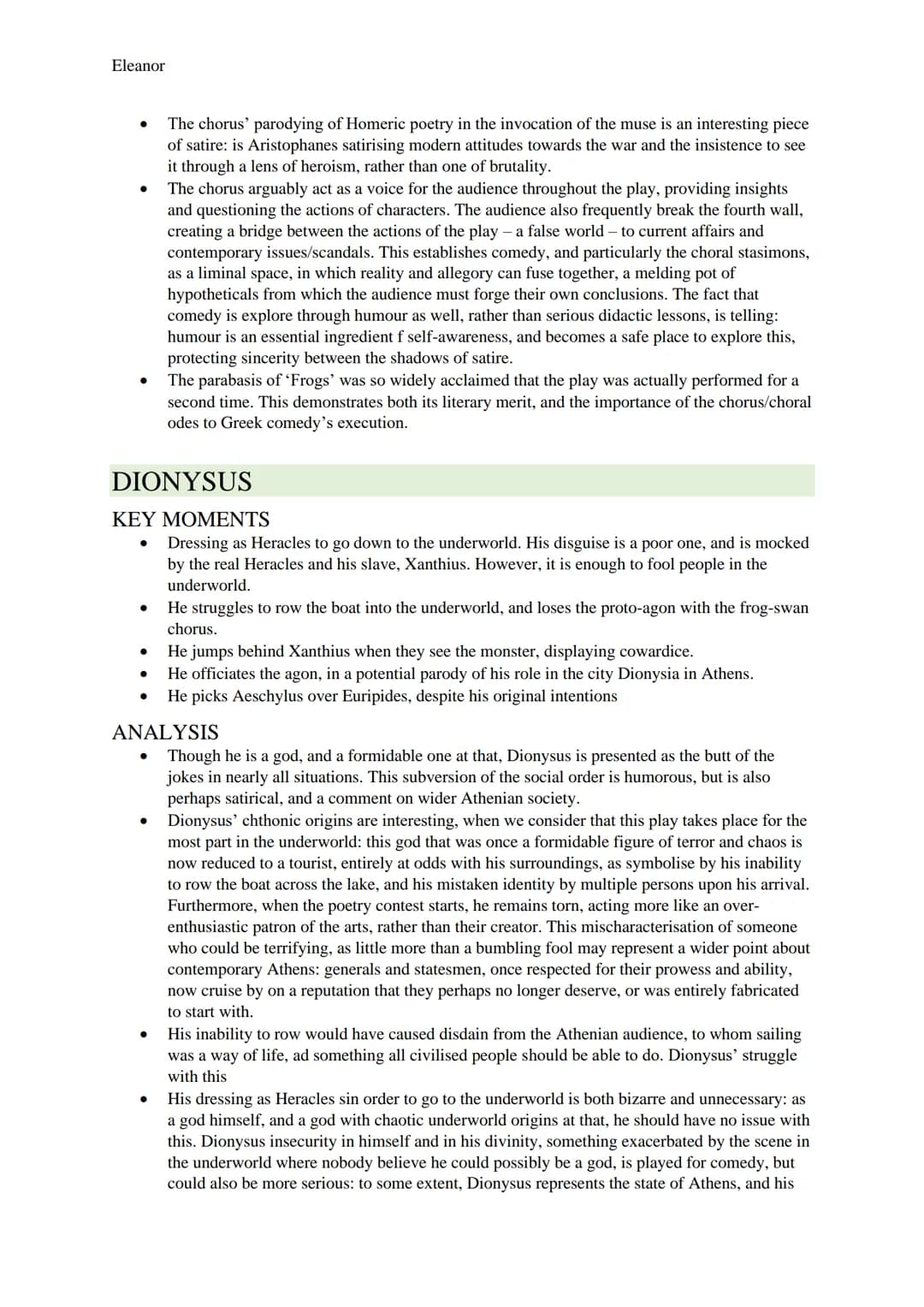
Understanding Aristophanes' "The Frogs": Characters, Analysis and Key Themes
The frogs summary centers on Dionysus' journey to the underworld to bring back a great tragic poet who can save Athens through their art. The play masterfully weaves together themes of artistic merit, political salvation, and social commentary through its colorful cast of characters.
Definition: The parabasis in Ancient Greek comedy was a direct address to the audience by the chorus, often containing the playwright's personal views on social and political issues.
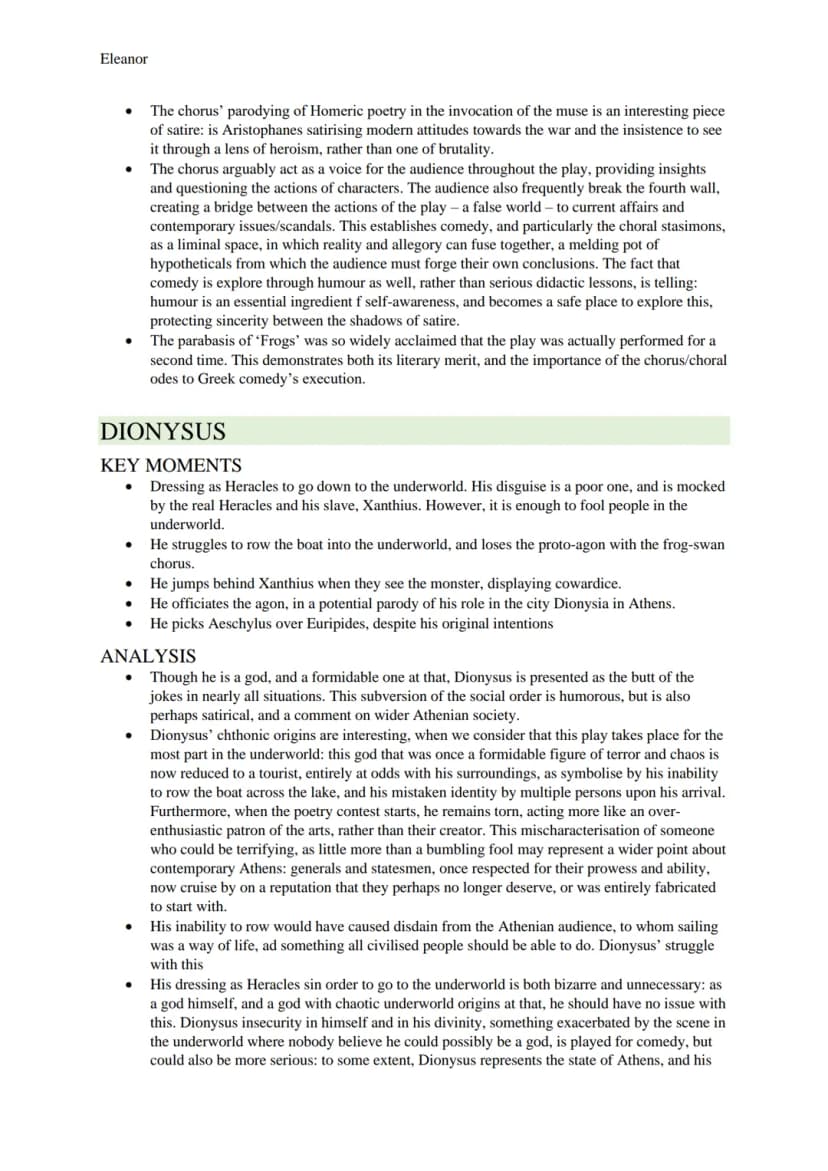
In examining the character of Dionysus in frogs, we see a complex portrayal of a divine figure reduced to comic proportions. Despite being the god of theater and wine, Dionysus is presented as an incompetent figure who can't even row a boat - a particularly damning trait for an Athenian audience. His bumbling attempts to disguise himself as Heracles and his cowardly behavior serve both comic purposes and deeper political commentary about Athens' declining leadership.
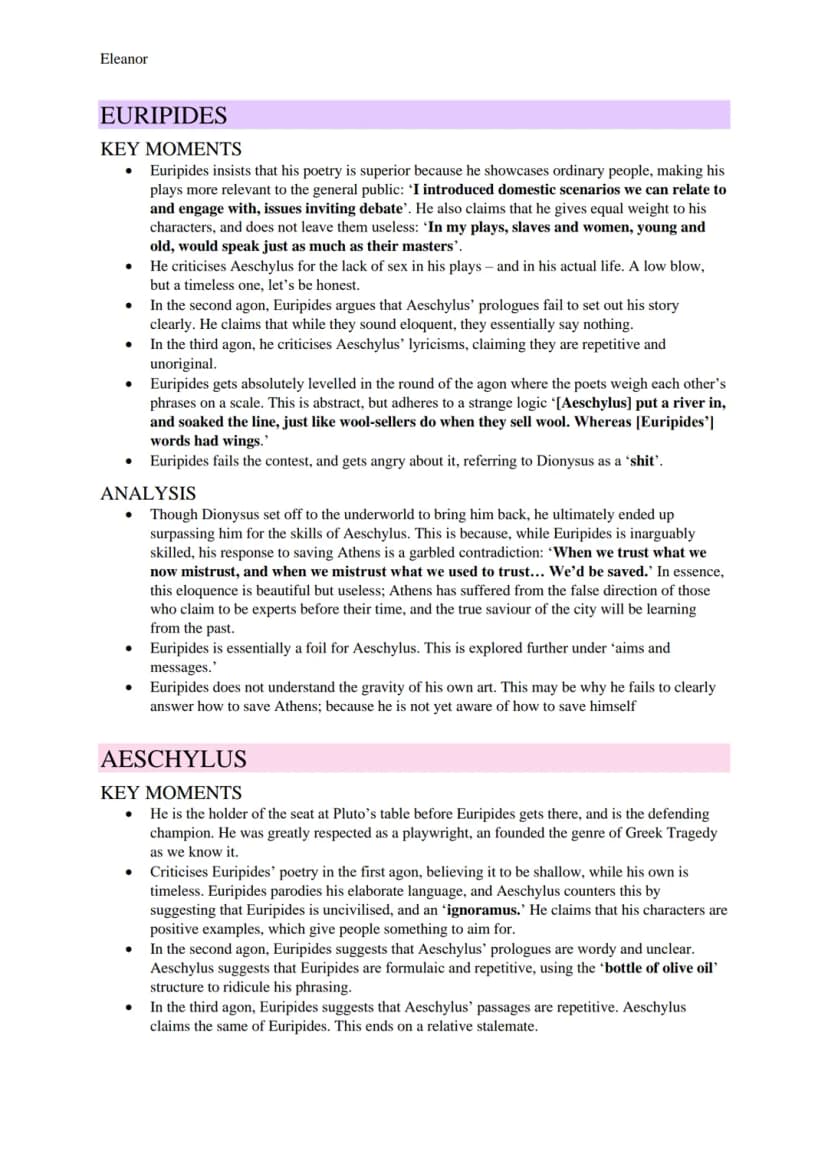
The play's central conflict emerges in the poetry contest between Aeschylus and Euripides, where quotes from The Frogs by Aristophanes reveal sharp criticism of contemporary Athenian society. When Euripides claims "I introduced domestic scenarios we can relate to," he represents modernizing forces in Athens, while Aeschylus stands for traditional values with statements like "my poetry has not died with me as it has with him."
Highlight: The play was so well-received that it earned the rare honor of a second performance, largely due to its powerful political messages delivered through comedy.
6
of 10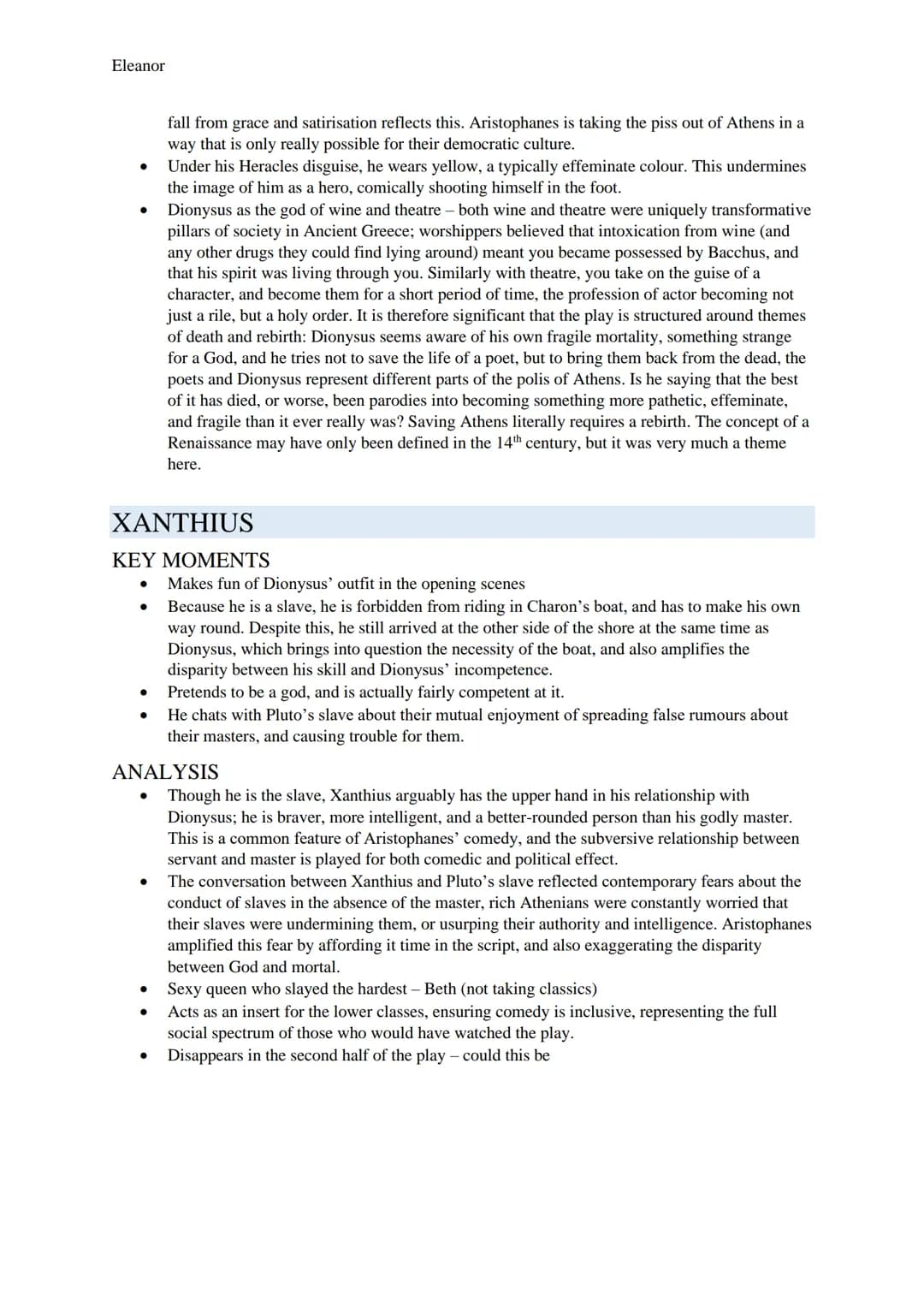
Character Dynamics and Social Commentary in "The Frogs"
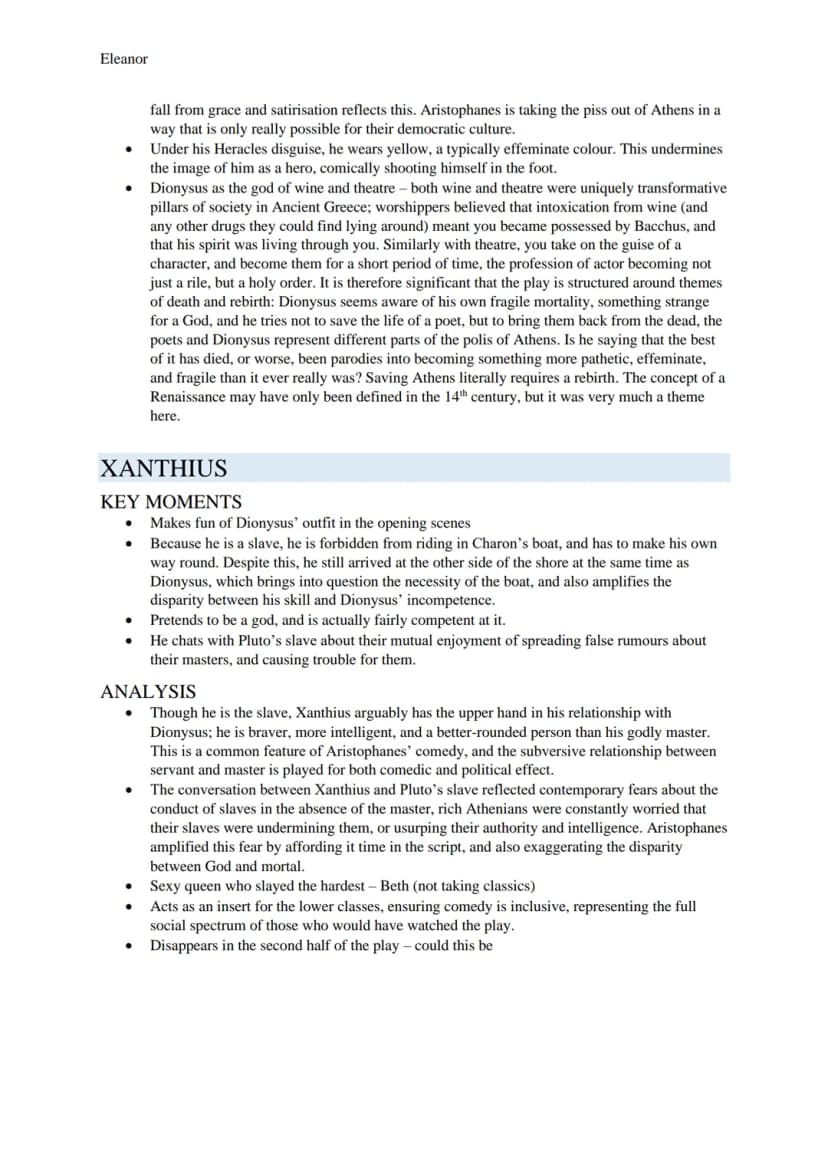
The relationship between Dionysus and his slave Xanthias provides rich material for The Frogs critical analysis. Their dynamic subverts traditional master-slave relationships, with Xanthias often displaying superior intelligence and courage. This reversal reflects Aristophanes' broader critique of Athenian society's pretensions and failings.
Example: When Xanthias arrives at the underworld shore at the same time as Dionysus despite having to walk around the lake, it demonstrates both his capability and his master's incompetence.
The chorus plays a crucial role in providing commentary and connecting the play's themes to contemporary issues. Their Short analysis of characters and quotes in frogs reveals how Aristophanes used humor to address serious political and social concerns. The chorus frequently breaks the fourth wall, creating a unique space where reality and allegory merge.
The play's structure around themes of death and rebirth carries particular significance given Dionysus' divine associations with transformation through theater and wine. This metaphorical framework suggests that Athens itself needs a kind of rebirth to overcome its current crisis.
7
of 10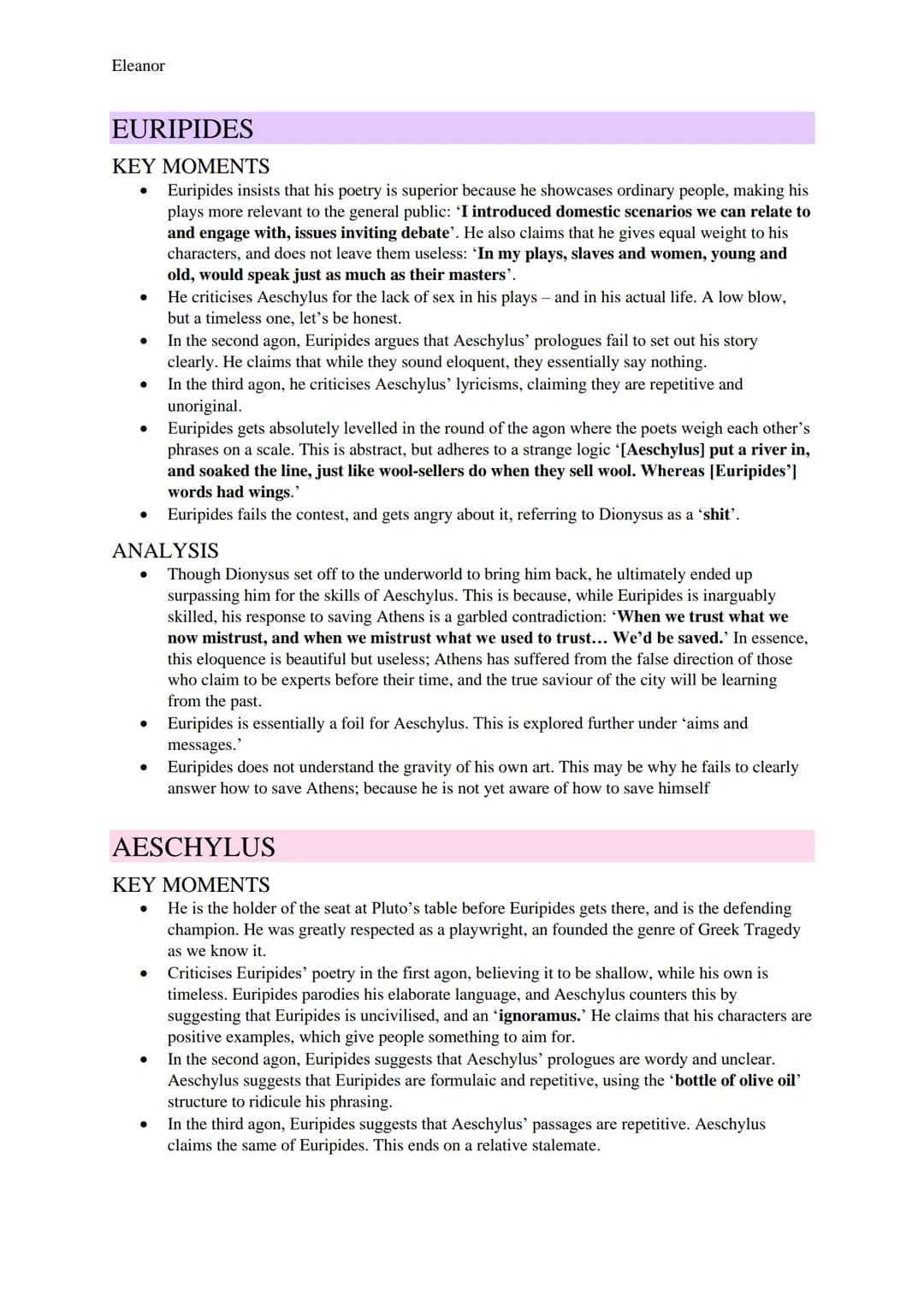
Literary Techniques and Thematic Elements
In conducting an Analysis of characters and quotes in frogs pdf, we see how Aristophanes employs various literary devices to convey his message. The poetry contest between Aeschylus and Euripides serves as both entertainment and serious literary criticism, with each poet representing different approaches to art and civic responsibility.
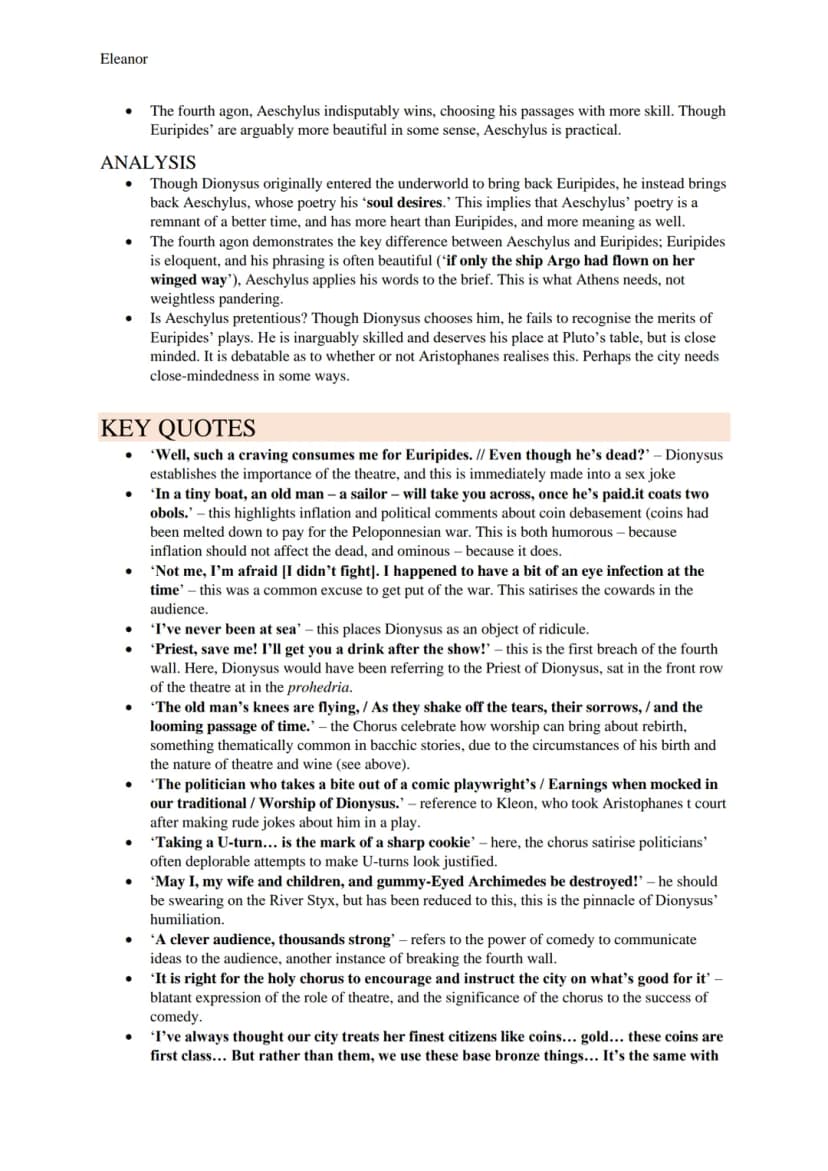
Quote: "It is right for the holy chorus to encourage and instruct the city on what's good for it" - This line explicitly states the didactic purpose of comic theater in Athens.
The play's use of parody, particularly in its treatment of epic poetry and tragic conventions, demonstrates Aristophanes' mastery of comic technique. The chorus' mock-heroic invocation of the Muses satirizes contemporary attitudes toward war and heroism, suggesting that Athens needs to see its situation more realistically.
The final judgment in favor of Aeschylus over Euripides reflects deeper themes about tradition versus innovation in both art and politics. While Euripides represents modern sophistication, Aeschylus embodies the traditional values that Aristophanes suggests might be necessary for Athens' salvation.
8
of 10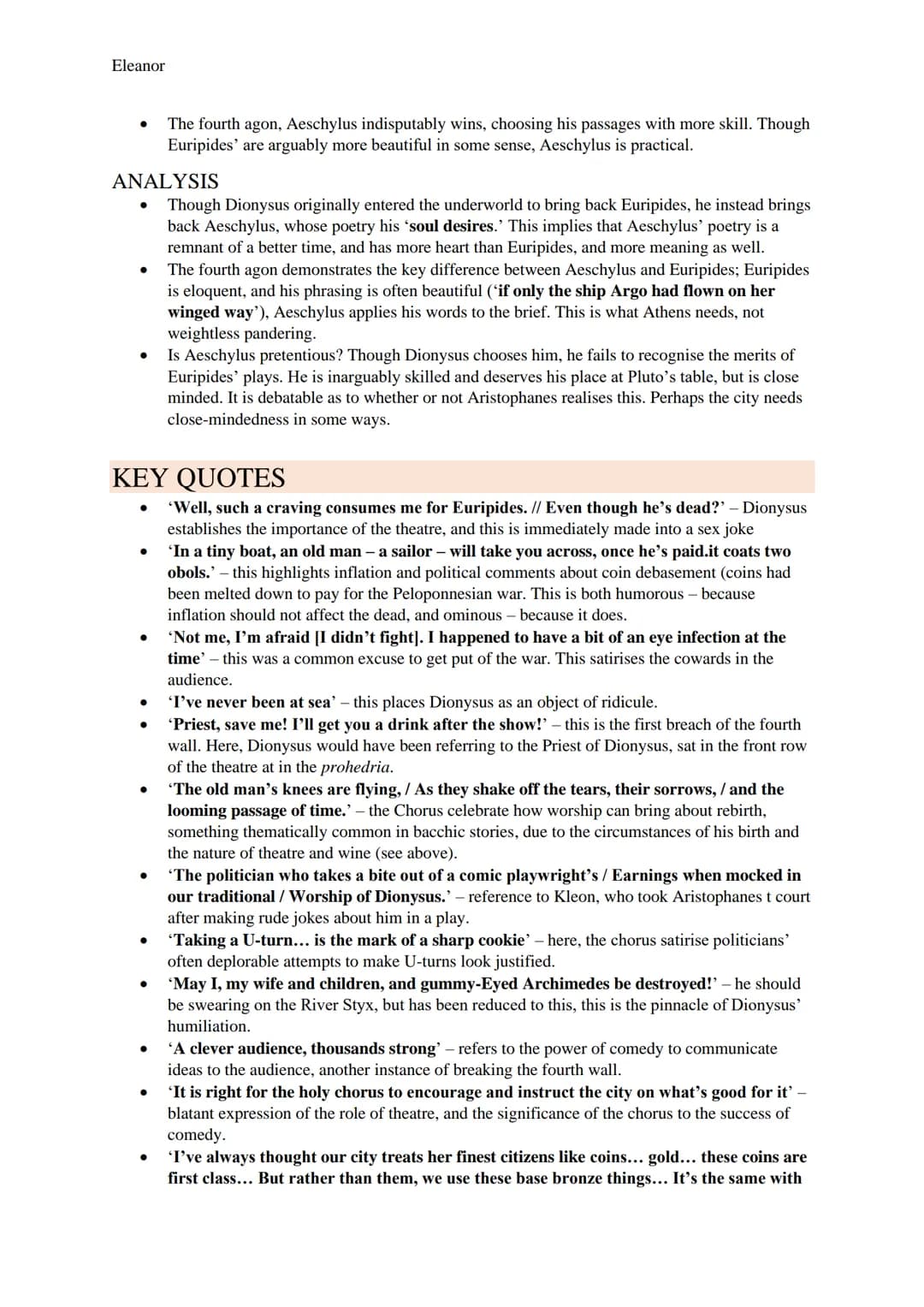
Political Commentary and Historical Context
The play's political dimension emerges through various aristophanes frogs study guide elements, particularly in its treatment of contemporary issues like war strategy and leadership. References to inflation and coin debasement in Charon's ferry fee reflect real economic problems facing Athens during the Peloponnesian War.
Vocabulary: Prohedria - The front row seats at the Theater of Dionysus, reserved for priests and honored citizens.
Aristophanes' criticism of political leaders is particularly pointed in the parabasis, where he compares politicians to debased currency. This metaphor resonated strongly with an audience familiar with Athens' practice of melting down precious coins to finance the war effort.
The play's conclusion, where Dionysus chooses Aeschylus over Euripides despite his original intentions, suggests that Athens' salvation might lie in returning to traditional values rather than embracing modern sophistication. This reflects broader conservative political sentiments during a period of crisis in Athenian democracy.
9
of 10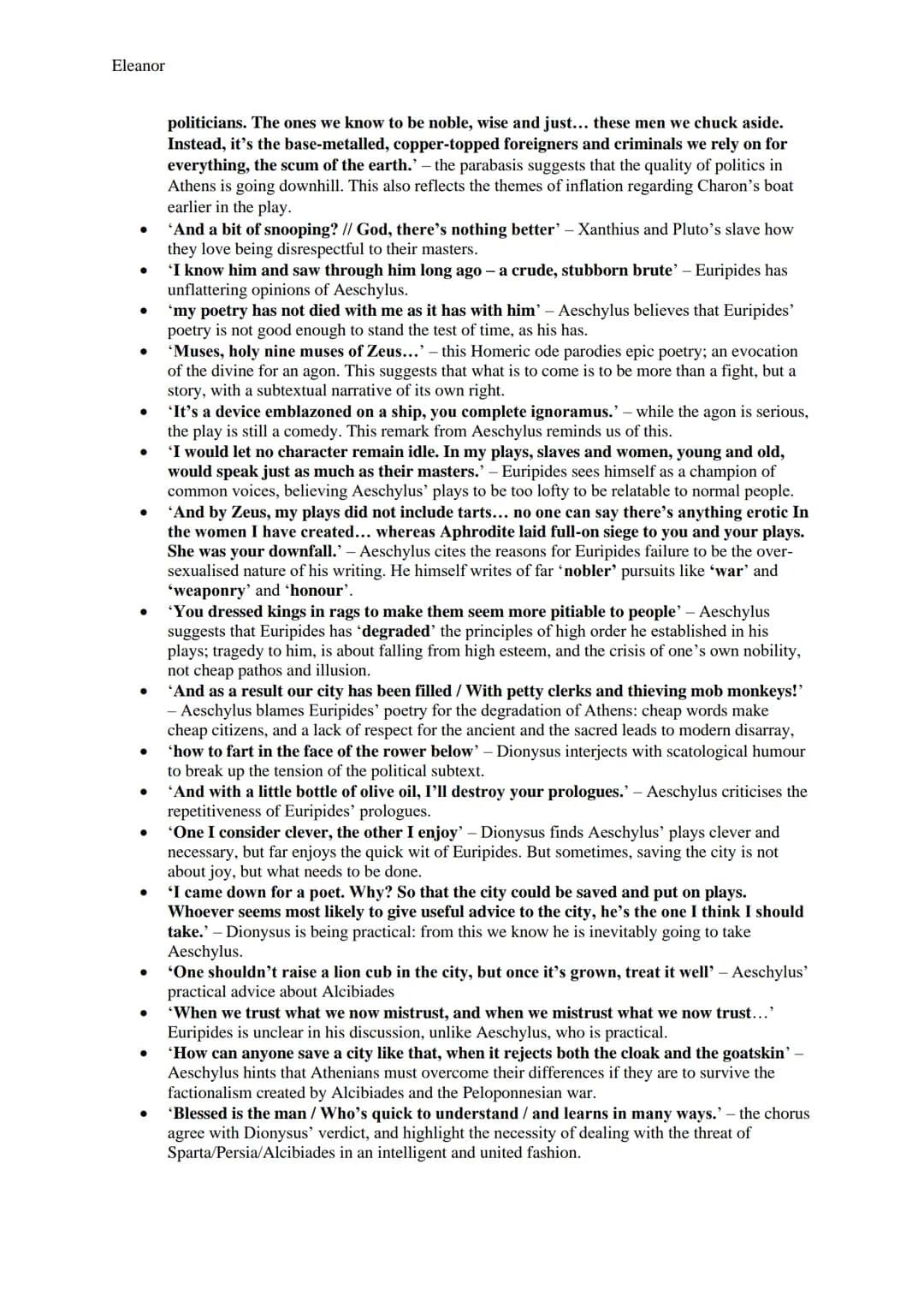
Understanding Characters and Themes in Aristophanes' The Frogs
The character of Dionysus in Frogs serves as a complex figure who undergoes significant development throughout the play. Initially drawn to Euripides' innovative style, Dionysus ultimately chooses tradition and wisdom over contemporary appeal. This transformation reflects broader themes about societal change and responsibility that Aristophanes explores in the work.
Definition: The Green World in classical comedy typically represents a supernatural or transitional space where normal rules don't apply. In The Frogs, Aristophanes uniquely sets this in the underworld.
The underworld setting of The Frogs functions as a darkly comic mirror of Athens, complete with its own social structure and economy. Unlike typical depictions of the afterlife as a place of finality, Aristophanes presents it as a vibrant community where the dead continue their earthly debates and desires, but free from mortal consequences. This paradoxical setting allows for deeper exploration of artistic and political themes through the central contest between Aeschylus and Euripides.
The famous debate between these two tragic poets represents more than just literary criticism. Aeschylus embodies traditional values and grand artistic vision, while Euripides represents modern innovation and logical precision. Through their contest, The Frogs critical analysis reveals Aristophanes' commentary on Athens' cultural crisis during the Peloponnesian War. The chorus reinforces this with powerful anti-war statements, declaring "May our great troubles, our destructive use of arms end completely."
10
of 10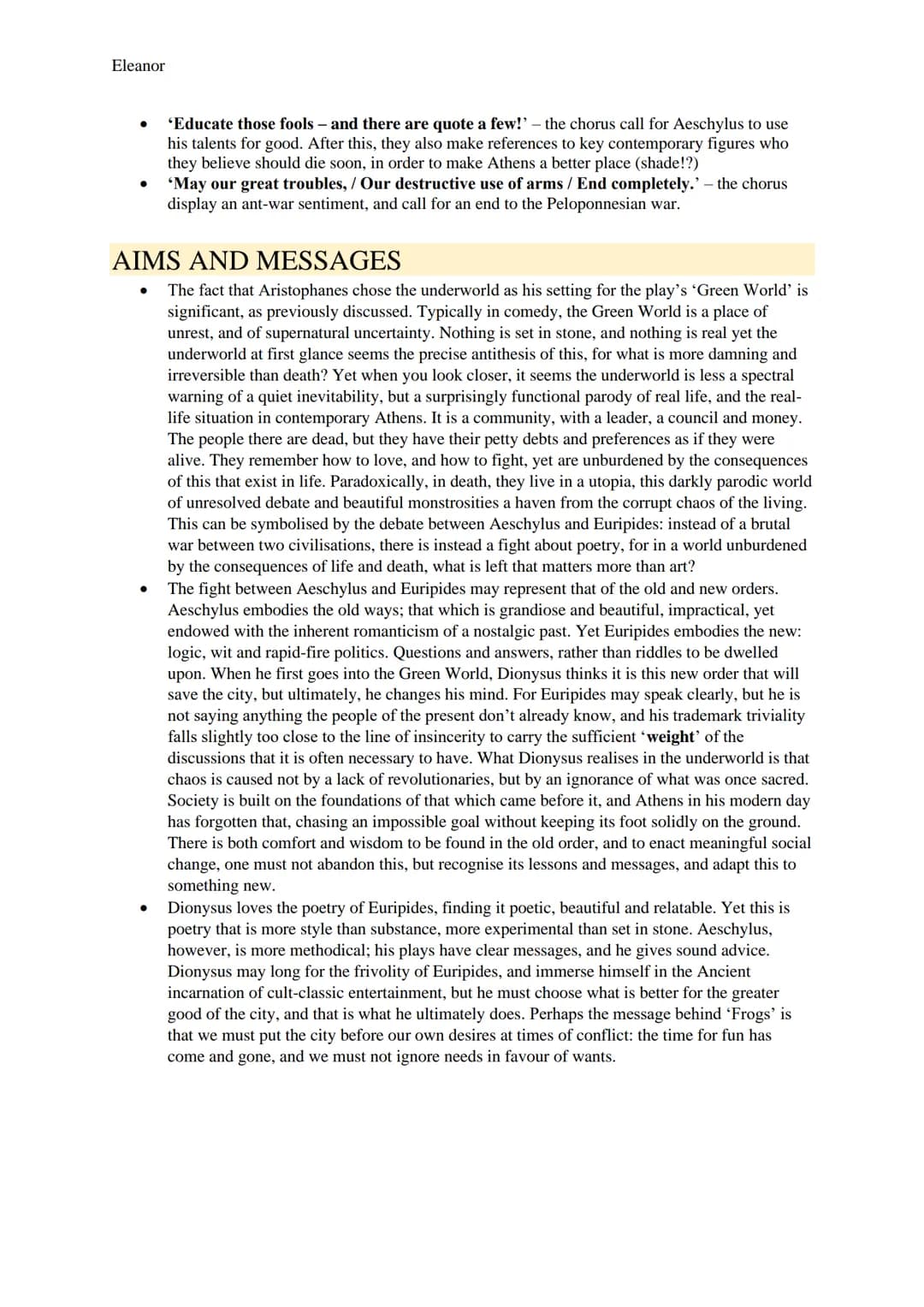
Aristophanes' Literary and Social Commentary in The Frogs
Aristophanes famous works often combined sharp political satire with complex literary criticism, and The Frogs exemplifies this approach. The play's deeper message suggests that society must maintain connection with its traditional foundations while pursuing progress. This theme emerges through Dionysus's ultimate choice of Aeschylus over Euripides.
Highlight: The play argues that during times of crisis, citizens must prioritize collective needs over individual preferences - a message particularly relevant to war-torn Athens.
Quotes from The Frogs by Aristophanes reveal multiple layers of meaning. When the chorus calls for Aeschylus to "educate those fools - and there are quite a few!" they're not just commenting on literary taste, but advocating for moral and civic education. The play suggests that meaningful social change requires both respect for tradition and thoughtful adaptation to present circumstances.
The conclusion of the play, where Dionysus chooses Aeschylus despite his personal preference for Euripides, demonstrates a crucial message about civic duty. While Euripides offers stylistic innovation and relatable content, Aeschylus provides the substantive wisdom Athens needs during its crisis. This choice reflects Aristophanes' belief that art should serve a greater social purpose beyond mere entertainment.
We thought you’d never ask...
What is the Knowunity AI companion?
Our AI companion is specifically built for the needs of students. Based on the millions of content pieces we have on the platform we can provide truly meaningful and relevant answers to students. But its not only about answers, the companion is even more about guiding students through their daily learning challenges, with personalised study plans, quizzes or content pieces in the chat and 100% personalisation based on the students skills and developments.
Where can I download the Knowunity app?
You can download the app in the Google Play Store and in the Apple App Store.
Is Knowunity really free of charge?
That's right! Enjoy free access to study content, connect with fellow students, and get instant help – all at your fingertips.
Similar Content
 Arbeitslehre/Wirtschaft/AWT/WRT
 HGGSP
HGGSPMost popular content: Political Theory
3Classical CivilisationOdyssey Scholarship Insights
Explore key themes and character analyses in 'The Odyssey' through scholarly insights. This resource categorizes critical perspectives on heroism, fate, family honor, and the roles of women, providing a comprehensive overview for students studying this epic. Ideal for exam preparation and deeper understanding of the text.
1270225
Classical Civilisationgreek religion notes
classical civilisation- greek religion notes (some bits may not be completely filled up 😞)
13822
Classical CivilisationAristotle's Poetics Explained
Explore the key concepts of Aristotle's Poetics, focusing on the evolution of theatre, the elements of tragedy and comedy, and the characteristics of the tragic hero. This summary highlights essential points for A-level Classical Civilisation students studying Greek Theatre, including plot, character, diction, and catharsis. Ideal for exam preparation and understanding ancient scholarship.
123115
Most popular content in Classical Civilisation
9Classical CivilisationLiterary Analysis Techniques
Learn to analyse characterisation, theme, structure, and literary devices in epic and drama.
121,11914
Classical CivilisationAeneid: Comprehensive Book Summaries
Explore a detailed analysis of Virgil's Aeneid with concise summaries for each book, highlighting key themes, divine interventions, and character dynamics. Perfect for A-level students seeking to deepen their understanding of this epic tale of heroism, fate, and the might of Rome.
121,71461
Classical CivilisationEuripides' Bacchae Insights
Comprehensive analysis and summary of Euripides' 'Bacchae', including key themes, character exploration, and significant quotations. Ideal for OCR A-level Classical Civilisation students studying Greek Theatre. Dive into the tragic interplay of divinity and humanity, and the consequences of impiety.
121,21127
Classical CivilisationIliad Key Themes & Heroes
Explore the pivotal themes and heroic characters of Homer's Iliad in this comprehensive guide. Delve into the dynamics of divine intervention, the heroic code, and the tragic fates of key figures like Achilles, Hector, and Patroclus. This resource provides detailed summaries and analyses of each book, highlighting the interplay between gods and mortals, the significance of kleos, and the emotional depth of the narrative. Ideal for students preparing for exams or seeking a deeper understanding of this epic poem.
136149
Classical CivilisationIliad: Women, War & Gods
Explore the intricate themes of women, war, and divine influence in Homer's Iliad. This study note delves into character analyses of Achilles, Hector, and Paris, alongside key plot summaries and thematic discussions. Ideal for students seeking a comprehensive understanding of the epic's core elements.
1236811
Classical CivilisationOdyssey Scholarship Insights
Explore key themes and character analyses in 'The Odyssey' through scholarly insights. This resource categorizes critical perspectives on heroism, fate, family honor, and the roles of women, providing a comprehensive overview for students studying this epic. Ideal for exam preparation and deeper understanding of the text.
1270225
Classical CivilisationAeneid Scholarship Insights
Explore key scholarly perspectives on Virgil's Aeneid, focusing on themes of heroism, fate, and the complexities of Aeneas' character. This summary includes critical quotes and analyses from notable scholars, ideal for A level Classical Civilisation students. Enhance your understanding of military heroism, the nature of fate versus free will, and the evolution of heroism in the epic.
131,07134
Classical CivilisationDivine Influences in the Odyssey
Explore the roles of various gods in Homer's 'The Odyssey' through a detailed table that categorizes their actions as either supportive or obstructive to Odysseus. This resource highlights key themes such as fate, free will, and the hero's journey, providing insights into the divine dynamics that shape Odysseus' epic quest.
1249211
Classical CivilisationCharacter Analysis of Suitors
Explore the complex characterization of the suitors in Homer's 'The Odyssey'. This summary delves into the personalities and actions of key suitors like Antinous, Eurymachus, and Amphinomus, highlighting their roles, moral dilemmas, and the themes of fate and free will. Ideal for students studying literature and character dynamics in epic poetry.
1247114
Most popular content
9 Sociology
Sociology of Education Overview
Explore comprehensive A-Level Sociology notes on the education system, covering key theories, policies, and sociological perspectives. This resource includes insights on marketisation, gender roles, cultural deprivation, and educational inequalities, providing a thorough understanding of how education shapes social stratification and individual achievement. Ideal for exam preparation and in-depth study.
12102,8693,040
SociologySociology of Families: Comprehensive Revision
Dive into an extensive overview of family dynamics, perspectives, and patterns in sociology. This resource covers key concepts such as family diversity, gender roles, marriage, and the impact of social policies on family structures. Perfect for A-Level Sociology students preparing for Paper 2.
1273,6612,307
CriminologyCriminology: Crime & Punishment Overview
Comprehensive mindmaps covering key concepts in the Crime and Punishment topic for WJEC Criminology Unit 4. This resource includes detailed insights into the Criminal Justice System, crime prevention strategies, sentencing models, and the roles of various agencies. Ideal for A-Level revision, ensuring you grasp essential theories and legislative processes to excel in your exams.
1254,8691,059
SociologyComprehensive Crime & Deviance Overview
Explore an extensive revision of crime and deviance topics, including theories, types of crime, and the impact of media. This resource covers key concepts such as Marxism, functionalism, gender and crime, and the influence of globalization on criminal behavior. Ideal for students seeking a thorough understanding of criminology and its various theories. Type: Full Topic Revision.
1251,6541,399
C
 Biology
Cell Biology and Cell structure
cell structures
93,2490
 English Literature
An Inspector Calls: Character Insights
Explore in-depth analysis and key quotes for characters in J.B. Priestley's 'An Inspector Calls'. This resource covers Gerald Croft, Inspector Goole, Sheila Birling, Mrs. Birling, Eric Birling, and Eva Smith, focusing on themes of class, gender roles, and social responsibility. Ideal for students aiming for Grade 8 and above.
1025,429907
CriminologyWJEC Unit 4 Criminology
Criminology unit 4 detailed revision note
127,151125
CriminologyCriminology Theories Overview
Explore key criminology theories and their implications on crime and deviance. This comprehensive summary covers biological, psychological, and sociological perspectives, including labelling theory, right realism, and the impact of social campaigns on policy development. Ideal for A-Level criminology students seeking to understand the complexities of criminal behaviour and the factors influencing crime prevention strategies.
129,760210
English LiteratureRomeo and Juliet: Key themes
Key Romeo and Juliet themes and analysed quotes
106,708198
Can't find what you're looking for? Explore other subjects.
Students love us — and so will you.
4.6/5App Store
4.7/5Google Play
The app is very easy to use and well designed. I have found everything I was looking for so far and have been able to learn a lot from the presentations! I will definitely use the app for a class assignment! And of course it also helps a lot as an inspiration.
Stefan SiOS user
This app is really great. There are so many study notes and help [...]. My problem subject is French, for example, and the app has so many options for help. Thanks to this app, I have improved my French. I would recommend it to anyone.
Samantha KlichAndroid user
Wow, I am really amazed. I just tried the app because I've seen it advertised many times and was absolutely stunned. This app is THE HELP you want for school and above all, it offers so many things, such as workouts and fact sheets, which have been VERY helpful to me personally.
AnnaiOS user
Classical Civilisation596 views·Updated Jun 19, 2026·11 pagesFun Guide to Characters and Quotes in Aristophanes' Frogs
eleanor <3@eleanorflovver
Aristophanes, the celebrated ancient Greek playwright, revolutionized comedy through his masterful works, including "The Frogs," a satirical masterpiece that continues to influence theater today.
Born in Athens around 450 BCE, where Aristophanes livedthroughout most of his...
1
of 10
Sign up to see the content. It's free!
- Access to all documents
- Improve your grades
- Join milions of students
Understanding Aristophanes and The Frogs: A Comprehensive Guide
Aristophanes stands as ancient Athens' greatest comic playwright, revolutionizing theater in the 4th century BC. As one of the most influential figures in classical literature, his work "The Frogs" exemplifies his mastery of political satire and social commentary.
Definition: What is Aristophanes known for: Aristophanes pioneered political comedy and social satire in ancient Athens, writing plays that criticized political figures while entertaining the masses through clever wordplay and outrageous humor.
Living in Athens during the tumultuous Peloponnesian War, Aristophanes used his comedic genius to address serious societal issues. His plays, particularly "The Frogs," demonstrate how character of dionysus in frogs serves as both entertainment and social critique. The god Dionysus's journey to the underworld represents Athens' own search for cultural renewal during wartime.
Where did Aristophanes live and work shaped his artistic vision profoundly. Athens provided the perfect stage for his theatrical innovations, as the city's democratic culture encouraged open dialogue and criticism. His contributions to theater include:
- Introducing double choruses
- Developing complex plot structures
- Creating memorable character types
- Pioneering political satire in drama
Highlight: Why is Aristophanes called the father of comedy: His innovative blend of political commentary, fantastical plots, and sharp wit established the foundations of comic theater that influenced generations of playwrights.
2
of 10Sign up to see the content. It's free!
- Access to all documents
- Improve your grades
- Join milions of students
The Frogs: Plot and Character Analysis
The frogs summary centers on Dionysus's journey to the underworld to retrieve Euripides, believing Athens needs great poetry to survive its crisis. The play's structure moves through three distinct worlds:
- The mortal realm where Dionysus begins his quest
- The supernatural crossing of the River Styx
- The underworld where the dramatic contest occurs
Example: Analysis of characters and quotes in frogs reveals multiple layers of meaning. When Dionysus declares "I long for a real poet," he expresses both personal desire and Athens' collective yearning for artistic excellence.
The quotes from the frogs by aristophanes demonstrate his masterful combination of humor and serious themes. Key characters include:
- Dionysus: The foolish yet determined protagonist
- Xanthias: The clever slave who often outshines his master
- Aeschylus and Euripides: Competing poets representing old and new artistic values
3
of 10Sign up to see the content. It's free!
- Access to all documents
- Improve your grades
- Join milions of students
Critical Analysis and Cultural Context
The frogs critical analysis reveals how Aristophanes used comedy to address serious political and cultural issues. The play's central contest between Aeschylus and Euripides represents larger conflicts in Athenian society:
Quote: "The city yearns for a poet who can show the way" - This line encapsulates the play's core theme about art's role in social healing.
Aristophanes contributions to theater and society included:
- Democratizing public discourse through accessible comedy
- Creating complex metaphors for political situations
- Developing new theatrical techniques
- Preserving cultural criticism through entertainment
The play's enduring relevance stems from its exploration of universal themes like:
- Tradition versus innovation
- Art's role in society
- Leadership during crisis
- The power of satire
4
of 10Sign up to see the content. It's free!
- Access to all documents
- Improve your grades
- Join milions of students
Legacy and Historical Impact
Aristophanes famous works continue to influence modern comedy and political satire. While details about how did aristophanes die remain unclear, his artistic legacy lives on through eleven surviving plays, with "The Frogs" among his most celebrated works.
Vocabulary: The frogs characters embody archetypal roles that appear throughout comedy history: the foolish master, clever servant, competing intellectuals, and supernatural beings.
Though little is known about Aristophanes wife or personal life, his public impact on Athenian society was profound. His plays provided:
- Entertainment for diverse audiences
- Political commentary accessible to all classes
- Preservation of cultural debates
- Models for future comedic writers
The enduring relevance of "The Frogs" demonstrates how great comedy can address serious social issues while entertaining audiences across millennia.
5
of 10Sign up to see the content. It's free!
- Access to all documents
- Improve your grades
- Join milions of students
Understanding Aristophanes' "The Frogs": Characters, Analysis and Key Themes
The frogs summary centers on Dionysus' journey to the underworld to bring back a great tragic poet who can save Athens through their art. The play masterfully weaves together themes of artistic merit, political salvation, and social commentary through its colorful cast of characters.
Definition: The parabasis in Ancient Greek comedy was a direct address to the audience by the chorus, often containing the playwright's personal views on social and political issues.
In examining the character of Dionysus in frogs, we see a complex portrayal of a divine figure reduced to comic proportions. Despite being the god of theater and wine, Dionysus is presented as an incompetent figure who can't even row a boat - a particularly damning trait for an Athenian audience. His bumbling attempts to disguise himself as Heracles and his cowardly behavior serve both comic purposes and deeper political commentary about Athens' declining leadership.
The play's central conflict emerges in the poetry contest between Aeschylus and Euripides, where quotes from The Frogs by Aristophanes reveal sharp criticism of contemporary Athenian society. When Euripides claims "I introduced domestic scenarios we can relate to," he represents modernizing forces in Athens, while Aeschylus stands for traditional values with statements like "my poetry has not died with me as it has with him."
Highlight: The play was so well-received that it earned the rare honor of a second performance, largely due to its powerful political messages delivered through comedy.
6
of 10Sign up to see the content. It's free!
- Access to all documents
- Improve your grades
- Join milions of students
Character Dynamics and Social Commentary in "The Frogs"
The relationship between Dionysus and his slave Xanthias provides rich material for The Frogs critical analysis. Their dynamic subverts traditional master-slave relationships, with Xanthias often displaying superior intelligence and courage. This reversal reflects Aristophanes' broader critique of Athenian society's pretensions and failings.
Example: When Xanthias arrives at the underworld shore at the same time as Dionysus despite having to walk around the lake, it demonstrates both his capability and his master's incompetence.
The chorus plays a crucial role in providing commentary and connecting the play's themes to contemporary issues. Their Short analysis of characters and quotes in frogs reveals how Aristophanes used humor to address serious political and social concerns. The chorus frequently breaks the fourth wall, creating a unique space where reality and allegory merge.
The play's structure around themes of death and rebirth carries particular significance given Dionysus' divine associations with transformation through theater and wine. This metaphorical framework suggests that Athens itself needs a kind of rebirth to overcome its current crisis.
7
of 10Sign up to see the content. It's free!
- Access to all documents
- Improve your grades
- Join milions of students
Literary Techniques and Thematic Elements
In conducting an Analysis of characters and quotes in frogs pdf, we see how Aristophanes employs various literary devices to convey his message. The poetry contest between Aeschylus and Euripides serves as both entertainment and serious literary criticism, with each poet representing different approaches to art and civic responsibility.
Quote: "It is right for the holy chorus to encourage and instruct the city on what's good for it" - This line explicitly states the didactic purpose of comic theater in Athens.
The play's use of parody, particularly in its treatment of epic poetry and tragic conventions, demonstrates Aristophanes' mastery of comic technique. The chorus' mock-heroic invocation of the Muses satirizes contemporary attitudes toward war and heroism, suggesting that Athens needs to see its situation more realistically.
The final judgment in favor of Aeschylus over Euripides reflects deeper themes about tradition versus innovation in both art and politics. While Euripides represents modern sophistication, Aeschylus embodies the traditional values that Aristophanes suggests might be necessary for Athens' salvation.
8
of 10Sign up to see the content. It's free!
- Access to all documents
- Improve your grades
- Join milions of students
Political Commentary and Historical Context
The play's political dimension emerges through various aristophanes frogs study guide elements, particularly in its treatment of contemporary issues like war strategy and leadership. References to inflation and coin debasement in Charon's ferry fee reflect real economic problems facing Athens during the Peloponnesian War.
Vocabulary: Prohedria - The front row seats at the Theater of Dionysus, reserved for priests and honored citizens.
Aristophanes' criticism of political leaders is particularly pointed in the parabasis, where he compares politicians to debased currency. This metaphor resonated strongly with an audience familiar with Athens' practice of melting down precious coins to finance the war effort.
The play's conclusion, where Dionysus chooses Aeschylus over Euripides despite his original intentions, suggests that Athens' salvation might lie in returning to traditional values rather than embracing modern sophistication. This reflects broader conservative political sentiments during a period of crisis in Athenian democracy.
9
of 10Sign up to see the content. It's free!
- Access to all documents
- Improve your grades
- Join milions of students
Understanding Characters and Themes in Aristophanes' The Frogs
The character of Dionysus in Frogs serves as a complex figure who undergoes significant development throughout the play. Initially drawn to Euripides' innovative style, Dionysus ultimately chooses tradition and wisdom over contemporary appeal. This transformation reflects broader themes about societal change and responsibility that Aristophanes explores in the work.
Definition: The Green World in classical comedy typically represents a supernatural or transitional space where normal rules don't apply. In The Frogs, Aristophanes uniquely sets this in the underworld.
The underworld setting of The Frogs functions as a darkly comic mirror of Athens, complete with its own social structure and economy. Unlike typical depictions of the afterlife as a place of finality, Aristophanes presents it as a vibrant community where the dead continue their earthly debates and desires, but free from mortal consequences. This paradoxical setting allows for deeper exploration of artistic and political themes through the central contest between Aeschylus and Euripides.
The famous debate between these two tragic poets represents more than just literary criticism. Aeschylus embodies traditional values and grand artistic vision, while Euripides represents modern innovation and logical precision. Through their contest, The Frogs critical analysis reveals Aristophanes' commentary on Athens' cultural crisis during the Peloponnesian War. The chorus reinforces this with powerful anti-war statements, declaring "May our great troubles, our destructive use of arms end completely."
10
of 10Sign up to see the content. It's free!
- Access to all documents
- Improve your grades
- Join milions of students
Aristophanes' Literary and Social Commentary in The Frogs
Aristophanes famous works often combined sharp political satire with complex literary criticism, and The Frogs exemplifies this approach. The play's deeper message suggests that society must maintain connection with its traditional foundations while pursuing progress. This theme emerges through Dionysus's ultimate choice of Aeschylus over Euripides.
Highlight: The play argues that during times of crisis, citizens must prioritize collective needs over individual preferences - a message particularly relevant to war-torn Athens.
Quotes from The Frogs by Aristophanes reveal multiple layers of meaning. When the chorus calls for Aeschylus to "educate those fools - and there are quite a few!" they're not just commenting on literary taste, but advocating for moral and civic education. The play suggests that meaningful social change requires both respect for tradition and thoughtful adaptation to present circumstances.
The conclusion of the play, where Dionysus chooses Aeschylus despite his personal preference for Euripides, demonstrates a crucial message about civic duty. While Euripides offers stylistic innovation and relatable content, Aeschylus provides the substantive wisdom Athens needs during its crisis. This choice reflects Aristophanes' belief that art should serve a greater social purpose beyond mere entertainment.
We thought you’d never ask...
What is the Knowunity AI companion?
Our AI companion is specifically built for the needs of students. Based on the millions of content pieces we have on the platform we can provide truly meaningful and relevant answers to students. But its not only about answers, the companion is even more about guiding students through their daily learning challenges, with personalised study plans, quizzes or content pieces in the chat and 100% personalisation based on the students skills and developments.
Where can I download the Knowunity app?
You can download the app in the Google Play Store and in the Apple App Store.
Is Knowunity really free of charge?
That's right! Enjoy free access to study content, connect with fellow students, and get instant help – all at your fingertips.
Similar Content
Most popular content: Political Theory
3Classical CivilisationOdyssey Scholarship Insights
Explore key themes and character analyses in 'The Odyssey' through scholarly insights. This resource categorizes critical perspectives on heroism, fate, family honor, and the roles of women, providing a comprehensive overview for students studying this epic. Ideal for exam preparation and deeper understanding of the text.
1270225
Classical Civilisationgreek religion notes
classical civilisation- greek religion notes (some bits may not be completely filled up 😞)
13822
Classical CivilisationAristotle's Poetics Explained
Explore the key concepts of Aristotle's Poetics, focusing on the evolution of theatre, the elements of tragedy and comedy, and the characteristics of the tragic hero. This summary highlights essential points for A-level Classical Civilisation students studying Greek Theatre, including plot, character, diction, and catharsis. Ideal for exam preparation and understanding ancient scholarship.
123115
Most popular content in Classical Civilisation
9Classical CivilisationLiterary Analysis Techniques
Learn to analyse characterisation, theme, structure, and literary devices in epic and drama.
121,11914
Classical CivilisationAeneid: Comprehensive Book Summaries
Explore a detailed analysis of Virgil's Aeneid with concise summaries for each book, highlighting key themes, divine interventions, and character dynamics. Perfect for A-level students seeking to deepen their understanding of this epic tale of heroism, fate, and the might of Rome.
121,71461
Classical CivilisationEuripides' Bacchae Insights
Comprehensive analysis and summary of Euripides' 'Bacchae', including key themes, character exploration, and significant quotations. Ideal for OCR A-level Classical Civilisation students studying Greek Theatre. Dive into the tragic interplay of divinity and humanity, and the consequences of impiety.
121,21127
Classical CivilisationIliad Key Themes & Heroes
Explore the pivotal themes and heroic characters of Homer's Iliad in this comprehensive guide. Delve into the dynamics of divine intervention, the heroic code, and the tragic fates of key figures like Achilles, Hector, and Patroclus. This resource provides detailed summaries and analyses of each book, highlighting the interplay between gods and mortals, the significance of kleos, and the emotional depth of the narrative. Ideal for students preparing for exams or seeking a deeper understanding of this epic poem.
136149
Classical CivilisationIliad: Women, War & Gods
Explore the intricate themes of women, war, and divine influence in Homer's Iliad. This study note delves into character analyses of Achilles, Hector, and Paris, alongside key plot summaries and thematic discussions. Ideal for students seeking a comprehensive understanding of the epic's core elements.
1236811
Classical CivilisationOdyssey Scholarship Insights
Explore key themes and character analyses in 'The Odyssey' through scholarly insights. This resource categorizes critical perspectives on heroism, fate, family honor, and the roles of women, providing a comprehensive overview for students studying this epic. Ideal for exam preparation and deeper understanding of the text.
1270225
Classical CivilisationAeneid Scholarship Insights
Explore key scholarly perspectives on Virgil's Aeneid, focusing on themes of heroism, fate, and the complexities of Aeneas' character. This summary includes critical quotes and analyses from notable scholars, ideal for A level Classical Civilisation students. Enhance your understanding of military heroism, the nature of fate versus free will, and the evolution of heroism in the epic.
131,07134
Classical CivilisationDivine Influences in the Odyssey
Explore the roles of various gods in Homer's 'The Odyssey' through a detailed table that categorizes their actions as either supportive or obstructive to Odysseus. This resource highlights key themes such as fate, free will, and the hero's journey, providing insights into the divine dynamics that shape Odysseus' epic quest.
1249211
Classical CivilisationCharacter Analysis of Suitors
Explore the complex characterization of the suitors in Homer's 'The Odyssey'. This summary delves into the personalities and actions of key suitors like Antinous, Eurymachus, and Amphinomus, highlighting their roles, moral dilemmas, and the themes of fate and free will. Ideal for students studying literature and character dynamics in epic poetry.
1247114
Most popular content
9SociologySociology of Education Overview
Explore comprehensive A-Level Sociology notes on the education system, covering key theories, policies, and sociological perspectives. This resource includes insights on marketisation, gender roles, cultural deprivation, and educational inequalities, providing a thorough understanding of how education shapes social stratification and individual achievement. Ideal for exam preparation and in-depth study.
12102,8693,040
SociologySociology of Families: Comprehensive Revision
Dive into an extensive overview of family dynamics, perspectives, and patterns in sociology. This resource covers key concepts such as family diversity, gender roles, marriage, and the impact of social policies on family structures. Perfect for A-Level Sociology students preparing for Paper 2.
1273,6612,307
CriminologyCriminology: Crime & Punishment Overview
Comprehensive mindmaps covering key concepts in the Crime and Punishment topic for WJEC Criminology Unit 4. This resource includes detailed insights into the Criminal Justice System, crime prevention strategies, sentencing models, and the roles of various agencies. Ideal for A-Level revision, ensuring you grasp essential theories and legislative processes to excel in your exams.
1254,8691,059
SociologyComprehensive Crime & Deviance Overview
Explore an extensive revision of crime and deviance topics, including theories, types of crime, and the impact of media. This resource covers key concepts such as Marxism, functionalism, gender and crime, and the influence of globalization on criminal behavior. Ideal for students seeking a thorough understanding of criminology and its various theories. Type: Full Topic Revision.
1251,6541,399
C
BiologyCell Biology and Cell structure
cell structures
93,2490
English LiteratureAn Inspector Calls: Character Insights
Explore in-depth analysis and key quotes for characters in J.B. Priestley's 'An Inspector Calls'. This resource covers Gerald Croft, Inspector Goole, Sheila Birling, Mrs. Birling, Eric Birling, and Eva Smith, focusing on themes of class, gender roles, and social responsibility. Ideal for students aiming for Grade 8 and above.
1025,429907
CriminologyWJEC Unit 4 Criminology
Criminology unit 4 detailed revision note
127,151125
CriminologyCriminology Theories Overview
Explore key criminology theories and their implications on crime and deviance. This comprehensive summary covers biological, psychological, and sociological perspectives, including labelling theory, right realism, and the impact of social campaigns on policy development. Ideal for A-Level criminology students seeking to understand the complexities of criminal behaviour and the factors influencing crime prevention strategies.
129,760210
English LiteratureRomeo and Juliet: Key themes
Key Romeo and Juliet themes and analysed quotes
106,708198
Can't find what you're looking for? Explore other subjects.
Students love us — and so will you.
4.6/5App Store
4.7/5Google Play
The app is very easy to use and well designed. I have found everything I was looking for so far and have been able to learn a lot from the presentations! I will definitely use the app for a class assignment! And of course it also helps a lot as an inspiration.
Stefan SiOS user
This app is really great. There are so many study notes and help [...]. My problem subject is French, for example, and the app has so many options for help. Thanks to this app, I have improved my French. I would recommend it to anyone.
Samantha KlichAndroid user
Wow, I am really amazed. I just tried the app because I've seen it advertised many times and was absolutely stunned. This app is THE HELP you want for school and above all, it offers so many things, such as workouts and fact sheets, which have been VERY helpful to me personally.
AnnaiOS user