
Plants have complex systems for moving water, nutrients, and other...
 Biology590 views·Updated Jun 28, 2026·34 pages
How Plants Move Water and Nutrients: The Cool Roles of Roots, Stems, and Leaves

Molly Hutton@mollyhutton



1 / 10
1
of 10
Understanding Plant Transport Systems and Structures
Plants have evolved sophisticated transport mechanisms in plants biology that enable them to move water, minerals, and nutrients throughout their structures. These systems are essential for plant survival and growth, working together in a complex but efficient manner.
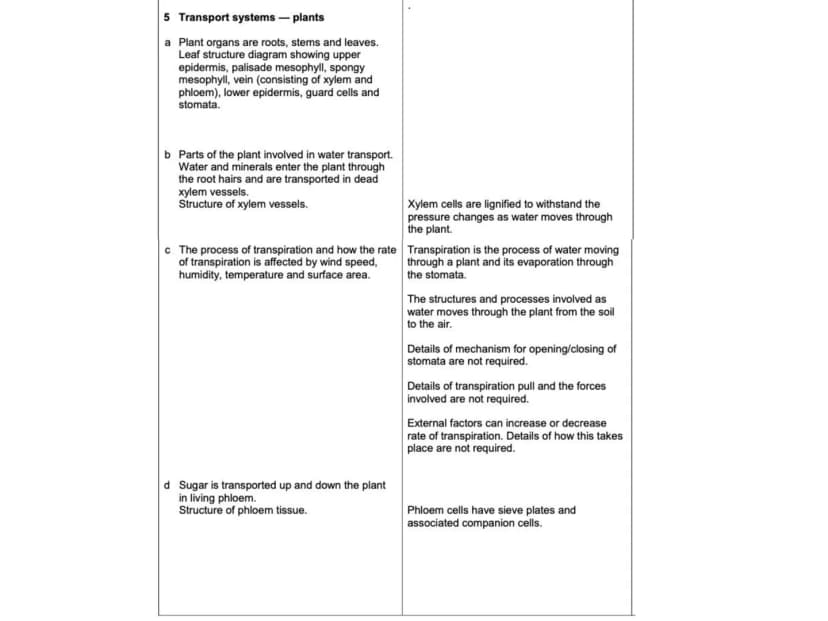
The primary plant organ functions roots stems leaves form an interconnected network that facilitates the movement of essential materials. Roots absorb water and minerals from the soil through specialized root hair cells. These materials then travel upward through the xylem vessels, which are reinforced with lignin to withstand the pressure changes during water transport. The stems serve as highways for both water and nutrient movement, while leaves are the primary sites for photosynthesis and gas exchange.
Definition: Transpiration is the process where water moves through a plant and evaporates through tiny pores called stomata in the leaves. This process is crucial for maintaining water movement throughout the plant.
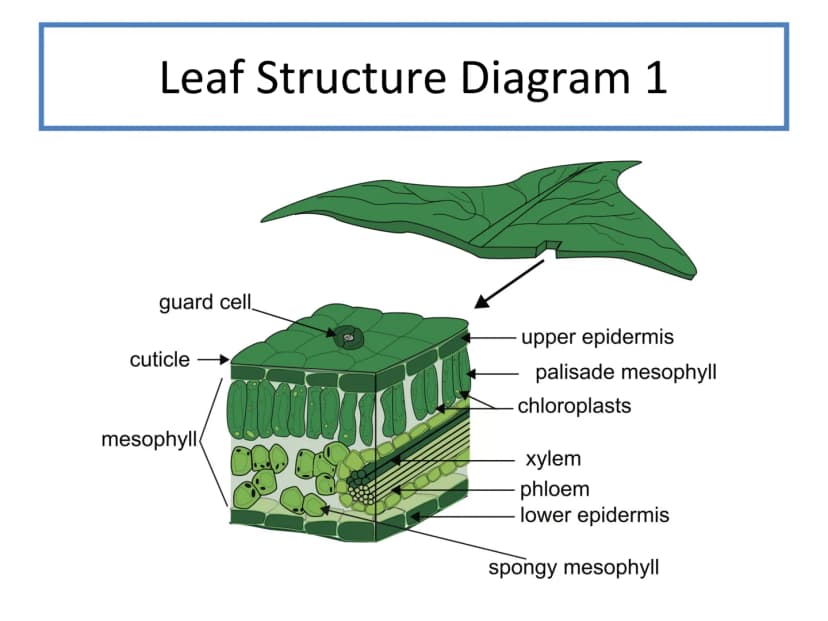
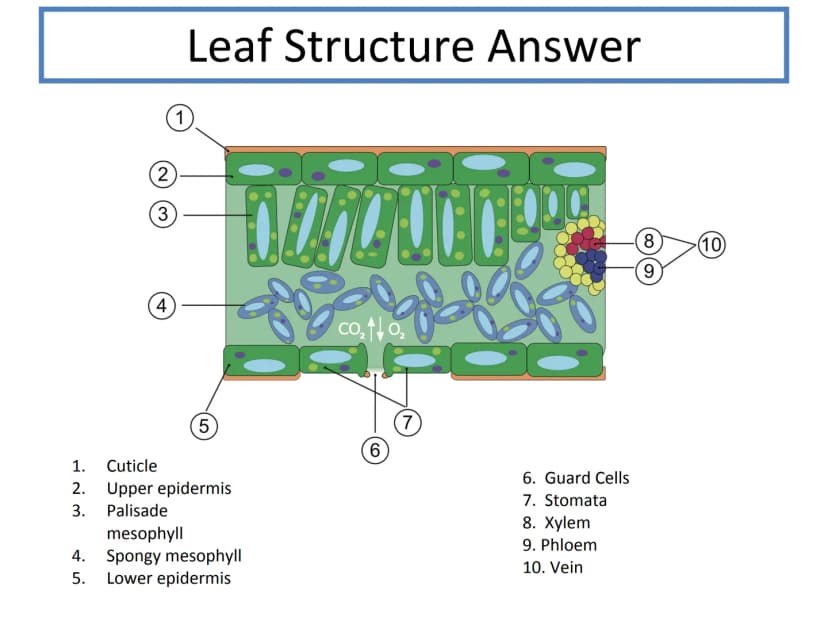
The leaf structure is particularly fascinating, consisting of multiple specialized layers including the upper epidermis, palisade mesophyll for photosynthesis, and spongy mesophyll for gas exchange. The vascular tissues (xylem and phloem) run through the leaf veins, while guard cells control the opening and closing of stomata for gas exchange and water regulation.
2
of 10
Plant Transport Mechanisms and Environmental Responses
Understanding how factors affecting transpiration rate in plants impact their survival is crucial. Environmental conditions such as wind speed, humidity, temperature, and leaf surface area all play significant roles in determining how quickly water moves through and evaporates from plants.
Example: When temperature increases, transpiration rates typically rise because warm air can hold more water vapor. Similarly, windy conditions increase transpiration by removing humid air around the leaves, creating a steeper gradient for water movement.
The phloem tissue, consisting of living cells with distinctive sieve plates and companion cells, is responsible for transporting sugars and other organic compounds both upward and downward throughout the plant. This bi-directional transport system ensures that all parts of the plant receive the necessary nutrients for growth and development.
Plants have developed remarkable adaptations to regulate their transport systems in response to environmental changes. The guard cells can adjust stomatal openings to balance water loss with the need for gas exchange, while the rigid structure of xylem vessels prevents collapse under the negative pressure created during water transport.
3
of 10
Advanced Plant Transport Processes
The movement of water through plants involves multiple interconnected processes. Starting from the soil, water enters through root hairs via osmosis and travels through the root cortex to reach the xylem vessels. These vessels form continuous tubes from roots to leaves, enabling efficient water transport throughout the plant.
Highlight: The xylem vessels are composed of dead cells arranged end-to-end, with their cell walls reinforced with lignin. This structure allows them to withstand the pressure changes that occur during water transport while maintaining structural integrity.
Sugar transport through phloem is equally sophisticated, involving active transport mechanisms and pressure flow. The companion cells work closely with sieve tube elements to facilitate the movement of sugars and other organic compounds to areas of the plant where they're needed for growth, storage, or energy production.
4
of 10
Environmental Influences on Plant Transport
The efficiency of plant transport systems is heavily influenced by environmental conditions. Understanding these influences is crucial for both plant science and agricultural applications. Plants must constantly adjust their transport processes to maintain optimal function under varying conditions.
Vocabulary: Vascular tissues - specialized plant tissues (xylem and phloem) that transport water, minerals, and nutrients throughout the plant body.
Temperature changes can dramatically affect transpiration rates by influencing the rate of water evaporation from leaf surfaces. Higher temperatures typically increase transpiration, while cooler temperatures reduce it. Similarly, humidity levels in the air directly impact the water potential gradient between the leaf interior and the atmosphere, affecting the rate of water loss through stomata.
Wind speed affects transpiration by removing the boundary layer of humid air that typically surrounds leaves. This creates a steeper concentration gradient that increases the rate of water loss, though plants have evolved various mechanisms to help regulate this process and prevent excessive water loss under challenging conditions.
5
of 10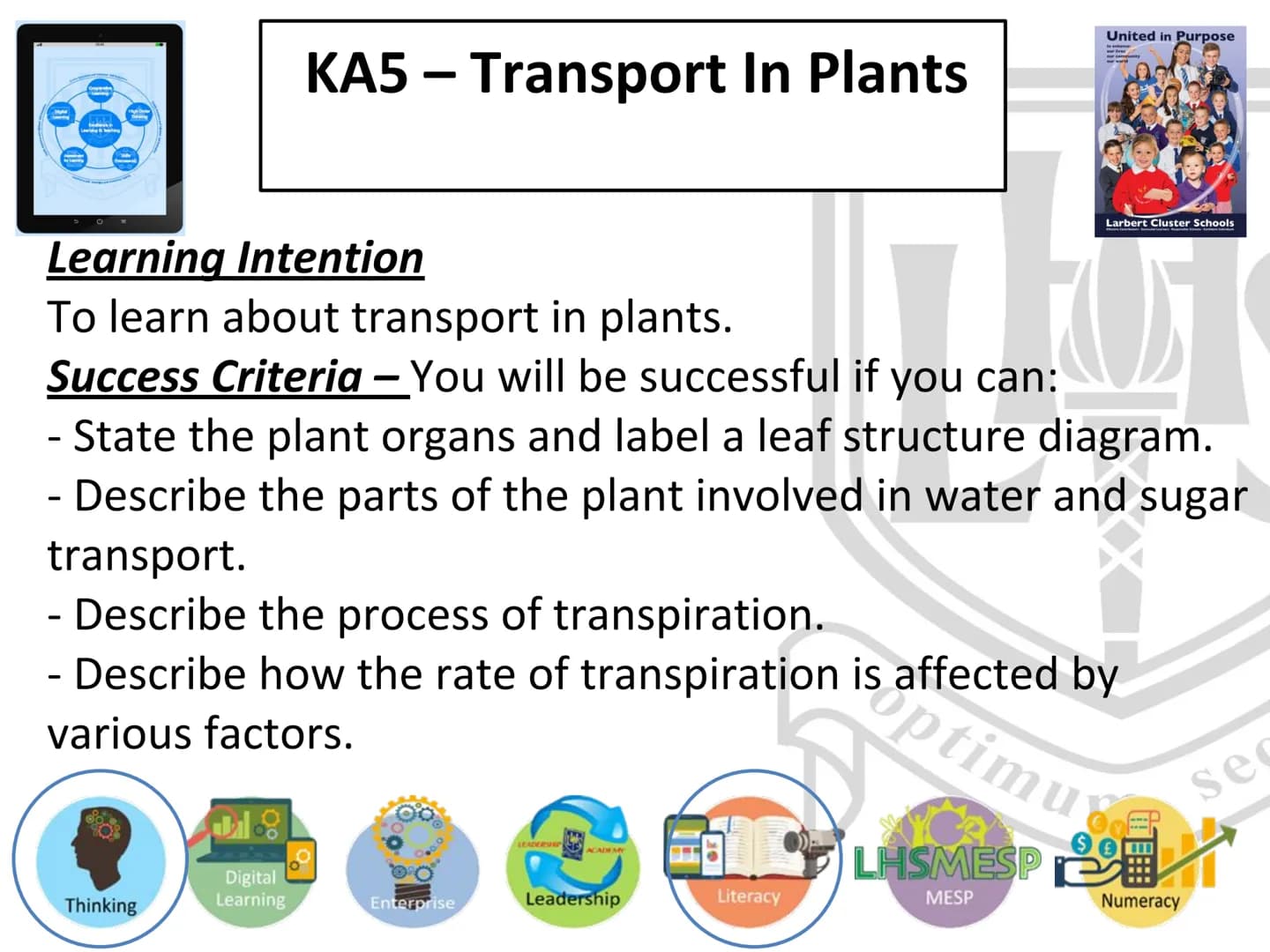
Understanding Plant Transport and Structure
Plants have evolved sophisticated transport mechanisms in plants biology that enable them to move water, nutrients, and sugars throughout their structures. The three main plant organ functions roots stems leaves work together in a coordinated system to support plant life and growth.
Roots anchor the plant and absorb water and minerals from the soil. They develop extensive networks underground, with root hairs increasing the surface area for absorption. The root system also stores food reserves and produces hormones essential for plant growth.
Stems provide structural support and serve as highways for transporting materials between roots and leaves through specialized tissues called xylem and phloem. The xylem carries water and dissolved minerals upward, while phloem distributes sugars and other organic compounds throughout the plant.
Definition: Xylem and phloem are specialized plant tissues that form continuous transport systems throughout the plant. Xylem transports water and minerals upward, while phloem moves sugars and other organic compounds in both directions.
6
of 10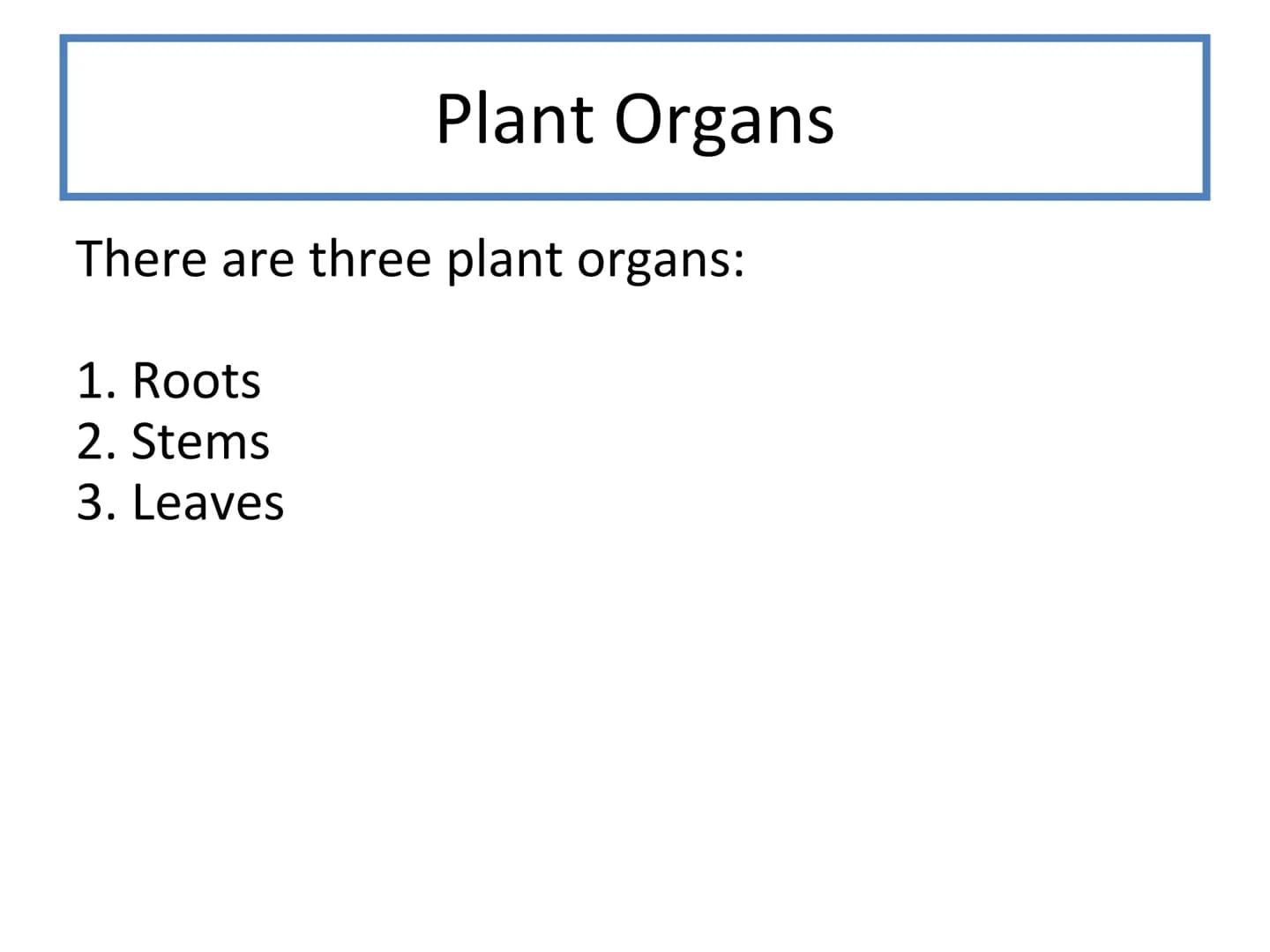
Leaf Structure and Function
Leaves are highly specialized organs where photosynthesis occurs. Their complex internal structure includes multiple layers, each serving specific purposes. The upper and lower epidermis protect the leaf, while the cuticle prevents excessive water loss.
The palisade mesophyll contains numerous chloroplasts for photosynthesis, arranged in tightly packed columns to maximize light absorption. The spongy mesophyll below has air spaces that facilitate gas exchange through stomata - specialized pores controlled by guard cells.
Various factors affecting transpiration rate in plants include temperature, humidity, wind speed, and light intensity. These environmental conditions influence how quickly water moves through the plant and evaporates from leaf surfaces.
Highlight: Stomata are crucial structures that regulate gas exchange and water loss through transpiration. Guard cells change shape to open or close these pores in response to environmental conditions.
7
of 10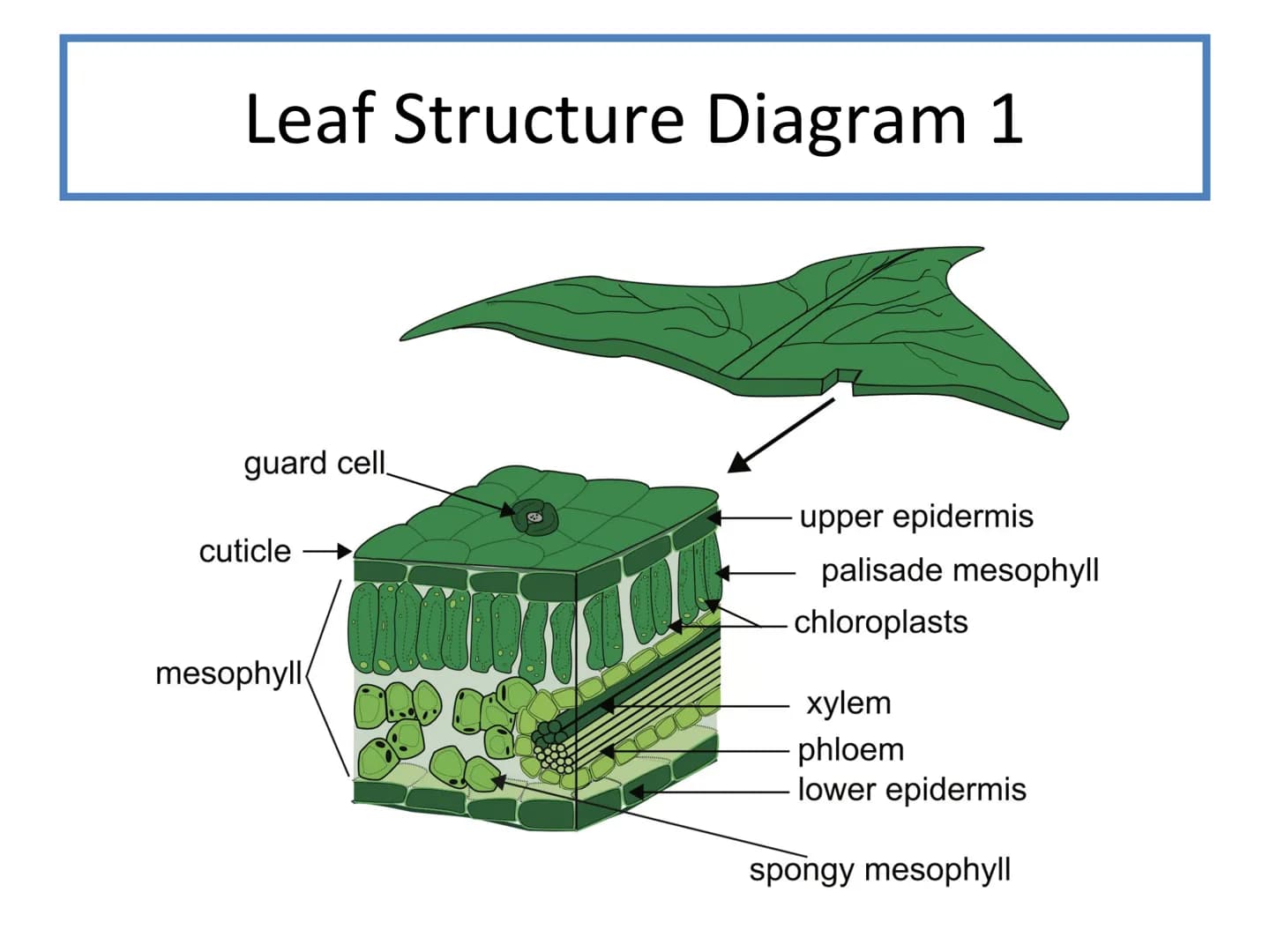
Transport Processes in Plants
Water movement through plants involves several processes working together. Transpiration creates a pulling force as water evaporates from leaves, while root pressure pushes water upward. This combination enables plants to move water against gravity through their xylem vessels.
Sugar transport occurs through phloem tissue using active transport mechanisms. This process, called translocation, moves sugars from where they're produced (source) to where they're needed or stored (sink). The movement can occur in any direction, depending on the plant's needs.
The transport systems in plants demonstrate remarkable efficiency in moving materials throughout the organism. These processes are essential for plant survival, growth, and reproduction.
Example: On a hot, windy day, transpiration rates increase significantly as more water evaporates from leaf surfaces. Plants may close their stomata temporarily to prevent excessive water loss.
8
of 10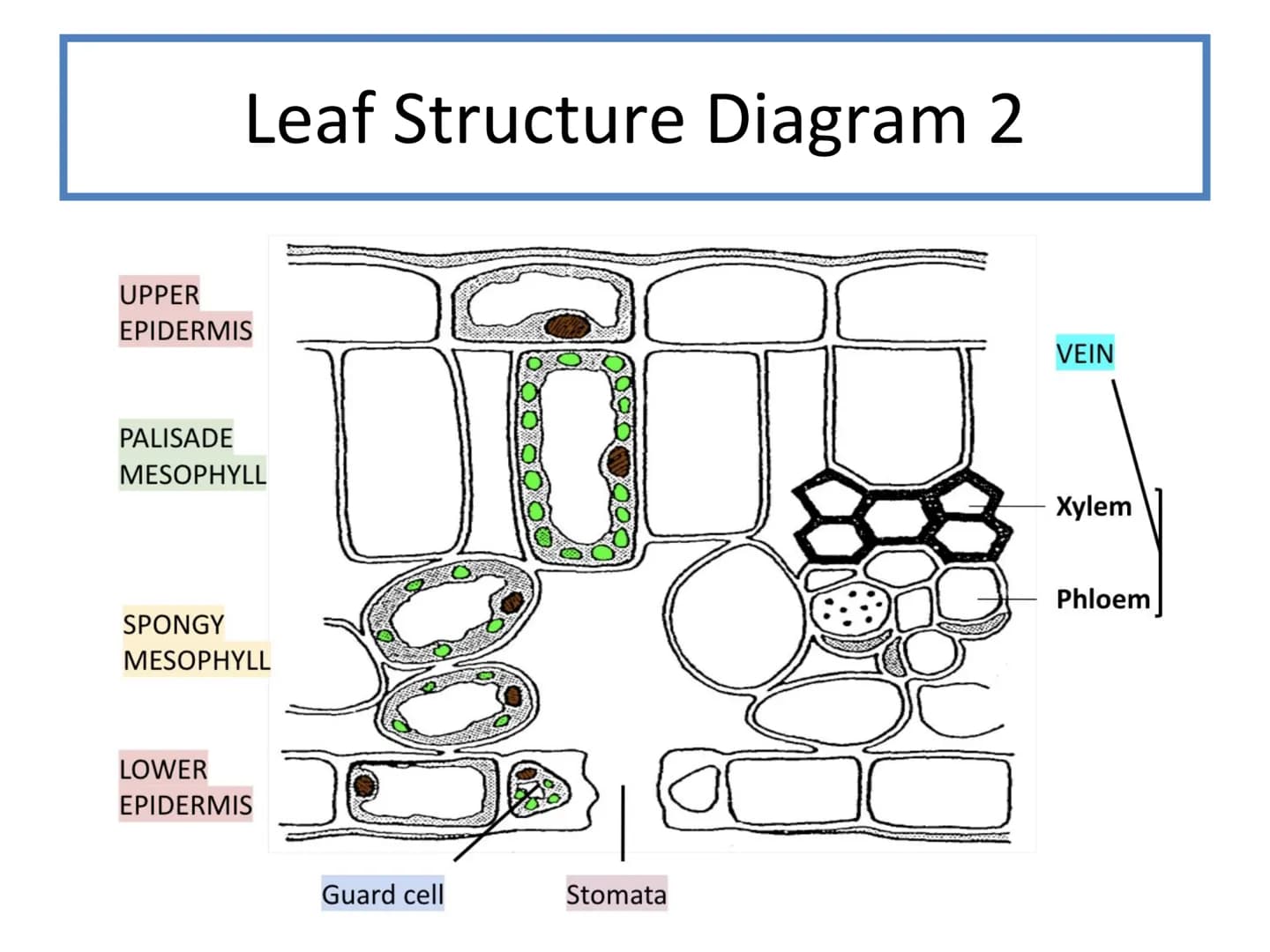
Environmental Influences on Plant Transport
Environmental conditions significantly impact plant transport processes. Temperature affects the rate of chemical reactions and water movement, while humidity influences transpiration rates. Wind can increase water loss by disrupting the boundary layer of humid air around leaves.
Light intensity affects both photosynthesis and transpiration rates. Stronger light typically increases stomatal opening, leading to higher transpiration rates. Plants have evolved various adaptations to balance their need for gas exchange with water conservation.
Soil conditions, including mineral availability and water content, influence root absorption and overall plant transport. Plants can adjust their transport processes in response to these environmental factors to maintain optimal growth conditions.
Vocabulary: Boundary layer - A thin layer of still air next to the leaf surface that affects the rate of water vapor diffusion from the leaf to the surrounding atmosphere.
9
of 10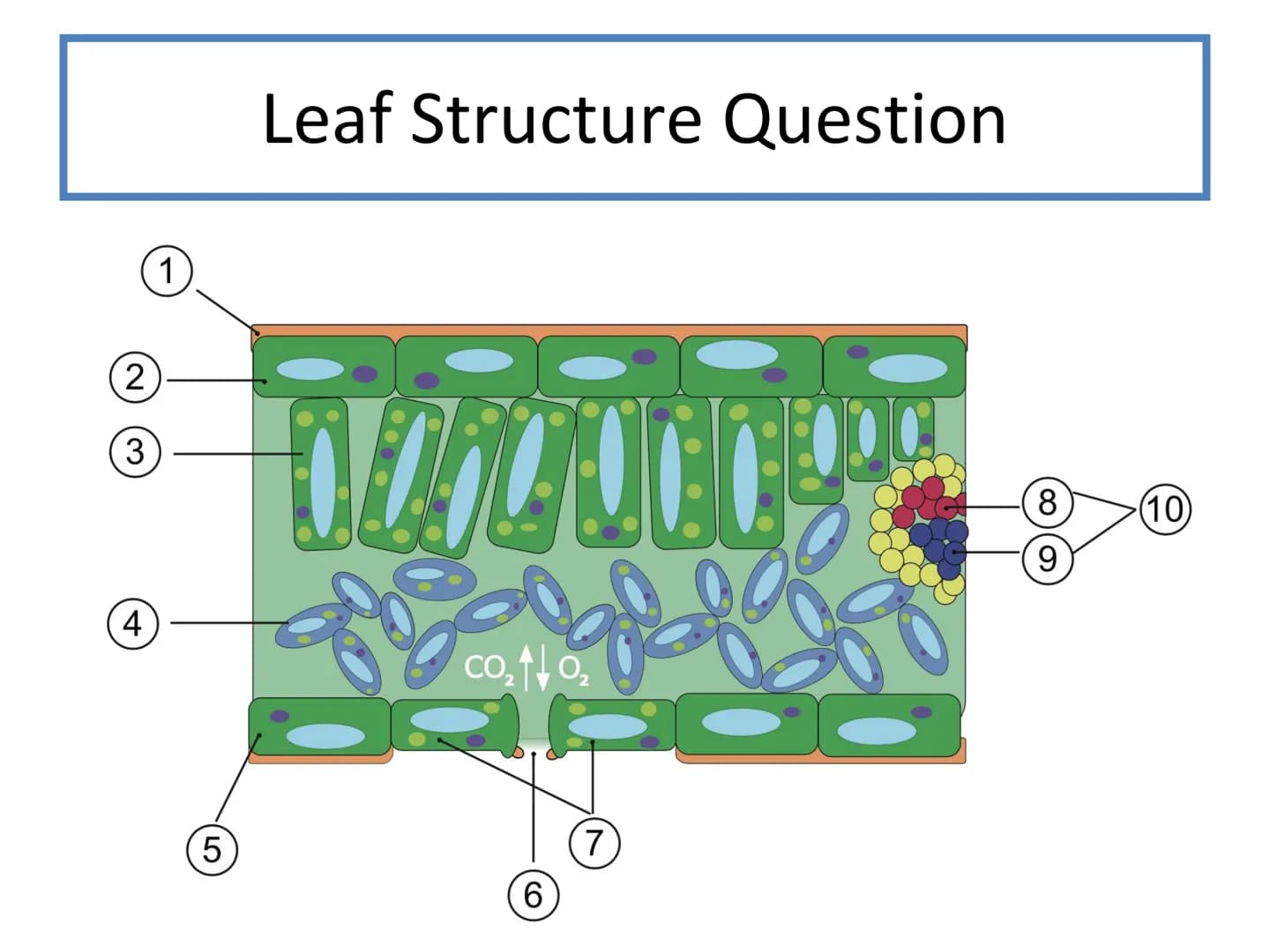
Understanding Leaf Structure and Function in Plants
The leaf is a remarkable plant organ that showcases intricate organization to support vital processes like photosynthesis and gas exchange. The complex internal structure of leaves demonstrates how plant organ functions roots stems leaves work together as an integrated system.
The leaf's structure begins with protective outer layers - the waxy cuticle and upper epidermis that guard against water loss and damage. Beneath these lies the palisade mesophyll, containing closely-packed cylindrical cells rich in chloroplasts. These specialized cells are optimally arranged to capture sunlight for photosynthesis. The spongy mesophyll layer features loosely arranged cells with large air spaces, facilitating gas exchange essential for photosynthesis and respiration.
Definition: The mesophyll is the internal leaf tissue between the upper and lower epidermis, specialized for photosynthesis and gas exchange.
The lower surface contains stomata - microscopic pores flanked by guard cells that regulate gas exchange and water vapor loss through transpiration. Factors affecting transpiration rate in plants include light intensity, temperature, humidity, and wind speed. The guard cells respond to these environmental conditions by changing shape to open or close the stomatal pores.
Running through the leaf are veins containing two types of vascular tissue: xylem and phloem. These represent key transport mechanisms in plants biology - xylem vessels carry water and minerals up from the roots, while phloem tubes transport sugars and other organic compounds to parts of the plant that need them. This vascular system provides both structural support and a transport network connecting the leaf to the rest of the plant.
10
of 10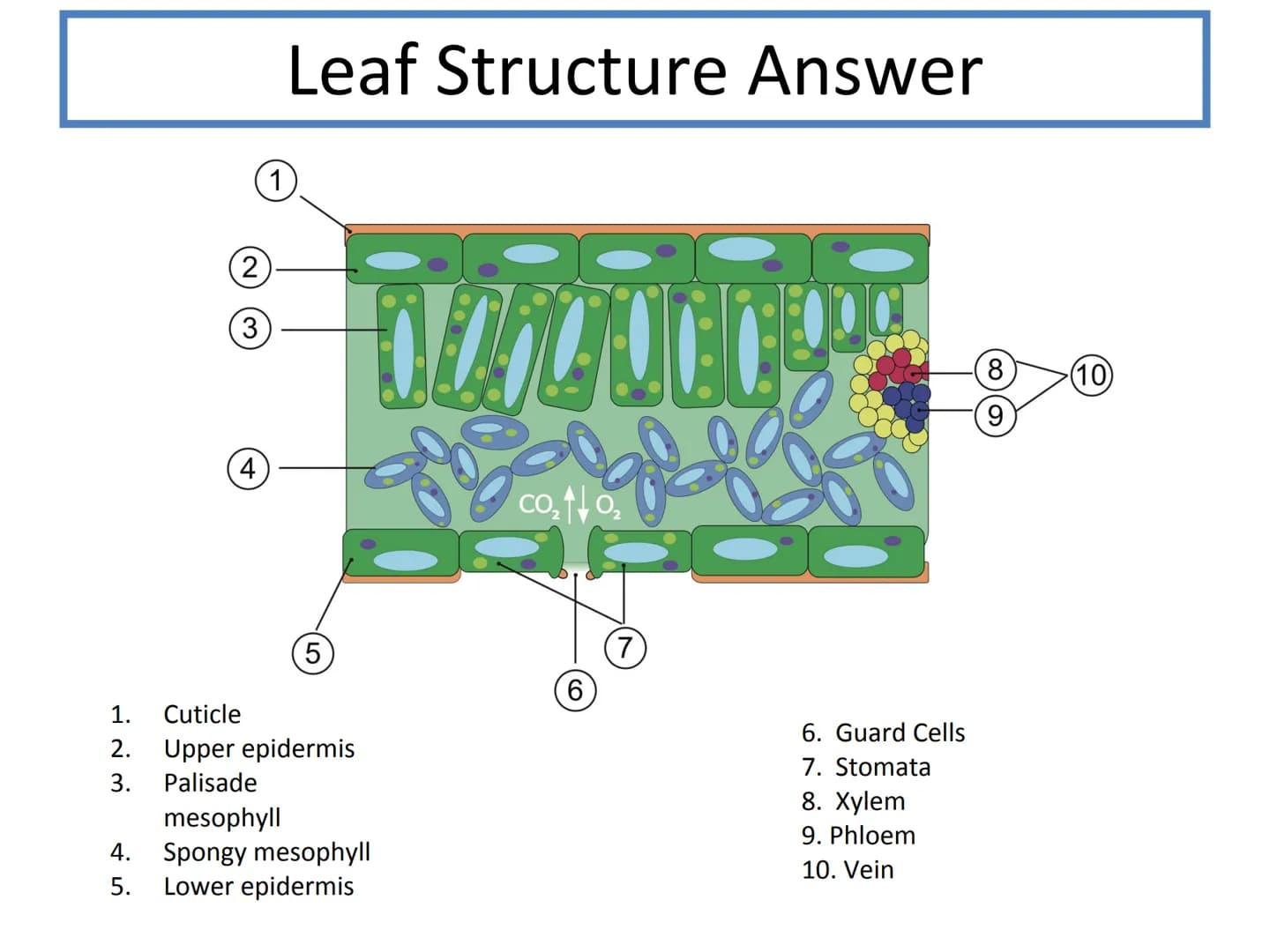
Plant Transport Systems and Their Integration
The intricate network of transport tissues in plants enables the movement of essential substances throughout the organism. This system demonstrates how different plant structures work together to maintain life processes.
Xylem tissue consists of hollow tubes formed from dead cells arranged end-to-end. These vessels transport water and dissolved minerals upward from roots to leaves through a combination of root pressure, capillary action, and transpiration pull. The rigid walls of xylem cells, strengthened by lignin, prevent collapse under the negative pressure generated during water transport.
Highlight: The cohesion-tension theory explains how water moves upward through plants against gravity, powered by transpiration from leaves.
Phloem tissue, composed of living cells called sieve tubes, transports organic nutrients like sugars from leaves to growing regions and storage organs. This movement can occur both upward and downward, responding to the plant's needs. Companion cells alongside sieve tubes provide metabolic support and help load and unload sugars from the phloem system.
The integration of these transport tissues with other plant structures creates an efficient resource distribution system. For example, the extensive branching of veins in leaves ensures that no photosynthetic cell is far from a transport vessel, while root hair cells maximize water and mineral absorption from soil.
We thought you’d never ask...
What is the Knowunity AI companion?
Our AI companion is specifically built for the needs of students. Based on the millions of content pieces we have on the platform we can provide truly meaningful and relevant answers to students. But its not only about answers, the companion is even more about guiding students through their daily learning challenges, with personalised study plans, quizzes or content pieces in the chat and 100% personalisation based on the students skills and developments.
Where can I download the Knowunity app?
You can download the app in the Google Play Store and in the Apple App Store.
Is Knowunity really free of charge?
That's right! Enjoy free access to study content, connect with fellow students, and get instant help – all at your fingertips.
Similar Content
Most popular content: Xylem
9BiologyBiology Paper 1 Overview
Comprehensive study notes covering key concepts in cellular biology, human digestion, respiration, photosynthesis, and the circulatory system. This resource includes detailed explanations of cell structures, enzyme functions, nutrient absorption, and the impact of environmental factors on biological processes. Ideal for students preparing for Biology Paper 1 exams.
1115,202383
BiologyAS Biology Unit 2 Overview
Explore key concepts in WJEC AS Biology Unit 2 with this comprehensive overview. Topics include Classification & Biodiversity, Gas Exchange in Plants & Animals, Transport Systems in Plants & Animals, and Nutritional Adaptations. Ideal for revision, this resource covers essential biological processes, circulatory systems, and digestive mechanisms, providing a solid foundation for your studies.
122,87396
BiologyPlant Transport Systems
Explore the roles of xylem and phloem in plant biology. This summary covers the structure and function of xylem in water transport and phloem in nutrient distribution, highlighting key concepts such as transpiration, sieve plates, and energy requirements. Ideal for AQA Biology Paper 1 preparation.
1078616
BiologyPlant Transport Mechanisms
Explore the essential mechanisms of plant transport, including xylem and phloem functions, transpiration rates, and adaptations for water movement. This comprehensive summary covers active transport, water potential, and the mass flow hypothesis, making it ideal for OCR AS Level students and beyond.
121,72475
BiologyBiology: Human & Plant Systems
Explore key concepts in GCSE AQA Biology, focusing on human and plant systems. This summary covers the circulatory system, blood components, digestive enzymes, and plant transport mechanisms, including xylem and phloem. Ideal for exam preparation, it includes essential diagrams and detailed explanations of cardiovascular treatments and plant tissue organization.
102,959198
BiologyPlant Transport Systems
Explore the essential roles of phloem and xylem in plant biology. This summary covers the structure and function of these vascular tissues, the process of translocation and transpiration, and the factors affecting transpiration rates. Ideal for students studying plant physiology and anatomy.
1160615
BiologyPlant Transport Mechanisms
Explore the roles of xylem and phloem in plant transport, including the cohesion-tension theory, translocation of nutrients, and the factors affecting transpiration such as light, temperature, humidity, and wind. This summary provides a comprehensive overview of how plants efficiently move water and nutrients.
1175142
BiologyXylem & Phloem Functions
Explore the specialized structures and functions of xylem and phloem cells in plant transport systems. This summary covers the key differences between xylem and phloem, including their roles in transporting water and nutrients, cell structure, and flow direction. Ideal for students studying plant biology and vascular systems.
92912
BiologyPlant Transport Mechanisms
Explore the intricate transport mechanisms in plants, focusing on the roles of xylem and phloem in translocation and transpiration. This summary covers key concepts such as plant tissues, vascular systems, and water potential, essential for A Level Edexcel Biology students.
126324
Most popular content in Biology
9C
BiologyCell Biology and Cell structure
cell structures
93,2470
1
Biology1.cells Gcse biology question cards
combined science higher biology
92,3534
BiologyAQA Biology: Key Concepts
Explore essential AQA Biology topics including Photosynthesis, Respiration, Homeostasis, Genetics, and Ecology. This comprehensive knowledge organizer covers key concepts such as energy transfer, hormonal control, and genetic variation, providing a solid foundation for your studies. Ideal for exam preparation and understanding biological processes.
108,794306
T
BiologyThe functions of subcellular structures - B1 Biology
Flashcards on the different functions of subcellular structures: cell membrane, nucleus, mitochondria, ribosomes, cytoplasm, permant vacuole, chloroplasts and cell wall.
102,7885
BiologyA-Level Biology Year 1 Overview
Comprehensive summary of AQA A-Level Biology Year 1, covering key topics such as cellular structure, protein synthesis, immune response, gas exchange, and more. Ideal for exam preparation and understanding biological concepts. Includes detailed insights into cellular processes, biological classification, and the circulatory system.
1214,891694
T
BiologyTypes of cells
biology
101,2090
B
BiologyBiology Paper 1 quiz
this is a simple quiz on key knowledge needed for paper 1
112,7745
BiologyBiology paper 1 Summary
Notes for Biology paper 1 contains the full course for AQA higher combined!
104,130106
C
BiologyCells part 1 function of cells.
About cells and function of cells etc.
119861
Most popular content
9 Sociology
Sociology of Education Overview
Explore comprehensive A-Level Sociology notes on the education system, covering key theories, policies, and sociological perspectives. This resource includes insights on marketisation, gender roles, cultural deprivation, and educational inequalities, providing a thorough understanding of how education shapes social stratification and individual achievement. Ideal for exam preparation and in-depth study.
12102,8693,040
SociologySociology of Families: Comprehensive Revision
Dive into an extensive overview of family dynamics, perspectives, and patterns in sociology. This resource covers key concepts such as family diversity, gender roles, marriage, and the impact of social policies on family structures. Perfect for A-Level Sociology students preparing for Paper 2.
1273,6612,307
CriminologyCriminology: Crime & Punishment Overview
Comprehensive mindmaps covering key concepts in the Crime and Punishment topic for WJEC Criminology Unit 4. This resource includes detailed insights into the Criminal Justice System, crime prevention strategies, sentencing models, and the roles of various agencies. Ideal for A-Level revision, ensuring you grasp essential theories and legislative processes to excel in your exams.
1254,8691,059
SociologyComprehensive Crime & Deviance Overview
Explore an extensive revision of crime and deviance topics, including theories, types of crime, and the impact of media. This resource covers key concepts such as Marxism, functionalism, gender and crime, and the influence of globalization on criminal behavior. Ideal for students seeking a thorough understanding of criminology and its various theories. Type: Full Topic Revision.
1251,6541,399
C
BiologyCell Biology and Cell structure
cell structures
93,2470
 English Literature
An Inspector Calls: Character Insights
Explore in-depth analysis and key quotes for characters in J.B. Priestley's 'An Inspector Calls'. This resource covers Gerald Croft, Inspector Goole, Sheila Birling, Mrs. Birling, Eric Birling, and Eva Smith, focusing on themes of class, gender roles, and social responsibility. Ideal for students aiming for Grade 8 and above.
1025,429907
CriminologyWJEC Unit 4 Criminology
Criminology unit 4 detailed revision note
127,151125
CriminologyCriminology Theories Overview
Explore key criminology theories and their implications on crime and deviance. This comprehensive summary covers biological, psychological, and sociological perspectives, including labelling theory, right realism, and the impact of social campaigns on policy development. Ideal for A-Level criminology students seeking to understand the complexities of criminal behaviour and the factors influencing crime prevention strategies.
129,760210
English LiteratureRomeo and Juliet: Key themes
Key Romeo and Juliet themes and analysed quotes
106,708198
Can't find what you're looking for? Explore other subjects.
Students love us — and so will you.
4.6/5App Store
4.7/5Google Play
The app is very easy to use and well designed. I have found everything I was looking for so far and have been able to learn a lot from the presentations! I will definitely use the app for a class assignment! And of course it also helps a lot as an inspiration.
Stefan SiOS user
This app is really great. There are so many study notes and help [...]. My problem subject is French, for example, and the app has so many options for help. Thanks to this app, I have improved my French. I would recommend it to anyone.
Samantha KlichAndroid user
Wow, I am really amazed. I just tried the app because I've seen it advertised many times and was absolutely stunned. This app is THE HELP you want for school and above all, it offers so many things, such as workouts and fact sheets, which have been VERY helpful to me personally.
AnnaiOS user
Biology590 views·Updated Jun 28, 2026·34 pagesHow Plants Move Water and Nutrients: The Cool Roles of Roots, Stems, and Leaves
Molly Hutton@mollyhutton
Plants have complex systems for moving water, nutrients, and other materials throughout their structures to stay alive and grow.
Transport mechanisms in plants biologyinvolve two main pathways: xylem and phloem. The xylem moves water and dissolved minerals upward from...
1
of 10
Sign up to see the content. It's free!
- Access to all documents
- Improve your grades
- Join milions of students
Understanding Plant Transport Systems and Structures
Plants have evolved sophisticated transport mechanisms in plants biology that enable them to move water, minerals, and nutrients throughout their structures. These systems are essential for plant survival and growth, working together in a complex but efficient manner.
The primary plant organ functions roots stems leaves form an interconnected network that facilitates the movement of essential materials. Roots absorb water and minerals from the soil through specialized root hair cells. These materials then travel upward through the xylem vessels, which are reinforced with lignin to withstand the pressure changes during water transport. The stems serve as highways for both water and nutrient movement, while leaves are the primary sites for photosynthesis and gas exchange.
Definition: Transpiration is the process where water moves through a plant and evaporates through tiny pores called stomata in the leaves. This process is crucial for maintaining water movement throughout the plant.
The leaf structure is particularly fascinating, consisting of multiple specialized layers including the upper epidermis, palisade mesophyll for photosynthesis, and spongy mesophyll for gas exchange. The vascular tissues (xylem and phloem) run through the leaf veins, while guard cells control the opening and closing of stomata for gas exchange and water regulation.
2
of 10Sign up to see the content. It's free!
- Access to all documents
- Improve your grades
- Join milions of students
Plant Transport Mechanisms and Environmental Responses
Understanding how factors affecting transpiration rate in plants impact their survival is crucial. Environmental conditions such as wind speed, humidity, temperature, and leaf surface area all play significant roles in determining how quickly water moves through and evaporates from plants.
Example: When temperature increases, transpiration rates typically rise because warm air can hold more water vapor. Similarly, windy conditions increase transpiration by removing humid air around the leaves, creating a steeper gradient for water movement.
The phloem tissue, consisting of living cells with distinctive sieve plates and companion cells, is responsible for transporting sugars and other organic compounds both upward and downward throughout the plant. This bi-directional transport system ensures that all parts of the plant receive the necessary nutrients for growth and development.
Plants have developed remarkable adaptations to regulate their transport systems in response to environmental changes. The guard cells can adjust stomatal openings to balance water loss with the need for gas exchange, while the rigid structure of xylem vessels prevents collapse under the negative pressure created during water transport.
3
of 10Sign up to see the content. It's free!
- Access to all documents
- Improve your grades
- Join milions of students
Advanced Plant Transport Processes
The movement of water through plants involves multiple interconnected processes. Starting from the soil, water enters through root hairs via osmosis and travels through the root cortex to reach the xylem vessels. These vessels form continuous tubes from roots to leaves, enabling efficient water transport throughout the plant.
Highlight: The xylem vessels are composed of dead cells arranged end-to-end, with their cell walls reinforced with lignin. This structure allows them to withstand the pressure changes that occur during water transport while maintaining structural integrity.
Sugar transport through phloem is equally sophisticated, involving active transport mechanisms and pressure flow. The companion cells work closely with sieve tube elements to facilitate the movement of sugars and other organic compounds to areas of the plant where they're needed for growth, storage, or energy production.
4
of 10Sign up to see the content. It's free!
- Access to all documents
- Improve your grades
- Join milions of students
Environmental Influences on Plant Transport
The efficiency of plant transport systems is heavily influenced by environmental conditions. Understanding these influences is crucial for both plant science and agricultural applications. Plants must constantly adjust their transport processes to maintain optimal function under varying conditions.
Vocabulary: Vascular tissues - specialized plant tissues (xylem and phloem) that transport water, minerals, and nutrients throughout the plant body.
Temperature changes can dramatically affect transpiration rates by influencing the rate of water evaporation from leaf surfaces. Higher temperatures typically increase transpiration, while cooler temperatures reduce it. Similarly, humidity levels in the air directly impact the water potential gradient between the leaf interior and the atmosphere, affecting the rate of water loss through stomata.
Wind speed affects transpiration by removing the boundary layer of humid air that typically surrounds leaves. This creates a steeper concentration gradient that increases the rate of water loss, though plants have evolved various mechanisms to help regulate this process and prevent excessive water loss under challenging conditions.
5
of 10Sign up to see the content. It's free!
- Access to all documents
- Improve your grades
- Join milions of students
Understanding Plant Transport and Structure
Plants have evolved sophisticated transport mechanisms in plants biology that enable them to move water, nutrients, and sugars throughout their structures. The three main plant organ functions roots stems leaves work together in a coordinated system to support plant life and growth.
Roots anchor the plant and absorb water and minerals from the soil. They develop extensive networks underground, with root hairs increasing the surface area for absorption. The root system also stores food reserves and produces hormones essential for plant growth.
Stems provide structural support and serve as highways for transporting materials between roots and leaves through specialized tissues called xylem and phloem. The xylem carries water and dissolved minerals upward, while phloem distributes sugars and other organic compounds throughout the plant.
Definition: Xylem and phloem are specialized plant tissues that form continuous transport systems throughout the plant. Xylem transports water and minerals upward, while phloem moves sugars and other organic compounds in both directions.
6
of 10Sign up to see the content. It's free!
- Access to all documents
- Improve your grades
- Join milions of students
Leaf Structure and Function
Leaves are highly specialized organs where photosynthesis occurs. Their complex internal structure includes multiple layers, each serving specific purposes. The upper and lower epidermis protect the leaf, while the cuticle prevents excessive water loss.
The palisade mesophyll contains numerous chloroplasts for photosynthesis, arranged in tightly packed columns to maximize light absorption. The spongy mesophyll below has air spaces that facilitate gas exchange through stomata - specialized pores controlled by guard cells.
Various factors affecting transpiration rate in plants include temperature, humidity, wind speed, and light intensity. These environmental conditions influence how quickly water moves through the plant and evaporates from leaf surfaces.
Highlight: Stomata are crucial structures that regulate gas exchange and water loss through transpiration. Guard cells change shape to open or close these pores in response to environmental conditions.
7
of 10Sign up to see the content. It's free!
- Access to all documents
- Improve your grades
- Join milions of students
Transport Processes in Plants
Water movement through plants involves several processes working together. Transpiration creates a pulling force as water evaporates from leaves, while root pressure pushes water upward. This combination enables plants to move water against gravity through their xylem vessels.
Sugar transport occurs through phloem tissue using active transport mechanisms. This process, called translocation, moves sugars from where they're produced (source) to where they're needed or stored (sink). The movement can occur in any direction, depending on the plant's needs.
The transport systems in plants demonstrate remarkable efficiency in moving materials throughout the organism. These processes are essential for plant survival, growth, and reproduction.
Example: On a hot, windy day, transpiration rates increase significantly as more water evaporates from leaf surfaces. Plants may close their stomata temporarily to prevent excessive water loss.
8
of 10Sign up to see the content. It's free!
- Access to all documents
- Improve your grades
- Join milions of students
Environmental Influences on Plant Transport
Environmental conditions significantly impact plant transport processes. Temperature affects the rate of chemical reactions and water movement, while humidity influences transpiration rates. Wind can increase water loss by disrupting the boundary layer of humid air around leaves.
Light intensity affects both photosynthesis and transpiration rates. Stronger light typically increases stomatal opening, leading to higher transpiration rates. Plants have evolved various adaptations to balance their need for gas exchange with water conservation.
Soil conditions, including mineral availability and water content, influence root absorption and overall plant transport. Plants can adjust their transport processes in response to these environmental factors to maintain optimal growth conditions.
Vocabulary: Boundary layer - A thin layer of still air next to the leaf surface that affects the rate of water vapor diffusion from the leaf to the surrounding atmosphere.
9
of 10Sign up to see the content. It's free!
- Access to all documents
- Improve your grades
- Join milions of students
Understanding Leaf Structure and Function in Plants
The leaf is a remarkable plant organ that showcases intricate organization to support vital processes like photosynthesis and gas exchange. The complex internal structure of leaves demonstrates how plant organ functions roots stems leaves work together as an integrated system.
The leaf's structure begins with protective outer layers - the waxy cuticle and upper epidermis that guard against water loss and damage. Beneath these lies the palisade mesophyll, containing closely-packed cylindrical cells rich in chloroplasts. These specialized cells are optimally arranged to capture sunlight for photosynthesis. The spongy mesophyll layer features loosely arranged cells with large air spaces, facilitating gas exchange essential for photosynthesis and respiration.
Definition: The mesophyll is the internal leaf tissue between the upper and lower epidermis, specialized for photosynthesis and gas exchange.
The lower surface contains stomata - microscopic pores flanked by guard cells that regulate gas exchange and water vapor loss through transpiration. Factors affecting transpiration rate in plants include light intensity, temperature, humidity, and wind speed. The guard cells respond to these environmental conditions by changing shape to open or close the stomatal pores.
Running through the leaf are veins containing two types of vascular tissue: xylem and phloem. These represent key transport mechanisms in plants biology - xylem vessels carry water and minerals up from the roots, while phloem tubes transport sugars and other organic compounds to parts of the plant that need them. This vascular system provides both structural support and a transport network connecting the leaf to the rest of the plant.
10
of 10Sign up to see the content. It's free!
- Access to all documents
- Improve your grades
- Join milions of students
Plant Transport Systems and Their Integration
The intricate network of transport tissues in plants enables the movement of essential substances throughout the organism. This system demonstrates how different plant structures work together to maintain life processes.
Xylem tissue consists of hollow tubes formed from dead cells arranged end-to-end. These vessels transport water and dissolved minerals upward from roots to leaves through a combination of root pressure, capillary action, and transpiration pull. The rigid walls of xylem cells, strengthened by lignin, prevent collapse under the negative pressure generated during water transport.
Highlight: The cohesion-tension theory explains how water moves upward through plants against gravity, powered by transpiration from leaves.
Phloem tissue, composed of living cells called sieve tubes, transports organic nutrients like sugars from leaves to growing regions and storage organs. This movement can occur both upward and downward, responding to the plant's needs. Companion cells alongside sieve tubes provide metabolic support and help load and unload sugars from the phloem system.
The integration of these transport tissues with other plant structures creates an efficient resource distribution system. For example, the extensive branching of veins in leaves ensures that no photosynthetic cell is far from a transport vessel, while root hair cells maximize water and mineral absorption from soil.
We thought you’d never ask...
What is the Knowunity AI companion?
Our AI companion is specifically built for the needs of students. Based on the millions of content pieces we have on the platform we can provide truly meaningful and relevant answers to students. But its not only about answers, the companion is even more about guiding students through their daily learning challenges, with personalised study plans, quizzes or content pieces in the chat and 100% personalisation based on the students skills and developments.
Where can I download the Knowunity app?
You can download the app in the Google Play Store and in the Apple App Store.
Is Knowunity really free of charge?
That's right! Enjoy free access to study content, connect with fellow students, and get instant help – all at your fingertips.
Similar Content
Most popular content: Xylem
9BiologyBiology Paper 1 Overview
Comprehensive study notes covering key concepts in cellular biology, human digestion, respiration, photosynthesis, and the circulatory system. This resource includes detailed explanations of cell structures, enzyme functions, nutrient absorption, and the impact of environmental factors on biological processes. Ideal for students preparing for Biology Paper 1 exams.
1115,202383
BiologyAS Biology Unit 2 Overview
Explore key concepts in WJEC AS Biology Unit 2 with this comprehensive overview. Topics include Classification & Biodiversity, Gas Exchange in Plants & Animals, Transport Systems in Plants & Animals, and Nutritional Adaptations. Ideal for revision, this resource covers essential biological processes, circulatory systems, and digestive mechanisms, providing a solid foundation for your studies.
122,87396
BiologyPlant Transport Systems
Explore the roles of xylem and phloem in plant biology. This summary covers the structure and function of xylem in water transport and phloem in nutrient distribution, highlighting key concepts such as transpiration, sieve plates, and energy requirements. Ideal for AQA Biology Paper 1 preparation.
1078616
BiologyPlant Transport Mechanisms
Explore the essential mechanisms of plant transport, including xylem and phloem functions, transpiration rates, and adaptations for water movement. This comprehensive summary covers active transport, water potential, and the mass flow hypothesis, making it ideal for OCR AS Level students and beyond.
121,72475
BiologyBiology: Human & Plant Systems
Explore key concepts in GCSE AQA Biology, focusing on human and plant systems. This summary covers the circulatory system, blood components, digestive enzymes, and plant transport mechanisms, including xylem and phloem. Ideal for exam preparation, it includes essential diagrams and detailed explanations of cardiovascular treatments and plant tissue organization.
102,959198
BiologyPlant Transport Systems
Explore the essential roles of phloem and xylem in plant biology. This summary covers the structure and function of these vascular tissues, the process of translocation and transpiration, and the factors affecting transpiration rates. Ideal for students studying plant physiology and anatomy.
1160615
BiologyPlant Transport Mechanisms
Explore the roles of xylem and phloem in plant transport, including the cohesion-tension theory, translocation of nutrients, and the factors affecting transpiration such as light, temperature, humidity, and wind. This summary provides a comprehensive overview of how plants efficiently move water and nutrients.
1175142
BiologyXylem & Phloem Functions
Explore the specialized structures and functions of xylem and phloem cells in plant transport systems. This summary covers the key differences between xylem and phloem, including their roles in transporting water and nutrients, cell structure, and flow direction. Ideal for students studying plant biology and vascular systems.
92912
BiologyPlant Transport Mechanisms
Explore the intricate transport mechanisms in plants, focusing on the roles of xylem and phloem in translocation and transpiration. This summary covers key concepts such as plant tissues, vascular systems, and water potential, essential for A Level Edexcel Biology students.
126324
Most popular content in Biology
9C
BiologyCell Biology and Cell structure
cell structures
93,2470
1
Biology1.cells Gcse biology question cards
combined science higher biology
92,3534
BiologyAQA Biology: Key Concepts
Explore essential AQA Biology topics including Photosynthesis, Respiration, Homeostasis, Genetics, and Ecology. This comprehensive knowledge organizer covers key concepts such as energy transfer, hormonal control, and genetic variation, providing a solid foundation for your studies. Ideal for exam preparation and understanding biological processes.
108,794306
T
BiologyThe functions of subcellular structures - B1 Biology
Flashcards on the different functions of subcellular structures: cell membrane, nucleus, mitochondria, ribosomes, cytoplasm, permant vacuole, chloroplasts and cell wall.
102,7885
BiologyA-Level Biology Year 1 Overview
Comprehensive summary of AQA A-Level Biology Year 1, covering key topics such as cellular structure, protein synthesis, immune response, gas exchange, and more. Ideal for exam preparation and understanding biological concepts. Includes detailed insights into cellular processes, biological classification, and the circulatory system.
1214,891694
T
BiologyTypes of cells
biology
101,2090
B
BiologyBiology Paper 1 quiz
this is a simple quiz on key knowledge needed for paper 1
112,7745
BiologyBiology paper 1 Summary
Notes for Biology paper 1 contains the full course for AQA higher combined!
104,130106
C
BiologyCells part 1 function of cells.
About cells and function of cells etc.
119861
Most popular content
9SociologySociology of Education Overview
Explore comprehensive A-Level Sociology notes on the education system, covering key theories, policies, and sociological perspectives. This resource includes insights on marketisation, gender roles, cultural deprivation, and educational inequalities, providing a thorough understanding of how education shapes social stratification and individual achievement. Ideal for exam preparation and in-depth study.
12102,8693,040
SociologySociology of Families: Comprehensive Revision
Dive into an extensive overview of family dynamics, perspectives, and patterns in sociology. This resource covers key concepts such as family diversity, gender roles, marriage, and the impact of social policies on family structures. Perfect for A-Level Sociology students preparing for Paper 2.
1273,6612,307
CriminologyCriminology: Crime & Punishment Overview
Comprehensive mindmaps covering key concepts in the Crime and Punishment topic for WJEC Criminology Unit 4. This resource includes detailed insights into the Criminal Justice System, crime prevention strategies, sentencing models, and the roles of various agencies. Ideal for A-Level revision, ensuring you grasp essential theories and legislative processes to excel in your exams.
1254,8691,059
SociologyComprehensive Crime & Deviance Overview
Explore an extensive revision of crime and deviance topics, including theories, types of crime, and the impact of media. This resource covers key concepts such as Marxism, functionalism, gender and crime, and the influence of globalization on criminal behavior. Ideal for students seeking a thorough understanding of criminology and its various theories. Type: Full Topic Revision.
1251,6541,399
C
BiologyCell Biology and Cell structure
cell structures
93,2470
English LiteratureAn Inspector Calls: Character Insights
Explore in-depth analysis and key quotes for characters in J.B. Priestley's 'An Inspector Calls'. This resource covers Gerald Croft, Inspector Goole, Sheila Birling, Mrs. Birling, Eric Birling, and Eva Smith, focusing on themes of class, gender roles, and social responsibility. Ideal for students aiming for Grade 8 and above.
1025,429907
CriminologyWJEC Unit 4 Criminology
Criminology unit 4 detailed revision note
127,151125
CriminologyCriminology Theories Overview
Explore key criminology theories and their implications on crime and deviance. This comprehensive summary covers biological, psychological, and sociological perspectives, including labelling theory, right realism, and the impact of social campaigns on policy development. Ideal for A-Level criminology students seeking to understand the complexities of criminal behaviour and the factors influencing crime prevention strategies.
129,760210
English LiteratureRomeo and Juliet: Key themes
Key Romeo and Juliet themes and analysed quotes
106,708198
Can't find what you're looking for? Explore other subjects.
Students love us — and so will you.
4.6/5App Store
4.7/5Google Play
The app is very easy to use and well designed. I have found everything I was looking for so far and have been able to learn a lot from the presentations! I will definitely use the app for a class assignment! And of course it also helps a lot as an inspiration.
Stefan SiOS user
This app is really great. There are so many study notes and help [...]. My problem subject is French, for example, and the app has so many options for help. Thanks to this app, I have improved my French. I would recommend it to anyone.
Samantha KlichAndroid user
Wow, I am really amazed. I just tried the app because I've seen it advertised many times and was absolutely stunned. This app is THE HELP you want for school and above all, it offers so many things, such as workouts and fact sheets, which have been VERY helpful to me personally.
AnnaiOS user