
Fungi are fascinating organisms that play crucial roles in our...
 Biology61 views·Updated Jun 12, 2026·8 pages
Understanding Fungi: Reproduction, Origins, and Human Diseases

Jasy Rodriguez@jasyrodriguez_fpij


1 / 8
1
of 8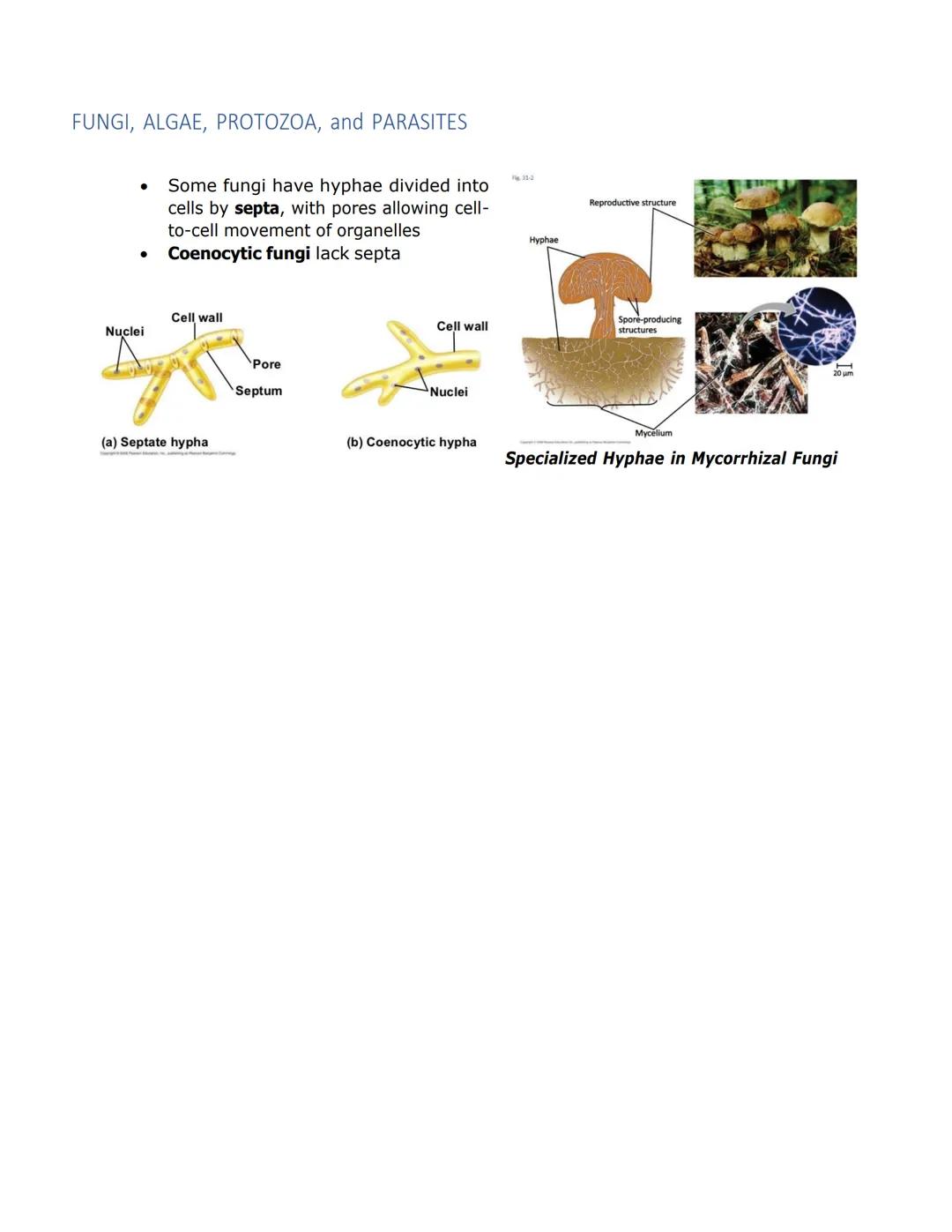
Fungal Structure and Organization
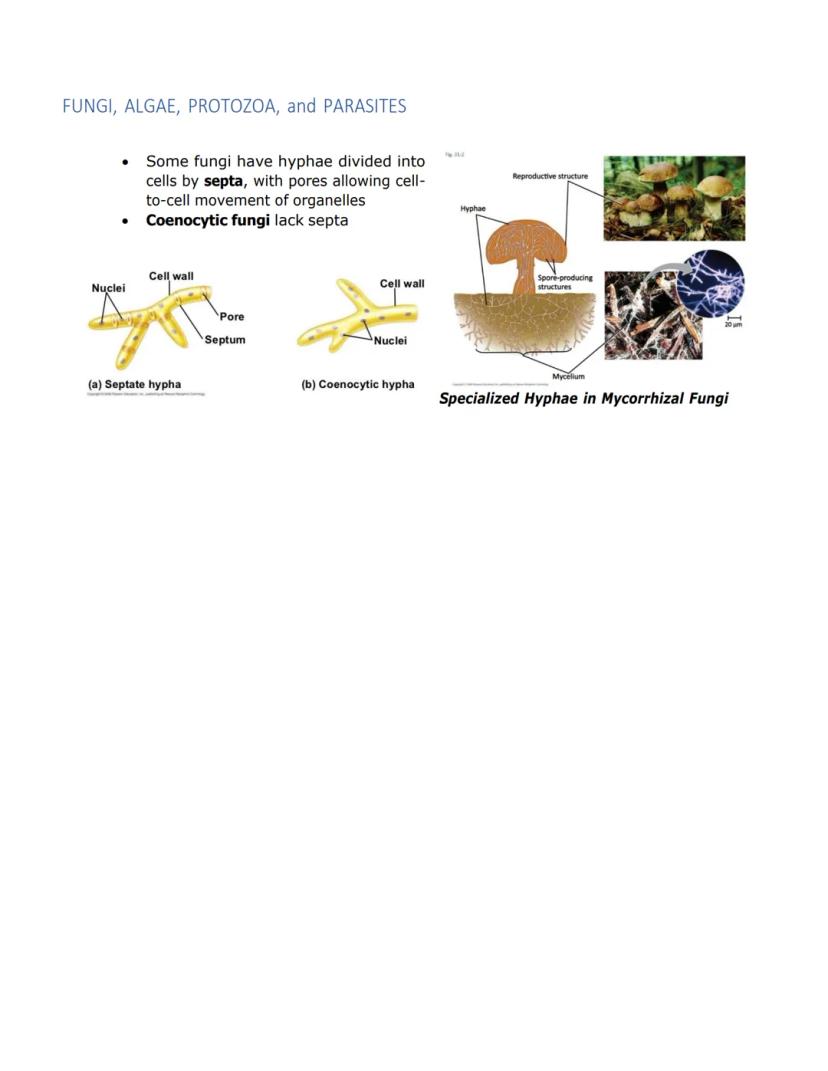
Fungi grow as networks of threadlike structures called hyphae that collectively form a mycelium. These hyphae come in two main types: septate and coenocytic. Septate hyphae have cross-walls (septa) with pores that allow organelles to move between cells, while coenocytic hyphae lack these dividing walls.
The mycelium is the vegetative body of the fungus, spreading through soil, wood, or other substrates. This extensive network helps fungi absorb nutrients efficiently from their surroundings. From this network, fungi produce specialized reproductive structures that release spores.
Some fungi develop specialized structures for specific functions. For example, mycorrhizal fungi form special relationships with plant roots, creating structures that help both organisms thrive.
Did you know? A single fungal mycelium can become enormous! The largest living organism on Earth is actually a honey fungus in Oregon whose mycelium spans nearly 4 square miles!
2
of 8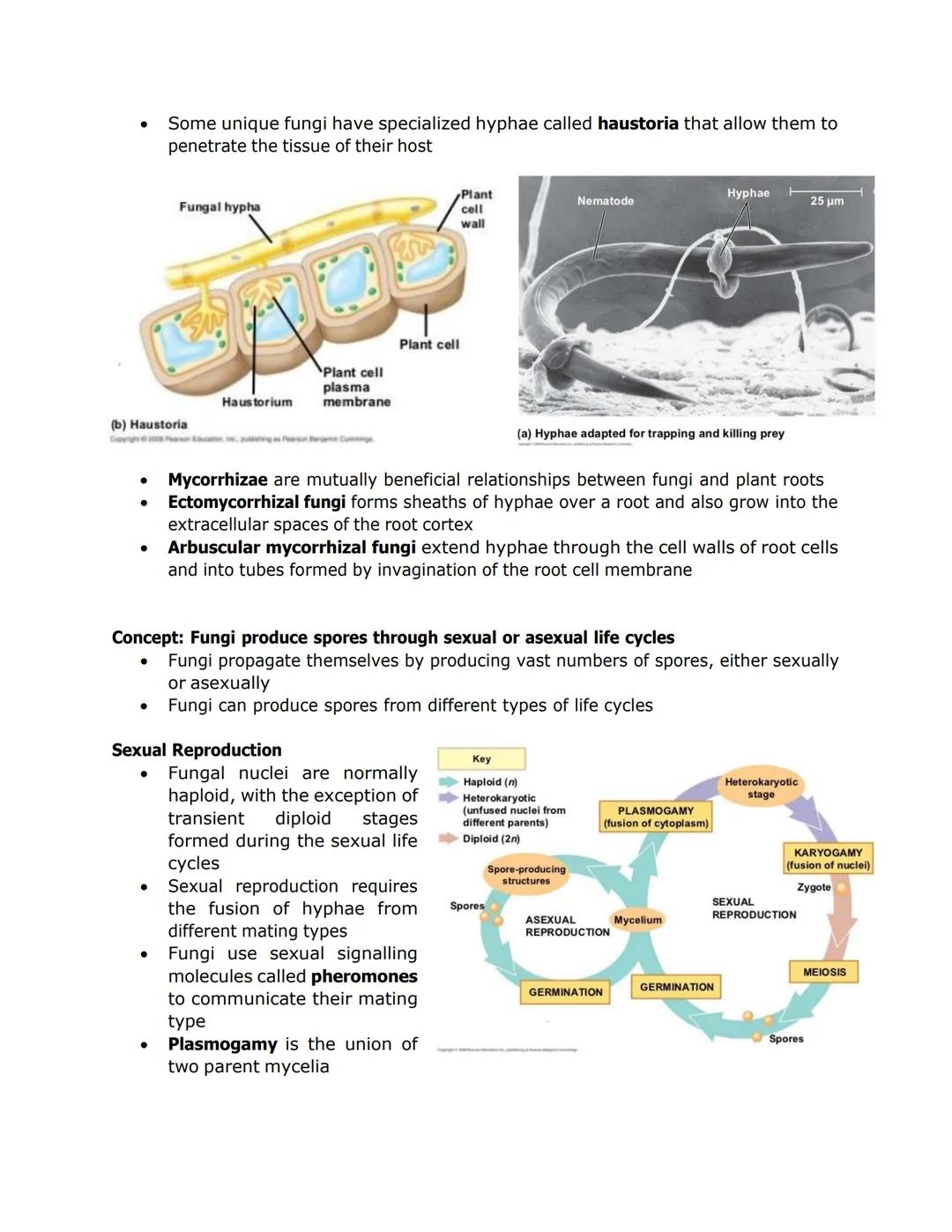
Specialized Fungal Structures and Reproduction
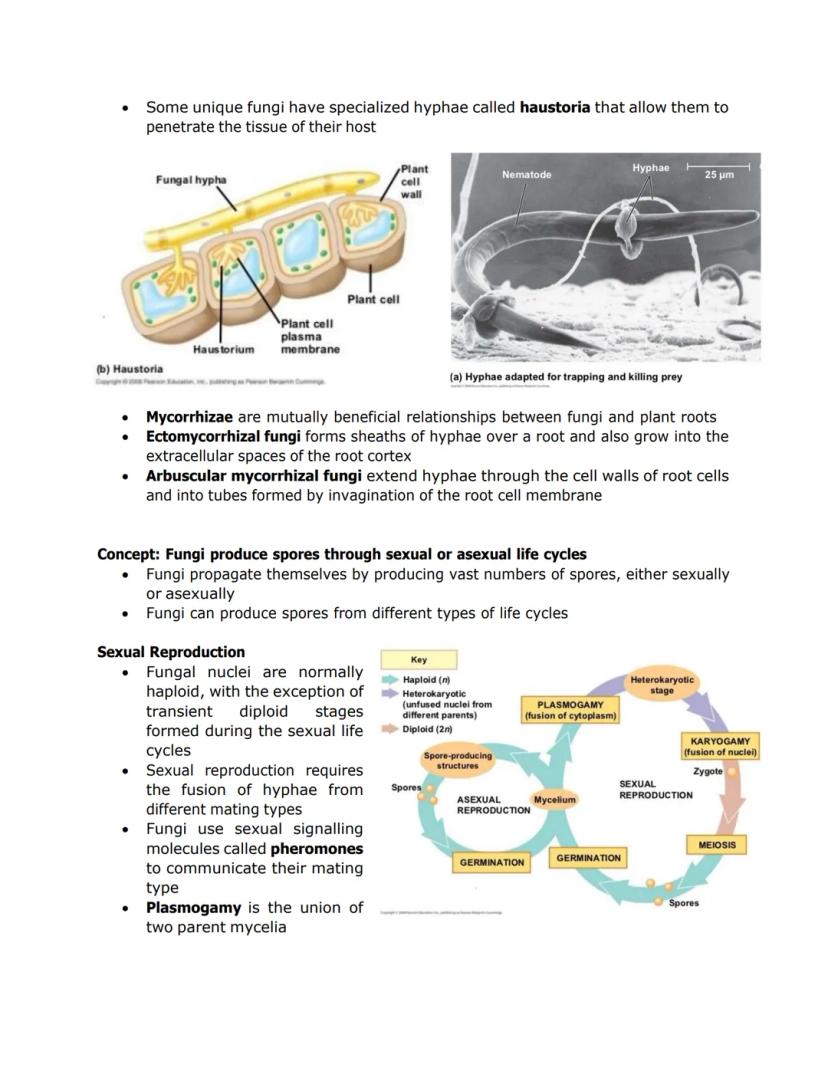
Some fungi develop haustoria, specialized hyphae that penetrate host tissues to extract nutrients. These structures help parasitic fungi access resources from plants or even trap and kill small animals like nematodes. These adaptations show how fungi have evolved to exploit various food sources.
Mycorrhizae represent crucial partnerships between fungi and plant roots. In ectomycorrhizal relationships, fungi form sheaths around roots and grow between root cells. In arbuscular mycorrhizae, fungal hyphae actually penetrate root cell walls, creating exchange structures within the cells themselves.
Fungi reproduce through spores, which can be produced either sexually or asexually. Sexual reproduction in fungi is unique and complex. It begins with plasmogamy (cytoplasm fusion) between different mating types, followed by a stage where two different nuclei coexist in the same cells (heterokaryotic stage). Eventually, karyogamy occurs when nuclei fuse, creating a brief diploid stage before meiosis produces haploid spores.
Remember: Unlike animals, fungi spend most of their life cycle in a haploid state, with only brief diploid phases during sexual reproduction!
3
of 8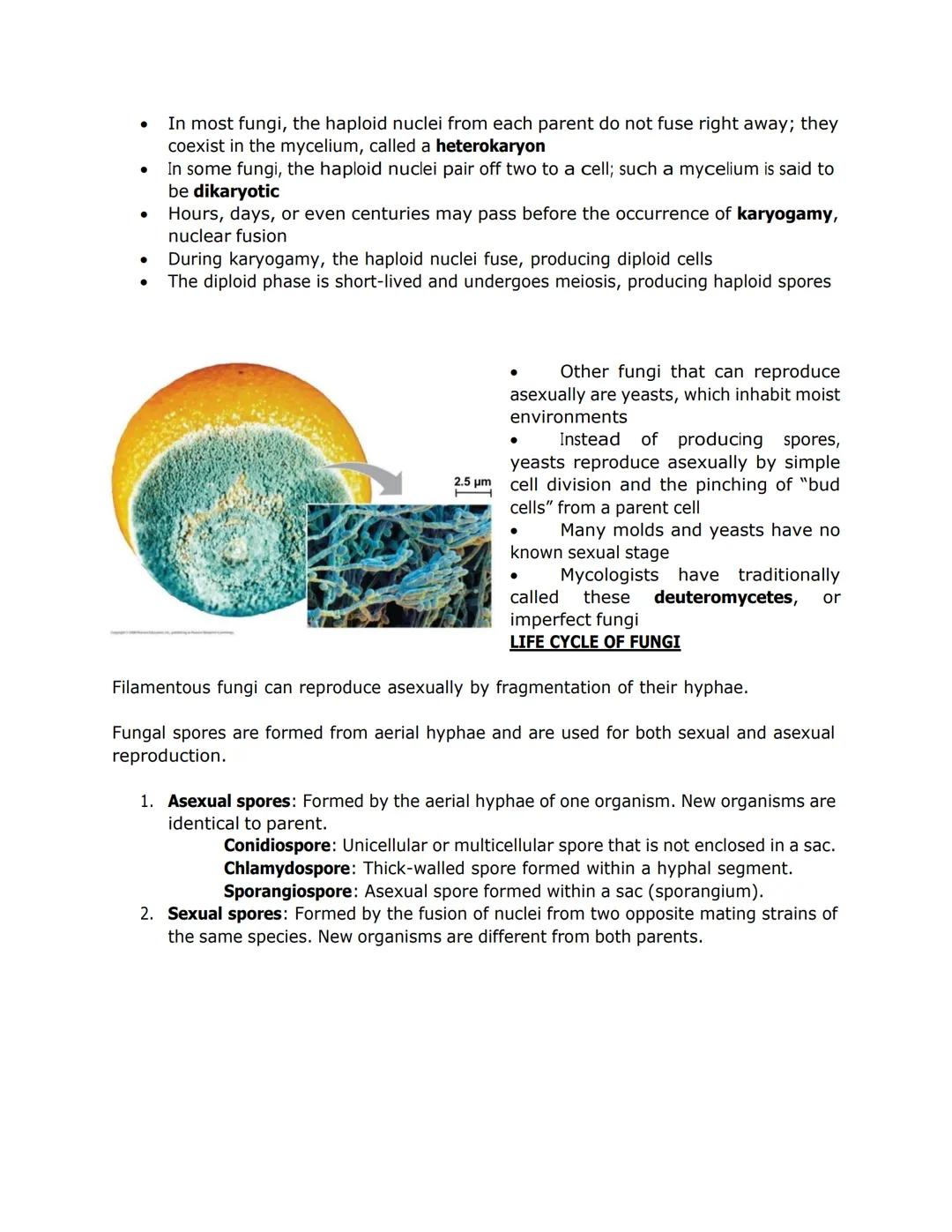
Fungal Life Cycles and Reproduction
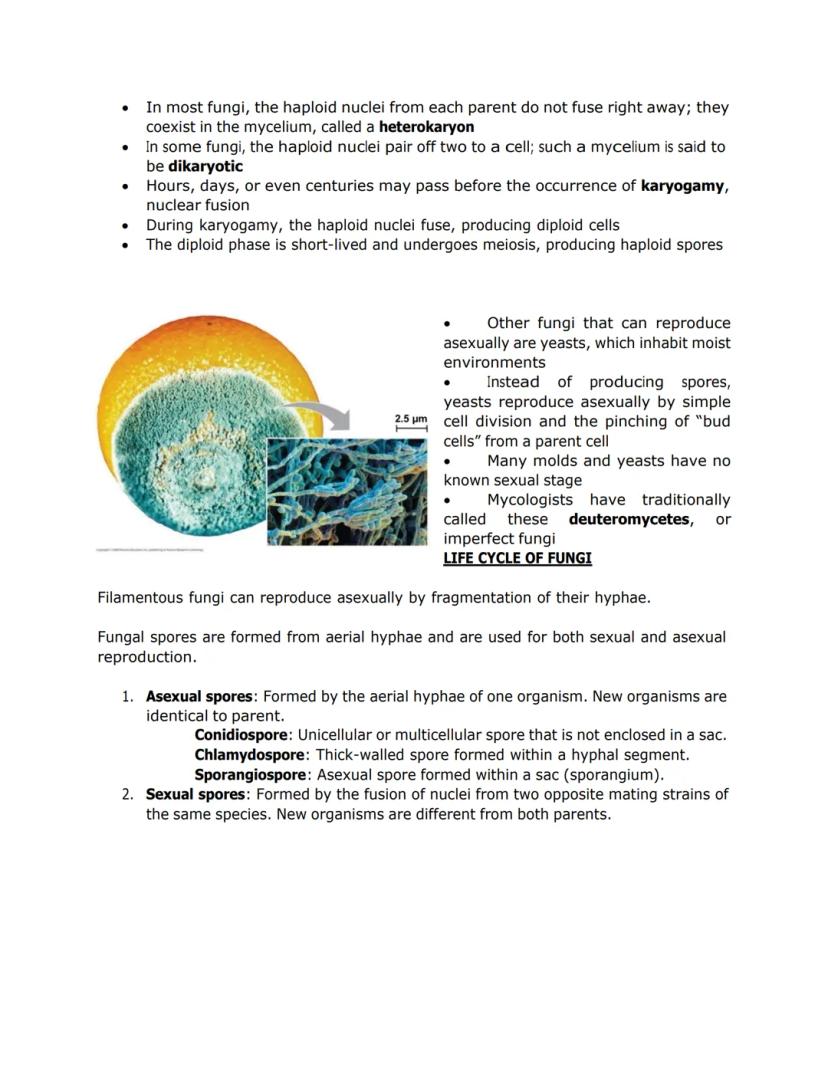
After plasmogamy, fungi often exist in a heterokaryon state, where nuclei from different parents live together without fusing. In some fungi, these nuclei pair up in a dikaryotic arrangement. The time between plasmogamy and karyogamy (nuclear fusion) varies tremendously – it can take hours or even centuries!
Yeasts are single-celled fungi that reproduce asexually through a process called budding, where new cells pinch off from parent cells. This simple process allows yeasts to rapidly multiply in moist environments. Many molds and yeasts have no known sexual stage and were traditionally called "imperfect fungi" or deuteromycetes.
Filamentous fungi have diverse reproductive strategies. They can reproduce asexually through fragmentation of hyphae or by producing specialized spores from aerial hyphae. These spores come in several types: conidiospores (not enclosed in sacs), chlamydospores , and sporangiospores (formed within sacs called sporangia).
Fun fact: While asexual spores create genetic clones of the parent, sexual spores combine genetic material from two parents, creating genetically unique offspring – just like in humans!
4
of 8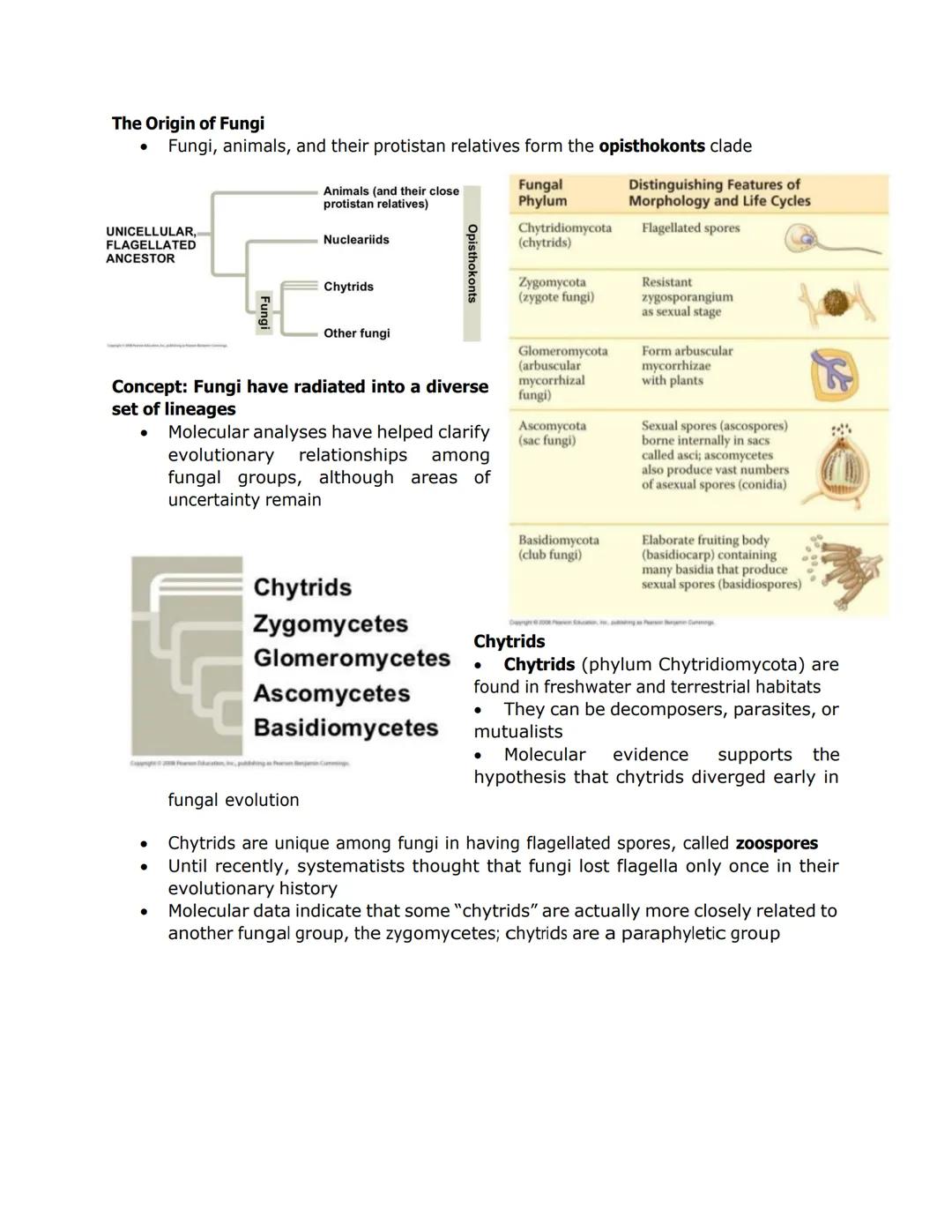
Fungal Evolution and Diversity
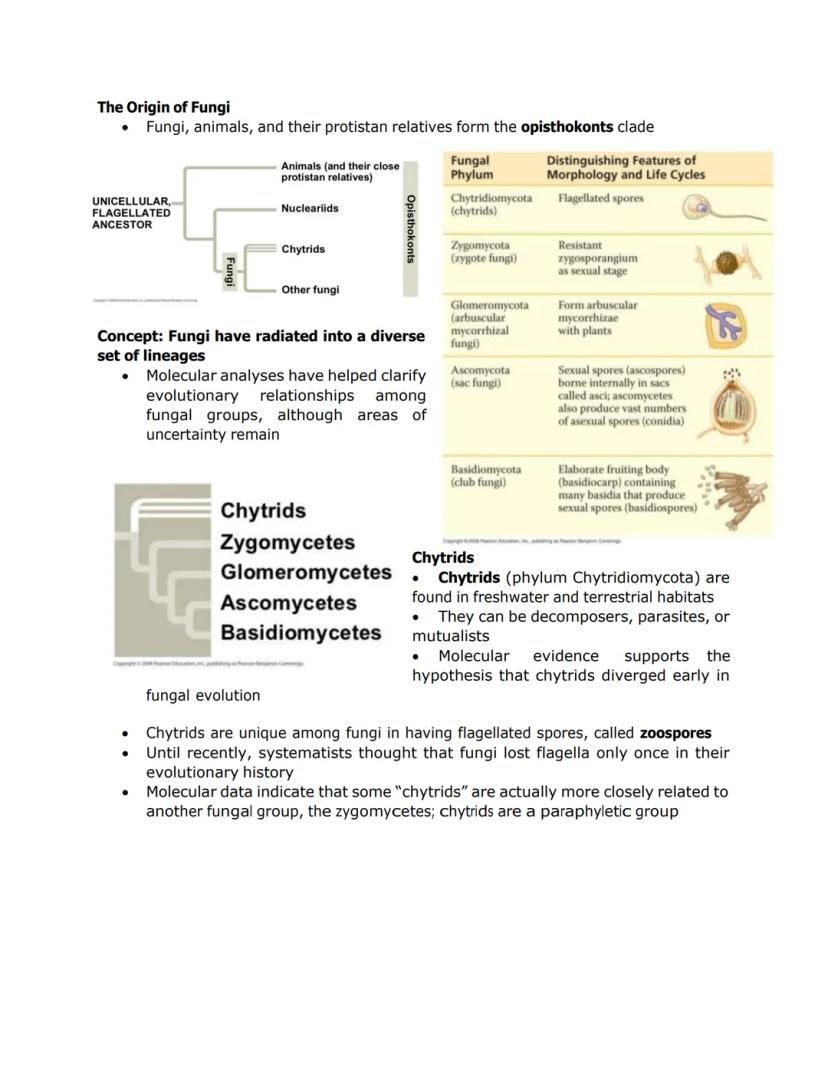
Fungi belong to the opisthokont clade, which also includes animals and some protists. This evolutionary relationship explains why fungi are actually more closely related to animals than to plants! Molecular analyses have helped scientists understand how different fungal groups evolved, though some relationships remain unclear.
The fungal kingdom includes five major phyla with distinct characteristics. Chytridiomycota (chytrids) are unique among fungi for having flagellated spores called zoospores. They live in freshwater and terrestrial habitats and likely represent an early branch of fungal evolution.
Chytrids were once thought to be the only fungi with flagella, but recent molecular evidence suggests a more complex evolutionary history. Some organisms classified as chytrids are actually more closely related to zygomycetes, making chytrids a paraphyletic group (a group that doesn't include all descendants of a common ancestor).
Think about it: The presence of flagellated spores in chytrids provides a fascinating evolutionary link between fungi and their single-celled ancestors that lived in aquatic environments!
5
of 8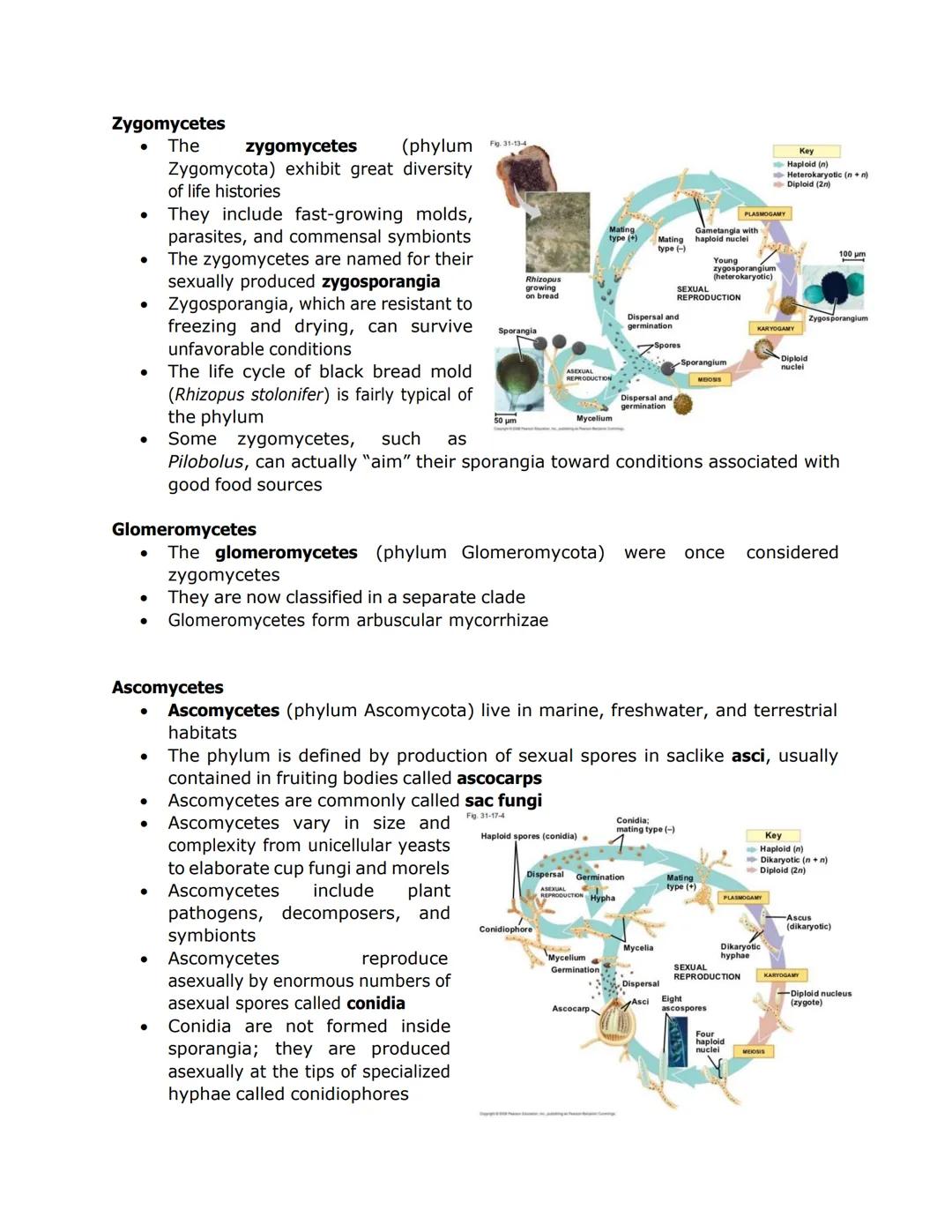
Major Fungal Groups
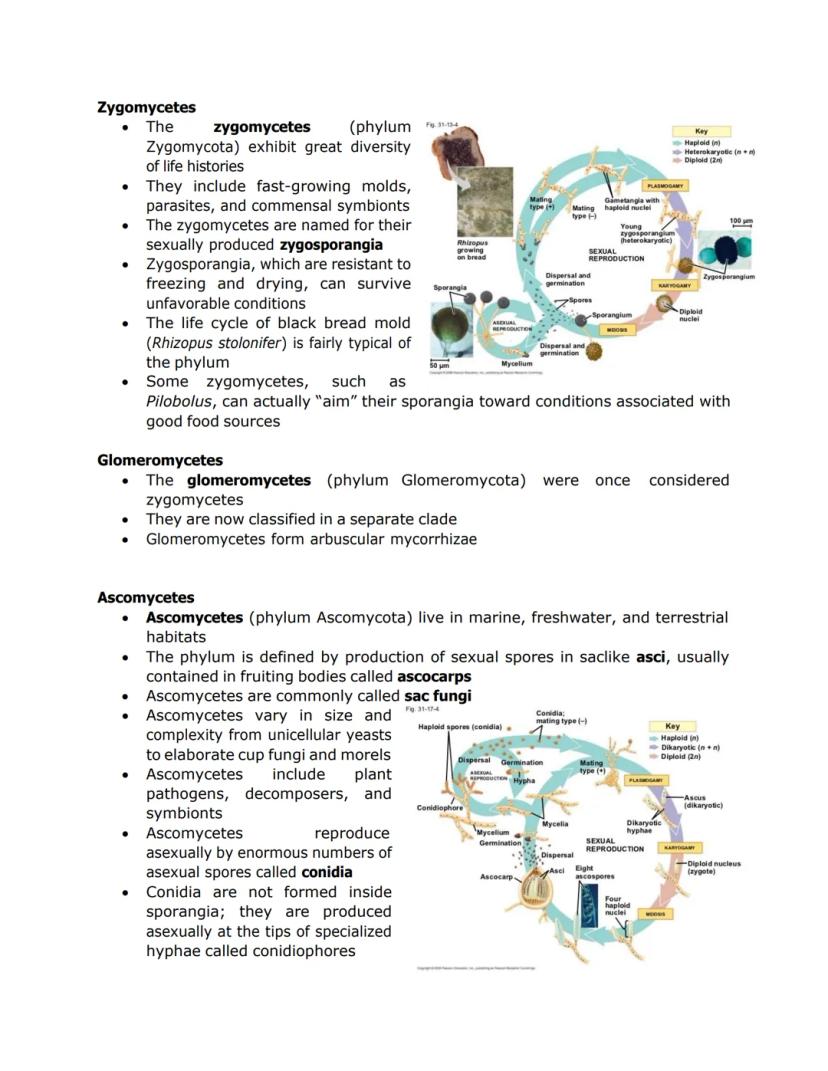
Zygomycetes (phylum Zygomycota) include fast-growing molds like black bread mold. They're named for their sexually produced zygosporangia, which can survive harsh conditions like freezing and drying. Some zygomycetes like Pilobolus have evolved remarkable adaptations, including the ability to "aim" their spore-containing structures toward favorable environments.
Glomeromycetes (phylum Glomeromycota) were once classified as zygomycetes but now form their own group. Their most important characteristic is forming arbuscular mycorrhizae with plants, creating vital symbiotic relationships that help plants access nutrients.
Ascomycetes (phylum Ascomycota), or sac fungi, are the largest fungal group. They're defined by producing sexual spores in sac-like structures called asci, typically contained within fruiting bodies called ascocarps. Ascomycetes range from simple unicellular yeasts to complex structures like morels and cup fungi.
Ascomycetes reproduce asexually through spores called conidia, which form at the tips of specialized hyphae rather than inside containers. The bread mold Neurospora is an important model organism in this group, helping scientists understand fungal genetics.
Everyday connection: Every time you eat bread, cheese, or drink wine, you're benefiting from ascomycete fungi! They're crucial for these and many other food products.
6
of 8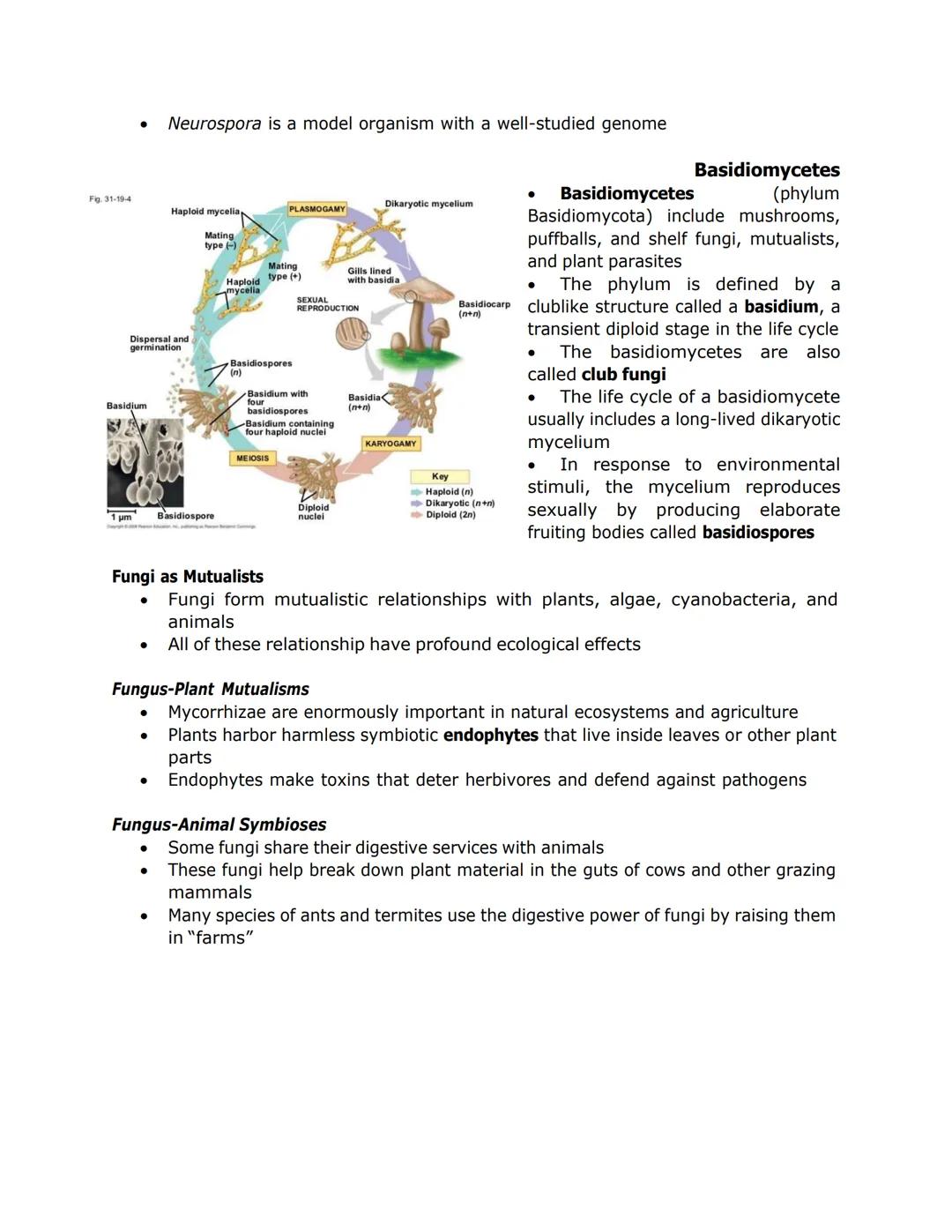
Basidiomycetes and Fungal Partnerships
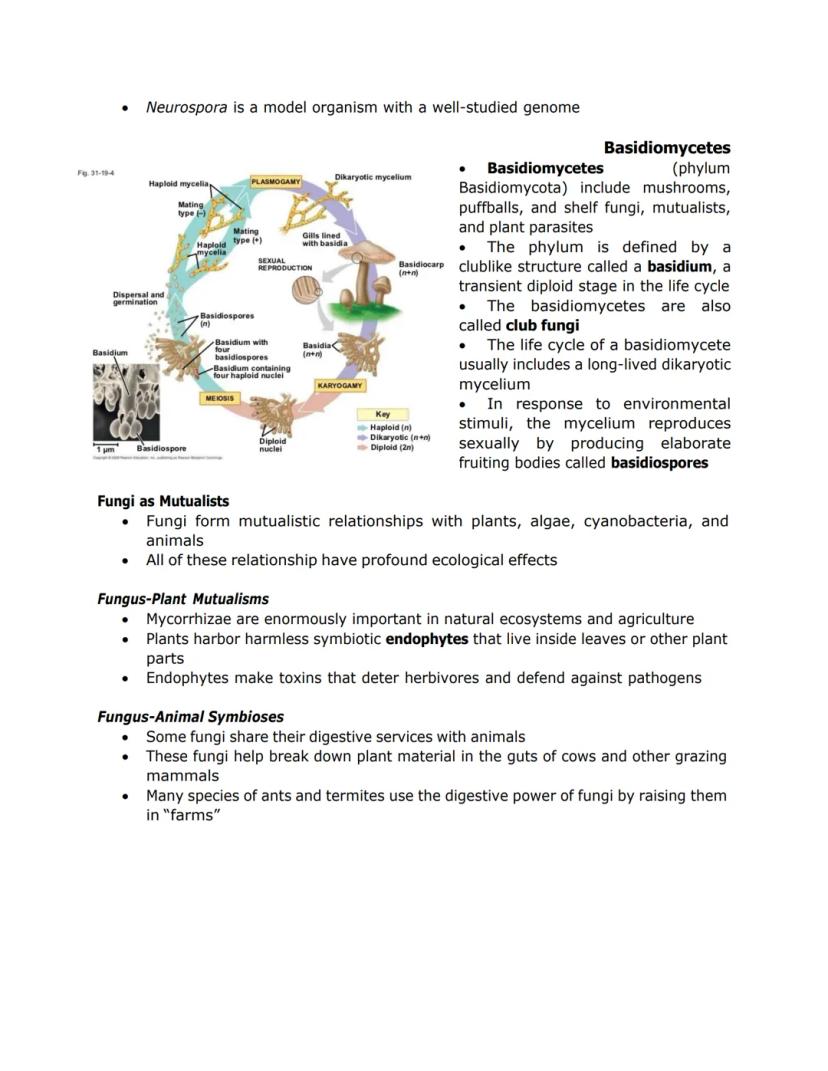
Basidiomycetes (phylum Basidiomycota), or club fungi, include familiar mushrooms, puffballs, and shelf fungi. They produce spores on club-shaped structures called basidia. Their life cycle typically includes a long-lived dikaryotic mycelium stage where cells contain two different nuclei that haven't fused.
When environmental conditions are right, basidiomycetes produce elaborate fruiting bodies (mushrooms) for reproduction. Within these structures, the dikaryotic cells finally undergo nuclear fusion (karyogamy), creating a brief diploid stage before meiosis produces haploid basidiospores.
Fungi form important mutualistic relationships with various organisms. With plants, they create mycorrhizal partnerships that enhance nutrient uptake. Some fungi live inside plant tissues as endophytes, producing toxins that help protect plants from herbivores and pathogens.
Fungi also form partnerships with animals. In ruminants like cows, certain fungi help break down plant material in the digestive tract. Some ants and termites have taken this relationship further, actively cultivating "fungal farms" to digest plant material.
Critical concept: Mutualism is a relationship where both organisms benefit. These fungal partnerships demonstrate how cooperation can be just as important as competition in evolution!
7
of 8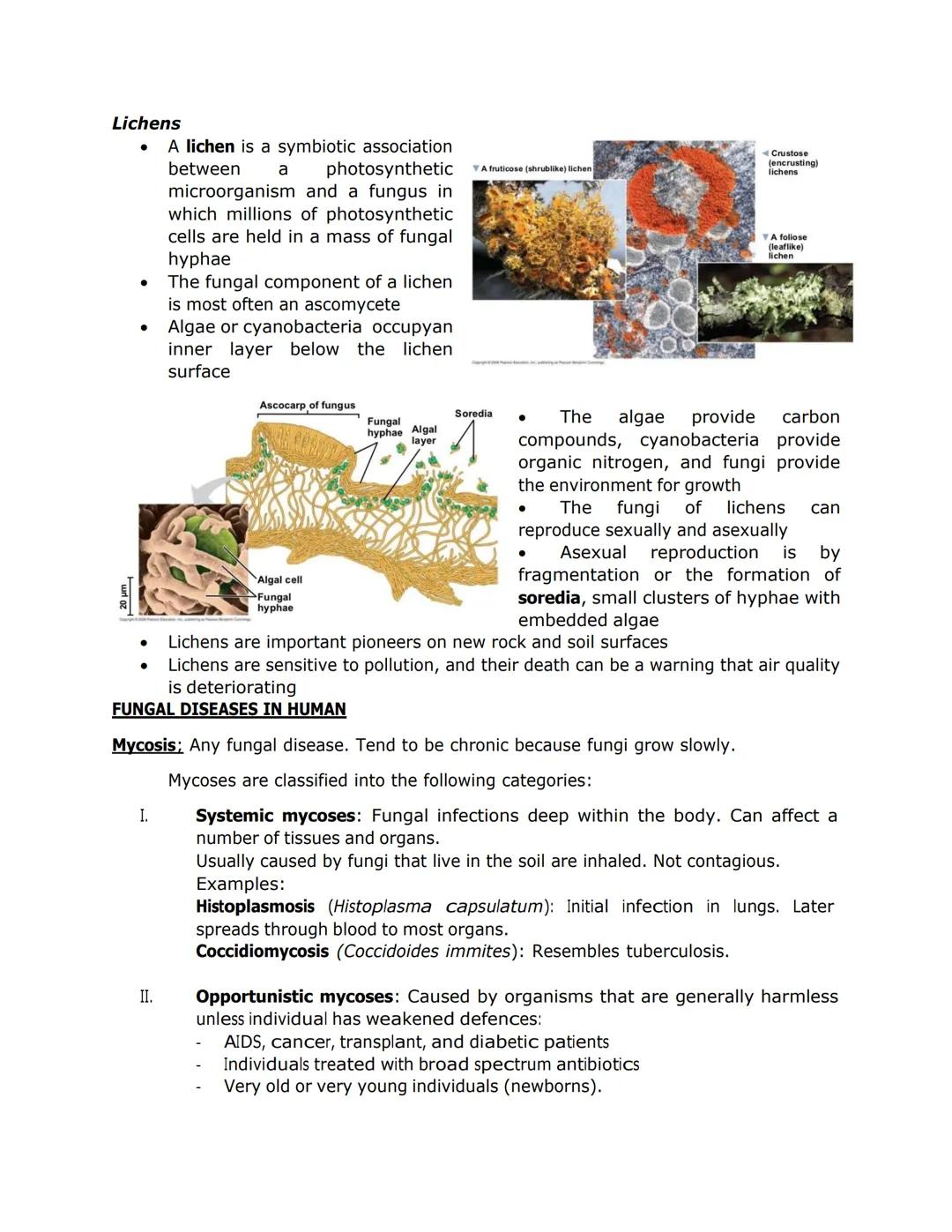
Lichens and Fungal Diseases
Lichens represent remarkable partnerships between fungi (usually ascomycetes) and photosynthetic organisms (algae or cyanobacteria). In this relationship, millions of photosynthetic cells are embedded in a protective network of fungal hyphae. Lichens come in different growth forms: crustose (flat and crusty), foliose (leafy), and fruticose (shrubby).
The photosynthetic partner provides carbon compounds while fungi create a protective environment. When cyanobacteria are involved, they also provide nitrogen compounds. Lichens can reproduce through fragmentation or through structures called soredia – small clusters of hyphae containing algal cells.
Lichens play crucial ecological roles as pioneers on new rock and soil surfaces. They're also extremely sensitive to air pollution, making them valuable bioindicators of environmental quality.
Fungi can cause various diseases in humans, collectively called mycoses. These include systemic infections that affect internal organs, opportunistic infections that target people with weakened immune systems, subcutaneous infections beneath the skin, and superficial infections of hair and skin.
Health alert: People with weakened immune systems (like those with AIDS, cancer, or diabetes) are particularly vulnerable to opportunistic fungal infections like aspergillosis and candidiasis.
8
of 8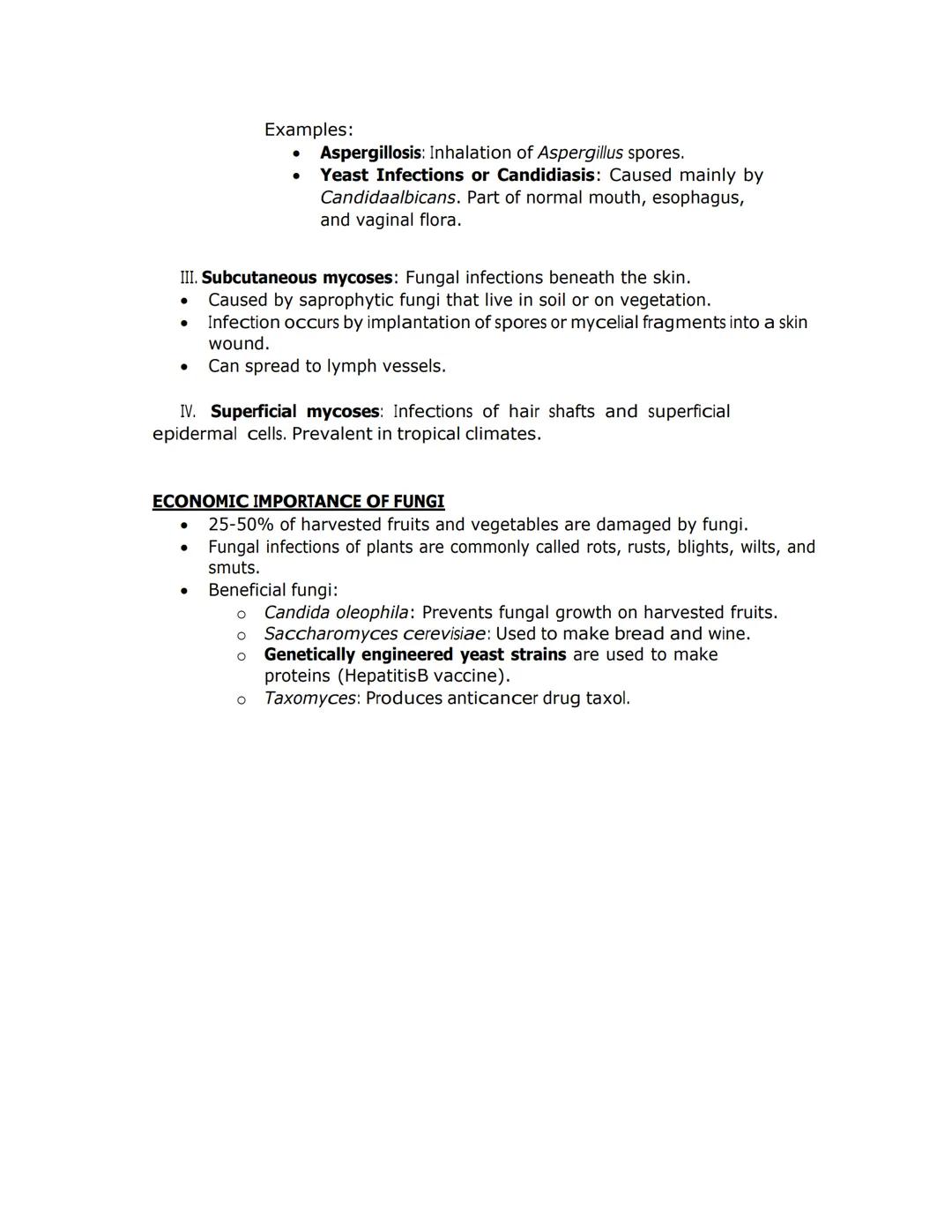
Fungi in Human Health and Economy
Opportunistic fungal infections pose serious threats to vulnerable populations. Aspergillosis occurs when people inhale Aspergillus spores, while candidiasis (yeast infections) is caused by Candida albicans, which normally lives harmlessly in the mouth, esophagus, and vagina but can overgrow when the body's balance is disrupted.
Subcutaneous mycoses develop when fungal spores enter wounds, potentially spreading to lymph vessels. Superficial mycoses affect hair and outer skin layers and are especially common in tropical climates.
Fungi have significant economic impacts, both negative and positive. They damage 25-50% of harvested fruits and vegetables, causing various plant diseases described as rots, rusts, blights, wilts, and smuts. However, beneficial fungi are equally important to our economy.
Certain fungi are incredibly valuable in human industries. Saccharomyces cerevisiae (baker's yeast) is essential for bread and wine production. Genetically engineered yeasts produce important proteins like Hepatitis B vaccines. Some fungi even produce valuable pharmaceuticals, like the anticancer drug taxol from Taxomyces.
Career connection: Mycology (the study of fungi) offers exciting career opportunities in fields ranging from medicine and agriculture to food science and environmental conservation!
We thought you’d never ask...
What is the Knowunity AI companion?
Our AI companion is specifically built for the needs of students. Based on the millions of content pieces we have on the platform we can provide truly meaningful and relevant answers to students. But its not only about answers, the companion is even more about guiding students through their daily learning challenges, with personalised study plans, quizzes or content pieces in the chat and 100% personalisation based on the students skills and developments.
Where can I download the Knowunity app?
You can download the app in the Google Play Store and in the Apple App Store.
Is Knowunity really free of charge?
That's right! Enjoy free access to study content, connect with fellow students, and get instant help – all at your fingertips.
Similar Content
Most popular content in Biology
9C
BiologyCell Organelles
This Quiz Is To Test Your Knowledge Of Cell Organelles And Their Functions Inside The Cell. It Can Also Be A Study Guide To Remember Them Better.
6th6710
B
Biologybiology cell organelles and functions
Do you know the cell organelles and their functions?
9th4410
M
BiologyMitosis and Cell Division Flashcards
These flashcards cover the basics of mitosis and why cell division occurs in the first place.
9th3390
D
BiologyDNA and RNA
Uncover the secrets of life with this comprehensive Biology flashcard set. Perfect for grade 10 students studying Living Environment.
10th1,0782
D
BiologyDiscover the Fascinating World of Living Organisms
Uncover the secrets of biology and explore the diverse and amazing life forms that inhabit our planet with this captivating flashcard set.
7th4380
A
BiologyAnimal and plant cell structure
Quiz on animal and plant cell structures
9th3240
D
BiologyDiscover Punnet Squares
Uncover the secrets of life with this comprehensive Biology flashcard set. Perfect for grade 10 students studying Living Environment.
10th3961
D
BiologyDNA
Parts of DNA
9th2970
S
BiologySteps of Cellular Respiration
3 basic steps and Molecule Vocab
9th2660
Most popular content
9O
 AP US History
Origins and Dynamics of the Columbian Exchange
Analyze the ecological and economic motivations behind the initial transfer of goods, people, and diseases between the Old and New Worlds.
9th3,1280
I
AP US HistoryIntroduction to Early Cultural Interactions
Analyze the initial social and religious encounters between Europeans, Africans, and Indigenous peoples in the colonial Americas.
9th2,7730
O
 AP World History
Origins of Ancient River Civilizations
Analyze the environmental factors and technological innovations that led to the rise of early states in Mesopotamia, Egypt, and the Indus Valley.
9th3,1870
M
AP US HistoryMotivations for European Exploration
Analyze the economic, religious, and political factors that drove European powers to the Americas during the 15th and 16th centuries.
9th1,7780
F
 AP Psychology
Foundations of Ethical Guidelines in Research
Practice the core principles of the APA ethical code including informed consent, debriefing, and the role of Institutional Review Boards.
9th1,3360
I
AP US HistoryIntroduction to Native American Societies
Examine the diverse social, political, and economic structures of North American indigenous groups prior to European contact.
9th1,1100
I
AP BiologyIntroduction to Biological Elements of Life
Practice identifying the essential elements including carbon, nitrogen, phosphorus, and sulfur that compose biological macromolecules.
9th1,7390
I
AP US HistoryIntroduction to the Spanish Encomienda System
Explore the fundamental economic and social structures of the Spanish colonial system, focusing on the encomienda and the casta social hierarchy.
9th8890
O
AP World HistoryOrigins and Continuity of the Byzantine Empire
Analyze the political and cultural transitions from the Roman Empire to the Byzantine Empire, focusing on the reign of Justinian I and his code.
9th1,6320
Can't find what you're looking for? Explore other subjects.
Students love us — and so will you.
4.6/5App Store
4.7/5Google Play
The app is very easy to use and well designed. I have found everything I was looking for so far and have been able to learn a lot from the presentations! I will definitely use the app for a class assignment! And of course it also helps a lot as an inspiration.
Stefan SiOS user
This app is really great. There are so many study notes and help [...]. My problem subject is French, for example, and the app has so many options for help. Thanks to this app, I have improved my French. I would recommend it to anyone.
Samantha KlichAndroid user
Wow, I am really amazed. I just tried the app because I've seen it advertised many times and was absolutely stunned. This app is THE HELP you want for school and above all, it offers so many things, such as workouts and fact sheets, which have been VERY helpful to me personally.
AnnaiOS user
Biology61 views·Updated Jun 12, 2026·8 pagesUnderstanding Fungi: Reproduction, Origins, and Human Diseases
Jasy Rodriguez@jasyrodriguez_fpij
Fungi are fascinating organisms that play crucial roles in our environment, from breaking down organic matter to forming vital partnerships with plants and animals. They range from single-celled yeasts to complex mushrooms, all sharing unique characteristics that set them apart...
1
of 8
Sign up to see the content. It's free!
- Access to all documents
- Improve your grades
- Join milions of students
Fungal Structure and Organization
Fungi grow as networks of threadlike structures called hyphae that collectively form a mycelium. These hyphae come in two main types: septate and coenocytic. Septate hyphae have cross-walls (septa) with pores that allow organelles to move between cells, while coenocytic hyphae lack these dividing walls.
The mycelium is the vegetative body of the fungus, spreading through soil, wood, or other substrates. This extensive network helps fungi absorb nutrients efficiently from their surroundings. From this network, fungi produce specialized reproductive structures that release spores.
Some fungi develop specialized structures for specific functions. For example, mycorrhizal fungi form special relationships with plant roots, creating structures that help both organisms thrive.
Did you know? A single fungal mycelium can become enormous! The largest living organism on Earth is actually a honey fungus in Oregon whose mycelium spans nearly 4 square miles!
2
of 8Sign up to see the content. It's free!
- Access to all documents
- Improve your grades
- Join milions of students
Specialized Fungal Structures and Reproduction
Some fungi develop haustoria, specialized hyphae that penetrate host tissues to extract nutrients. These structures help parasitic fungi access resources from plants or even trap and kill small animals like nematodes. These adaptations show how fungi have evolved to exploit various food sources.
Mycorrhizae represent crucial partnerships between fungi and plant roots. In ectomycorrhizal relationships, fungi form sheaths around roots and grow between root cells. In arbuscular mycorrhizae, fungal hyphae actually penetrate root cell walls, creating exchange structures within the cells themselves.
Fungi reproduce through spores, which can be produced either sexually or asexually. Sexual reproduction in fungi is unique and complex. It begins with plasmogamy (cytoplasm fusion) between different mating types, followed by a stage where two different nuclei coexist in the same cells (heterokaryotic stage). Eventually, karyogamy occurs when nuclei fuse, creating a brief diploid stage before meiosis produces haploid spores.
Remember: Unlike animals, fungi spend most of their life cycle in a haploid state, with only brief diploid phases during sexual reproduction!
3
of 8Sign up to see the content. It's free!
- Access to all documents
- Improve your grades
- Join milions of students
Fungal Life Cycles and Reproduction
After plasmogamy, fungi often exist in a heterokaryon state, where nuclei from different parents live together without fusing. In some fungi, these nuclei pair up in a dikaryotic arrangement. The time between plasmogamy and karyogamy (nuclear fusion) varies tremendously – it can take hours or even centuries!
Yeasts are single-celled fungi that reproduce asexually through a process called budding, where new cells pinch off from parent cells. This simple process allows yeasts to rapidly multiply in moist environments. Many molds and yeasts have no known sexual stage and were traditionally called "imperfect fungi" or deuteromycetes.
Filamentous fungi have diverse reproductive strategies. They can reproduce asexually through fragmentation of hyphae or by producing specialized spores from aerial hyphae. These spores come in several types: conidiospores (not enclosed in sacs), chlamydospores , and sporangiospores (formed within sacs called sporangia).
Fun fact: While asexual spores create genetic clones of the parent, sexual spores combine genetic material from two parents, creating genetically unique offspring – just like in humans!
4
of 8Sign up to see the content. It's free!
- Access to all documents
- Improve your grades
- Join milions of students
Fungal Evolution and Diversity
Fungi belong to the opisthokont clade, which also includes animals and some protists. This evolutionary relationship explains why fungi are actually more closely related to animals than to plants! Molecular analyses have helped scientists understand how different fungal groups evolved, though some relationships remain unclear.
The fungal kingdom includes five major phyla with distinct characteristics. Chytridiomycota (chytrids) are unique among fungi for having flagellated spores called zoospores. They live in freshwater and terrestrial habitats and likely represent an early branch of fungal evolution.
Chytrids were once thought to be the only fungi with flagella, but recent molecular evidence suggests a more complex evolutionary history. Some organisms classified as chytrids are actually more closely related to zygomycetes, making chytrids a paraphyletic group (a group that doesn't include all descendants of a common ancestor).
Think about it: The presence of flagellated spores in chytrids provides a fascinating evolutionary link between fungi and their single-celled ancestors that lived in aquatic environments!
5
of 8Sign up to see the content. It's free!
- Access to all documents
- Improve your grades
- Join milions of students
Major Fungal Groups
Zygomycetes (phylum Zygomycota) include fast-growing molds like black bread mold. They're named for their sexually produced zygosporangia, which can survive harsh conditions like freezing and drying. Some zygomycetes like Pilobolus have evolved remarkable adaptations, including the ability to "aim" their spore-containing structures toward favorable environments.
Glomeromycetes (phylum Glomeromycota) were once classified as zygomycetes but now form their own group. Their most important characteristic is forming arbuscular mycorrhizae with plants, creating vital symbiotic relationships that help plants access nutrients.
Ascomycetes (phylum Ascomycota), or sac fungi, are the largest fungal group. They're defined by producing sexual spores in sac-like structures called asci, typically contained within fruiting bodies called ascocarps. Ascomycetes range from simple unicellular yeasts to complex structures like morels and cup fungi.
Ascomycetes reproduce asexually through spores called conidia, which form at the tips of specialized hyphae rather than inside containers. The bread mold Neurospora is an important model organism in this group, helping scientists understand fungal genetics.
Everyday connection: Every time you eat bread, cheese, or drink wine, you're benefiting from ascomycete fungi! They're crucial for these and many other food products.
6
of 8Sign up to see the content. It's free!
- Access to all documents
- Improve your grades
- Join milions of students
Basidiomycetes and Fungal Partnerships
Basidiomycetes (phylum Basidiomycota), or club fungi, include familiar mushrooms, puffballs, and shelf fungi. They produce spores on club-shaped structures called basidia. Their life cycle typically includes a long-lived dikaryotic mycelium stage where cells contain two different nuclei that haven't fused.
When environmental conditions are right, basidiomycetes produce elaborate fruiting bodies (mushrooms) for reproduction. Within these structures, the dikaryotic cells finally undergo nuclear fusion (karyogamy), creating a brief diploid stage before meiosis produces haploid basidiospores.
Fungi form important mutualistic relationships with various organisms. With plants, they create mycorrhizal partnerships that enhance nutrient uptake. Some fungi live inside plant tissues as endophytes, producing toxins that help protect plants from herbivores and pathogens.
Fungi also form partnerships with animals. In ruminants like cows, certain fungi help break down plant material in the digestive tract. Some ants and termites have taken this relationship further, actively cultivating "fungal farms" to digest plant material.
Critical concept: Mutualism is a relationship where both organisms benefit. These fungal partnerships demonstrate how cooperation can be just as important as competition in evolution!
7
of 8Sign up to see the content. It's free!
- Access to all documents
- Improve your grades
- Join milions of students
Lichens and Fungal Diseases
Lichens represent remarkable partnerships between fungi (usually ascomycetes) and photosynthetic organisms (algae or cyanobacteria). In this relationship, millions of photosynthetic cells are embedded in a protective network of fungal hyphae. Lichens come in different growth forms: crustose (flat and crusty), foliose (leafy), and fruticose (shrubby).
The photosynthetic partner provides carbon compounds while fungi create a protective environment. When cyanobacteria are involved, they also provide nitrogen compounds. Lichens can reproduce through fragmentation or through structures called soredia – small clusters of hyphae containing algal cells.
Lichens play crucial ecological roles as pioneers on new rock and soil surfaces. They're also extremely sensitive to air pollution, making them valuable bioindicators of environmental quality.
Fungi can cause various diseases in humans, collectively called mycoses. These include systemic infections that affect internal organs, opportunistic infections that target people with weakened immune systems, subcutaneous infections beneath the skin, and superficial infections of hair and skin.
Health alert: People with weakened immune systems (like those with AIDS, cancer, or diabetes) are particularly vulnerable to opportunistic fungal infections like aspergillosis and candidiasis.
8
of 8Sign up to see the content. It's free!
- Access to all documents
- Improve your grades
- Join milions of students
Fungi in Human Health and Economy
Opportunistic fungal infections pose serious threats to vulnerable populations. Aspergillosis occurs when people inhale Aspergillus spores, while candidiasis (yeast infections) is caused by Candida albicans, which normally lives harmlessly in the mouth, esophagus, and vagina but can overgrow when the body's balance is disrupted.
Subcutaneous mycoses develop when fungal spores enter wounds, potentially spreading to lymph vessels. Superficial mycoses affect hair and outer skin layers and are especially common in tropical climates.
Fungi have significant economic impacts, both negative and positive. They damage 25-50% of harvested fruits and vegetables, causing various plant diseases described as rots, rusts, blights, wilts, and smuts. However, beneficial fungi are equally important to our economy.
Certain fungi are incredibly valuable in human industries. Saccharomyces cerevisiae (baker's yeast) is essential for bread and wine production. Genetically engineered yeasts produce important proteins like Hepatitis B vaccines. Some fungi even produce valuable pharmaceuticals, like the anticancer drug taxol from Taxomyces.
Career connection: Mycology (the study of fungi) offers exciting career opportunities in fields ranging from medicine and agriculture to food science and environmental conservation!
We thought you’d never ask...
What is the Knowunity AI companion?
Our AI companion is specifically built for the needs of students. Based on the millions of content pieces we have on the platform we can provide truly meaningful and relevant answers to students. But its not only about answers, the companion is even more about guiding students through their daily learning challenges, with personalised study plans, quizzes or content pieces in the chat and 100% personalisation based on the students skills and developments.
Where can I download the Knowunity app?
You can download the app in the Google Play Store and in the Apple App Store.
Is Knowunity really free of charge?
That's right! Enjoy free access to study content, connect with fellow students, and get instant help – all at your fingertips.
Similar Content
Most popular content in Biology
9C
BiologyCell Organelles
This Quiz Is To Test Your Knowledge Of Cell Organelles And Their Functions Inside The Cell. It Can Also Be A Study Guide To Remember Them Better.
6th6710
B
Biologybiology cell organelles and functions
Do you know the cell organelles and their functions?
9th4410
M
BiologyMitosis and Cell Division Flashcards
These flashcards cover the basics of mitosis and why cell division occurs in the first place.
9th3390
D
BiologyDNA and RNA
Uncover the secrets of life with this comprehensive Biology flashcard set. Perfect for grade 10 students studying Living Environment.
10th1,0782
D
BiologyDiscover the Fascinating World of Living Organisms
Uncover the secrets of biology and explore the diverse and amazing life forms that inhabit our planet with this captivating flashcard set.
7th4380
A
BiologyAnimal and plant cell structure
Quiz on animal and plant cell structures
9th3240
D
BiologyDiscover Punnet Squares
Uncover the secrets of life with this comprehensive Biology flashcard set. Perfect for grade 10 students studying Living Environment.
10th3961
D
BiologyDNA
Parts of DNA
9th2970
S
BiologySteps of Cellular Respiration
3 basic steps and Molecule Vocab
9th2660
Most popular content
9O
AP US HistoryOrigins and Dynamics of the Columbian Exchange
Analyze the ecological and economic motivations behind the initial transfer of goods, people, and diseases between the Old and New Worlds.
9th3,1280
I
AP US HistoryIntroduction to Early Cultural Interactions
Analyze the initial social and religious encounters between Europeans, Africans, and Indigenous peoples in the colonial Americas.
9th2,7730
O
AP World HistoryOrigins of Ancient River Civilizations
Analyze the environmental factors and technological innovations that led to the rise of early states in Mesopotamia, Egypt, and the Indus Valley.
9th3,1870
M
AP US HistoryMotivations for European Exploration
Analyze the economic, religious, and political factors that drove European powers to the Americas during the 15th and 16th centuries.
9th1,7780
F
AP PsychologyFoundations of Ethical Guidelines in Research
Practice the core principles of the APA ethical code including informed consent, debriefing, and the role of Institutional Review Boards.
9th1,3360
I
AP US HistoryIntroduction to Native American Societies
Examine the diverse social, political, and economic structures of North American indigenous groups prior to European contact.
9th1,1100
I
AP BiologyIntroduction to Biological Elements of Life
Practice identifying the essential elements including carbon, nitrogen, phosphorus, and sulfur that compose biological macromolecules.
9th1,7390
I
AP US HistoryIntroduction to the Spanish Encomienda System
Explore the fundamental economic and social structures of the Spanish colonial system, focusing on the encomienda and the casta social hierarchy.
9th8890
O
AP World HistoryOrigins and Continuity of the Byzantine Empire
Analyze the political and cultural transitions from the Roman Empire to the Byzantine Empire, focusing on the reign of Justinian I and his code.
9th1,6320
Can't find what you're looking for? Explore other subjects.
Students love us — and so will you.
4.6/5App Store
4.7/5Google Play
The app is very easy to use and well designed. I have found everything I was looking for so far and have been able to learn a lot from the presentations! I will definitely use the app for a class assignment! And of course it also helps a lot as an inspiration.
Stefan SiOS user
This app is really great. There are so many study notes and help [...]. My problem subject is French, for example, and the app has so many options for help. Thanks to this app, I have improved my French. I would recommend it to anyone.
Samantha KlichAndroid user
Wow, I am really amazed. I just tried the app because I've seen it advertised many times and was absolutely stunned. This app is THE HELP you want for school and above all, it offers so many things, such as workouts and fact sheets, which have been VERY helpful to me personally.
AnnaiOS user