
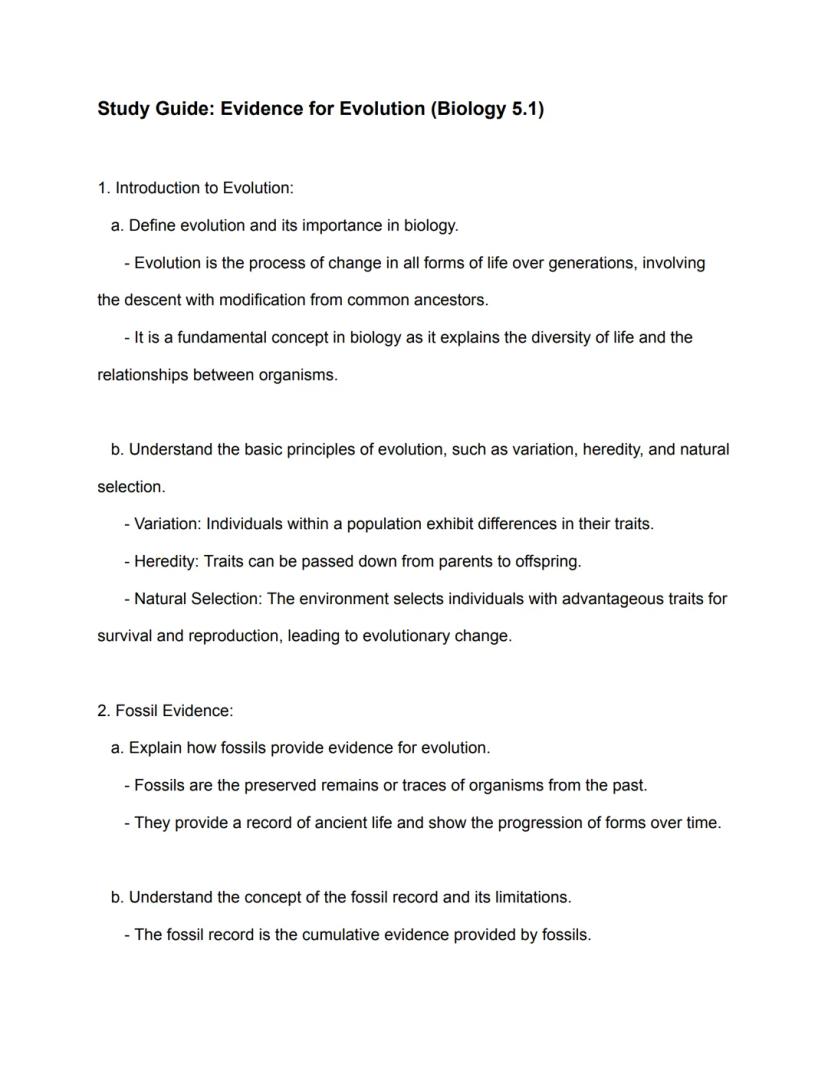
Evolution is the process of change in all forms of...
 Biology128 views·Updated Jun 19, 2026·8 pages
Understanding the Evidence of Evolution
�
🦖Jay 🦖@jay_wqba
1 / 8
1
of 8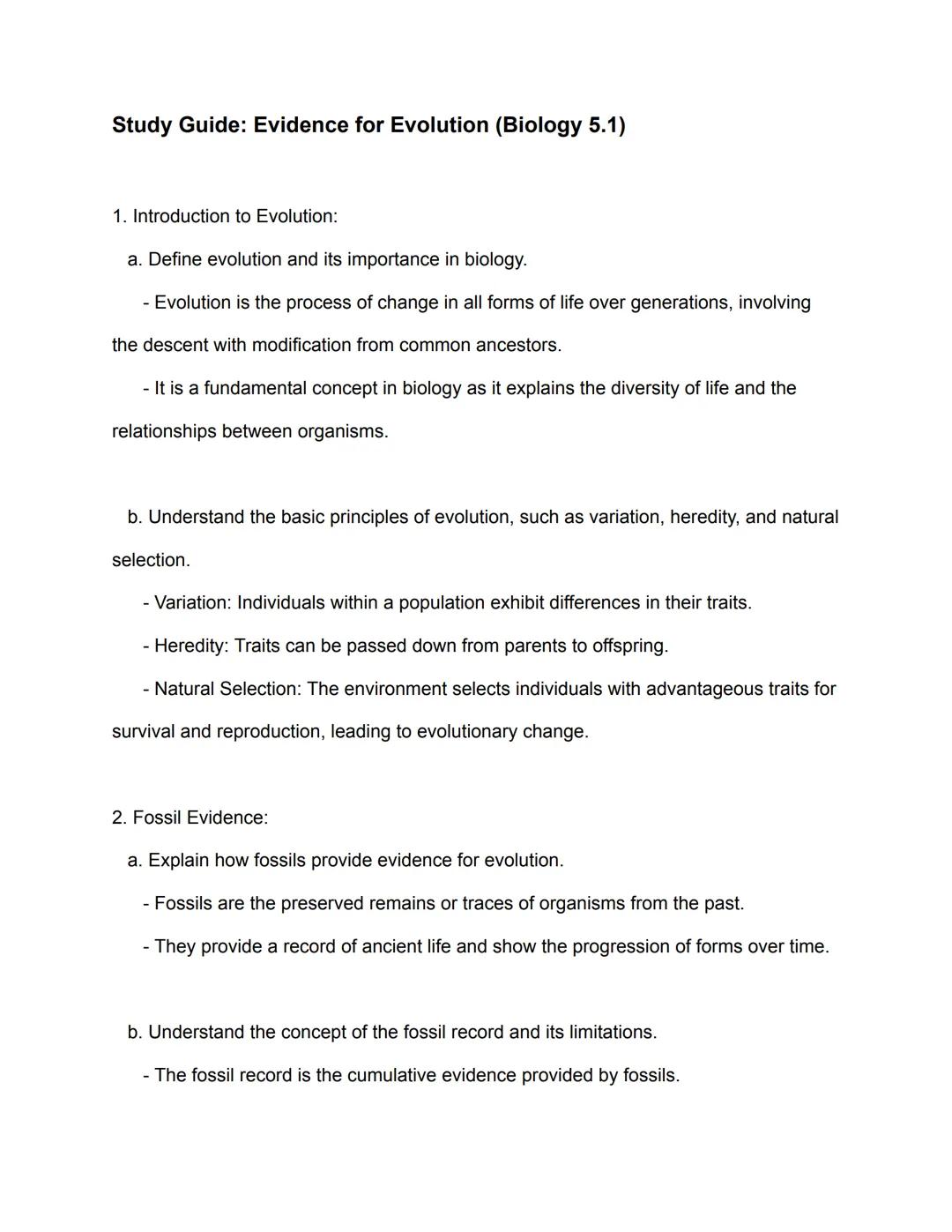
Foundations of Evolution
Evolution is built on three key principles: variation among individuals in a population, heredity that allows traits to pass from parents to offspring, and natural selection where the environment favors individuals with advantageous traits. These mechanisms drive evolutionary change over generations, shaping the diversity of life we see today.
Fossils provide compelling evidence for evolution by preserving remains of ancient organisms. The fossil record documents the progression of life forms throughout Earth's history, showing how species have changed over time. Though incomplete due to the rarity of fossilization events, fossils still offer valuable glimpses into evolutionary history.
Did you know? Transitional fossils show intermediate traits between different groups of organisms, providing direct evidence of evolutionary change between major groups. Examples include Archaeopteryx (between dinosaurs and birds) and Tiktaalik (between fish and tetrapods).
2
of 8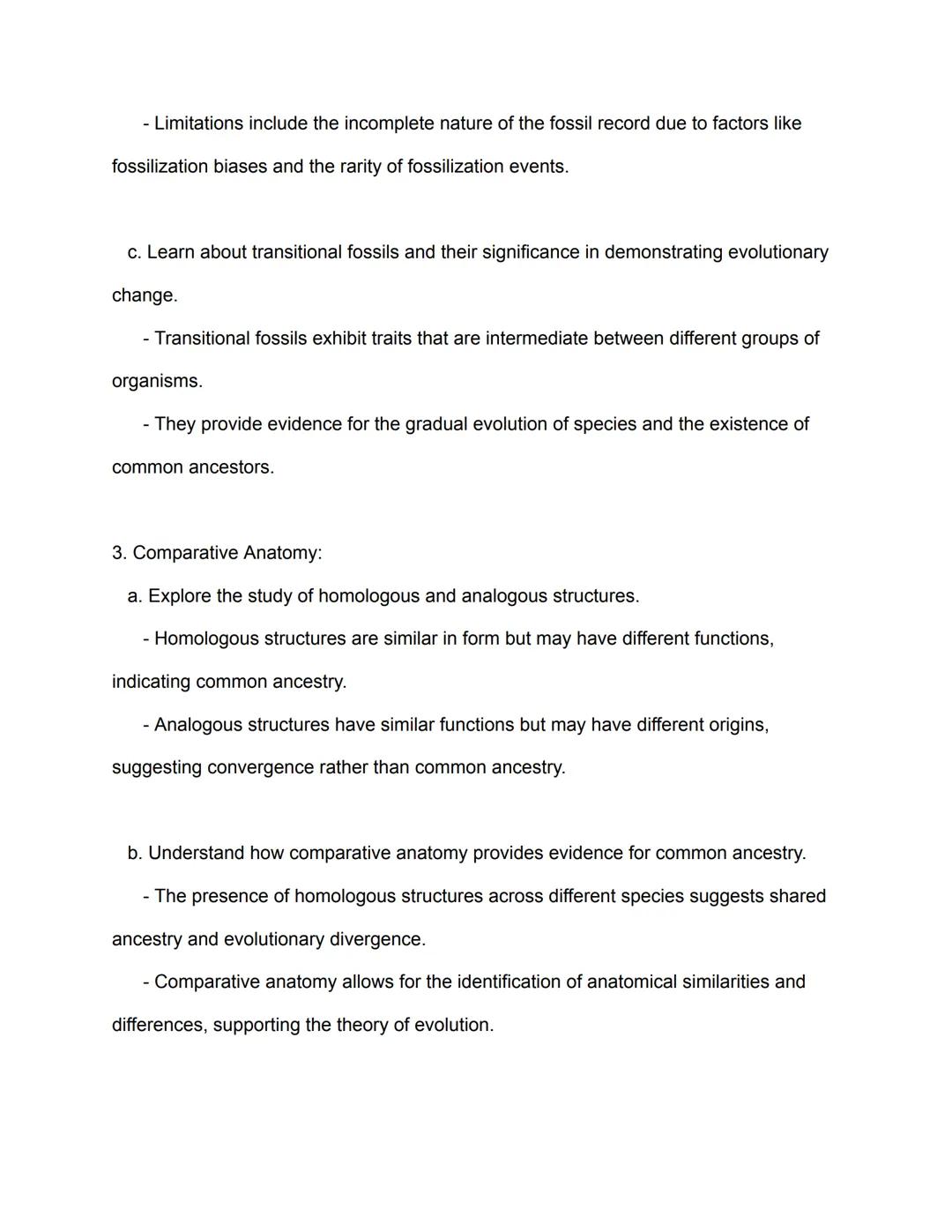
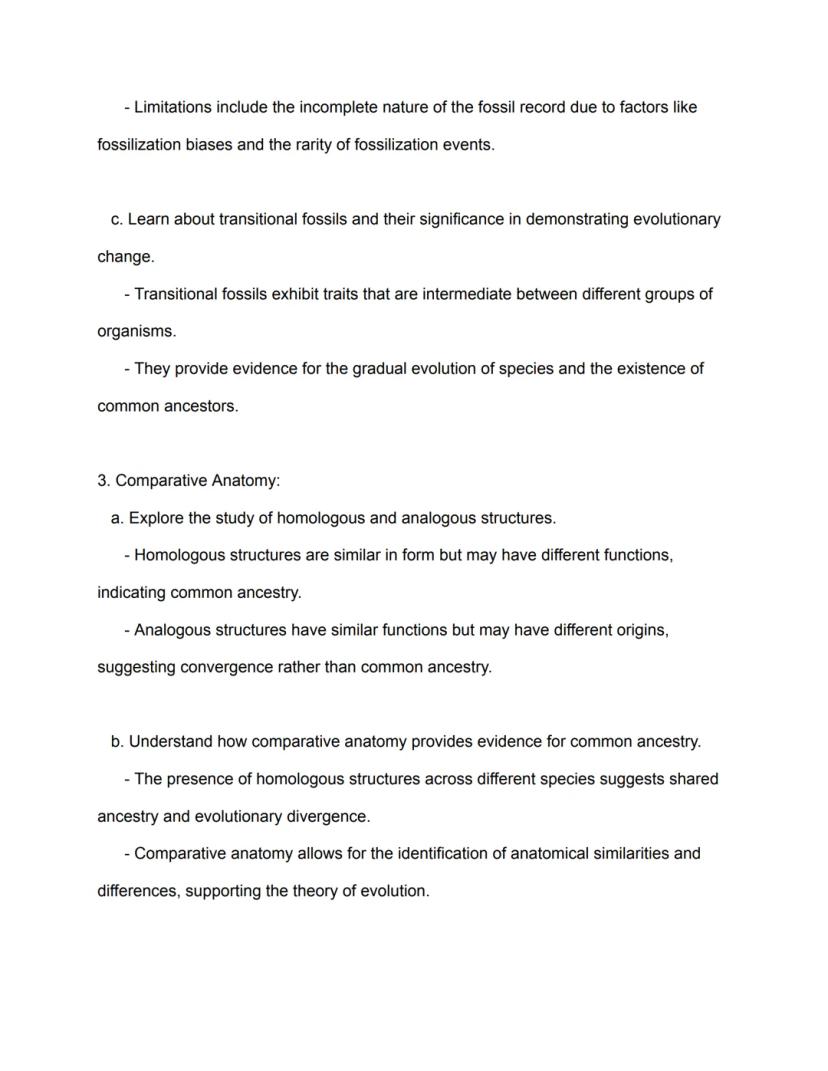
Anatomical Evidence
Comparative anatomy reveals important evolutionary relationships through similarities in body structures. Homologous structures like the forelimbs of mammals, birds, and reptiles have similar bone arrangements despite serving different functions—strong evidence they evolved from a common ancestor. In contrast, analogous structures like bat wings and insect wings evolved separately to serve similar functions.
Vestigial structures provide particularly compelling evidence for evolution. These reduced or functionless features, like the human appendix or whale pelvic bones, represent remnants of structures that were fully functional in ancestors. Their presence makes little sense except as evolutionary holdovers from our evolutionary past.
When examining embryonic development, scientists find remarkable similarities across different species. Early-stage embryos of fish, reptiles, birds, and mammals share features that later differentiate—evidence of shared evolutionary origins. While the concept that "ontogeny recapitulates phylogeny" (development retraces evolution) isn't entirely accurate, embryonic similarities do reflect evolutionary relationships.
3
of 8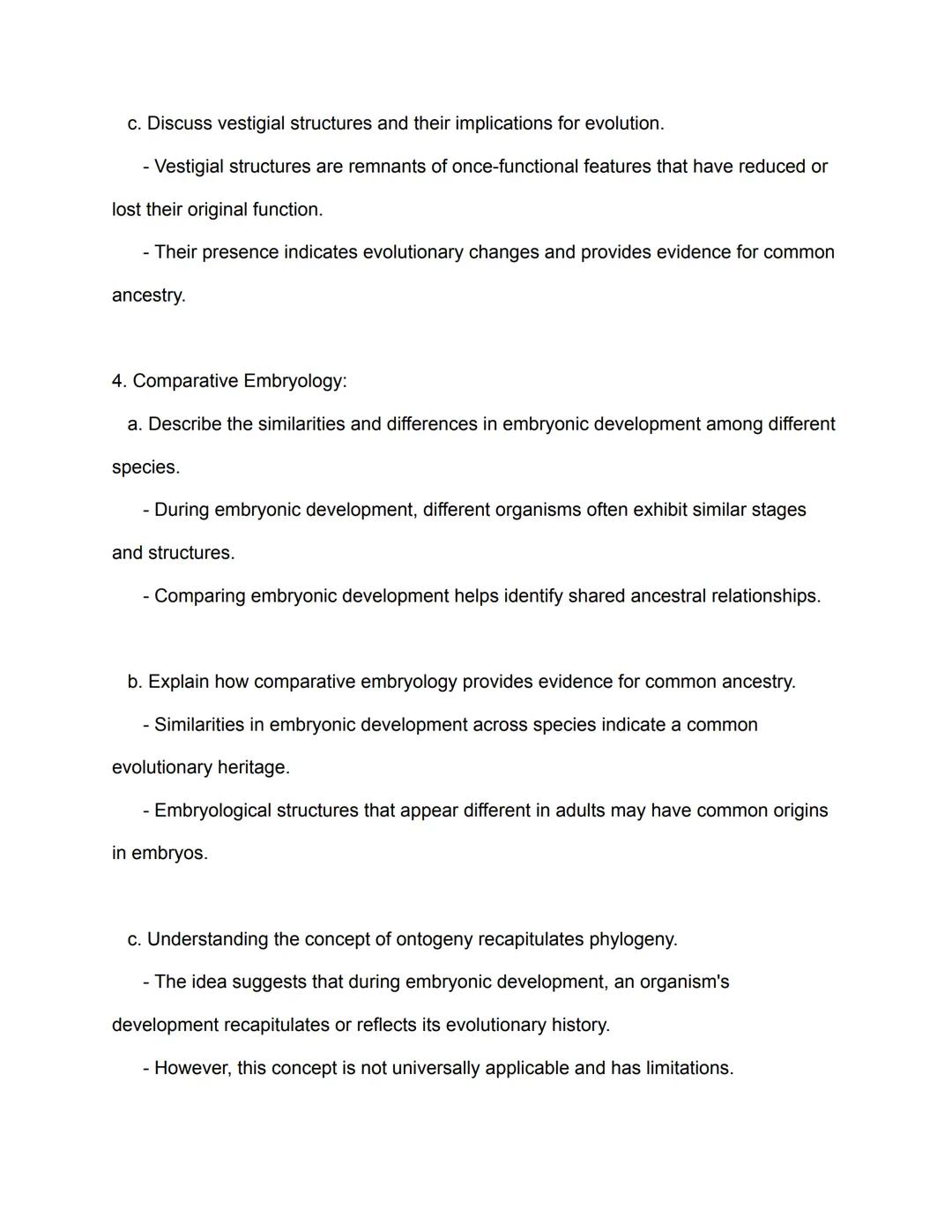
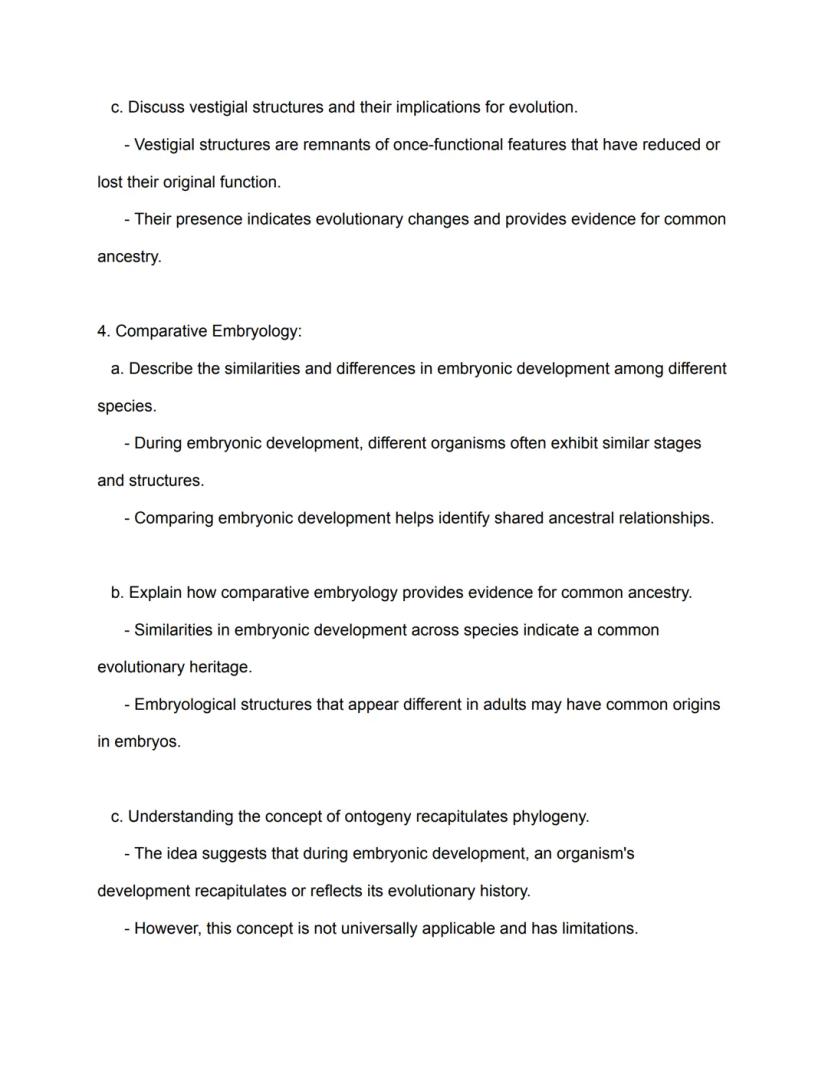
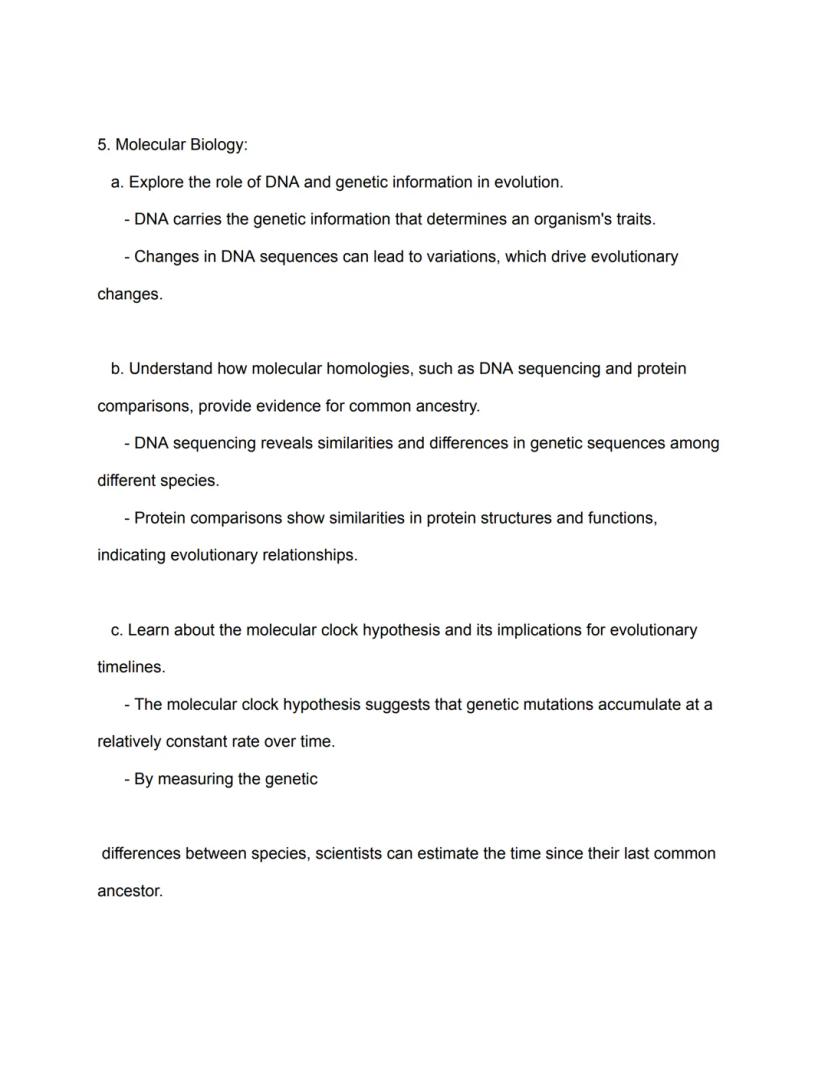
Molecular and Geographic Evidence
Molecular biology offers powerful evidence for evolution through DNA and protein comparisons. The more closely related two species are, the more similar their genetic material. DNA sequencing has revolutionized our understanding of evolutionary relationships, often confirming and sometimes refining what we've learned from other evidence.
The molecular clock hypothesis suggests genetic mutations accumulate at relatively constant rates, allowing scientists to estimate when species diverged from common ancestors. This molecular dating complements fossil evidence and helps construct evolutionary timelines with greater precision.
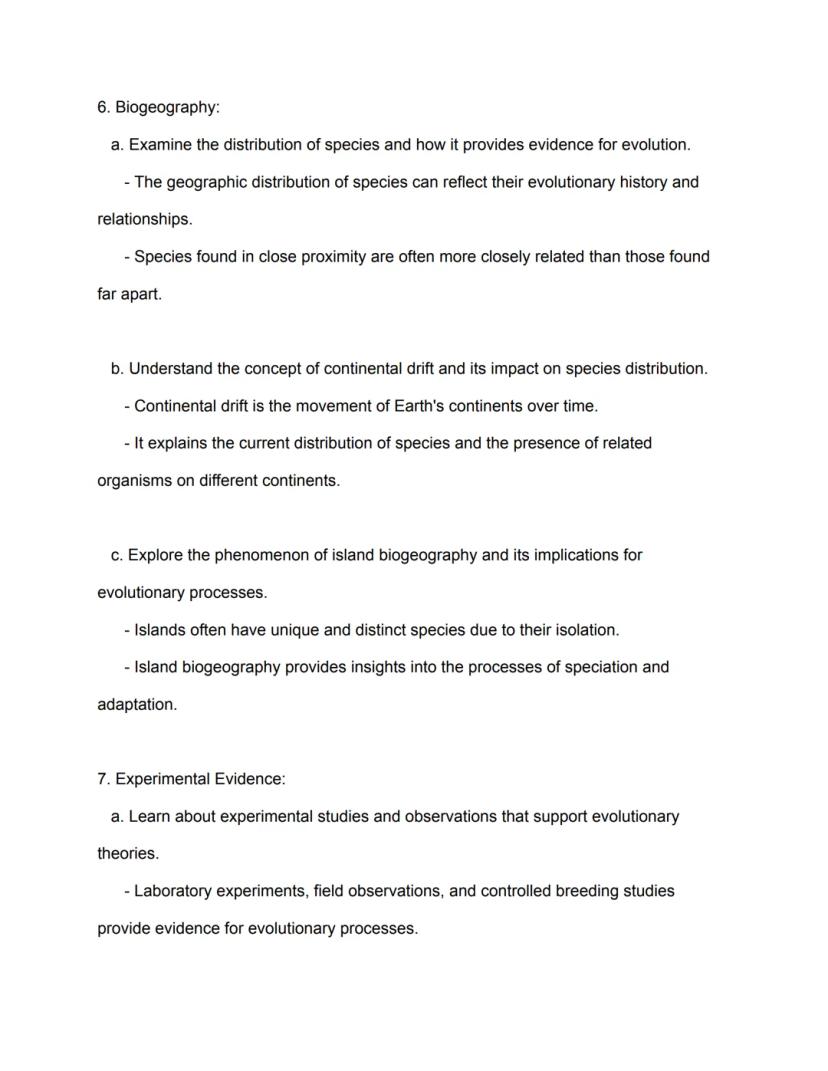
Biogeography—the geographic distribution of species—provides additional evidence for evolution. Related species often occupy neighboring regions unless separated by significant barriers. Continental drift explains why similar fossils appear on now-distant continents, and island species frequently evolve unique characteristics due to isolation.
Think about it: The unique animals of Australia (marsupials) and the Galápagos Islands (Darwin's finches) demonstrate how geographic isolation drives evolutionary divergence, creating perfect natural laboratories for studying evolution in action.
4
of 8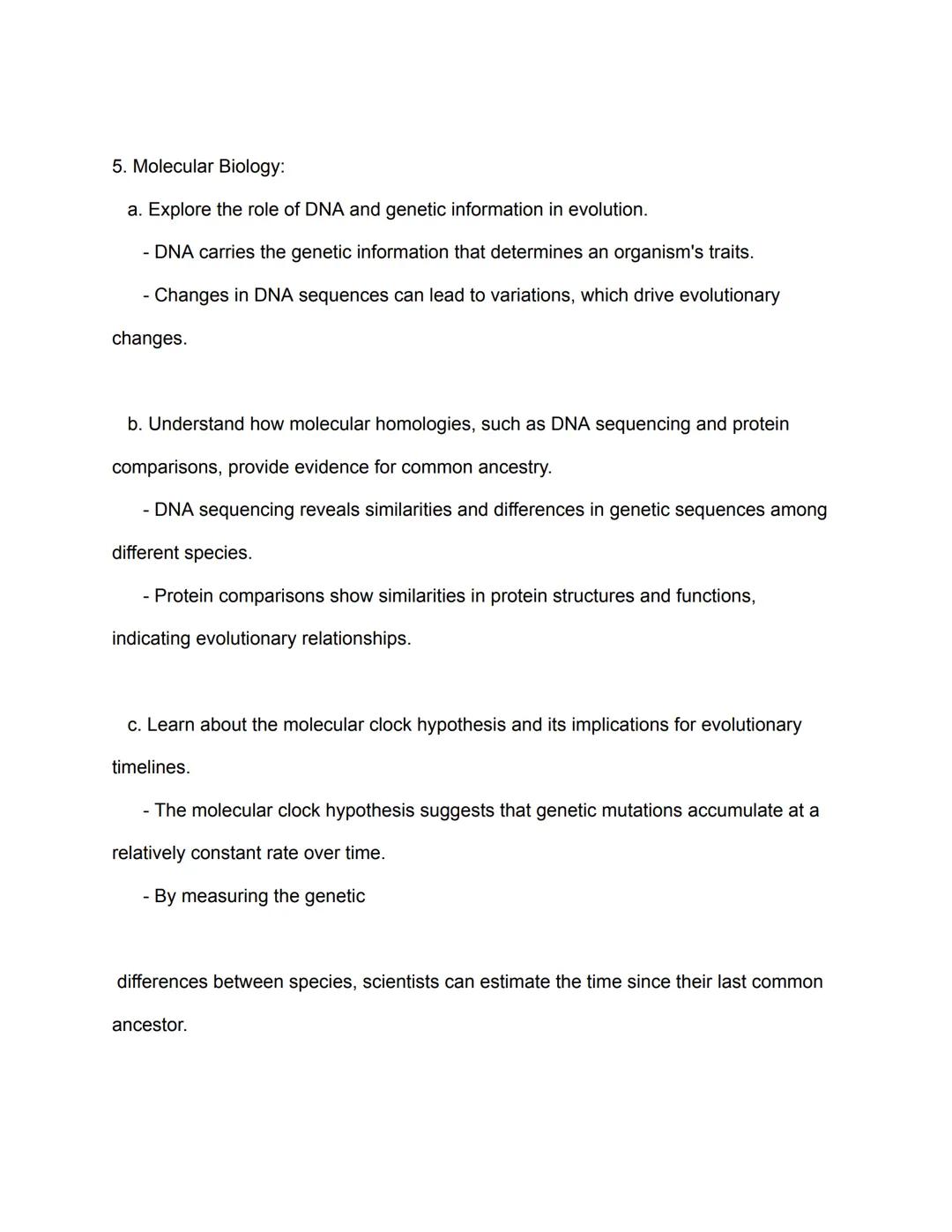
Experimental and Contemporary Evidence
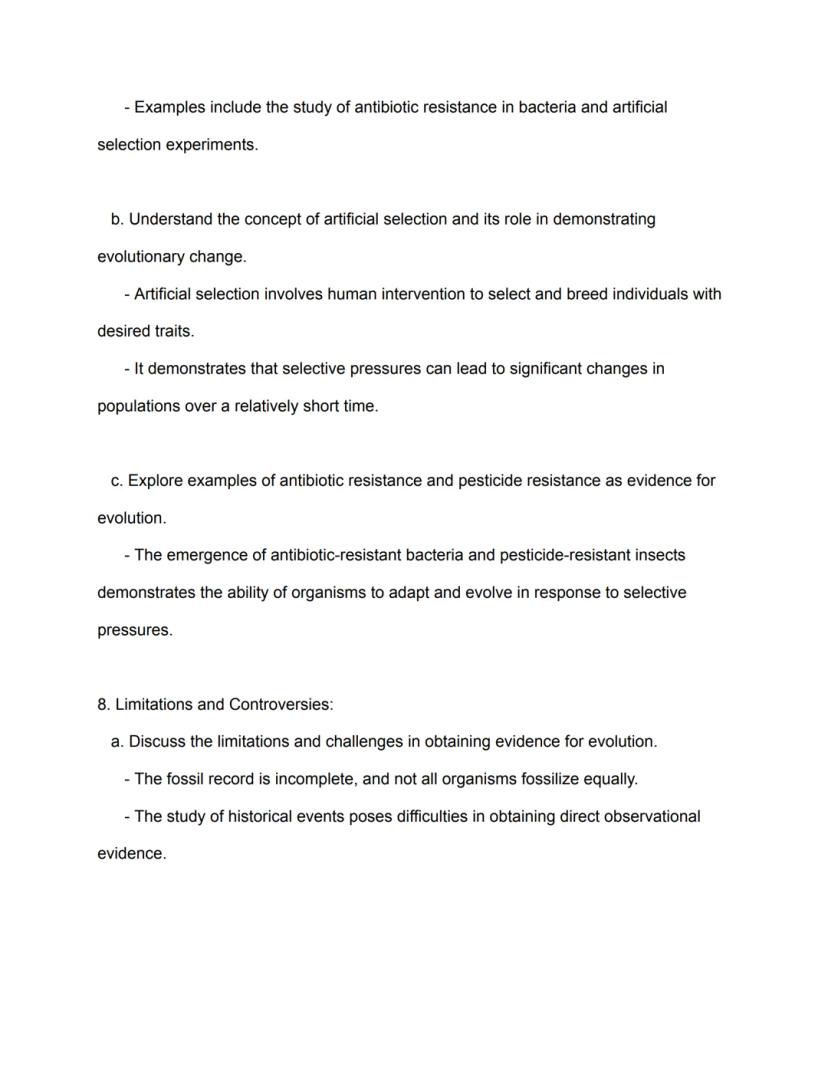
Evolution isn't just about the distant past—we can observe it happening today. Experiments with fast-reproducing organisms demonstrate natural selection in real-time. The development of antibiotic resistance in bacteria and pesticide resistance in insects shows evolution occurring in response to human-created selective pressures.
Artificial selection offers additional proof of evolutionary principles. The dramatic differences between dog breeds—all descended from wolves through human-directed breeding—demonstrate how selection can produce major changes in relatively short timeframes. Agricultural breeding programs have similarly transformed wild plants into the crops we depend on today.
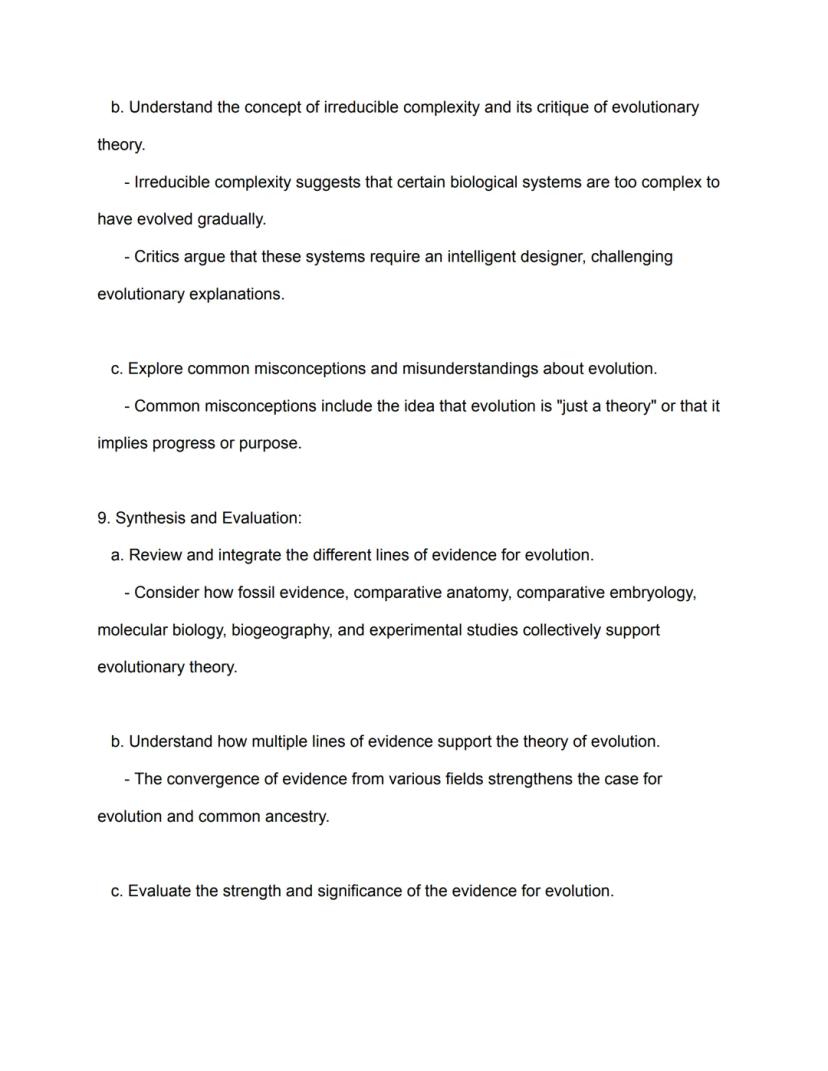
While some criticize evolutionary theory by pointing to concepts like irreducible complexity—the idea that some biological systems are too complex to have evolved gradually—scientists have found evolutionary pathways for even highly complex systems. Multiple lines of evidence from different fields converge to support evolution, making it one of science's most robust theories.
5
of 8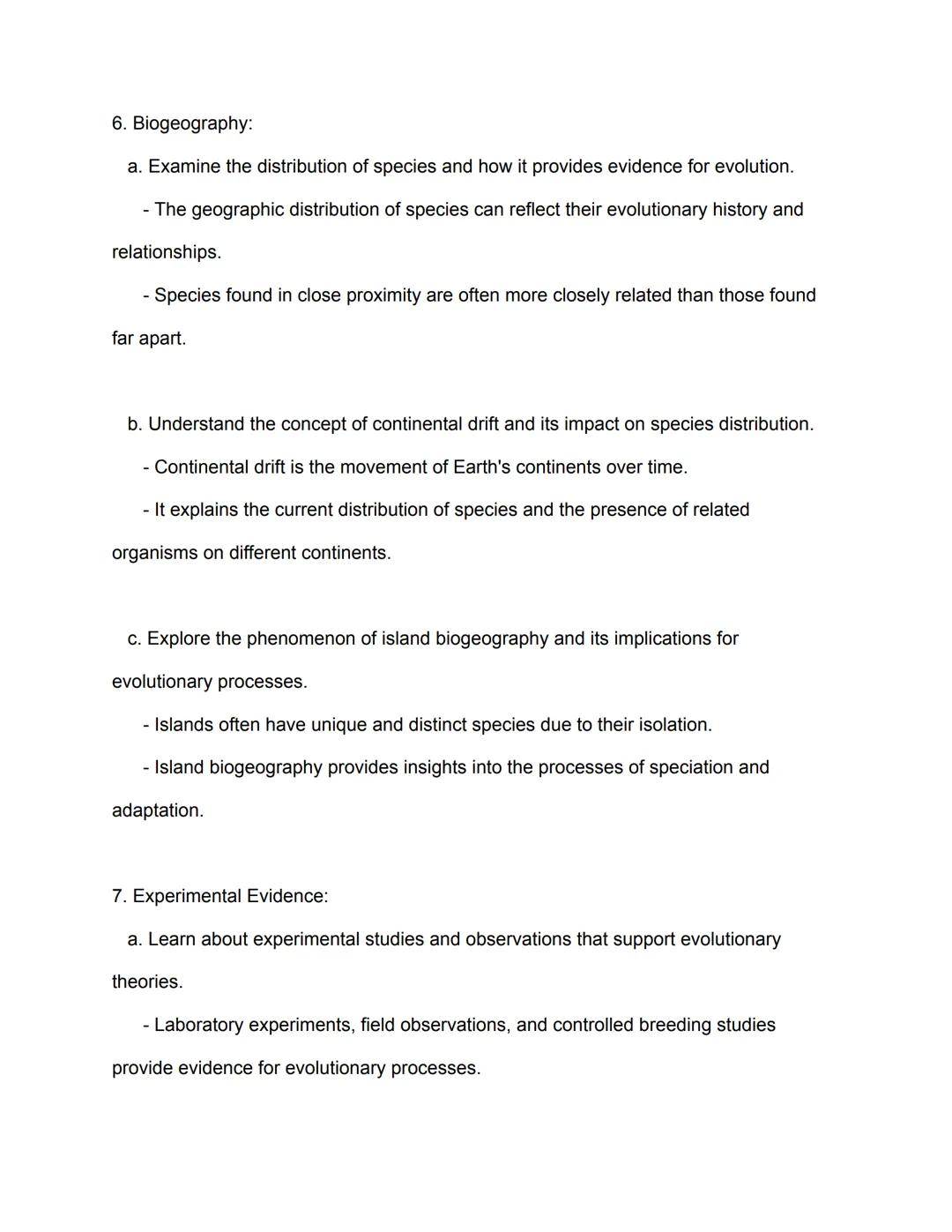
Practical Applications of Evolutionary Theory
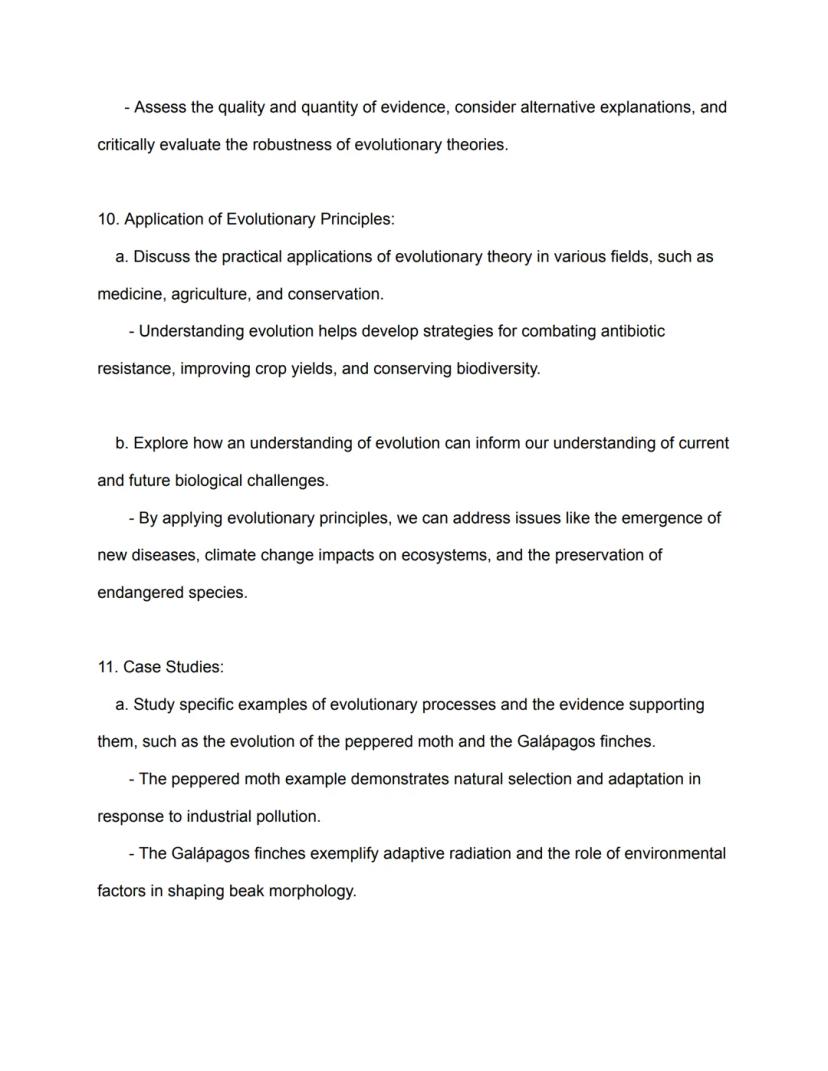
Understanding evolution has profound practical applications. In medicine, evolutionary principles guide our response to emerging diseases and help develop strategies against antibiotic resistance. Agricultural scientists apply evolutionary concepts to crop improvement and pest management. Conservation biologists use evolutionary insights to preserve biodiversity and predict how species might respond to environmental changes.
Famous case studies illustrate evolution in action. The peppered moth story shows how industrial pollution created selection pressure favoring dark-colored moths over light-colored ones in polluted areas—a textbook example of natural selection. Darwin's Galápagos finches demonstrate how isolation leads to adaptive radiation as species evolve to fill different ecological niches.
You can see evolution's influence all around you—from the emergence of new flu strains each year to the incredible diversity of life on our planet. By understanding evolution, you gain insight into not just where life came from, but where it might be headed in our rapidly changing world.
Pro tip: When studying evolution, remember it's not about "believing" but understanding the evidence. Evolution is supported by converging evidence from geology, genetics, anatomy, embryology, and direct observation—making it as well-established as any scientific theory.
6
of 8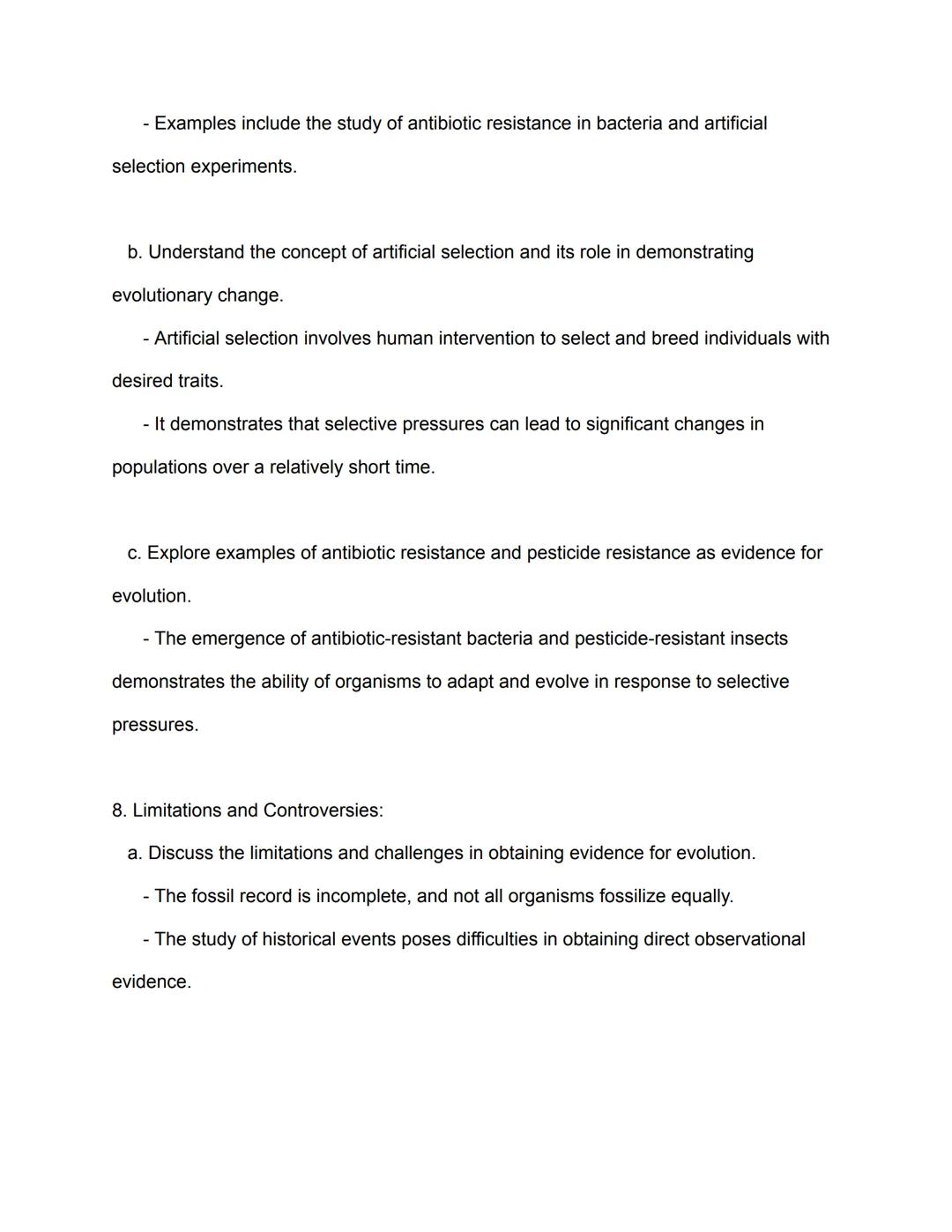
7
of 8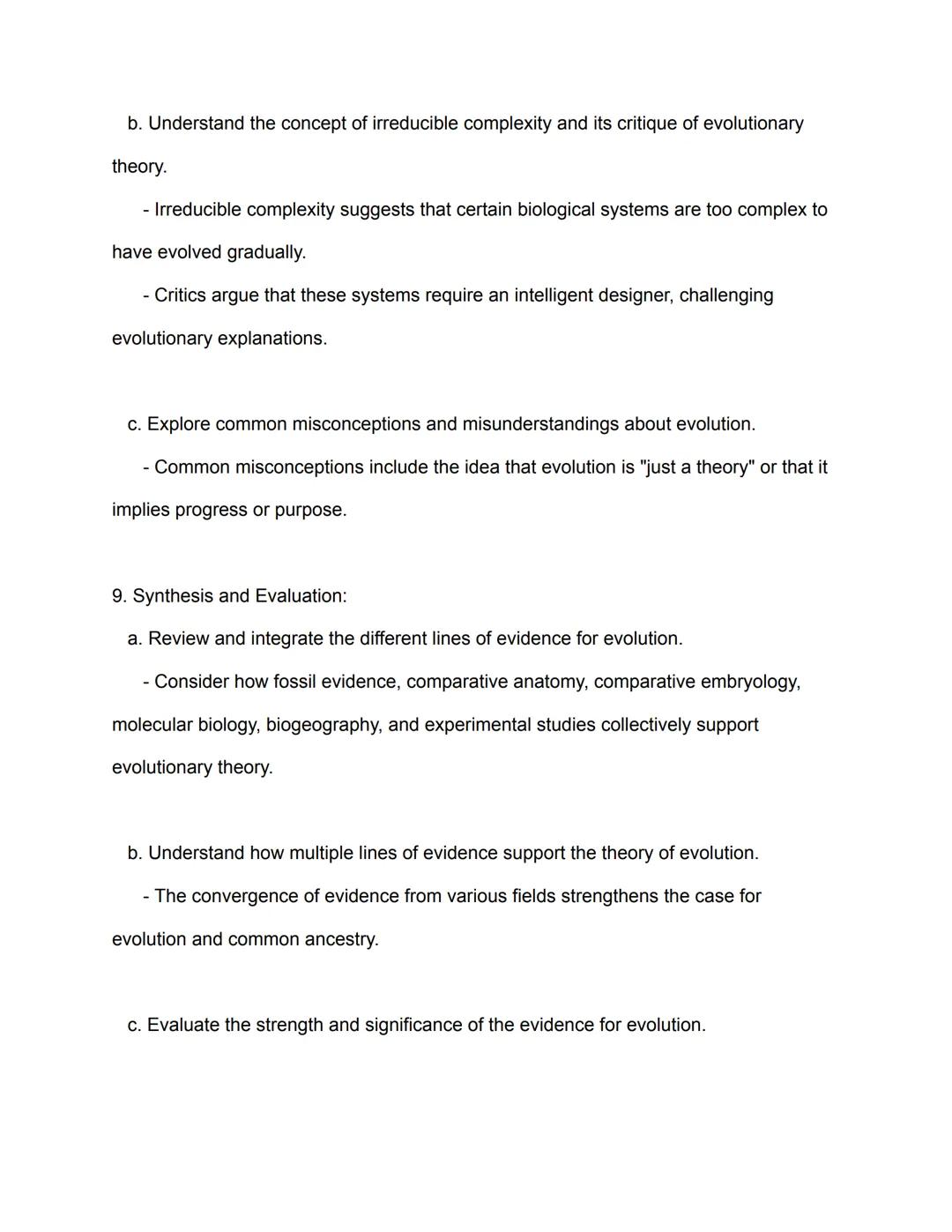
8
of 8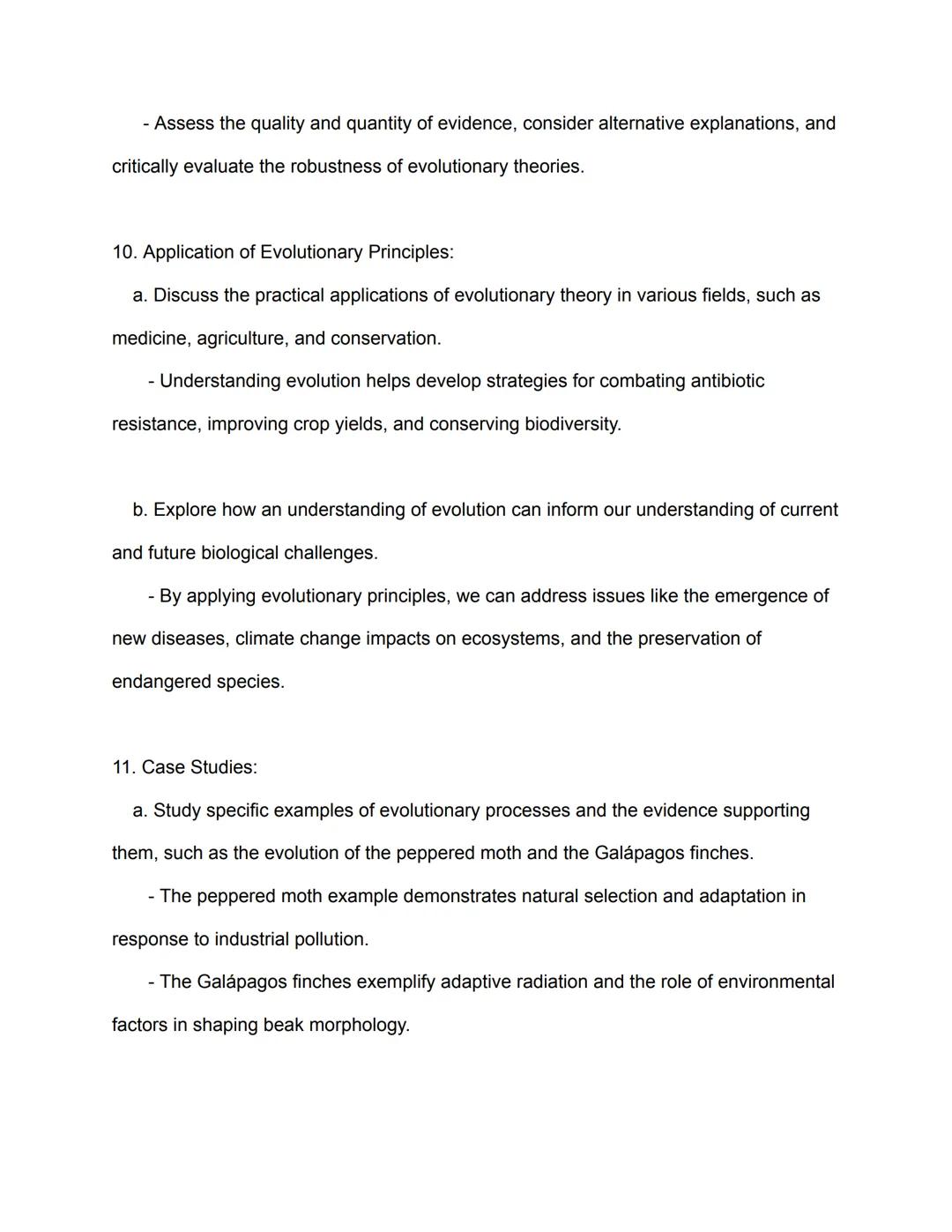
We thought you’d never ask...
What is the Knowunity AI companion?
Our AI companion is specifically built for the needs of students. Based on the millions of content pieces we have on the platform we can provide truly meaningful and relevant answers to students. But its not only about answers, the companion is even more about guiding students through their daily learning challenges, with personalised study plans, quizzes or content pieces in the chat and 100% personalisation based on the students skills and developments.
Where can I download the Knowunity app?
You can download the app in the Google Play Store and in the Apple App Store.
Is Knowunity really free of charge?
That's right! Enjoy free access to study content, connect with fellow students, and get instant help – all at your fingertips.
Similar Content
 Environmental Science
Most popular content in Biology
9C
BiologyCell Organelles
This Quiz Is To Test Your Knowledge Of Cell Organelles And Their Functions Inside The Cell. It Can Also Be A Study Guide To Remember Them Better.
6th6710
B
Biologybiology cell organelles and functions
Do you know the cell organelles and their functions?
9th4410
M
BiologyMitosis and Cell Division Flashcards
These flashcards cover the basics of mitosis and why cell division occurs in the first place.
9th3390
D
BiologyDNA and RNA
Uncover the secrets of life with this comprehensive Biology flashcard set. Perfect for grade 10 students studying Living Environment.
10th1,0782
D
BiologyDiscover the Fascinating World of Living Organisms
Uncover the secrets of biology and explore the diverse and amazing life forms that inhabit our planet with this captivating flashcard set.
7th4380
A
BiologyAnimal and plant cell structure
Quiz on animal and plant cell structures
9th3240
D
BiologyDiscover Punnet Squares
Uncover the secrets of life with this comprehensive Biology flashcard set. Perfect for grade 10 students studying Living Environment.
10th3961
D
BiologyDNA
Parts of DNA
9th2970
S
BiologySteps of Cellular Respiration
3 basic steps and Molecule Vocab
9th2660
Most popular content
9O
 AP US History
Origins and Dynamics of the Columbian Exchange
Analyze the ecological and economic motivations behind the initial transfer of goods, people, and diseases between the Old and New Worlds.
9th3,1280
I
AP US HistoryIntroduction to Early Cultural Interactions
Analyze the initial social and religious encounters between Europeans, Africans, and Indigenous peoples in the colonial Americas.
9th2,7730
O
 AP World History
Origins of Ancient River Civilizations
Analyze the environmental factors and technological innovations that led to the rise of early states in Mesopotamia, Egypt, and the Indus Valley.
9th3,1870
M
AP US HistoryMotivations for European Exploration
Analyze the economic, religious, and political factors that drove European powers to the Americas during the 15th and 16th centuries.
9th1,7780
F
 AP Psychology
Foundations of Ethical Guidelines in Research
Practice the core principles of the APA ethical code including informed consent, debriefing, and the role of Institutional Review Boards.
9th1,3360
I
AP US HistoryIntroduction to Native American Societies
Examine the diverse social, political, and economic structures of North American indigenous groups prior to European contact.
9th1,1100
I
AP BiologyIntroduction to Biological Elements of Life
Practice identifying the essential elements including carbon, nitrogen, phosphorus, and sulfur that compose biological macromolecules.
9th1,7390
I
AP US HistoryIntroduction to the Spanish Encomienda System
Explore the fundamental economic and social structures of the Spanish colonial system, focusing on the encomienda and the casta social hierarchy.
9th8890
O
AP World HistoryOrigins and Continuity of the Byzantine Empire
Analyze the political and cultural transitions from the Roman Empire to the Byzantine Empire, focusing on the reign of Justinian I and his code.
9th1,6320
Can't find what you're looking for? Explore other subjects.
Students love us — and so will you.
4.6/5App Store
4.7/5Google Play
The app is very easy to use and well designed. I have found everything I was looking for so far and have been able to learn a lot from the presentations! I will definitely use the app for a class assignment! And of course it also helps a lot as an inspiration.
Stefan SiOS user
This app is really great. There are so many study notes and help [...]. My problem subject is French, for example, and the app has so many options for help. Thanks to this app, I have improved my French. I would recommend it to anyone.
Samantha KlichAndroid user
Wow, I am really amazed. I just tried the app because I've seen it advertised many times and was absolutely stunned. This app is THE HELP you want for school and above all, it offers so many things, such as workouts and fact sheets, which have been VERY helpful to me personally.
AnnaiOS user
Biology128 views·Updated Jun 19, 2026·8 pagesUnderstanding the Evidence of Evolution
�
🦖Jay 🦖@jay_wqba
Evolution is the process of change in all forms of life over generations, explaining the diversity and relationships between organisms through descent with modification from common ancestors. This fundamental biological concept helps us understand how species develop and adapt over...
1
of 8
Sign up to see the content. It's free!
- Access to all documents
- Improve your grades
- Join milions of students
Foundations of Evolution
Evolution is built on three key principles: variation among individuals in a population, heredity that allows traits to pass from parents to offspring, and natural selection where the environment favors individuals with advantageous traits. These mechanisms drive evolutionary change over generations, shaping the diversity of life we see today.
Fossils provide compelling evidence for evolution by preserving remains of ancient organisms. The fossil record documents the progression of life forms throughout Earth's history, showing how species have changed over time. Though incomplete due to the rarity of fossilization events, fossils still offer valuable glimpses into evolutionary history.
Did you know? Transitional fossils show intermediate traits between different groups of organisms, providing direct evidence of evolutionary change between major groups. Examples include Archaeopteryx (between dinosaurs and birds) and Tiktaalik (between fish and tetrapods).
2
of 8Sign up to see the content. It's free!
- Access to all documents
- Improve your grades
- Join milions of students
Anatomical Evidence
Comparative anatomy reveals important evolutionary relationships through similarities in body structures. Homologous structures like the forelimbs of mammals, birds, and reptiles have similar bone arrangements despite serving different functions—strong evidence they evolved from a common ancestor. In contrast, analogous structures like bat wings and insect wings evolved separately to serve similar functions.
Vestigial structures provide particularly compelling evidence for evolution. These reduced or functionless features, like the human appendix or whale pelvic bones, represent remnants of structures that were fully functional in ancestors. Their presence makes little sense except as evolutionary holdovers from our evolutionary past.
When examining embryonic development, scientists find remarkable similarities across different species. Early-stage embryos of fish, reptiles, birds, and mammals share features that later differentiate—evidence of shared evolutionary origins. While the concept that "ontogeny recapitulates phylogeny" (development retraces evolution) isn't entirely accurate, embryonic similarities do reflect evolutionary relationships.
3
of 8Sign up to see the content. It's free!
- Access to all documents
- Improve your grades
- Join milions of students
Molecular and Geographic Evidence
Molecular biology offers powerful evidence for evolution through DNA and protein comparisons. The more closely related two species are, the more similar their genetic material. DNA sequencing has revolutionized our understanding of evolutionary relationships, often confirming and sometimes refining what we've learned from other evidence.
The molecular clock hypothesis suggests genetic mutations accumulate at relatively constant rates, allowing scientists to estimate when species diverged from common ancestors. This molecular dating complements fossil evidence and helps construct evolutionary timelines with greater precision.
Biogeography—the geographic distribution of species—provides additional evidence for evolution. Related species often occupy neighboring regions unless separated by significant barriers. Continental drift explains why similar fossils appear on now-distant continents, and island species frequently evolve unique characteristics due to isolation.
Think about it: The unique animals of Australia (marsupials) and the Galápagos Islands (Darwin's finches) demonstrate how geographic isolation drives evolutionary divergence, creating perfect natural laboratories for studying evolution in action.
4
of 8Sign up to see the content. It's free!
- Access to all documents
- Improve your grades
- Join milions of students
Experimental and Contemporary Evidence
Evolution isn't just about the distant past—we can observe it happening today. Experiments with fast-reproducing organisms demonstrate natural selection in real-time. The development of antibiotic resistance in bacteria and pesticide resistance in insects shows evolution occurring in response to human-created selective pressures.
Artificial selection offers additional proof of evolutionary principles. The dramatic differences between dog breeds—all descended from wolves through human-directed breeding—demonstrate how selection can produce major changes in relatively short timeframes. Agricultural breeding programs have similarly transformed wild plants into the crops we depend on today.
While some criticize evolutionary theory by pointing to concepts like irreducible complexity—the idea that some biological systems are too complex to have evolved gradually—scientists have found evolutionary pathways for even highly complex systems. Multiple lines of evidence from different fields converge to support evolution, making it one of science's most robust theories.
5
of 8Sign up to see the content. It's free!
- Access to all documents
- Improve your grades
- Join milions of students
Practical Applications of Evolutionary Theory
Understanding evolution has profound practical applications. In medicine, evolutionary principles guide our response to emerging diseases and help develop strategies against antibiotic resistance. Agricultural scientists apply evolutionary concepts to crop improvement and pest management. Conservation biologists use evolutionary insights to preserve biodiversity and predict how species might respond to environmental changes.
Famous case studies illustrate evolution in action. The peppered moth story shows how industrial pollution created selection pressure favoring dark-colored moths over light-colored ones in polluted areas—a textbook example of natural selection. Darwin's Galápagos finches demonstrate how isolation leads to adaptive radiation as species evolve to fill different ecological niches.
You can see evolution's influence all around you—from the emergence of new flu strains each year to the incredible diversity of life on our planet. By understanding evolution, you gain insight into not just where life came from, but where it might be headed in our rapidly changing world.
Pro tip: When studying evolution, remember it's not about "believing" but understanding the evidence. Evolution is supported by converging evidence from geology, genetics, anatomy, embryology, and direct observation—making it as well-established as any scientific theory.
6
of 8Sign up to see the content. It's free!
- Access to all documents
- Improve your grades
- Join milions of students
7
of 8Sign up to see the content. It's free!
- Access to all documents
- Improve your grades
- Join milions of students
8
of 8Sign up to see the content. It's free!
- Access to all documents
- Improve your grades
- Join milions of students
We thought you’d never ask...
What is the Knowunity AI companion?
Our AI companion is specifically built for the needs of students. Based on the millions of content pieces we have on the platform we can provide truly meaningful and relevant answers to students. But its not only about answers, the companion is even more about guiding students through their daily learning challenges, with personalised study plans, quizzes or content pieces in the chat and 100% personalisation based on the students skills and developments.
Where can I download the Knowunity app?
You can download the app in the Google Play Store and in the Apple App Store.
Is Knowunity really free of charge?
That's right! Enjoy free access to study content, connect with fellow students, and get instant help – all at your fingertips.
Similar Content
Most popular content in Biology
9C
BiologyCell Organelles
This Quiz Is To Test Your Knowledge Of Cell Organelles And Their Functions Inside The Cell. It Can Also Be A Study Guide To Remember Them Better.
6th6710
B
Biologybiology cell organelles and functions
Do you know the cell organelles and their functions?
9th4410
M
BiologyMitosis and Cell Division Flashcards
These flashcards cover the basics of mitosis and why cell division occurs in the first place.
9th3390
D
BiologyDNA and RNA
Uncover the secrets of life with this comprehensive Biology flashcard set. Perfect for grade 10 students studying Living Environment.
10th1,0782
D
BiologyDiscover the Fascinating World of Living Organisms
Uncover the secrets of biology and explore the diverse and amazing life forms that inhabit our planet with this captivating flashcard set.
7th4380
A
BiologyAnimal and plant cell structure
Quiz on animal and plant cell structures
9th3240
D
BiologyDiscover Punnet Squares
Uncover the secrets of life with this comprehensive Biology flashcard set. Perfect for grade 10 students studying Living Environment.
10th3961
D
BiologyDNA
Parts of DNA
9th2970
S
BiologySteps of Cellular Respiration
3 basic steps and Molecule Vocab
9th2660
Most popular content
9O
AP US HistoryOrigins and Dynamics of the Columbian Exchange
Analyze the ecological and economic motivations behind the initial transfer of goods, people, and diseases between the Old and New Worlds.
9th3,1280
I
AP US HistoryIntroduction to Early Cultural Interactions
Analyze the initial social and religious encounters between Europeans, Africans, and Indigenous peoples in the colonial Americas.
9th2,7730
O
AP World HistoryOrigins of Ancient River Civilizations
Analyze the environmental factors and technological innovations that led to the rise of early states in Mesopotamia, Egypt, and the Indus Valley.
9th3,1870
M
AP US HistoryMotivations for European Exploration
Analyze the economic, religious, and political factors that drove European powers to the Americas during the 15th and 16th centuries.
9th1,7780
F
AP PsychologyFoundations of Ethical Guidelines in Research
Practice the core principles of the APA ethical code including informed consent, debriefing, and the role of Institutional Review Boards.
9th1,3360
I
AP US HistoryIntroduction to Native American Societies
Examine the diverse social, political, and economic structures of North American indigenous groups prior to European contact.
9th1,1100
I
AP BiologyIntroduction to Biological Elements of Life
Practice identifying the essential elements including carbon, nitrogen, phosphorus, and sulfur that compose biological macromolecules.
9th1,7390
I
AP US HistoryIntroduction to the Spanish Encomienda System
Explore the fundamental economic and social structures of the Spanish colonial system, focusing on the encomienda and the casta social hierarchy.
9th8890
O
AP World HistoryOrigins and Continuity of the Byzantine Empire
Analyze the political and cultural transitions from the Roman Empire to the Byzantine Empire, focusing on the reign of Justinian I and his code.
9th1,6320
Can't find what you're looking for? Explore other subjects.
Students love us — and so will you.
4.6/5App Store
4.7/5Google Play
The app is very easy to use and well designed. I have found everything I was looking for so far and have been able to learn a lot from the presentations! I will definitely use the app for a class assignment! And of course it also helps a lot as an inspiration.
Stefan SiOS user
This app is really great. There are so many study notes and help [...]. My problem subject is French, for example, and the app has so many options for help. Thanks to this app, I have improved my French. I would recommend it to anyone.
Samantha KlichAndroid user
Wow, I am really amazed. I just tried the app because I've seen it advertised many times and was absolutely stunned. This app is THE HELP you want for school and above all, it offers so many things, such as workouts and fact sheets, which have been VERY helpful to me personally.
AnnaiOS user