
Understanding ecologyand ecosystems requires knowledge of how living and...
 Biology6,026 views·Updated Jun 16, 2026·17 pages
Fun Ecology Revision: Past Papers, Questions, and Notes!

rose@daro444




1 / 10
1
of 10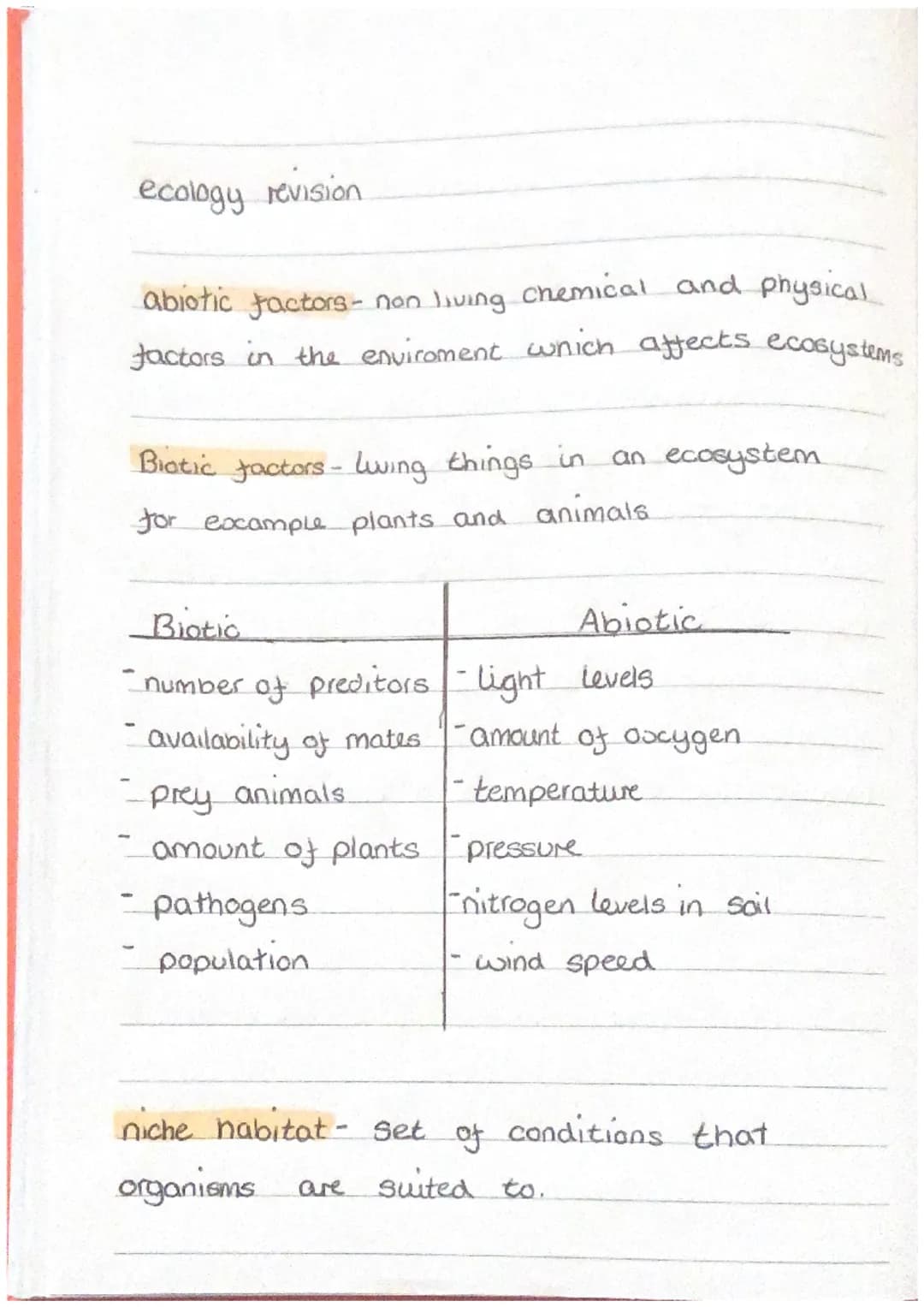
Understanding Fundamental Ecology Revision Topics
Abiotic factors in ecosystems play a crucial role in shaping environmental conditions. These non-living chemical and physical components directly influence how organisms survive and thrive. Temperature, light levels, oxygen availability, soil nitrogen content, wind speed, and atmospheric pressure are key examples of abiotic factors in ecosystems that create specific environmental conditions.
Definition: Abiotic factors definition biology refers to all non-living physical and chemical elements in the ecosystem that affect living organisms and their functioning.
Biotic factors in an ecosystem encompass all living components, including plants, animals, and microorganisms. These factors include predator numbers, mate availability, prey populations, plant abundance, and pathogen presence. The interaction between biotic and abiotic factors determines an organism's niche - the specific role and position it occupies in its ecosystem.
Understanding how do abiotic factors affect organisms in an ecosystem is fundamental to ecological studies. For instance, temperature influences metabolic rates, while light levels affect photosynthesis in plants. These factors work together to create unique environmental conditions that support specific species and communities.
2
of 10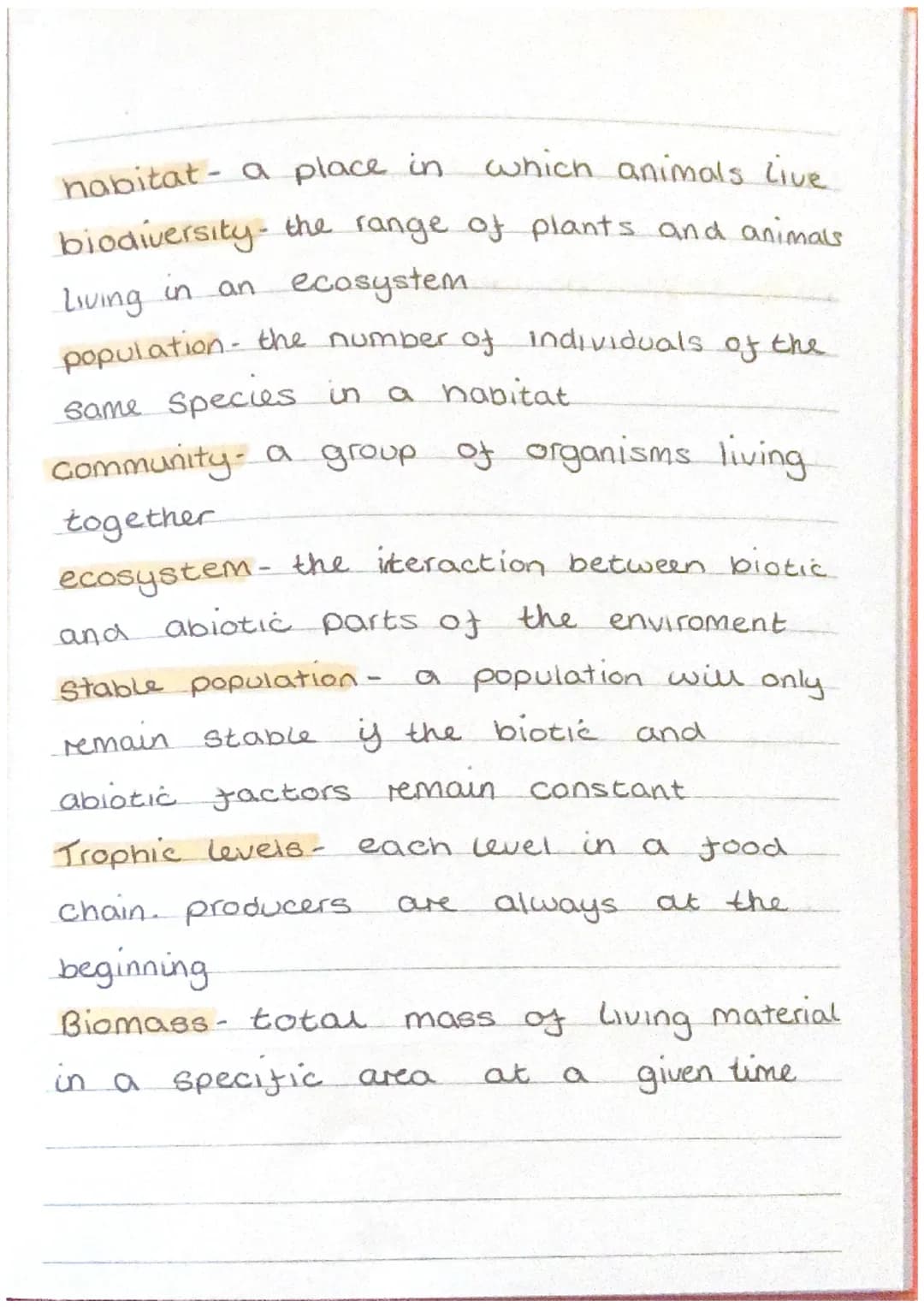
Essential Ecology Revision Notes on Ecosystem Components
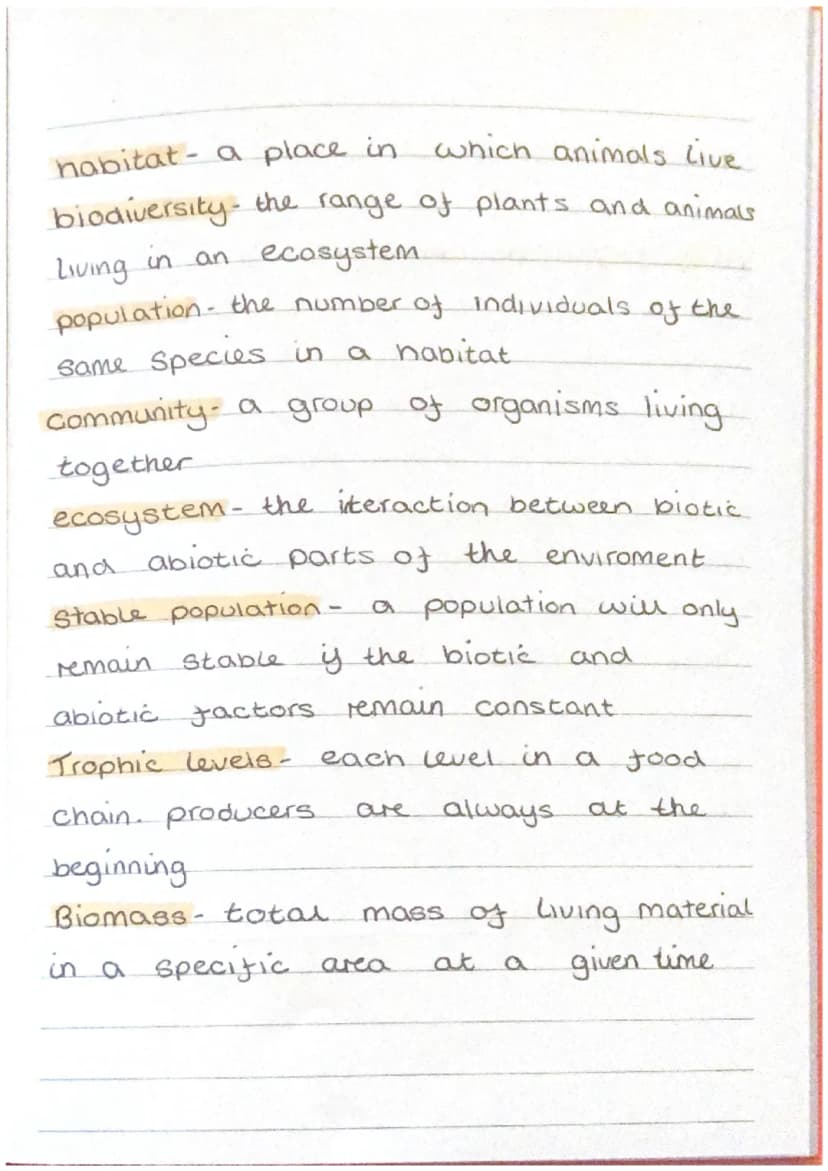
Ecosystems comprise multiple interconnected elements that form a complex web of relationships. The habitat provides the physical space where organisms live, while biodiversity represents the variety of life forms present within that ecosystem.
Vocabulary: Population refers to organisms of the same species in a habitat, while community encompasses all organisms living together in an ecosystem.
A stable population depends on the balance between biotic and abiotic factors. This stability is crucial for maintaining ecosystem health and function. Trophic levels represent the hierarchical structure of food chains, with producers forming the foundation.
Biomass, measuring the total mass of living material in an area at a specific time, helps scientists understand ecosystem productivity and energy flow. This measurement is essential for monitoring ecosystem health and understanding resource distribution.
3
of 10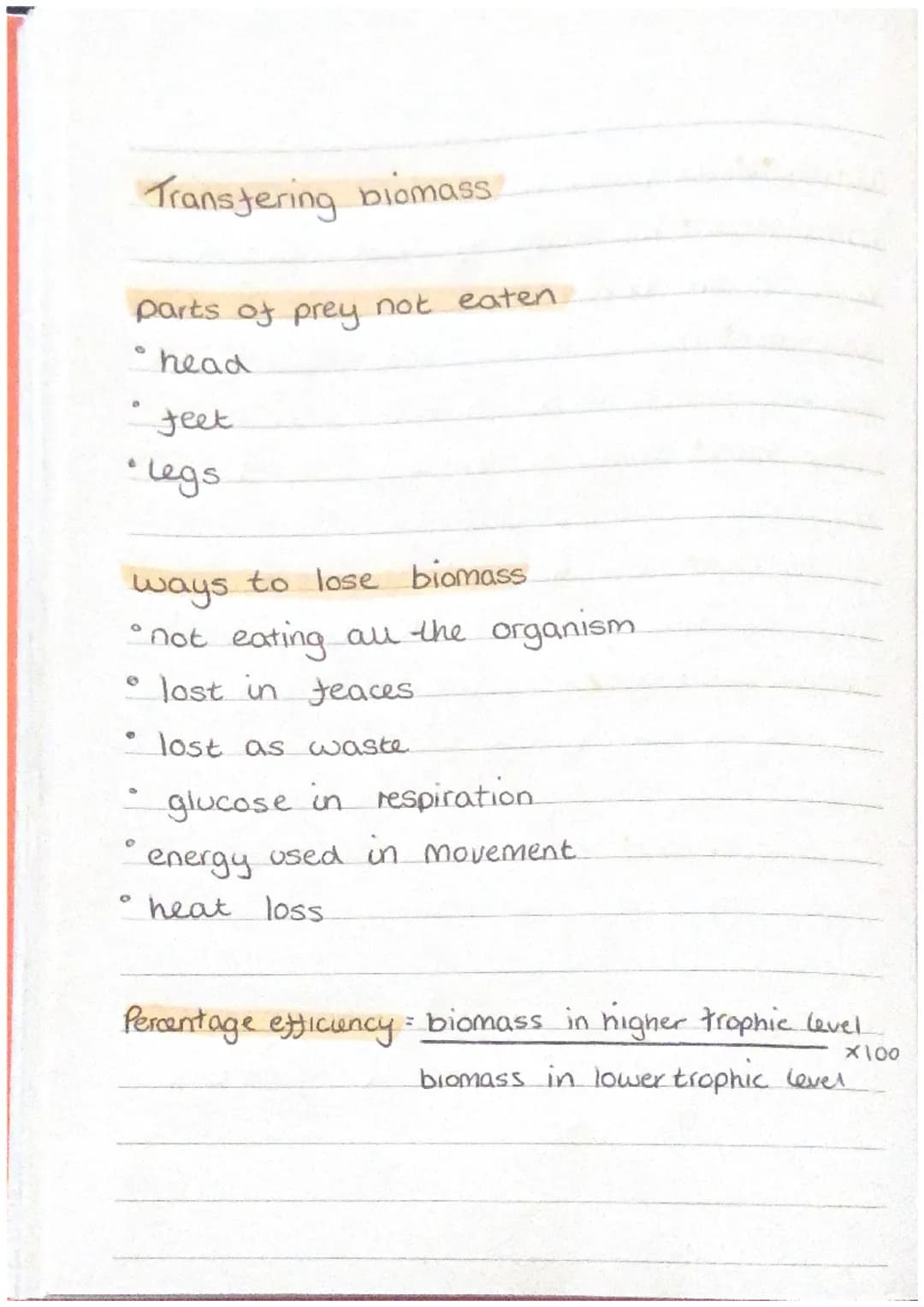
Food Chains and Predator Prey Cycles KS2
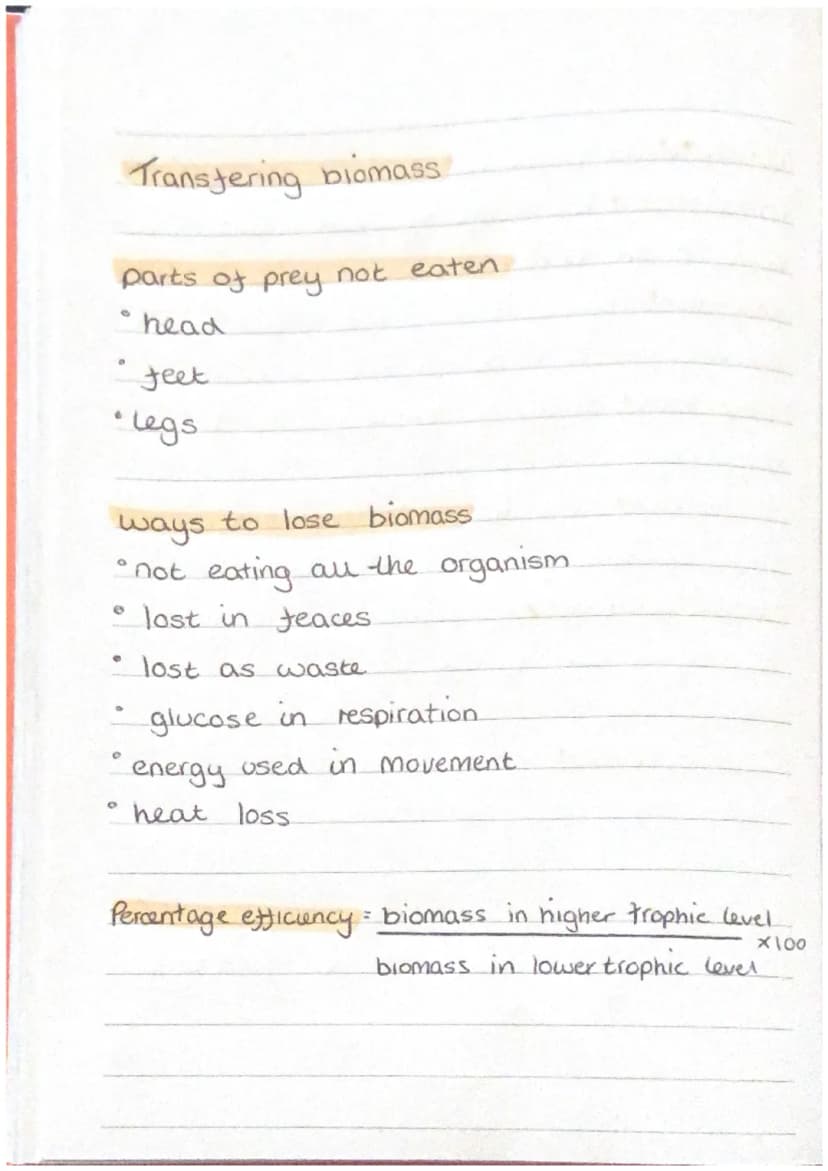
Energy transfer through ecosystems occurs via food chains, where biomass moves between trophic levels. However, not all parts of prey organisms are consumed or converted to predator biomass. Heads, feet, and legs often remain unused, affecting overall energy transfer efficiency.
Example: In a typical food chain gcse biology scenario, only about 10% of energy transfers between trophic levels due to various losses.
Biomass loss occurs through multiple pathways: unconsumed parts, feces, metabolic waste, respiration, movement, and heat loss. Understanding these losses helps explain why food chains typically have limited levels and why predator-prey cycle graphs show characteristic patterns.
Highlight: The percentage efficiency of biomass transfer between trophic levels can be calculated using the formula: (biomass in higher trophic level ÷ biomass in lower trophic level) × 100
4
of 10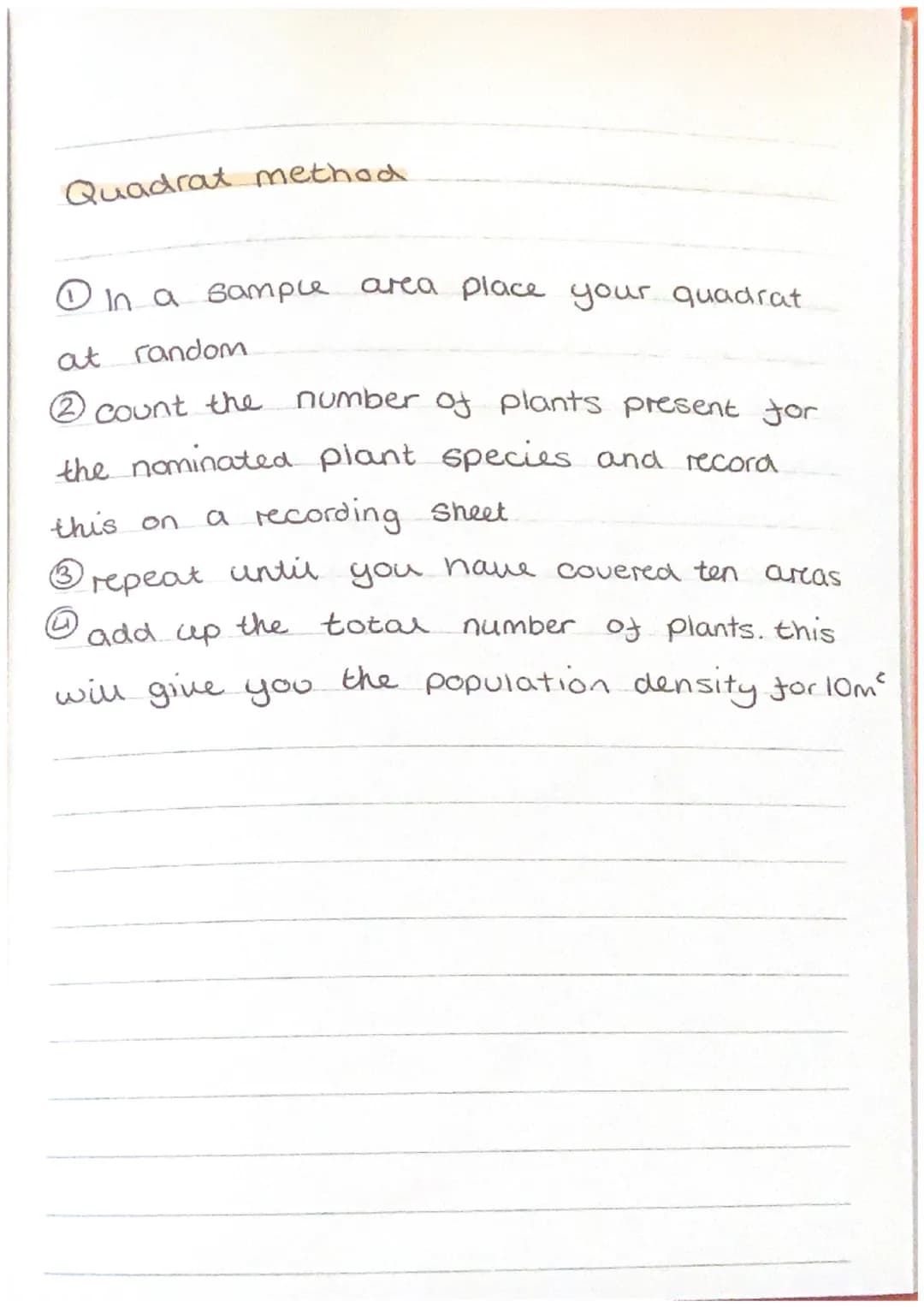
Practical Ecology Revision Questions and Field Methods
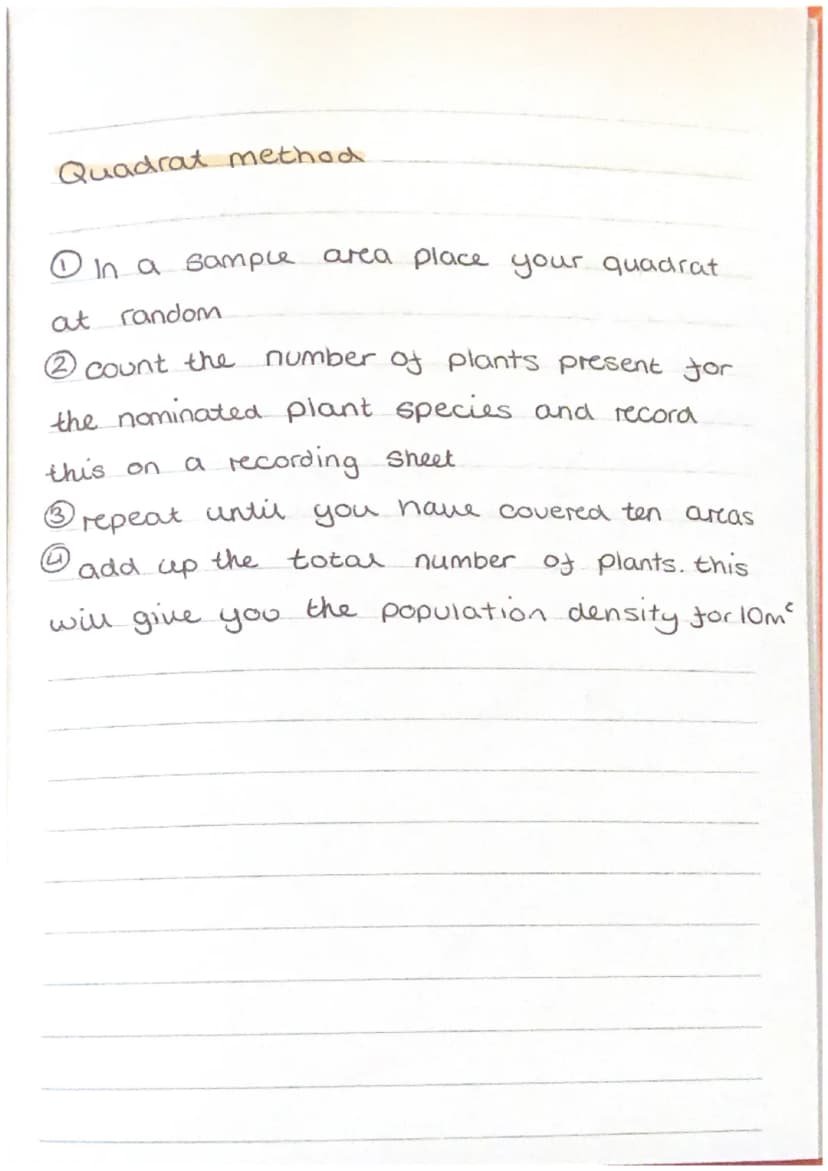
The quadrat method represents a fundamental ecological sampling technique for studying plant populations. This systematic approach involves random sampling within a defined area to estimate population density and distribution patterns.
Example: To conduct a quadrat study:
- Place quadrats randomly in the study area
- Count target species within each quadrat
- Record data systematically
- Calculate population density from multiple samples
This method provides valuable data for understanding species distribution and abundance, essential components of ecological research and conservation planning. The technique allows for quantitative analysis of plant populations and helps monitor changes over time.
5
of 10
Understanding Ecological Survey Methods: The Transect Method
The transect method is a fundamental Ecology revision technique used to systematically study ecosystems. This scientific approach allows researchers to collect data about plant distribution and abiotic factors in ecosystems along a linear path.
The process begins by establishing a baseline using a tape measure, marking the starting point (0m) of your investigation area. A quadrat, which is a square frame typically measuring 1m², is positioned with its left corner aligned at the starting point. Researchers then record crucial data including percentage cover of plant species and count individual organisms within the quadrat.
While conducting the transect study, it's essential to measure relevant abiotic factors such as light intensity, soil moisture, or temperature. These measurements help understand how environmental conditions influence species distribution patterns.
Definition: A transect is a straight line or narrow section through a natural feature along which observations are made or measurements taken.
6
of 10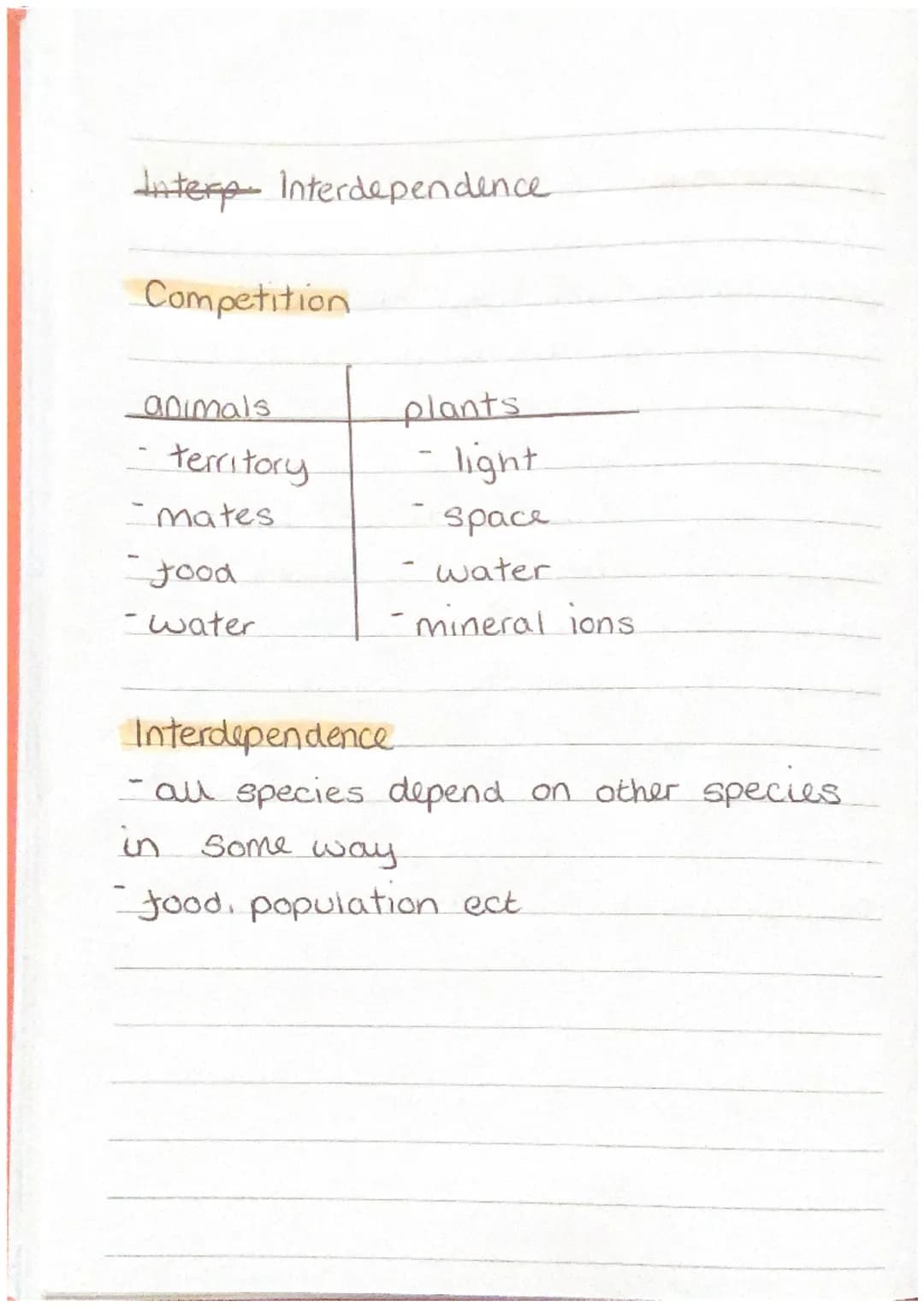
Ecological Interdependence and Competition in Ecosystems
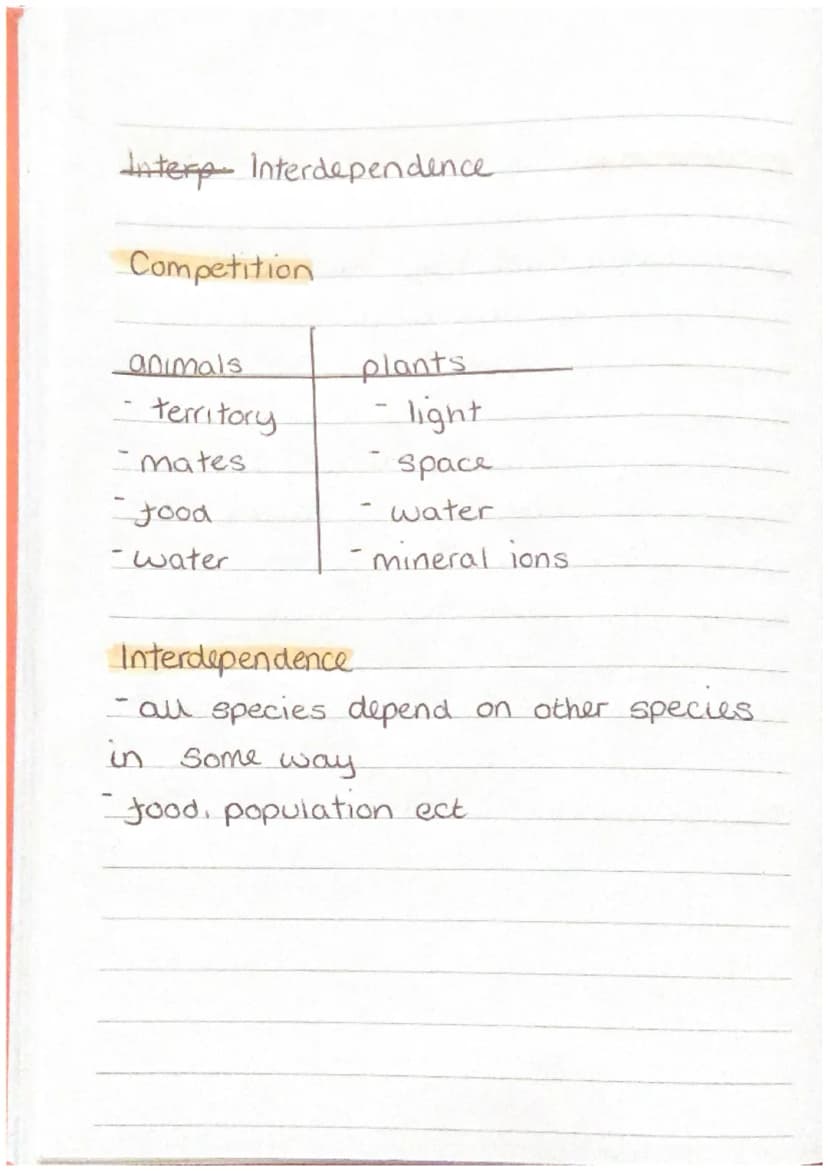
Biotic factors in an ecosystem interact through complex relationships of competition and interdependence. Competition occurs when organisms vie for limited resources, affecting both plants and animals in distinct ways.
Animals primarily compete for territory, mates, food, and water. This competition shapes population dynamics and influences behavioral adaptations. Plants, on the other hand, compete for essential resources including light, space, water, and mineral ions, which directly impact their growth and survival.
How do abiotic factors affect organisms in an ecosystem? The concept of interdependence demonstrates that all species rely on others within their ecosystem. This relationship extends beyond simple food chains to include various ecological interactions such as pollination, habitat provision, and nutrient cycling.
Highlight: Competition and interdependence are fundamental forces that shape ecosystem structure and function.
7
of 10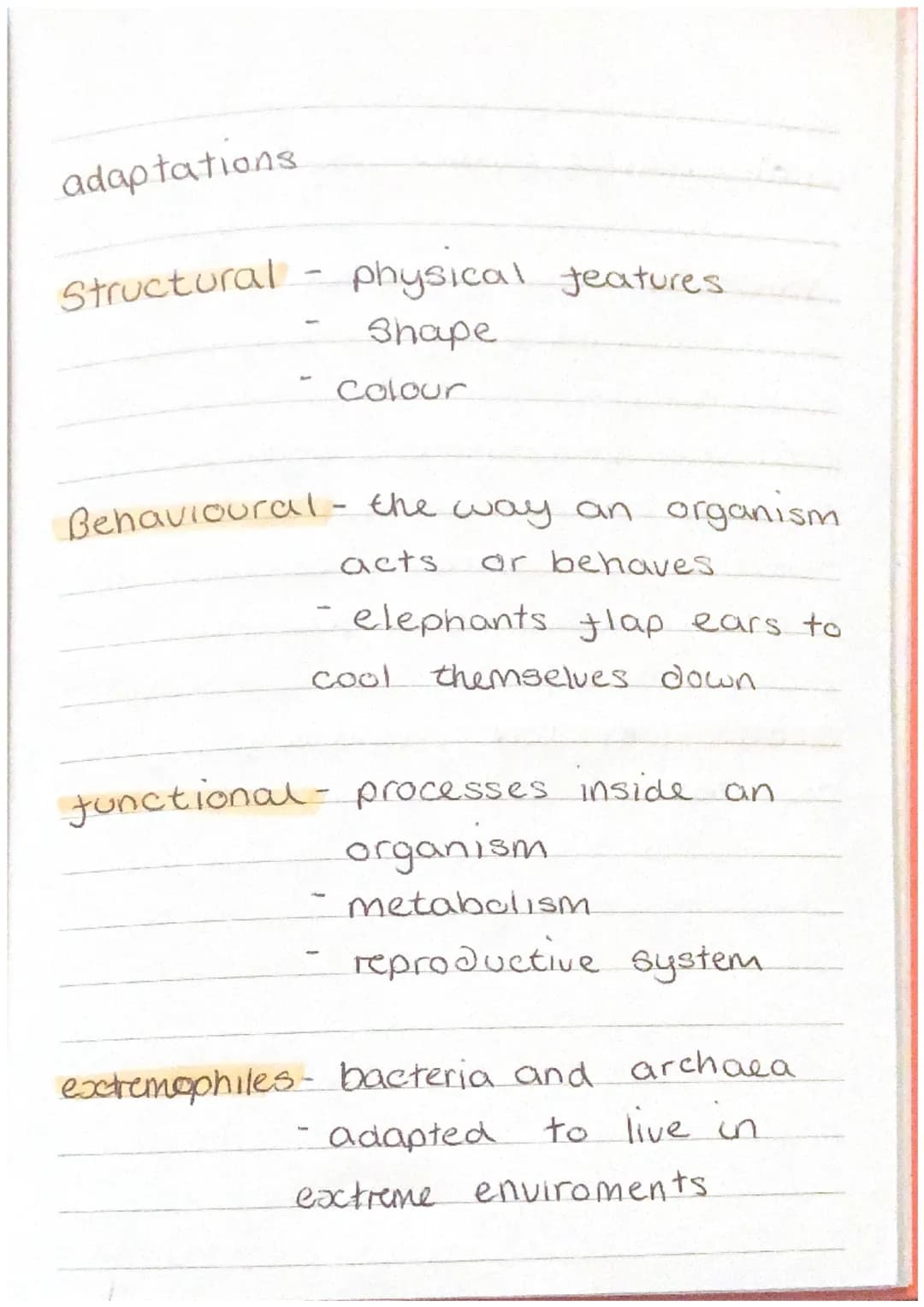
Adaptations in Living Organisms
Organisms develop various adaptations to survive in their environments. These adaptations can be categorized into three main types: structural, behavioral, and functional.
Structural adaptations are physical features that help organisms survive, including specific body shapes and coloration patterns. Behavioral adaptations involve how organisms act or respond to their environment, such as elephants flapping their ears to regulate body temperature. Functional adaptations relate to internal processes like metabolism and reproductive systems.
A fascinating example of adaptation is found in extremophiles - bacteria and archaea that have evolved to thrive in extreme environments. These organisms demonstrate the remarkable capacity of life to adapt to challenging conditions.
Example: Desert plants have developed thick, waxy leaves to reduce water loss, demonstrating structural adaptation to their environment.
8
of 10
Food Chains and Predator-Prey Relationships
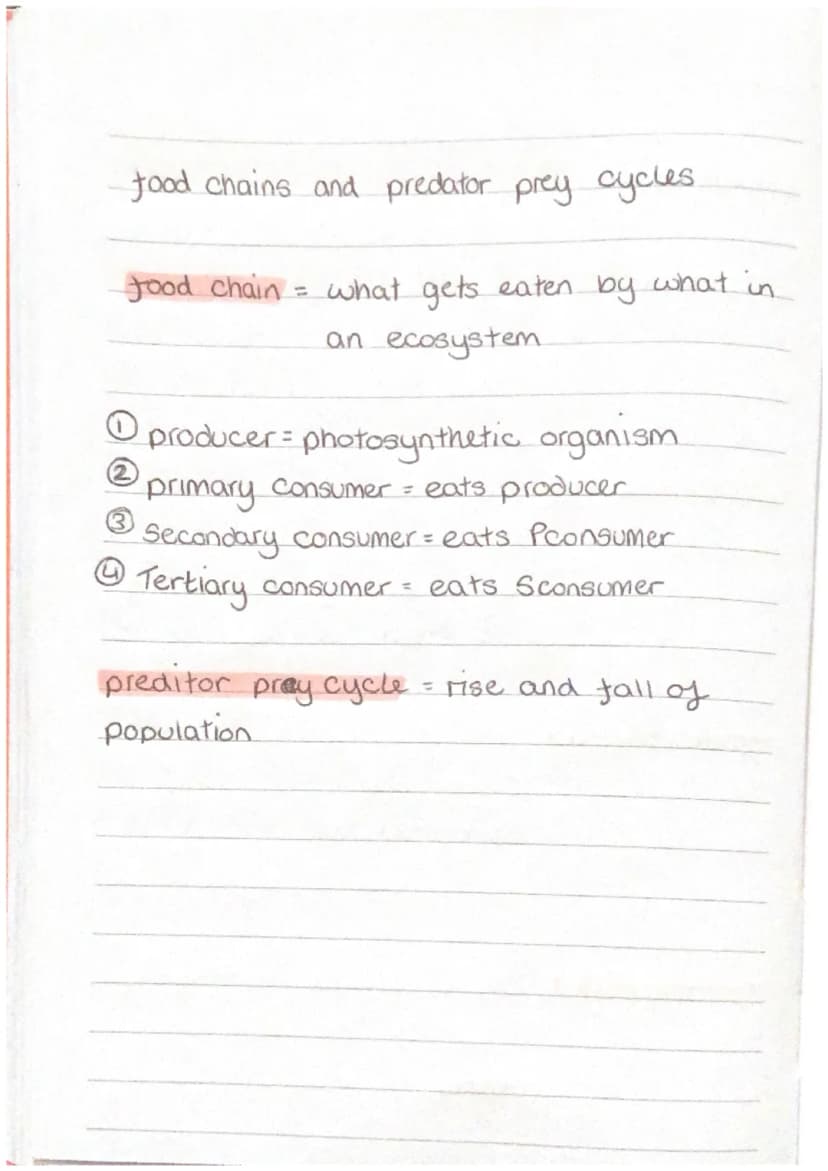
Food chains and predator prey cycles ks2 demonstrate the flow of energy through ecosystems. A basic food chain consists of producers (photosynthetic organisms), primary consumers (herbivores), secondary consumers (carnivores that eat herbivores), and tertiary consumers (top predators).
The predator-prey cycle graph shows the dynamic relationship between predator and prey populations. When prey populations increase, predator populations typically follow suit. However, as predators become more numerous, they consume more prey, leading to a decline in prey population. This decrease eventually causes predator numbers to fall, allowing prey populations to recover.
Understanding these relationships is crucial for ecosystem management and conservation. What programmes aim to minimise damage done to food chains often focus on maintaining balanced predator-prey relationships and protecting key species within food webs.
Vocabulary: Primary consumers are herbivores that feed directly on producers, while secondary consumers are carnivores that eat herbivores.
9
of 10
Understanding Composting and Anaerobic Decay in Ecosystems
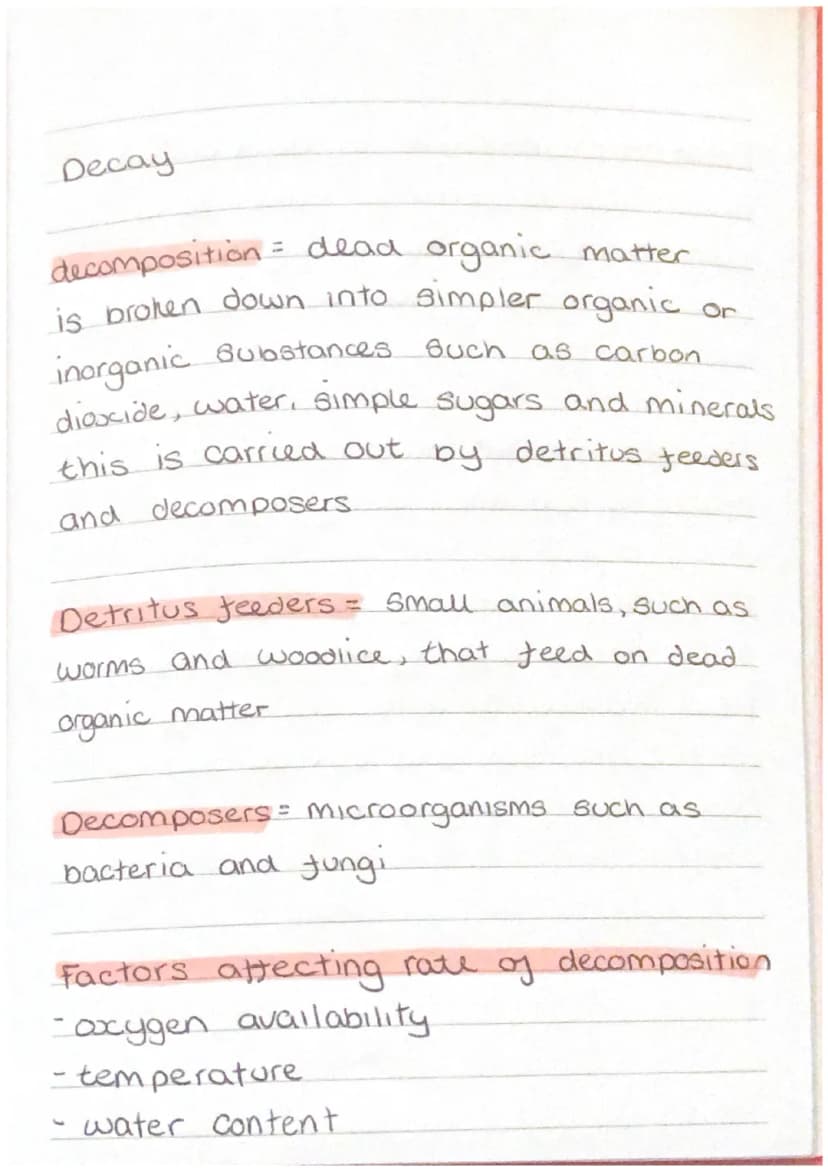
Ecology revision topics and ecology revision notes frequently cover the essential processes of decomposition and waste management in ecosystems. Composting represents a crucial natural recycling system where organic materials break down into nutrient-rich soil amendments. This process occurs under specific conditions that maximize decomposition efficiency.
Compost formation requires precise environmental conditions to function optimally. The key abiotic factors in ecosystems include oxygen levels, temperature, and moisture content. When these conditions are properly maintained - with high oxygen availability, temperatures between 45-65°C, and appropriate moisture levels - beneficial microorganisms thrive and accelerate decomposition. These abiotic factors of environment directly influence how quickly and effectively organic matter transforms into usable compost.
Definition: Anaerobic decay occurs when microorganisms break down organic matter in oxygen-free environments, producing biogas as a byproduct. This process differs significantly from aerobic composting.
The production of biogas through anaerobic decay has become increasingly important in sustainable waste management and renewable energy generation. During this process, specialized bacteria break down organic matter in oxygen-free environments, producing a gas mixture rich in methane. This biogas can be captured and utilized for various purposes, including cooking fuel, heating systems, and electricity generation, making it a valuable resource in both rural and urban settings.
10
of 10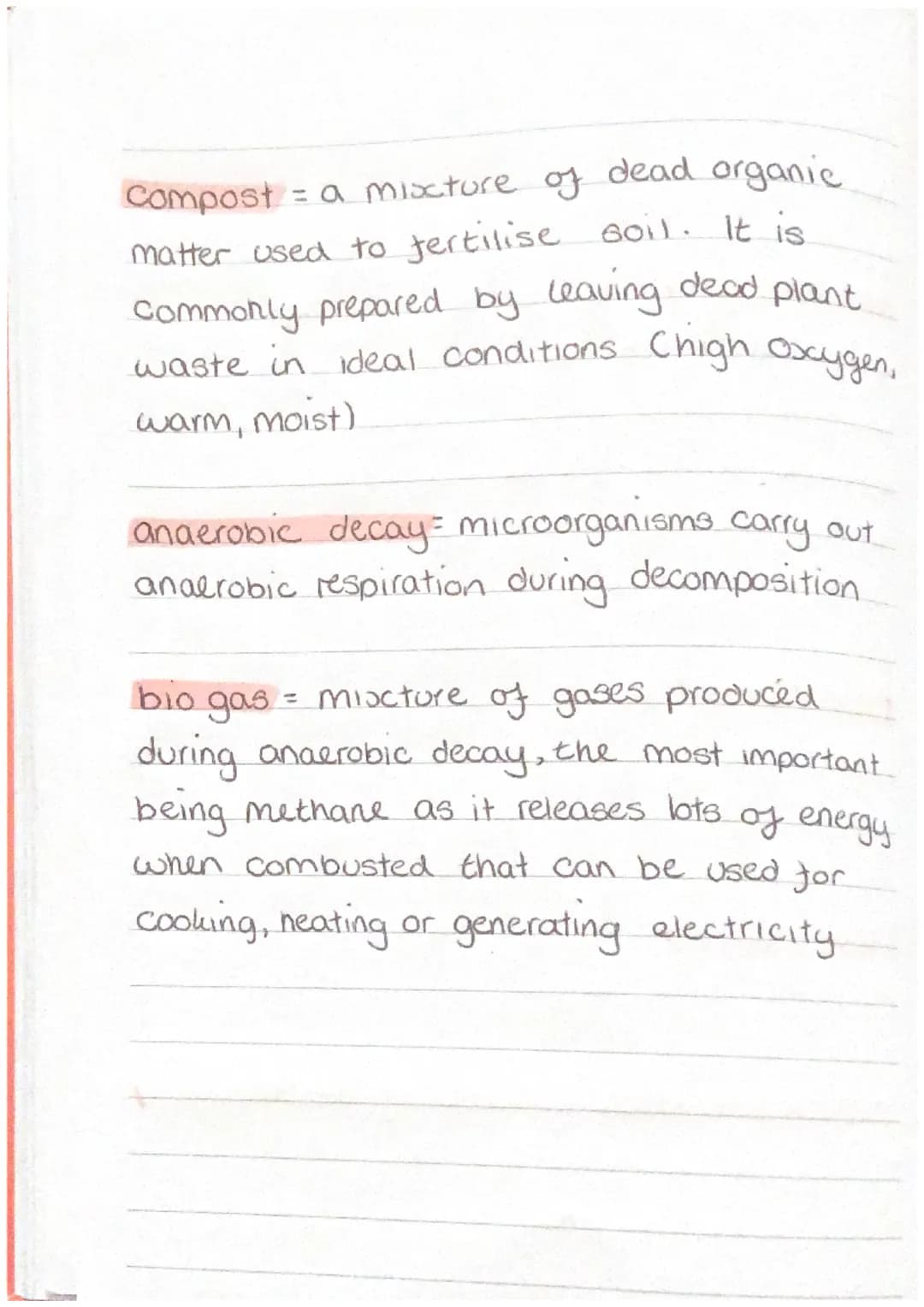
Biogas Production and Environmental Applications
The generation of biogas through anaerobic decomposition represents a significant opportunity in renewable energy and waste management. This process naturally occurs in environments lacking oxygen, such as landfills, sewage treatment facilities, and purpose-built anaerobic digesters. Understanding these systems is crucial for ecology revision aqa and general environmental science education.
Example: A typical biogas production facility might process agricultural waste, food scraps, or sewage sludge. The resulting methane-rich gas can power generators, heat buildings, or fuel modified vehicles.
The environmental benefits of biogas production extend beyond energy generation. This process helps reduce greenhouse gas emissions by capturing methane that would otherwise enter the atmosphere. Additionally, the remaining digestate serves as a nutrient-rich fertilizer, creating a circular economy approach to waste management. These applications demonstrate how understanding ecology revision questions can lead to practical environmental solutions.
Modern biogas technologies have evolved to maximize efficiency and minimize environmental impact. Advanced monitoring systems ensure optimal conditions for anaerobic bacteria, while gas cleaning systems remove impurities before use. This technological progress has made biogas an increasingly viable alternative to fossil fuels, particularly in regions with abundant organic waste resources.
We thought you’d never ask...
What is the Knowunity AI companion?
Our AI companion is specifically built for the needs of students. Based on the millions of content pieces we have on the platform we can provide truly meaningful and relevant answers to students. But its not only about answers, the companion is even more about guiding students through their daily learning challenges, with personalised study plans, quizzes or content pieces in the chat and 100% personalisation based on the students skills and developments.
Where can I download the Knowunity app?
You can download the app in the Google Play Store and in the Apple App Store.
Is Knowunity really free of charge?
That's right! Enjoy free access to study content, connect with fellow students, and get instant help – all at your fingertips.
Similar Content
Most popular content: Ecology
3BiologyEcology: Sampling Techniques
Explore essential sampling methods in ecology, focusing on quadrats and transects for measuring population density and distribution. This practical guide covers step-by-step procedures for effective data collection and analysis, tailored for AQA Biology students.
112973
BiologyEcology Concepts Overview
Explore key concepts in ecology, including biogeochemical cycles, trophic levels, and human impacts on ecosystems. This summary covers essential topics for AQA GCSE Biology, providing insights into competition, interdependence, and environmental changes. Ideal for exam preparation and active recall practice.
111,80730
BiologyEcological Interactions Overview
Explore key concepts in ecology, including adaptations, food chains, biogeochemical cycles, and the roles of biotic and abiotic factors. This summary covers essential topics such as competition, interdependence, and decomposition processes, providing a comprehensive understanding for GCSE AQA students.
9912
Most popular content in Biology
9C
BiologyCell Biology and Cell structure
cell structures
93,2470
1
Biology1.cells Gcse biology question cards
combined science higher biology
92,3534
BiologyAQA Biology: Key Concepts
Explore essential AQA Biology topics including Photosynthesis, Respiration, Homeostasis, Genetics, and Ecology. This comprehensive knowledge organizer covers key concepts such as energy transfer, hormonal control, and genetic variation, providing a solid foundation for your studies. Ideal for exam preparation and understanding biological processes.
108,793306
T
BiologyThe functions of subcellular structures - B1 Biology
Flashcards on the different functions of subcellular structures: cell membrane, nucleus, mitochondria, ribosomes, cytoplasm, permant vacuole, chloroplasts and cell wall.
102,7885
BiologyA-Level Biology Year 1 Overview
Comprehensive summary of AQA A-Level Biology Year 1, covering key topics such as cellular structure, protein synthesis, immune response, gas exchange, and more. Ideal for exam preparation and understanding biological concepts. Includes detailed insights into cellular processes, biological classification, and the circulatory system.
1214,891694
T
BiologyTypes of cells
biology
101,2090
B
BiologyBiology Paper 1 quiz
this is a simple quiz on key knowledge needed for paper 1
112,7745
BiologyBiology paper 1 Summary
Notes for Biology paper 1 contains the full course for AQA higher combined!
104,130106
C
BiologyCells part 1 function of cells.
About cells and function of cells etc.
119861
Most popular content
9 Sociology
Sociology of Education Overview
Explore comprehensive A-Level Sociology notes on the education system, covering key theories, policies, and sociological perspectives. This resource includes insights on marketisation, gender roles, cultural deprivation, and educational inequalities, providing a thorough understanding of how education shapes social stratification and individual achievement. Ideal for exam preparation and in-depth study.
12102,8693,040
SociologySociology of Families: Comprehensive Revision
Dive into an extensive overview of family dynamics, perspectives, and patterns in sociology. This resource covers key concepts such as family diversity, gender roles, marriage, and the impact of social policies on family structures. Perfect for A-Level Sociology students preparing for Paper 2.
1273,6612,307
CriminologyCriminology: Crime & Punishment Overview
Comprehensive mindmaps covering key concepts in the Crime and Punishment topic for WJEC Criminology Unit 4. This resource includes detailed insights into the Criminal Justice System, crime prevention strategies, sentencing models, and the roles of various agencies. Ideal for A-Level revision, ensuring you grasp essential theories and legislative processes to excel in your exams.
1254,8691,059
SociologyComprehensive Crime & Deviance Overview
Explore an extensive revision of crime and deviance topics, including theories, types of crime, and the impact of media. This resource covers key concepts such as Marxism, functionalism, gender and crime, and the influence of globalization on criminal behavior. Ideal for students seeking a thorough understanding of criminology and its various theories. Type: Full Topic Revision.
1251,6541,399
C
BiologyCell Biology and Cell structure
cell structures
93,2470
 English Literature
An Inspector Calls: Character Insights
Explore in-depth analysis and key quotes for characters in J.B. Priestley's 'An Inspector Calls'. This resource covers Gerald Croft, Inspector Goole, Sheila Birling, Mrs. Birling, Eric Birling, and Eva Smith, focusing on themes of class, gender roles, and social responsibility. Ideal for students aiming for Grade 8 and above.
1025,429907
CriminologyWJEC Unit 4 Criminology
Criminology unit 4 detailed revision note
127,151125
CriminologyCriminology Theories Overview
Explore key criminology theories and their implications on crime and deviance. This comprehensive summary covers biological, psychological, and sociological perspectives, including labelling theory, right realism, and the impact of social campaigns on policy development. Ideal for A-Level criminology students seeking to understand the complexities of criminal behaviour and the factors influencing crime prevention strategies.
129,760210
English LiteratureRomeo and Juliet: Key themes
Key Romeo and Juliet themes and analysed quotes
106,708198
Can't find what you're looking for? Explore other subjects.
Students love us — and so will you.
4.6/5App Store
4.7/5Google Play
The app is very easy to use and well designed. I have found everything I was looking for so far and have been able to learn a lot from the presentations! I will definitely use the app for a class assignment! And of course it also helps a lot as an inspiration.
Stefan SiOS user
This app is really great. There are so many study notes and help [...]. My problem subject is French, for example, and the app has so many options for help. Thanks to this app, I have improved my French. I would recommend it to anyone.
Samantha KlichAndroid user
Wow, I am really amazed. I just tried the app because I've seen it advertised many times and was absolutely stunned. This app is THE HELP you want for school and above all, it offers so many things, such as workouts and fact sheets, which have been VERY helpful to me personally.
AnnaiOS user
Biology6,026 views·Updated Jun 16, 2026·17 pagesFun Ecology Revision: Past Papers, Questions, and Notes!
rose@daro444
Understanding ecology and ecosystems requires knowledge of how living and non-living components interact in nature.
Abiotic factors in ecosystemsplay a crucial role in determining how organisms survive and thrive. These non-living factors include temperature, light intensity, moisture, soil pH,...
1
of 10
Sign up to see the content. It's free!
- Access to all documents
- Improve your grades
- Join milions of students
Understanding Fundamental Ecology Revision Topics
Abiotic factors in ecosystems play a crucial role in shaping environmental conditions. These non-living chemical and physical components directly influence how organisms survive and thrive. Temperature, light levels, oxygen availability, soil nitrogen content, wind speed, and atmospheric pressure are key examples of abiotic factors in ecosystems that create specific environmental conditions.
Definition: Abiotic factors definition biology refers to all non-living physical and chemical elements in the ecosystem that affect living organisms and their functioning.
Biotic factors in an ecosystem encompass all living components, including plants, animals, and microorganisms. These factors include predator numbers, mate availability, prey populations, plant abundance, and pathogen presence. The interaction between biotic and abiotic factors determines an organism's niche - the specific role and position it occupies in its ecosystem.
Understanding how do abiotic factors affect organisms in an ecosystem is fundamental to ecological studies. For instance, temperature influences metabolic rates, while light levels affect photosynthesis in plants. These factors work together to create unique environmental conditions that support specific species and communities.
2
of 10Sign up to see the content. It's free!
- Access to all documents
- Improve your grades
- Join milions of students
Essential Ecology Revision Notes on Ecosystem Components
Ecosystems comprise multiple interconnected elements that form a complex web of relationships. The habitat provides the physical space where organisms live, while biodiversity represents the variety of life forms present within that ecosystem.
Vocabulary: Population refers to organisms of the same species in a habitat, while community encompasses all organisms living together in an ecosystem.
A stable population depends on the balance between biotic and abiotic factors. This stability is crucial for maintaining ecosystem health and function. Trophic levels represent the hierarchical structure of food chains, with producers forming the foundation.
Biomass, measuring the total mass of living material in an area at a specific time, helps scientists understand ecosystem productivity and energy flow. This measurement is essential for monitoring ecosystem health and understanding resource distribution.
3
of 10Sign up to see the content. It's free!
- Access to all documents
- Improve your grades
- Join milions of students
Food Chains and Predator Prey Cycles KS2
Energy transfer through ecosystems occurs via food chains, where biomass moves between trophic levels. However, not all parts of prey organisms are consumed or converted to predator biomass. Heads, feet, and legs often remain unused, affecting overall energy transfer efficiency.
Example: In a typical food chain gcse biology scenario, only about 10% of energy transfers between trophic levels due to various losses.
Biomass loss occurs through multiple pathways: unconsumed parts, feces, metabolic waste, respiration, movement, and heat loss. Understanding these losses helps explain why food chains typically have limited levels and why predator-prey cycle graphs show characteristic patterns.
Highlight: The percentage efficiency of biomass transfer between trophic levels can be calculated using the formula: (biomass in higher trophic level ÷ biomass in lower trophic level) × 100
4
of 10Sign up to see the content. It's free!
- Access to all documents
- Improve your grades
- Join milions of students
Practical Ecology Revision Questions and Field Methods
The quadrat method represents a fundamental ecological sampling technique for studying plant populations. This systematic approach involves random sampling within a defined area to estimate population density and distribution patterns.
Example: To conduct a quadrat study:
- Place quadrats randomly in the study area
- Count target species within each quadrat
- Record data systematically
- Calculate population density from multiple samples
This method provides valuable data for understanding species distribution and abundance, essential components of ecological research and conservation planning. The technique allows for quantitative analysis of plant populations and helps monitor changes over time.
5
of 10Sign up to see the content. It's free!
- Access to all documents
- Improve your grades
- Join milions of students
Understanding Ecological Survey Methods: The Transect Method
The transect method is a fundamental Ecology revision technique used to systematically study ecosystems. This scientific approach allows researchers to collect data about plant distribution and abiotic factors in ecosystems along a linear path.
The process begins by establishing a baseline using a tape measure, marking the starting point (0m) of your investigation area. A quadrat, which is a square frame typically measuring 1m², is positioned with its left corner aligned at the starting point. Researchers then record crucial data including percentage cover of plant species and count individual organisms within the quadrat.
While conducting the transect study, it's essential to measure relevant abiotic factors such as light intensity, soil moisture, or temperature. These measurements help understand how environmental conditions influence species distribution patterns.
Definition: A transect is a straight line or narrow section through a natural feature along which observations are made or measurements taken.
6
of 10Sign up to see the content. It's free!
- Access to all documents
- Improve your grades
- Join milions of students
Ecological Interdependence and Competition in Ecosystems
Biotic factors in an ecosystem interact through complex relationships of competition and interdependence. Competition occurs when organisms vie for limited resources, affecting both plants and animals in distinct ways.
Animals primarily compete for territory, mates, food, and water. This competition shapes population dynamics and influences behavioral adaptations. Plants, on the other hand, compete for essential resources including light, space, water, and mineral ions, which directly impact their growth and survival.
How do abiotic factors affect organisms in an ecosystem? The concept of interdependence demonstrates that all species rely on others within their ecosystem. This relationship extends beyond simple food chains to include various ecological interactions such as pollination, habitat provision, and nutrient cycling.
Highlight: Competition and interdependence are fundamental forces that shape ecosystem structure and function.
7
of 10Sign up to see the content. It's free!
- Access to all documents
- Improve your grades
- Join milions of students
Adaptations in Living Organisms
Organisms develop various adaptations to survive in their environments. These adaptations can be categorized into three main types: structural, behavioral, and functional.
Structural adaptations are physical features that help organisms survive, including specific body shapes and coloration patterns. Behavioral adaptations involve how organisms act or respond to their environment, such as elephants flapping their ears to regulate body temperature. Functional adaptations relate to internal processes like metabolism and reproductive systems.
A fascinating example of adaptation is found in extremophiles - bacteria and archaea that have evolved to thrive in extreme environments. These organisms demonstrate the remarkable capacity of life to adapt to challenging conditions.
Example: Desert plants have developed thick, waxy leaves to reduce water loss, demonstrating structural adaptation to their environment.
8
of 10Sign up to see the content. It's free!
- Access to all documents
- Improve your grades
- Join milions of students
Food Chains and Predator-Prey Relationships
Food chains and predator prey cycles ks2 demonstrate the flow of energy through ecosystems. A basic food chain consists of producers (photosynthetic organisms), primary consumers (herbivores), secondary consumers (carnivores that eat herbivores), and tertiary consumers (top predators).
The predator-prey cycle graph shows the dynamic relationship between predator and prey populations. When prey populations increase, predator populations typically follow suit. However, as predators become more numerous, they consume more prey, leading to a decline in prey population. This decrease eventually causes predator numbers to fall, allowing prey populations to recover.
Understanding these relationships is crucial for ecosystem management and conservation. What programmes aim to minimise damage done to food chains often focus on maintaining balanced predator-prey relationships and protecting key species within food webs.
Vocabulary: Primary consumers are herbivores that feed directly on producers, while secondary consumers are carnivores that eat herbivores.
9
of 10Sign up to see the content. It's free!
- Access to all documents
- Improve your grades
- Join milions of students
Understanding Composting and Anaerobic Decay in Ecosystems
Ecology revision topics and ecology revision notes frequently cover the essential processes of decomposition and waste management in ecosystems. Composting represents a crucial natural recycling system where organic materials break down into nutrient-rich soil amendments. This process occurs under specific conditions that maximize decomposition efficiency.
Compost formation requires precise environmental conditions to function optimally. The key abiotic factors in ecosystems include oxygen levels, temperature, and moisture content. When these conditions are properly maintained - with high oxygen availability, temperatures between 45-65°C, and appropriate moisture levels - beneficial microorganisms thrive and accelerate decomposition. These abiotic factors of environment directly influence how quickly and effectively organic matter transforms into usable compost.
Definition: Anaerobic decay occurs when microorganisms break down organic matter in oxygen-free environments, producing biogas as a byproduct. This process differs significantly from aerobic composting.
The production of biogas through anaerobic decay has become increasingly important in sustainable waste management and renewable energy generation. During this process, specialized bacteria break down organic matter in oxygen-free environments, producing a gas mixture rich in methane. This biogas can be captured and utilized for various purposes, including cooking fuel, heating systems, and electricity generation, making it a valuable resource in both rural and urban settings.
10
of 10Sign up to see the content. It's free!
- Access to all documents
- Improve your grades
- Join milions of students
Biogas Production and Environmental Applications
The generation of biogas through anaerobic decomposition represents a significant opportunity in renewable energy and waste management. This process naturally occurs in environments lacking oxygen, such as landfills, sewage treatment facilities, and purpose-built anaerobic digesters. Understanding these systems is crucial for ecology revision aqa and general environmental science education.
Example: A typical biogas production facility might process agricultural waste, food scraps, or sewage sludge. The resulting methane-rich gas can power generators, heat buildings, or fuel modified vehicles.
The environmental benefits of biogas production extend beyond energy generation. This process helps reduce greenhouse gas emissions by capturing methane that would otherwise enter the atmosphere. Additionally, the remaining digestate serves as a nutrient-rich fertilizer, creating a circular economy approach to waste management. These applications demonstrate how understanding ecology revision questions can lead to practical environmental solutions.
Modern biogas technologies have evolved to maximize efficiency and minimize environmental impact. Advanced monitoring systems ensure optimal conditions for anaerobic bacteria, while gas cleaning systems remove impurities before use. This technological progress has made biogas an increasingly viable alternative to fossil fuels, particularly in regions with abundant organic waste resources.
We thought you’d never ask...
What is the Knowunity AI companion?
Our AI companion is specifically built for the needs of students. Based on the millions of content pieces we have on the platform we can provide truly meaningful and relevant answers to students. But its not only about answers, the companion is even more about guiding students through their daily learning challenges, with personalised study plans, quizzes or content pieces in the chat and 100% personalisation based on the students skills and developments.
Where can I download the Knowunity app?
You can download the app in the Google Play Store and in the Apple App Store.
Is Knowunity really free of charge?
That's right! Enjoy free access to study content, connect with fellow students, and get instant help – all at your fingertips.
Similar Content
Most popular content: Ecology
3BiologyEcology: Sampling Techniques
Explore essential sampling methods in ecology, focusing on quadrats and transects for measuring population density and distribution. This practical guide covers step-by-step procedures for effective data collection and analysis, tailored for AQA Biology students.
112973
BiologyEcology Concepts Overview
Explore key concepts in ecology, including biogeochemical cycles, trophic levels, and human impacts on ecosystems. This summary covers essential topics for AQA GCSE Biology, providing insights into competition, interdependence, and environmental changes. Ideal for exam preparation and active recall practice.
111,80730
BiologyEcological Interactions Overview
Explore key concepts in ecology, including adaptations, food chains, biogeochemical cycles, and the roles of biotic and abiotic factors. This summary covers essential topics such as competition, interdependence, and decomposition processes, providing a comprehensive understanding for GCSE AQA students.
9912
Most popular content in Biology
9C
BiologyCell Biology and Cell structure
cell structures
93,2470
1
Biology1.cells Gcse biology question cards
combined science higher biology
92,3534
BiologyAQA Biology: Key Concepts
Explore essential AQA Biology topics including Photosynthesis, Respiration, Homeostasis, Genetics, and Ecology. This comprehensive knowledge organizer covers key concepts such as energy transfer, hormonal control, and genetic variation, providing a solid foundation for your studies. Ideal for exam preparation and understanding biological processes.
108,793306
T
BiologyThe functions of subcellular structures - B1 Biology
Flashcards on the different functions of subcellular structures: cell membrane, nucleus, mitochondria, ribosomes, cytoplasm, permant vacuole, chloroplasts and cell wall.
102,7885
BiologyA-Level Biology Year 1 Overview
Comprehensive summary of AQA A-Level Biology Year 1, covering key topics such as cellular structure, protein synthesis, immune response, gas exchange, and more. Ideal for exam preparation and understanding biological concepts. Includes detailed insights into cellular processes, biological classification, and the circulatory system.
1214,891694
T
BiologyTypes of cells
biology
101,2090
B
BiologyBiology Paper 1 quiz
this is a simple quiz on key knowledge needed for paper 1
112,7745
BiologyBiology paper 1 Summary
Notes for Biology paper 1 contains the full course for AQA higher combined!
104,130106
C
BiologyCells part 1 function of cells.
About cells and function of cells etc.
119861
Most popular content
9SociologySociology of Education Overview
Explore comprehensive A-Level Sociology notes on the education system, covering key theories, policies, and sociological perspectives. This resource includes insights on marketisation, gender roles, cultural deprivation, and educational inequalities, providing a thorough understanding of how education shapes social stratification and individual achievement. Ideal for exam preparation and in-depth study.
12102,8693,040
SociologySociology of Families: Comprehensive Revision
Dive into an extensive overview of family dynamics, perspectives, and patterns in sociology. This resource covers key concepts such as family diversity, gender roles, marriage, and the impact of social policies on family structures. Perfect for A-Level Sociology students preparing for Paper 2.
1273,6612,307
CriminologyCriminology: Crime & Punishment Overview
Comprehensive mindmaps covering key concepts in the Crime and Punishment topic for WJEC Criminology Unit 4. This resource includes detailed insights into the Criminal Justice System, crime prevention strategies, sentencing models, and the roles of various agencies. Ideal for A-Level revision, ensuring you grasp essential theories and legislative processes to excel in your exams.
1254,8691,059
SociologyComprehensive Crime & Deviance Overview
Explore an extensive revision of crime and deviance topics, including theories, types of crime, and the impact of media. This resource covers key concepts such as Marxism, functionalism, gender and crime, and the influence of globalization on criminal behavior. Ideal for students seeking a thorough understanding of criminology and its various theories. Type: Full Topic Revision.
1251,6541,399
C
BiologyCell Biology and Cell structure
cell structures
93,2470
English LiteratureAn Inspector Calls: Character Insights
Explore in-depth analysis and key quotes for characters in J.B. Priestley's 'An Inspector Calls'. This resource covers Gerald Croft, Inspector Goole, Sheila Birling, Mrs. Birling, Eric Birling, and Eva Smith, focusing on themes of class, gender roles, and social responsibility. Ideal for students aiming for Grade 8 and above.
1025,429907
CriminologyWJEC Unit 4 Criminology
Criminology unit 4 detailed revision note
127,151125
CriminologyCriminology Theories Overview
Explore key criminology theories and their implications on crime and deviance. This comprehensive summary covers biological, psychological, and sociological perspectives, including labelling theory, right realism, and the impact of social campaigns on policy development. Ideal for A-Level criminology students seeking to understand the complexities of criminal behaviour and the factors influencing crime prevention strategies.
129,760210
English LiteratureRomeo and Juliet: Key themes
Key Romeo and Juliet themes and analysed quotes
106,708198
Can't find what you're looking for? Explore other subjects.
Students love us — and so will you.
4.6/5App Store
4.7/5Google Play
The app is very easy to use and well designed. I have found everything I was looking for so far and have been able to learn a lot from the presentations! I will definitely use the app for a class assignment! And of course it also helps a lot as an inspiration.
Stefan SiOS user
This app is really great. There are so many study notes and help [...]. My problem subject is French, for example, and the app has so many options for help. Thanks to this app, I have improved my French. I would recommend it to anyone.
Samantha KlichAndroid user
Wow, I am really amazed. I just tried the app because I've seen it advertised many times and was absolutely stunned. This app is THE HELP you want for school and above all, it offers so many things, such as workouts and fact sheets, which have been VERY helpful to me personally.
AnnaiOS user