
Your immune system is like a sophisticated security team protecting...
 Biology73 views·Updated Jun 21, 2026·6 pages
Understanding Cell Immunity and Recognition

Nicole@nicolelolll
1 / 6
1
of 6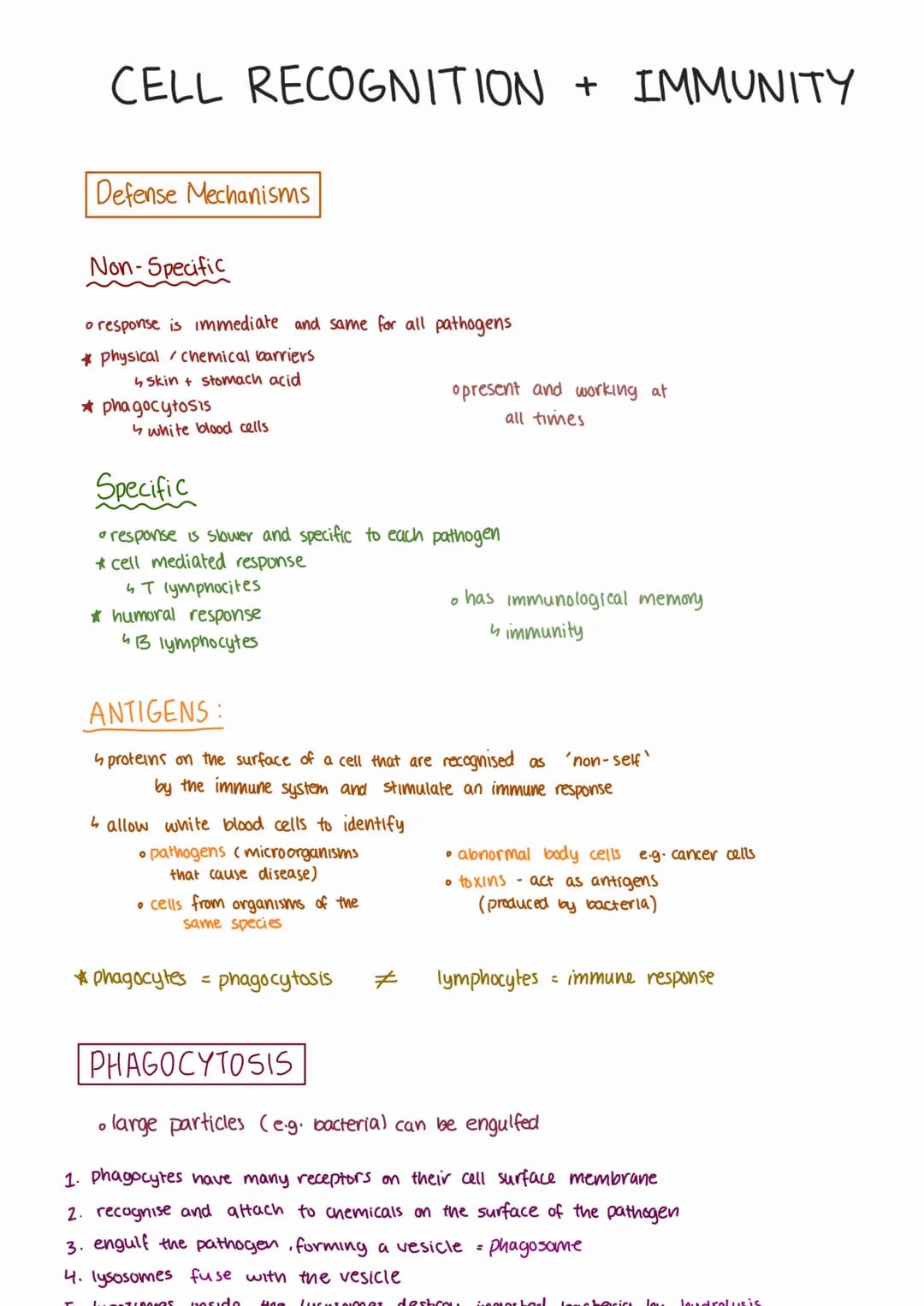
Defence Mechanisms and Antigens
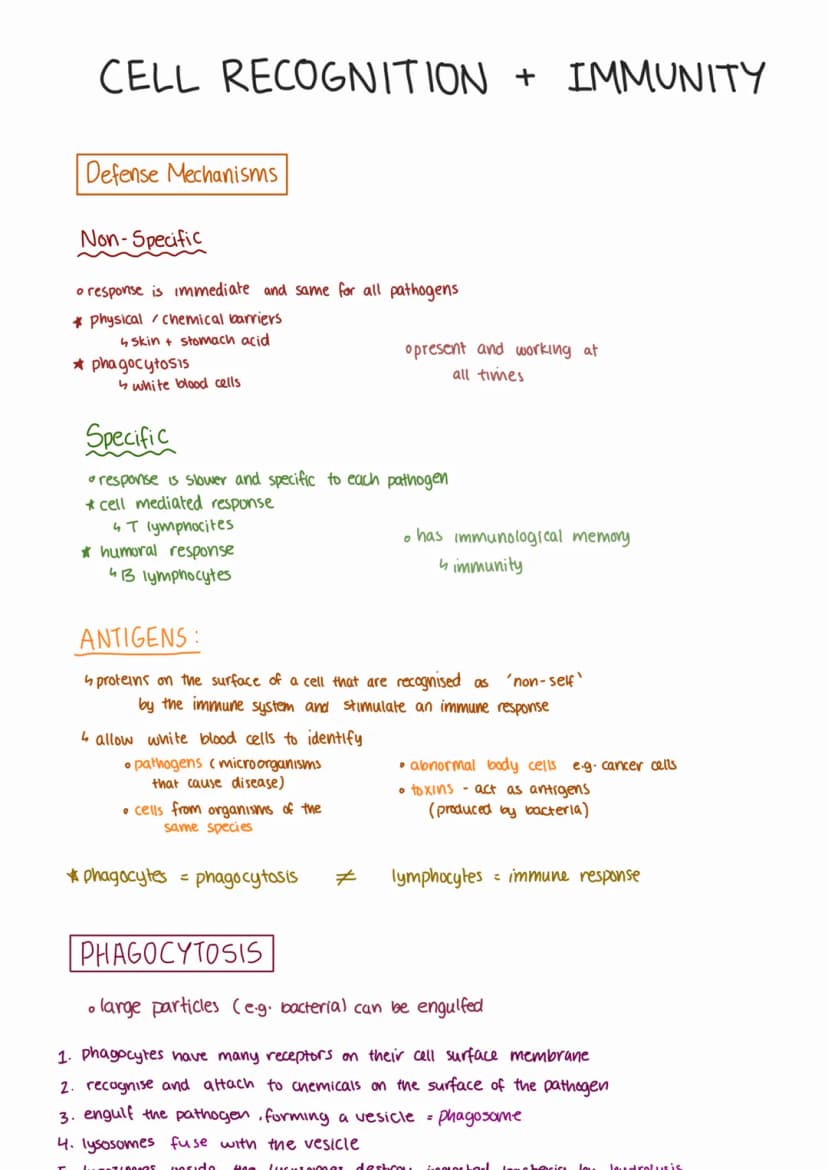
Your body has two main lines of defence working together to protect you from disease. Non-specific defences like your skin and stomach acid are always active, responding immediately to any threat with the same approach every time.
Specific defences take longer to kick in but are much more targeted. They involve T and B lymphocytes that remember past infections, making your immune response faster and stronger next time you encounter the same pathogen.
Antigens are essentially molecular name tags on cell surfaces that help your immune system distinguish between "self" and "foreign" cells. They're found on pathogens, cancer cells, transplanted organs, and even bacterial toxins.
Quick Tip: Think of antigens like enemy uniforms - they help your white blood cells spot the bad guys instantly!
Phagocytosis is your first line of cellular defence, where special white blood cells literally eat invading bacteria. The process involves recognition, engulfment, and destruction using powerful digestive enzymes.
2
of 6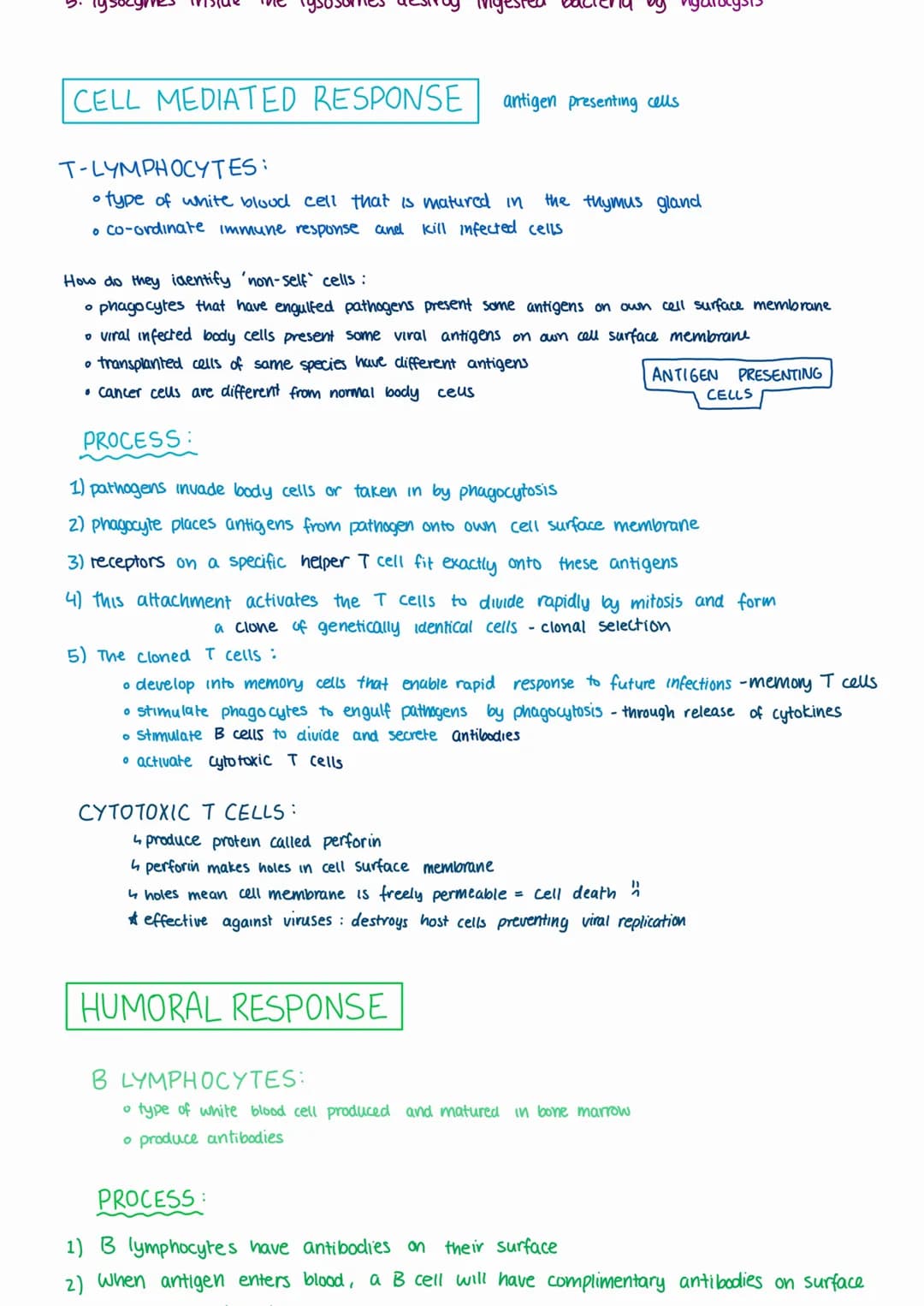
Cell Mediated Response
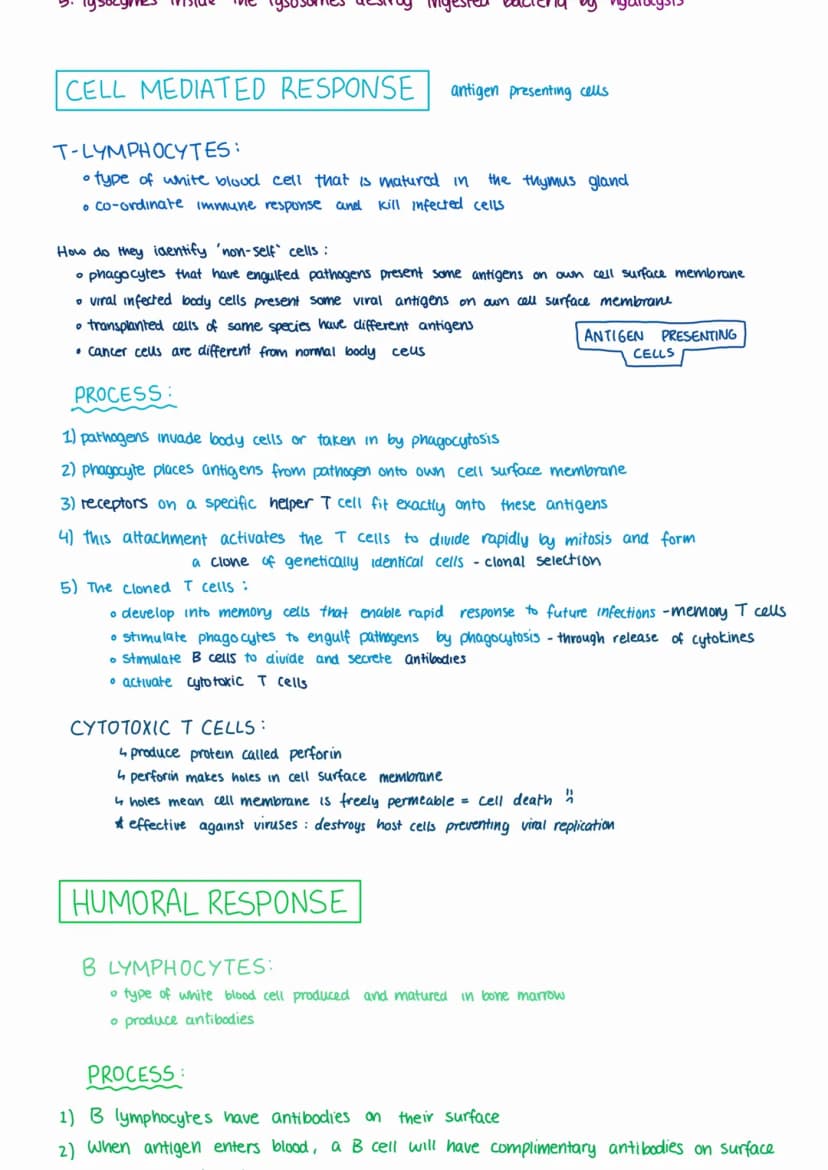
T-lymphocytes are the commanders of your immune system, maturing in your thymus gland and coordinating attacks on infected cells. They're brilliant at spotting cells that have been hijacked by viruses or have turned cancerous.
The process starts when antigen-presenting cells display enemy proteins on their surface like wanted posters. Helper T cells with matching receptors bind to these antigens, triggering clonal selection - rapid cell division to create an army of identical defenders.
These cloned T cells become memory cells for future protection, stimulate other immune cells, and activate cytotoxic T cells. Cytotoxic T cells are the assassins of the immune world, using a protein called perforin to punch holes in infected cells, causing them to die.
Remember: Cytotoxic T cells are particularly effective against viruses because they destroy the host cells viruses need to reproduce!
This targeted destruction prevents viral replication whilst your body recovers from infection.
3
of 6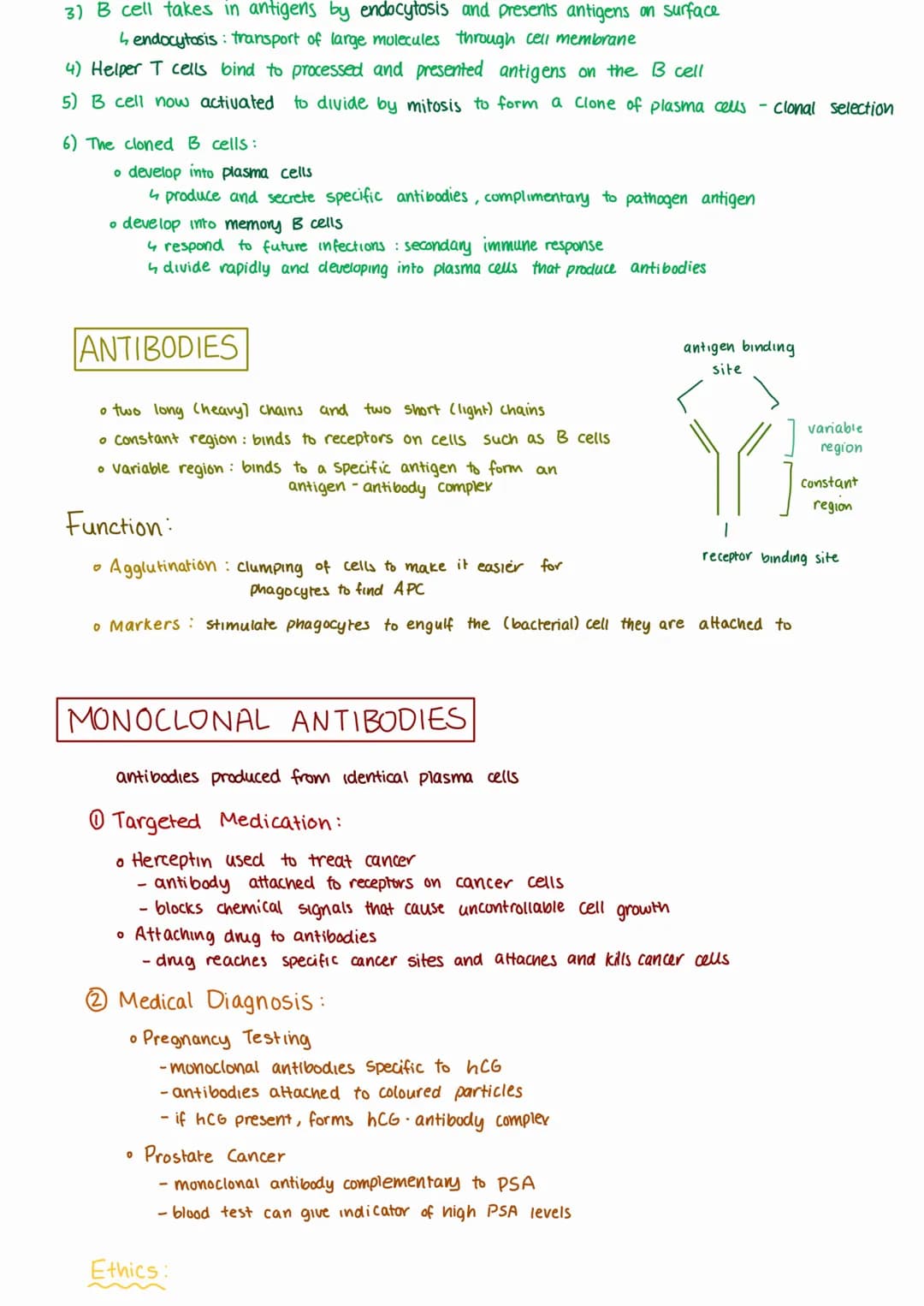
Humoral Response and Antibodies
B-lymphocytes are your body's antibody factories, produced in your bone marrow and designed to tackle threats in your blood and body fluids. When they encounter matching antigens, they spring into action through a carefully orchestrated process.
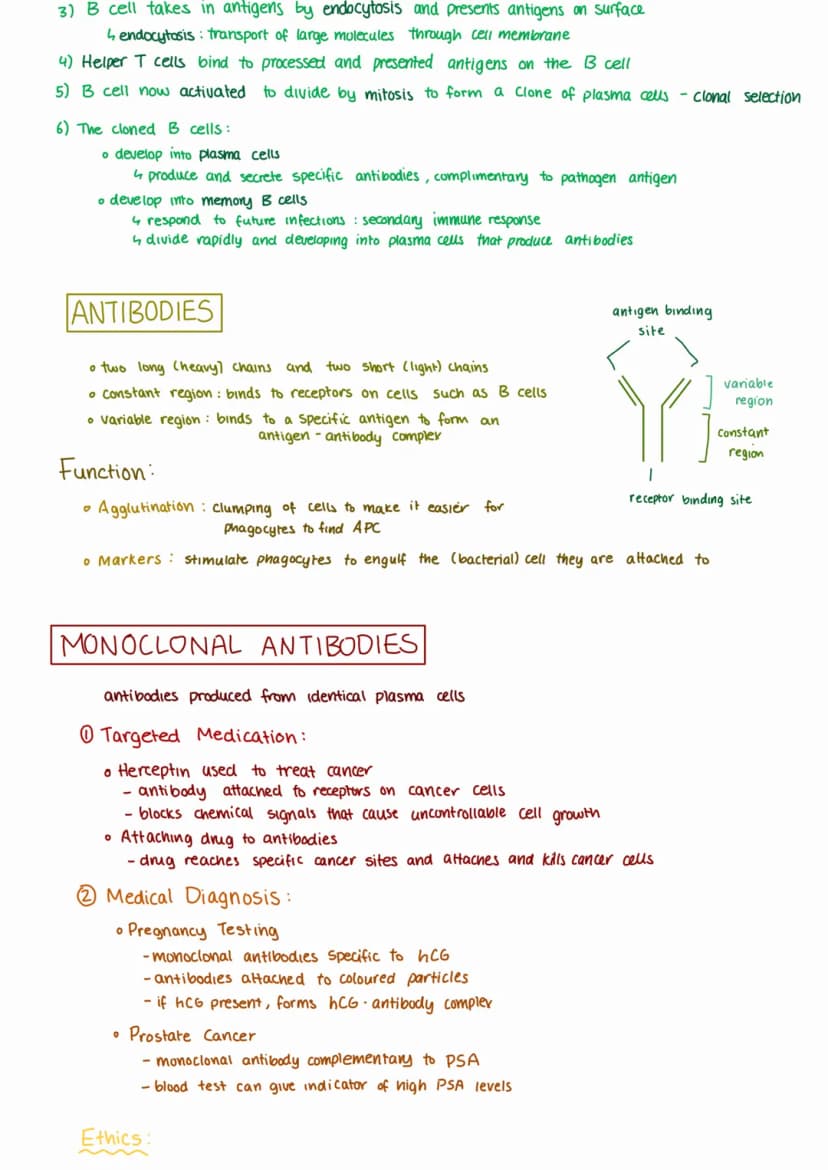
The humoral response begins when B cells with complementary surface antibodies encounter their target antigen. After processing and presenting these antigens, helper T cells activate the B cells to divide rapidly, creating plasma cells and memory B cells.
Antibodies have a distinctive Y-shaped structure with heavy and light chains. Their variable regions bind specifically to antigens whilst their constant regions attach to immune cells. They work through agglutination (clumping cells together) and marking pathogens for destruction.
Monoclonal antibodies from identical plasma cells have revolutionised medicine. They're used in targeted cancer treatments like Herceptin, pregnancy tests detecting hCG, and prostate cancer screening through PSA detection.
Key Point: The specificity of antibodies makes them incredibly useful tools for both treatment and diagnosis!
4
of 6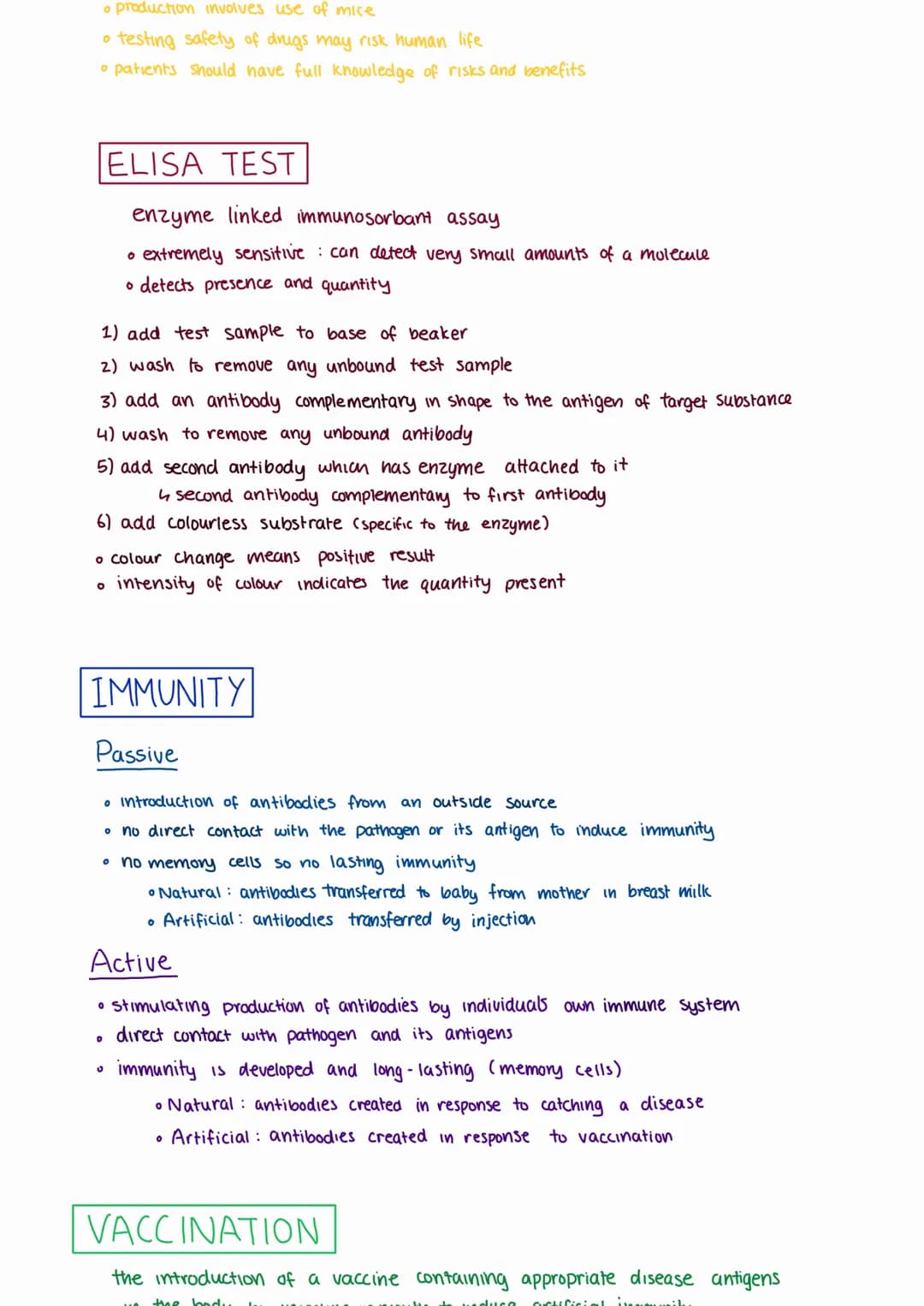
ELISA Testing and Types of Immunity
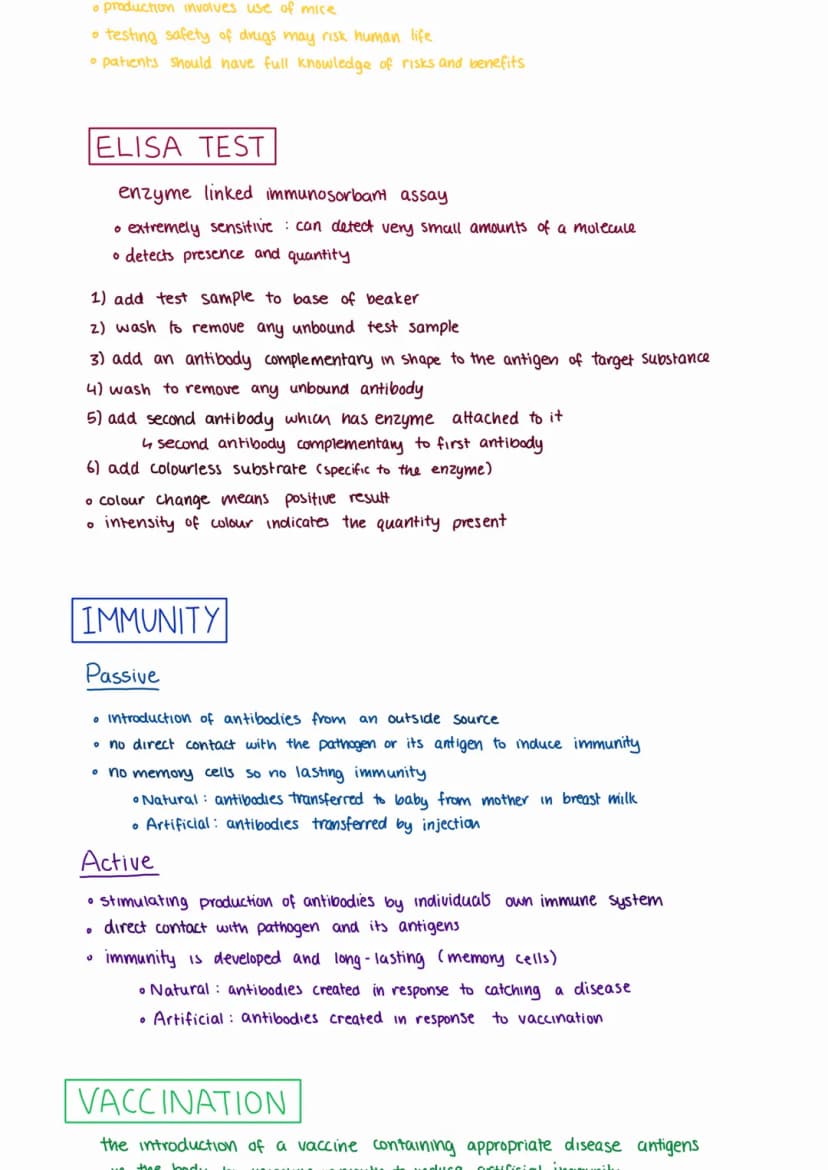
The ELISA test is an incredibly sensitive diagnostic tool that can detect tiny amounts of specific molecules in samples. It uses a clever system of complementary antibodies and colour-changing enzymes to provide both qualitative and quantitative results.
Passive immunity gives you temporary protection through antibodies from external sources - like a baby receiving antibodies through breast milk or someone getting an antibody injection. It's quick but doesn't last because you don't develop memory cells.
Active immunity is the real deal - your immune system does the work itself. Natural active immunity comes from catching and recovering from diseases, whilst artificial active immunity comes from vaccination.
Think About It: Vaccination is like giving your immune system a practice run against weakened enemies!
Vaccines contain harmless versions of disease antigens that trigger memory cell production. When you encounter the real pathogen later, your immune system responds so quickly that you don't get ill.
5
of 6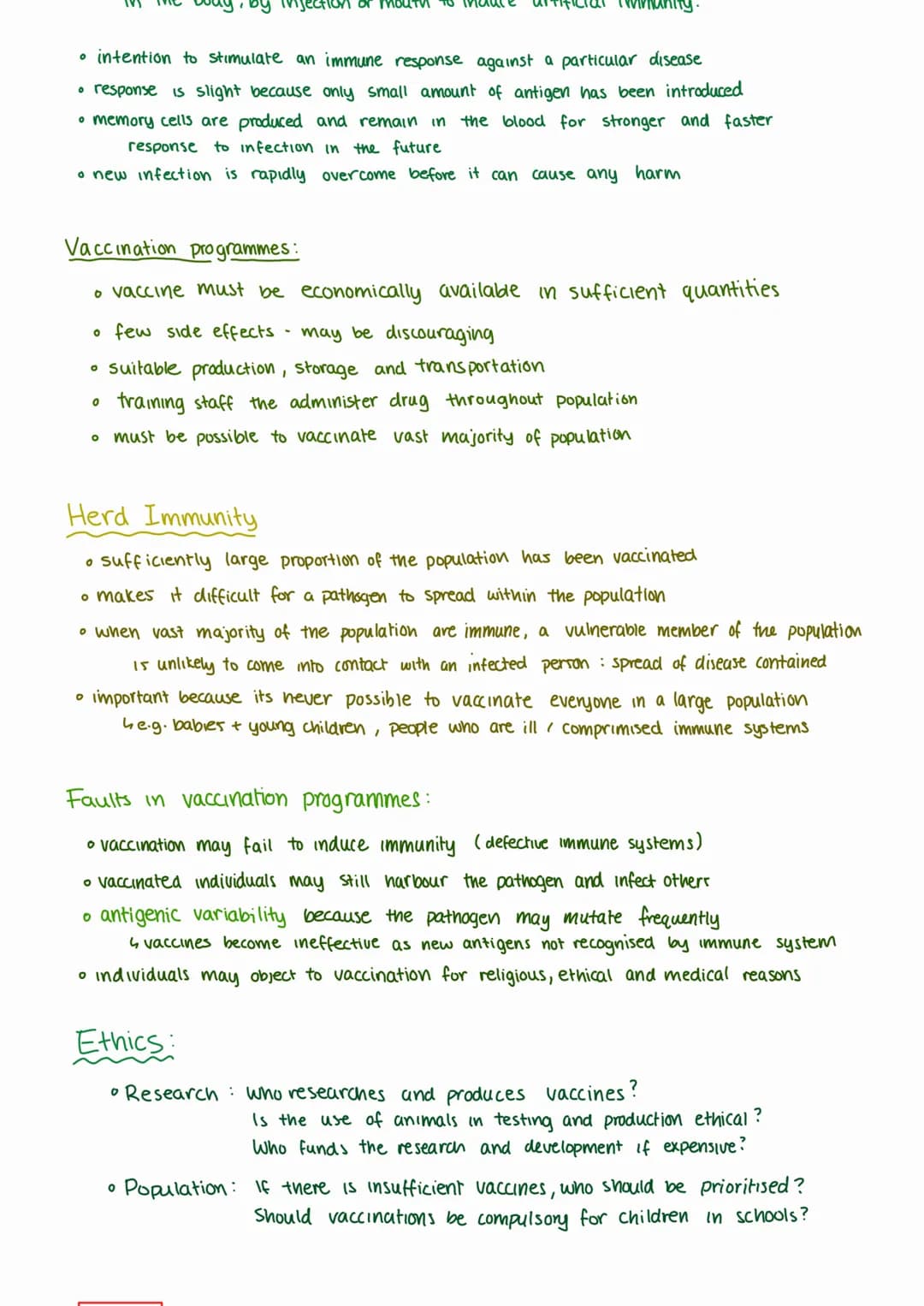
Vaccination and Herd Immunity
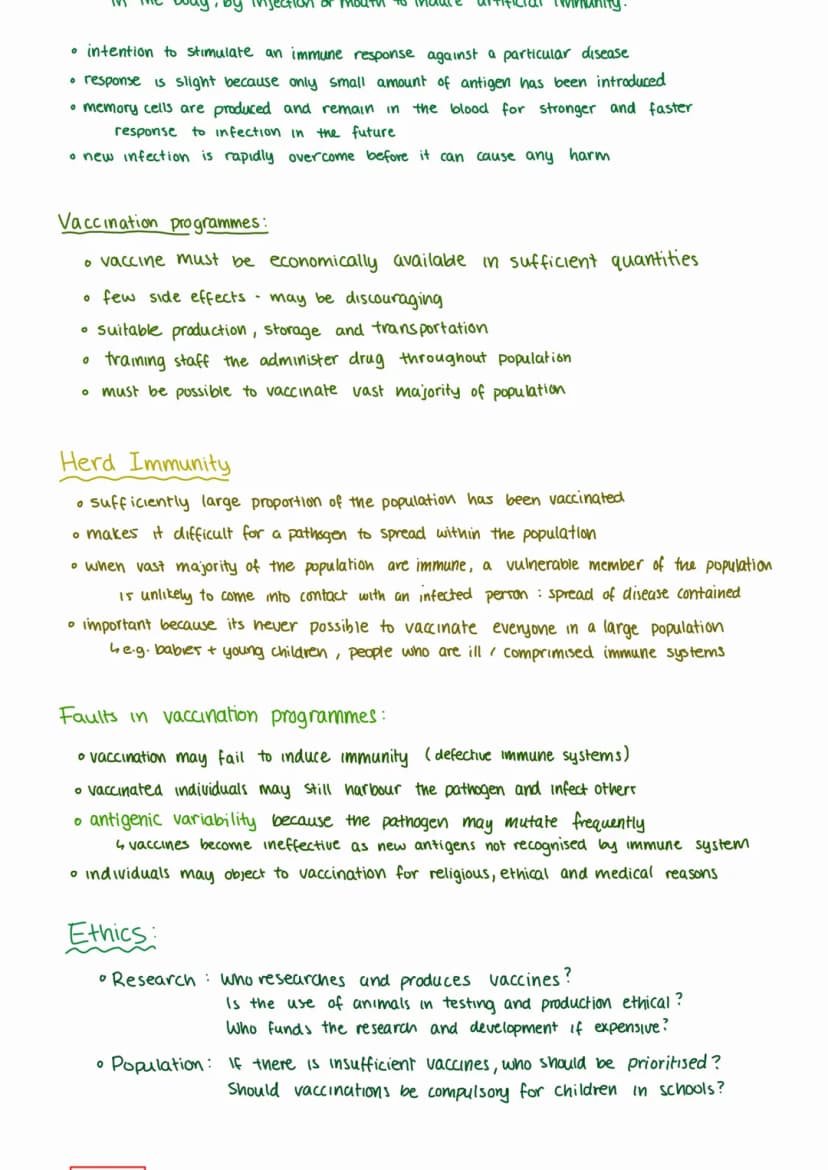
Vaccination programmes require careful planning beyond just medical effectiveness. Success depends on economic availability, minimal side effects, proper storage and transportation, trained staff, and reaching the vast majority of the population.
Herd immunity occurs when enough people are vaccinated to make disease spread extremely difficult. This protects vulnerable individuals like babies, elderly people, and those with compromised immune systems who can't be vaccinated themselves.
However, vaccination programmes face several challenges. Some people don't develop immunity due to defective immune systems, whilst antigenic variability means pathogens can mutate and evade existing vaccines - that's why you need annual flu jabs.
Ethical considerations include research funding, animal testing, vaccine distribution priorities, and whether vaccinations should be compulsory. Religious, medical, and personal objections also complicate universal vaccination efforts.
Real World: The COVID-19 pandemic showed both the power of vaccines and the challenges of achieving global vaccination coverage!
6
of 6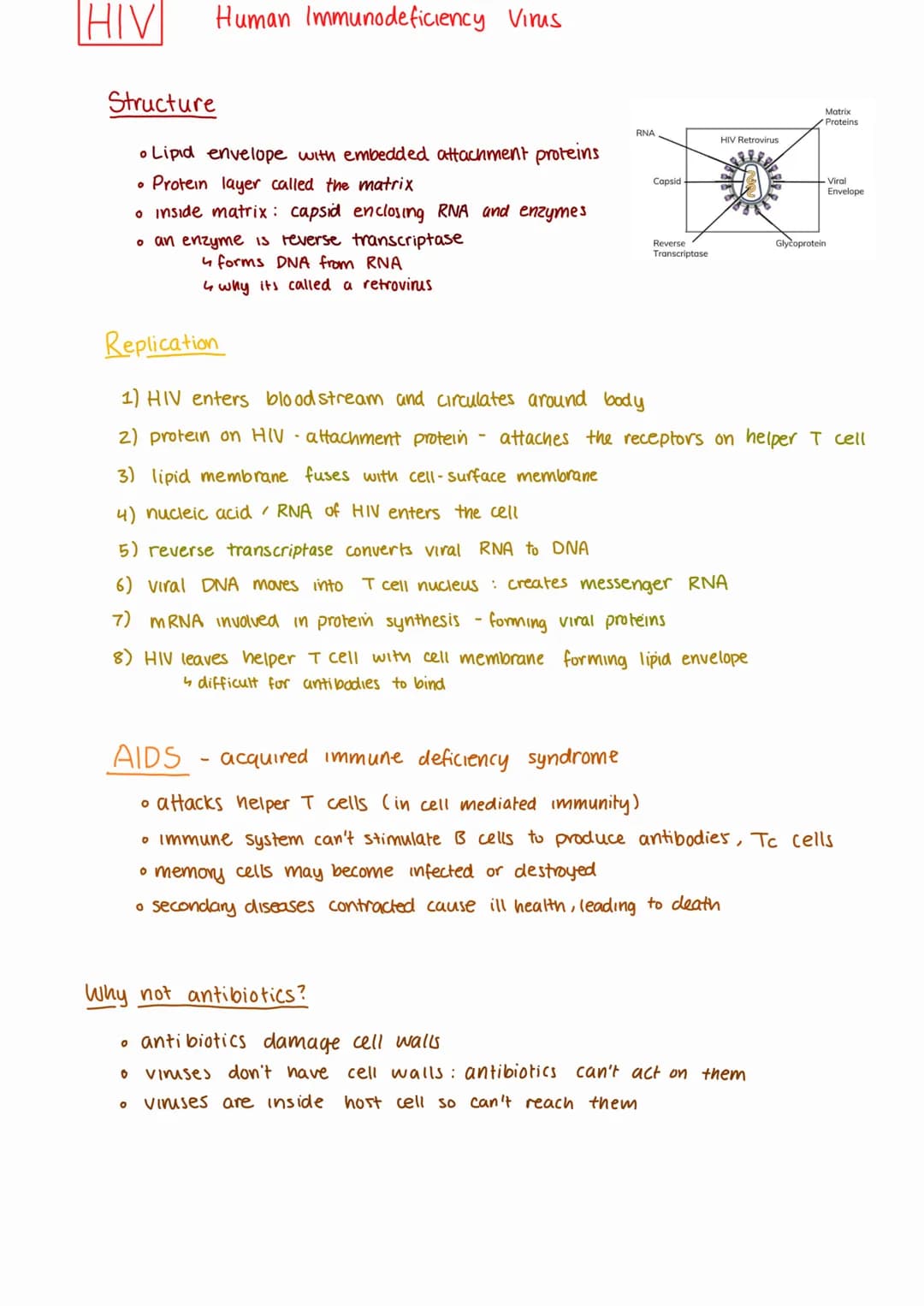
HIV and AIDS
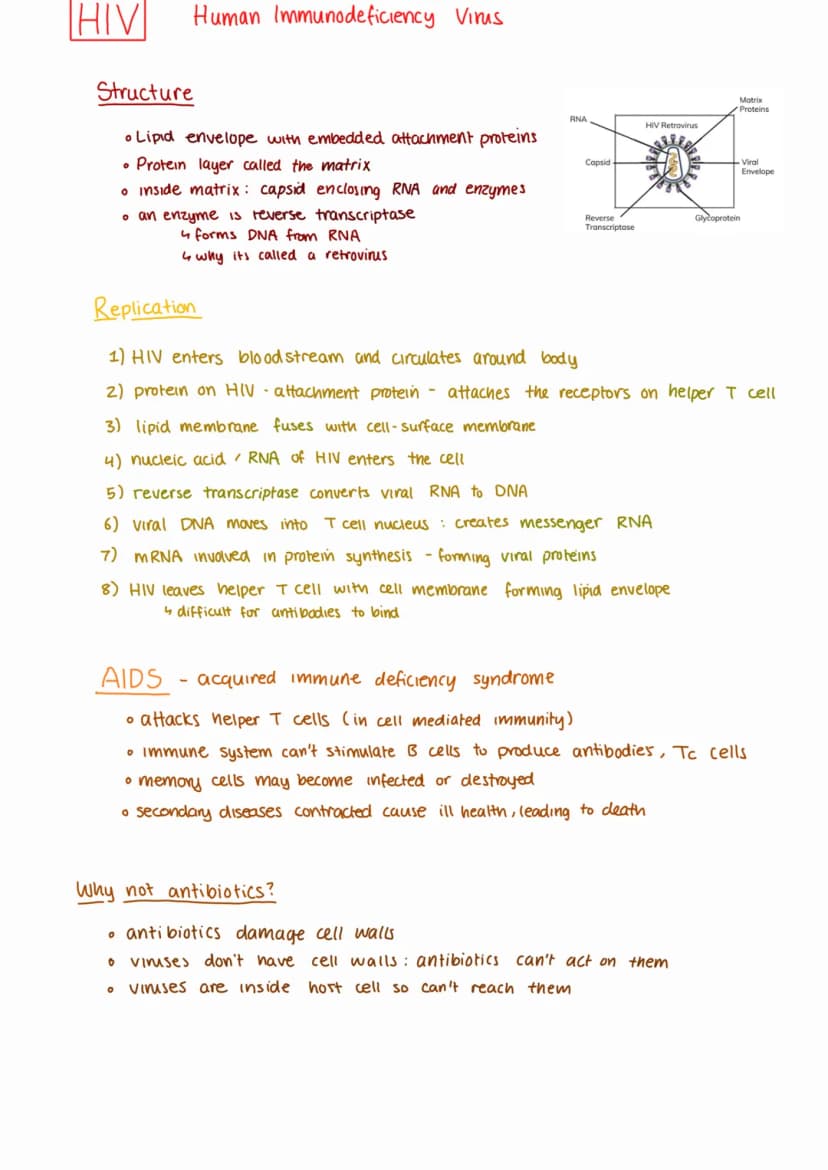
HIV (Human Immunodeficiency Virus) specifically targets your helper T cells, the very cells that coordinate your immune response. Its structure includes a lipid envelope, protein matrix, and RNA core containing reverse transcriptase - an enzyme that converts viral RNA into DNA.
HIV replication is particularly clever and destructive. After attaching to helper T cells, the virus fuses with the cell membrane and inserts its genetic material. The reverse transcriptase creates viral DNA that integrates into the host cell's nucleus, hijacking cellular machinery to produce new viruses.
AIDS (Acquired Immune Deficiency Syndrome) develops when HIV has destroyed enough helper T cells that your immune system can't function properly. Without these crucial coordinators, B cells can't produce antibodies and cytotoxic T cells can't be activated effectively.
Important: Antibiotics don't work against HIV because viruses lack cell walls and hide inside host cells where antibiotics can't reach them!
This immunodeficiency leaves patients vulnerable to opportunistic infections and cancers that healthy immune systems would easily defeat, ultimately leading to death if untreated.
We thought you’d never ask...
What is the Knowunity AI companion?
Our AI companion is specifically built for the needs of students. Based on the millions of content pieces we have on the platform we can provide truly meaningful and relevant answers to students. But its not only about answers, the companion is even more about guiding students through their daily learning challenges, with personalised study plans, quizzes or content pieces in the chat and 100% personalisation based on the students skills and developments.
Where can I download the Knowunity app?
You can download the app in the Google Play Store and in the Apple App Store.
Is Knowunity really free of charge?
That's right! Enjoy free access to study content, connect with fellow students, and get instant help – all at your fingertips.
Similar Content
 Bio éco
Most popular content in Biology
9C
BiologyCell Biology and Cell structure
cell structures
93,2470
1
Biology1.cells Gcse biology question cards
combined science higher biology
92,3534
BiologyAQA Biology: Key Concepts
Explore essential AQA Biology topics including Photosynthesis, Respiration, Homeostasis, Genetics, and Ecology. This comprehensive knowledge organizer covers key concepts such as energy transfer, hormonal control, and genetic variation, providing a solid foundation for your studies. Ideal for exam preparation and understanding biological processes.
108,793306
T
BiologyThe functions of subcellular structures - B1 Biology
Flashcards on the different functions of subcellular structures: cell membrane, nucleus, mitochondria, ribosomes, cytoplasm, permant vacuole, chloroplasts and cell wall.
102,7885
BiologyA-Level Biology Year 1 Overview
Comprehensive summary of AQA A-Level Biology Year 1, covering key topics such as cellular structure, protein synthesis, immune response, gas exchange, and more. Ideal for exam preparation and understanding biological concepts. Includes detailed insights into cellular processes, biological classification, and the circulatory system.
1214,891694
T
BiologyTypes of cells
biology
101,2090
B
BiologyBiology Paper 1 quiz
this is a simple quiz on key knowledge needed for paper 1
112,7745
BiologyBiology paper 1 Summary
Notes for Biology paper 1 contains the full course for AQA higher combined!
104,130106
C
BiologyCells part 1 function of cells.
About cells and function of cells etc.
119861
Most popular content
9 Sociology
Sociology of Education Overview
Explore comprehensive A-Level Sociology notes on the education system, covering key theories, policies, and sociological perspectives. This resource includes insights on marketisation, gender roles, cultural deprivation, and educational inequalities, providing a thorough understanding of how education shapes social stratification and individual achievement. Ideal for exam preparation and in-depth study.
12102,8693,040
SociologySociology of Families: Comprehensive Revision
Dive into an extensive overview of family dynamics, perspectives, and patterns in sociology. This resource covers key concepts such as family diversity, gender roles, marriage, and the impact of social policies on family structures. Perfect for A-Level Sociology students preparing for Paper 2.
1273,6612,307
CriminologyCriminology: Crime & Punishment Overview
Comprehensive mindmaps covering key concepts in the Crime and Punishment topic for WJEC Criminology Unit 4. This resource includes detailed insights into the Criminal Justice System, crime prevention strategies, sentencing models, and the roles of various agencies. Ideal for A-Level revision, ensuring you grasp essential theories and legislative processes to excel in your exams.
1254,8691,059
SociologyComprehensive Crime & Deviance Overview
Explore an extensive revision of crime and deviance topics, including theories, types of crime, and the impact of media. This resource covers key concepts such as Marxism, functionalism, gender and crime, and the influence of globalization on criminal behavior. Ideal for students seeking a thorough understanding of criminology and its various theories. Type: Full Topic Revision.
1251,6541,399
C
BiologyCell Biology and Cell structure
cell structures
93,2470
 English Literature
An Inspector Calls: Character Insights
Explore in-depth analysis and key quotes for characters in J.B. Priestley's 'An Inspector Calls'. This resource covers Gerald Croft, Inspector Goole, Sheila Birling, Mrs. Birling, Eric Birling, and Eva Smith, focusing on themes of class, gender roles, and social responsibility. Ideal for students aiming for Grade 8 and above.
1025,429907
CriminologyWJEC Unit 4 Criminology
Criminology unit 4 detailed revision note
127,151125
CriminologyCriminology Theories Overview
Explore key criminology theories and their implications on crime and deviance. This comprehensive summary covers biological, psychological, and sociological perspectives, including labelling theory, right realism, and the impact of social campaigns on policy development. Ideal for A-Level criminology students seeking to understand the complexities of criminal behaviour and the factors influencing crime prevention strategies.
129,760210
English LiteratureRomeo and Juliet: Key themes
Key Romeo and Juliet themes and analysed quotes
106,708198
Can't find what you're looking for? Explore other subjects.
Students love us — and so will you.
4.6/5App Store
4.7/5Google Play
The app is very easy to use and well designed. I have found everything I was looking for so far and have been able to learn a lot from the presentations! I will definitely use the app for a class assignment! And of course it also helps a lot as an inspiration.
Stefan SiOS user
This app is really great. There are so many study notes and help [...]. My problem subject is French, for example, and the app has so many options for help. Thanks to this app, I have improved my French. I would recommend it to anyone.
Samantha KlichAndroid user
Wow, I am really amazed. I just tried the app because I've seen it advertised many times and was absolutely stunned. This app is THE HELP you want for school and above all, it offers so many things, such as workouts and fact sheets, which have been VERY helpful to me personally.
AnnaiOS user
Biology73 views·Updated Jun 21, 2026·6 pagesUnderstanding Cell Immunity and Recognition
Nicole@nicolelolll
Your immune system is like a sophisticated security team protecting your body 24/7. It uses both immediate defences and specialised responses to fight off infections and keep you healthy.
1
of 6
Sign up to see the content. It's free!
- Access to all documents
- Improve your grades
- Join milions of students
Defence Mechanisms and Antigens
Your body has two main lines of defence working together to protect you from disease. Non-specific defences like your skin and stomach acid are always active, responding immediately to any threat with the same approach every time.
Specific defences take longer to kick in but are much more targeted. They involve T and B lymphocytes that remember past infections, making your immune response faster and stronger next time you encounter the same pathogen.
Antigens are essentially molecular name tags on cell surfaces that help your immune system distinguish between "self" and "foreign" cells. They're found on pathogens, cancer cells, transplanted organs, and even bacterial toxins.
Quick Tip: Think of antigens like enemy uniforms - they help your white blood cells spot the bad guys instantly!
Phagocytosis is your first line of cellular defence, where special white blood cells literally eat invading bacteria. The process involves recognition, engulfment, and destruction using powerful digestive enzymes.
2
of 6Sign up to see the content. It's free!
- Access to all documents
- Improve your grades
- Join milions of students
Cell Mediated Response
T-lymphocytes are the commanders of your immune system, maturing in your thymus gland and coordinating attacks on infected cells. They're brilliant at spotting cells that have been hijacked by viruses or have turned cancerous.
The process starts when antigen-presenting cells display enemy proteins on their surface like wanted posters. Helper T cells with matching receptors bind to these antigens, triggering clonal selection - rapid cell division to create an army of identical defenders.
These cloned T cells become memory cells for future protection, stimulate other immune cells, and activate cytotoxic T cells. Cytotoxic T cells are the assassins of the immune world, using a protein called perforin to punch holes in infected cells, causing them to die.
Remember: Cytotoxic T cells are particularly effective against viruses because they destroy the host cells viruses need to reproduce!
This targeted destruction prevents viral replication whilst your body recovers from infection.
3
of 6Sign up to see the content. It's free!
- Access to all documents
- Improve your grades
- Join milions of students
Humoral Response and Antibodies
B-lymphocytes are your body's antibody factories, produced in your bone marrow and designed to tackle threats in your blood and body fluids. When they encounter matching antigens, they spring into action through a carefully orchestrated process.
The humoral response begins when B cells with complementary surface antibodies encounter their target antigen. After processing and presenting these antigens, helper T cells activate the B cells to divide rapidly, creating plasma cells and memory B cells.
Antibodies have a distinctive Y-shaped structure with heavy and light chains. Their variable regions bind specifically to antigens whilst their constant regions attach to immune cells. They work through agglutination (clumping cells together) and marking pathogens for destruction.
Monoclonal antibodies from identical plasma cells have revolutionised medicine. They're used in targeted cancer treatments like Herceptin, pregnancy tests detecting hCG, and prostate cancer screening through PSA detection.
Key Point: The specificity of antibodies makes them incredibly useful tools for both treatment and diagnosis!
4
of 6Sign up to see the content. It's free!
- Access to all documents
- Improve your grades
- Join milions of students
ELISA Testing and Types of Immunity
The ELISA test is an incredibly sensitive diagnostic tool that can detect tiny amounts of specific molecules in samples. It uses a clever system of complementary antibodies and colour-changing enzymes to provide both qualitative and quantitative results.
Passive immunity gives you temporary protection through antibodies from external sources - like a baby receiving antibodies through breast milk or someone getting an antibody injection. It's quick but doesn't last because you don't develop memory cells.
Active immunity is the real deal - your immune system does the work itself. Natural active immunity comes from catching and recovering from diseases, whilst artificial active immunity comes from vaccination.
Think About It: Vaccination is like giving your immune system a practice run against weakened enemies!
Vaccines contain harmless versions of disease antigens that trigger memory cell production. When you encounter the real pathogen later, your immune system responds so quickly that you don't get ill.
5
of 6Sign up to see the content. It's free!
- Access to all documents
- Improve your grades
- Join milions of students
Vaccination and Herd Immunity
Vaccination programmes require careful planning beyond just medical effectiveness. Success depends on economic availability, minimal side effects, proper storage and transportation, trained staff, and reaching the vast majority of the population.
Herd immunity occurs when enough people are vaccinated to make disease spread extremely difficult. This protects vulnerable individuals like babies, elderly people, and those with compromised immune systems who can't be vaccinated themselves.
However, vaccination programmes face several challenges. Some people don't develop immunity due to defective immune systems, whilst antigenic variability means pathogens can mutate and evade existing vaccines - that's why you need annual flu jabs.
Ethical considerations include research funding, animal testing, vaccine distribution priorities, and whether vaccinations should be compulsory. Religious, medical, and personal objections also complicate universal vaccination efforts.
Real World: The COVID-19 pandemic showed both the power of vaccines and the challenges of achieving global vaccination coverage!
6
of 6Sign up to see the content. It's free!
- Access to all documents
- Improve your grades
- Join milions of students
HIV and AIDS
HIV (Human Immunodeficiency Virus) specifically targets your helper T cells, the very cells that coordinate your immune response. Its structure includes a lipid envelope, protein matrix, and RNA core containing reverse transcriptase - an enzyme that converts viral RNA into DNA.
HIV replication is particularly clever and destructive. After attaching to helper T cells, the virus fuses with the cell membrane and inserts its genetic material. The reverse transcriptase creates viral DNA that integrates into the host cell's nucleus, hijacking cellular machinery to produce new viruses.
AIDS (Acquired Immune Deficiency Syndrome) develops when HIV has destroyed enough helper T cells that your immune system can't function properly. Without these crucial coordinators, B cells can't produce antibodies and cytotoxic T cells can't be activated effectively.
Important: Antibiotics don't work against HIV because viruses lack cell walls and hide inside host cells where antibiotics can't reach them!
This immunodeficiency leaves patients vulnerable to opportunistic infections and cancers that healthy immune systems would easily defeat, ultimately leading to death if untreated.
We thought you’d never ask...
What is the Knowunity AI companion?
Our AI companion is specifically built for the needs of students. Based on the millions of content pieces we have on the platform we can provide truly meaningful and relevant answers to students. But its not only about answers, the companion is even more about guiding students through their daily learning challenges, with personalised study plans, quizzes or content pieces in the chat and 100% personalisation based on the students skills and developments.
Where can I download the Knowunity app?
You can download the app in the Google Play Store and in the Apple App Store.
Is Knowunity really free of charge?
That's right! Enjoy free access to study content, connect with fellow students, and get instant help – all at your fingertips.
Similar Content
Most popular content in Biology
9C
BiologyCell Biology and Cell structure
cell structures
93,2470
1
Biology1.cells Gcse biology question cards
combined science higher biology
92,3534
BiologyAQA Biology: Key Concepts
Explore essential AQA Biology topics including Photosynthesis, Respiration, Homeostasis, Genetics, and Ecology. This comprehensive knowledge organizer covers key concepts such as energy transfer, hormonal control, and genetic variation, providing a solid foundation for your studies. Ideal for exam preparation and understanding biological processes.
108,793306
T
BiologyThe functions of subcellular structures - B1 Biology
Flashcards on the different functions of subcellular structures: cell membrane, nucleus, mitochondria, ribosomes, cytoplasm, permant vacuole, chloroplasts and cell wall.
102,7885
BiologyA-Level Biology Year 1 Overview
Comprehensive summary of AQA A-Level Biology Year 1, covering key topics such as cellular structure, protein synthesis, immune response, gas exchange, and more. Ideal for exam preparation and understanding biological concepts. Includes detailed insights into cellular processes, biological classification, and the circulatory system.
1214,891694
T
BiologyTypes of cells
biology
101,2090
B
BiologyBiology Paper 1 quiz
this is a simple quiz on key knowledge needed for paper 1
112,7745
BiologyBiology paper 1 Summary
Notes for Biology paper 1 contains the full course for AQA higher combined!
104,130106
C
BiologyCells part 1 function of cells.
About cells and function of cells etc.
119861
Most popular content
9SociologySociology of Education Overview
Explore comprehensive A-Level Sociology notes on the education system, covering key theories, policies, and sociological perspectives. This resource includes insights on marketisation, gender roles, cultural deprivation, and educational inequalities, providing a thorough understanding of how education shapes social stratification and individual achievement. Ideal for exam preparation and in-depth study.
12102,8693,040
SociologySociology of Families: Comprehensive Revision
Dive into an extensive overview of family dynamics, perspectives, and patterns in sociology. This resource covers key concepts such as family diversity, gender roles, marriage, and the impact of social policies on family structures. Perfect for A-Level Sociology students preparing for Paper 2.
1273,6612,307
CriminologyCriminology: Crime & Punishment Overview
Comprehensive mindmaps covering key concepts in the Crime and Punishment topic for WJEC Criminology Unit 4. This resource includes detailed insights into the Criminal Justice System, crime prevention strategies, sentencing models, and the roles of various agencies. Ideal for A-Level revision, ensuring you grasp essential theories and legislative processes to excel in your exams.
1254,8691,059
SociologyComprehensive Crime & Deviance Overview
Explore an extensive revision of crime and deviance topics, including theories, types of crime, and the impact of media. This resource covers key concepts such as Marxism, functionalism, gender and crime, and the influence of globalization on criminal behavior. Ideal for students seeking a thorough understanding of criminology and its various theories. Type: Full Topic Revision.
1251,6541,399
C
BiologyCell Biology and Cell structure
cell structures
93,2470
English LiteratureAn Inspector Calls: Character Insights
Explore in-depth analysis and key quotes for characters in J.B. Priestley's 'An Inspector Calls'. This resource covers Gerald Croft, Inspector Goole, Sheila Birling, Mrs. Birling, Eric Birling, and Eva Smith, focusing on themes of class, gender roles, and social responsibility. Ideal for students aiming for Grade 8 and above.
1025,429907
CriminologyWJEC Unit 4 Criminology
Criminology unit 4 detailed revision note
127,151125
CriminologyCriminology Theories Overview
Explore key criminology theories and their implications on crime and deviance. This comprehensive summary covers biological, psychological, and sociological perspectives, including labelling theory, right realism, and the impact of social campaigns on policy development. Ideal for A-Level criminology students seeking to understand the complexities of criminal behaviour and the factors influencing crime prevention strategies.
129,760210
English LiteratureRomeo and Juliet: Key themes
Key Romeo and Juliet themes and analysed quotes
106,708198
Can't find what you're looking for? Explore other subjects.
Students love us — and so will you.
4.6/5App Store
4.7/5Google Play
The app is very easy to use and well designed. I have found everything I was looking for so far and have been able to learn a lot from the presentations! I will definitely use the app for a class assignment! And of course it also helps a lot as an inspiration.
Stefan SiOS user
This app is really great. There are so many study notes and help [...]. My problem subject is French, for example, and the app has so many options for help. Thanks to this app, I have improved my French. I would recommend it to anyone.
Samantha KlichAndroid user
Wow, I am really amazed. I just tried the app because I've seen it advertised many times and was absolutely stunned. This app is THE HELP you want for school and above all, it offers so many things, such as workouts and fact sheets, which have been VERY helpful to me personally.
AnnaiOS user