
This is your complete guide to GCSE Triple Science Biology...
 Biology770 views·Updated Jun 15, 2026·45 pages
Complete Biology Study Guide for Higher Tier

Rox Foster@roxyfoster_etam





1 / 10
1
of 10
Biology Triple Science Revision Overview
Welcome to your comprehensive GCSE Triple Science Biology revision guide! This booklet is designed specifically for Higher tier students and covers both Paper 1 and Paper 2 content.
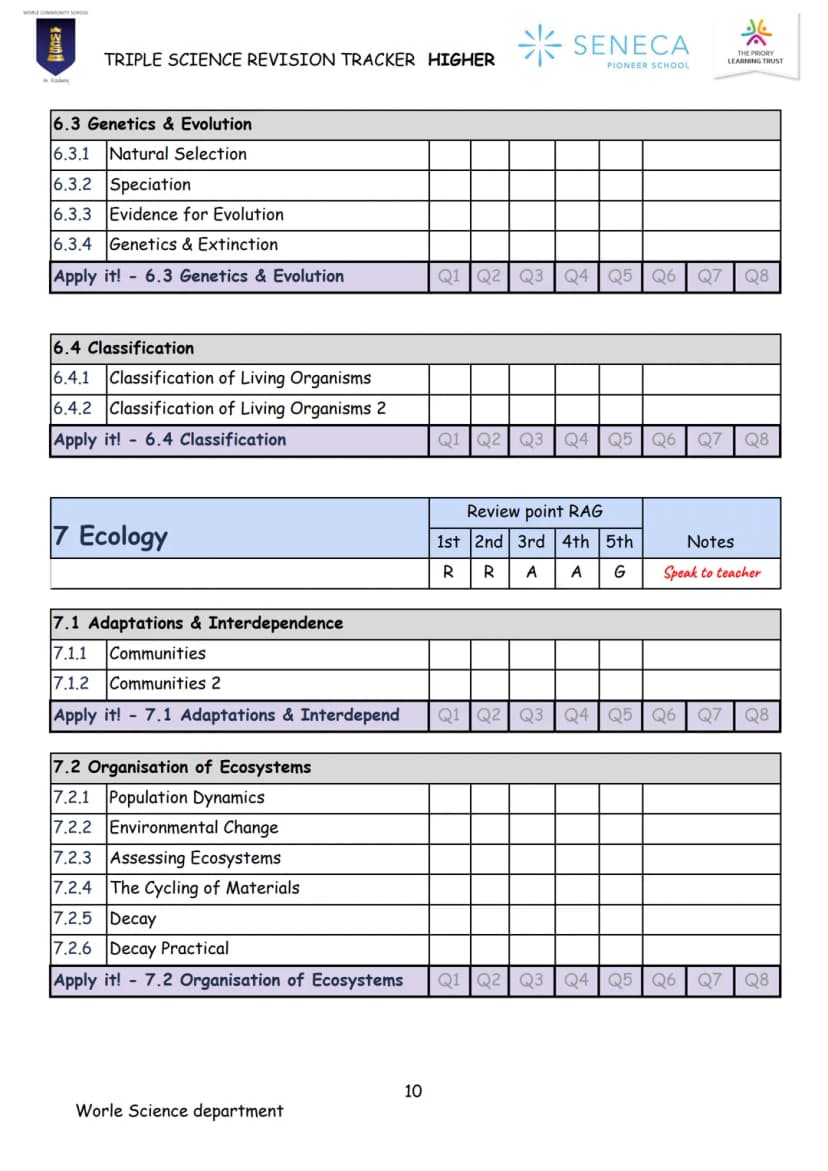
The revision tracker uses a simple RAG (Red, Amber, Green) system to help you monitor your progress. You'll review each topic multiple times across five different sessions, building your confidence with each pass.
Top Tip: Use the "Apply it!" sections and practice questions after each topic to test your understanding before moving on.
2
of 10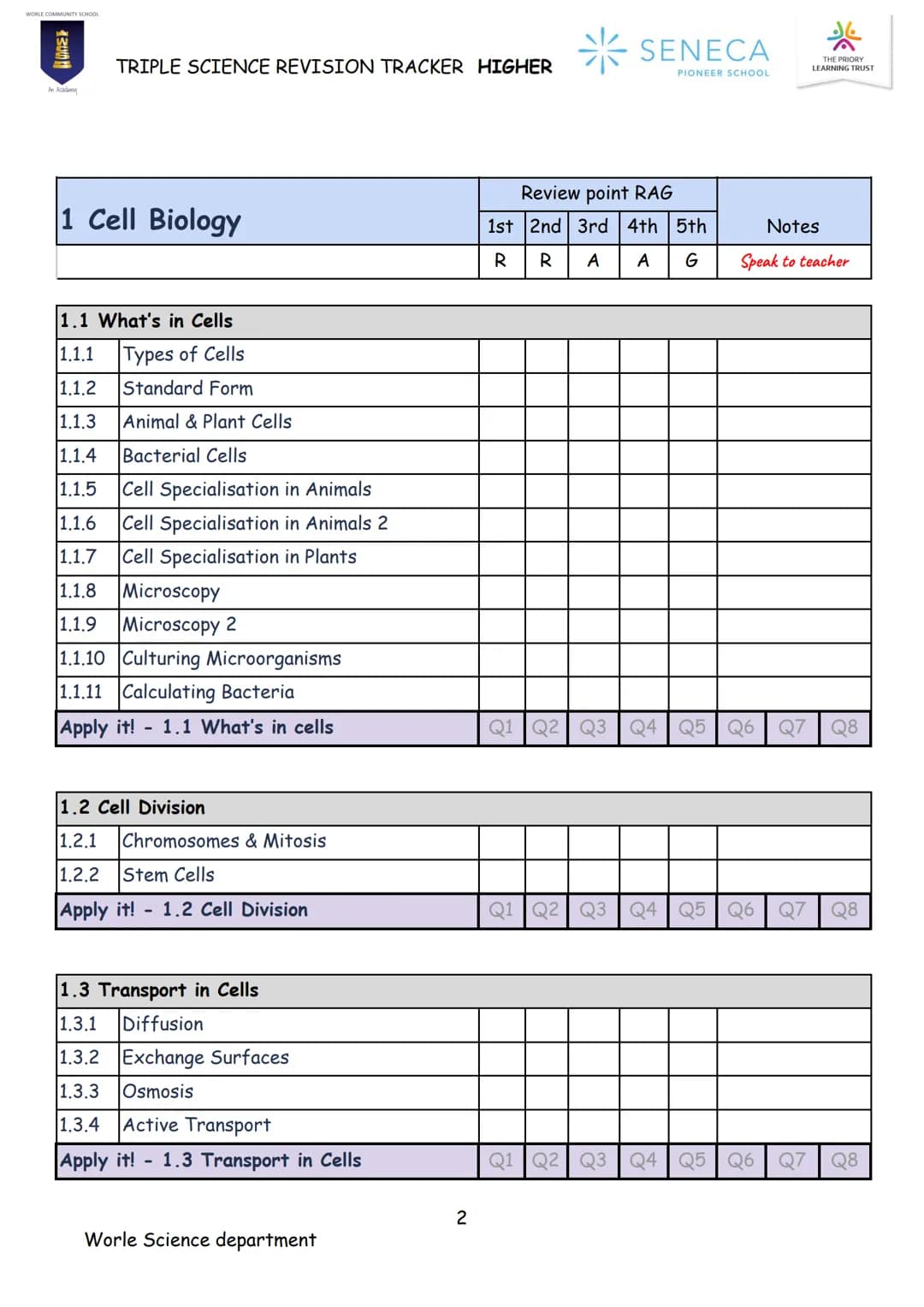
Cell Biology & Organisation Foundations
Cell Biology forms the foundation of everything else you'll study. You'll explore different types of cells, from simple bacterial cells to complex plant and animal cells with specialised functions. Microscopy techniques and cell division through mitosis are essential concepts here.
The transport mechanisms in cells - diffusion, osmosis, and active transport - explain how substances move in and out of cells. These processes are crucial for understanding how organisms maintain life.
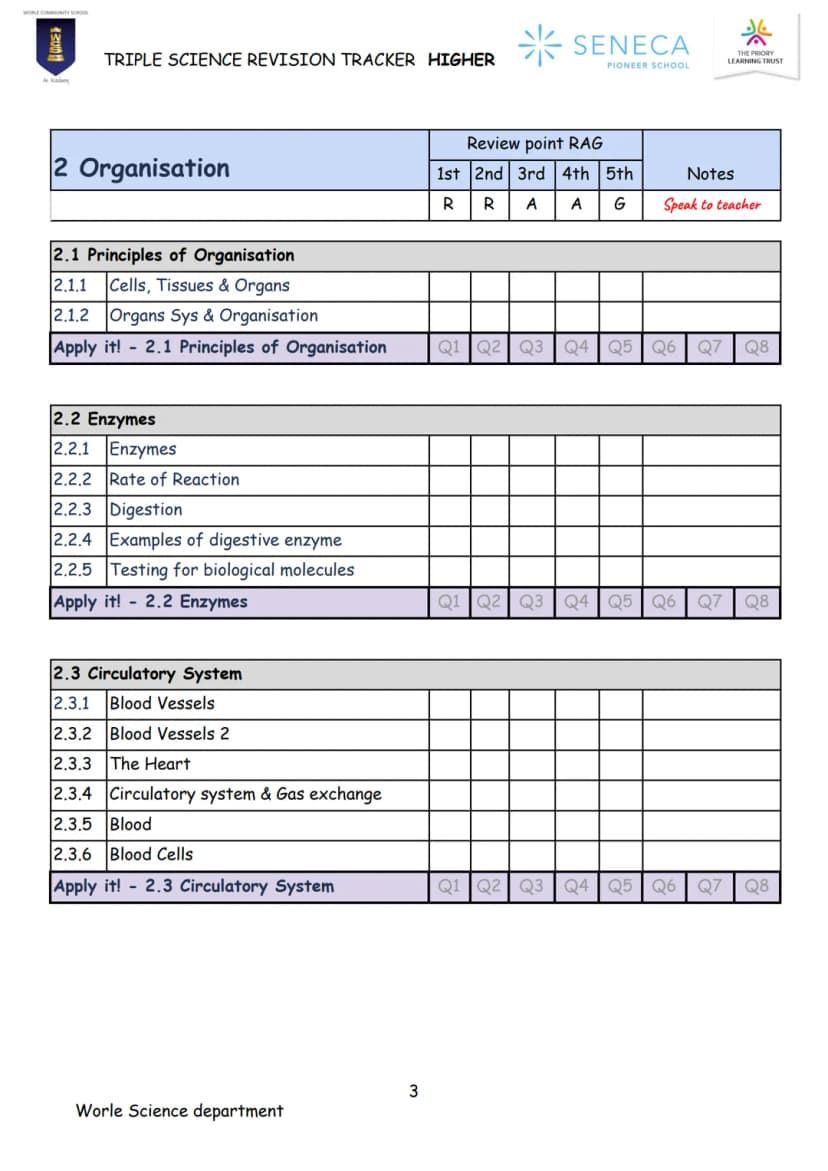
Organisation builds on cell biology by showing how cells work together. You'll study how cells form tissues, tissues form organs, and organs work together in systems. Enzymes play a vital role in speeding up biological reactions throughout the body.
Key Focus: Master the differences between prokaryotic and eukaryotic cells early - this knowledge supports everything that follows.
3
of 10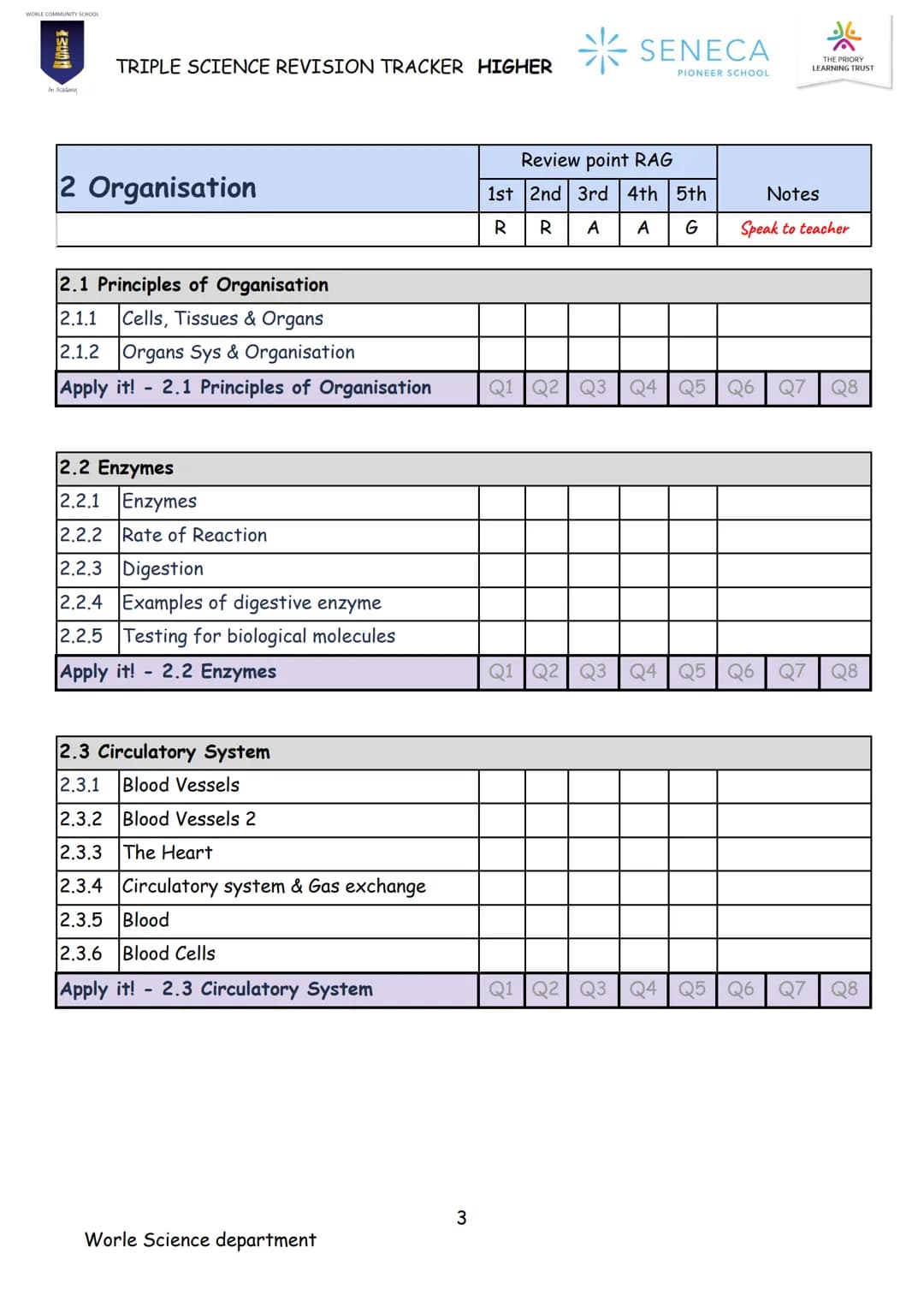
Circulatory System & Disease
Your circulatory system is like a complex transport network. You'll learn about different types of blood vessels, how the heart pumps blood, and the various components of blood including different blood cells and their functions.
Non-communicable diseases don't spread from person to person but can seriously affect health. Heart disease and cancer are major examples, with various risk factors contributing to their development. Understanding how to treat heart disease is particularly important.
Plant biology reveals fascinating transport systems too. Transpiration moves water through plants, while translocation transports sugars. The structure of plant tissues, including stomata, controls these processes.
Remember: The heart is essentially two pumps working together - learn the pathway of blood through both sides.
4
of 10
Infection, Response & Bioenergetics
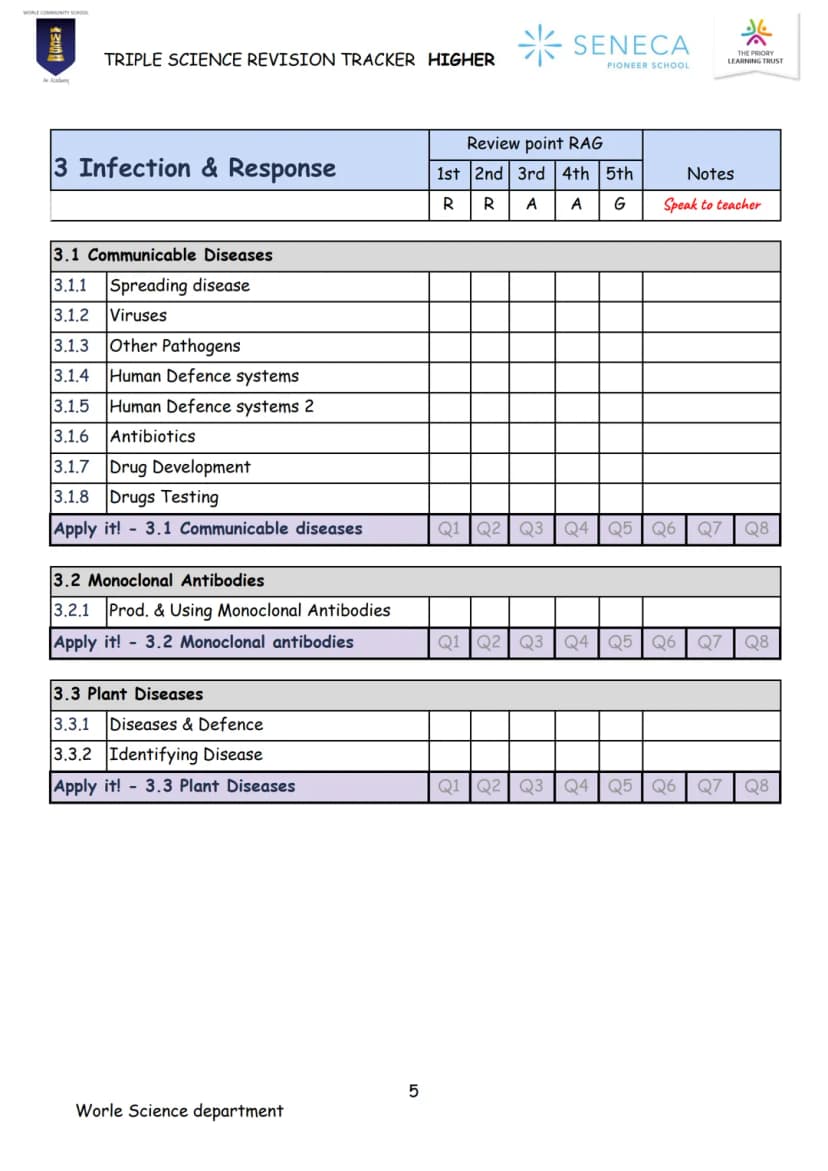
Communicable diseases spread from organism to organism through pathogens like bacteria and viruses. Your body has amazing defence systems including white blood cells and the immune response. Antibiotics fight bacterial infections, but their development requires extensive testing.
Monoclonal antibodies are identical antibodies produced artificially. They're incredibly useful in medicine for diagnosis and treatment. Plants also face diseases and have their own defence mechanisms.
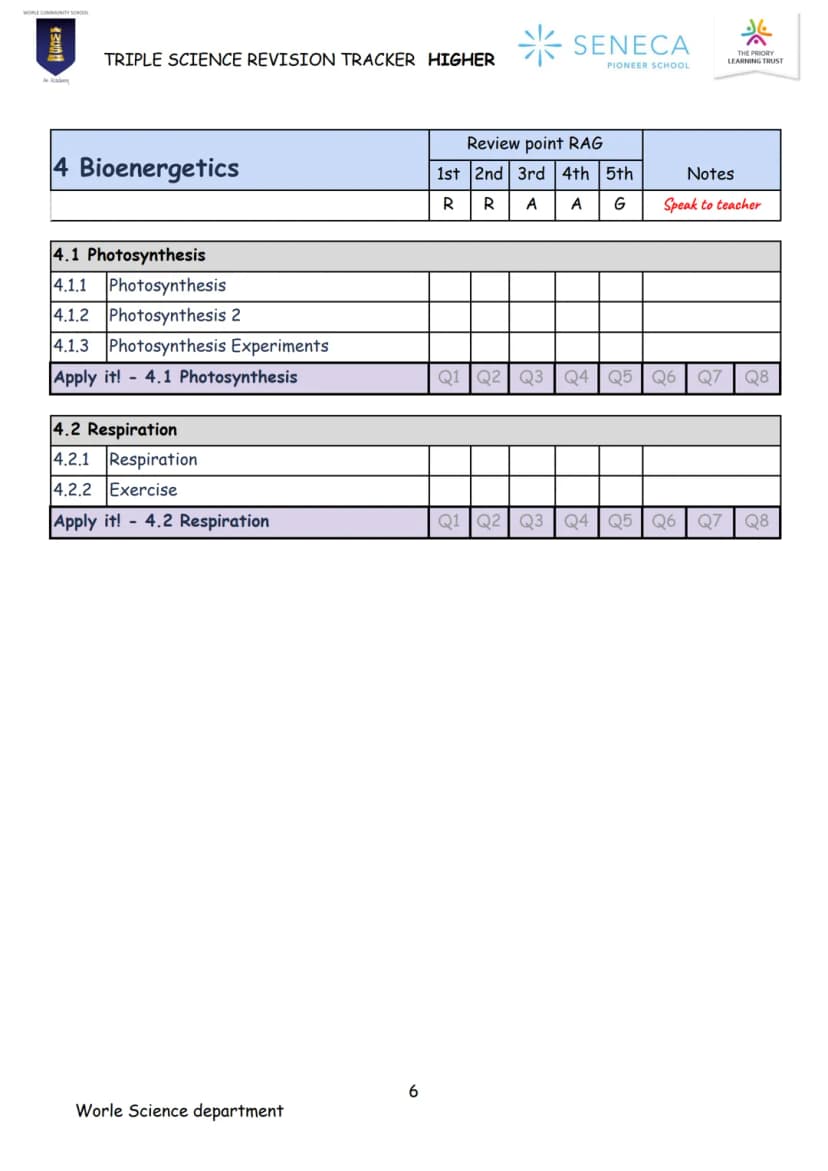
Bioenergetics covers the two most important biological processes: photosynthesis and respiration. Photosynthesis captures energy from sunlight to make glucose, while respiration releases energy from glucose for cellular activities.
Key Point: Remember that respiration happens in ALL living cells, not just animal cells - even plants respire!
5
of 10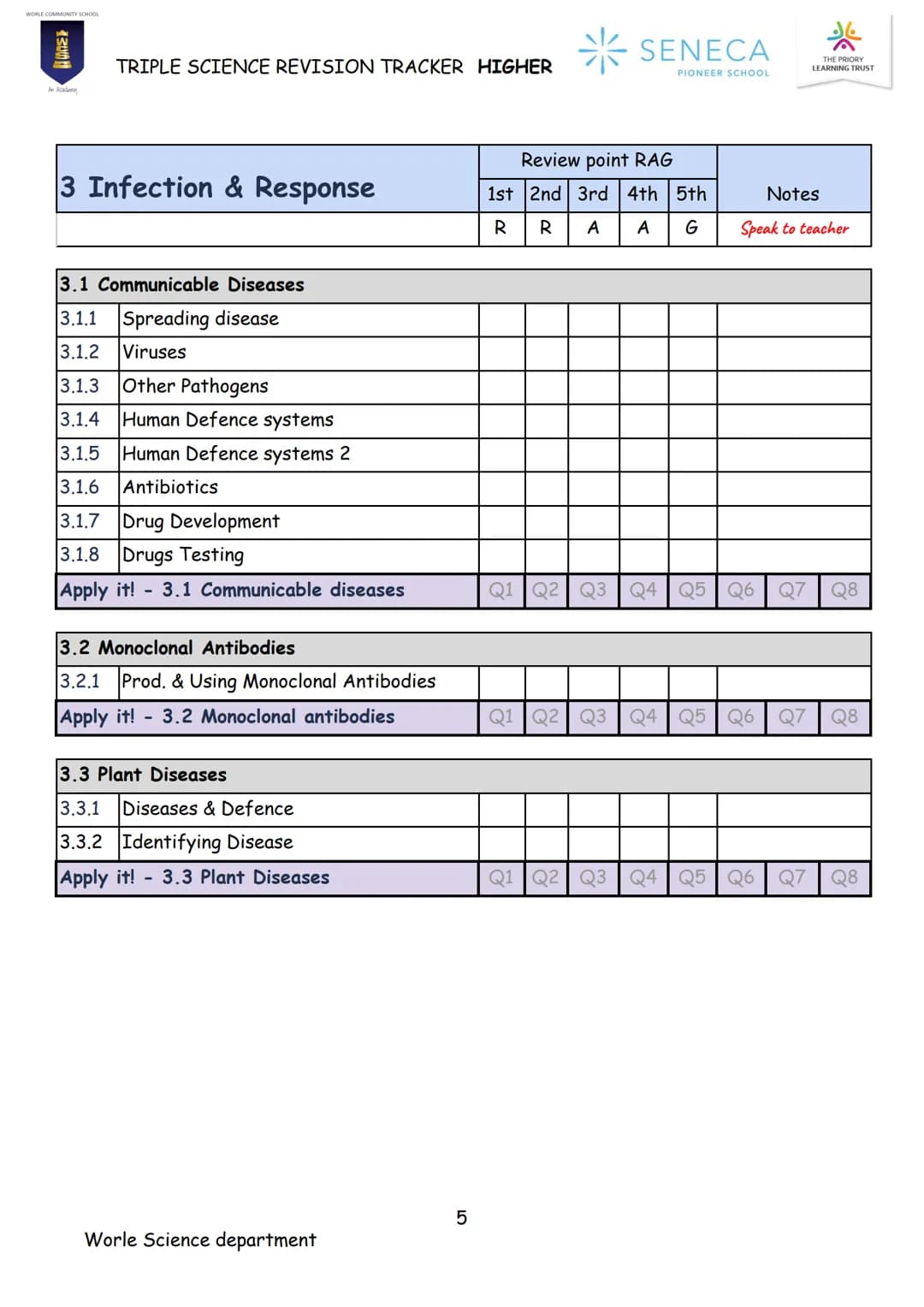
Homeostasis & Response Systems
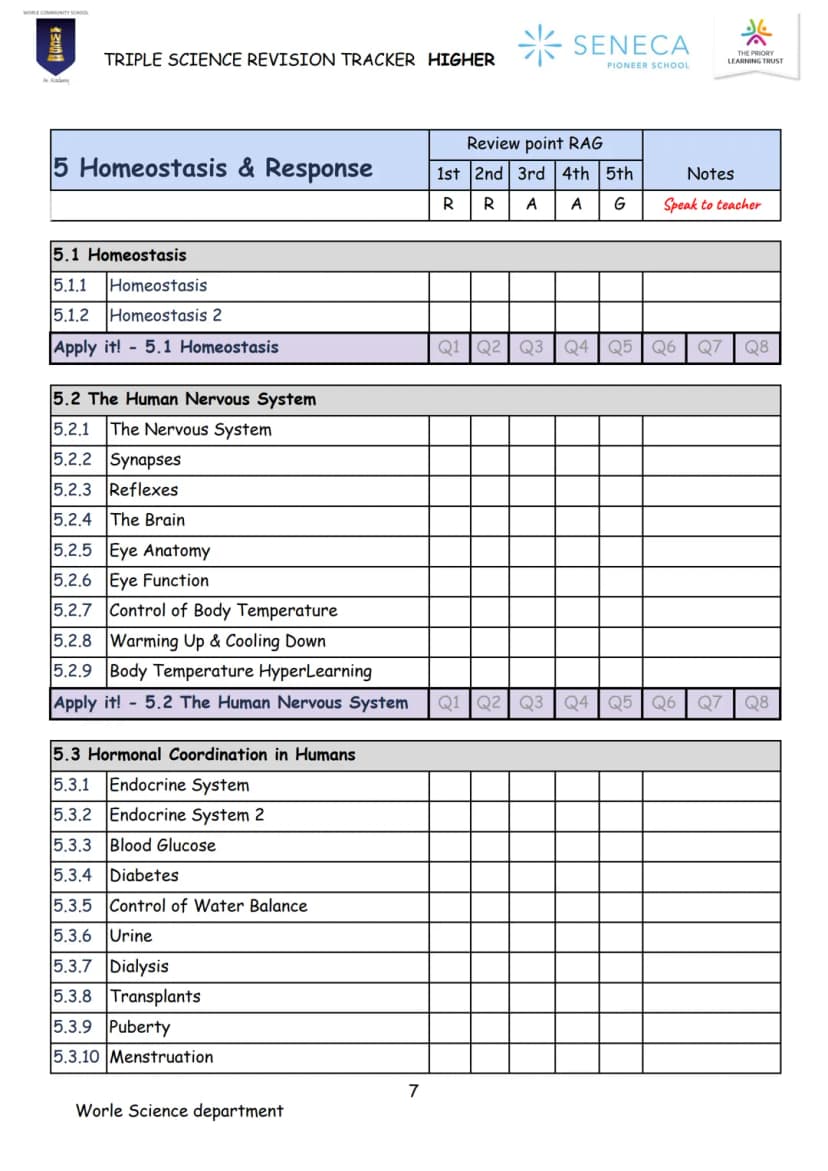
Homeostasis is your body's ability to maintain stable internal conditions despite external changes. It's like having an internal thermostat that keeps everything balanced.
Your nervous system coordinates rapid responses through electrical impulses. Synapses connect nerve cells, whilst reflexes provide instant protection. The brain controls complex behaviours, and your eyes are sophisticated organs that detect light.
Hormonal coordination provides slower but longer-lasting control. The endocrine system releases hormones into the bloodstream. Blood glucose control, diabetes, and water balance are crucial examples. Reproductive hormones control puberty, the menstrual cycle, and fertility treatments.
Study Strategy: Create a comparison table between nervous and hormonal control - speed, duration, and examples.
6
of 10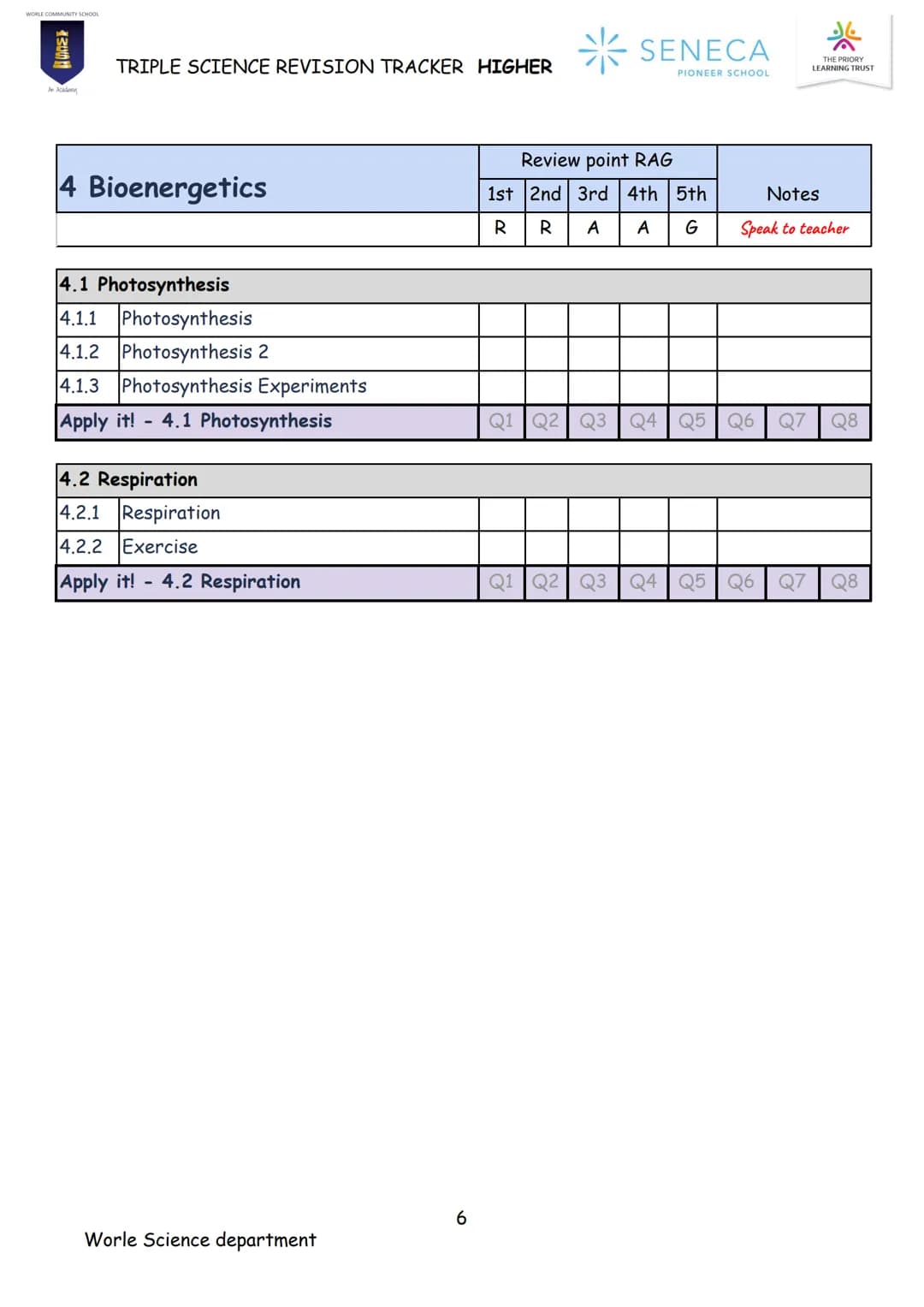
Plant Hormones & Inheritance
Plant hormones control growth, development, and responses to environmental stimuli. Unlike animals, plants can't move, so they must grow towards or away from stimuli like light and gravity.
Inheritance explains how characteristics pass from parents to offspring through DNA and genes. The genome contains all genetic information, whilst protein synthesis converts genetic codes into functional proteins.
Genetic crosses help predict inheritance patterns, including inherited disorders. Modern techniques include genome screening and determining biological sex through chromosomes.
Genetics Tip: Practice drawing genetic cross diagrams - they're often worth several marks in exams and follow predictable patterns.
7
of 10
Variation, Evolution & Genetic Technologies
Variation exists within all species through genetic and environmental factors. Natural selection drives evolution by favouring organisms best adapted to their environment. Over time, this can lead to speciation - the formation of new species.
Selective breeding allows humans to develop desired characteristics in plants and animals. Genetic engineering and genetic modification offer more precise control over organism characteristics.
Cloning produces genetically identical organisms. Evidence for evolution comes from fossils, DNA analysis, and observing how species change over time.
Evolution Focus: Understanding natural selection as 'survival of the fittest' helps explain biodiversity and adaptation patterns.
8
of 10
Classification & Ecology
Classification organises living organisms into groups based on similarities and evolutionary relationships. Modern classification systems use DNA evidence alongside physical characteristics.
Ecology studies how organisms interact with each other and their environment. Communities contain multiple species living together, whilst populations refer to single species groups.
Population dynamics show how numbers change over time due to birth rates, death rates, and environmental factors. Environmental change affects all organisms in ecosystems.
Material cycling ensures essential elements like carbon and nitrogen are recycled through ecosystems. Decay by microorganisms breaks down dead material, returning nutrients to the environment.
Ecosystem Insight: Remember that everything in an ecosystem is connected - changes to one part affect everything else.
9
of 10
10
of 10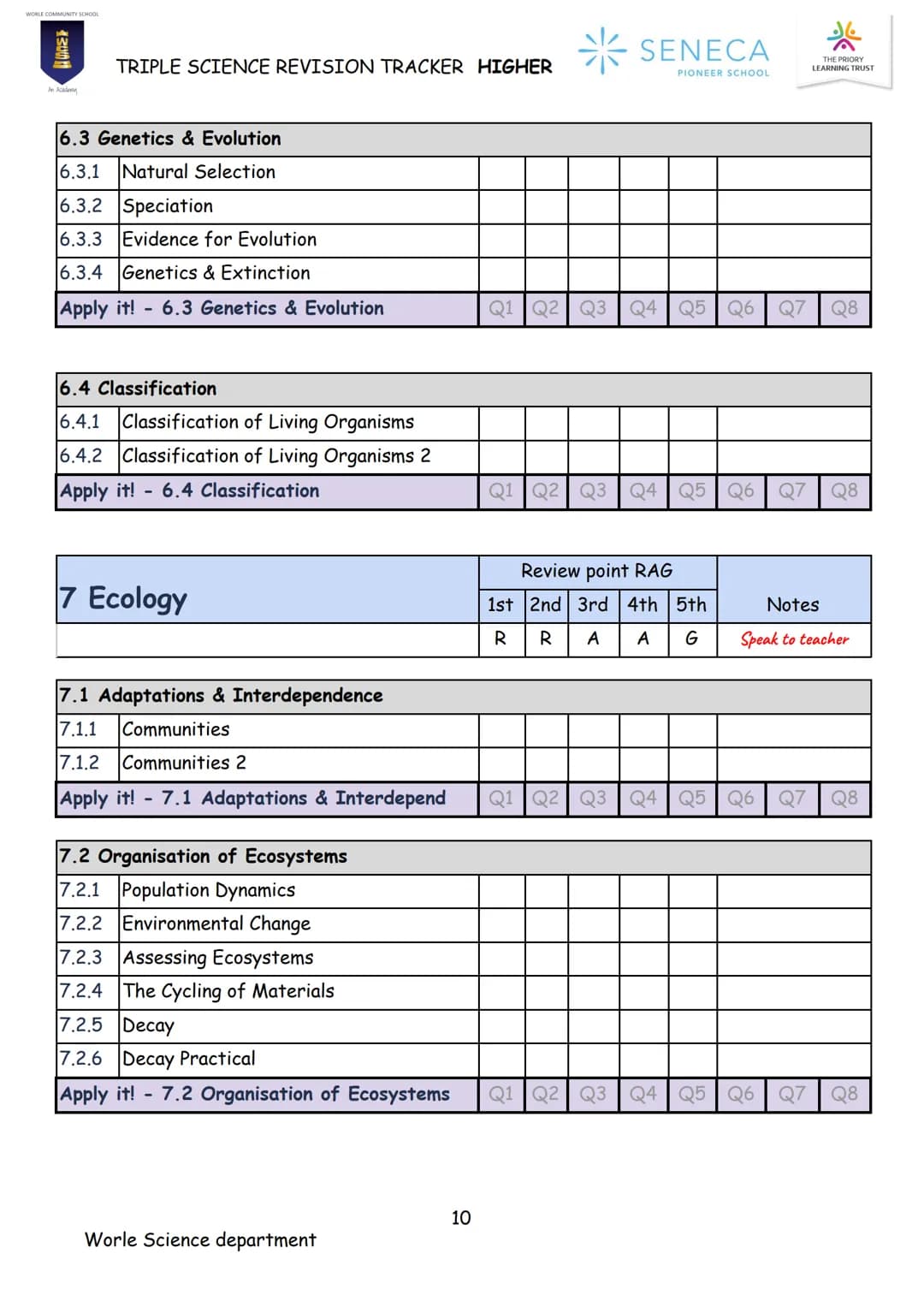
We thought you’d never ask...
What is the Knowunity AI companion?
Our AI companion is specifically built for the needs of students. Based on the millions of content pieces we have on the platform we can provide truly meaningful and relevant answers to students. But its not only about answers, the companion is even more about guiding students through their daily learning challenges, with personalised study plans, quizzes or content pieces in the chat and 100% personalisation based on the students skills and developments.
Where can I download the Knowunity app?
You can download the app in the Google Play Store and in the Apple App Store.
Is Knowunity really free of charge?
That's right! Enjoy free access to study content, connect with fellow students, and get instant help – all at your fingertips.
Similar Content
 Biology
Most popular content: Homeostasis
9BiologyHomeostasis
Very detailed notes on homeostasis from Biology paper 2 AQA (Combined higher)
112421
BiologyGCSE Biology Key Concepts
Explore essential GCSE Biology topics including homeostasis, human anatomy, plant hormones, and disease management. This comprehensive guide covers key terms and concepts such as the nervous system, genetic variation, and the impact of environmental factors on health. Perfect for revision and understanding complex biological processes.
91,24742
Biologybiology paper 2 summery notes
biology paper 2 summery notes
102111
BiologyGCSE AQA homeostasis and response
Grade 9 spec based revision notes for AQA higher triple bio
111980
BiologyHomeostasis Mechanisms Explained
Explore the essential mechanisms of homeostasis, including the regulation of internal conditions, enzyme functioning, and the role of negative feedback loops. This summary covers how control systems and receptors work together to maintain optimal body conditions, ensuring metabolic reactions function effectively. Ideal for students studying biology and physiology.
112310
BiologyHomeostasis Mechanisms Explained
Explore the essential mechanisms of homeostasis, including the roles of the nervous and endocrine systems in maintaining optimal internal conditions. This summary covers key concepts such as feedback systems, receptor functions, and the brain's involvement in regulating body temperature, blood glucose, and water levels. Ideal for students preparing for exams or seeking a deeper understanding of physiological processes.
115736
BiologyHormonal Regulation Overview
Explore the key concepts of hormonal regulation and homeostasis in the human body. This summary covers the roles of various hormones, including estrogen, testosterone, and insulin, in maintaining internal balance through negative feedback mechanisms. Ideal for students studying the endocrine system and its impact on biological processes.
113955
BiologyHomeostasis Mechanisms Explained
Explore the essential processes of homeostasis, including the roles of the nervous and endocrine systems in maintaining a stable internal environment. This summary covers key concepts such as feedback mechanisms and automatic control systems, providing a clear understanding of how the body responds to internal and external changes. Ideal for students studying biology.
1162211
BiologyAQA GCSE Biology Overview
Comprehensive guide covering key concepts in AQA GCSE Biology, including cellular structure, human anatomy, ecosystems, genetic inheritance, and the scientific method. Ideal for both foundation and higher-level students preparing for exams. This resource includes essential topics such as the nervous system, homeostasis, and disease prevention.
111,35319
Most popular content in Biology
9C
BiologyCell Biology and Cell structure
cell structures
93,2470
1
Biology1.cells Gcse biology question cards
combined science higher biology
92,3534
BiologyAQA Biology: Key Concepts
Explore essential AQA Biology topics including Photosynthesis, Respiration, Homeostasis, Genetics, and Ecology. This comprehensive knowledge organizer covers key concepts such as energy transfer, hormonal control, and genetic variation, providing a solid foundation for your studies. Ideal for exam preparation and understanding biological processes.
108,794306
T
BiologyThe functions of subcellular structures - B1 Biology
Flashcards on the different functions of subcellular structures: cell membrane, nucleus, mitochondria, ribosomes, cytoplasm, permant vacuole, chloroplasts and cell wall.
102,7885
BiologyA-Level Biology Year 1 Overview
Comprehensive summary of AQA A-Level Biology Year 1, covering key topics such as cellular structure, protein synthesis, immune response, gas exchange, and more. Ideal for exam preparation and understanding biological concepts. Includes detailed insights into cellular processes, biological classification, and the circulatory system.
1214,891694
T
BiologyTypes of cells
biology
101,2090
B
BiologyBiology Paper 1 quiz
this is a simple quiz on key knowledge needed for paper 1
112,7745
BiologyBiology paper 1 Summary
Notes for Biology paper 1 contains the full course for AQA higher combined!
104,130106
C
BiologyCells part 1 function of cells.
About cells and function of cells etc.
119861
Most popular content
9 Sociology
Sociology of Education Overview
Explore comprehensive A-Level Sociology notes on the education system, covering key theories, policies, and sociological perspectives. This resource includes insights on marketisation, gender roles, cultural deprivation, and educational inequalities, providing a thorough understanding of how education shapes social stratification and individual achievement. Ideal for exam preparation and in-depth study.
12102,8693,040
SociologySociology of Families: Comprehensive Revision
Dive into an extensive overview of family dynamics, perspectives, and patterns in sociology. This resource covers key concepts such as family diversity, gender roles, marriage, and the impact of social policies on family structures. Perfect for A-Level Sociology students preparing for Paper 2.
1273,6612,307
CriminologyCriminology: Crime & Punishment Overview
Comprehensive mindmaps covering key concepts in the Crime and Punishment topic for WJEC Criminology Unit 4. This resource includes detailed insights into the Criminal Justice System, crime prevention strategies, sentencing models, and the roles of various agencies. Ideal for A-Level revision, ensuring you grasp essential theories and legislative processes to excel in your exams.
1254,8691,059
SociologyComprehensive Crime & Deviance Overview
Explore an extensive revision of crime and deviance topics, including theories, types of crime, and the impact of media. This resource covers key concepts such as Marxism, functionalism, gender and crime, and the influence of globalization on criminal behavior. Ideal for students seeking a thorough understanding of criminology and its various theories. Type: Full Topic Revision.
1251,6541,399
C
BiologyCell Biology and Cell structure
cell structures
93,2470
 English Literature
An Inspector Calls: Character Insights
Explore in-depth analysis and key quotes for characters in J.B. Priestley's 'An Inspector Calls'. This resource covers Gerald Croft, Inspector Goole, Sheila Birling, Mrs. Birling, Eric Birling, and Eva Smith, focusing on themes of class, gender roles, and social responsibility. Ideal for students aiming for Grade 8 and above.
1025,429907
CriminologyWJEC Unit 4 Criminology
Criminology unit 4 detailed revision note
127,151125
CriminologyCriminology Theories Overview
Explore key criminology theories and their implications on crime and deviance. This comprehensive summary covers biological, psychological, and sociological perspectives, including labelling theory, right realism, and the impact of social campaigns on policy development. Ideal for A-Level criminology students seeking to understand the complexities of criminal behaviour and the factors influencing crime prevention strategies.
129,760210
English LiteratureRomeo and Juliet: Key themes
Key Romeo and Juliet themes and analysed quotes
106,708198
Can't find what you're looking for? Explore other subjects.
Students love us — and so will you.
4.6/5App Store
4.7/5Google Play
The app is very easy to use and well designed. I have found everything I was looking for so far and have been able to learn a lot from the presentations! I will definitely use the app for a class assignment! And of course it also helps a lot as an inspiration.
Stefan SiOS user
This app is really great. There are so many study notes and help [...]. My problem subject is French, for example, and the app has so many options for help. Thanks to this app, I have improved my French. I would recommend it to anyone.
Samantha KlichAndroid user
Wow, I am really amazed. I just tried the app because I've seen it advertised many times and was absolutely stunned. This app is THE HELP you want for school and above all, it offers so many things, such as workouts and fact sheets, which have been VERY helpful to me personally.
AnnaiOS user
Biology770 views·Updated Jun 15, 2026·45 pagesComplete Biology Study Guide for Higher Tier
Rox Foster@roxyfoster_etam
This is your complete guide to GCSE Triple Science Biology revision! This revision tracker covers all seven major topics you'll need to master for your exams, from the basics of cell biology right through to complex ecological relationships.
1
of 10
Sign up to see the content. It's free!
- Access to all documents
- Improve your grades
- Join milions of students
Biology Triple Science Revision Overview
Welcome to your comprehensive GCSE Triple Science Biology revision guide! This booklet is designed specifically for Higher tier students and covers both Paper 1 and Paper 2 content.
The revision tracker uses a simple RAG (Red, Amber, Green) system to help you monitor your progress. You'll review each topic multiple times across five different sessions, building your confidence with each pass.
Top Tip: Use the "Apply it!" sections and practice questions after each topic to test your understanding before moving on.
2
of 10Sign up to see the content. It's free!
- Access to all documents
- Improve your grades
- Join milions of students
Cell Biology & Organisation Foundations
Cell Biology forms the foundation of everything else you'll study. You'll explore different types of cells, from simple bacterial cells to complex plant and animal cells with specialised functions. Microscopy techniques and cell division through mitosis are essential concepts here.
The transport mechanisms in cells - diffusion, osmosis, and active transport - explain how substances move in and out of cells. These processes are crucial for understanding how organisms maintain life.
Organisation builds on cell biology by showing how cells work together. You'll study how cells form tissues, tissues form organs, and organs work together in systems. Enzymes play a vital role in speeding up biological reactions throughout the body.
Key Focus: Master the differences between prokaryotic and eukaryotic cells early - this knowledge supports everything that follows.
3
of 10Sign up to see the content. It's free!
- Access to all documents
- Improve your grades
- Join milions of students
Circulatory System & Disease
Your circulatory system is like a complex transport network. You'll learn about different types of blood vessels, how the heart pumps blood, and the various components of blood including different blood cells and their functions.
Non-communicable diseases don't spread from person to person but can seriously affect health. Heart disease and cancer are major examples, with various risk factors contributing to their development. Understanding how to treat heart disease is particularly important.
Plant biology reveals fascinating transport systems too. Transpiration moves water through plants, while translocation transports sugars. The structure of plant tissues, including stomata, controls these processes.
Remember: The heart is essentially two pumps working together - learn the pathway of blood through both sides.
4
of 10Sign up to see the content. It's free!
- Access to all documents
- Improve your grades
- Join milions of students
Infection, Response & Bioenergetics
Communicable diseases spread from organism to organism through pathogens like bacteria and viruses. Your body has amazing defence systems including white blood cells and the immune response. Antibiotics fight bacterial infections, but their development requires extensive testing.
Monoclonal antibodies are identical antibodies produced artificially. They're incredibly useful in medicine for diagnosis and treatment. Plants also face diseases and have their own defence mechanisms.
Bioenergetics covers the two most important biological processes: photosynthesis and respiration. Photosynthesis captures energy from sunlight to make glucose, while respiration releases energy from glucose for cellular activities.
Key Point: Remember that respiration happens in ALL living cells, not just animal cells - even plants respire!
5
of 10Sign up to see the content. It's free!
- Access to all documents
- Improve your grades
- Join milions of students
Homeostasis & Response Systems
Homeostasis is your body's ability to maintain stable internal conditions despite external changes. It's like having an internal thermostat that keeps everything balanced.
Your nervous system coordinates rapid responses through electrical impulses. Synapses connect nerve cells, whilst reflexes provide instant protection. The brain controls complex behaviours, and your eyes are sophisticated organs that detect light.
Hormonal coordination provides slower but longer-lasting control. The endocrine system releases hormones into the bloodstream. Blood glucose control, diabetes, and water balance are crucial examples. Reproductive hormones control puberty, the menstrual cycle, and fertility treatments.
Study Strategy: Create a comparison table between nervous and hormonal control - speed, duration, and examples.
6
of 10Sign up to see the content. It's free!
- Access to all documents
- Improve your grades
- Join milions of students
Plant Hormones & Inheritance
Plant hormones control growth, development, and responses to environmental stimuli. Unlike animals, plants can't move, so they must grow towards or away from stimuli like light and gravity.
Inheritance explains how characteristics pass from parents to offspring through DNA and genes. The genome contains all genetic information, whilst protein synthesis converts genetic codes into functional proteins.
Genetic crosses help predict inheritance patterns, including inherited disorders. Modern techniques include genome screening and determining biological sex through chromosomes.
Genetics Tip: Practice drawing genetic cross diagrams - they're often worth several marks in exams and follow predictable patterns.
7
of 10Sign up to see the content. It's free!
- Access to all documents
- Improve your grades
- Join milions of students
Variation, Evolution & Genetic Technologies
Variation exists within all species through genetic and environmental factors. Natural selection drives evolution by favouring organisms best adapted to their environment. Over time, this can lead to speciation - the formation of new species.
Selective breeding allows humans to develop desired characteristics in plants and animals. Genetic engineering and genetic modification offer more precise control over organism characteristics.
Cloning produces genetically identical organisms. Evidence for evolution comes from fossils, DNA analysis, and observing how species change over time.
Evolution Focus: Understanding natural selection as 'survival of the fittest' helps explain biodiversity and adaptation patterns.
8
of 10Sign up to see the content. It's free!
- Access to all documents
- Improve your grades
- Join milions of students
Classification & Ecology
Classification organises living organisms into groups based on similarities and evolutionary relationships. Modern classification systems use DNA evidence alongside physical characteristics.
Ecology studies how organisms interact with each other and their environment. Communities contain multiple species living together, whilst populations refer to single species groups.
Population dynamics show how numbers change over time due to birth rates, death rates, and environmental factors. Environmental change affects all organisms in ecosystems.
Material cycling ensures essential elements like carbon and nitrogen are recycled through ecosystems. Decay by microorganisms breaks down dead material, returning nutrients to the environment.
Ecosystem Insight: Remember that everything in an ecosystem is connected - changes to one part affect everything else.
9
of 10Sign up to see the content. It's free!
- Access to all documents
- Improve your grades
- Join milions of students
10
of 10Sign up to see the content. It's free!
- Access to all documents
- Improve your grades
- Join milions of students
We thought you’d never ask...
What is the Knowunity AI companion?
Our AI companion is specifically built for the needs of students. Based on the millions of content pieces we have on the platform we can provide truly meaningful and relevant answers to students. But its not only about answers, the companion is even more about guiding students through their daily learning challenges, with personalised study plans, quizzes or content pieces in the chat and 100% personalisation based on the students skills and developments.
Where can I download the Knowunity app?
You can download the app in the Google Play Store and in the Apple App Store.
Is Knowunity really free of charge?
That's right! Enjoy free access to study content, connect with fellow students, and get instant help – all at your fingertips.
Similar Content
Most popular content: Homeostasis
9BiologyHomeostasis
Very detailed notes on homeostasis from Biology paper 2 AQA (Combined higher)
112421
BiologyGCSE Biology Key Concepts
Explore essential GCSE Biology topics including homeostasis, human anatomy, plant hormones, and disease management. This comprehensive guide covers key terms and concepts such as the nervous system, genetic variation, and the impact of environmental factors on health. Perfect for revision and understanding complex biological processes.
91,24742
Biologybiology paper 2 summery notes
biology paper 2 summery notes
102111
BiologyGCSE AQA homeostasis and response
Grade 9 spec based revision notes for AQA higher triple bio
111980
BiologyHomeostasis Mechanisms Explained
Explore the essential mechanisms of homeostasis, including the regulation of internal conditions, enzyme functioning, and the role of negative feedback loops. This summary covers how control systems and receptors work together to maintain optimal body conditions, ensuring metabolic reactions function effectively. Ideal for students studying biology and physiology.
112310
BiologyHomeostasis Mechanisms Explained
Explore the essential mechanisms of homeostasis, including the roles of the nervous and endocrine systems in maintaining optimal internal conditions. This summary covers key concepts such as feedback systems, receptor functions, and the brain's involvement in regulating body temperature, blood glucose, and water levels. Ideal for students preparing for exams or seeking a deeper understanding of physiological processes.
115736
BiologyHormonal Regulation Overview
Explore the key concepts of hormonal regulation and homeostasis in the human body. This summary covers the roles of various hormones, including estrogen, testosterone, and insulin, in maintaining internal balance through negative feedback mechanisms. Ideal for students studying the endocrine system and its impact on biological processes.
113955
BiologyHomeostasis Mechanisms Explained
Explore the essential processes of homeostasis, including the roles of the nervous and endocrine systems in maintaining a stable internal environment. This summary covers key concepts such as feedback mechanisms and automatic control systems, providing a clear understanding of how the body responds to internal and external changes. Ideal for students studying biology.
1162211
BiologyAQA GCSE Biology Overview
Comprehensive guide covering key concepts in AQA GCSE Biology, including cellular structure, human anatomy, ecosystems, genetic inheritance, and the scientific method. Ideal for both foundation and higher-level students preparing for exams. This resource includes essential topics such as the nervous system, homeostasis, and disease prevention.
111,35319
Most popular content in Biology
9C
BiologyCell Biology and Cell structure
cell structures
93,2470
1
Biology1.cells Gcse biology question cards
combined science higher biology
92,3534
BiologyAQA Biology: Key Concepts
Explore essential AQA Biology topics including Photosynthesis, Respiration, Homeostasis, Genetics, and Ecology. This comprehensive knowledge organizer covers key concepts such as energy transfer, hormonal control, and genetic variation, providing a solid foundation for your studies. Ideal for exam preparation and understanding biological processes.
108,794306
T
BiologyThe functions of subcellular structures - B1 Biology
Flashcards on the different functions of subcellular structures: cell membrane, nucleus, mitochondria, ribosomes, cytoplasm, permant vacuole, chloroplasts and cell wall.
102,7885
BiologyA-Level Biology Year 1 Overview
Comprehensive summary of AQA A-Level Biology Year 1, covering key topics such as cellular structure, protein synthesis, immune response, gas exchange, and more. Ideal for exam preparation and understanding biological concepts. Includes detailed insights into cellular processes, biological classification, and the circulatory system.
1214,891694
T
BiologyTypes of cells
biology
101,2090
B
BiologyBiology Paper 1 quiz
this is a simple quiz on key knowledge needed for paper 1
112,7745
BiologyBiology paper 1 Summary
Notes for Biology paper 1 contains the full course for AQA higher combined!
104,130106
C
BiologyCells part 1 function of cells.
About cells and function of cells etc.
119861
Most popular content
9SociologySociology of Education Overview
Explore comprehensive A-Level Sociology notes on the education system, covering key theories, policies, and sociological perspectives. This resource includes insights on marketisation, gender roles, cultural deprivation, and educational inequalities, providing a thorough understanding of how education shapes social stratification and individual achievement. Ideal for exam preparation and in-depth study.
12102,8693,040
SociologySociology of Families: Comprehensive Revision
Dive into an extensive overview of family dynamics, perspectives, and patterns in sociology. This resource covers key concepts such as family diversity, gender roles, marriage, and the impact of social policies on family structures. Perfect for A-Level Sociology students preparing for Paper 2.
1273,6612,307
CriminologyCriminology: Crime & Punishment Overview
Comprehensive mindmaps covering key concepts in the Crime and Punishment topic for WJEC Criminology Unit 4. This resource includes detailed insights into the Criminal Justice System, crime prevention strategies, sentencing models, and the roles of various agencies. Ideal for A-Level revision, ensuring you grasp essential theories and legislative processes to excel in your exams.
1254,8691,059
SociologyComprehensive Crime & Deviance Overview
Explore an extensive revision of crime and deviance topics, including theories, types of crime, and the impact of media. This resource covers key concepts such as Marxism, functionalism, gender and crime, and the influence of globalization on criminal behavior. Ideal for students seeking a thorough understanding of criminology and its various theories. Type: Full Topic Revision.
1251,6541,399
C
BiologyCell Biology and Cell structure
cell structures
93,2470
English LiteratureAn Inspector Calls: Character Insights
Explore in-depth analysis and key quotes for characters in J.B. Priestley's 'An Inspector Calls'. This resource covers Gerald Croft, Inspector Goole, Sheila Birling, Mrs. Birling, Eric Birling, and Eva Smith, focusing on themes of class, gender roles, and social responsibility. Ideal for students aiming for Grade 8 and above.
1025,429907
CriminologyWJEC Unit 4 Criminology
Criminology unit 4 detailed revision note
127,151125
CriminologyCriminology Theories Overview
Explore key criminology theories and their implications on crime and deviance. This comprehensive summary covers biological, psychological, and sociological perspectives, including labelling theory, right realism, and the impact of social campaigns on policy development. Ideal for A-Level criminology students seeking to understand the complexities of criminal behaviour and the factors influencing crime prevention strategies.
129,760210
English LiteratureRomeo and Juliet: Key themes
Key Romeo and Juliet themes and analysed quotes
106,708198
Can't find what you're looking for? Explore other subjects.
Students love us — and so will you.
4.6/5App Store
4.7/5Google Play
The app is very easy to use and well designed. I have found everything I was looking for so far and have been able to learn a lot from the presentations! I will definitely use the app for a class assignment! And of course it also helps a lot as an inspiration.
Stefan SiOS user
This app is really great. There are so many study notes and help [...]. My problem subject is French, for example, and the app has so many options for help. Thanks to this app, I have improved my French. I would recommend it to anyone.
Samantha KlichAndroid user
Wow, I am really amazed. I just tried the app because I've seen it advertised many times and was absolutely stunned. This app is THE HELP you want for school and above all, it offers so many things, such as workouts and fact sheets, which have been VERY helpful to me personally.
AnnaiOS user