
Anatomical concepts are the foundation for understanding how the human...
 Biology144 views·Updated Jun 8, 2026·6 pages
Human Anatomy and Physiology Study Notes

Ajah@ajah_kzsy
1 / 6
1
of 6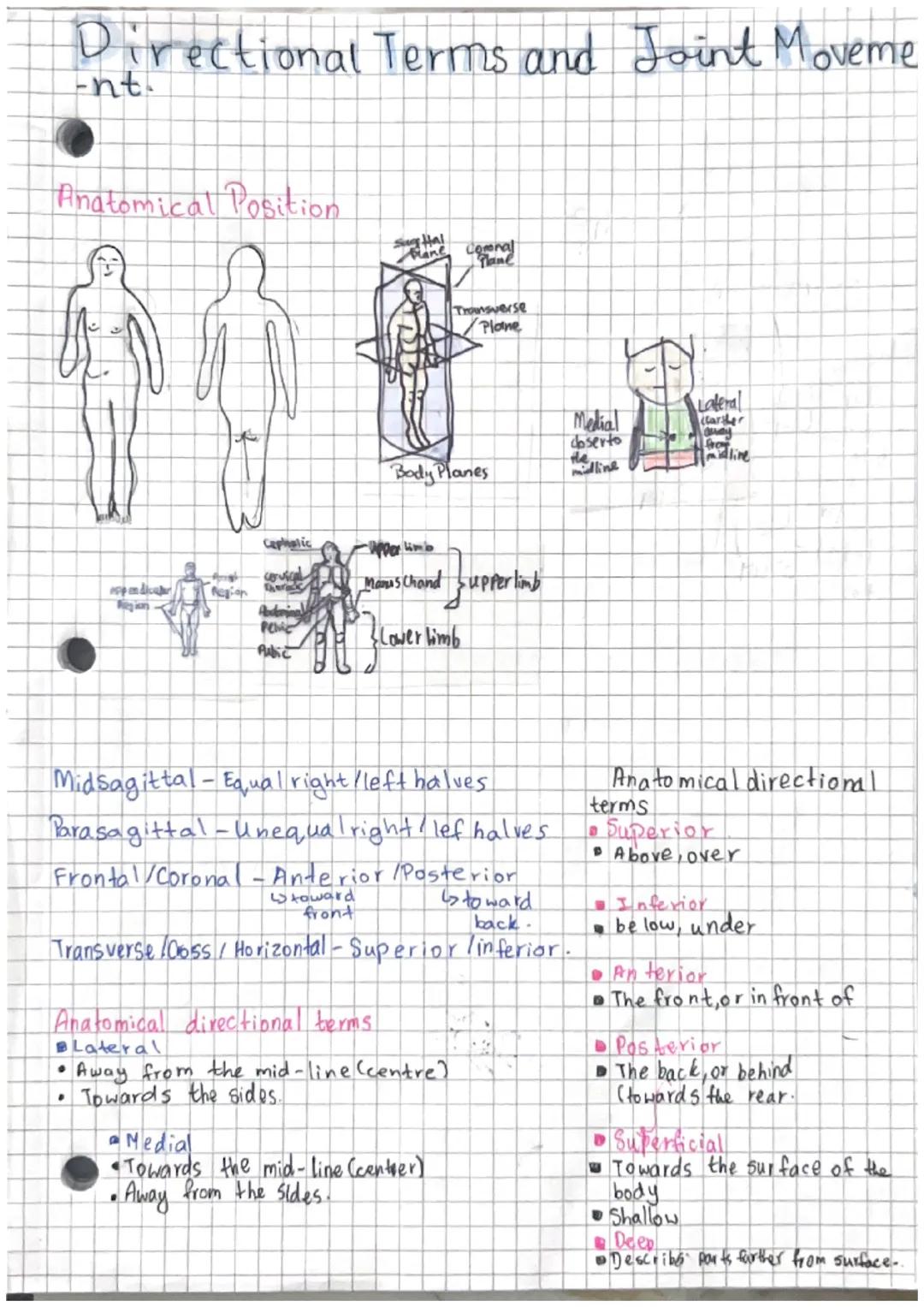
Anatomical Position and Directional Terms
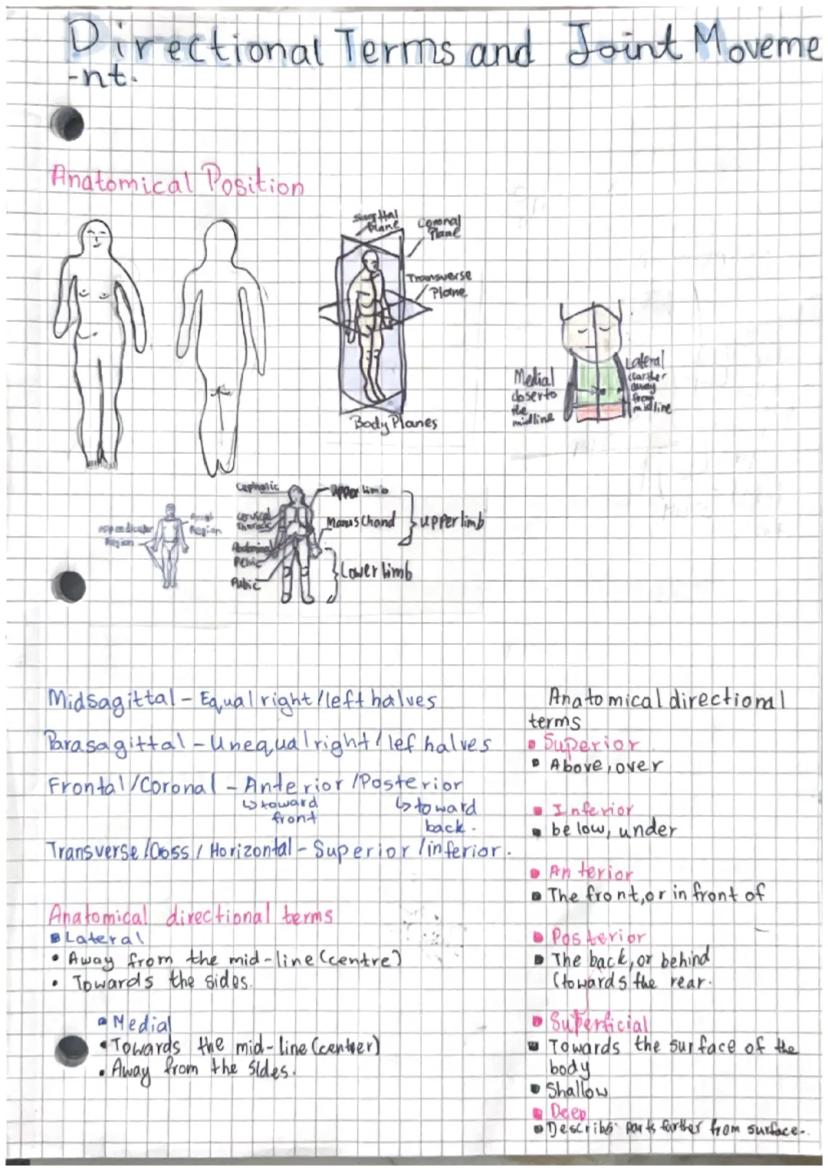
When studying the human body, we start with the anatomical position - standing upright with palms facing forward. This position serves as our reference point for all directional terms.
The body can be divided by three main planes: the midsagittal plane , frontal/coronal plane , and transverse plane . These planes help us visualize the body in three dimensions.
Directional terms help precisely describe locations: lateral (away from midline), medial (toward midline), superior (above), and inferior (below). Other important pairs include anterior (front) and posterior (back), plus superficial (near surface) and deep (farther from surface).
💡 Think of directional terms as a GPS system for the human body - they allow healthcare professionals to communicate precisely about locations without confusion!
2
of 6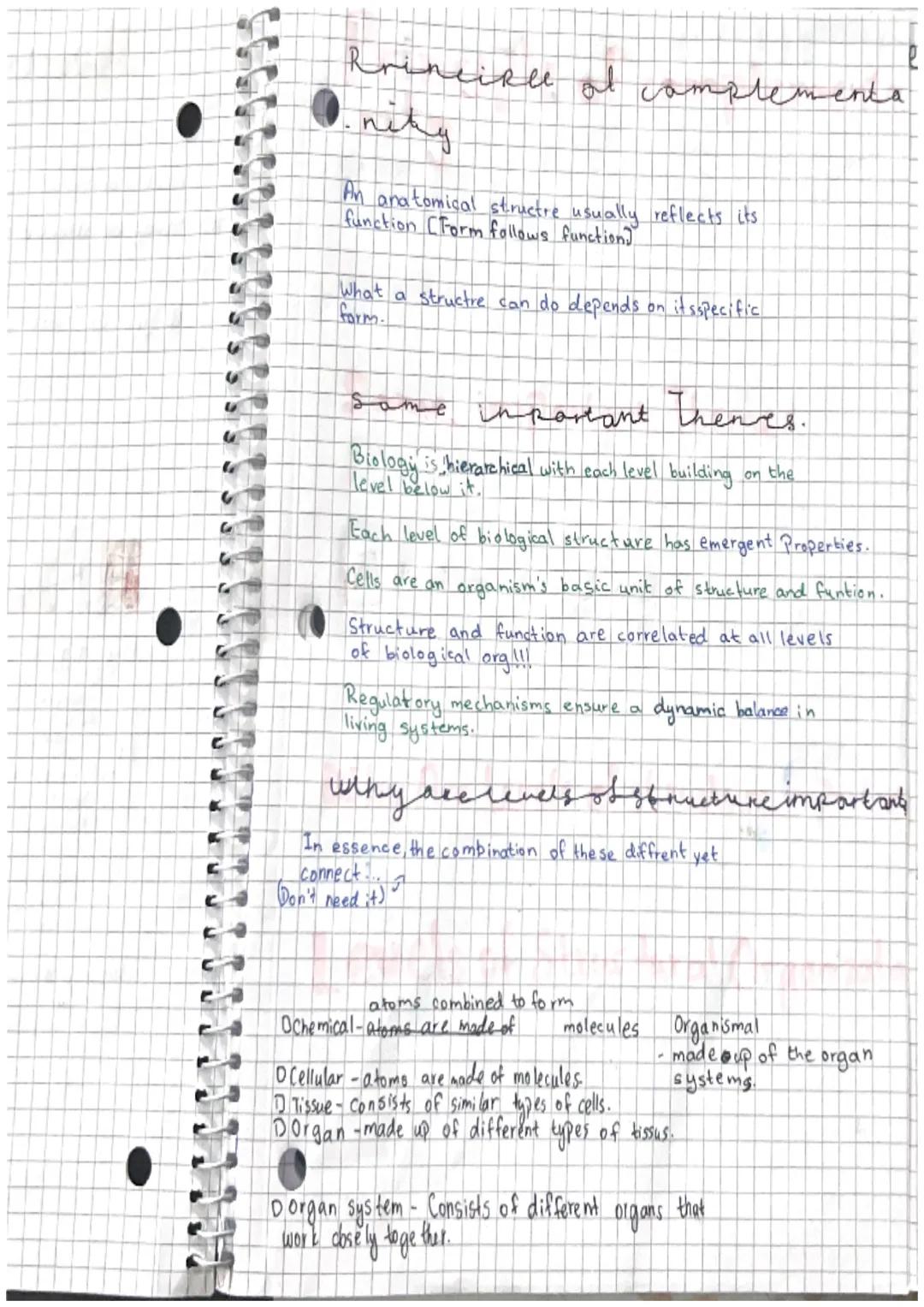
Biological Structure and Organization
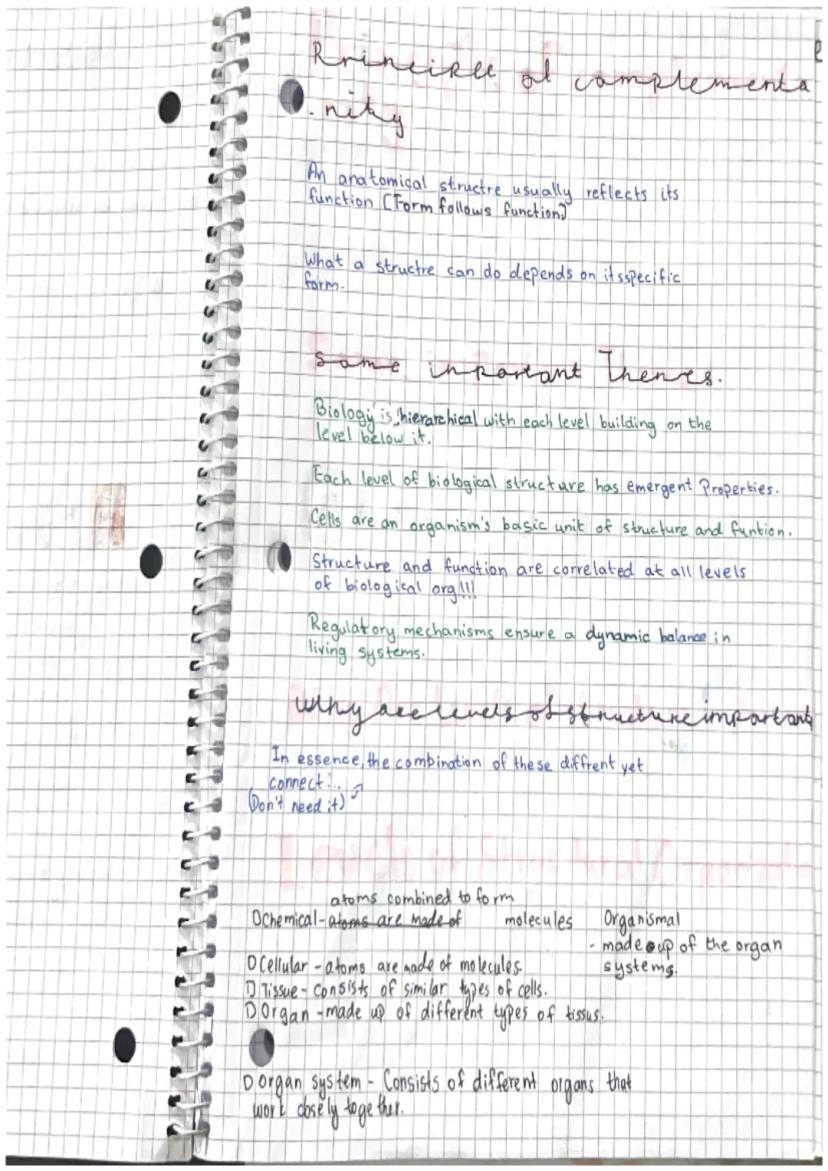
The human body follows the principle that form follows function - an anatomical structure's shape reflects what it does. What any body part can do depends entirely on its specific form.
Biology is organized in hierarchical levels, with each level building upon the one below it. From atoms to molecules, cells to tissues, organs to organ systems, and finally the whole organism - each level has unique properties that emerge from its organization.
The body's different levels of structure are crucial to understand because they work together in an integrated way. Cells are the basic functional units, tissues consist of similar cell types, organs combine different tissues, and organ systems contain organs that work closely together.
💡 You can think of the body's organization like nesting dolls - each level contains the previous one but has new properties and capabilities!
3
of 6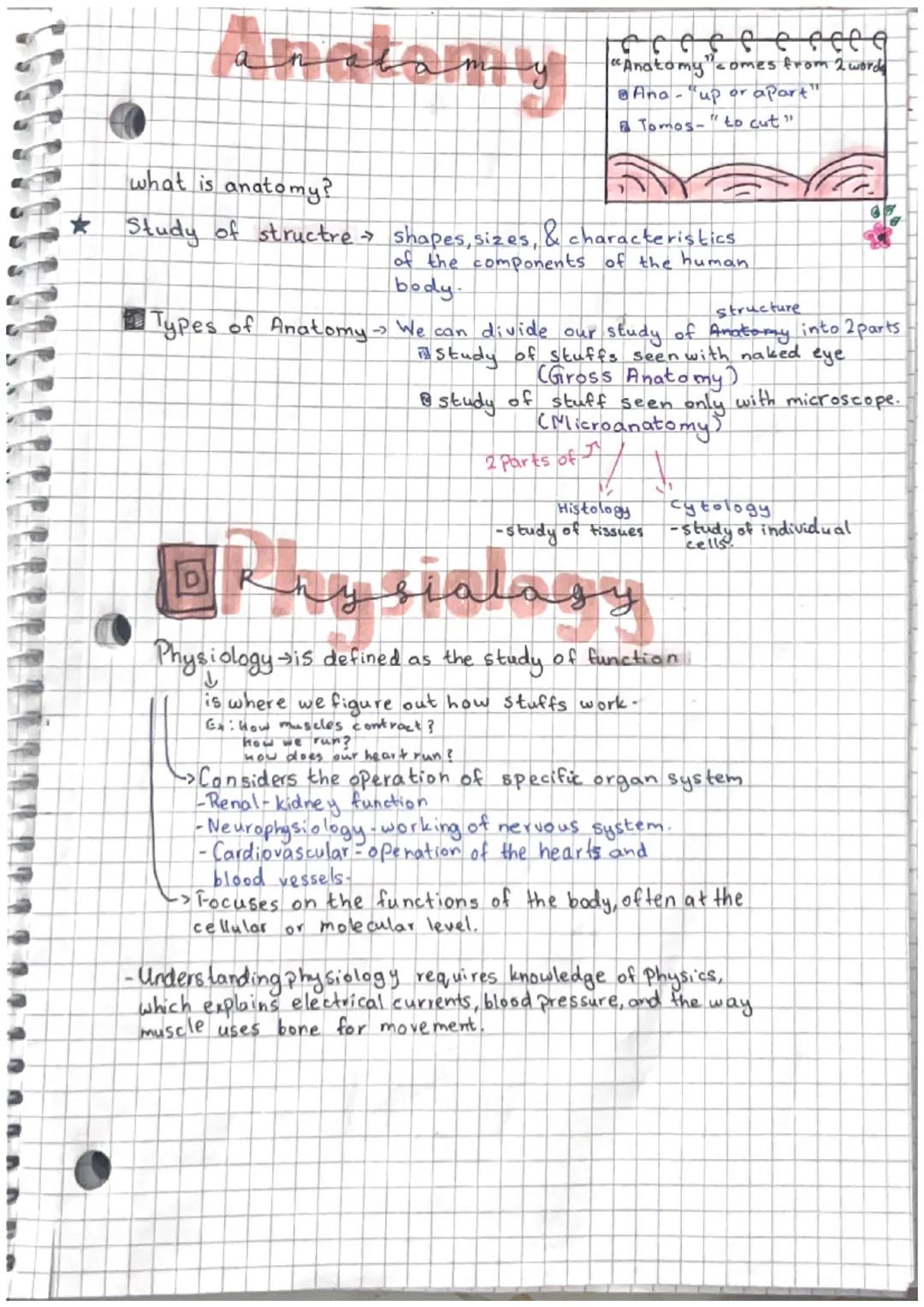
Anatomy and Physiology Basics
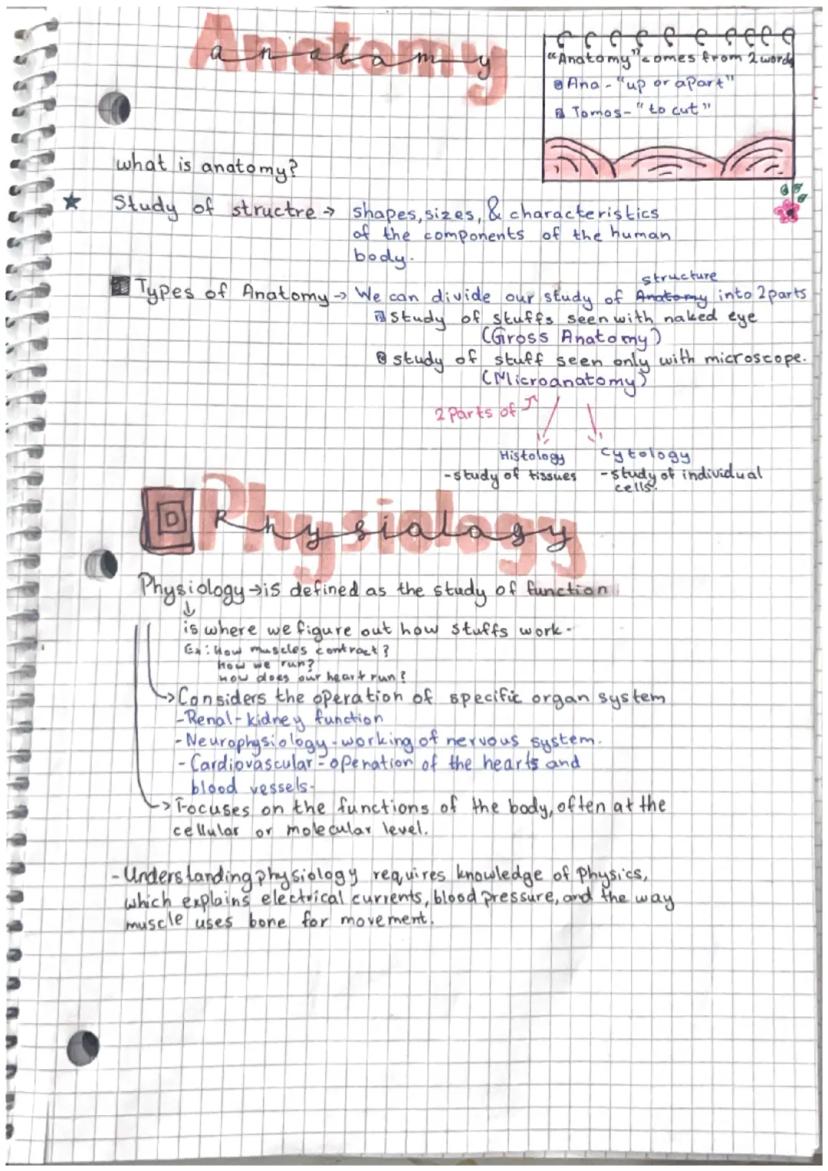
Anatomy comes from Greek words meaning "to cut apart" and focuses on studying body structures - their shapes, sizes, and characteristics. We can divide anatomy into two types: gross anatomy (visible to the naked eye) and microanatomy (requires a microscope), which includes histology (tissue study) and cytology (cell study).
While anatomy tells us what body parts look like, physiology explains how they actually work. Physiology examines functions like how muscles contract, how we run, and how our heart pumps blood. It considers specific systems like renal physiology (kidneys), neurophysiology (nervous system), and cardiovascular physiology (heart and blood vessels).
Understanding physiology often requires knowledge of physics, which explains concepts like electrical currents, blood pressure, and how muscles use bones for movement. The relationship between structure and function is key - knowing a part's anatomy helps explain its physiology.
💡 If anatomy is like a map of the body, physiology is the instruction manual that explains how all the parts work together!
4
of 6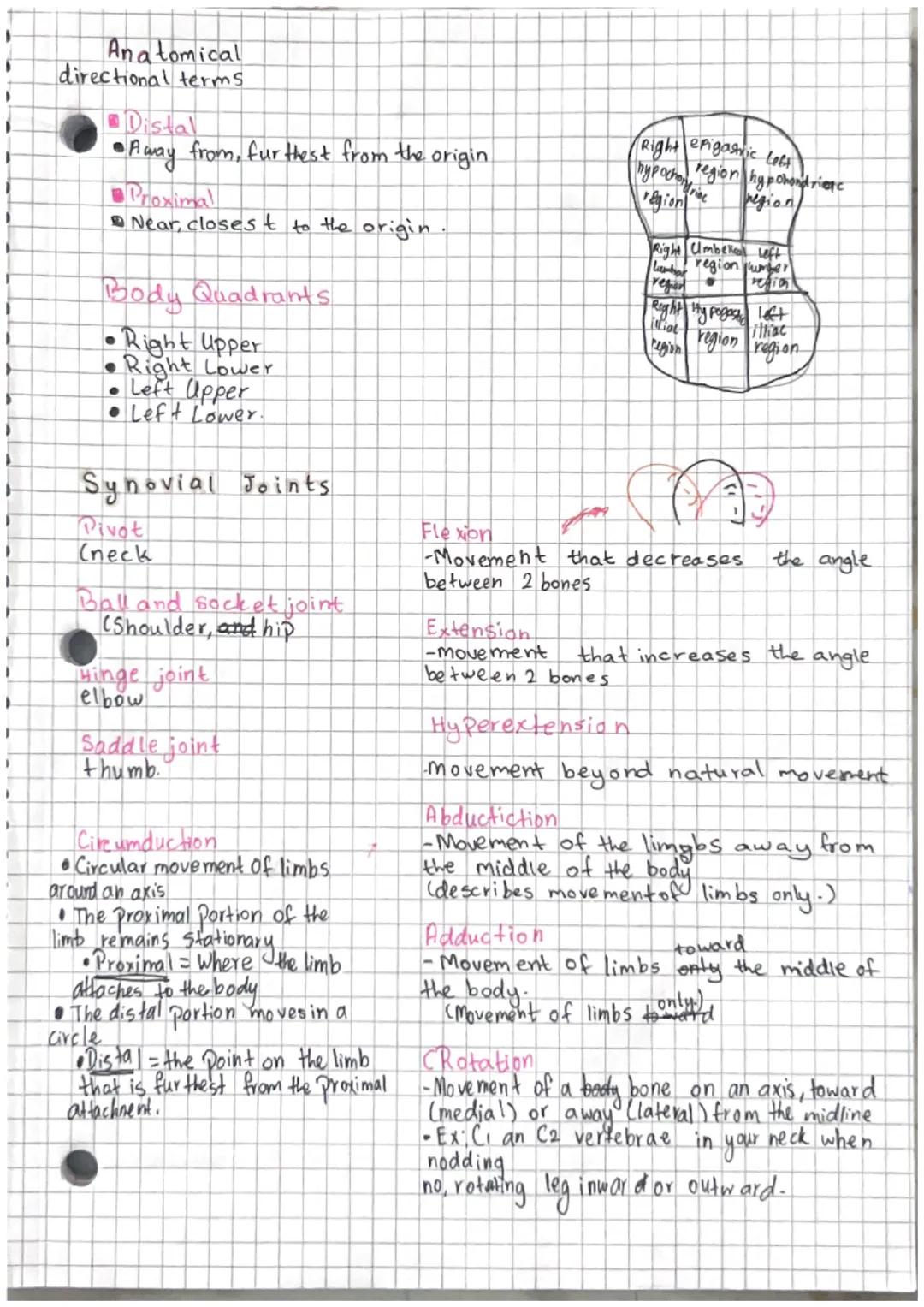
Body Regions and Joint Movements
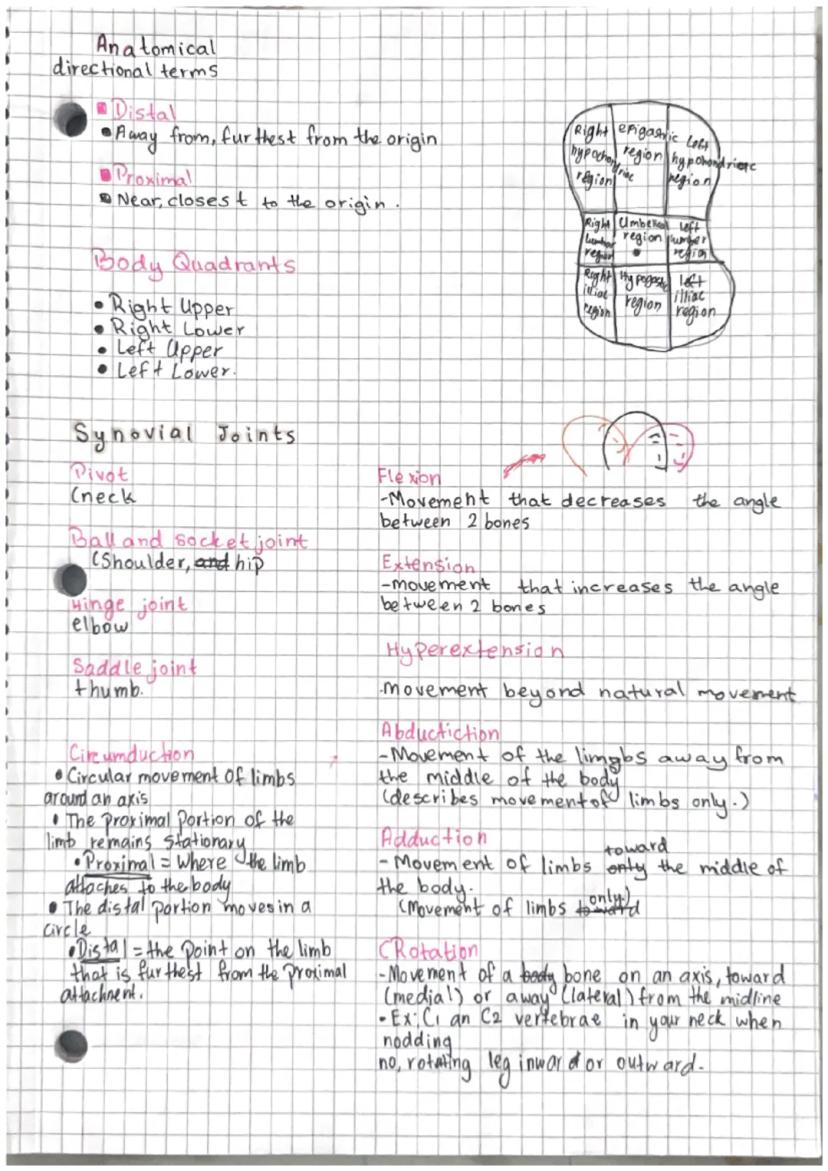
The body can be divided into quadrants (right upper, right lower, left upper, and left lower) to help locate internal organs. When describing limb positions, distal means farther from the point of attachment, while proximal means closer to the attachment point.
Synovial joints allow various movements and come in different types: pivot (neck), ball and socket , hinge (elbow), and saddle (thumb). Each type permits specific movements based on its structure.
Joint movements include flexion (decreasing angle between bones), extension (increasing angle), and sometimes hyperextension (movement beyond natural range). Abduction moves limbs away from the body's midline, while adduction brings them toward the midline.
💡 When you understand joint movements, you'll realize every exercise and stretch has specific anatomical terms - this knowledge can help prevent injuries and improve your workout technique!
5
of 6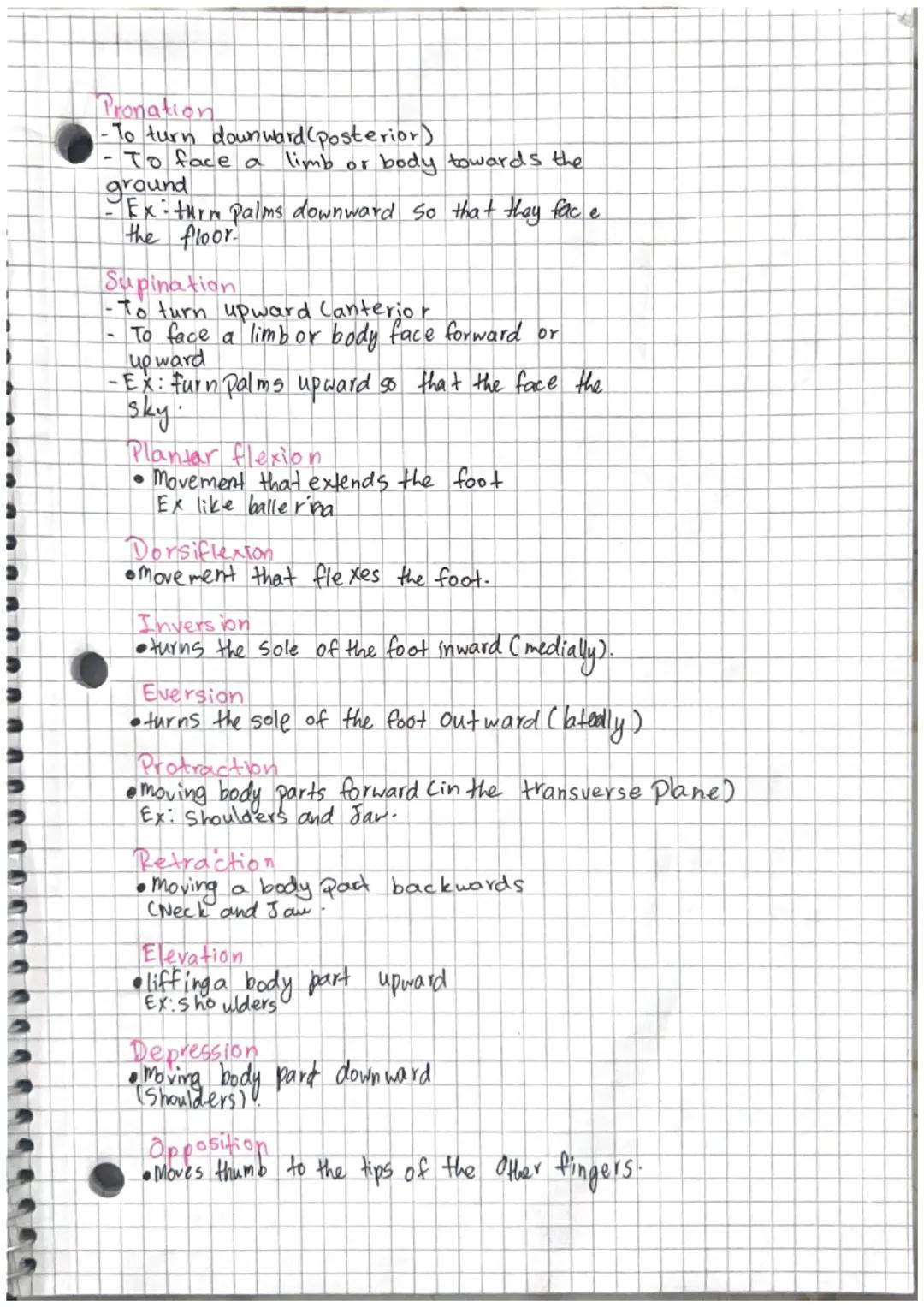
Specialized Movements
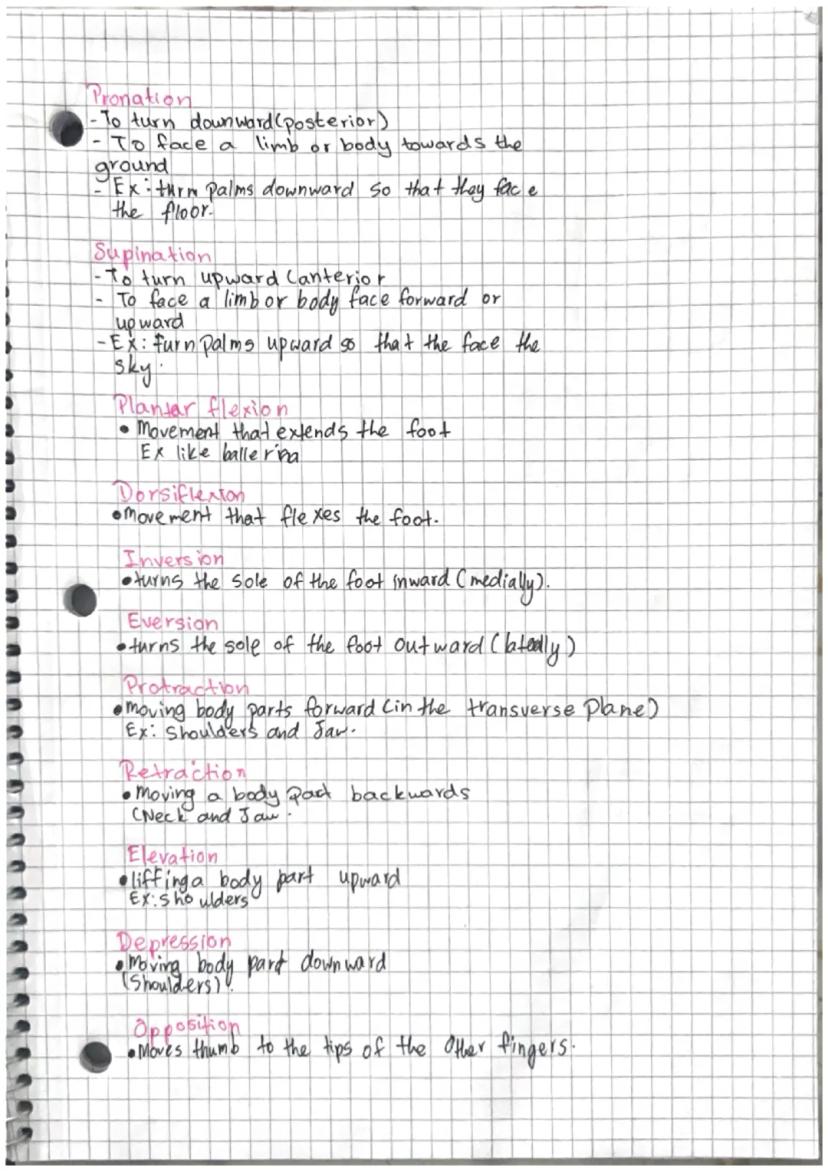
Your forearms can perform pronation and supination . These movements are crucial for everyday activities like turning doorknobs or pouring water.
The foot has several specialized movements: plantar flexion (pointing toes like a ballerina), dorsiflexion (flexing foot upward), inversion (turning sole inward), and eversion (turning sole outward). These movements allow for balance and adaptation to different surfaces.
Other important movements include protraction (moving forward, like shoulders and jaw) and retraction (moving backward), plus elevation (lifting upward) and depression (moving downward). The thumb has a special movement called opposition that allows it to touch the fingertips - a uniquely human ability essential for fine motor skills.
💡 Next time you're using your phone, notice how your thumb's opposition movement lets you text and swipe - this single movement helped make modern touchscreen technology possible!
6
of 6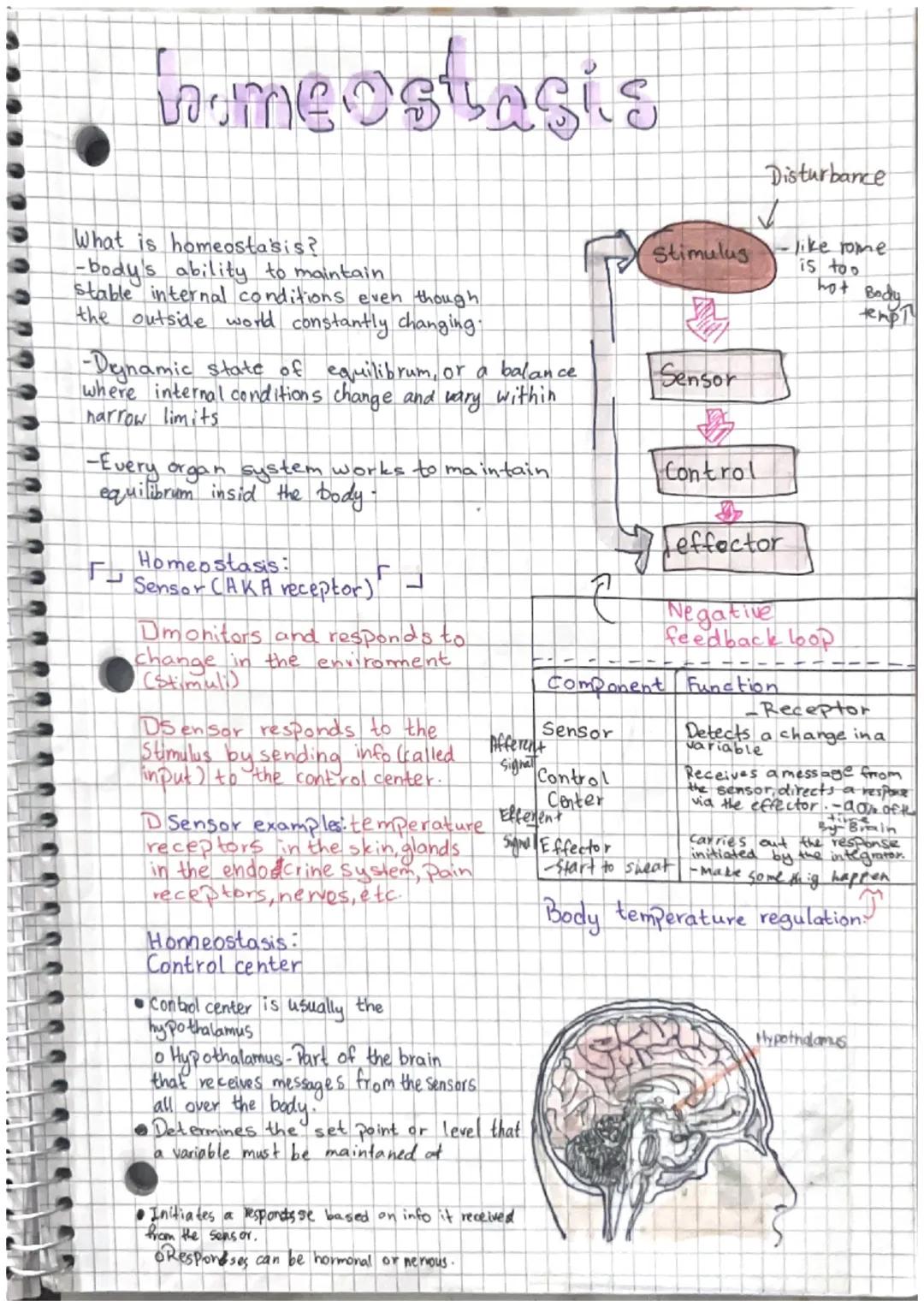
Homeostasis: The Body's Balance System
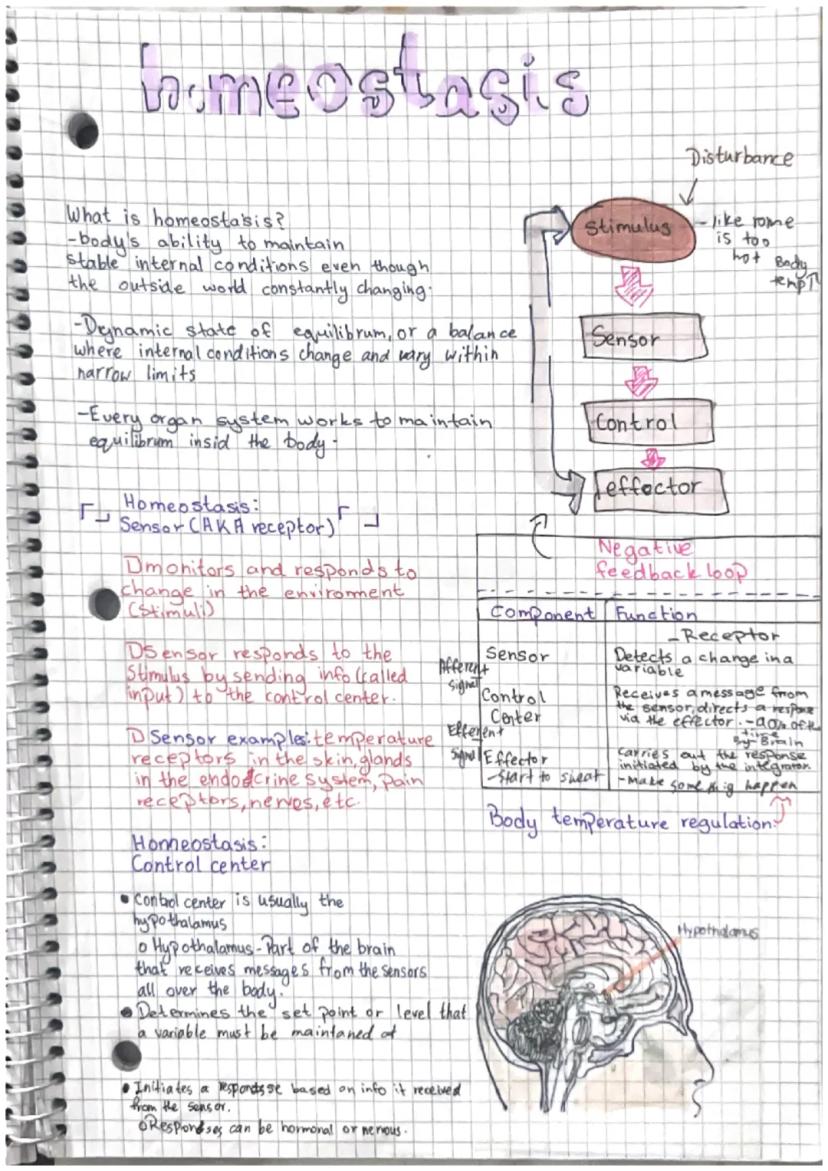
Homeostasis is your body's remarkable ability to maintain stable internal conditions despite constantly changing external environments. It creates a dynamic equilibrium where internal conditions vary only within narrow, safe limits. Every organ system contributes to maintaining this balance.
The homeostatic system works through a negative feedback loop with three main components. First, sensors (receptors) detect changes in the environment and send input to the control center. Examples include temperature receptors in your skin and pain receptors in your nerves.
The control center (usually the hypothalamus in the brain) receives messages from sensors, determines the appropriate "set point" for body variables, and initiates responses. Finally, effectors carry out the response - like when you start sweating to cool down your body temperature.
💡 Homeostasis works like your home's thermostat system - it detects when temperature changes, compares it to the desired setting, and activates heating or cooling to maintain the perfect temperature!
We thought you’d never ask...
What is the Knowunity AI companion?
Our AI companion is specifically built for the needs of students. Based on the millions of content pieces we have on the platform we can provide truly meaningful and relevant answers to students. But its not only about answers, the companion is even more about guiding students through their daily learning challenges, with personalised study plans, quizzes or content pieces in the chat and 100% personalisation based on the students skills and developments.
Where can I download the Knowunity app?
You can download the app in the Google Play Store and in the Apple App Store.
Is Knowunity really free of charge?
That's right! Enjoy free access to study content, connect with fellow students, and get instant help – all at your fingertips.
Similar Content
Most popular content: Homeostasis
1 Biologie
Most popular content in Biology
9C
BiologyCell Organelles
This Quiz Is To Test Your Knowledge Of Cell Organelles And Their Functions Inside The Cell. It Can Also Be A Study Guide To Remember Them Better.
6th6710
B
Biologybiology cell organelles and functions
Do you know the cell organelles and their functions?
9th4410
M
BiologyMitosis and Cell Division Flashcards
These flashcards cover the basics of mitosis and why cell division occurs in the first place.
9th3390
D
BiologyDNA and RNA
Uncover the secrets of life with this comprehensive Biology flashcard set. Perfect for grade 10 students studying Living Environment.
10th1,0782
D
BiologyDiscover the Fascinating World of Living Organisms
Uncover the secrets of biology and explore the diverse and amazing life forms that inhabit our planet with this captivating flashcard set.
7th4380
A
BiologyAnimal and plant cell structure
Quiz on animal and plant cell structures
9th3240
D
BiologyDiscover Punnet Squares
Uncover the secrets of life with this comprehensive Biology flashcard set. Perfect for grade 10 students studying Living Environment.
10th3961
D
BiologyDNA
Parts of DNA
9th2970
S
BiologySteps of Cellular Respiration
3 basic steps and Molecule Vocab
9th2660
Most popular content
9O
 AP US History
Origins and Dynamics of the Columbian Exchange
Analyze the ecological and economic motivations behind the initial transfer of goods, people, and diseases between the Old and New Worlds.
9th3,1280
I
AP US HistoryIntroduction to Early Cultural Interactions
Analyze the initial social and religious encounters between Europeans, Africans, and Indigenous peoples in the colonial Americas.
9th2,7730
O
 AP World History
Origins of Ancient River Civilizations
Analyze the environmental factors and technological innovations that led to the rise of early states in Mesopotamia, Egypt, and the Indus Valley.
9th3,1870
M
AP US HistoryMotivations for European Exploration
Analyze the economic, religious, and political factors that drove European powers to the Americas during the 15th and 16th centuries.
9th1,7780
F
 AP Psychology
Foundations of Ethical Guidelines in Research
Practice the core principles of the APA ethical code including informed consent, debriefing, and the role of Institutional Review Boards.
9th1,3360
I
AP US HistoryIntroduction to Native American Societies
Examine the diverse social, political, and economic structures of North American indigenous groups prior to European contact.
9th1,1100
I
AP BiologyIntroduction to Biological Elements of Life
Practice identifying the essential elements including carbon, nitrogen, phosphorus, and sulfur that compose biological macromolecules.
9th1,7390
I
AP US HistoryIntroduction to the Spanish Encomienda System
Explore the fundamental economic and social structures of the Spanish colonial system, focusing on the encomienda and the casta social hierarchy.
9th8890
O
AP World HistoryOrigins and Continuity of the Byzantine Empire
Analyze the political and cultural transitions from the Roman Empire to the Byzantine Empire, focusing on the reign of Justinian I and his code.
9th1,6320
Can't find what you're looking for? Explore other subjects.
Students love us — and so will you.
4.6/5App Store
4.7/5Google Play
The app is very easy to use and well designed. I have found everything I was looking for so far and have been able to learn a lot from the presentations! I will definitely use the app for a class assignment! And of course it also helps a lot as an inspiration.
Stefan SiOS user
This app is really great. There are so many study notes and help [...]. My problem subject is French, for example, and the app has so many options for help. Thanks to this app, I have improved my French. I would recommend it to anyone.
Samantha KlichAndroid user
Wow, I am really amazed. I just tried the app because I've seen it advertised many times and was absolutely stunned. This app is THE HELP you want for school and above all, it offers so many things, such as workouts and fact sheets, which have been VERY helpful to me personally.
AnnaiOS user
Biology144 views·Updated Jun 8, 2026·6 pagesHuman Anatomy and Physiology Study Notes
Ajah@ajah_kzsy
Anatomical concepts are the foundation for understanding how the human body works. These fundamental terms and concepts help us identify body regions, describe movements, and understand how the body maintains balance through homeostasis.
1
of 6
Sign up to see the content. It's free!
- Access to all documents
- Improve your grades
- Join milions of students
Anatomical Position and Directional Terms
When studying the human body, we start with the anatomical position - standing upright with palms facing forward. This position serves as our reference point for all directional terms.
The body can be divided by three main planes: the midsagittal plane , frontal/coronal plane , and transverse plane . These planes help us visualize the body in three dimensions.
Directional terms help precisely describe locations: lateral (away from midline), medial (toward midline), superior (above), and inferior (below). Other important pairs include anterior (front) and posterior (back), plus superficial (near surface) and deep (farther from surface).
💡 Think of directional terms as a GPS system for the human body - they allow healthcare professionals to communicate precisely about locations without confusion!
2
of 6Sign up to see the content. It's free!
- Access to all documents
- Improve your grades
- Join milions of students
Biological Structure and Organization
The human body follows the principle that form follows function - an anatomical structure's shape reflects what it does. What any body part can do depends entirely on its specific form.
Biology is organized in hierarchical levels, with each level building upon the one below it. From atoms to molecules, cells to tissues, organs to organ systems, and finally the whole organism - each level has unique properties that emerge from its organization.
The body's different levels of structure are crucial to understand because they work together in an integrated way. Cells are the basic functional units, tissues consist of similar cell types, organs combine different tissues, and organ systems contain organs that work closely together.
💡 You can think of the body's organization like nesting dolls - each level contains the previous one but has new properties and capabilities!
3
of 6Sign up to see the content. It's free!
- Access to all documents
- Improve your grades
- Join milions of students
Anatomy and Physiology Basics
Anatomy comes from Greek words meaning "to cut apart" and focuses on studying body structures - their shapes, sizes, and characteristics. We can divide anatomy into two types: gross anatomy (visible to the naked eye) and microanatomy (requires a microscope), which includes histology (tissue study) and cytology (cell study).
While anatomy tells us what body parts look like, physiology explains how they actually work. Physiology examines functions like how muscles contract, how we run, and how our heart pumps blood. It considers specific systems like renal physiology (kidneys), neurophysiology (nervous system), and cardiovascular physiology (heart and blood vessels).
Understanding physiology often requires knowledge of physics, which explains concepts like electrical currents, blood pressure, and how muscles use bones for movement. The relationship between structure and function is key - knowing a part's anatomy helps explain its physiology.
💡 If anatomy is like a map of the body, physiology is the instruction manual that explains how all the parts work together!
4
of 6Sign up to see the content. It's free!
- Access to all documents
- Improve your grades
- Join milions of students
Body Regions and Joint Movements
The body can be divided into quadrants (right upper, right lower, left upper, and left lower) to help locate internal organs. When describing limb positions, distal means farther from the point of attachment, while proximal means closer to the attachment point.
Synovial joints allow various movements and come in different types: pivot (neck), ball and socket , hinge (elbow), and saddle (thumb). Each type permits specific movements based on its structure.
Joint movements include flexion (decreasing angle between bones), extension (increasing angle), and sometimes hyperextension (movement beyond natural range). Abduction moves limbs away from the body's midline, while adduction brings them toward the midline.
💡 When you understand joint movements, you'll realize every exercise and stretch has specific anatomical terms - this knowledge can help prevent injuries and improve your workout technique!
5
of 6Sign up to see the content. It's free!
- Access to all documents
- Improve your grades
- Join milions of students
Specialized Movements
Your forearms can perform pronation and supination . These movements are crucial for everyday activities like turning doorknobs or pouring water.
The foot has several specialized movements: plantar flexion (pointing toes like a ballerina), dorsiflexion (flexing foot upward), inversion (turning sole inward), and eversion (turning sole outward). These movements allow for balance and adaptation to different surfaces.
Other important movements include protraction (moving forward, like shoulders and jaw) and retraction (moving backward), plus elevation (lifting upward) and depression (moving downward). The thumb has a special movement called opposition that allows it to touch the fingertips - a uniquely human ability essential for fine motor skills.
💡 Next time you're using your phone, notice how your thumb's opposition movement lets you text and swipe - this single movement helped make modern touchscreen technology possible!
6
of 6Sign up to see the content. It's free!
- Access to all documents
- Improve your grades
- Join milions of students
Homeostasis: The Body's Balance System
Homeostasis is your body's remarkable ability to maintain stable internal conditions despite constantly changing external environments. It creates a dynamic equilibrium where internal conditions vary only within narrow, safe limits. Every organ system contributes to maintaining this balance.
The homeostatic system works through a negative feedback loop with three main components. First, sensors (receptors) detect changes in the environment and send input to the control center. Examples include temperature receptors in your skin and pain receptors in your nerves.
The control center (usually the hypothalamus in the brain) receives messages from sensors, determines the appropriate "set point" for body variables, and initiates responses. Finally, effectors carry out the response - like when you start sweating to cool down your body temperature.
💡 Homeostasis works like your home's thermostat system - it detects when temperature changes, compares it to the desired setting, and activates heating or cooling to maintain the perfect temperature!
We thought you’d never ask...
What is the Knowunity AI companion?
Our AI companion is specifically built for the needs of students. Based on the millions of content pieces we have on the platform we can provide truly meaningful and relevant answers to students. But its not only about answers, the companion is even more about guiding students through their daily learning challenges, with personalised study plans, quizzes or content pieces in the chat and 100% personalisation based on the students skills and developments.
Where can I download the Knowunity app?
You can download the app in the Google Play Store and in the Apple App Store.
Is Knowunity really free of charge?
That's right! Enjoy free access to study content, connect with fellow students, and get instant help – all at your fingertips.
Similar Content
Most popular content: Homeostasis
1Most popular content in Biology
9C
BiologyCell Organelles
This Quiz Is To Test Your Knowledge Of Cell Organelles And Their Functions Inside The Cell. It Can Also Be A Study Guide To Remember Them Better.
6th6710
B
Biologybiology cell organelles and functions
Do you know the cell organelles and their functions?
9th4410
M
BiologyMitosis and Cell Division Flashcards
These flashcards cover the basics of mitosis and why cell division occurs in the first place.
9th3390
D
BiologyDNA and RNA
Uncover the secrets of life with this comprehensive Biology flashcard set. Perfect for grade 10 students studying Living Environment.
10th1,0782
D
BiologyDiscover the Fascinating World of Living Organisms
Uncover the secrets of biology and explore the diverse and amazing life forms that inhabit our planet with this captivating flashcard set.
7th4380
A
BiologyAnimal and plant cell structure
Quiz on animal and plant cell structures
9th3240
D
BiologyDiscover Punnet Squares
Uncover the secrets of life with this comprehensive Biology flashcard set. Perfect for grade 10 students studying Living Environment.
10th3961
D
BiologyDNA
Parts of DNA
9th2970
S
BiologySteps of Cellular Respiration
3 basic steps and Molecule Vocab
9th2660
Most popular content
9O
AP US HistoryOrigins and Dynamics of the Columbian Exchange
Analyze the ecological and economic motivations behind the initial transfer of goods, people, and diseases between the Old and New Worlds.
9th3,1280
I
AP US HistoryIntroduction to Early Cultural Interactions
Analyze the initial social and religious encounters between Europeans, Africans, and Indigenous peoples in the colonial Americas.
9th2,7730
O
AP World HistoryOrigins of Ancient River Civilizations
Analyze the environmental factors and technological innovations that led to the rise of early states in Mesopotamia, Egypt, and the Indus Valley.
9th3,1870
M
AP US HistoryMotivations for European Exploration
Analyze the economic, religious, and political factors that drove European powers to the Americas during the 15th and 16th centuries.
9th1,7780
F
AP PsychologyFoundations of Ethical Guidelines in Research
Practice the core principles of the APA ethical code including informed consent, debriefing, and the role of Institutional Review Boards.
9th1,3360
I
AP US HistoryIntroduction to Native American Societies
Examine the diverse social, political, and economic structures of North American indigenous groups prior to European contact.
9th1,1100
I
AP BiologyIntroduction to Biological Elements of Life
Practice identifying the essential elements including carbon, nitrogen, phosphorus, and sulfur that compose biological macromolecules.
9th1,7390
I
AP US HistoryIntroduction to the Spanish Encomienda System
Explore the fundamental economic and social structures of the Spanish colonial system, focusing on the encomienda and the casta social hierarchy.
9th8890
O
AP World HistoryOrigins and Continuity of the Byzantine Empire
Analyze the political and cultural transitions from the Roman Empire to the Byzantine Empire, focusing on the reign of Justinian I and his code.
9th1,6320
Can't find what you're looking for? Explore other subjects.
Students love us — and so will you.
4.6/5App Store
4.7/5Google Play
The app is very easy to use and well designed. I have found everything I was looking for so far and have been able to learn a lot from the presentations! I will definitely use the app for a class assignment! And of course it also helps a lot as an inspiration.
Stefan SiOS user
This app is really great. There are so many study notes and help [...]. My problem subject is French, for example, and the app has so many options for help. Thanks to this app, I have improved my French. I would recommend it to anyone.
Samantha KlichAndroid user
Wow, I am really amazed. I just tried the app because I've seen it advertised many times and was absolutely stunned. This app is THE HELP you want for school and above all, it offers so many things, such as workouts and fact sheets, which have been VERY helpful to me personally.
AnnaiOS user