

Nursing has evolved from its humble beginnings in the 1850s...
 AP World History310 views·Updated Jun 8, 2026·8 pages
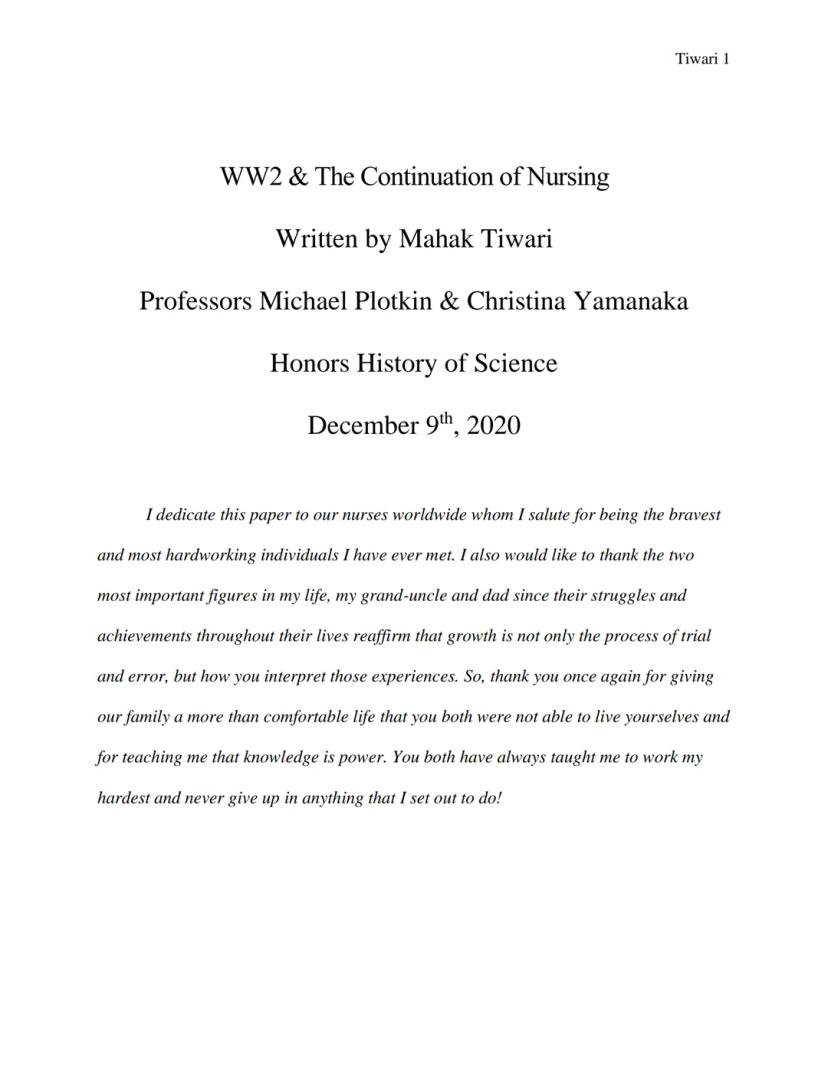
Comprehensive Nursing Research Guide
1 / 8
1
of 8
The Origins of Nursing
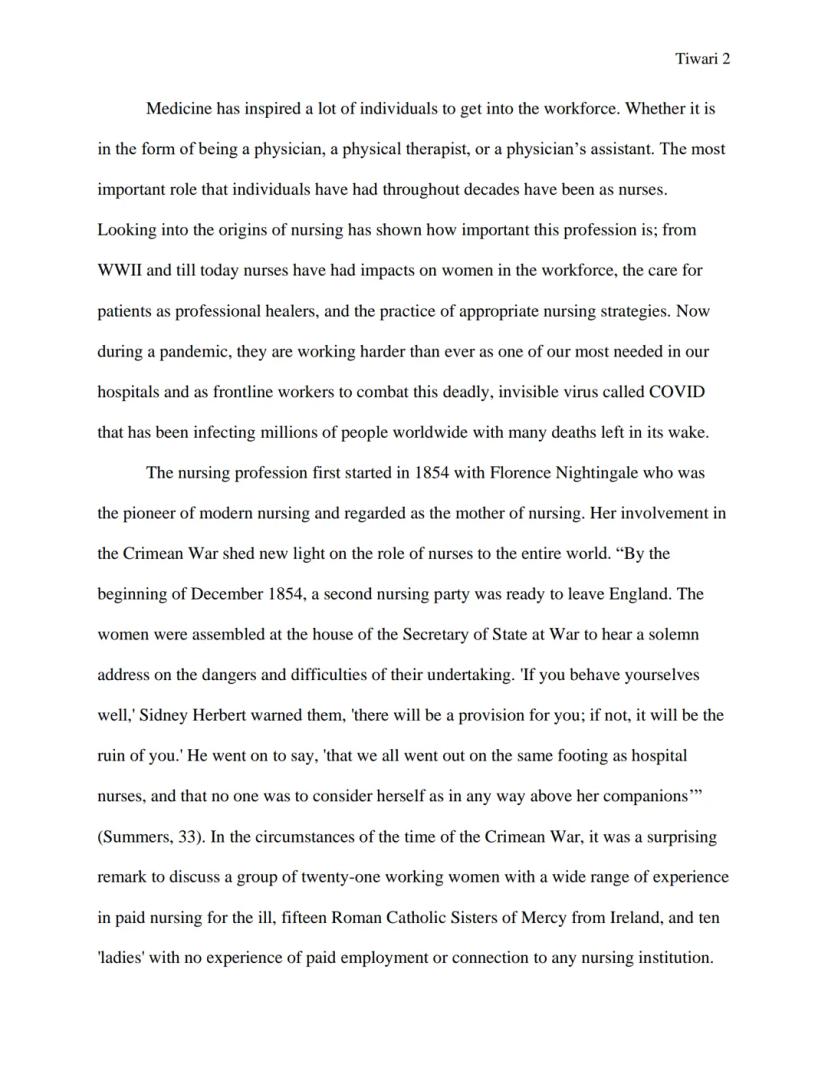
The nursing profession began in 1854 with Florence Nightingale, who is regarded as the mother of modern nursing. Her groundbreaking work during the Crimean War transformed how the world viewed nurses and their capabilities.
When preparing to serve in the Crimean War, nurses were warned about the challenges ahead. Sidney Herbert, the Secretary of State at War, addressed a diverse group of women including experienced hospital nurses, Sisters of Mercy, and even "ladies" with no prior nursing experience, emphasizing they were all equal in their mission.
Did you know? Florence Nightingale wasn't working alone! Various religious nursing orders existed in England at the time, though they often competed with each other for recognition in their service.
The dedication that drove these early nurses continues to inspire healthcare workers today. They paved the way for nursing to develop from a casual occupation into a respected profession that combines compassion with clinical expertise.
2
of 8
Nursing During World War II
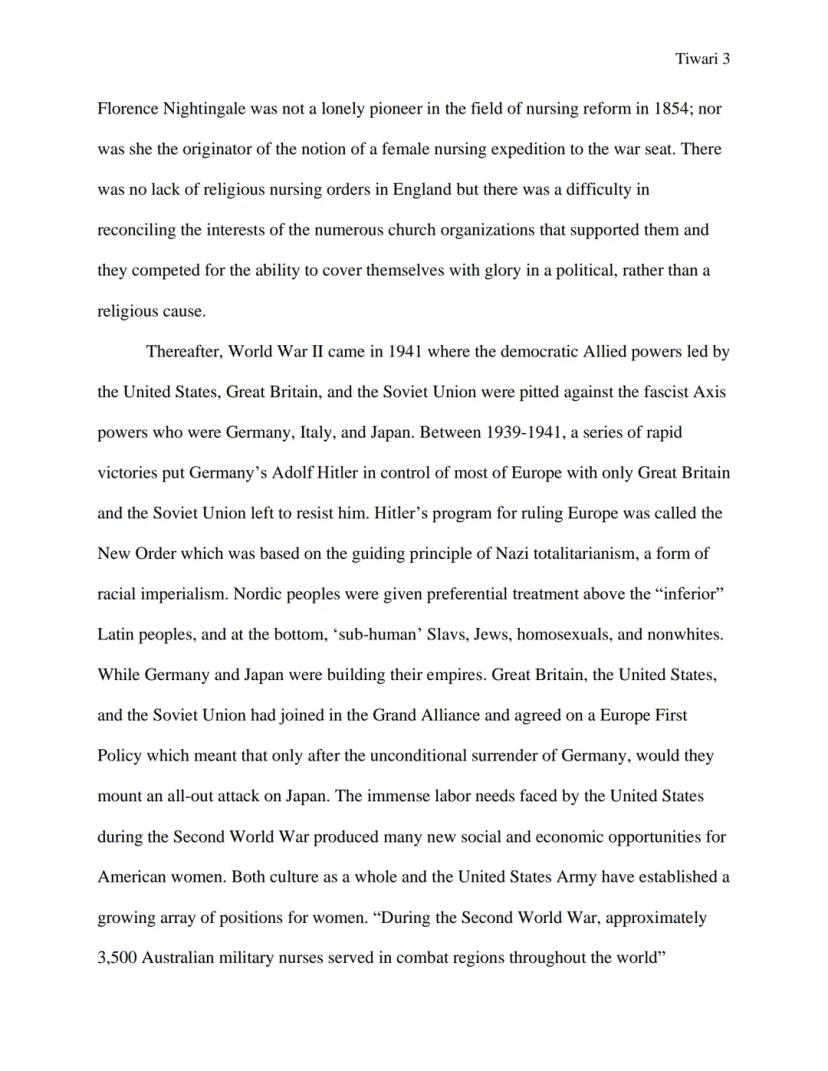
World War II (1941-1945) created unprecedented demands for medical personnel as the Allied powers battled against the Axis forces. During this global conflict, approximately 3,500 Australian military nurses served in combat regions worldwide, demonstrating the growing importance of the nursing profession.
The war dramatically changed opportunities for women in the workforce, with many joining industries and occupations previously closed to them. The nursing profession expanded rapidly as women volunteered to care for wounded soldiers and affected civilians. By 1944, the Army finally granted full retirement rights, dependent allowances, and fair pay to its nurse officers.
War nursing required what were traditionally seen as masculine traits—courage, strength, and stoicism when facing suffering. Yet these nurses balanced these qualities with compassion and clinical expertise, allowing them to function effectively in chaotic environments.
Remember this: War nurses broke conventional gender roles of their time, gaining respect as both compassionate caregivers and skilled medical professionals who could handle extreme situations.
The challenging conditions of war kept nurses constantly alert and adapting, much like the soldiers they treated who returned from the trenches.
3
of 8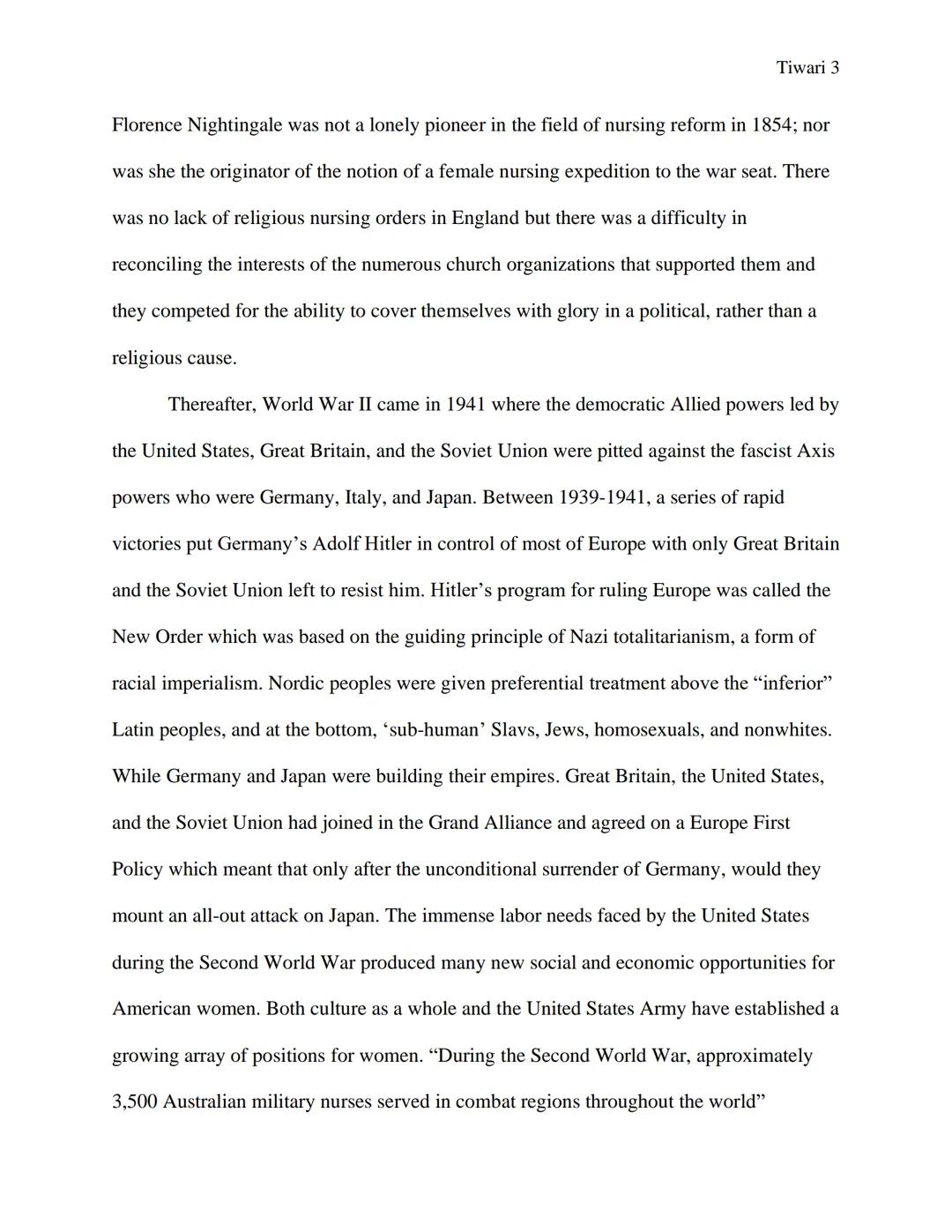
The Professional Nurse vs. The Physician
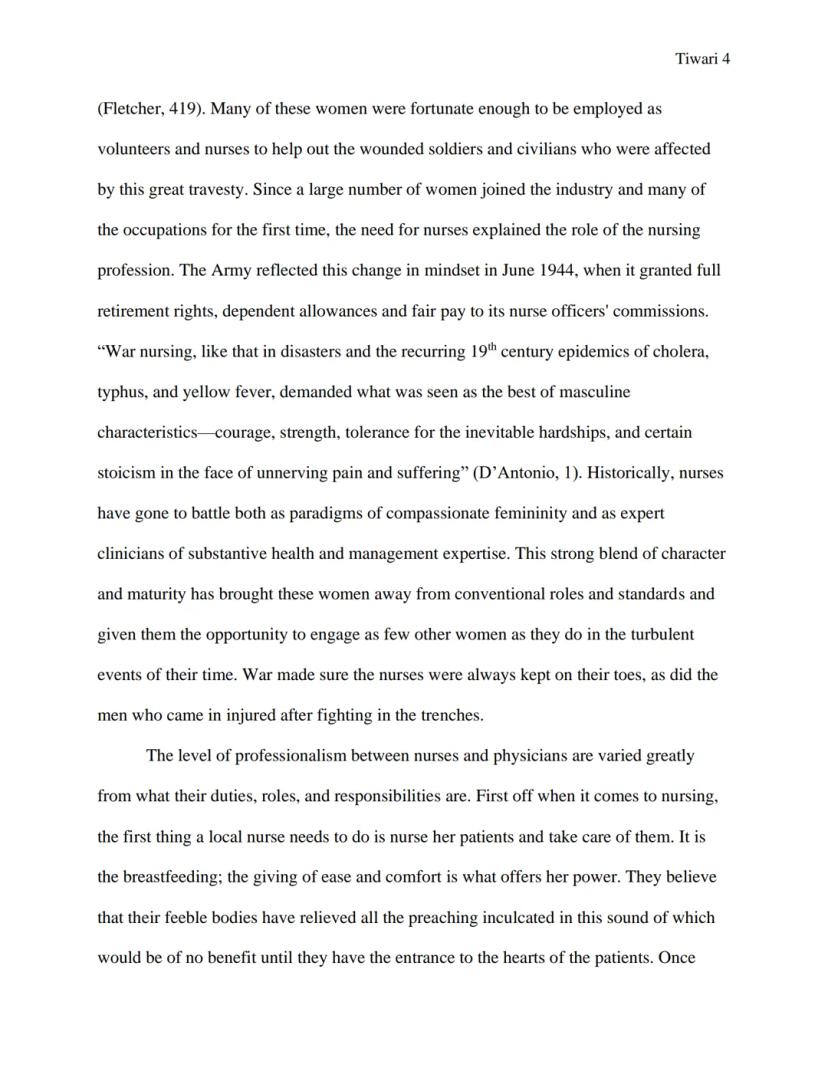
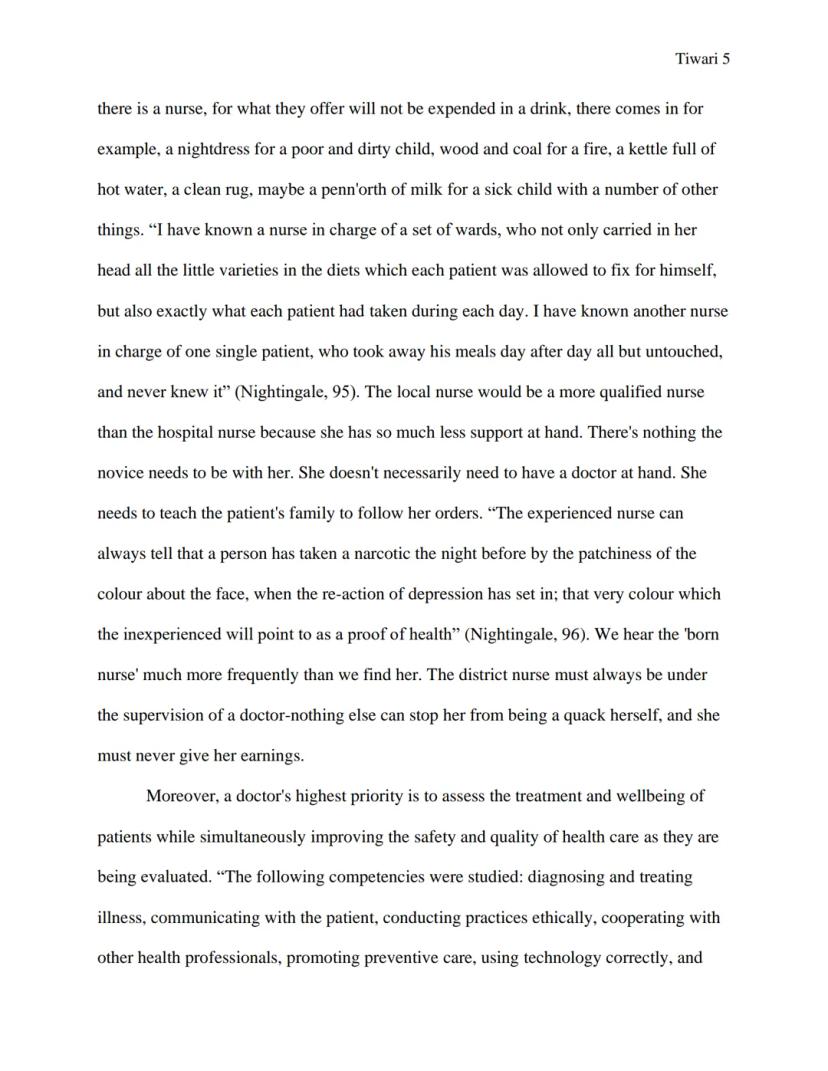
The roles and responsibilities of nurses differ significantly from those of physicians. A nurse's primary duty centers on patient care and comfort—the everyday tasks that bring relief and foster healing. They observe minute details about patients that others might miss.
Florence Nightingale noted how experienced nurses could identify subtle signs in patients, such as detecting that someone had taken a narcotic the night before by the "patchiness of the colour about the face." These observation skills make local or district nurses particularly valuable, as they often work with less support than hospital nurses.
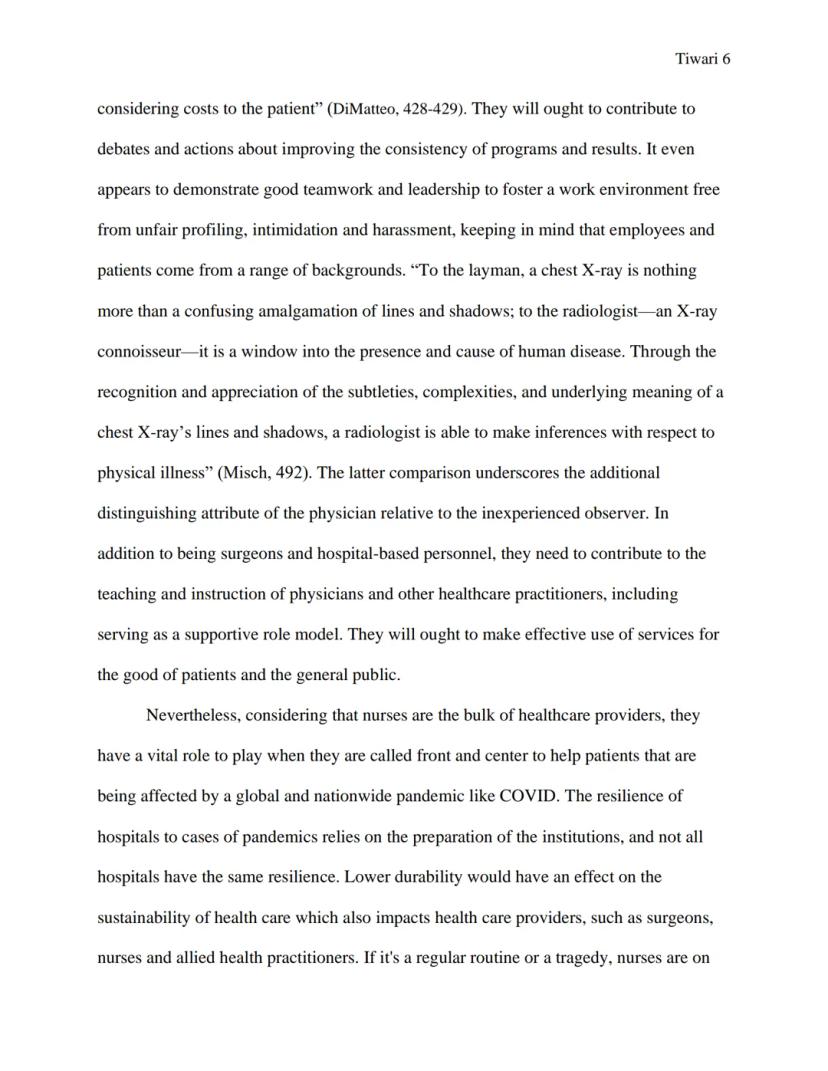
Physicians, meanwhile, focus primarily on diagnosis and treatment. They must "assess the treatment and wellbeing of patients while simultaneously improving the safety and quality of health care." Doctors need specialized skills to interpret medical data—where a layperson sees only "confusing lines and shadows" on an X-ray, a radiologist sees clear evidence of disease.
Think about this: Nurses and physicians complement each other perfectly: while doctors diagnose and prescribe treatments, nurses provide the continuous care and observation that makes healing possible.
Both professions require teaching abilities, leadership qualities, and ethical practice, but their approaches and day-to-day responsibilities remain distinct, creating a balanced healthcare system.
4
of 8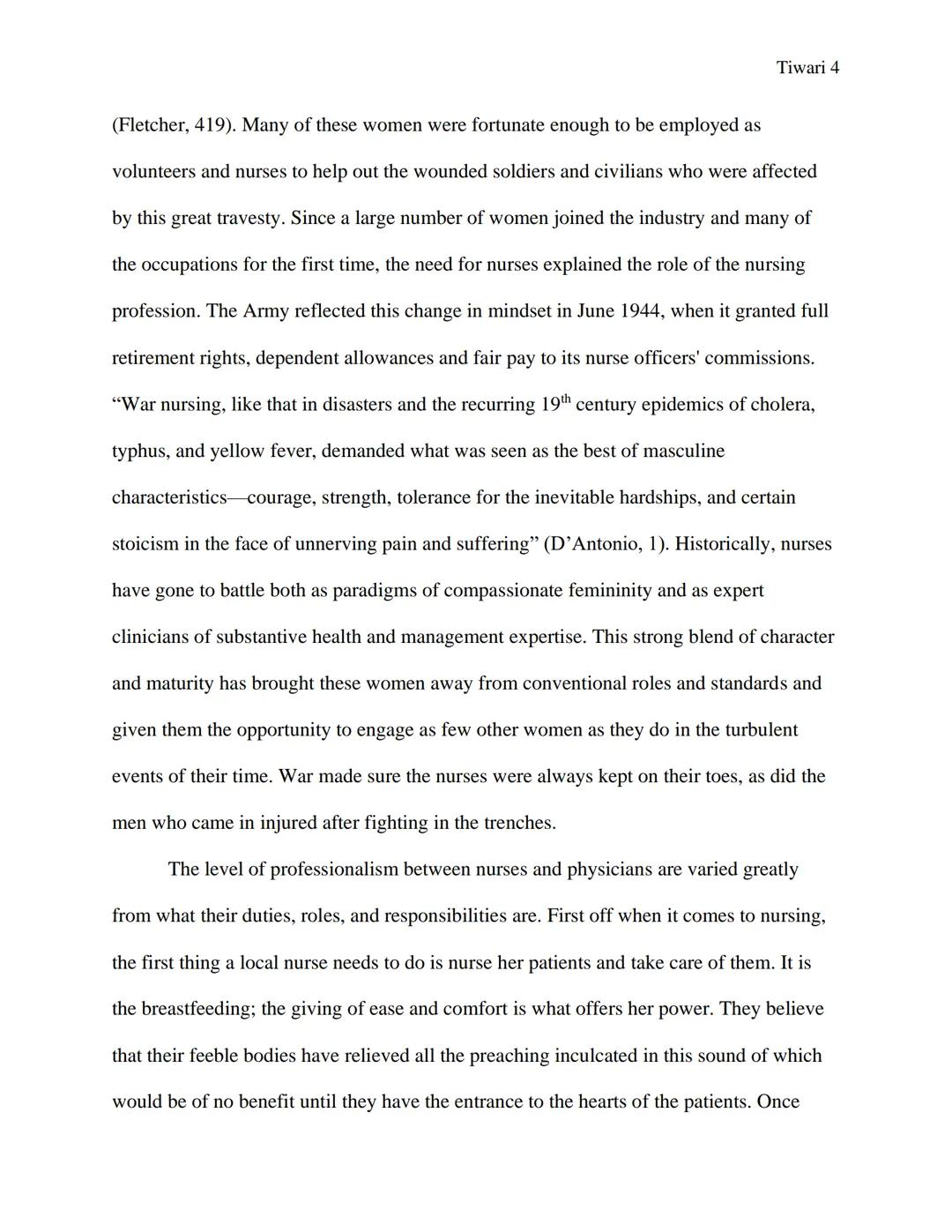
Nurses on the Front Lines: Pandemics and Global Health Crises
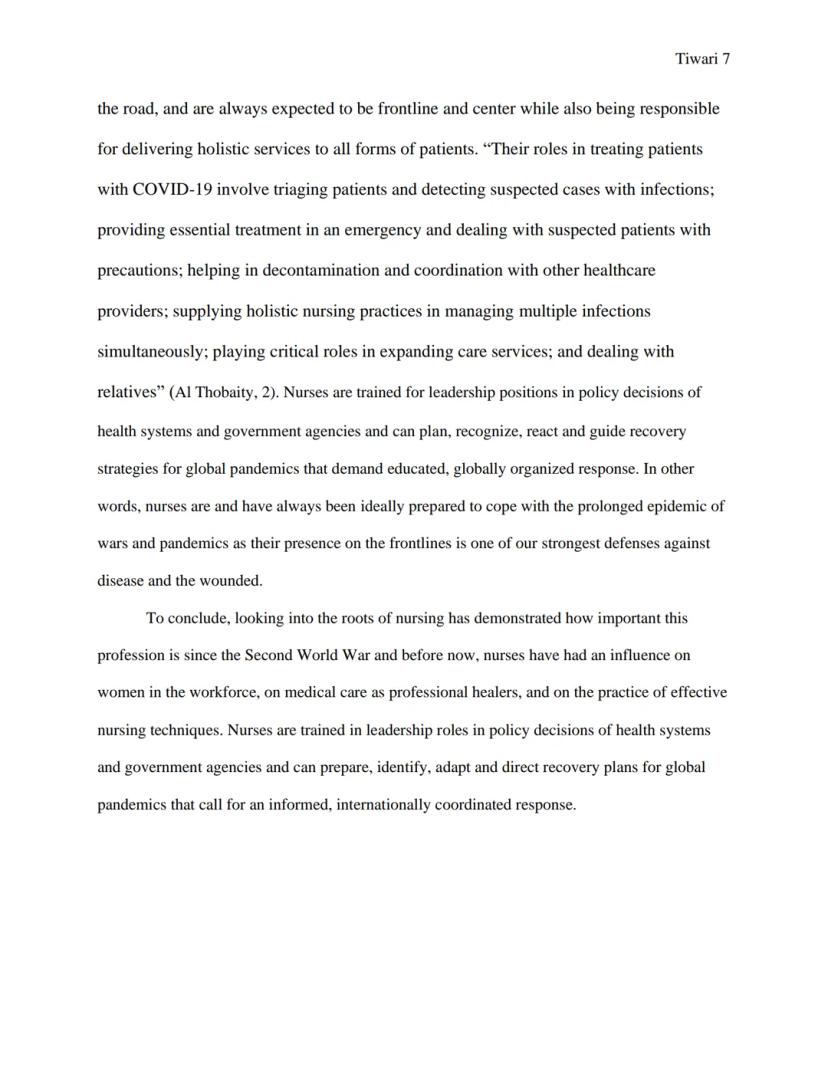
Nurses play a vital role during global health crises like pandemics. As the largest group of healthcare providers, they become crucial when hospitals face overwhelming challenges. Their responsibilities include triaging patients, detecting suspected cases, providing emergency treatment, coordinating with other healthcare providers, and managing multiple infections simultaneously.
The resilience of healthcare systems during crises depends heavily on institutional preparation, which directly affects healthcare providers including nurses. Whether during normal operations or disasters, nurses are expected to be "frontline and center" while delivering holistic care to all types of patients.
Nurses today are trained for leadership positions in health systems and government agencies. They can plan, identify, respond to, and guide recovery strategies for global pandemics that demand educated, globally coordinated responses.
Important insight: Nurses have always been "ideally prepared to cope with the prolonged epidemic of wars and pandemics" because their presence on the frontlines forms "one of our strongest defenses against disease and the wounded."
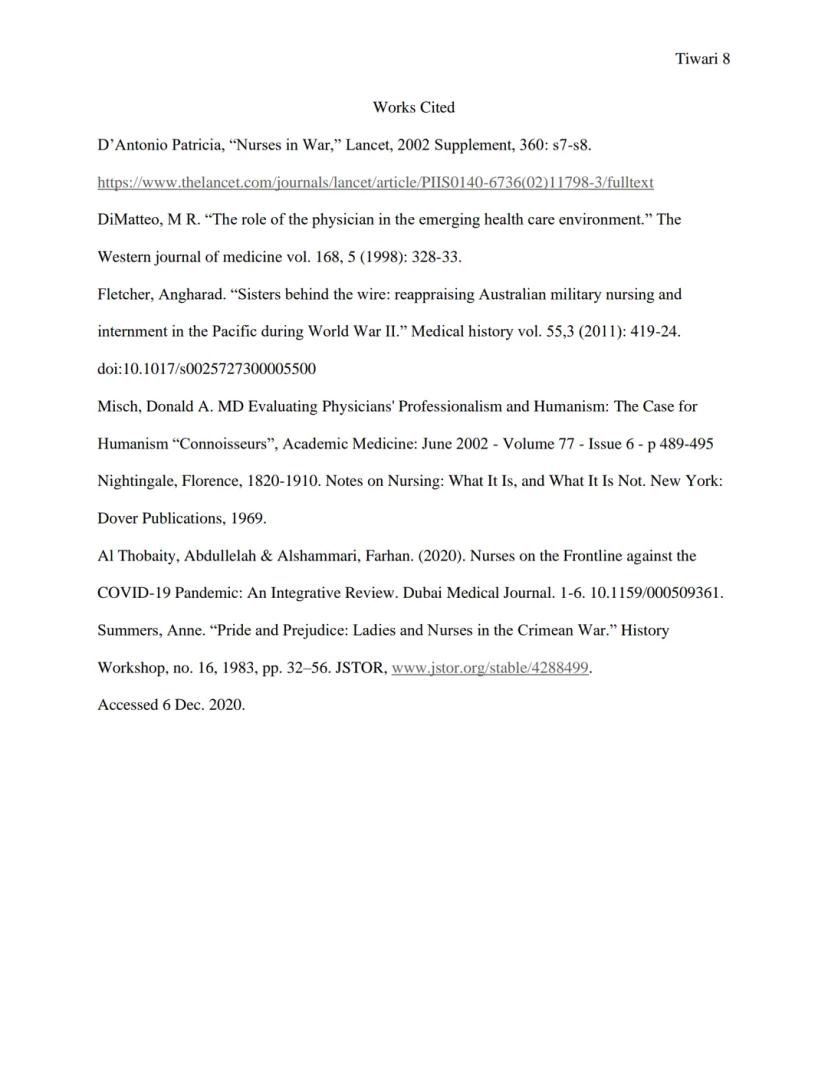
From Florence Nightingale's pioneering work to today's COVID-19 pandemic response, nurses continue to demonstrate their irreplaceable value in healthcare, combining professional expertise with compassionate care when it matters most.
5
of 8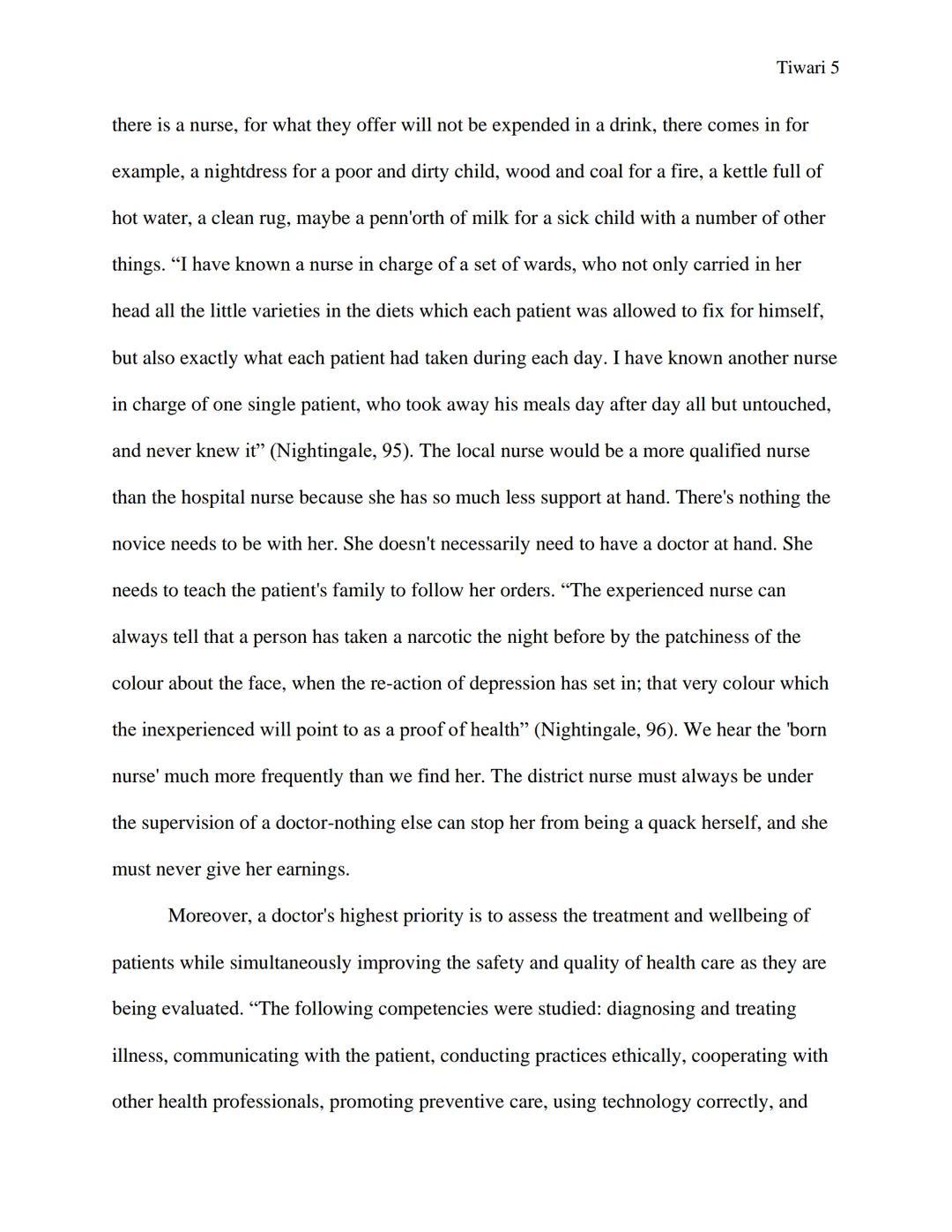
6
of 8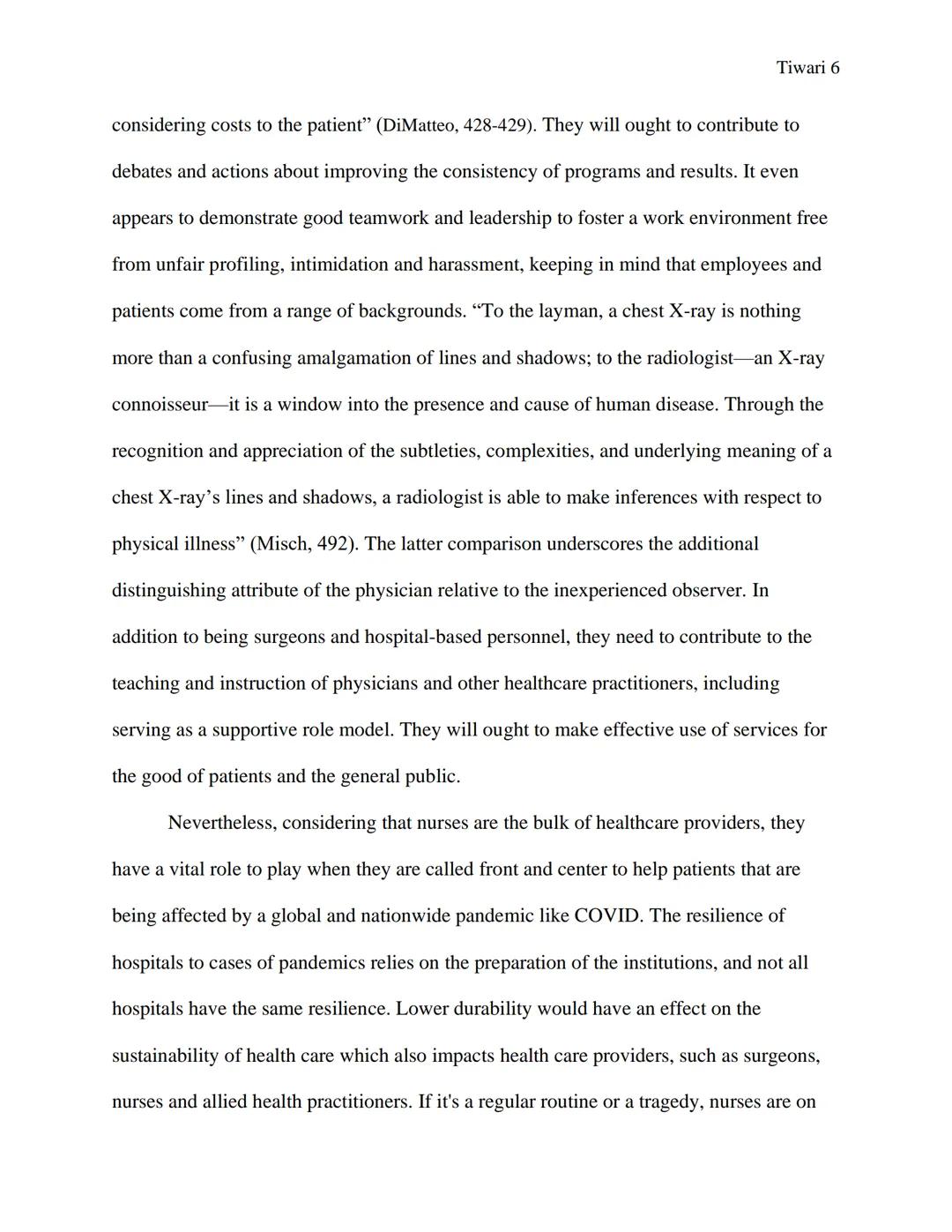
7
of 8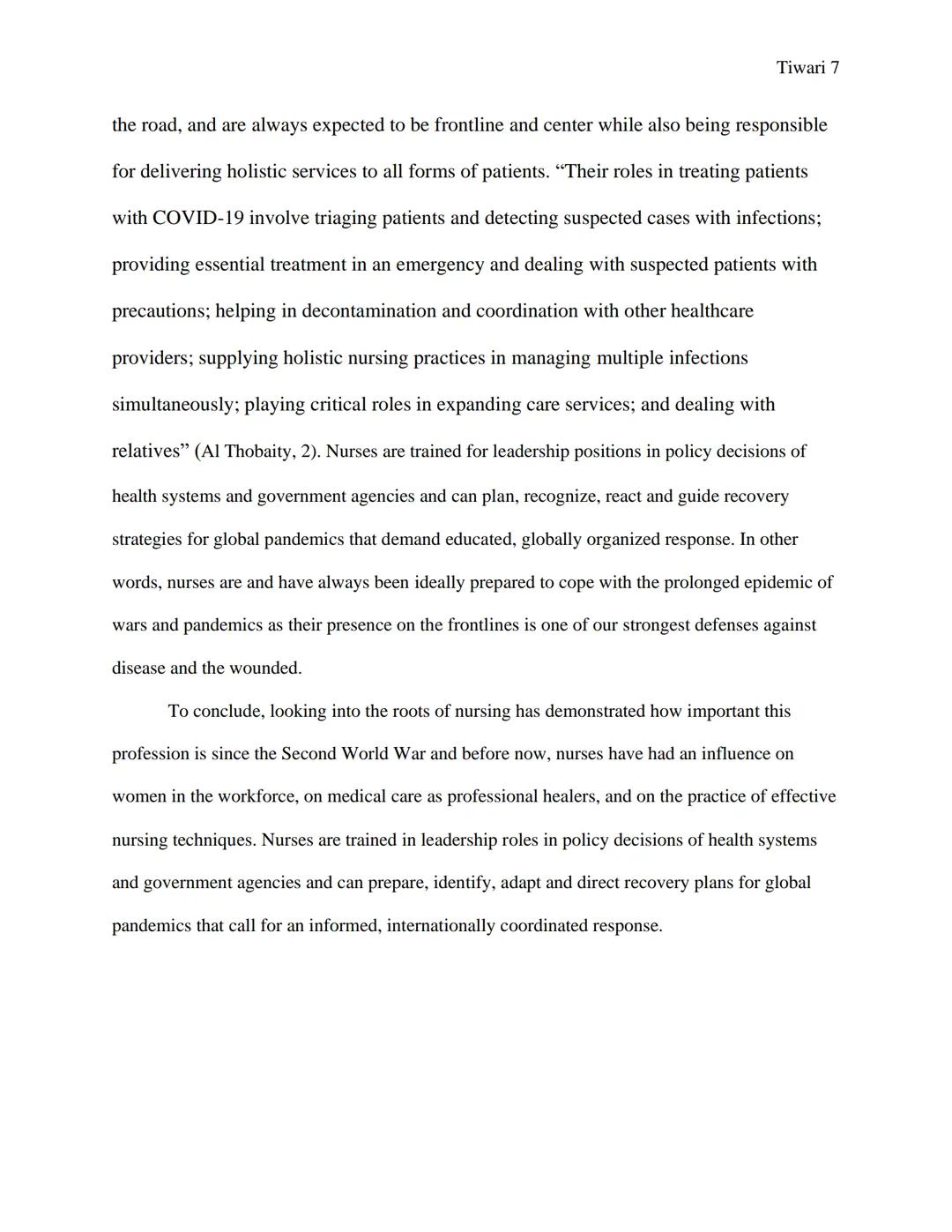
8
of 8
We thought you’d never ask...
What is the Knowunity AI companion?
Our AI companion is specifically built for the needs of students. Based on the millions of content pieces we have on the platform we can provide truly meaningful and relevant answers to students. But its not only about answers, the companion is even more about guiding students through their daily learning challenges, with personalised study plans, quizzes or content pieces in the chat and 100% personalisation based on the students skills and developments.
Where can I download the Knowunity app?
You can download the app in the Google Play Store and in the Apple App Store.
Is Knowunity really free of charge?
That's right! Enjoy free access to study content, connect with fellow students, and get instant help – all at your fingertips.
Similar Content
Most popular content in AP World History
9O
AP World HistoryOrigins of Ancient River Civilizations
Analyze the environmental factors and technological innovations that led to the rise of early states in Mesopotamia, Egypt, and the Indus Valley.
9th3,1870
O
AP World HistoryOrigins and Continuity of the Byzantine Empire
Analyze the political and cultural transitions from the Roman Empire to the Byzantine Empire, focusing on the reign of Justinian I and his code.
9th1,6320
O
AP World HistoryOrigins of African State Building (1200-1450)
Analyze how trade networks and environmental factors influenced the formation of early states like Great Zimbabwe and the Swahili city-states.
9th9700
I
AP World HistoryIntroduction to Classical Civilizations
Master fundamental concepts, geographic locations, and the defining characteristics of major empires like Rome, Han China, and Maurya India.
9th7540
O
AP World HistoryOrigins of Indigenous Americas State Building
Analyze the foundational governance structures and environmental adaptations of the Maya, Aztec, and Inca civilizations between 1200 and 1450.
9th5070
1
AP World History1200-1450 CE quiz 1
Quiz on information about developments in East Asia, South Asia, the Middle East, and Europe at the time
10th2430
O
AP World HistoryOrigins of Economic Exchange Networks
Practice identifying the foundational environmental and technological factors that enabled Silk Road, Indian Ocean, and Trans-Saharan trade.
9th3370
S
AP World HistoryState Building in East Asia Developments
Analyze the administrative methods, such as the Confucian bureaucracy and tributary system, used by the Song Dynasty to maintain political power.
9th2730
I
AP World HistoryIntroduction to State Building and Administration
Practice analyzing how land-based empires used bureaucracies and military elites to consolidate power between 1450 and 1750.
9th2600
Most popular content
9O
 AP US History
Origins and Dynamics of the Columbian Exchange
Analyze the ecological and economic motivations behind the initial transfer of goods, people, and diseases between the Old and New Worlds.
9th3,1280
I
AP US HistoryIntroduction to Early Cultural Interactions
Analyze the initial social and religious encounters between Europeans, Africans, and Indigenous peoples in the colonial Americas.
9th2,7730
O
AP World HistoryOrigins of Ancient River Civilizations
Analyze the environmental factors and technological innovations that led to the rise of early states in Mesopotamia, Egypt, and the Indus Valley.
9th3,1870
M
AP US HistoryMotivations for European Exploration
Analyze the economic, religious, and political factors that drove European powers to the Americas during the 15th and 16th centuries.
9th1,7780
F
 AP Psychology
Foundations of Ethical Guidelines in Research
Practice the core principles of the APA ethical code including informed consent, debriefing, and the role of Institutional Review Boards.
9th1,3360
I
AP US HistoryIntroduction to Native American Societies
Examine the diverse social, political, and economic structures of North American indigenous groups prior to European contact.
9th1,1100
I
 AP Biology
Introduction to Biological Elements of Life
Practice identifying the essential elements including carbon, nitrogen, phosphorus, and sulfur that compose biological macromolecules.
9th1,7390
I
AP US HistoryIntroduction to the Spanish Encomienda System
Explore the fundamental economic and social structures of the Spanish colonial system, focusing on the encomienda and the casta social hierarchy.
9th8890
O
AP World HistoryOrigins and Continuity of the Byzantine Empire
Analyze the political and cultural transitions from the Roman Empire to the Byzantine Empire, focusing on the reign of Justinian I and his code.
9th1,6320
Can't find what you're looking for? Explore other subjects.
Students love us — and so will you.
4.6/5App Store
4.7/5Google Play
The app is very easy to use and well designed. I have found everything I was looking for so far and have been able to learn a lot from the presentations! I will definitely use the app for a class assignment! And of course it also helps a lot as an inspiration.
Stefan SiOS user
This app is really great. There are so many study notes and help [...]. My problem subject is French, for example, and the app has so many options for help. Thanks to this app, I have improved my French. I would recommend it to anyone.
Samantha KlichAndroid user
Wow, I am really amazed. I just tried the app because I've seen it advertised many times and was absolutely stunned. This app is THE HELP you want for school and above all, it offers so many things, such as workouts and fact sheets, which have been VERY helpful to me personally.
AnnaiOS user
AP World History310 views·Updated Jun 8, 2026·8 pagesComprehensive Nursing Research Guide
Nursing has evolved from its humble beginnings in the 1850s to become one of the most vital professions in healthcare today. This study explores how nurses have impacted medicine from World War II to modern times, highlighting their critical roles...
1
of 8
Sign up to see the content. It's free!
- Access to all documents
- Improve your grades
- Join milions of students
The Origins of Nursing
The nursing profession began in 1854 with Florence Nightingale, who is regarded as the mother of modern nursing. Her groundbreaking work during the Crimean War transformed how the world viewed nurses and their capabilities.
When preparing to serve in the Crimean War, nurses were warned about the challenges ahead. Sidney Herbert, the Secretary of State at War, addressed a diverse group of women including experienced hospital nurses, Sisters of Mercy, and even "ladies" with no prior nursing experience, emphasizing they were all equal in their mission.
Did you know? Florence Nightingale wasn't working alone! Various religious nursing orders existed in England at the time, though they often competed with each other for recognition in their service.
The dedication that drove these early nurses continues to inspire healthcare workers today. They paved the way for nursing to develop from a casual occupation into a respected profession that combines compassion with clinical expertise.
2
of 8Sign up to see the content. It's free!
- Access to all documents
- Improve your grades
- Join milions of students
Nursing During World War II
World War II (1941-1945) created unprecedented demands for medical personnel as the Allied powers battled against the Axis forces. During this global conflict, approximately 3,500 Australian military nurses served in combat regions worldwide, demonstrating the growing importance of the nursing profession.
The war dramatically changed opportunities for women in the workforce, with many joining industries and occupations previously closed to them. The nursing profession expanded rapidly as women volunteered to care for wounded soldiers and affected civilians. By 1944, the Army finally granted full retirement rights, dependent allowances, and fair pay to its nurse officers.
War nursing required what were traditionally seen as masculine traits—courage, strength, and stoicism when facing suffering. Yet these nurses balanced these qualities with compassion and clinical expertise, allowing them to function effectively in chaotic environments.
Remember this: War nurses broke conventional gender roles of their time, gaining respect as both compassionate caregivers and skilled medical professionals who could handle extreme situations.
The challenging conditions of war kept nurses constantly alert and adapting, much like the soldiers they treated who returned from the trenches.
3
of 8Sign up to see the content. It's free!
- Access to all documents
- Improve your grades
- Join milions of students
The Professional Nurse vs. The Physician
The roles and responsibilities of nurses differ significantly from those of physicians. A nurse's primary duty centers on patient care and comfort—the everyday tasks that bring relief and foster healing. They observe minute details about patients that others might miss.
Florence Nightingale noted how experienced nurses could identify subtle signs in patients, such as detecting that someone had taken a narcotic the night before by the "patchiness of the colour about the face." These observation skills make local or district nurses particularly valuable, as they often work with less support than hospital nurses.
Physicians, meanwhile, focus primarily on diagnosis and treatment. They must "assess the treatment and wellbeing of patients while simultaneously improving the safety and quality of health care." Doctors need specialized skills to interpret medical data—where a layperson sees only "confusing lines and shadows" on an X-ray, a radiologist sees clear evidence of disease.
Think about this: Nurses and physicians complement each other perfectly: while doctors diagnose and prescribe treatments, nurses provide the continuous care and observation that makes healing possible.
Both professions require teaching abilities, leadership qualities, and ethical practice, but their approaches and day-to-day responsibilities remain distinct, creating a balanced healthcare system.
4
of 8Sign up to see the content. It's free!
- Access to all documents
- Improve your grades
- Join milions of students
Nurses on the Front Lines: Pandemics and Global Health Crises
Nurses play a vital role during global health crises like pandemics. As the largest group of healthcare providers, they become crucial when hospitals face overwhelming challenges. Their responsibilities include triaging patients, detecting suspected cases, providing emergency treatment, coordinating with other healthcare providers, and managing multiple infections simultaneously.
The resilience of healthcare systems during crises depends heavily on institutional preparation, which directly affects healthcare providers including nurses. Whether during normal operations or disasters, nurses are expected to be "frontline and center" while delivering holistic care to all types of patients.
Nurses today are trained for leadership positions in health systems and government agencies. They can plan, identify, respond to, and guide recovery strategies for global pandemics that demand educated, globally coordinated responses.
Important insight: Nurses have always been "ideally prepared to cope with the prolonged epidemic of wars and pandemics" because their presence on the frontlines forms "one of our strongest defenses against disease and the wounded."
From Florence Nightingale's pioneering work to today's COVID-19 pandemic response, nurses continue to demonstrate their irreplaceable value in healthcare, combining professional expertise with compassionate care when it matters most.
5
of 8Sign up to see the content. It's free!
- Access to all documents
- Improve your grades
- Join milions of students
6
of 8Sign up to see the content. It's free!
- Access to all documents
- Improve your grades
- Join milions of students
7
of 8Sign up to see the content. It's free!
- Access to all documents
- Improve your grades
- Join milions of students
8
of 8Sign up to see the content. It's free!
- Access to all documents
- Improve your grades
- Join milions of students
We thought you’d never ask...
What is the Knowunity AI companion?
Our AI companion is specifically built for the needs of students. Based on the millions of content pieces we have on the platform we can provide truly meaningful and relevant answers to students. But its not only about answers, the companion is even more about guiding students through their daily learning challenges, with personalised study plans, quizzes or content pieces in the chat and 100% personalisation based on the students skills and developments.
Where can I download the Knowunity app?
You can download the app in the Google Play Store and in the Apple App Store.
Is Knowunity really free of charge?
That's right! Enjoy free access to study content, connect with fellow students, and get instant help – all at your fingertips.
Similar Content
Most popular content in AP World History
9O
AP World HistoryOrigins of Ancient River Civilizations
Analyze the environmental factors and technological innovations that led to the rise of early states in Mesopotamia, Egypt, and the Indus Valley.
9th3,1870
O
AP World HistoryOrigins and Continuity of the Byzantine Empire
Analyze the political and cultural transitions from the Roman Empire to the Byzantine Empire, focusing on the reign of Justinian I and his code.
9th1,6320
O
AP World HistoryOrigins of African State Building (1200-1450)
Analyze how trade networks and environmental factors influenced the formation of early states like Great Zimbabwe and the Swahili city-states.
9th9700
I
AP World HistoryIntroduction to Classical Civilizations
Master fundamental concepts, geographic locations, and the defining characteristics of major empires like Rome, Han China, and Maurya India.
9th7540
O
AP World HistoryOrigins of Indigenous Americas State Building
Analyze the foundational governance structures and environmental adaptations of the Maya, Aztec, and Inca civilizations between 1200 and 1450.
9th5070
1
AP World History1200-1450 CE quiz 1
Quiz on information about developments in East Asia, South Asia, the Middle East, and Europe at the time
10th2430
O
AP World HistoryOrigins of Economic Exchange Networks
Practice identifying the foundational environmental and technological factors that enabled Silk Road, Indian Ocean, and Trans-Saharan trade.
9th3370
S
AP World HistoryState Building in East Asia Developments
Analyze the administrative methods, such as the Confucian bureaucracy and tributary system, used by the Song Dynasty to maintain political power.
9th2730
I
AP World HistoryIntroduction to State Building and Administration
Practice analyzing how land-based empires used bureaucracies and military elites to consolidate power between 1450 and 1750.
9th2600
Most popular content
9O
AP US HistoryOrigins and Dynamics of the Columbian Exchange
Analyze the ecological and economic motivations behind the initial transfer of goods, people, and diseases between the Old and New Worlds.
9th3,1280
I
AP US HistoryIntroduction to Early Cultural Interactions
Analyze the initial social and religious encounters between Europeans, Africans, and Indigenous peoples in the colonial Americas.
9th2,7730
O
AP World HistoryOrigins of Ancient River Civilizations
Analyze the environmental factors and technological innovations that led to the rise of early states in Mesopotamia, Egypt, and the Indus Valley.
9th3,1870
M
AP US HistoryMotivations for European Exploration
Analyze the economic, religious, and political factors that drove European powers to the Americas during the 15th and 16th centuries.
9th1,7780
F
AP PsychologyFoundations of Ethical Guidelines in Research
Practice the core principles of the APA ethical code including informed consent, debriefing, and the role of Institutional Review Boards.
9th1,3360
I
AP US HistoryIntroduction to Native American Societies
Examine the diverse social, political, and economic structures of North American indigenous groups prior to European contact.
9th1,1100
I
AP BiologyIntroduction to Biological Elements of Life
Practice identifying the essential elements including carbon, nitrogen, phosphorus, and sulfur that compose biological macromolecules.
9th1,7390
I
AP US HistoryIntroduction to the Spanish Encomienda System
Explore the fundamental economic and social structures of the Spanish colonial system, focusing on the encomienda and the casta social hierarchy.
9th8890
O
AP World HistoryOrigins and Continuity of the Byzantine Empire
Analyze the political and cultural transitions from the Roman Empire to the Byzantine Empire, focusing on the reign of Justinian I and his code.
9th1,6320
Can't find what you're looking for? Explore other subjects.
Students love us — and so will you.
4.6/5App Store
4.7/5Google Play
The app is very easy to use and well designed. I have found everything I was looking for so far and have been able to learn a lot from the presentations! I will definitely use the app for a class assignment! And of course it also helps a lot as an inspiration.
Stefan SiOS user
This app is really great. There are so many study notes and help [...]. My problem subject is French, for example, and the app has so many options for help. Thanks to this app, I have improved my French. I would recommend it to anyone.
Samantha KlichAndroid user
Wow, I am really amazed. I just tried the app because I've seen it advertised many times and was absolutely stunned. This app is THE HELP you want for school and above all, it offers so many things, such as workouts and fact sheets, which have been VERY helpful to me personally.
AnnaiOS user