
Explore the rise of powerful African states during 1200-1450 CE,...
 AP World History55 views·Updated Jun 9, 2026·43 pages
State Building in Africa (1200-1450 CE): AP World History Unit 1.5
N
Neabah Samuels@eabahamuels_ebos
1 / 10
1
of 10
State Building in Africa
This period marks a significant era when powerful African kingdoms emerged and expanded their influence. From West African trading states to cultural centers, these societies developed sophisticated political structures.
Africa's state-building followed unique patterns shaped by geography, trade routes, and cultural exchange. These emerging states created lasting legacies that would influence the continent for centuries.
You'll discover how these kingdoms balanced traditional cultural practices with new influences from trade partners and religious movements.
2
of 10
African Cultural Similarities and "Africanity"
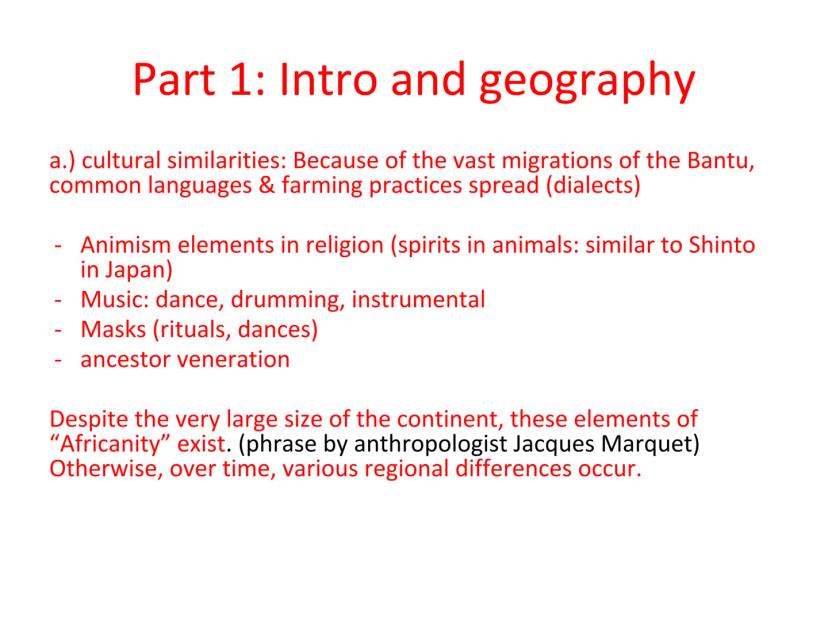
Despite Africa's enormous size, certain cultural elements spread widely across the continent thanks to Bantu migrations. Common languages and farming practices diffused throughout regions, creating shared cultural foundations.
Religious practices featuring animism (belief in spirits within animals) became widespread, similar to Japan's Shinto traditions. Cultural expressions through music, dance, drumming, and the creation of masks for rituals reflect common artistic traditions.
Ancestor veneration represented another unifying cultural practice across diverse African regions. Anthropologist Jacques Marquet called these shared cultural elements "Africanity."
Did you know? While these common cultural elements existed, regional differences still developed over time, creating a fascinating mix of shared traditions and local innovations across the continent.
3
of 10
Regional Diversity in Africa
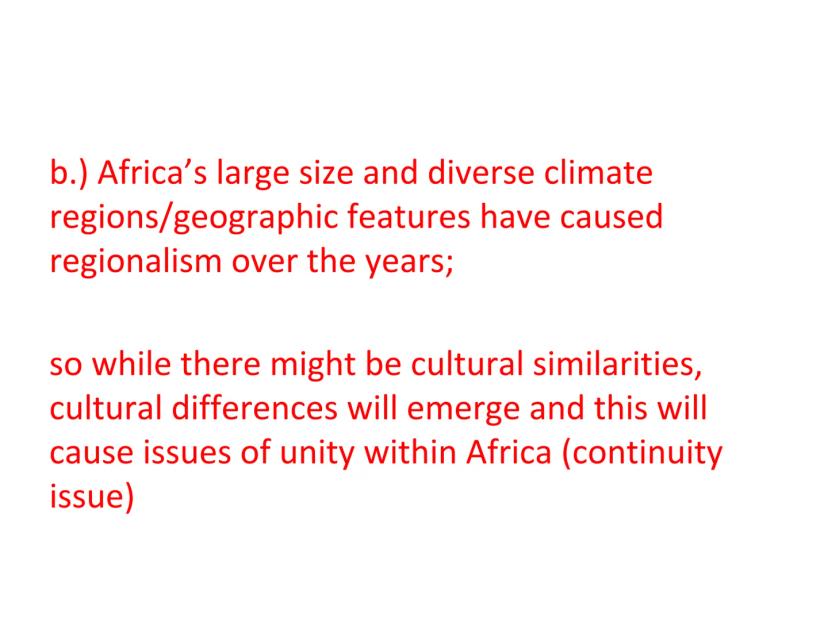
Africa's sheer size and incredibly diverse landscapes created natural barriers that fostered regionalism over time. From deserts to rainforests, each environment shaped unique cultural adaptations.
While cultural similarities existed, geographic diversity encouraged different societies to develop distinct practices suited to their environments. These regional differences eventually led to challenges in maintaining political unity across vast territories.
This tension between shared cultural elements and regional diversity represents a key continuity issue in African history. Understanding this balance helps explain why certain kingdoms rose and fell throughout this period.
4
of 10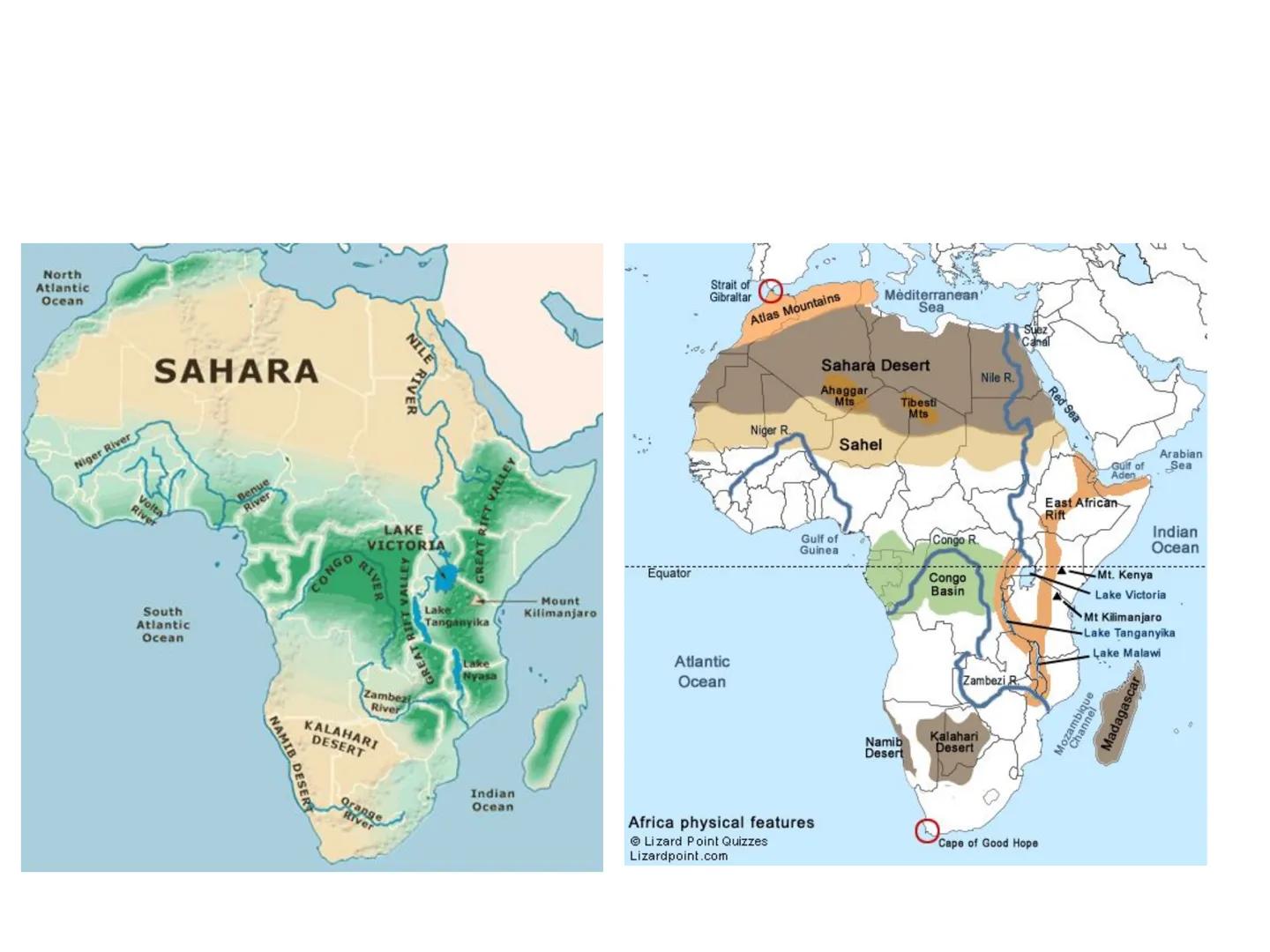
Africa's Geographic Features
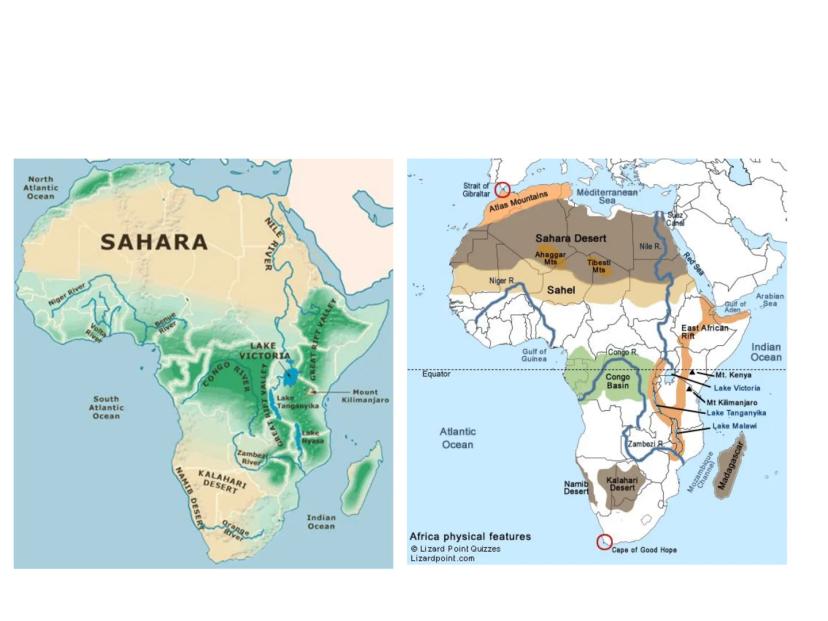
Africa's physical landscape created natural boundaries that influenced state development. Major rivers like the Nile, Niger, Congo, and Zambezi served as critical transportation routes and centers of civilization.
Massive barriers like the Sahara Desert in the north and the Kalahari Desert in the south isolated populations and required specialized trade networks to cross. The Great Rift Valley created dramatic landscapes across eastern Africa.
Mountain ranges including Mount Kilimanjaro, Mount Kenya, and the Atlas Mountains provided natural resources and sometimes formed borders between different political entities.
Geography Connection: Think about how these natural features both connected and separated people. How might living near the Sahara versus along the Niger River create completely different societies?
5
of 10
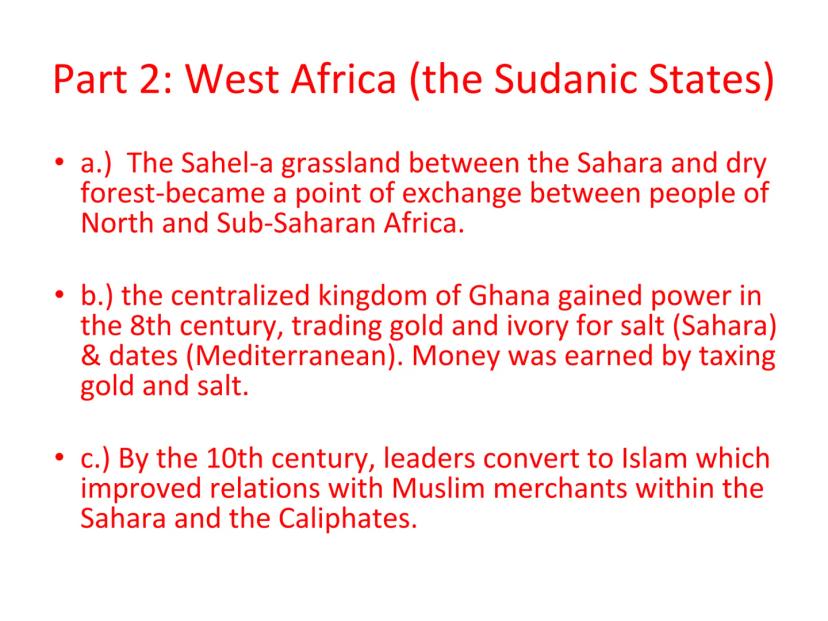
The Rise of West African Sudanic States
The Sahel, a grassland region between the Sahara Desert and forests to the south, became a crucial exchange zone connecting North Africa with Sub-Saharan Africa. This strategic location fostered powerful trading kingdoms.
The Kingdom of Ghana emerged as a dominant power by the 8th century. Its wealth came from controlling valuable trade routes carrying gold and ivory southward and salt northward from Saharan mines. Ghana's rulers grew wealthy by taxing these valuable commodities.
By the 10th century, Ghana's leaders strategically converted to Islam, improving diplomatic relations with Muslim merchants from across the Sahara. This religious connection opened new trade opportunities with Islamic caliphates and Mediterranean powers.
6
of 10
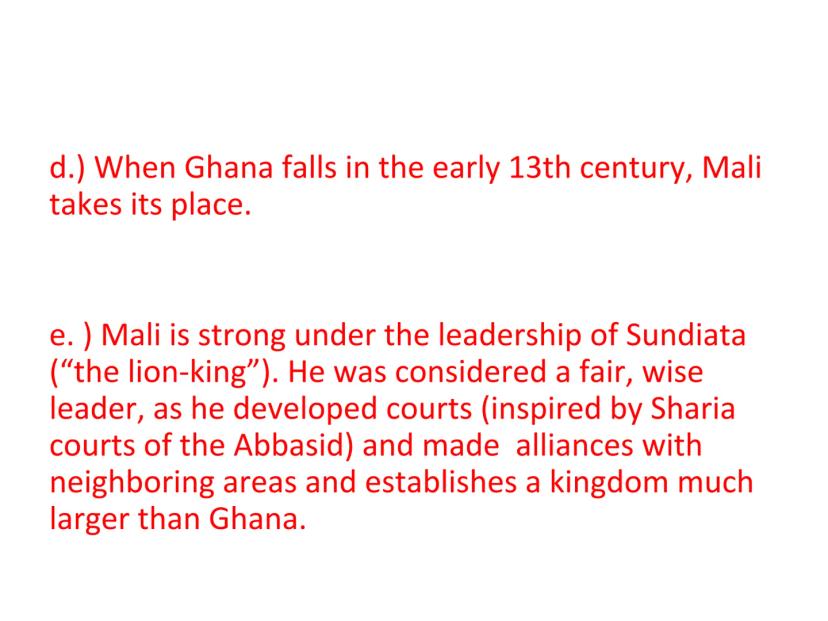
From Ghana to Mali
Ghana's power declined in the early 13th century, creating an opportunity for Mali to emerge as the region's new dominant kingdom. This transition represented a shift in political power while maintaining the importance of trans-Saharan trade.
Under the legendary Sundiata Keita, known as "the lion-king," Mali expanded dramatically. Sundiata proved himself a wise leader by establishing formal courts inspired by the Abbasid Caliphate's Sharia legal system, creating a more structured government than Ghana.
Sundiata formed strategic alliances with neighboring regions, allowing Mali to grow much larger than Ghana had been. His leadership style combined military strength with diplomatic skill to create a more stable and extensive kingdom.
7
of 10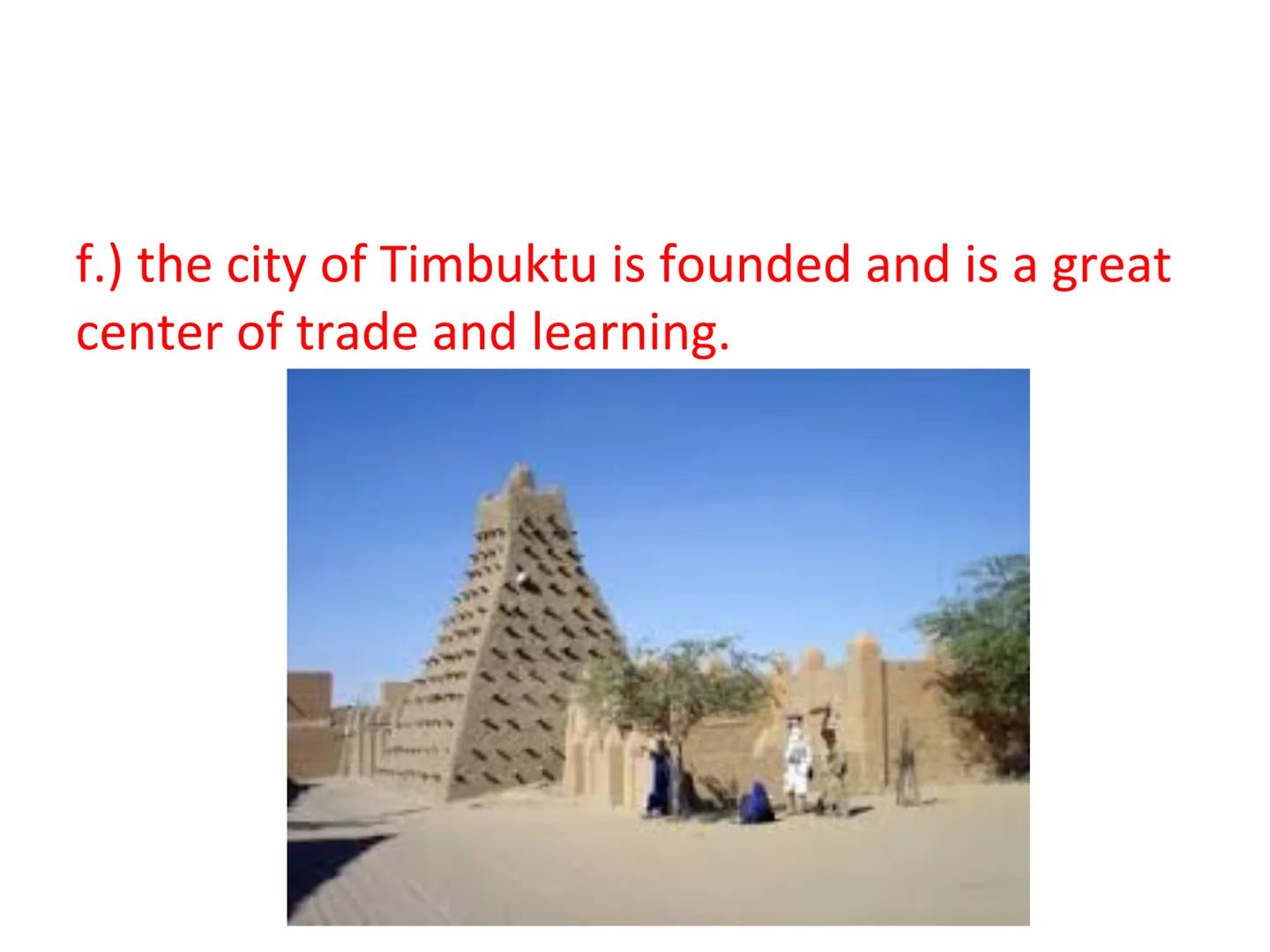
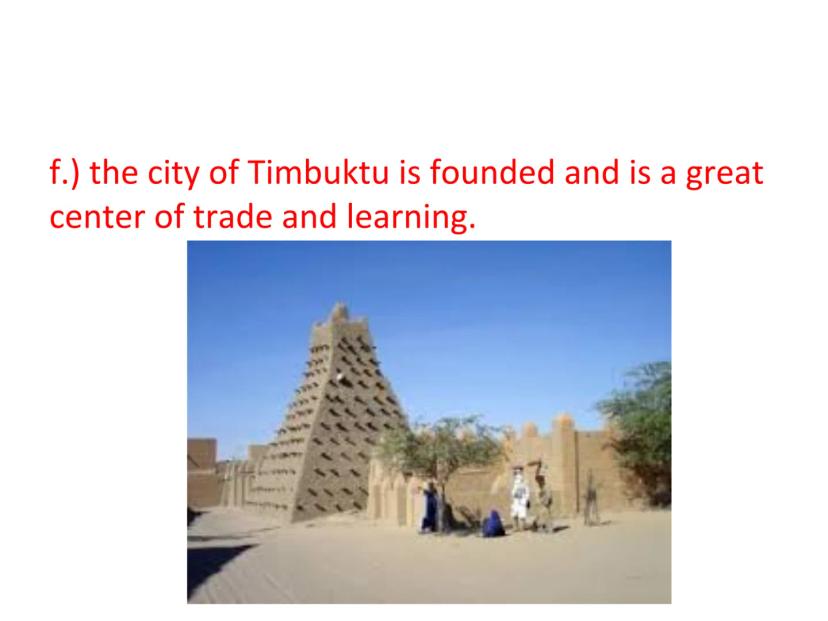
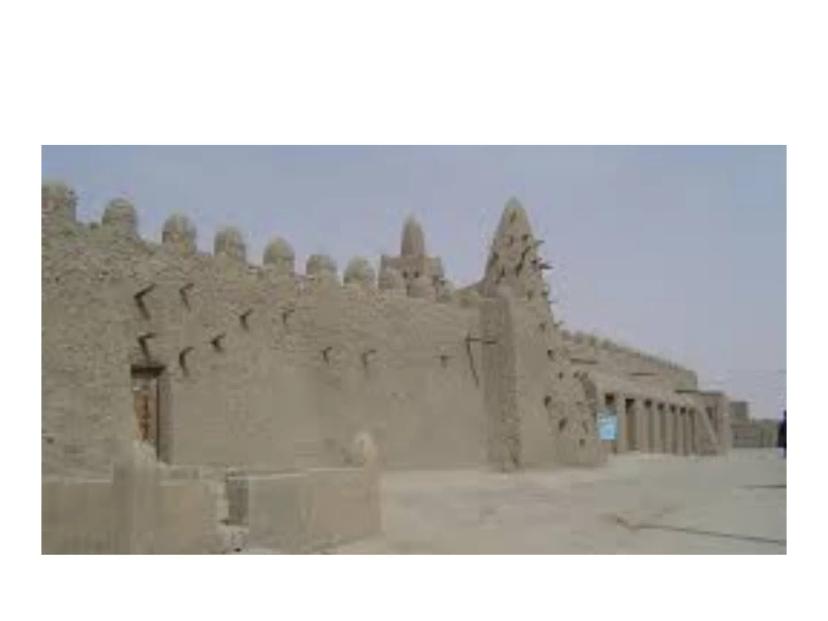
Timbuktu: Center of Learning and Trade
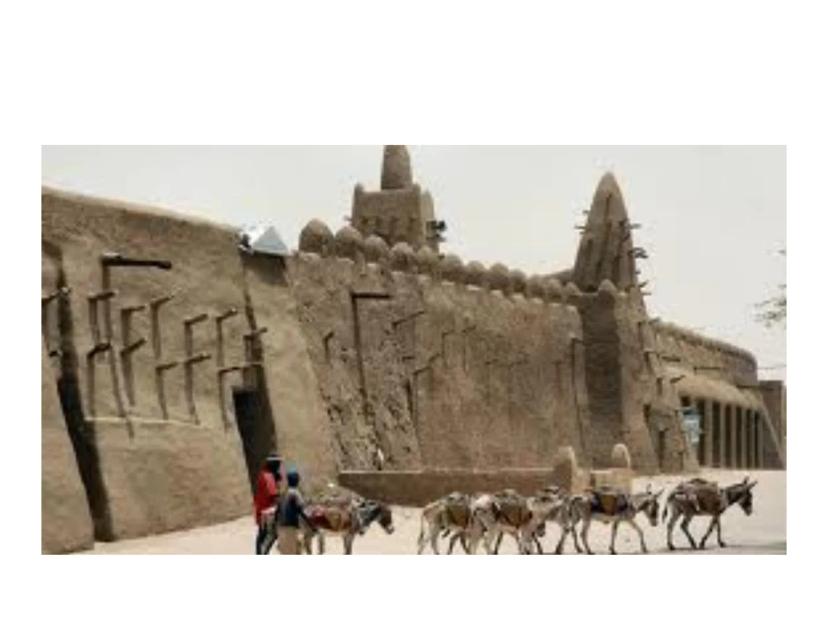
The city of Timbuktu rose to prominence as one of Mali's most important urban centers. Located near the Niger River, it became a vital hub connecting trade routes across the Sahel and Sahara.
Beyond commerce, Timbuktu developed into an extraordinary center of learning and scholarship. Libraries and universities attracted scholars from across the Islamic world, making it an intellectual powerhouse.
The city symbolized Mali's cultural and economic achievements, combining West African traditions with Islamic scholarship and international trade networks. Manuscripts produced in Timbuktu covered subjects from astronomy to poetry.
Think about it: How does Timbuktu challenge stereotypes about medieval Africa? What might studying at a Timbuktu university have been like?
8
of 10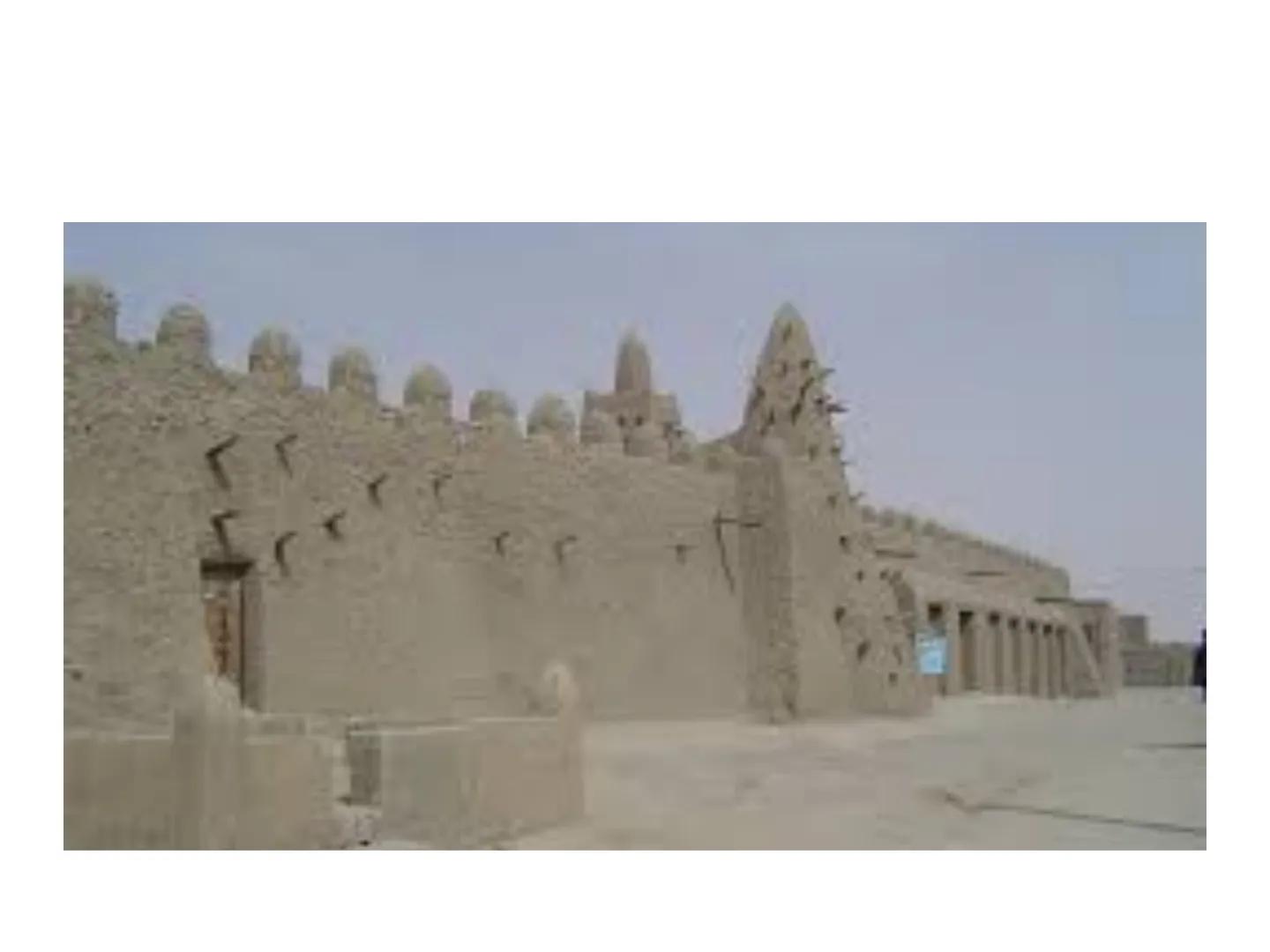
Mali's Golden Age Under Mansa Musa
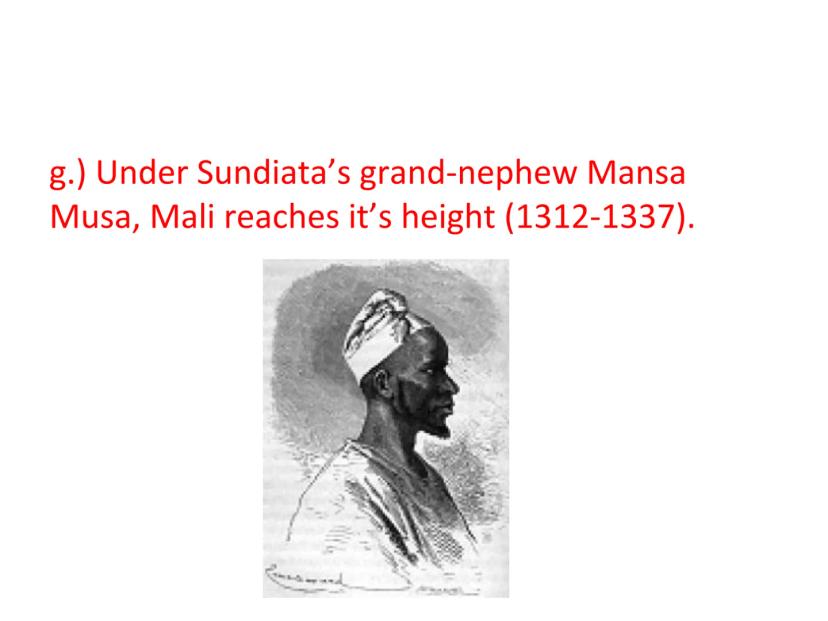
Mali reached its peak of power and influence during the reign of Mansa Musa (1312-1337), Sundiata's grand-nephew. His rule marked a golden age of prosperity, cultural achievement, and international recognition.
Mansa Musa became famous throughout the medieval world for his extraordinary wealth derived from Mali's control of gold-producing regions. His legendary pilgrimage to Mecca in 1324-1325 showcased Mali's prosperity when he distributed so much gold that he temporarily crashed the value of gold in Egypt.
Under Musa's leadership, Mali expanded its territory, strengthened Islamic institutions, and invested in education and architecture. His reign represented the height of West African state-building during this period, creating a legacy that would influence the region for centuries.
9
of 10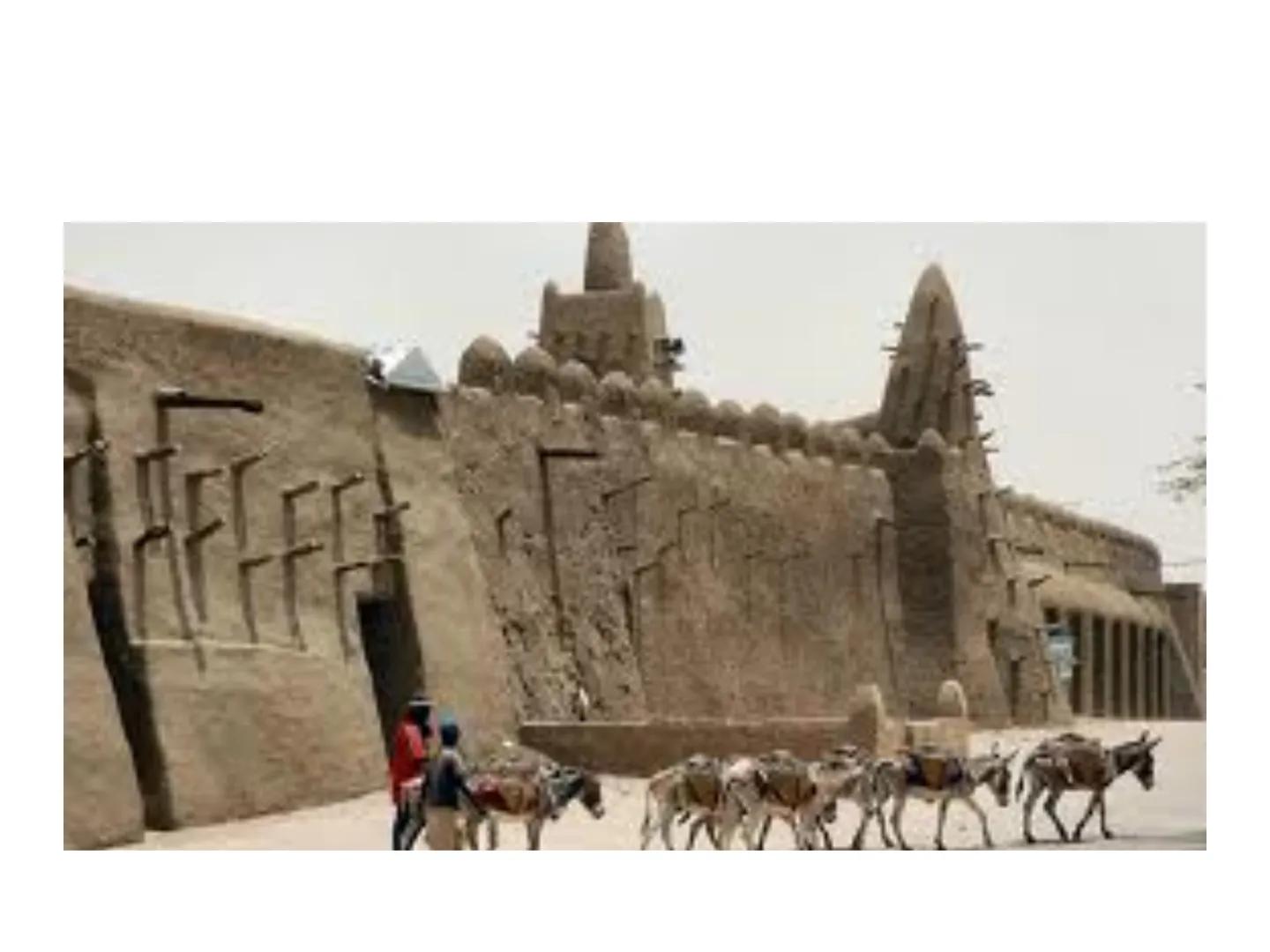
10
of 10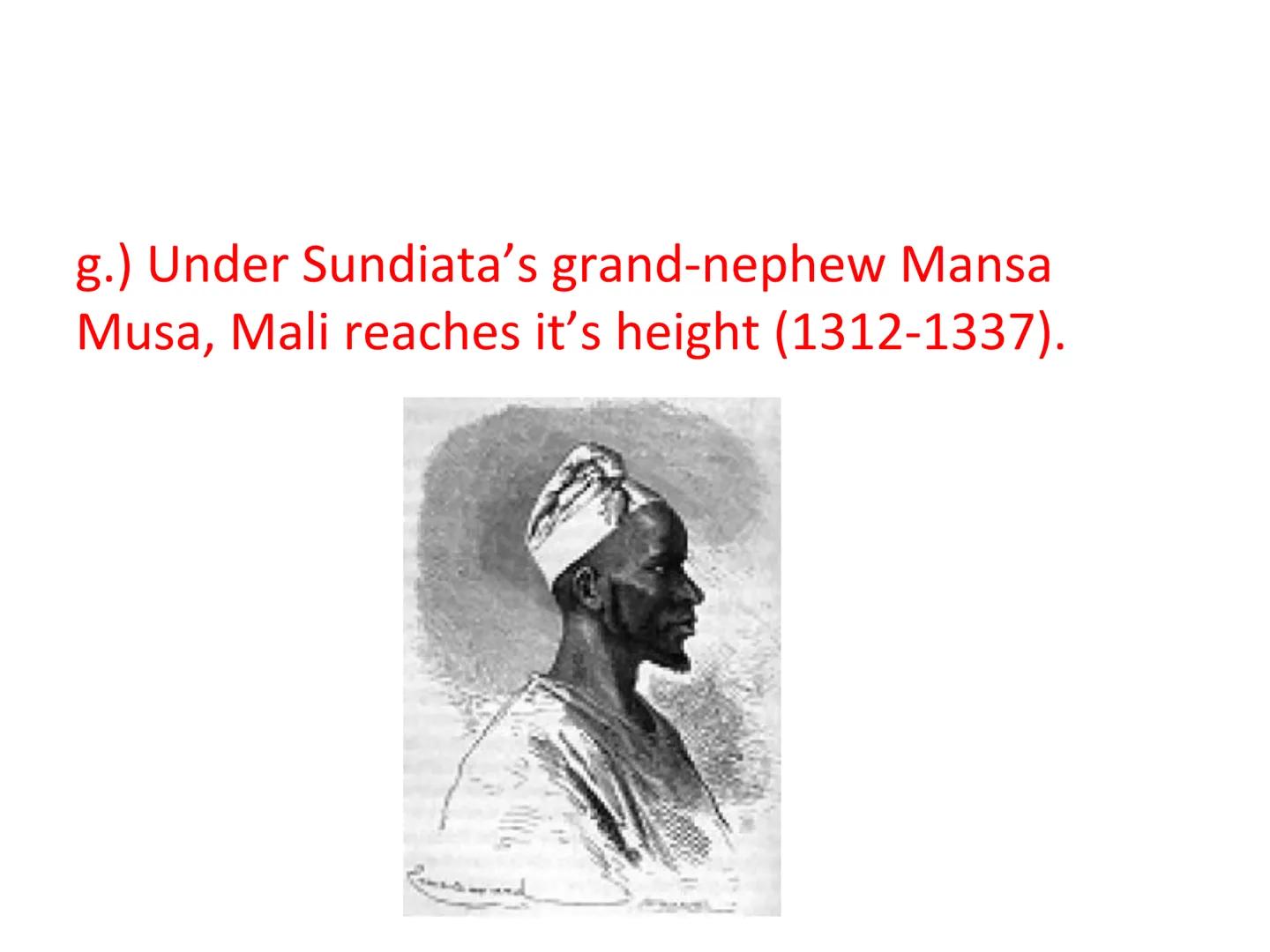
We thought you’d never ask...
What is the Knowunity AI companion?
Our AI companion is specifically built for the needs of students. Based on the millions of content pieces we have on the platform we can provide truly meaningful and relevant answers to students. But its not only about answers, the companion is even more about guiding students through their daily learning challenges, with personalised study plans, quizzes or content pieces in the chat and 100% personalisation based on the students skills and developments.
Where can I download the Knowunity app?
You can download the app in the Google Play Store and in the Apple App Store.
Is Knowunity really free of charge?
That's right! Enjoy free access to study content, connect with fellow students, and get instant help – all at your fingertips.
Most popular content: Medieval State Building
1Most popular content in AP World History
9O
AP World HistoryOrigins of Ancient River Civilizations
Analyze the environmental factors and technological innovations that led to the rise of early states in Mesopotamia, Egypt, and the Indus Valley.
9th3,1870
O
AP World HistoryOrigins and Continuity of the Byzantine Empire
Analyze the political and cultural transitions from the Roman Empire to the Byzantine Empire, focusing on the reign of Justinian I and his code.
9th1,6320
O
AP World HistoryOrigins of African State Building (1200-1450)
Analyze how trade networks and environmental factors influenced the formation of early states like Great Zimbabwe and the Swahili city-states.
9th9700
I
AP World HistoryIntroduction to Classical Civilizations
Master fundamental concepts, geographic locations, and the defining characteristics of major empires like Rome, Han China, and Maurya India.
9th7540
O
AP World HistoryOrigins of Indigenous Americas State Building
Analyze the foundational governance structures and environmental adaptations of the Maya, Aztec, and Inca civilizations between 1200 and 1450.
9th5070
1
AP World History1200-1450 CE quiz 1
Quiz on information about developments in East Asia, South Asia, the Middle East, and Europe at the time
10th2430
O
AP World HistoryOrigins of Economic Exchange Networks
Practice identifying the foundational environmental and technological factors that enabled Silk Road, Indian Ocean, and Trans-Saharan trade.
9th3370
S
AP World HistoryState Building in East Asia Developments
Analyze the administrative methods, such as the Confucian bureaucracy and tributary system, used by the Song Dynasty to maintain political power.
9th2730
I
AP World HistoryIntroduction to State Building and Administration
Practice analyzing how land-based empires used bureaucracies and military elites to consolidate power between 1450 and 1750.
9th2600
Most popular content
9O
 AP US History
Origins and Dynamics of the Columbian Exchange
Analyze the ecological and economic motivations behind the initial transfer of goods, people, and diseases between the Old and New Worlds.
9th3,1280
I
AP US HistoryIntroduction to Early Cultural Interactions
Analyze the initial social and religious encounters between Europeans, Africans, and Indigenous peoples in the colonial Americas.
9th2,7730
O
AP World HistoryOrigins of Ancient River Civilizations
Analyze the environmental factors and technological innovations that led to the rise of early states in Mesopotamia, Egypt, and the Indus Valley.
9th3,1870
M
AP US HistoryMotivations for European Exploration
Analyze the economic, religious, and political factors that drove European powers to the Americas during the 15th and 16th centuries.
9th1,7780
F
 AP Psychology
Foundations of Ethical Guidelines in Research
Practice the core principles of the APA ethical code including informed consent, debriefing, and the role of Institutional Review Boards.
9th1,3360
I
AP US HistoryIntroduction to Native American Societies
Examine the diverse social, political, and economic structures of North American indigenous groups prior to European contact.
9th1,1100
I
 AP Biology
Introduction to Biological Elements of Life
Practice identifying the essential elements including carbon, nitrogen, phosphorus, and sulfur that compose biological macromolecules.
9th1,7390
I
AP US HistoryIntroduction to the Spanish Encomienda System
Explore the fundamental economic and social structures of the Spanish colonial system, focusing on the encomienda and the casta social hierarchy.
9th8890
O
AP World HistoryOrigins and Continuity of the Byzantine Empire
Analyze the political and cultural transitions from the Roman Empire to the Byzantine Empire, focusing on the reign of Justinian I and his code.
9th1,6320
Can't find what you're looking for? Explore other subjects.
Students love us — and so will you.
4.6/5App Store
4.7/5Google Play
The app is very easy to use and well designed. I have found everything I was looking for so far and have been able to learn a lot from the presentations! I will definitely use the app for a class assignment! And of course it also helps a lot as an inspiration.
Stefan SiOS user
This app is really great. There are so many study notes and help [...]. My problem subject is French, for example, and the app has so many options for help. Thanks to this app, I have improved my French. I would recommend it to anyone.
Samantha KlichAndroid user
Wow, I am really amazed. I just tried the app because I've seen it advertised many times and was absolutely stunned. This app is THE HELP you want for school and above all, it offers so many things, such as workouts and fact sheets, which have been VERY helpful to me personally.
AnnaiOS user
AP World History55 views·Updated Jun 9, 2026·43 pagesState Building in Africa (1200-1450 CE): AP World History Unit 1.5
N
Neabah Samuels@eabahamuels_ebos
Explore the rise of powerful African states during 1200-1450 CE, a critical period when trade networks expanded and kingdoms flourished across the continent. During this era, centralized governments developed unique cultural and political systems while interacting with surrounding regions through...
1
of 10
Sign up to see the content. It's free!
- Access to all documents
- Improve your grades
- Join milions of students
State Building in Africa
This period marks a significant era when powerful African kingdoms emerged and expanded their influence. From West African trading states to cultural centers, these societies developed sophisticated political structures.
Africa's state-building followed unique patterns shaped by geography, trade routes, and cultural exchange. These emerging states created lasting legacies that would influence the continent for centuries.
You'll discover how these kingdoms balanced traditional cultural practices with new influences from trade partners and religious movements.
2
of 10Sign up to see the content. It's free!
- Access to all documents
- Improve your grades
- Join milions of students
African Cultural Similarities and "Africanity"
Despite Africa's enormous size, certain cultural elements spread widely across the continent thanks to Bantu migrations. Common languages and farming practices diffused throughout regions, creating shared cultural foundations.
Religious practices featuring animism (belief in spirits within animals) became widespread, similar to Japan's Shinto traditions. Cultural expressions through music, dance, drumming, and the creation of masks for rituals reflect common artistic traditions.
Ancestor veneration represented another unifying cultural practice across diverse African regions. Anthropologist Jacques Marquet called these shared cultural elements "Africanity."
Did you know? While these common cultural elements existed, regional differences still developed over time, creating a fascinating mix of shared traditions and local innovations across the continent.
3
of 10Sign up to see the content. It's free!
- Access to all documents
- Improve your grades
- Join milions of students
Regional Diversity in Africa
Africa's sheer size and incredibly diverse landscapes created natural barriers that fostered regionalism over time. From deserts to rainforests, each environment shaped unique cultural adaptations.
While cultural similarities existed, geographic diversity encouraged different societies to develop distinct practices suited to their environments. These regional differences eventually led to challenges in maintaining political unity across vast territories.
This tension between shared cultural elements and regional diversity represents a key continuity issue in African history. Understanding this balance helps explain why certain kingdoms rose and fell throughout this period.
4
of 10Sign up to see the content. It's free!
- Access to all documents
- Improve your grades
- Join milions of students
Africa's Geographic Features
Africa's physical landscape created natural boundaries that influenced state development. Major rivers like the Nile, Niger, Congo, and Zambezi served as critical transportation routes and centers of civilization.
Massive barriers like the Sahara Desert in the north and the Kalahari Desert in the south isolated populations and required specialized trade networks to cross. The Great Rift Valley created dramatic landscapes across eastern Africa.
Mountain ranges including Mount Kilimanjaro, Mount Kenya, and the Atlas Mountains provided natural resources and sometimes formed borders between different political entities.
Geography Connection: Think about how these natural features both connected and separated people. How might living near the Sahara versus along the Niger River create completely different societies?
5
of 10Sign up to see the content. It's free!
- Access to all documents
- Improve your grades
- Join milions of students
The Rise of West African Sudanic States
The Sahel, a grassland region between the Sahara Desert and forests to the south, became a crucial exchange zone connecting North Africa with Sub-Saharan Africa. This strategic location fostered powerful trading kingdoms.
The Kingdom of Ghana emerged as a dominant power by the 8th century. Its wealth came from controlling valuable trade routes carrying gold and ivory southward and salt northward from Saharan mines. Ghana's rulers grew wealthy by taxing these valuable commodities.
By the 10th century, Ghana's leaders strategically converted to Islam, improving diplomatic relations with Muslim merchants from across the Sahara. This religious connection opened new trade opportunities with Islamic caliphates and Mediterranean powers.
6
of 10Sign up to see the content. It's free!
- Access to all documents
- Improve your grades
- Join milions of students
From Ghana to Mali
Ghana's power declined in the early 13th century, creating an opportunity for Mali to emerge as the region's new dominant kingdom. This transition represented a shift in political power while maintaining the importance of trans-Saharan trade.
Under the legendary Sundiata Keita, known as "the lion-king," Mali expanded dramatically. Sundiata proved himself a wise leader by establishing formal courts inspired by the Abbasid Caliphate's Sharia legal system, creating a more structured government than Ghana.
Sundiata formed strategic alliances with neighboring regions, allowing Mali to grow much larger than Ghana had been. His leadership style combined military strength with diplomatic skill to create a more stable and extensive kingdom.
7
of 10Sign up to see the content. It's free!
- Access to all documents
- Improve your grades
- Join milions of students
Timbuktu: Center of Learning and Trade
The city of Timbuktu rose to prominence as one of Mali's most important urban centers. Located near the Niger River, it became a vital hub connecting trade routes across the Sahel and Sahara.
Beyond commerce, Timbuktu developed into an extraordinary center of learning and scholarship. Libraries and universities attracted scholars from across the Islamic world, making it an intellectual powerhouse.
The city symbolized Mali's cultural and economic achievements, combining West African traditions with Islamic scholarship and international trade networks. Manuscripts produced in Timbuktu covered subjects from astronomy to poetry.
Think about it: How does Timbuktu challenge stereotypes about medieval Africa? What might studying at a Timbuktu university have been like?
8
of 10Sign up to see the content. It's free!
- Access to all documents
- Improve your grades
- Join milions of students
Mali's Golden Age Under Mansa Musa
Mali reached its peak of power and influence during the reign of Mansa Musa (1312-1337), Sundiata's grand-nephew. His rule marked a golden age of prosperity, cultural achievement, and international recognition.
Mansa Musa became famous throughout the medieval world for his extraordinary wealth derived from Mali's control of gold-producing regions. His legendary pilgrimage to Mecca in 1324-1325 showcased Mali's prosperity when he distributed so much gold that he temporarily crashed the value of gold in Egypt.
Under Musa's leadership, Mali expanded its territory, strengthened Islamic institutions, and invested in education and architecture. His reign represented the height of West African state-building during this period, creating a legacy that would influence the region for centuries.
9
of 10Sign up to see the content. It's free!
- Access to all documents
- Improve your grades
- Join milions of students
10
of 10Sign up to see the content. It's free!
- Access to all documents
- Improve your grades
- Join milions of students
We thought you’d never ask...
What is the Knowunity AI companion?
Our AI companion is specifically built for the needs of students. Based on the millions of content pieces we have on the platform we can provide truly meaningful and relevant answers to students. But its not only about answers, the companion is even more about guiding students through their daily learning challenges, with personalised study plans, quizzes or content pieces in the chat and 100% personalisation based on the students skills and developments.
Where can I download the Knowunity app?
You can download the app in the Google Play Store and in the Apple App Store.
Is Knowunity really free of charge?
That's right! Enjoy free access to study content, connect with fellow students, and get instant help – all at your fingertips.
Most popular content: Medieval State Building
1Most popular content in AP World History
9O
AP World HistoryOrigins of Ancient River Civilizations
Analyze the environmental factors and technological innovations that led to the rise of early states in Mesopotamia, Egypt, and the Indus Valley.
9th3,1870
O
AP World HistoryOrigins and Continuity of the Byzantine Empire
Analyze the political and cultural transitions from the Roman Empire to the Byzantine Empire, focusing on the reign of Justinian I and his code.
9th1,6320
O
AP World HistoryOrigins of African State Building (1200-1450)
Analyze how trade networks and environmental factors influenced the formation of early states like Great Zimbabwe and the Swahili city-states.
9th9700
I
AP World HistoryIntroduction to Classical Civilizations
Master fundamental concepts, geographic locations, and the defining characteristics of major empires like Rome, Han China, and Maurya India.
9th7540
O
AP World HistoryOrigins of Indigenous Americas State Building
Analyze the foundational governance structures and environmental adaptations of the Maya, Aztec, and Inca civilizations between 1200 and 1450.
9th5070
1
AP World History1200-1450 CE quiz 1
Quiz on information about developments in East Asia, South Asia, the Middle East, and Europe at the time
10th2430
O
AP World HistoryOrigins of Economic Exchange Networks
Practice identifying the foundational environmental and technological factors that enabled Silk Road, Indian Ocean, and Trans-Saharan trade.
9th3370
S
AP World HistoryState Building in East Asia Developments
Analyze the administrative methods, such as the Confucian bureaucracy and tributary system, used by the Song Dynasty to maintain political power.
9th2730
I
AP World HistoryIntroduction to State Building and Administration
Practice analyzing how land-based empires used bureaucracies and military elites to consolidate power between 1450 and 1750.
9th2600
Most popular content
9O
AP US HistoryOrigins and Dynamics of the Columbian Exchange
Analyze the ecological and economic motivations behind the initial transfer of goods, people, and diseases between the Old and New Worlds.
9th3,1280
I
AP US HistoryIntroduction to Early Cultural Interactions
Analyze the initial social and religious encounters between Europeans, Africans, and Indigenous peoples in the colonial Americas.
9th2,7730
O
AP World HistoryOrigins of Ancient River Civilizations
Analyze the environmental factors and technological innovations that led to the rise of early states in Mesopotamia, Egypt, and the Indus Valley.
9th3,1870
M
AP US HistoryMotivations for European Exploration
Analyze the economic, religious, and political factors that drove European powers to the Americas during the 15th and 16th centuries.
9th1,7780
F
AP PsychologyFoundations of Ethical Guidelines in Research
Practice the core principles of the APA ethical code including informed consent, debriefing, and the role of Institutional Review Boards.
9th1,3360
I
AP US HistoryIntroduction to Native American Societies
Examine the diverse social, political, and economic structures of North American indigenous groups prior to European contact.
9th1,1100
I
AP BiologyIntroduction to Biological Elements of Life
Practice identifying the essential elements including carbon, nitrogen, phosphorus, and sulfur that compose biological macromolecules.
9th1,7390
I
AP US HistoryIntroduction to the Spanish Encomienda System
Explore the fundamental economic and social structures of the Spanish colonial system, focusing on the encomienda and the casta social hierarchy.
9th8890
O
AP World HistoryOrigins and Continuity of the Byzantine Empire
Analyze the political and cultural transitions from the Roman Empire to the Byzantine Empire, focusing on the reign of Justinian I and his code.
9th1,6320
Can't find what you're looking for? Explore other subjects.
Students love us — and so will you.
4.6/5App Store
4.7/5Google Play
The app is very easy to use and well designed. I have found everything I was looking for so far and have been able to learn a lot from the presentations! I will definitely use the app for a class assignment! And of course it also helps a lot as an inspiration.
Stefan SiOS user
This app is really great. There are so many study notes and help [...]. My problem subject is French, for example, and the app has so many options for help. Thanks to this app, I have improved my French. I would recommend it to anyone.
Samantha KlichAndroid user
Wow, I am really amazed. I just tried the app because I've seen it advertised many times and was absolutely stunned. This app is THE HELP you want for school and above all, it offers so many things, such as workouts and fact sheets, which have been VERY helpful to me personally.
AnnaiOS user