

The Chinese Exclusion Act of 1882 was a significant piece...
 AP World History56 views·Updated Jun 11, 2026·3 pages
AP World History 6.7 Vocab Definitions - Easy Guide & Answer Key

1 / 3
1
of 3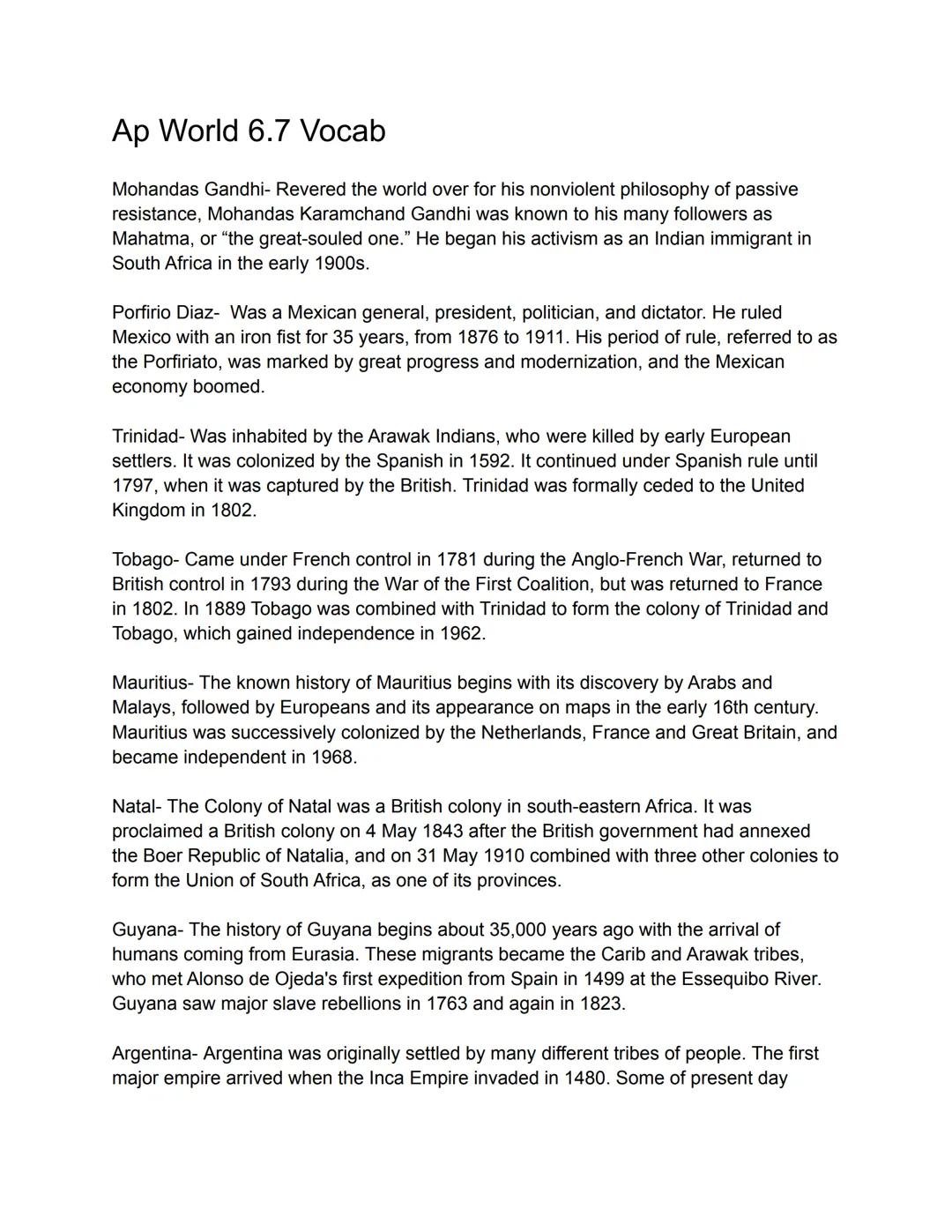
Gandhi's Philosophy of Non-Violence and Its Global Influence
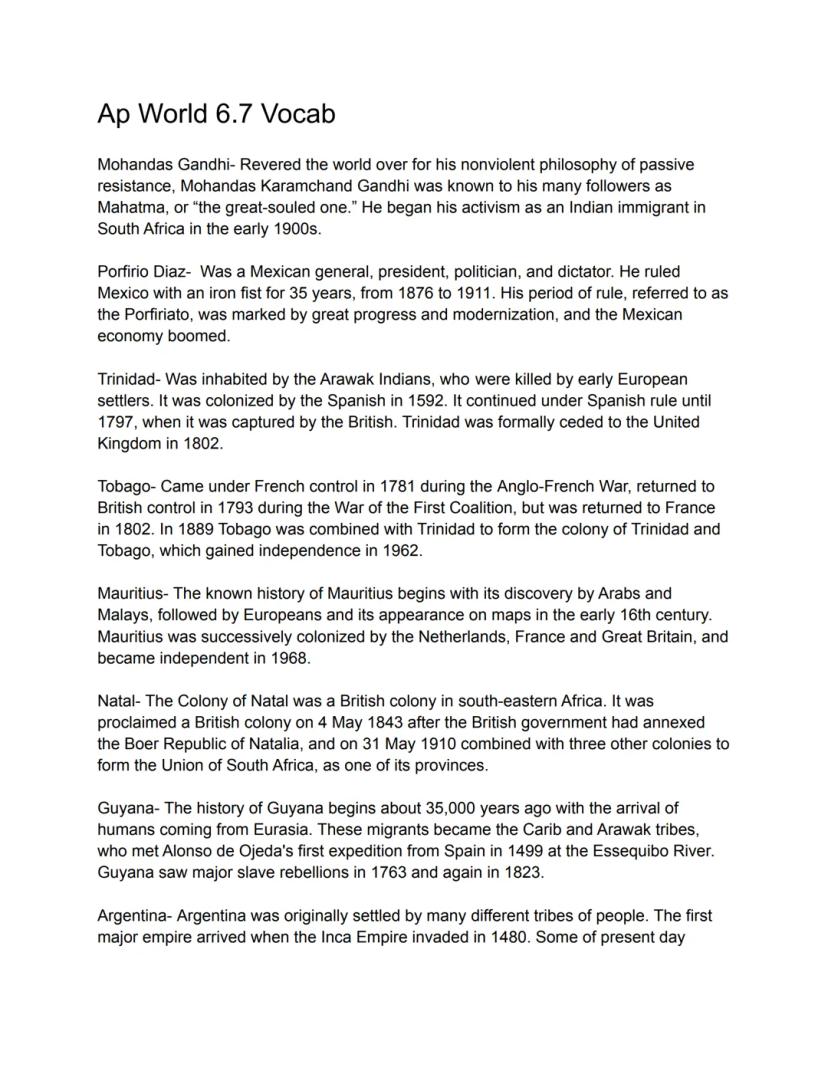
Mohandas Karamchand Gandhi, widely known as Mahatma Gandhi, was a pivotal figure in India's struggle for independence and a global icon of non-violent resistance. His philosophy of non-violence, or Satyagraha, has had a profound impact on civil rights movements worldwide.
Definition: Satyagraha, a term coined by Gandhi, literally means "holding onto truth" and refers to a form of nonviolent resistance or civil disobedience.
Gandhi began his activism as an Indian immigrant in South Africa in the early 1900s, where he developed and refined his philosophy of non-violent resistance. His approach was rooted in the belief that social and political change could be achieved through peaceful means.
Quote: "Non-violence is the greatest force at the disposal of mankind. It is mightier than the mightiest weapon of destruction devised by the ingenuity of man." - Mahatma Gandhi
The principles of Gandhi's non-violent philosophy include:
- Respect for all life
- The pursuit of truth
- Personal discipline and sacrifice
- Constructive social action
Highlight: Gandhi's philosophy of non-violence influenced other leaders around the world, including Martin Luther King Jr. in the United States and Nelson Mandela in South Africa.
The importance of non-violence in Gandhi's philosophy extends beyond political resistance. It encompasses a way of life that promotes peace, understanding, and social harmony. This approach has been adopted and adapted by various social and political movements globally.
Example: The Civil Rights Movement in the United States, led by Martin Luther King Jr., drew heavily from Gandhi's principles of non-violent resistance in their fight against racial segregation and discrimination.
2
of 3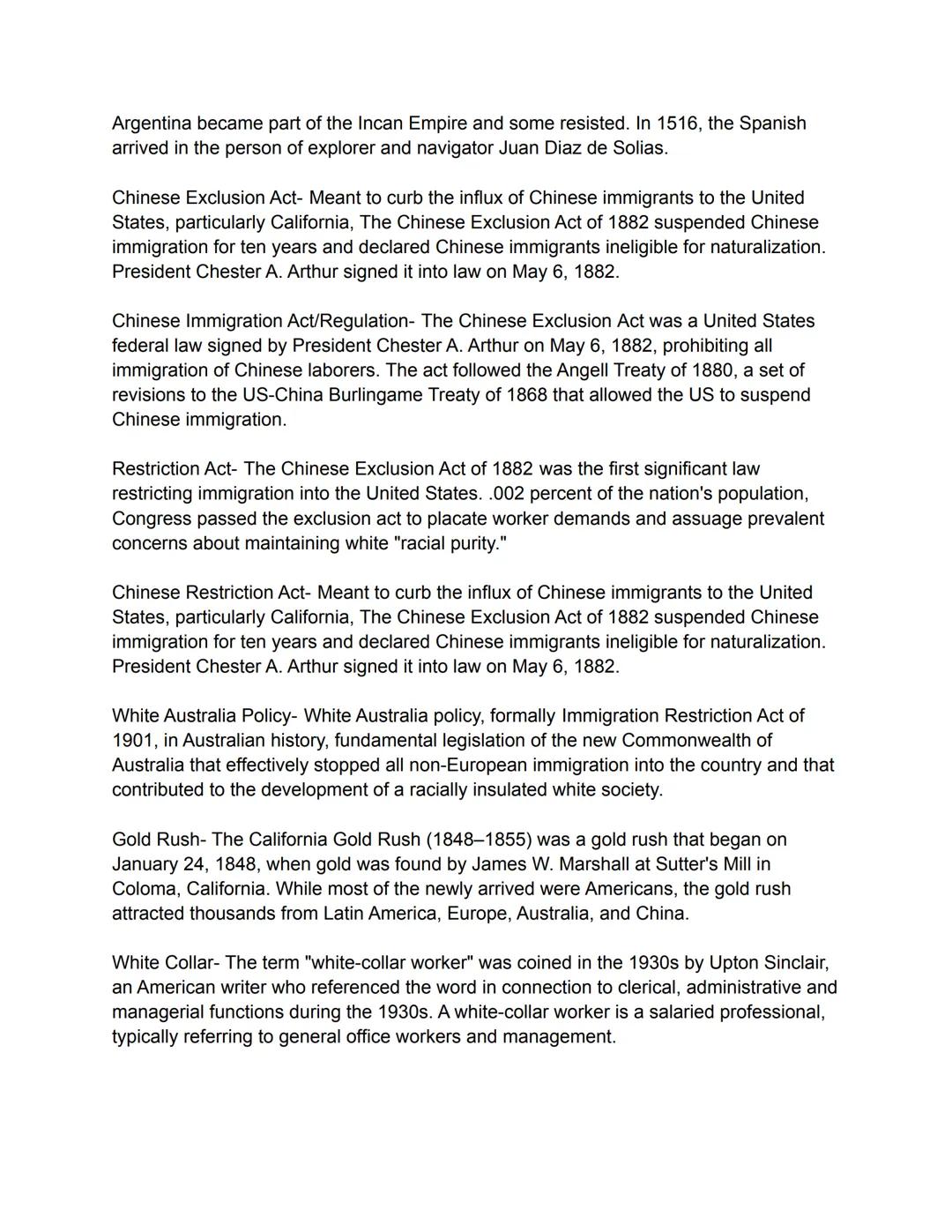
Colonial History and Independence Movements
The late 19th and early 20th centuries saw significant changes in the colonial landscape and the emergence of independence movements across the globe. Several regions and countries experienced shifts in colonial rule and eventual independence:
-
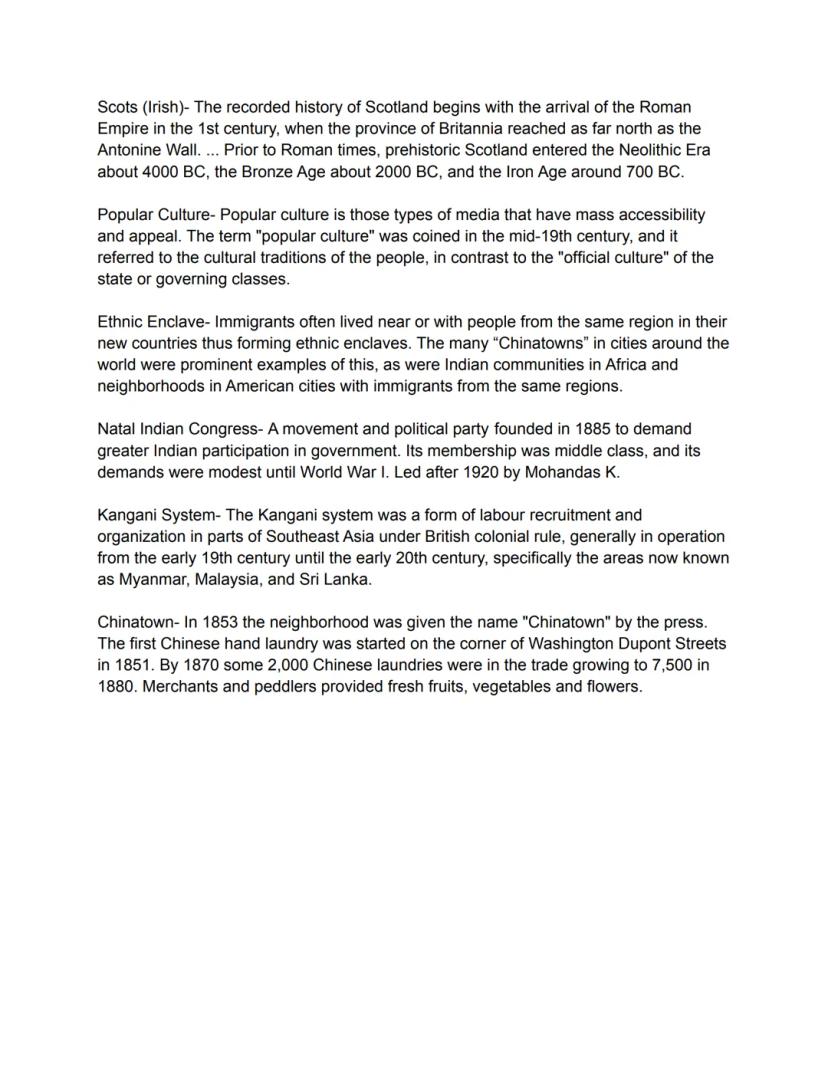
Trinidad and Tobago: Initially colonized by Spain, Trinidad was captured by the British in 1797 and formally ceded to the United Kingdom in 1802. Tobago changed hands between French and British control before being combined with Trinidad in 1889. The colony gained independence in 1962.
-
Mauritius: Discovered by Arabs and Malays, Mauritius was colonized successively by the Netherlands, France, and Great Britain before gaining independence in 1968.
-
Natal: The Colony of Natal was proclaimed a British colony on May 4, 1843, after the annexation of the Boer Republic of Natalia. It later became part of the Union of South Africa in 1910.
-
Guyana: With a history dating back 35,000 years, Guyana saw major slave rebellions in 1763 and 1823. It was initially settled by Carib and Arawak tribes before European colonization.
-
Argentina: Originally inhabited by various indigenous tribes, Argentina saw the arrival of the Inca Empire in 1480 and the Spanish in 1516.
Vocabulary: The Kangani system was a method of labor recruitment used in colonial plantations, particularly in Southeast Asia and parts of Africa.
These colonial histories highlight the complex interplay of indigenous populations, European powers, and the struggle for independence that characterized much of the world during this period.
Highlight: The independence movements in these regions were often influenced by global trends, including the spread of nationalist ideologies and the weakening of European colonial powers following World War II.
3
of 3
Chinese Exclusion Act: Historical Context and Impact
The Chinese Exclusion Act of 1882 was a landmark piece of legislation in United States history, significantly altering the country's approach to immigration and race relations. This act, signed into law by President Chester A. Arthur on May 6, 1882, was designed to curb the influx of Chinese immigrants, particularly in California.
Definition: The Chinese Exclusion Act was a United States federal law that prohibited all immigration of Chinese laborers and declared Chinese immigrants ineligible for naturalization.
The act was a direct response to growing economic fears and racial prejudices of the time. It followed the Angell Treaty of 1880, which revised the US-China Burlingame Treaty of 1868, allowing the US to suspend Chinese immigration.
Highlight: The Chinese Exclusion Act was the first significant law restricting immigration into the United States, setting a precedent for future immigration policies.
The impact of this legislation was profound and long-lasting:
- It suspended Chinese immigration for ten years.
- It declared Chinese immigrants ineligible for naturalization.
- It contributed to the development of a racially insulated society.
Example: The act's influence extended beyond its initial scope, as it paved the way for similar restrictive policies like the White Australia Policy, which effectively stopped all non-European immigration into Australia.
The historical context of the Chinese Exclusion Act is closely tied to the California Gold Rush (1848-1855), which attracted thousands of Chinese immigrants seeking economic opportunities. This influx of Chinese laborers led to increased competition for jobs and fueled anti-Chinese sentiment among white workers.
Vocabulary: The term "White Collar" worker, coined in the 1930s by Upton Sinclair, refers to salaried professionals typically working in clerical, administrative, and managerial functions. This term emerged during a period of significant changes in labor and immigration policies.
We thought you’d never ask...
What is the Knowunity AI companion?
Our AI companion is specifically built for the needs of students. Based on the millions of content pieces we have on the platform we can provide truly meaningful and relevant answers to students. But its not only about answers, the companion is even more about guiding students through their daily learning challenges, with personalised study plans, quizzes or content pieces in the chat and 100% personalisation based on the students skills and developments.
Where can I download the Knowunity app?
You can download the app in the Google Play Store and in the Apple App Store.
Is Knowunity really free of charge?
That's right! Enjoy free access to study content, connect with fellow students, and get instant help – all at your fingertips.
Similar Content
Most popular content in AP World History
9O
AP World HistoryOrigins of Ancient River Civilizations
Analyze the environmental factors and technological innovations that led to the rise of early states in Mesopotamia, Egypt, and the Indus Valley.
9th3,1870
O
AP World HistoryOrigins and Continuity of the Byzantine Empire
Analyze the political and cultural transitions from the Roman Empire to the Byzantine Empire, focusing on the reign of Justinian I and his code.
9th1,6320
O
AP World HistoryOrigins of African State Building (1200-1450)
Analyze how trade networks and environmental factors influenced the formation of early states like Great Zimbabwe and the Swahili city-states.
9th9700
I
AP World HistoryIntroduction to Classical Civilizations
Master fundamental concepts, geographic locations, and the defining characteristics of major empires like Rome, Han China, and Maurya India.
9th7540
O
AP World HistoryOrigins of Indigenous Americas State Building
Analyze the foundational governance structures and environmental adaptations of the Maya, Aztec, and Inca civilizations between 1200 and 1450.
9th5070
1
AP World History1200-1450 CE quiz 1
Quiz on information about developments in East Asia, South Asia, the Middle East, and Europe at the time
10th2430
O
AP World HistoryOrigins of Economic Exchange Networks
Practice identifying the foundational environmental and technological factors that enabled Silk Road, Indian Ocean, and Trans-Saharan trade.
9th3370
S
AP World HistoryState Building in East Asia Developments
Analyze the administrative methods, such as the Confucian bureaucracy and tributary system, used by the Song Dynasty to maintain political power.
9th2730
I
AP World HistoryIntroduction to State Building and Administration
Practice analyzing how land-based empires used bureaucracies and military elites to consolidate power between 1450 and 1750.
9th2600
Most popular content
9O
 AP US History
Origins and Dynamics of the Columbian Exchange
Analyze the ecological and economic motivations behind the initial transfer of goods, people, and diseases between the Old and New Worlds.
9th3,1280
I
AP US HistoryIntroduction to Early Cultural Interactions
Analyze the initial social and religious encounters between Europeans, Africans, and Indigenous peoples in the colonial Americas.
9th2,7730
O
AP World HistoryOrigins of Ancient River Civilizations
Analyze the environmental factors and technological innovations that led to the rise of early states in Mesopotamia, Egypt, and the Indus Valley.
9th3,1870
M
AP US HistoryMotivations for European Exploration
Analyze the economic, religious, and political factors that drove European powers to the Americas during the 15th and 16th centuries.
9th1,7780
F
 AP Psychology
Foundations of Ethical Guidelines in Research
Practice the core principles of the APA ethical code including informed consent, debriefing, and the role of Institutional Review Boards.
9th1,3360
I
AP US HistoryIntroduction to Native American Societies
Examine the diverse social, political, and economic structures of North American indigenous groups prior to European contact.
9th1,1100
I
 AP Biology
Introduction to Biological Elements of Life
Practice identifying the essential elements including carbon, nitrogen, phosphorus, and sulfur that compose biological macromolecules.
9th1,7390
I
AP US HistoryIntroduction to the Spanish Encomienda System
Explore the fundamental economic and social structures of the Spanish colonial system, focusing on the encomienda and the casta social hierarchy.
9th8890
O
AP World HistoryOrigins and Continuity of the Byzantine Empire
Analyze the political and cultural transitions from the Roman Empire to the Byzantine Empire, focusing on the reign of Justinian I and his code.
9th1,6320
Can't find what you're looking for? Explore other subjects.
Students love us — and so will you.
4.6/5App Store
4.7/5Google Play
The app is very easy to use and well designed. I have found everything I was looking for so far and have been able to learn a lot from the presentations! I will definitely use the app for a class assignment! And of course it also helps a lot as an inspiration.
Stefan SiOS user
This app is really great. There are so many study notes and help [...]. My problem subject is French, for example, and the app has so many options for help. Thanks to this app, I have improved my French. I would recommend it to anyone.
Samantha KlichAndroid user
Wow, I am really amazed. I just tried the app because I've seen it advertised many times and was absolutely stunned. This app is THE HELP you want for school and above all, it offers so many things, such as workouts and fact sheets, which have been VERY helpful to me personally.
AnnaiOS user
AP World History56 views·Updated Jun 11, 2026·3 pagesAP World History 6.7 Vocab Definitions - Easy Guide & Answer Key
The Chinese Exclusion Act of 1882 was a significant piece of legislation that restricted Chinese immigration to the United States, marking a pivotal moment in American immigration policy and race relations. This act had far-reaching consequences for Chinese immigrants and...
1
of 3
Sign up to see the content. It's free!
- Access to all documents
- Improve your grades
- Join milions of students
Gandhi's Philosophy of Non-Violence and Its Global Influence
Mohandas Karamchand Gandhi, widely known as Mahatma Gandhi, was a pivotal figure in India's struggle for independence and a global icon of non-violent resistance. His philosophy of non-violence, or Satyagraha, has had a profound impact on civil rights movements worldwide.
Definition: Satyagraha, a term coined by Gandhi, literally means "holding onto truth" and refers to a form of nonviolent resistance or civil disobedience.
Gandhi began his activism as an Indian immigrant in South Africa in the early 1900s, where he developed and refined his philosophy of non-violent resistance. His approach was rooted in the belief that social and political change could be achieved through peaceful means.
Quote: "Non-violence is the greatest force at the disposal of mankind. It is mightier than the mightiest weapon of destruction devised by the ingenuity of man." - Mahatma Gandhi
The principles of Gandhi's non-violent philosophy include:
- Respect for all life
- The pursuit of truth
- Personal discipline and sacrifice
- Constructive social action
Highlight: Gandhi's philosophy of non-violence influenced other leaders around the world, including Martin Luther King Jr. in the United States and Nelson Mandela in South Africa.
The importance of non-violence in Gandhi's philosophy extends beyond political resistance. It encompasses a way of life that promotes peace, understanding, and social harmony. This approach has been adopted and adapted by various social and political movements globally.
Example: The Civil Rights Movement in the United States, led by Martin Luther King Jr., drew heavily from Gandhi's principles of non-violent resistance in their fight against racial segregation and discrimination.
2
of 3Sign up to see the content. It's free!
- Access to all documents
- Improve your grades
- Join milions of students
Colonial History and Independence Movements
The late 19th and early 20th centuries saw significant changes in the colonial landscape and the emergence of independence movements across the globe. Several regions and countries experienced shifts in colonial rule and eventual independence:
-
Trinidad and Tobago: Initially colonized by Spain, Trinidad was captured by the British in 1797 and formally ceded to the United Kingdom in 1802. Tobago changed hands between French and British control before being combined with Trinidad in 1889. The colony gained independence in 1962.
-
Mauritius: Discovered by Arabs and Malays, Mauritius was colonized successively by the Netherlands, France, and Great Britain before gaining independence in 1968.
-
Natal: The Colony of Natal was proclaimed a British colony on May 4, 1843, after the annexation of the Boer Republic of Natalia. It later became part of the Union of South Africa in 1910.
-
Guyana: With a history dating back 35,000 years, Guyana saw major slave rebellions in 1763 and 1823. It was initially settled by Carib and Arawak tribes before European colonization.
-
Argentina: Originally inhabited by various indigenous tribes, Argentina saw the arrival of the Inca Empire in 1480 and the Spanish in 1516.
Vocabulary: The Kangani system was a method of labor recruitment used in colonial plantations, particularly in Southeast Asia and parts of Africa.
These colonial histories highlight the complex interplay of indigenous populations, European powers, and the struggle for independence that characterized much of the world during this period.
Highlight: The independence movements in these regions were often influenced by global trends, including the spread of nationalist ideologies and the weakening of European colonial powers following World War II.
3
of 3Sign up to see the content. It's free!
- Access to all documents
- Improve your grades
- Join milions of students
Chinese Exclusion Act: Historical Context and Impact
The Chinese Exclusion Act of 1882 was a landmark piece of legislation in United States history, significantly altering the country's approach to immigration and race relations. This act, signed into law by President Chester A. Arthur on May 6, 1882, was designed to curb the influx of Chinese immigrants, particularly in California.
Definition: The Chinese Exclusion Act was a United States federal law that prohibited all immigration of Chinese laborers and declared Chinese immigrants ineligible for naturalization.
The act was a direct response to growing economic fears and racial prejudices of the time. It followed the Angell Treaty of 1880, which revised the US-China Burlingame Treaty of 1868, allowing the US to suspend Chinese immigration.
Highlight: The Chinese Exclusion Act was the first significant law restricting immigration into the United States, setting a precedent for future immigration policies.
The impact of this legislation was profound and long-lasting:
- It suspended Chinese immigration for ten years.
- It declared Chinese immigrants ineligible for naturalization.
- It contributed to the development of a racially insulated society.
Example: The act's influence extended beyond its initial scope, as it paved the way for similar restrictive policies like the White Australia Policy, which effectively stopped all non-European immigration into Australia.
The historical context of the Chinese Exclusion Act is closely tied to the California Gold Rush (1848-1855), which attracted thousands of Chinese immigrants seeking economic opportunities. This influx of Chinese laborers led to increased competition for jobs and fueled anti-Chinese sentiment among white workers.
Vocabulary: The term "White Collar" worker, coined in the 1930s by Upton Sinclair, refers to salaried professionals typically working in clerical, administrative, and managerial functions. This term emerged during a period of significant changes in labor and immigration policies.
We thought you’d never ask...
What is the Knowunity AI companion?
Our AI companion is specifically built for the needs of students. Based on the millions of content pieces we have on the platform we can provide truly meaningful and relevant answers to students. But its not only about answers, the companion is even more about guiding students through their daily learning challenges, with personalised study plans, quizzes or content pieces in the chat and 100% personalisation based on the students skills and developments.
Where can I download the Knowunity app?
You can download the app in the Google Play Store and in the Apple App Store.
Is Knowunity really free of charge?
That's right! Enjoy free access to study content, connect with fellow students, and get instant help – all at your fingertips.
Similar Content
Most popular content in AP World History
9O
AP World HistoryOrigins of Ancient River Civilizations
Analyze the environmental factors and technological innovations that led to the rise of early states in Mesopotamia, Egypt, and the Indus Valley.
9th3,1870
O
AP World HistoryOrigins and Continuity of the Byzantine Empire
Analyze the political and cultural transitions from the Roman Empire to the Byzantine Empire, focusing on the reign of Justinian I and his code.
9th1,6320
O
AP World HistoryOrigins of African State Building (1200-1450)
Analyze how trade networks and environmental factors influenced the formation of early states like Great Zimbabwe and the Swahili city-states.
9th9700
I
AP World HistoryIntroduction to Classical Civilizations
Master fundamental concepts, geographic locations, and the defining characteristics of major empires like Rome, Han China, and Maurya India.
9th7540
O
AP World HistoryOrigins of Indigenous Americas State Building
Analyze the foundational governance structures and environmental adaptations of the Maya, Aztec, and Inca civilizations between 1200 and 1450.
9th5070
1
AP World History1200-1450 CE quiz 1
Quiz on information about developments in East Asia, South Asia, the Middle East, and Europe at the time
10th2430
O
AP World HistoryOrigins of Economic Exchange Networks
Practice identifying the foundational environmental and technological factors that enabled Silk Road, Indian Ocean, and Trans-Saharan trade.
9th3370
S
AP World HistoryState Building in East Asia Developments
Analyze the administrative methods, such as the Confucian bureaucracy and tributary system, used by the Song Dynasty to maintain political power.
9th2730
I
AP World HistoryIntroduction to State Building and Administration
Practice analyzing how land-based empires used bureaucracies and military elites to consolidate power between 1450 and 1750.
9th2600
Most popular content
9O
AP US HistoryOrigins and Dynamics of the Columbian Exchange
Analyze the ecological and economic motivations behind the initial transfer of goods, people, and diseases between the Old and New Worlds.
9th3,1280
I
AP US HistoryIntroduction to Early Cultural Interactions
Analyze the initial social and religious encounters between Europeans, Africans, and Indigenous peoples in the colonial Americas.
9th2,7730
O
AP World HistoryOrigins of Ancient River Civilizations
Analyze the environmental factors and technological innovations that led to the rise of early states in Mesopotamia, Egypt, and the Indus Valley.
9th3,1870
M
AP US HistoryMotivations for European Exploration
Analyze the economic, religious, and political factors that drove European powers to the Americas during the 15th and 16th centuries.
9th1,7780
F
AP PsychologyFoundations of Ethical Guidelines in Research
Practice the core principles of the APA ethical code including informed consent, debriefing, and the role of Institutional Review Boards.
9th1,3360
I
AP US HistoryIntroduction to Native American Societies
Examine the diverse social, political, and economic structures of North American indigenous groups prior to European contact.
9th1,1100
I
AP BiologyIntroduction to Biological Elements of Life
Practice identifying the essential elements including carbon, nitrogen, phosphorus, and sulfur that compose biological macromolecules.
9th1,7390
I
AP US HistoryIntroduction to the Spanish Encomienda System
Explore the fundamental economic and social structures of the Spanish colonial system, focusing on the encomienda and the casta social hierarchy.
9th8890
O
AP World HistoryOrigins and Continuity of the Byzantine Empire
Analyze the political and cultural transitions from the Roman Empire to the Byzantine Empire, focusing on the reign of Justinian I and his code.
9th1,6320
Can't find what you're looking for? Explore other subjects.
Students love us — and so will you.
4.6/5App Store
4.7/5Google Play
The app is very easy to use and well designed. I have found everything I was looking for so far and have been able to learn a lot from the presentations! I will definitely use the app for a class assignment! And of course it also helps a lot as an inspiration.
Stefan SiOS user
This app is really great. There are so many study notes and help [...]. My problem subject is French, for example, and the app has so many options for help. Thanks to this app, I have improved my French. I would recommend it to anyone.
Samantha KlichAndroid user
Wow, I am really amazed. I just tried the app because I've seen it advertised many times and was absolutely stunned. This app is THE HELP you want for school and above all, it offers so many things, such as workouts and fact sheets, which have been VERY helpful to me personally.
AnnaiOS user