

Understanding power, work, and energyis fundamental to...
 AP Physics 1148 views·Updated Jun 11, 2026·31 pages
How to Calculate Power in Physics: Work, Time, and Energy Explained

1 / 10
1
of 10
Understanding Power and Energy in Physics
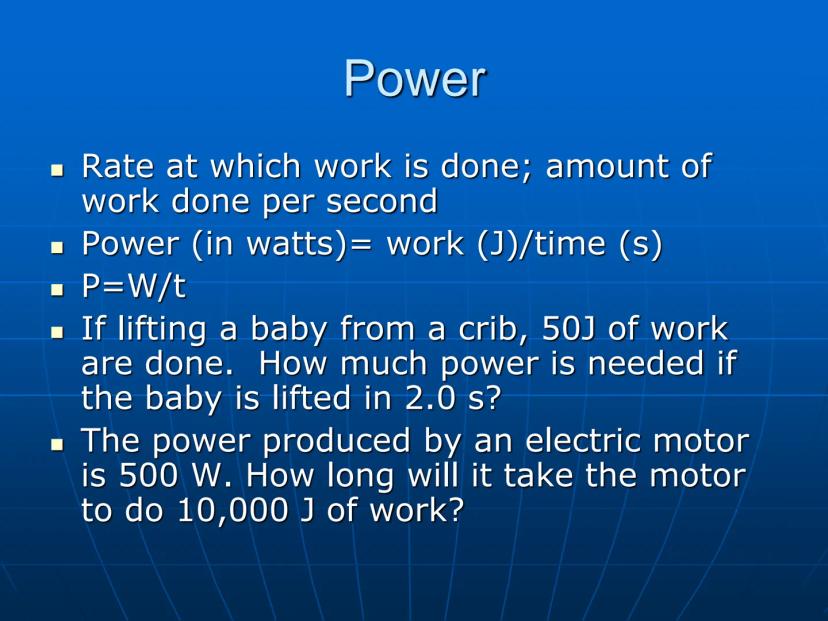
Power represents the rate of energy transfer or work completion in physical systems. When studying how to calculate power using work and time formula in physics, we must understand that power measures the speed at which work is performed or energy is converted. This fundamental concept helps us analyze everything from lifting objects to operating machines.
The basic power work time formula is expressed as P = W/t, where P represents power in watts, W is work in joules, and t is time in seconds. This relationship shows that the same amount of work done in less time requires more power. For instance, lifting a 5kg box quickly requires more power than lifting it slowly, though the work done remains identical.
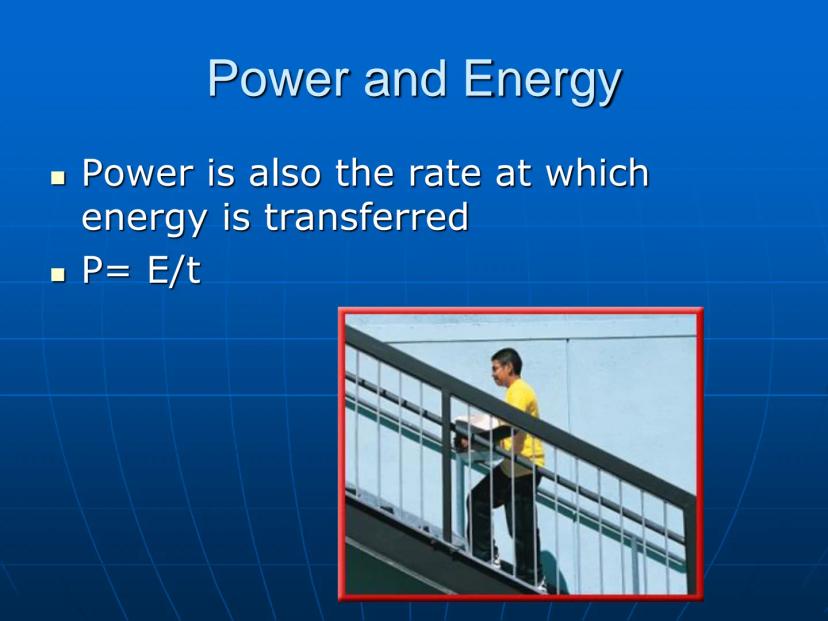
When examining how to calculate power physics problems, consider that power can also be expressed in terms of energy transfer rate . This alternative formula proves particularly useful when dealing with electrical systems or energy conversions. The SI unit of power is the watt, named after James Watt, the pioneer of steam engine development.
Definition: Power is the rate at which work is done or energy is transferred, measured in watts (W). 1 watt equals 1 joule per second .
2
of 10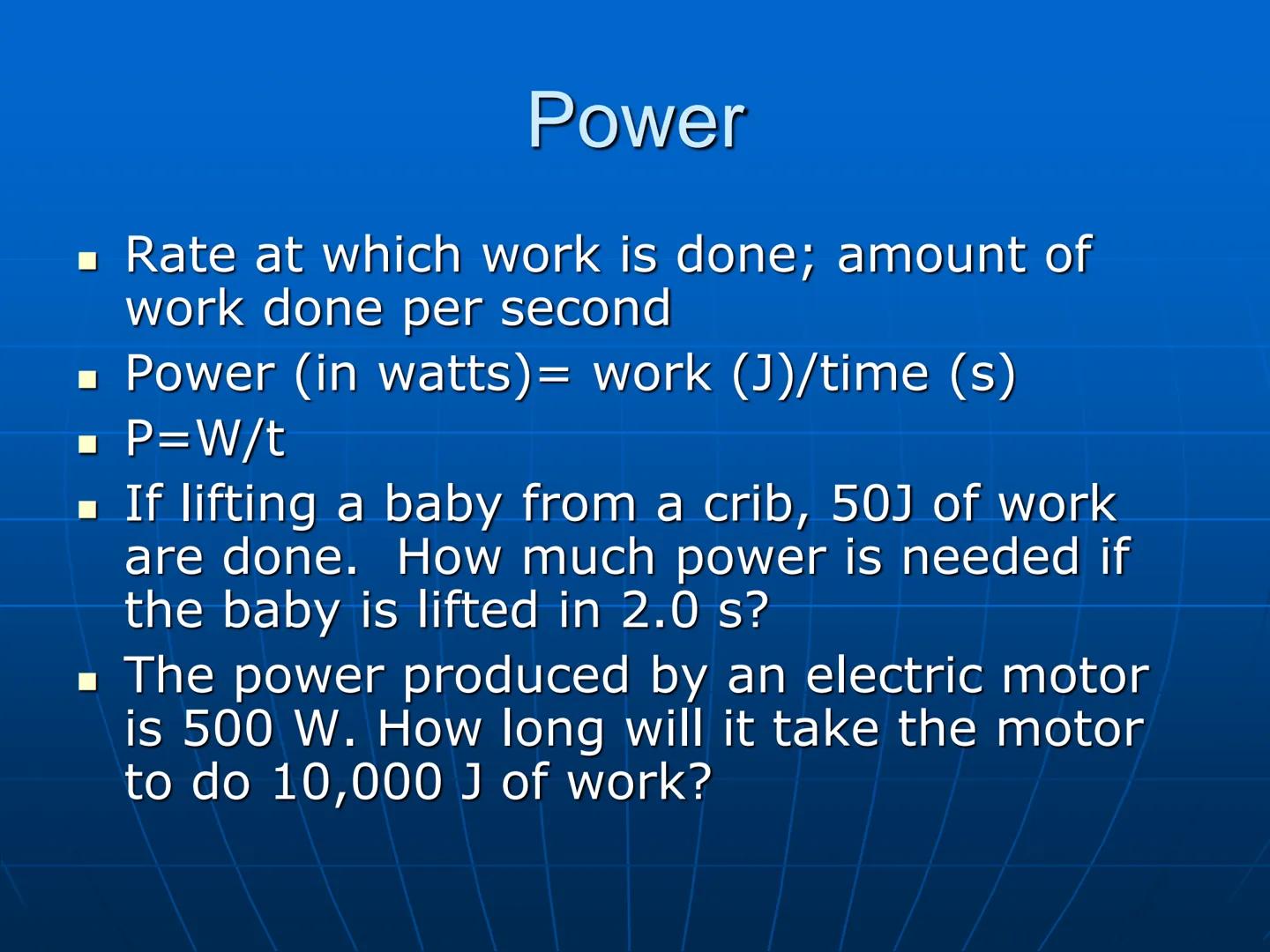
Practical Applications of Power Calculations
Understanding how to calculate power formula applications helps solve real-world problems. For example, when lifting a baby from a crib requiring 50 joules of work over 2 seconds, we can calculate the power needed using P = W/t = 50J/2s = 25 watts. This practical application demonstrates how power calculations inform everyday activities.
When working with machines, like electric motors, the formula for calculating power in a circuit becomes essential. If a 500-watt motor needs to perform 10,000 joules of work, we can determine the time required by rearranging the power formula: t = W/P = 10,000J/500W = 20 seconds.
Example: An elevator lifting passengers requires more power than the same elevator moving down, even though the distance traveled is the same. This is because power considers both the work done and the time taken.
3
of 10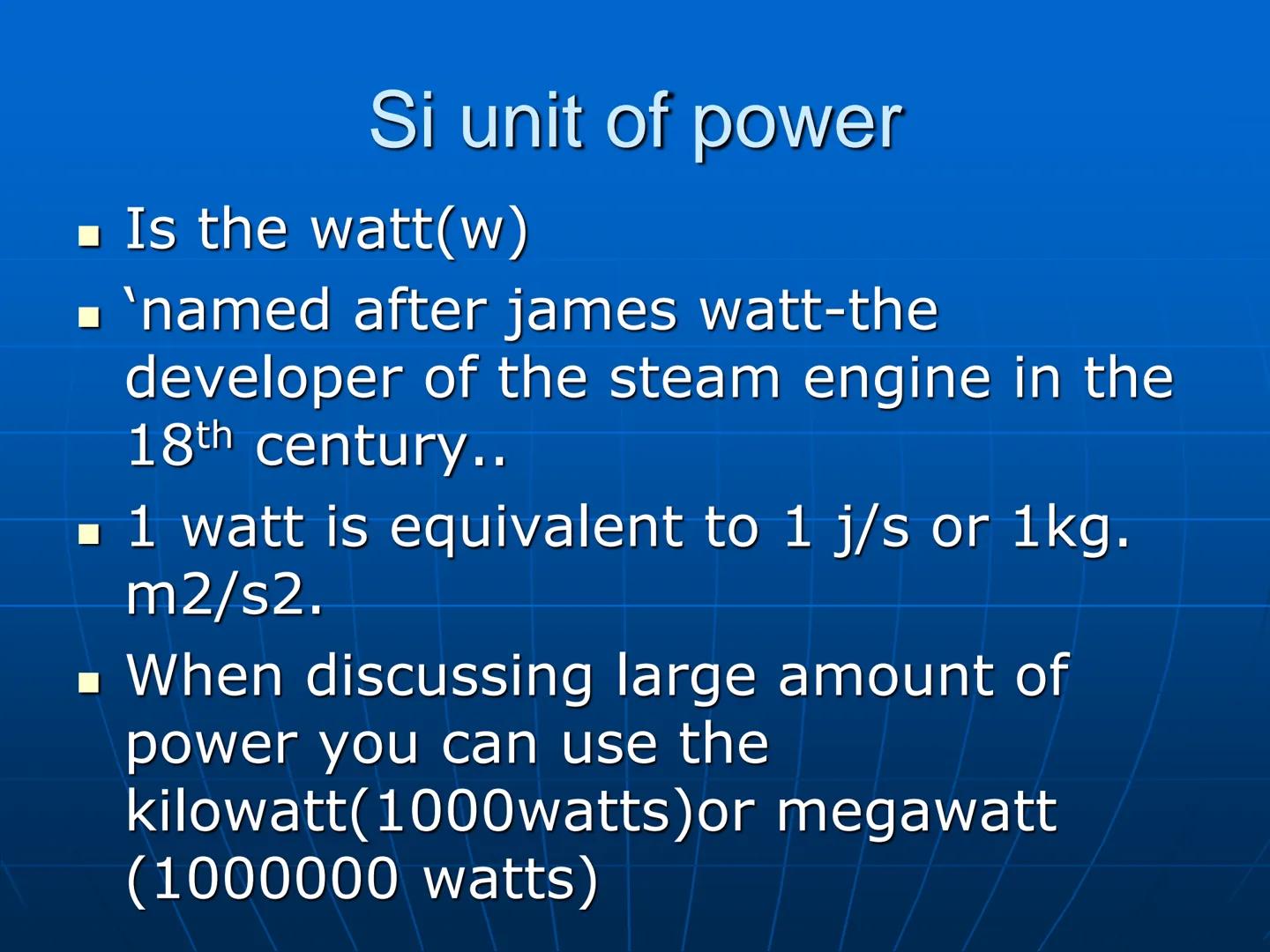
Understanding SI Units of Power
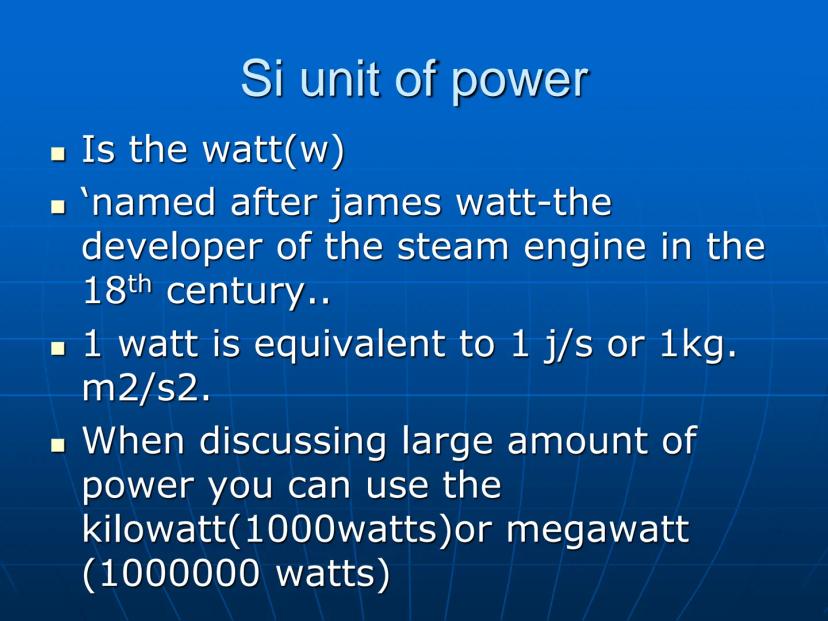
The watt (W) serves as the standard SI unit for power measurements. When dealing with how to calculate power in watts, it's crucial to understand that 1 watt equals 1 joule per second or 1 kg⋅m²/s³. This relationship connects power to other fundamental physical quantities.
For larger power measurements, we use kilowatts (kW) and megawatts (MW). One kilowatt equals 1,000 watts, while one megawatt equals 1,000,000 watts. These larger units prove practical when discussing industrial machinery, power plants, or large-scale energy systems.
Vocabulary: Kilowatt (kW) and Megawatt (MW) are commonly used power units for larger systems:
- 1 kW = 1,000 watts
- 1 MW = 1,000,000 watts
4
of 10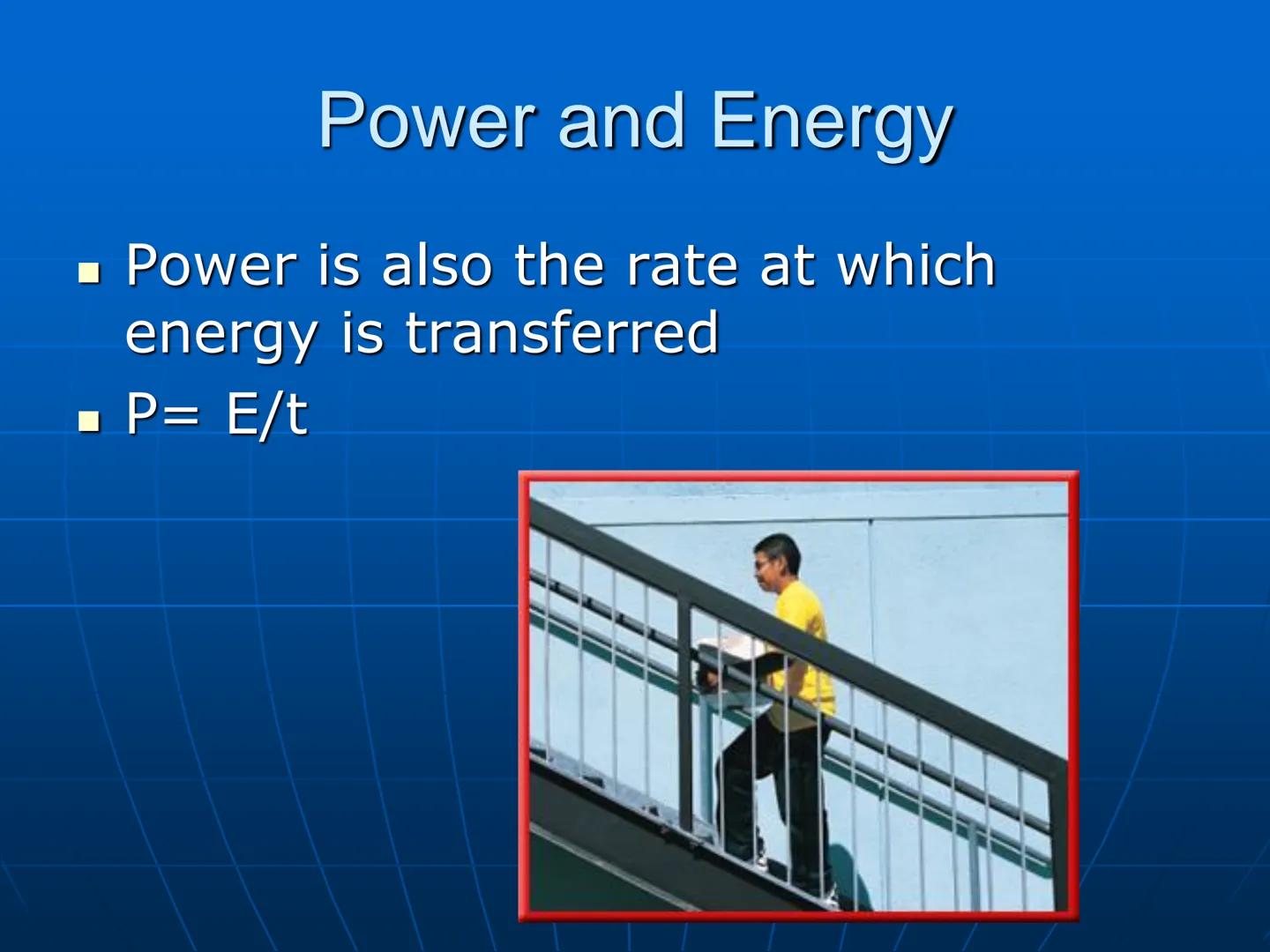
Power and Energy Relationships
The relationship between power and energy illustrates how energy transfers occur over time. When analyzing what are the 3 formulas for power, we encounter:
- P = W/t (Power as work per time)
- P = E/t (Power as energy transfer rate)
- P = F × v (Power as force times velocity)
These formulas help us understand how power connects to other physical quantities. For instance, in mechanical systems, power determines how quickly potential energy converts to kinetic energy or how efficiently machines perform work.
Highlight: Power and energy are distinct but related concepts:
- Energy represents the capacity to do work
- Power measures how quickly that energy is used or transferred
5
of 10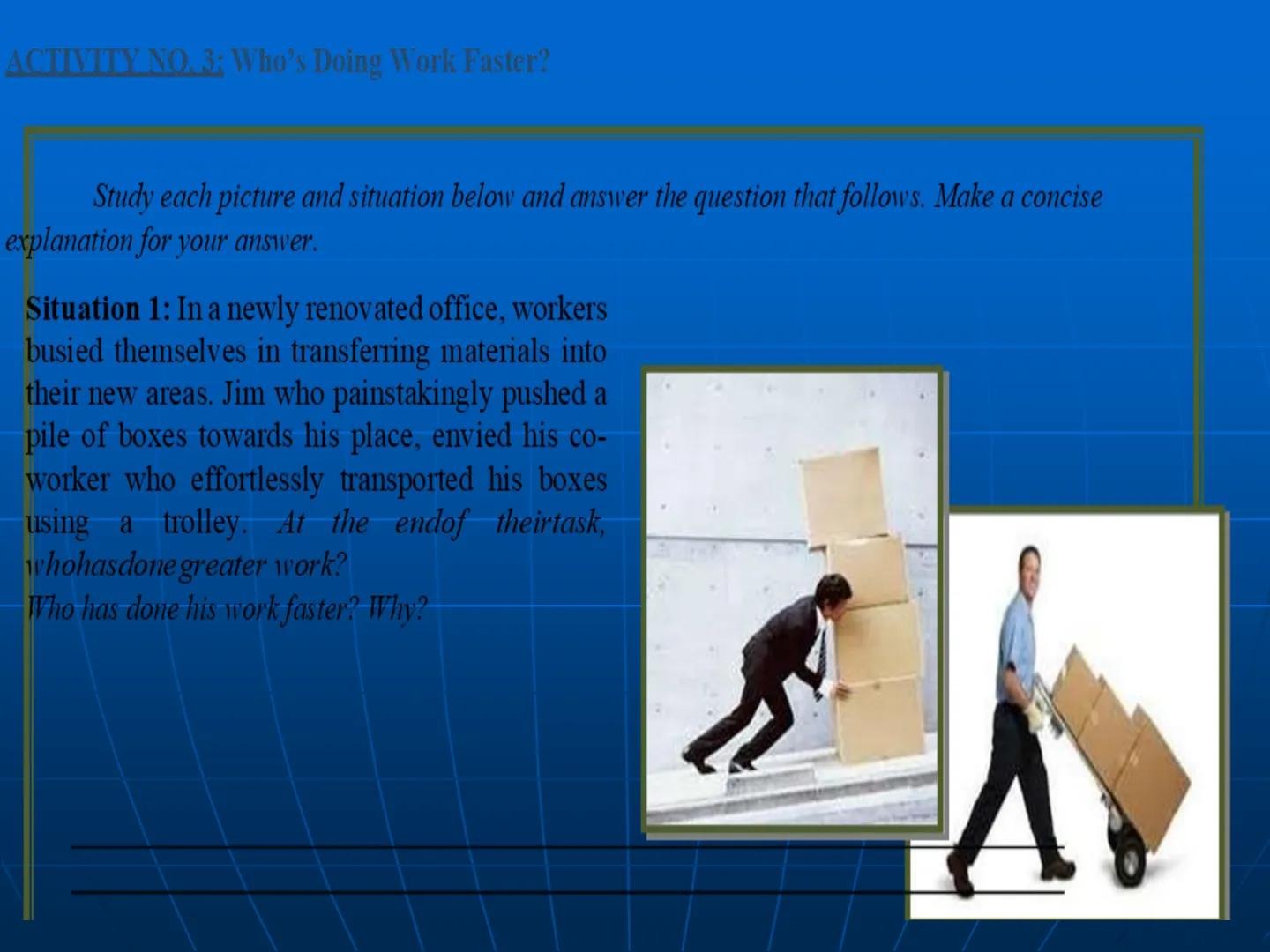
Understanding Power, Work, and Energy in Physics
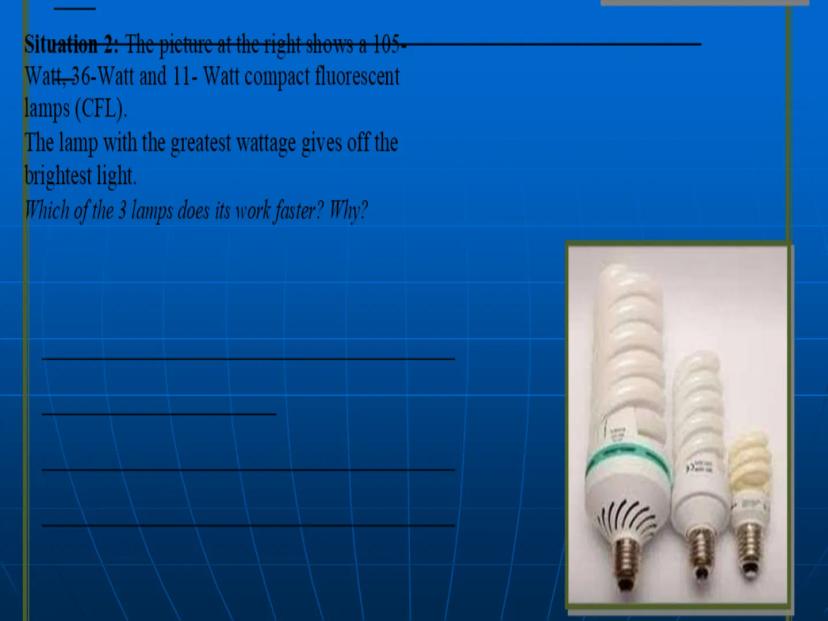
Power calculations involve understanding the relationship between work done and time taken. When calculating power using the power work time formula, we must consider how quickly work is performed. Power is measured in watts (W), which equals joules per second .
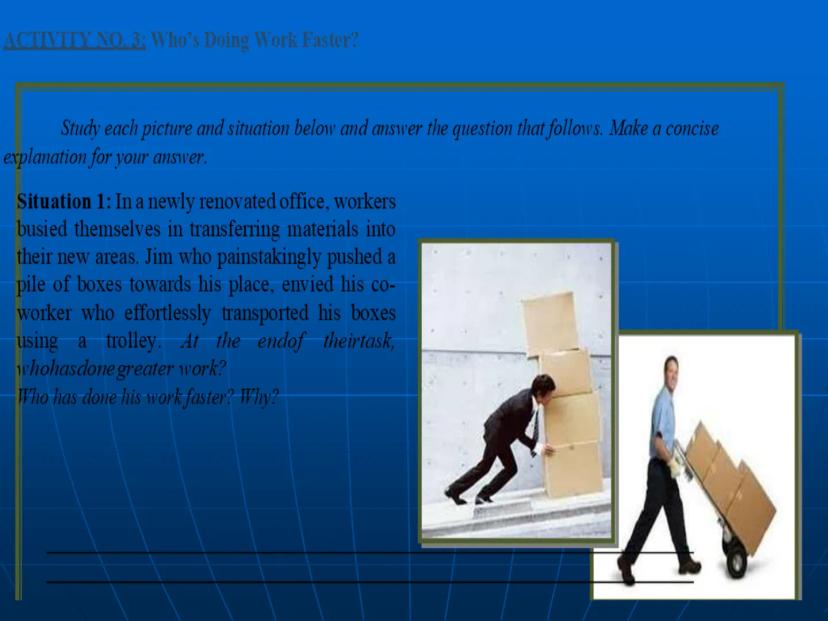
The fundamental formula for calculating power in a circuit and mechanical systems is Power = Work/Time . This shows that power represents the rate of doing work or transferring energy. For example, when comparing two workers moving boxes - one using a trolley and another pushing them manually - the worker using the trolley completes the same work in less time, thus demonstrating greater power output.
Definition: Power (P) is the rate of doing work or transferring energy, measured in watts (W). Work (W) is force multiplied by displacement, measured in joules (J).
Understanding how to calculate power physics problems requires mastering three key formulas:
- P = W/t (Power equals work divided by time)
- P = F × v (Power equals force times velocity)
- P = VI (Power equals voltage times current in electrical systems)
6
of 10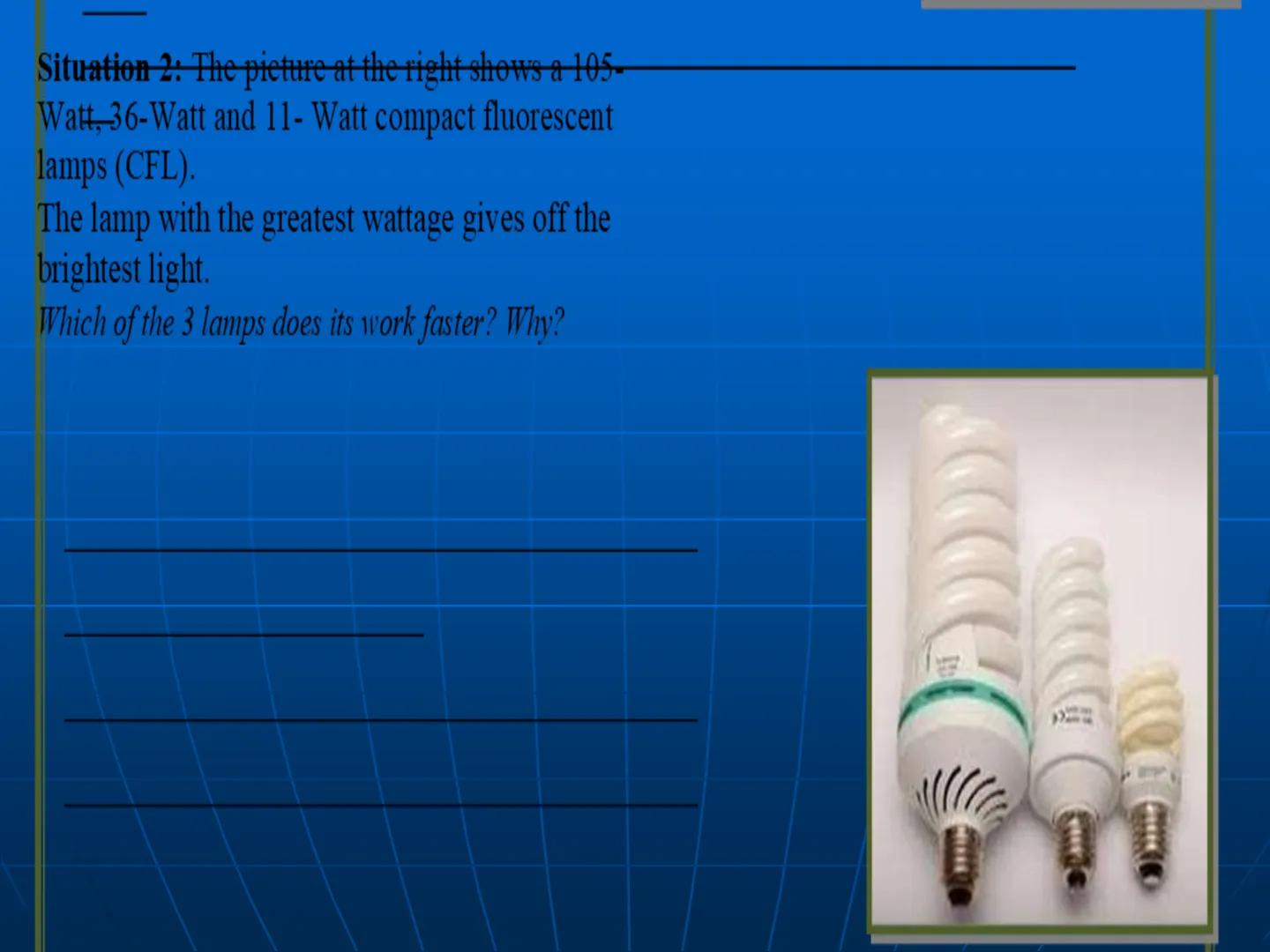
Energy Forms and Conversions
Energy exists in various forms, including kinetic, potential, thermal, and electrical. The difference between kinetic and potential energy is fundamental to understanding energy transformations in physical systems. Potential energy is stored energy due to position or configuration, while kinetic energy is the energy of motion.
Here are five examples of potential and kinetic energy in everyday situations:
- A roller coaster at its peak (potential) versus speeding down the track (kinetic)
- A stretched rubber band (potential) versus when released (kinetic)
- Water behind a dam (potential) versus flowing water (kinetic)
- A compressed spring (potential) versus when released (kinetic)
- A raised hammer (potential) versus falling hammer (kinetic)
Example: When asking "is thermal energy potential or kinetic," it's important to understand that thermal energy is primarily kinetic energy at the molecular level - the motion of particles creates heat.
7
of 10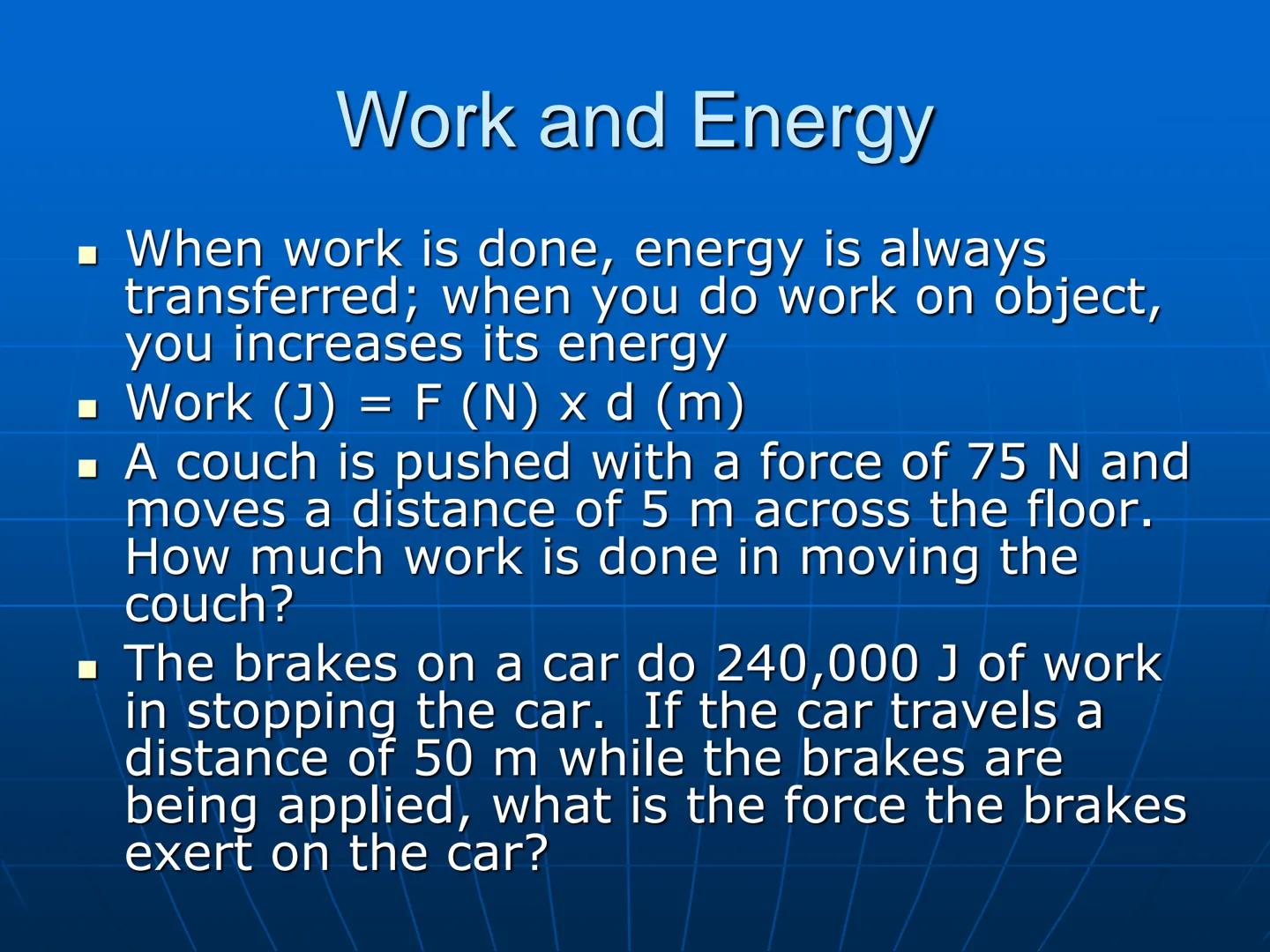
Work and Energy Relationships
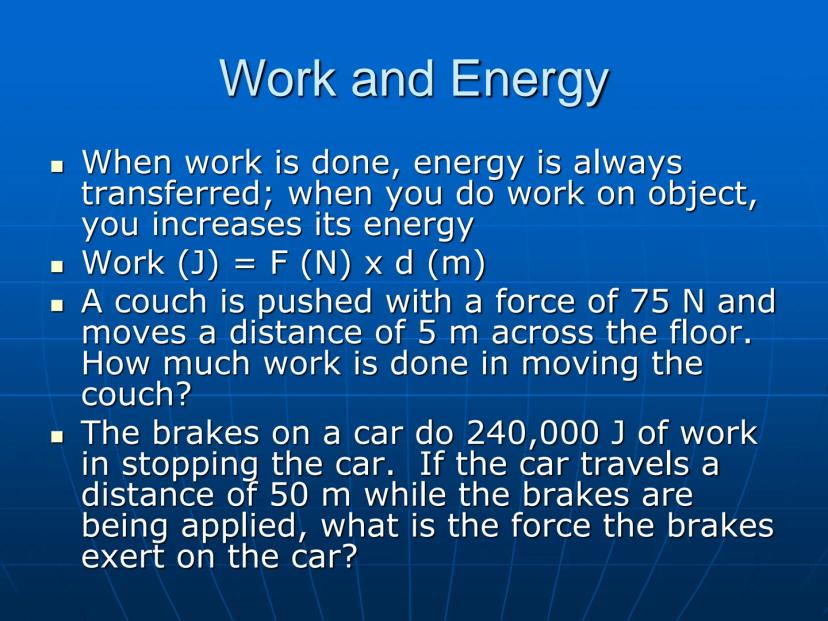
Work and energy are intrinsically connected in physics. When work is done on an object, energy is transferred, leading to either an increase in kinetic energy, potential energy, or both. The formula for work shows that work equals force multiplied by displacement.
Consider this practical example: When pushing a couch with 75 N force over 5 meters, the work done equals 375 joules. This demonstrates how force and displacement combine to produce work, which represents energy transfer in the system.
Highlight: Understanding work-energy relationships is crucial for solving real-world physics problems, from simple machines to complex mechanical systems.
8
of 10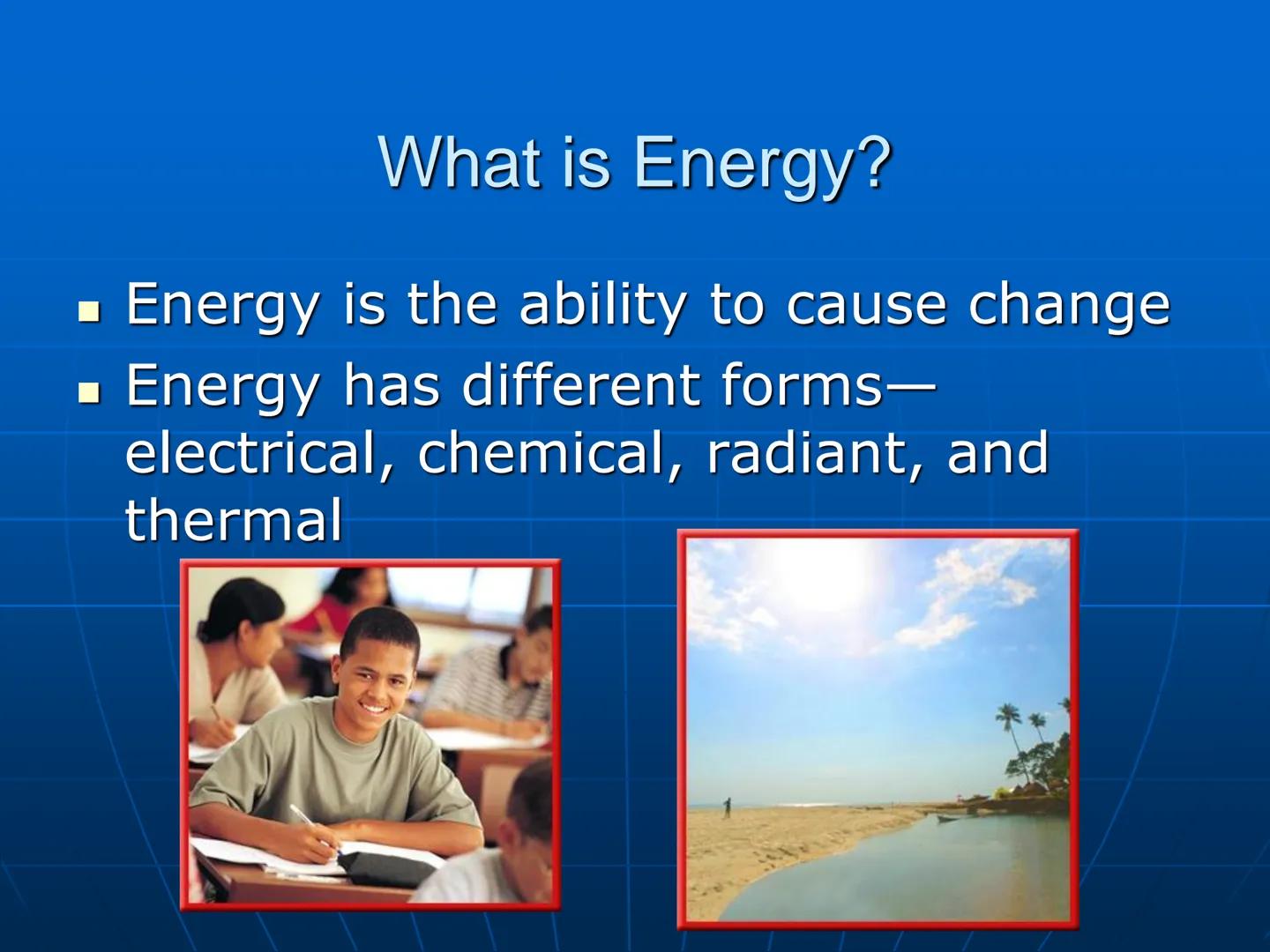
Energy Conversions in Biological Systems
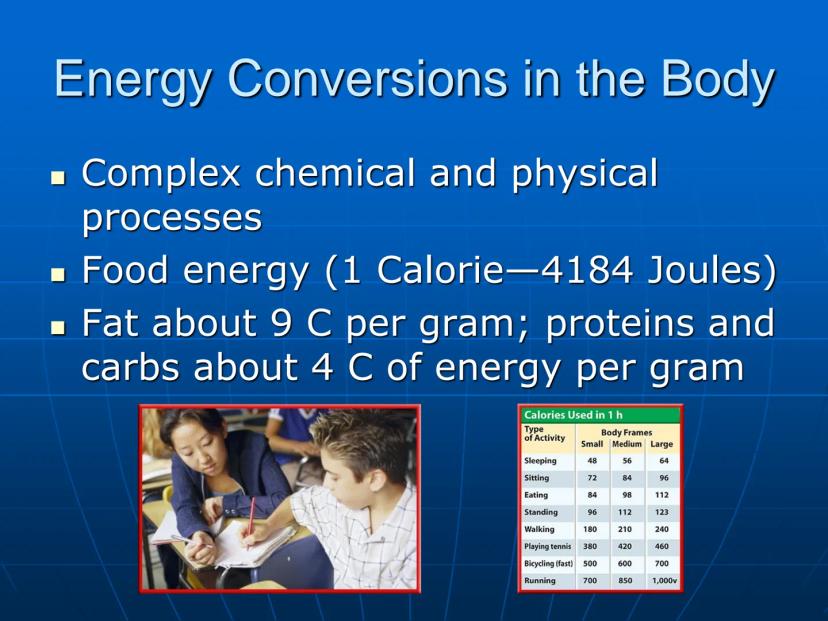
The human body demonstrates complex energy conversions, transforming chemical energy from food into various forms of mechanical and thermal energy. Food energy is measured in Calories , with different macronutrients providing varying amounts of energy.
Different activities require different energy expenditures. For instance, high-intensity activities like running can burn 700-1000 Calories per hour, while resting activities like sleeping only use 48-64 Calories per hour, depending on body frame size.
Vocabulary: A food Calorie (with capital C) equals 1000 regular calories or 4184 joules, representing the energy needed to raise 1 kilogram of water by 1°C.
9
of 10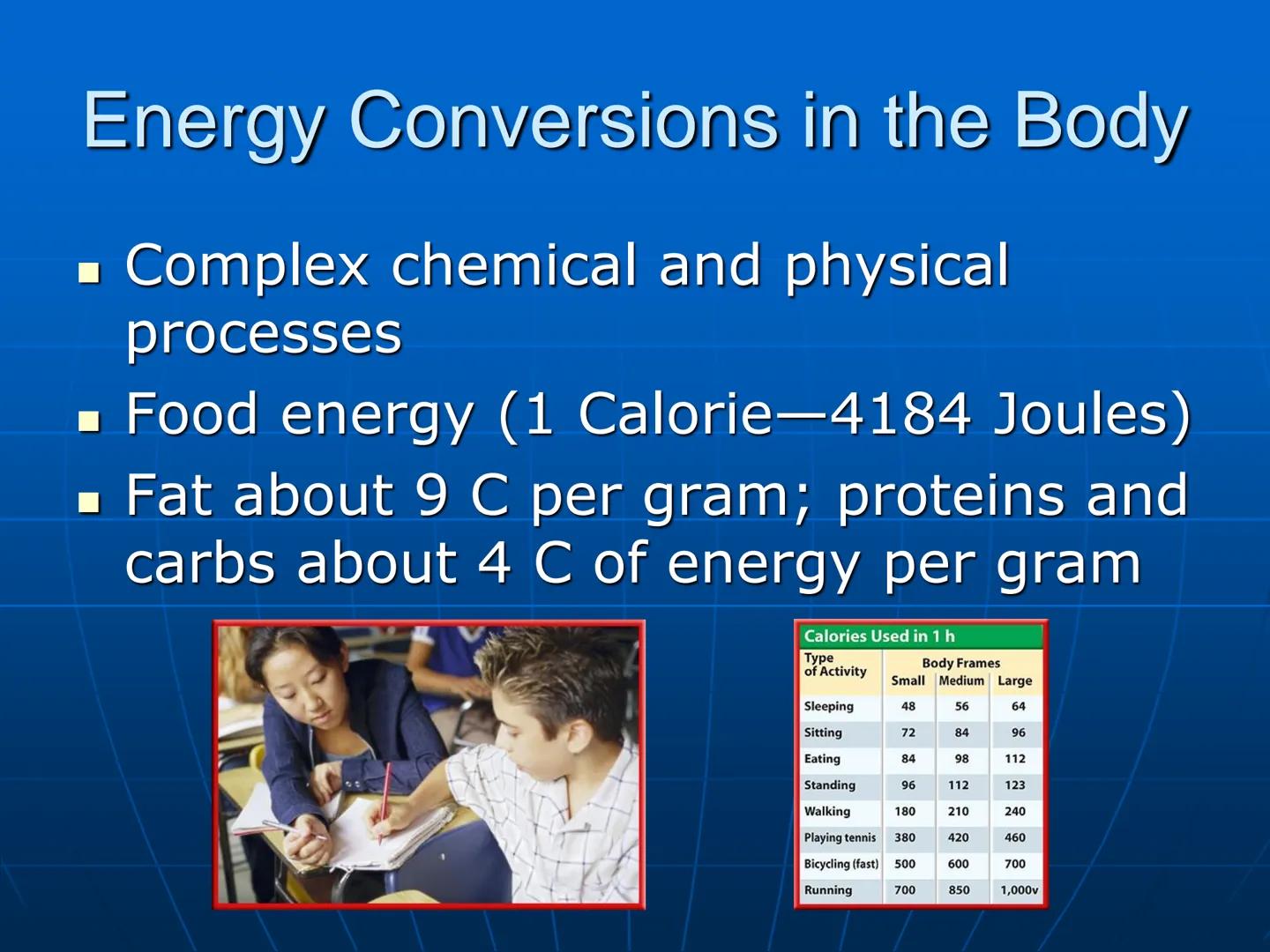
Understanding Mechanical Energy in Physics Systems
Mechanical energy represents the combined total of potential and kinetic energy within any physical system. This fundamental concept helps us understand how energy transforms and transfers in real-world scenarios. When analyzing mechanical energy, we must consider both the energy of motion (kinetic) and the energy of position or configuration (potential).
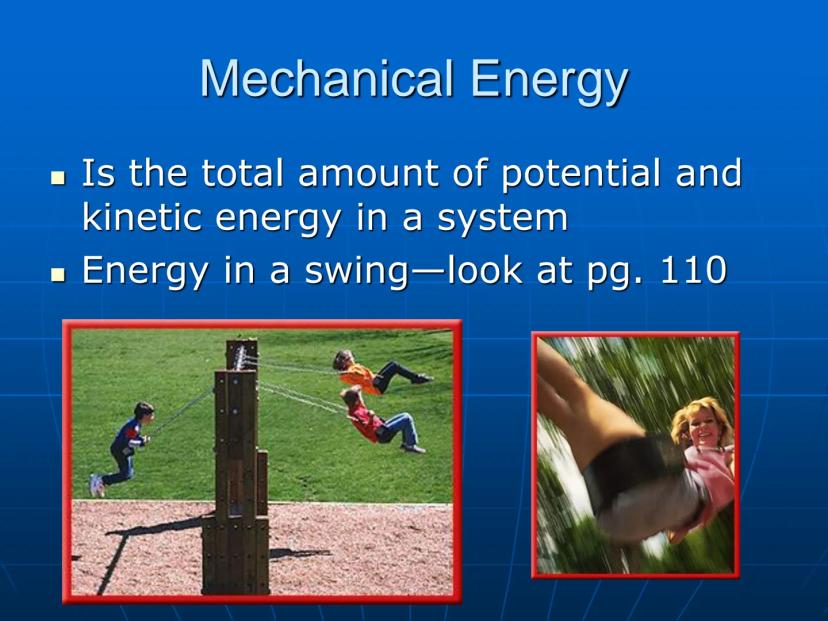
Definition: Mechanical energy is the sum of potential and kinetic energy in a system, remaining constant in the absence of external forces like friction.
In practical applications, mechanical energy manifests in various forms. Consider a pendulum or swing - as it moves back and forth, there's a continuous interchange between potential and kinetic energy. At the highest point of its arc, the swing possesses maximum potential energy due to its elevated position relative to its lowest point. As it swings downward, this potential energy converts to kinetic energy, reaching maximum speed (and thus maximum kinetic energy) at the bottom of its arc.
The concept of mechanical energy conservation is crucial in engineering and physics applications. In ideal conditions, without friction or air resistance, the total mechanical energy remains constant throughout a system's motion. This principle helps engineers design everything from playground equipment to complex machinery. For instance, roller coasters utilize this energy transformation principle, converting potential energy at the top of hills into kinetic energy during descents.
10
of 10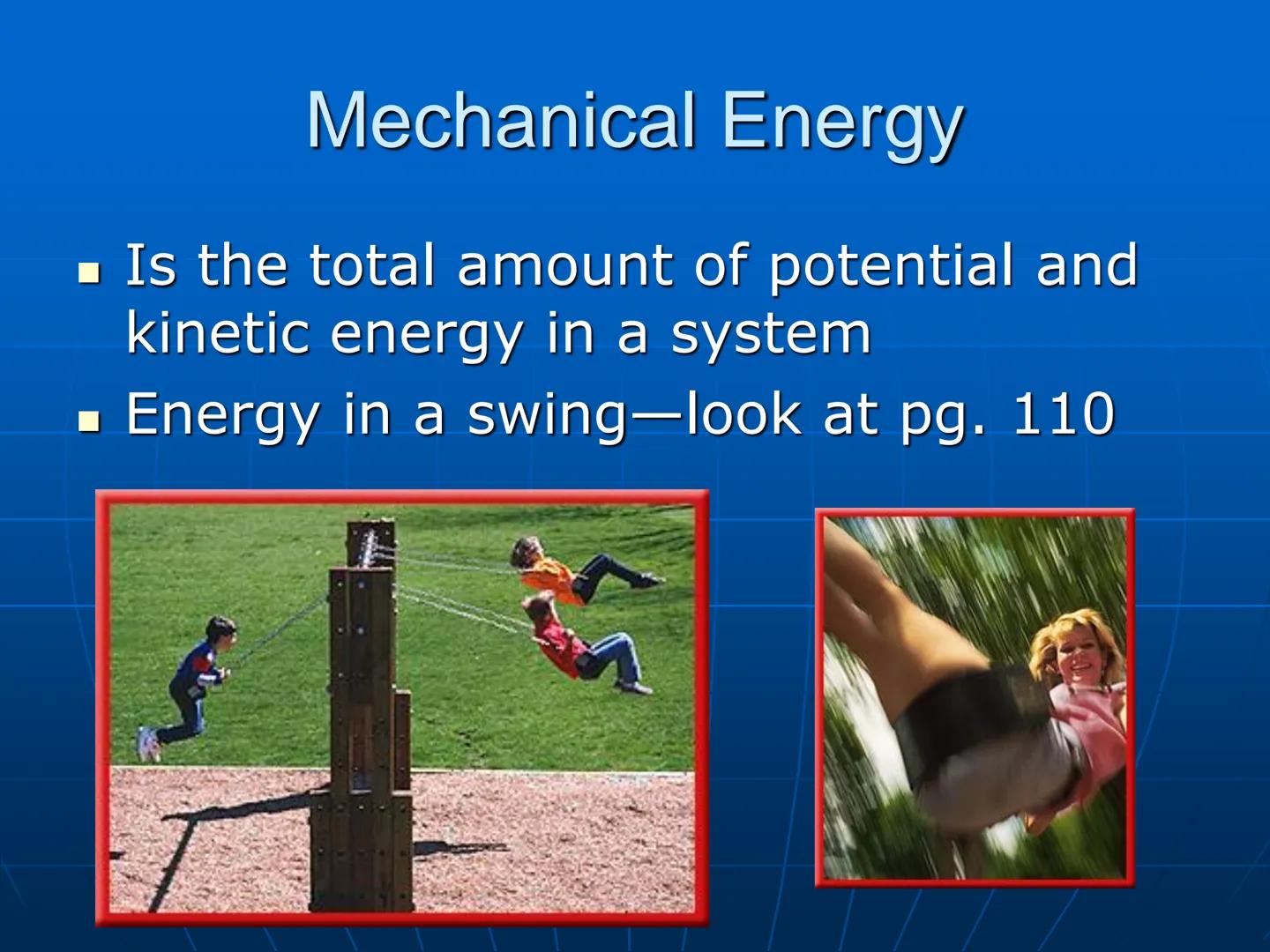
Analyzing Energy Transformations in Motion
The relationship between potential and kinetic energy becomes particularly evident when studying objects in motion. Understanding these energy transformations helps explain various phenomena in both natural and engineered systems. For example, when a ball is thrown upward, its initial kinetic energy gradually converts to potential energy as it rises, reaching maximum potential energy at its peak height.
Example: A roller coaster car at the top of a hill has maximum potential energy. As it descends, this converts to kinetic energy, demonstrating the principle of energy conservation.
Five examples of potential and kinetic energy can be observed in daily life: a car driving up a hill (converting kinetic to potential energy), a compressed spring (stored potential energy), a falling object (potential converting to kinetic), a moving bicycle (primarily kinetic energy), and water behind a dam (gravitational potential energy). These examples illustrate how energy constantly transforms between its potential and kinetic forms.
The distinction between potential and kinetic energy in mechanical systems is crucial for understanding energy conservation. While potential energy relates to position or configuration (like height or spring compression), kinetic energy depends on mass and velocity. This fundamental difference helps engineers and scientists design efficient energy systems and predict motion patterns in various applications.
We thought you’d never ask...
What is the Knowunity AI companion?
Our AI companion is specifically built for the needs of students. Based on the millions of content pieces we have on the platform we can provide truly meaningful and relevant answers to students. But its not only about answers, the companion is even more about guiding students through their daily learning challenges, with personalised study plans, quizzes or content pieces in the chat and 100% personalisation based on the students skills and developments.
Where can I download the Knowunity app?
You can download the app in the Google Play Store and in the Apple App Store.
Is Knowunity really free of charge?
That's right! Enjoy free access to study content, connect with fellow students, and get instant help – all at your fingertips.
Similar Content
Most popular content in AP Physics 1
9I
AP Physics 1Introduction to One-Dimensional Motion
Practice defining and distinguishing between scalar and vector quantities like distance, displacement, speed, and velocity in linear scenarios.
9th6620
I
AP Physics 1Introduction to Kinematic Equations
Practice identifying variables and selecting the appropriate kinematic equation for objects moving with constant acceleration in one dimension.
9th5670
AP Physics 1Newton's Second Law of Motion
A detailed explanation of Concept of Newton's Second Law of Motion, Examples, Formulas, and Sample Problems with solution.
36613
AP Physics 1AP Physics 1: Unit 1 Kinematics
Notes for the first unit of AP Physics I
10th1,58460
AP Physics 1AP Physics 1 | Kinematics Unit Notes
Notes on the first unit of APP1: Kinematics. This describes how things move, including the concepts of displacement, velocity, and acceleration.
70637
AP Physics 1Force and Energy
This includes a discussion about force, types of forces, mass vs. weight, work and simple machines.
1369
AP Physics 1Electric Charge
Transfer of Electric Charge-Concepts, Definitions and Examples.
912
AP Physics 1Kinematics and 2D review
Review of concepts of kinematics and 2d motion for AP Physics 1
11th730
AP Physics 1Moment of Inertia
A catalog of common shapes and their moment of inertia.
10th1181
Most popular content
9O
 AP US History
Origins and Dynamics of the Columbian Exchange
Analyze the ecological and economic motivations behind the initial transfer of goods, people, and diseases between the Old and New Worlds.
9th3,1280
I
AP US HistoryIntroduction to Early Cultural Interactions
Analyze the initial social and religious encounters between Europeans, Africans, and Indigenous peoples in the colonial Americas.
9th2,7730
O
 AP World History
Origins of Ancient River Civilizations
Analyze the environmental factors and technological innovations that led to the rise of early states in Mesopotamia, Egypt, and the Indus Valley.
9th3,1870
M
AP US HistoryMotivations for European Exploration
Analyze the economic, religious, and political factors that drove European powers to the Americas during the 15th and 16th centuries.
9th1,7780
F
 AP Psychology
Foundations of Ethical Guidelines in Research
Practice the core principles of the APA ethical code including informed consent, debriefing, and the role of Institutional Review Boards.
9th1,3360
I
AP US HistoryIntroduction to Native American Societies
Examine the diverse social, political, and economic structures of North American indigenous groups prior to European contact.
9th1,1100
I
 AP Biology
Introduction to Biological Elements of Life
Practice identifying the essential elements including carbon, nitrogen, phosphorus, and sulfur that compose biological macromolecules.
9th1,7390
I
AP US HistoryIntroduction to the Spanish Encomienda System
Explore the fundamental economic and social structures of the Spanish colonial system, focusing on the encomienda and the casta social hierarchy.
9th8890
O
AP World HistoryOrigins and Continuity of the Byzantine Empire
Analyze the political and cultural transitions from the Roman Empire to the Byzantine Empire, focusing on the reign of Justinian I and his code.
9th1,6320
Can't find what you're looking for? Explore other subjects.
Students love us — and so will you.
4.6/5App Store
4.7/5Google Play
The app is very easy to use and well designed. I have found everything I was looking for so far and have been able to learn a lot from the presentations! I will definitely use the app for a class assignment! And of course it also helps a lot as an inspiration.
Stefan SiOS user
This app is really great. There are so many study notes and help [...]. My problem subject is French, for example, and the app has so many options for help. Thanks to this app, I have improved my French. I would recommend it to anyone.
Samantha KlichAndroid user
Wow, I am really amazed. I just tried the app because I've seen it advertised many times and was absolutely stunned. This app is THE HELP you want for school and above all, it offers so many things, such as workouts and fact sheets, which have been VERY helpful to me personally.
AnnaiOS user
AP Physics 1148 views·Updated Jun 11, 2026·31 pagesHow to Calculate Power in Physics: Work, Time, and Energy Explained
Understanding power, work, and energy is fundamental to physics and how things move and function in our world.
Power is the rate at which work is done or energy is transferred, measured in watts (W). The basic power...
1
of 10
Sign up to see the content. It's free!
- Access to all documents
- Improve your grades
- Join milions of students
Understanding Power and Energy in Physics
Power represents the rate of energy transfer or work completion in physical systems. When studying how to calculate power using work and time formula in physics, we must understand that power measures the speed at which work is performed or energy is converted. This fundamental concept helps us analyze everything from lifting objects to operating machines.
The basic power work time formula is expressed as P = W/t, where P represents power in watts, W is work in joules, and t is time in seconds. This relationship shows that the same amount of work done in less time requires more power. For instance, lifting a 5kg box quickly requires more power than lifting it slowly, though the work done remains identical.
When examining how to calculate power physics problems, consider that power can also be expressed in terms of energy transfer rate . This alternative formula proves particularly useful when dealing with electrical systems or energy conversions. The SI unit of power is the watt, named after James Watt, the pioneer of steam engine development.
Definition: Power is the rate at which work is done or energy is transferred, measured in watts (W). 1 watt equals 1 joule per second .
2
of 10Sign up to see the content. It's free!
- Access to all documents
- Improve your grades
- Join milions of students
Practical Applications of Power Calculations
Understanding how to calculate power formula applications helps solve real-world problems. For example, when lifting a baby from a crib requiring 50 joules of work over 2 seconds, we can calculate the power needed using P = W/t = 50J/2s = 25 watts. This practical application demonstrates how power calculations inform everyday activities.
When working with machines, like electric motors, the formula for calculating power in a circuit becomes essential. If a 500-watt motor needs to perform 10,000 joules of work, we can determine the time required by rearranging the power formula: t = W/P = 10,000J/500W = 20 seconds.
Example: An elevator lifting passengers requires more power than the same elevator moving down, even though the distance traveled is the same. This is because power considers both the work done and the time taken.
3
of 10Sign up to see the content. It's free!
- Access to all documents
- Improve your grades
- Join milions of students
Understanding SI Units of Power
The watt (W) serves as the standard SI unit for power measurements. When dealing with how to calculate power in watts, it's crucial to understand that 1 watt equals 1 joule per second or 1 kg⋅m²/s³. This relationship connects power to other fundamental physical quantities.
For larger power measurements, we use kilowatts (kW) and megawatts (MW). One kilowatt equals 1,000 watts, while one megawatt equals 1,000,000 watts. These larger units prove practical when discussing industrial machinery, power plants, or large-scale energy systems.
Vocabulary: Kilowatt (kW) and Megawatt (MW) are commonly used power units for larger systems:
- 1 kW = 1,000 watts
- 1 MW = 1,000,000 watts
4
of 10Sign up to see the content. It's free!
- Access to all documents
- Improve your grades
- Join milions of students
Power and Energy Relationships
The relationship between power and energy illustrates how energy transfers occur over time. When analyzing what are the 3 formulas for power, we encounter:
- P = W/t (Power as work per time)
- P = E/t (Power as energy transfer rate)
- P = F × v (Power as force times velocity)
These formulas help us understand how power connects to other physical quantities. For instance, in mechanical systems, power determines how quickly potential energy converts to kinetic energy or how efficiently machines perform work.
Highlight: Power and energy are distinct but related concepts:
- Energy represents the capacity to do work
- Power measures how quickly that energy is used or transferred
5
of 10Sign up to see the content. It's free!
- Access to all documents
- Improve your grades
- Join milions of students
Understanding Power, Work, and Energy in Physics
Power calculations involve understanding the relationship between work done and time taken. When calculating power using the power work time formula, we must consider how quickly work is performed. Power is measured in watts (W), which equals joules per second .
The fundamental formula for calculating power in a circuit and mechanical systems is Power = Work/Time . This shows that power represents the rate of doing work or transferring energy. For example, when comparing two workers moving boxes - one using a trolley and another pushing them manually - the worker using the trolley completes the same work in less time, thus demonstrating greater power output.
Definition: Power (P) is the rate of doing work or transferring energy, measured in watts (W). Work (W) is force multiplied by displacement, measured in joules (J).
Understanding how to calculate power physics problems requires mastering three key formulas:
- P = W/t (Power equals work divided by time)
- P = F × v (Power equals force times velocity)
- P = VI (Power equals voltage times current in electrical systems)
6
of 10Sign up to see the content. It's free!
- Access to all documents
- Improve your grades
- Join milions of students
Energy Forms and Conversions
Energy exists in various forms, including kinetic, potential, thermal, and electrical. The difference between kinetic and potential energy is fundamental to understanding energy transformations in physical systems. Potential energy is stored energy due to position or configuration, while kinetic energy is the energy of motion.
Here are five examples of potential and kinetic energy in everyday situations:
- A roller coaster at its peak (potential) versus speeding down the track (kinetic)
- A stretched rubber band (potential) versus when released (kinetic)
- Water behind a dam (potential) versus flowing water (kinetic)
- A compressed spring (potential) versus when released (kinetic)
- A raised hammer (potential) versus falling hammer (kinetic)
Example: When asking "is thermal energy potential or kinetic," it's important to understand that thermal energy is primarily kinetic energy at the molecular level - the motion of particles creates heat.
7
of 10Sign up to see the content. It's free!
- Access to all documents
- Improve your grades
- Join milions of students
Work and Energy Relationships
Work and energy are intrinsically connected in physics. When work is done on an object, energy is transferred, leading to either an increase in kinetic energy, potential energy, or both. The formula for work shows that work equals force multiplied by displacement.
Consider this practical example: When pushing a couch with 75 N force over 5 meters, the work done equals 375 joules. This demonstrates how force and displacement combine to produce work, which represents energy transfer in the system.
Highlight: Understanding work-energy relationships is crucial for solving real-world physics problems, from simple machines to complex mechanical systems.
8
of 10Sign up to see the content. It's free!
- Access to all documents
- Improve your grades
- Join milions of students
Energy Conversions in Biological Systems
The human body demonstrates complex energy conversions, transforming chemical energy from food into various forms of mechanical and thermal energy. Food energy is measured in Calories , with different macronutrients providing varying amounts of energy.
Different activities require different energy expenditures. For instance, high-intensity activities like running can burn 700-1000 Calories per hour, while resting activities like sleeping only use 48-64 Calories per hour, depending on body frame size.
Vocabulary: A food Calorie (with capital C) equals 1000 regular calories or 4184 joules, representing the energy needed to raise 1 kilogram of water by 1°C.
9
of 10Sign up to see the content. It's free!
- Access to all documents
- Improve your grades
- Join milions of students
Understanding Mechanical Energy in Physics Systems
Mechanical energy represents the combined total of potential and kinetic energy within any physical system. This fundamental concept helps us understand how energy transforms and transfers in real-world scenarios. When analyzing mechanical energy, we must consider both the energy of motion (kinetic) and the energy of position or configuration (potential).
Definition: Mechanical energy is the sum of potential and kinetic energy in a system, remaining constant in the absence of external forces like friction.
In practical applications, mechanical energy manifests in various forms. Consider a pendulum or swing - as it moves back and forth, there's a continuous interchange between potential and kinetic energy. At the highest point of its arc, the swing possesses maximum potential energy due to its elevated position relative to its lowest point. As it swings downward, this potential energy converts to kinetic energy, reaching maximum speed (and thus maximum kinetic energy) at the bottom of its arc.
The concept of mechanical energy conservation is crucial in engineering and physics applications. In ideal conditions, without friction or air resistance, the total mechanical energy remains constant throughout a system's motion. This principle helps engineers design everything from playground equipment to complex machinery. For instance, roller coasters utilize this energy transformation principle, converting potential energy at the top of hills into kinetic energy during descents.
10
of 10Sign up to see the content. It's free!
- Access to all documents
- Improve your grades
- Join milions of students
Analyzing Energy Transformations in Motion
The relationship between potential and kinetic energy becomes particularly evident when studying objects in motion. Understanding these energy transformations helps explain various phenomena in both natural and engineered systems. For example, when a ball is thrown upward, its initial kinetic energy gradually converts to potential energy as it rises, reaching maximum potential energy at its peak height.
Example: A roller coaster car at the top of a hill has maximum potential energy. As it descends, this converts to kinetic energy, demonstrating the principle of energy conservation.
Five examples of potential and kinetic energy can be observed in daily life: a car driving up a hill (converting kinetic to potential energy), a compressed spring (stored potential energy), a falling object (potential converting to kinetic), a moving bicycle (primarily kinetic energy), and water behind a dam (gravitational potential energy). These examples illustrate how energy constantly transforms between its potential and kinetic forms.
The distinction between potential and kinetic energy in mechanical systems is crucial for understanding energy conservation. While potential energy relates to position or configuration (like height or spring compression), kinetic energy depends on mass and velocity. This fundamental difference helps engineers and scientists design efficient energy systems and predict motion patterns in various applications.
We thought you’d never ask...
What is the Knowunity AI companion?
Our AI companion is specifically built for the needs of students. Based on the millions of content pieces we have on the platform we can provide truly meaningful and relevant answers to students. But its not only about answers, the companion is even more about guiding students through their daily learning challenges, with personalised study plans, quizzes or content pieces in the chat and 100% personalisation based on the students skills and developments.
Where can I download the Knowunity app?
You can download the app in the Google Play Store and in the Apple App Store.
Is Knowunity really free of charge?
That's right! Enjoy free access to study content, connect with fellow students, and get instant help – all at your fingertips.
Similar Content
Most popular content in AP Physics 1
9I
AP Physics 1Introduction to One-Dimensional Motion
Practice defining and distinguishing between scalar and vector quantities like distance, displacement, speed, and velocity in linear scenarios.
9th6620
I
AP Physics 1Introduction to Kinematic Equations
Practice identifying variables and selecting the appropriate kinematic equation for objects moving with constant acceleration in one dimension.
9th5670
AP Physics 1Newton's Second Law of Motion
A detailed explanation of Concept of Newton's Second Law of Motion, Examples, Formulas, and Sample Problems with solution.
36613
AP Physics 1AP Physics 1: Unit 1 Kinematics
Notes for the first unit of AP Physics I
10th1,58460
AP Physics 1AP Physics 1 | Kinematics Unit Notes
Notes on the first unit of APP1: Kinematics. This describes how things move, including the concepts of displacement, velocity, and acceleration.
70637
AP Physics 1Force and Energy
This includes a discussion about force, types of forces, mass vs. weight, work and simple machines.
1369
AP Physics 1Electric Charge
Transfer of Electric Charge-Concepts, Definitions and Examples.
912
AP Physics 1Kinematics and 2D review
Review of concepts of kinematics and 2d motion for AP Physics 1
11th730
AP Physics 1Moment of Inertia
A catalog of common shapes and their moment of inertia.
10th1181
Most popular content
9O
AP US HistoryOrigins and Dynamics of the Columbian Exchange
Analyze the ecological and economic motivations behind the initial transfer of goods, people, and diseases between the Old and New Worlds.
9th3,1280
I
AP US HistoryIntroduction to Early Cultural Interactions
Analyze the initial social and religious encounters between Europeans, Africans, and Indigenous peoples in the colonial Americas.
9th2,7730
O
AP World HistoryOrigins of Ancient River Civilizations
Analyze the environmental factors and technological innovations that led to the rise of early states in Mesopotamia, Egypt, and the Indus Valley.
9th3,1870
M
AP US HistoryMotivations for European Exploration
Analyze the economic, religious, and political factors that drove European powers to the Americas during the 15th and 16th centuries.
9th1,7780
F
AP PsychologyFoundations of Ethical Guidelines in Research
Practice the core principles of the APA ethical code including informed consent, debriefing, and the role of Institutional Review Boards.
9th1,3360
I
AP US HistoryIntroduction to Native American Societies
Examine the diverse social, political, and economic structures of North American indigenous groups prior to European contact.
9th1,1100
I
AP BiologyIntroduction to Biological Elements of Life
Practice identifying the essential elements including carbon, nitrogen, phosphorus, and sulfur that compose biological macromolecules.
9th1,7390
I
AP US HistoryIntroduction to the Spanish Encomienda System
Explore the fundamental economic and social structures of the Spanish colonial system, focusing on the encomienda and the casta social hierarchy.
9th8890
O
AP World HistoryOrigins and Continuity of the Byzantine Empire
Analyze the political and cultural transitions from the Roman Empire to the Byzantine Empire, focusing on the reign of Justinian I and his code.
9th1,6320
Can't find what you're looking for? Explore other subjects.
Students love us — and so will you.
4.6/5App Store
4.7/5Google Play
The app is very easy to use and well designed. I have found everything I was looking for so far and have been able to learn a lot from the presentations! I will definitely use the app for a class assignment! And of course it also helps a lot as an inspiration.
Stefan SiOS user
This app is really great. There are so many study notes and help [...]. My problem subject is French, for example, and the app has so many options for help. Thanks to this app, I have improved my French. I would recommend it to anyone.
Samantha KlichAndroid user
Wow, I am really amazed. I just tried the app because I've seen it advertised many times and was absolutely stunned. This app is THE HELP you want for school and above all, it offers so many things, such as workouts and fact sheets, which have been VERY helpful to me personally.
AnnaiOS user