

The comprehensive guide to the nervous system anatomy and physiology...
 AP Biology77 views·Updated Jun 9, 2026·8 pages
Detailed Notes on Nervous System PDF: Anatomy, Functions, and Action Potential
1 / 8
1
of 8
Neuron Structure and Types
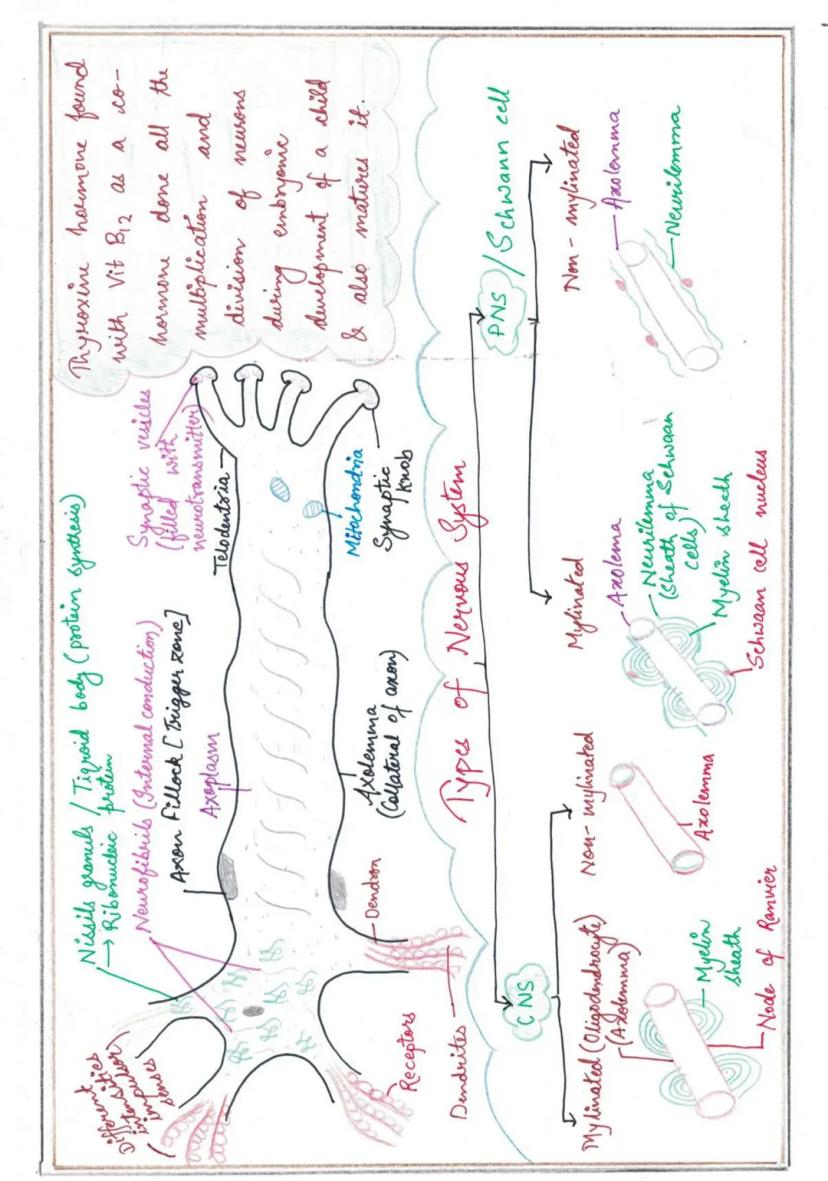
Neurons, the fundamental units of the nervous system, have distinct structural components that enable their function. The cell body, or cyton, contains important cellular structures:
- Nissl's granules (tigroid body): Involved in protein synthesis
- Neurofibrils: Aid in internal conduction
The axon, a key component for signal transmission, can be either myelinated or non-myelinated. Myelinated axons in the central nervous system are covered by oligodendrocytes, while those in the peripheral nervous system are wrapped by Schwann cells.
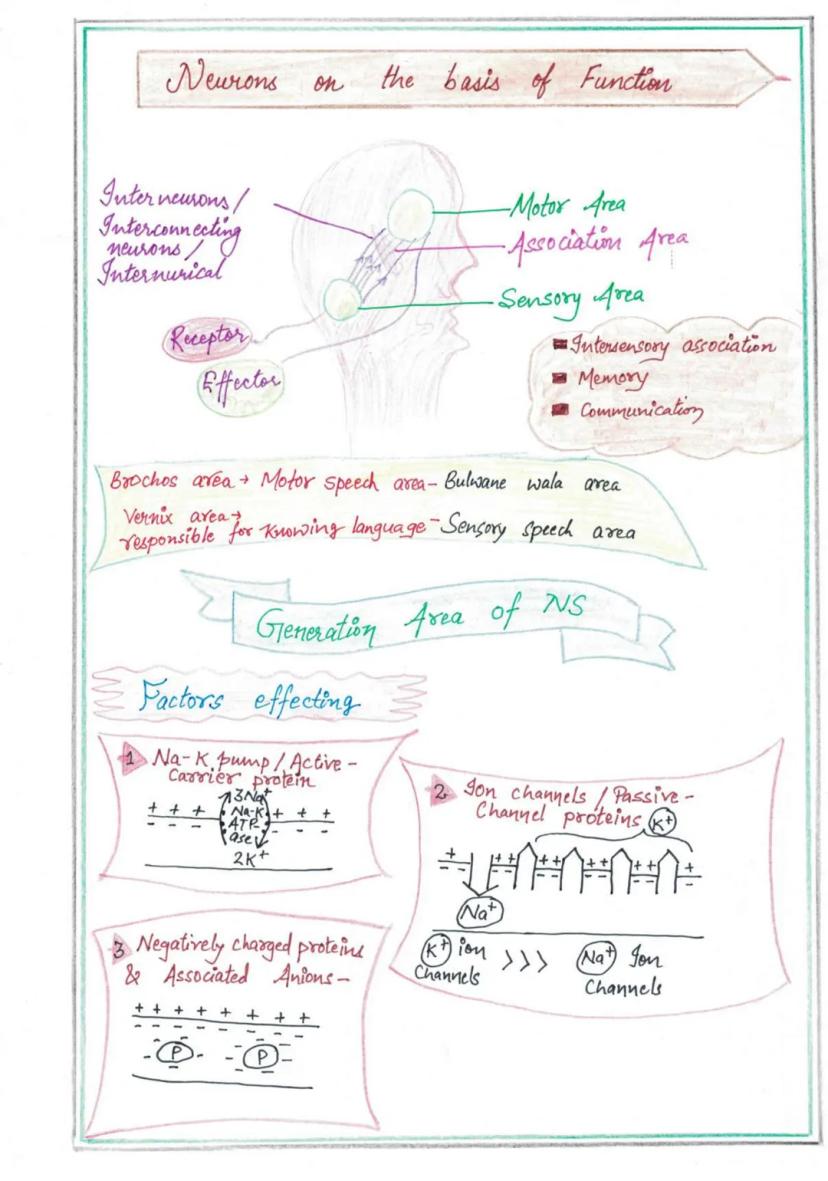
Neurons can be classified based on their function:
- Sensory neurons (receptors)
- Motor neurons (effectors)
- Interneurons (interconnecting)
Definition: Myelin sheath - A fatty insulating layer around some axons that speeds up signal transmission.
Example: The thyroxine hormone, along with vitamin B12, plays a crucial role in the multiplication and division of neurons during embryonic development.
2
of 8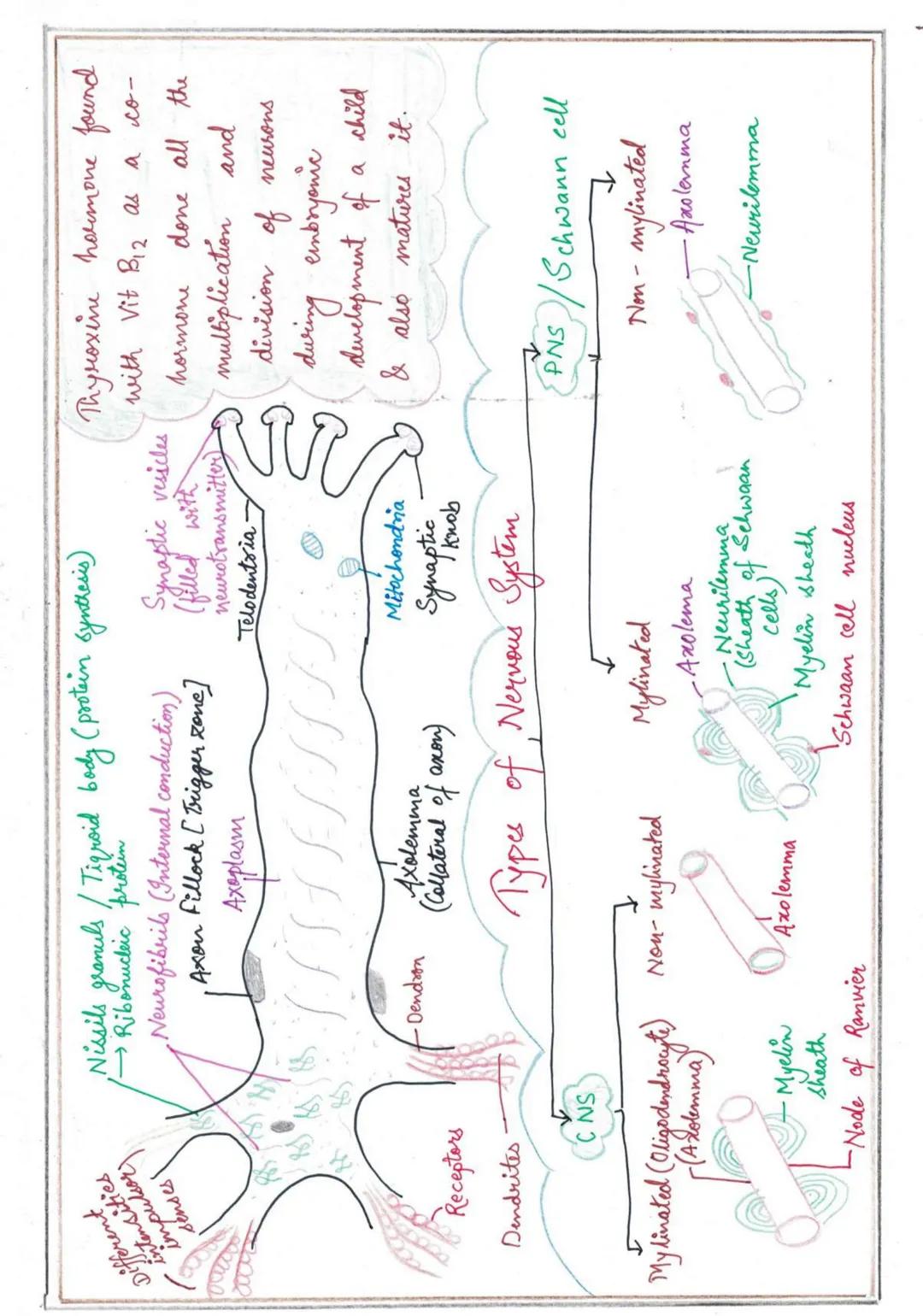
Factors Affecting Neuron Function
Several factors influence the functioning of neurons in the nervous system. Key among these are:
-
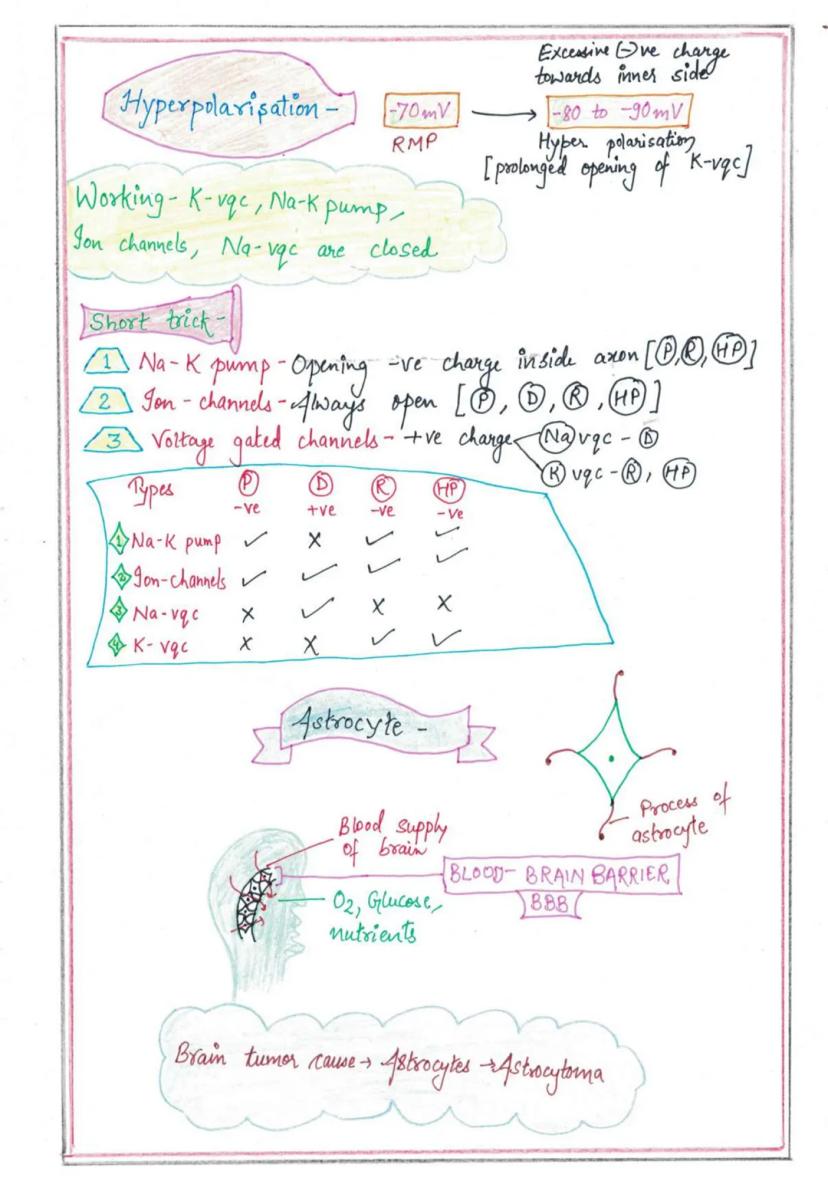
Na-K pump (Active transport): This protein actively moves sodium and potassium ions across the cell membrane, maintaining the resting potential.
-
Ion channels (Passive transport): These channel proteins allow specific ions to move across the membrane based on concentration gradients.
-
Negatively charged proteins and associated anions: These contribute to the overall charge distribution across the neuron membrane.
The brain's functional areas play crucial roles in various processes:
- Motor areas control movement
- Sensory areas process incoming sensory information
- Association areas integrate information and are involved in higher cognitive functions
Highlight: The balance of ions across the neuron membrane is critical for proper nervous system function and signal transmission.
3
of 8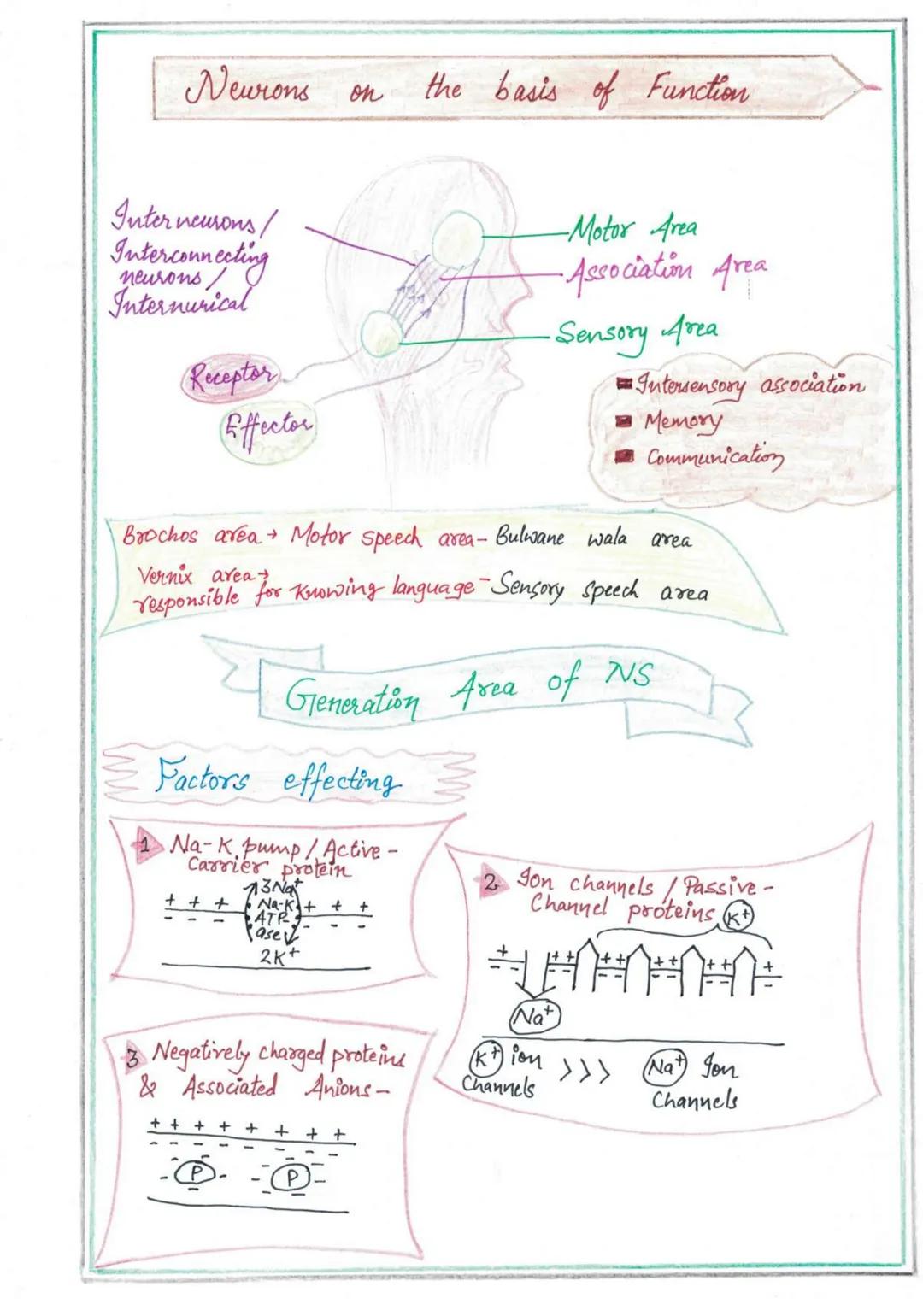
Action Potential Generation
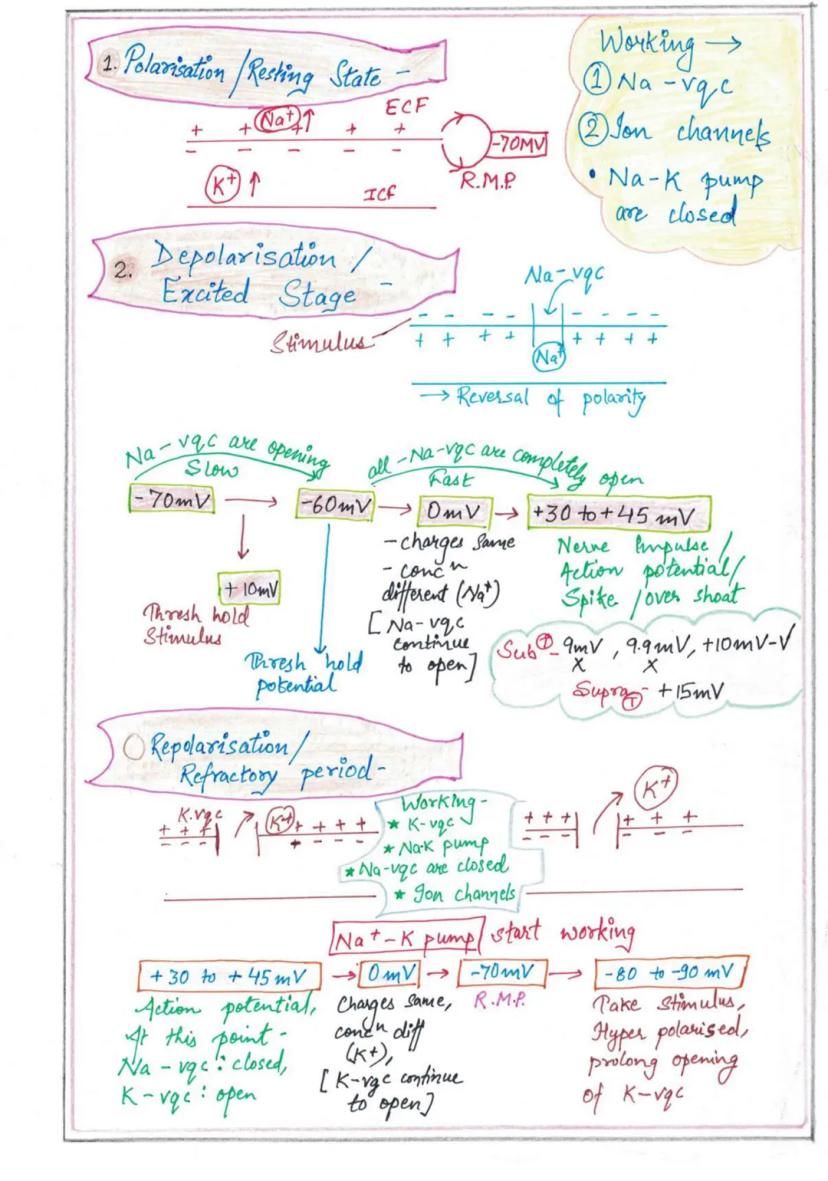
The action potential is a key process in nervous system physiology, involving several stages:
-
Polarization (Resting State): The neuron maintains a resting membrane potential of about -70mV.
-
Depolarization: A stimulus causes sodium channels to open, allowing sodium ions to flow into the cell. This raises the membrane potential to the threshold level .
-
Rising Phase: If the threshold is reached, more voltage-gated sodium channels open, causing a rapid influx of sodium ions. The membrane potential quickly rises to about +30 to +45mV.
-
Repolarization: Potassium channels open, and potassium ions flow out of the cell. Simultaneously, sodium channels close. This causes the membrane potential to return towards the resting level.
-
Hyperpolarization: The membrane potential briefly becomes more negative than the resting state due to the continued outflow of potassium ions.
Vocabulary: Threshold potential - The minimum membrane potential that triggers an action potential.
Highlight: The 7 steps of action potential involve polarization, depolarization, rising phase, peak, falling phase, repolarization, and hyperpolarization.
4
of 8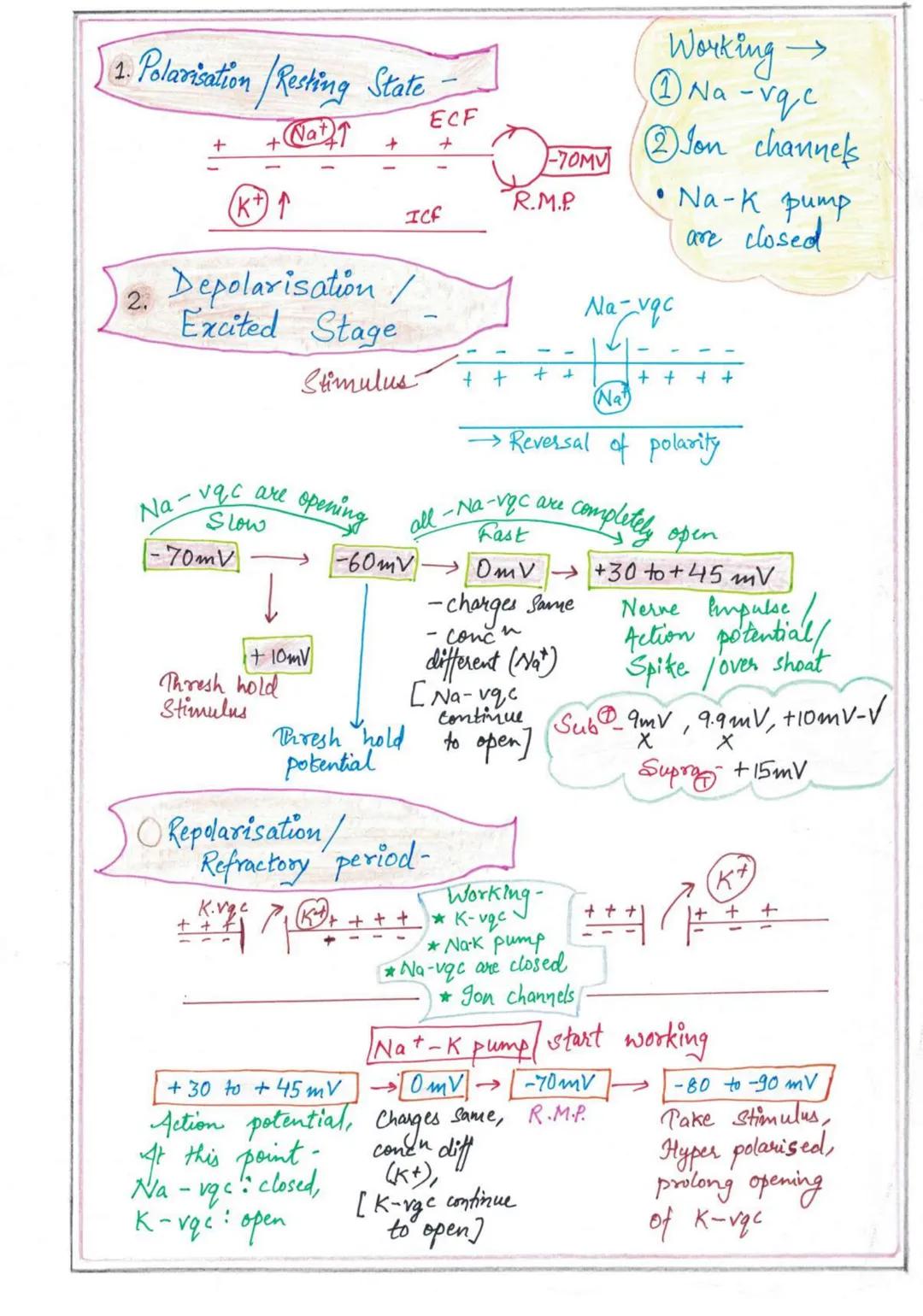
Nervous System Components
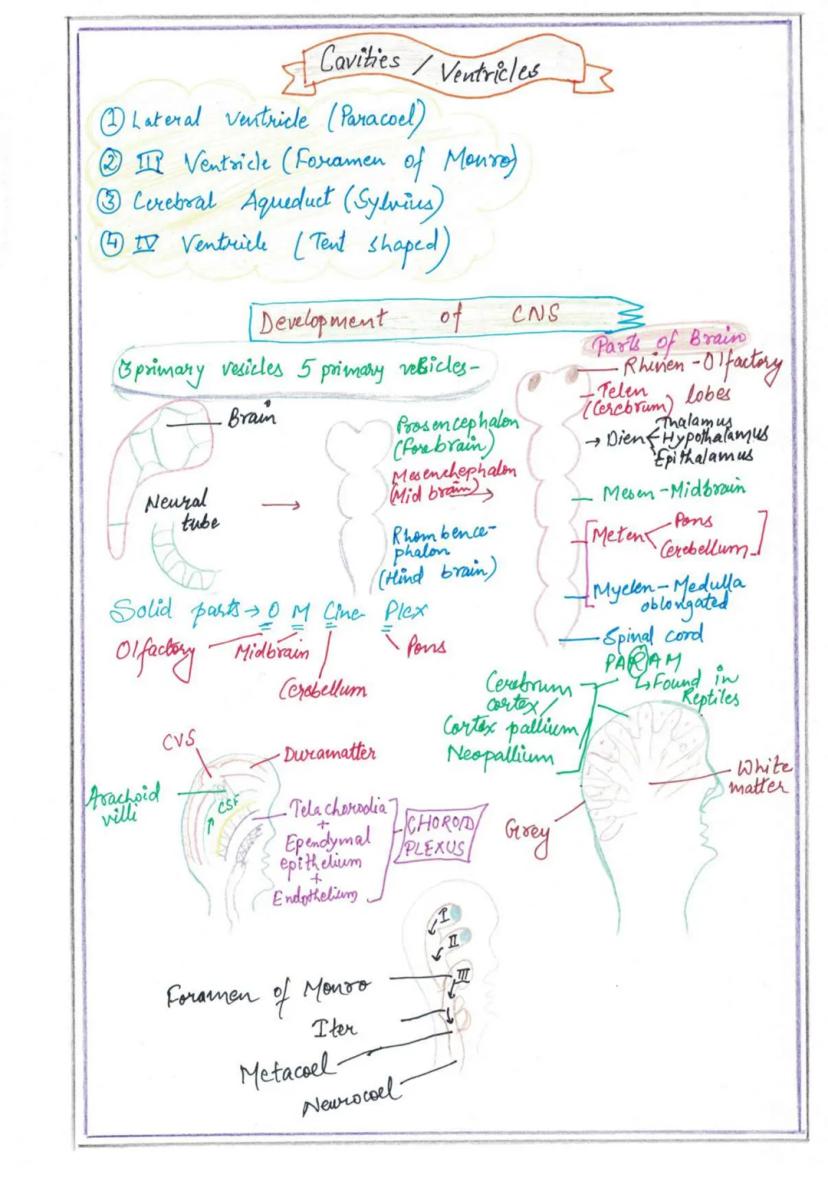
The central nervous system (CNS) consists of the brain and spinal cord, which are protected by several layers:
- Dura mater: The outermost tough protective layer
- Arachnoid mater: The middle layer
- Pia mater: The innermost layer, closely adhering to the brain and spinal cord
The brain contains fluid-filled cavities called ventricles:
- Two lateral ventricles
- Third ventricle
- Cerebral aqueduct
- Fourth ventricle
Cerebrospinal fluid (CSF) is produced by the choroid plexus and circulates through these ventricles, providing cushioning and nutrients.
Definition: Choroid plexus - A network of blood vessels and cells in the ventricles that produces cerebrospinal fluid.
Highlight: The central nervous system is well-protected by meninges and bathed in cerebrospinal fluid, which provides both physical and chemical protection.
5
of 8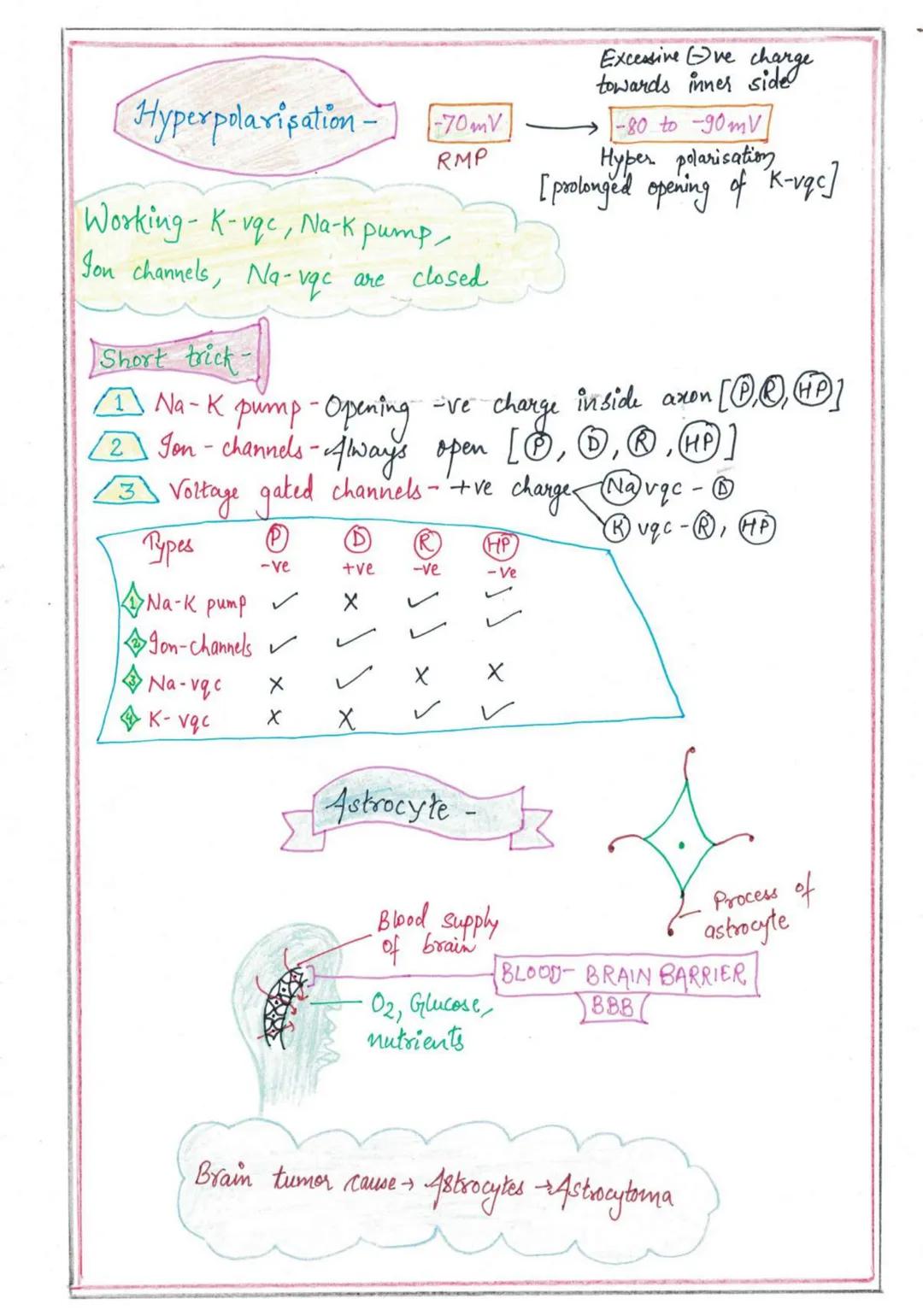
Brain Structure and Development
The brain develops from the neural tube, which forms five primary vesicles:
- Telencephalon (forms the cerebrum)
- Diencephalon (forms the thalamus and hypothalamus)
- Mesencephalon (forms the midbrain)
- Metencephalon (forms the pons and cerebellum)
- Myelencephalon (forms the medulla oblongata)
The cerebrum, the largest part of the brain, consists of gray matter (cortex) and white matter. It is divided into several lobes, each with specific functions:
- Frontal lobe: Motor control, planning, reasoning
- Parietal lobe: Sensory processing
- Temporal lobe: Auditory processing, memory
- Occipital lobe: Visual processing
Example: The Broca's area in the frontal lobe is responsible for speech production, while Wernicke's area in the temporal lobe is involved in language comprehension.
Highlight: Understanding the nervous system anatomy and physiology is crucial for comprehending how different brain regions contribute to various functions.
6
of 8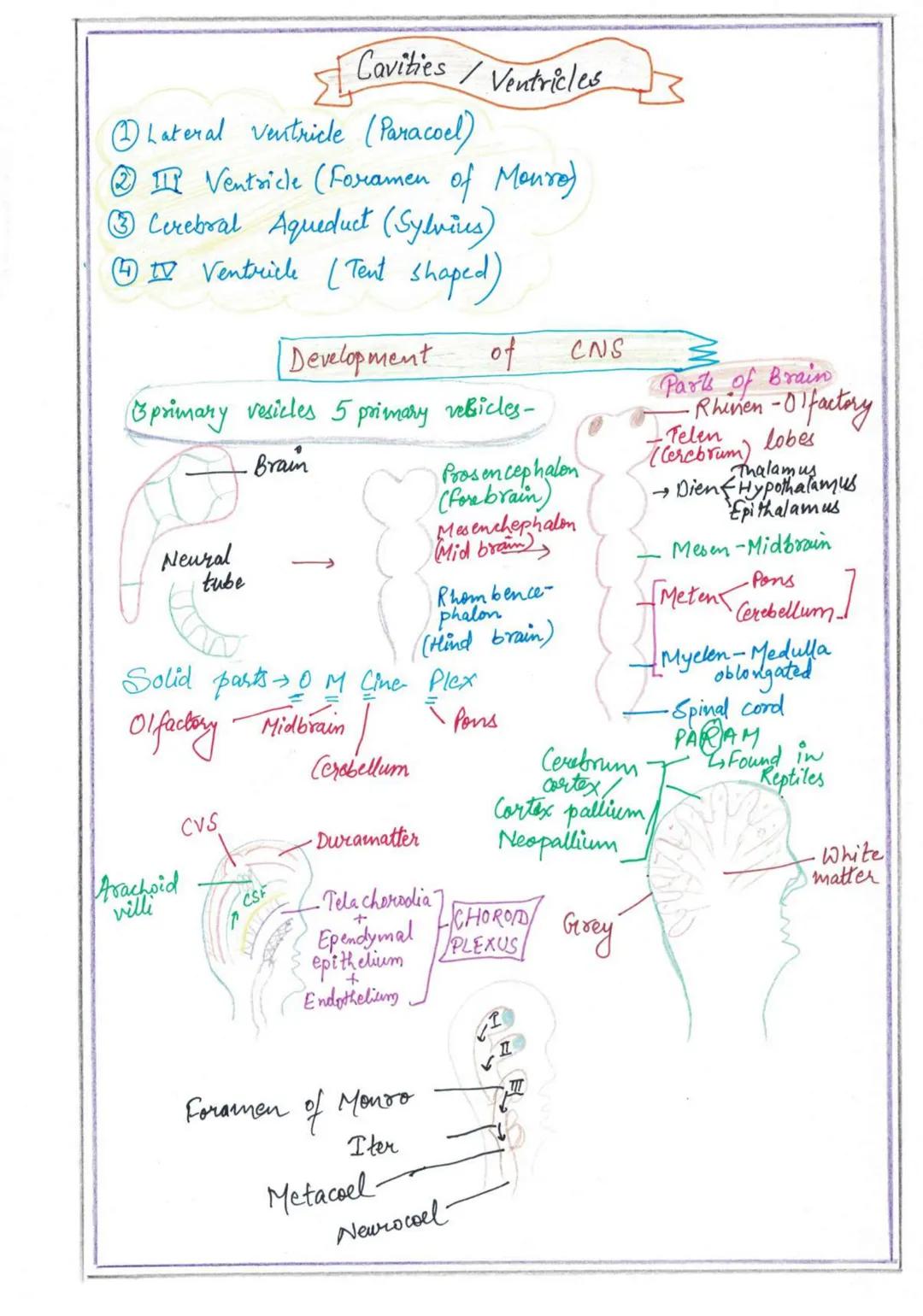
Limbic System and Hypothalamus
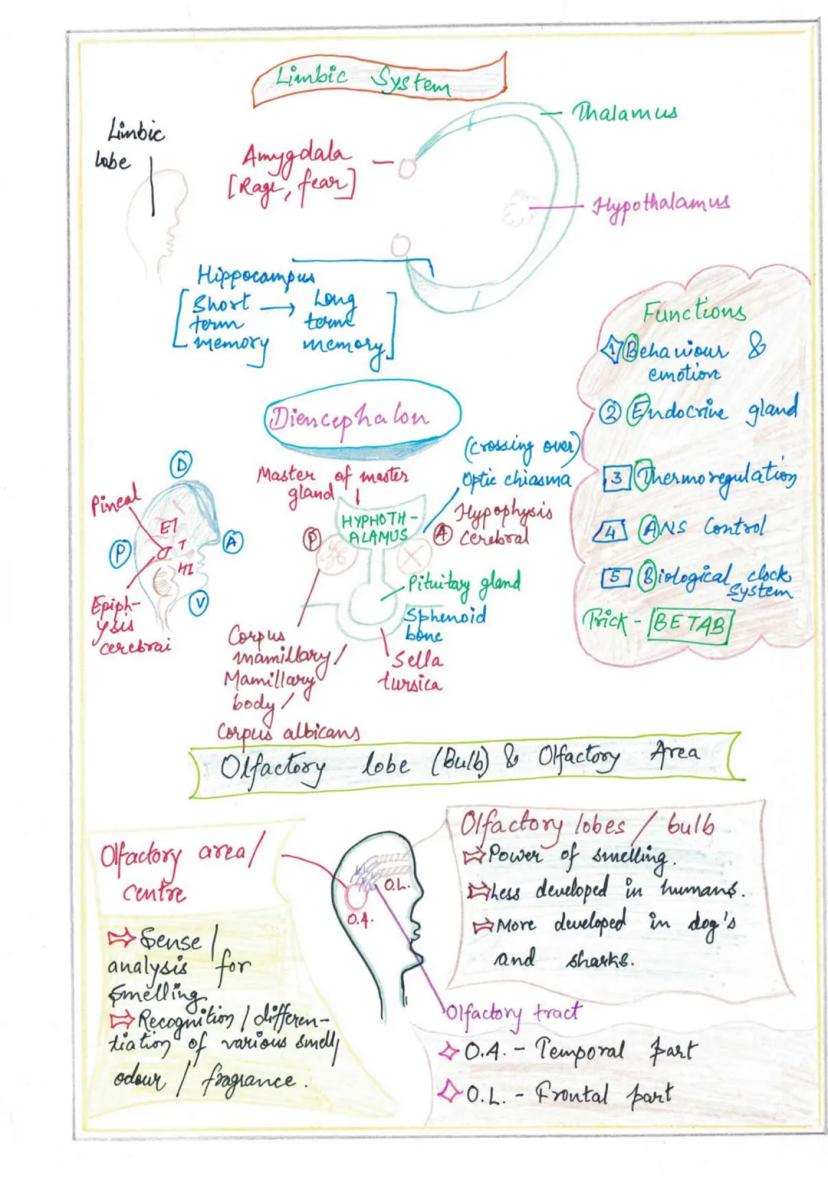
The limbic system is a group of interconnected structures involved in emotion, behavior, and memory. Key components include:
- Amygdala: Processes emotions, particularly fear and aggression
- Hippocampus: Crucial for forming new memories and spatial navigation
The hypothalamus is a small but vital structure that serves as a link between the nervous system and the endocrine system. Its functions include:
- Regulating behavior and emotions
- Controlling the endocrine system through the pituitary gland
- Thermoregulation
- Autonomic nervous system control
- Maintaining the body's biological clock
The olfactory system, responsible for the sense of smell, consists of:
- Olfactory bulbs: Receive input from olfactory receptors in the nose
- Olfactory tract: Transmits information to other brain areas
- Olfactory cortex: Processes and interprets smell information
Vocabulary: Olfactory - Relating to the sense of smell.
Highlight: The hypothalamus plays a crucial role in maintaining homeostasis by integrating nervous system function with endocrine system control.
7
of 8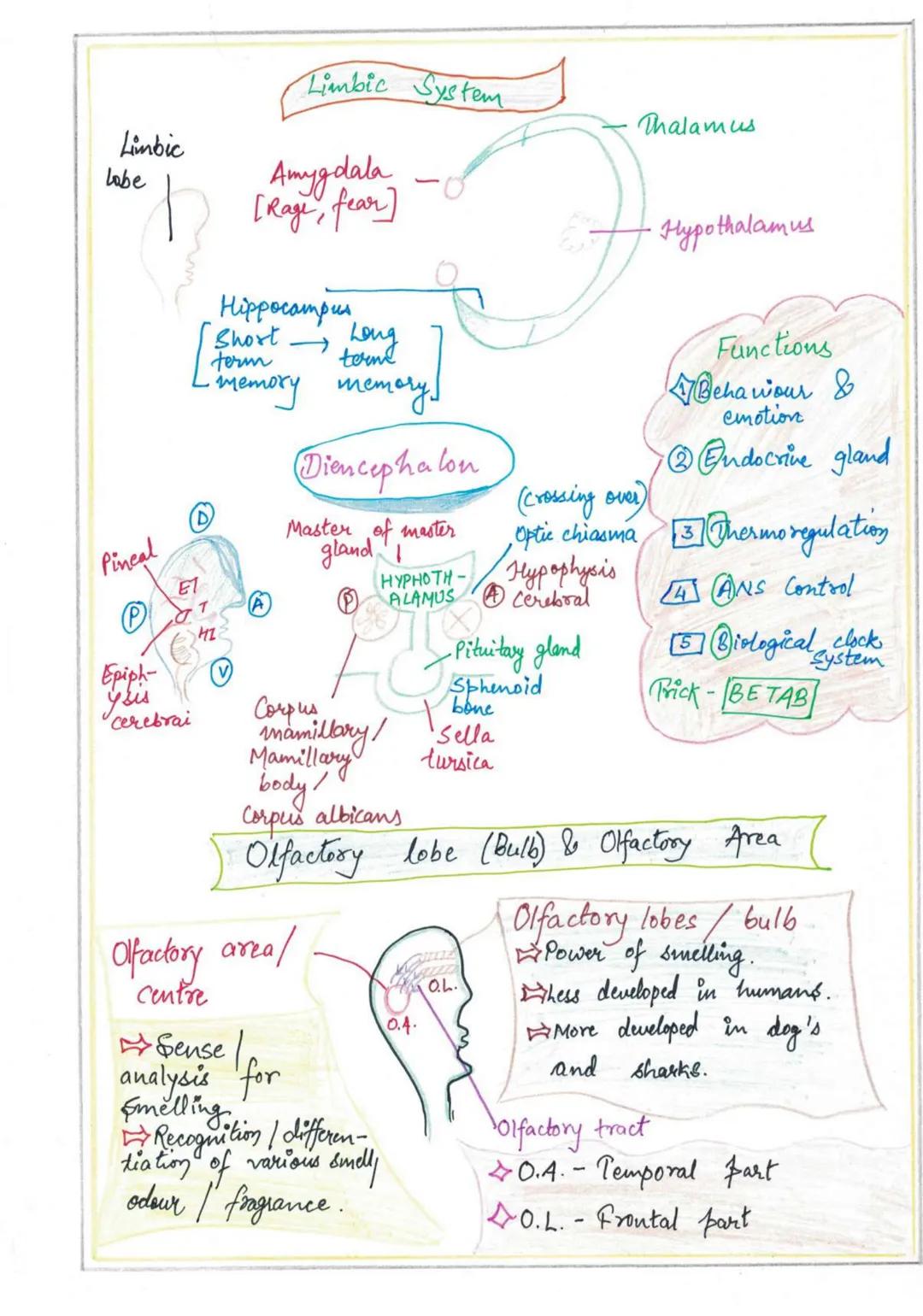
Page 8: Cerebellar Functions
This final page focuses on the cerebellum's role in motor control and balance.
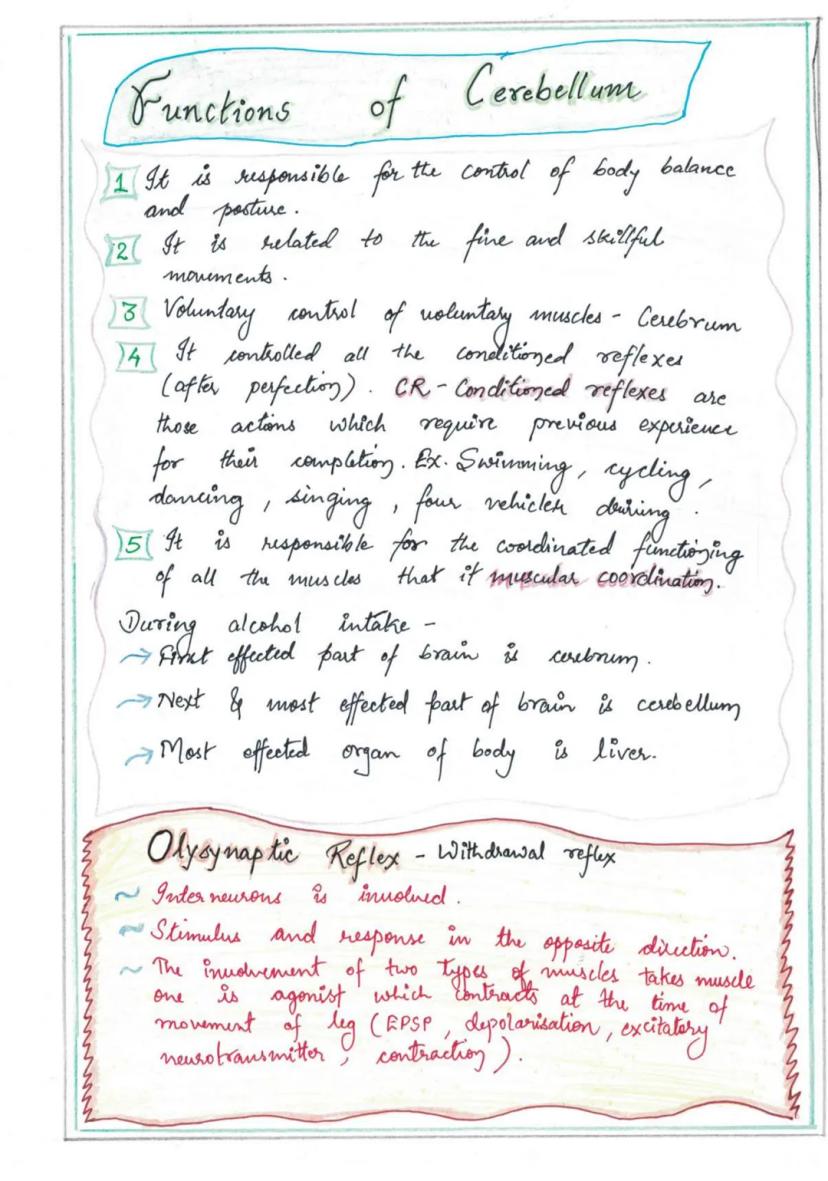
Definition: The cerebellum is responsible for coordinating voluntary movements and maintaining balance.
Highlight: The cerebellum's function is essential for activities requiring precise motor control.
Example: Activities like skiing require constant cerebellar input for maintaining balance and coordination.
8
of 8
Nervous System Overview
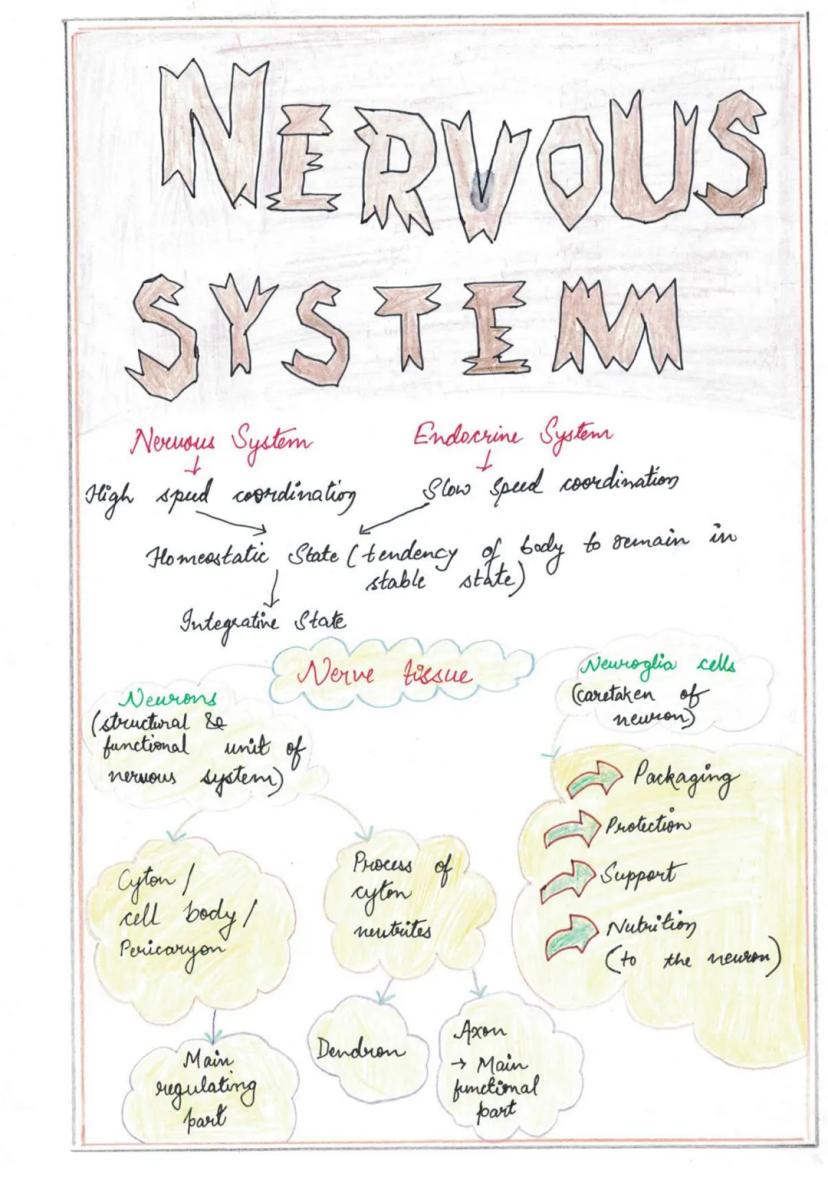
The nervous system is a vital component of the body's regulatory mechanisms, working in tandem with the endocrine system to maintain homeostasis. While the endocrine system provides slow-speed coordination, the nervous system offers high-speed coordination, allowing for rapid responses to stimuli.
The basic structural and functional unit of the nervous system is the neuron. Neurons consist of several key parts:
- Cyton (cell body or pericaryon): The main regulating part
- Dendrites: Processes that receive signals
- Axon: The main functional part for transmitting signals
Supporting the neurons are neuroglia cells, which provide essential functions such as packaging, protection, support, and nutrition to the neurons.
Vocabulary: Homeostasis - The tendency of the body to maintain a stable internal environment.
Highlight: The nervous system's ability to provide high-speed coordination is crucial for rapid responses to environmental changes and internal stimuli.
We thought you’d never ask...
What is the Knowunity AI companion?
Our AI companion is specifically built for the needs of students. Based on the millions of content pieces we have on the platform we can provide truly meaningful and relevant answers to students. But its not only about answers, the companion is even more about guiding students through their daily learning challenges, with personalised study plans, quizzes or content pieces in the chat and 100% personalisation based on the students skills and developments.
Where can I download the Knowunity app?
You can download the app in the Google Play Store and in the Apple App Store.
Is Knowunity really free of charge?
That's right! Enjoy free access to study content, connect with fellow students, and get instant help – all at your fingertips.
Similar Content
 Biology
Most popular content: Nervous System
1Most popular content in AP Biology
9I
AP BiologyIntroduction to Biological Elements of Life
Practice identifying the essential elements including carbon, nitrogen, phosphorus, and sulfur that compose biological macromolecules.
9th1,7390
I
AP BiologyIntroduction to Water Polarity and Bonding
Practice identifying partial charges and the chemical basis of hydrogen bond formation between polar water molecules.
9th8520
I
AP BiologyIntroduction to Biological Macromolecules
Practice identifying the four classes of biological macromolecules and the dehydration synthesis reactions that form their covalent bonds.
9th5890
I
AP BiologyIntroduction to Biological Macromolecules
Practice identifying the monomers and chemical compositions of carbohydrates, lipids, proteins, and nucleic acids in biological systems.
9th4460
I
AP BiologyIntroduction to Cell Compartmentalization
Practice identifying how membrane-bound organelles increase surface area and facilitate specialized chemical reactions in eukaryotic cells.
9th3370
C
AP BiologyComponents of the Plasma Membrane
Practice identifying the molecular structure of phospholipids, proteins, cholesterol, and carbohydrates within the fluid mosaic model.
9th2720
I
AP BiologyIntroduction to Evidence of Evolution
Practice identifying fundamental concepts of common ancestry, including homologous structures, vestigial traits, and the fossil record.
9th2010
AP BiologyBio 1000 Chapter 2 The Molecules of Cells
Cell Make up
College55211
F
AP BiologyFundamentals of Cell Size and Surface Area
Practice calculating surface area-to-volume ratios and defining how these geometric constraints limit the maximum size of a functional biological cell.
9th1550
Most popular content
9O
 AP US History
Origins and Dynamics of the Columbian Exchange
Analyze the ecological and economic motivations behind the initial transfer of goods, people, and diseases between the Old and New Worlds.
9th3,1280
I
AP US HistoryIntroduction to Early Cultural Interactions
Analyze the initial social and religious encounters between Europeans, Africans, and Indigenous peoples in the colonial Americas.
9th2,7730
O
 AP World History
Origins of Ancient River Civilizations
Analyze the environmental factors and technological innovations that led to the rise of early states in Mesopotamia, Egypt, and the Indus Valley.
9th3,1870
M
AP US HistoryMotivations for European Exploration
Analyze the economic, religious, and political factors that drove European powers to the Americas during the 15th and 16th centuries.
9th1,7780
F
 AP Psychology
Foundations of Ethical Guidelines in Research
Practice the core principles of the APA ethical code including informed consent, debriefing, and the role of Institutional Review Boards.
9th1,3360
I
AP US HistoryIntroduction to Native American Societies
Examine the diverse social, political, and economic structures of North American indigenous groups prior to European contact.
9th1,1100
I
AP BiologyIntroduction to Biological Elements of Life
Practice identifying the essential elements including carbon, nitrogen, phosphorus, and sulfur that compose biological macromolecules.
9th1,7390
I
AP US HistoryIntroduction to the Spanish Encomienda System
Explore the fundamental economic and social structures of the Spanish colonial system, focusing on the encomienda and the casta social hierarchy.
9th8890
O
AP World HistoryOrigins and Continuity of the Byzantine Empire
Analyze the political and cultural transitions from the Roman Empire to the Byzantine Empire, focusing on the reign of Justinian I and his code.
9th1,6320
Can't find what you're looking for? Explore other subjects.
Students love us — and so will you.
4.6/5App Store
4.7/5Google Play
The app is very easy to use and well designed. I have found everything I was looking for so far and have been able to learn a lot from the presentations! I will definitely use the app for a class assignment! And of course it also helps a lot as an inspiration.
Stefan SiOS user
This app is really great. There are so many study notes and help [...]. My problem subject is French, for example, and the app has so many options for help. Thanks to this app, I have improved my French. I would recommend it to anyone.
Samantha KlichAndroid user
Wow, I am really amazed. I just tried the app because I've seen it advertised many times and was absolutely stunned. This app is THE HELP you want for school and above all, it offers so many things, such as workouts and fact sheets, which have been VERY helpful to me personally.
AnnaiOS user
AP Biology77 views·Updated Jun 9, 2026·8 pagesDetailed Notes on Nervous System PDF: Anatomy, Functions, and Action Potential
The comprehensive guide to the nervous system anatomy and physiology PDF explores the intricate workings of neural communication and control systems in the body. This detailed resource covers everything from basic neuron structure and functionto complex neural pathways and...
1
of 8
Sign up to see the content. It's free!
- Access to all documents
- Improve your grades
- Join milions of students
Neuron Structure and Types
Neurons, the fundamental units of the nervous system, have distinct structural components that enable their function. The cell body, or cyton, contains important cellular structures:
- Nissl's granules (tigroid body): Involved in protein synthesis
- Neurofibrils: Aid in internal conduction
The axon, a key component for signal transmission, can be either myelinated or non-myelinated. Myelinated axons in the central nervous system are covered by oligodendrocytes, while those in the peripheral nervous system are wrapped by Schwann cells.
Neurons can be classified based on their function:
- Sensory neurons (receptors)
- Motor neurons (effectors)
- Interneurons (interconnecting)
Definition: Myelin sheath - A fatty insulating layer around some axons that speeds up signal transmission.
Example: The thyroxine hormone, along with vitamin B12, plays a crucial role in the multiplication and division of neurons during embryonic development.
2
of 8Sign up to see the content. It's free!
- Access to all documents
- Improve your grades
- Join milions of students
Factors Affecting Neuron Function
Several factors influence the functioning of neurons in the nervous system. Key among these are:
-
Na-K pump (Active transport): This protein actively moves sodium and potassium ions across the cell membrane, maintaining the resting potential.
-
Ion channels (Passive transport): These channel proteins allow specific ions to move across the membrane based on concentration gradients.
-
Negatively charged proteins and associated anions: These contribute to the overall charge distribution across the neuron membrane.
The brain's functional areas play crucial roles in various processes:
- Motor areas control movement
- Sensory areas process incoming sensory information
- Association areas integrate information and are involved in higher cognitive functions
Highlight: The balance of ions across the neuron membrane is critical for proper nervous system function and signal transmission.
3
of 8Sign up to see the content. It's free!
- Access to all documents
- Improve your grades
- Join milions of students
Action Potential Generation
The action potential is a key process in nervous system physiology, involving several stages:
-
Polarization (Resting State): The neuron maintains a resting membrane potential of about -70mV.
-
Depolarization: A stimulus causes sodium channels to open, allowing sodium ions to flow into the cell. This raises the membrane potential to the threshold level .
-
Rising Phase: If the threshold is reached, more voltage-gated sodium channels open, causing a rapid influx of sodium ions. The membrane potential quickly rises to about +30 to +45mV.
-
Repolarization: Potassium channels open, and potassium ions flow out of the cell. Simultaneously, sodium channels close. This causes the membrane potential to return towards the resting level.
-
Hyperpolarization: The membrane potential briefly becomes more negative than the resting state due to the continued outflow of potassium ions.
Vocabulary: Threshold potential - The minimum membrane potential that triggers an action potential.
Highlight: The 7 steps of action potential involve polarization, depolarization, rising phase, peak, falling phase, repolarization, and hyperpolarization.
4
of 8Sign up to see the content. It's free!
- Access to all documents
- Improve your grades
- Join milions of students
Nervous System Components
The central nervous system (CNS) consists of the brain and spinal cord, which are protected by several layers:
- Dura mater: The outermost tough protective layer
- Arachnoid mater: The middle layer
- Pia mater: The innermost layer, closely adhering to the brain and spinal cord
The brain contains fluid-filled cavities called ventricles:
- Two lateral ventricles
- Third ventricle
- Cerebral aqueduct
- Fourth ventricle
Cerebrospinal fluid (CSF) is produced by the choroid plexus and circulates through these ventricles, providing cushioning and nutrients.
Definition: Choroid plexus - A network of blood vessels and cells in the ventricles that produces cerebrospinal fluid.
Highlight: The central nervous system is well-protected by meninges and bathed in cerebrospinal fluid, which provides both physical and chemical protection.
5
of 8Sign up to see the content. It's free!
- Access to all documents
- Improve your grades
- Join milions of students
Brain Structure and Development
The brain develops from the neural tube, which forms five primary vesicles:
- Telencephalon (forms the cerebrum)
- Diencephalon (forms the thalamus and hypothalamus)
- Mesencephalon (forms the midbrain)
- Metencephalon (forms the pons and cerebellum)
- Myelencephalon (forms the medulla oblongata)
The cerebrum, the largest part of the brain, consists of gray matter (cortex) and white matter. It is divided into several lobes, each with specific functions:
- Frontal lobe: Motor control, planning, reasoning
- Parietal lobe: Sensory processing
- Temporal lobe: Auditory processing, memory
- Occipital lobe: Visual processing
Example: The Broca's area in the frontal lobe is responsible for speech production, while Wernicke's area in the temporal lobe is involved in language comprehension.
Highlight: Understanding the nervous system anatomy and physiology is crucial for comprehending how different brain regions contribute to various functions.
6
of 8Sign up to see the content. It's free!
- Access to all documents
- Improve your grades
- Join milions of students
Limbic System and Hypothalamus
The limbic system is a group of interconnected structures involved in emotion, behavior, and memory. Key components include:
- Amygdala: Processes emotions, particularly fear and aggression
- Hippocampus: Crucial for forming new memories and spatial navigation
The hypothalamus is a small but vital structure that serves as a link between the nervous system and the endocrine system. Its functions include:
- Regulating behavior and emotions
- Controlling the endocrine system through the pituitary gland
- Thermoregulation
- Autonomic nervous system control
- Maintaining the body's biological clock
The olfactory system, responsible for the sense of smell, consists of:
- Olfactory bulbs: Receive input from olfactory receptors in the nose
- Olfactory tract: Transmits information to other brain areas
- Olfactory cortex: Processes and interprets smell information
Vocabulary: Olfactory - Relating to the sense of smell.
Highlight: The hypothalamus plays a crucial role in maintaining homeostasis by integrating nervous system function with endocrine system control.
7
of 8Sign up to see the content. It's free!
- Access to all documents
- Improve your grades
- Join milions of students
Page 8: Cerebellar Functions
This final page focuses on the cerebellum's role in motor control and balance.
Definition: The cerebellum is responsible for coordinating voluntary movements and maintaining balance.
Highlight: The cerebellum's function is essential for activities requiring precise motor control.
Example: Activities like skiing require constant cerebellar input for maintaining balance and coordination.
8
of 8Sign up to see the content. It's free!
- Access to all documents
- Improve your grades
- Join milions of students
Nervous System Overview
The nervous system is a vital component of the body's regulatory mechanisms, working in tandem with the endocrine system to maintain homeostasis. While the endocrine system provides slow-speed coordination, the nervous system offers high-speed coordination, allowing for rapid responses to stimuli.
The basic structural and functional unit of the nervous system is the neuron. Neurons consist of several key parts:
- Cyton (cell body or pericaryon): The main regulating part
- Dendrites: Processes that receive signals
- Axon: The main functional part for transmitting signals
Supporting the neurons are neuroglia cells, which provide essential functions such as packaging, protection, support, and nutrition to the neurons.
Vocabulary: Homeostasis - The tendency of the body to maintain a stable internal environment.
Highlight: The nervous system's ability to provide high-speed coordination is crucial for rapid responses to environmental changes and internal stimuli.
We thought you’d never ask...
What is the Knowunity AI companion?
Our AI companion is specifically built for the needs of students. Based on the millions of content pieces we have on the platform we can provide truly meaningful and relevant answers to students. But its not only about answers, the companion is even more about guiding students through their daily learning challenges, with personalised study plans, quizzes or content pieces in the chat and 100% personalisation based on the students skills and developments.
Where can I download the Knowunity app?
You can download the app in the Google Play Store and in the Apple App Store.
Is Knowunity really free of charge?
That's right! Enjoy free access to study content, connect with fellow students, and get instant help – all at your fingertips.
Similar Content
Most popular content: Nervous System
1Most popular content in AP Biology
9I
AP BiologyIntroduction to Biological Elements of Life
Practice identifying the essential elements including carbon, nitrogen, phosphorus, and sulfur that compose biological macromolecules.
9th1,7390
I
AP BiologyIntroduction to Water Polarity and Bonding
Practice identifying partial charges and the chemical basis of hydrogen bond formation between polar water molecules.
9th8520
I
AP BiologyIntroduction to Biological Macromolecules
Practice identifying the four classes of biological macromolecules and the dehydration synthesis reactions that form their covalent bonds.
9th5890
I
AP BiologyIntroduction to Biological Macromolecules
Practice identifying the monomers and chemical compositions of carbohydrates, lipids, proteins, and nucleic acids in biological systems.
9th4460
I
AP BiologyIntroduction to Cell Compartmentalization
Practice identifying how membrane-bound organelles increase surface area and facilitate specialized chemical reactions in eukaryotic cells.
9th3370
C
AP BiologyComponents of the Plasma Membrane
Practice identifying the molecular structure of phospholipids, proteins, cholesterol, and carbohydrates within the fluid mosaic model.
9th2720
I
AP BiologyIntroduction to Evidence of Evolution
Practice identifying fundamental concepts of common ancestry, including homologous structures, vestigial traits, and the fossil record.
9th2010
AP BiologyBio 1000 Chapter 2 The Molecules of Cells
Cell Make up
College55211
F
AP BiologyFundamentals of Cell Size and Surface Area
Practice calculating surface area-to-volume ratios and defining how these geometric constraints limit the maximum size of a functional biological cell.
9th1550
Most popular content
9O
AP US HistoryOrigins and Dynamics of the Columbian Exchange
Analyze the ecological and economic motivations behind the initial transfer of goods, people, and diseases between the Old and New Worlds.
9th3,1280
I
AP US HistoryIntroduction to Early Cultural Interactions
Analyze the initial social and religious encounters between Europeans, Africans, and Indigenous peoples in the colonial Americas.
9th2,7730
O
AP World HistoryOrigins of Ancient River Civilizations
Analyze the environmental factors and technological innovations that led to the rise of early states in Mesopotamia, Egypt, and the Indus Valley.
9th3,1870
M
AP US HistoryMotivations for European Exploration
Analyze the economic, religious, and political factors that drove European powers to the Americas during the 15th and 16th centuries.
9th1,7780
F
AP PsychologyFoundations of Ethical Guidelines in Research
Practice the core principles of the APA ethical code including informed consent, debriefing, and the role of Institutional Review Boards.
9th1,3360
I
AP US HistoryIntroduction to Native American Societies
Examine the diverse social, political, and economic structures of North American indigenous groups prior to European contact.
9th1,1100
I
AP BiologyIntroduction to Biological Elements of Life
Practice identifying the essential elements including carbon, nitrogen, phosphorus, and sulfur that compose biological macromolecules.
9th1,7390
I
AP US HistoryIntroduction to the Spanish Encomienda System
Explore the fundamental economic and social structures of the Spanish colonial system, focusing on the encomienda and the casta social hierarchy.
9th8890
O
AP World HistoryOrigins and Continuity of the Byzantine Empire
Analyze the political and cultural transitions from the Roman Empire to the Byzantine Empire, focusing on the reign of Justinian I and his code.
9th1,6320
Can't find what you're looking for? Explore other subjects.
Students love us — and so will you.
4.6/5App Store
4.7/5Google Play
The app is very easy to use and well designed. I have found everything I was looking for so far and have been able to learn a lot from the presentations! I will definitely use the app for a class assignment! And of course it also helps a lot as an inspiration.
Stefan SiOS user
This app is really great. There are so many study notes and help [...]. My problem subject is French, for example, and the app has so many options for help. Thanks to this app, I have improved my French. I would recommend it to anyone.
Samantha KlichAndroid user
Wow, I am really amazed. I just tried the app because I've seen it advertised many times and was absolutely stunned. This app is THE HELP you want for school and above all, it offers so many things, such as workouts and fact sheets, which have been VERY helpful to me personally.
AnnaiOS user