
Welcome to your guide on cell biology! We'll explore the...
 AP Biology92 views·Updated Jun 15, 2026·7 pages
Understanding Cell Membrane: Structure and Role

Katrina Stone@katrinastone02


1 / 7
1
of 7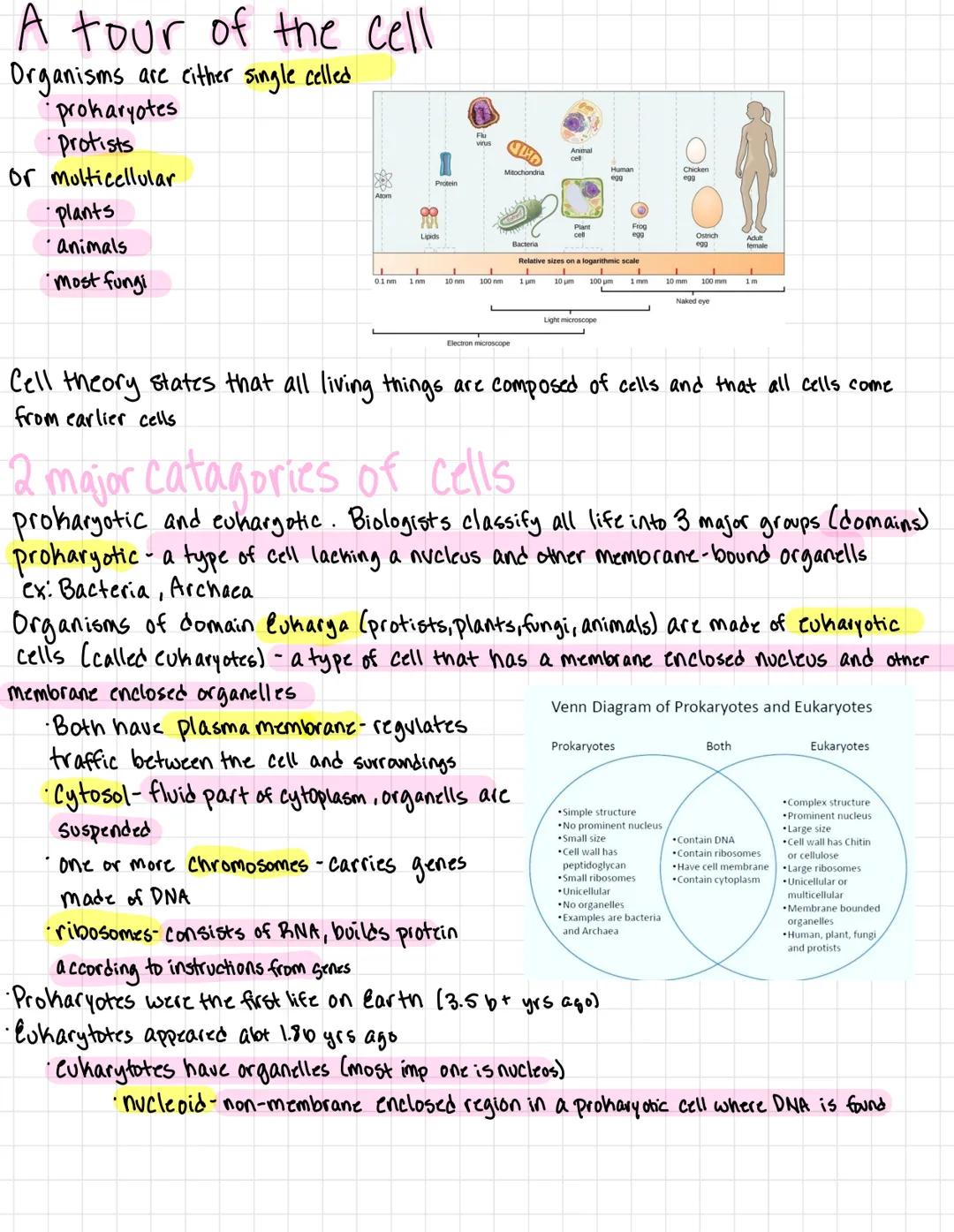
Cell Basics and Types
Ever wonder what you're really made of? The answer is cells! Cell theory tells us that all living things are composed of cells, and all cells come from other cells.
There are two major categories of cells: prokaryotic and eukaryotic. Prokaryotes (bacteria and archaea) are simpler cells lacking a nucleus and membrane-bound organelles. They were the first life forms on Earth, appearing over 3.5 billion years ago. Eukaryotes (including humans, plants, fungi, and protists) emerged around 1.8 billion years ago and have more complex structures.
Both cell types share some features: a plasma membrane that regulates what enters and exits the cell, cytosol (the fluid part of the cytoplasm), chromosomes that carry genetic information, and ribosomes that build proteins. However, eukaryotic cells are typically larger and more complex, containing numerous organelles and a prominent nucleus that houses the DNA.
💡 Think of prokaryotic cells as studio apartments (simple, open layout) and eukaryotic cells as large houses with many specialized rooms (organelles) for different functions!
2
of 7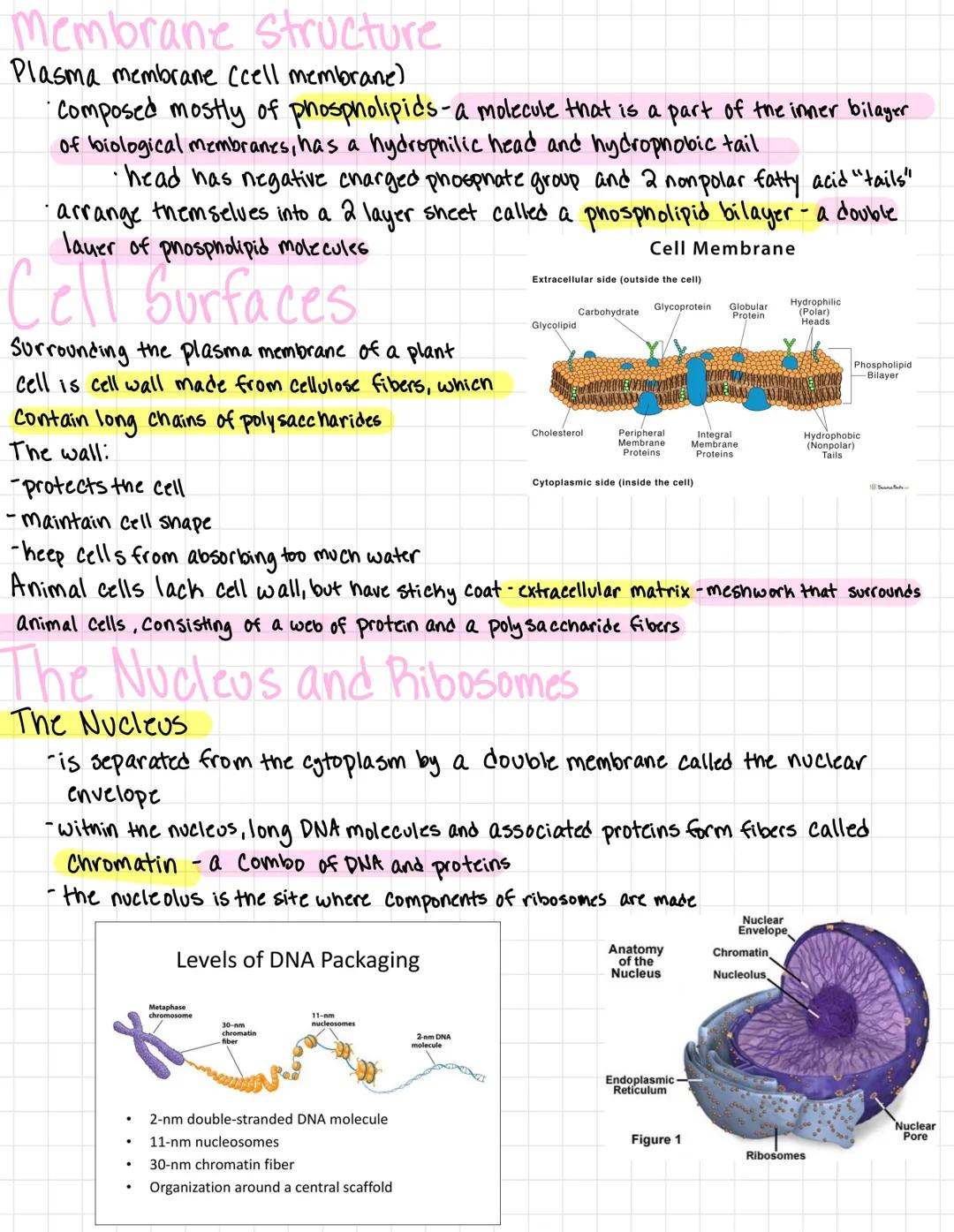
Cell Membranes and Surfaces
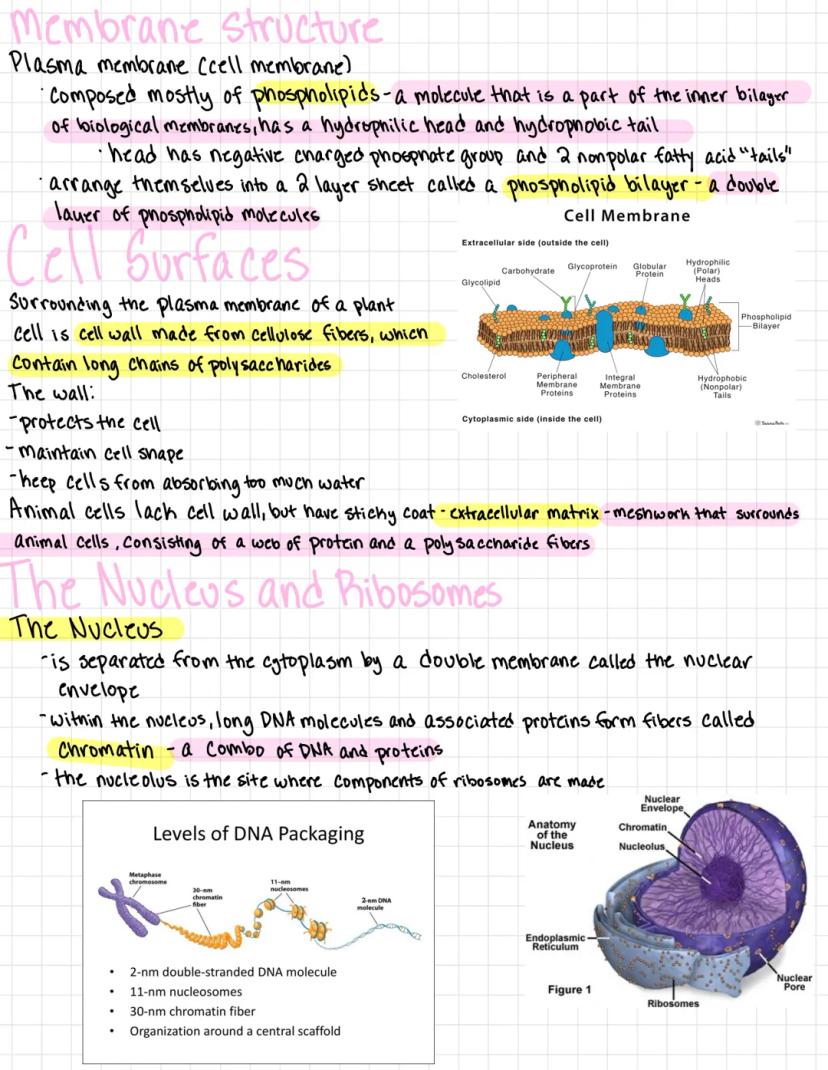
The cell membrane is like your skin—it's what separates you from the outside world! The plasma membrane is mainly composed of phospholipids, fascinating molecules with a water-loving (hydrophilic) head and water-fearing (hydrophobic) tails. These arrange themselves into a double layer called a phospholipid bilayer.
Different types of cells have different protective outer layers. Plant cells have a rigid cell wall made of cellulose fibers that protects the cell, maintains its shape, and prevents it from absorbing too much water. Animal cells lack cell walls but have a sticky coat called the extracellular matrix—a meshwork of protein and polysaccharide fibers that surrounds and supports cells.
The nucleus is the control center of eukaryotic cells, separated from the cytoplasm by a double membrane called the nuclear envelope. Inside the nucleus, long DNA molecules and associated proteins form fibers called chromatin. The nucleolus, found within the nucleus, is where components of ribosomes are made.
🔍 The DNA in your cells is packaged incredibly efficiently! If stretched out, the DNA from a single cell would be about 6 feet long, yet it fits inside a nucleus only a few micrometers in diameter.
3
of 7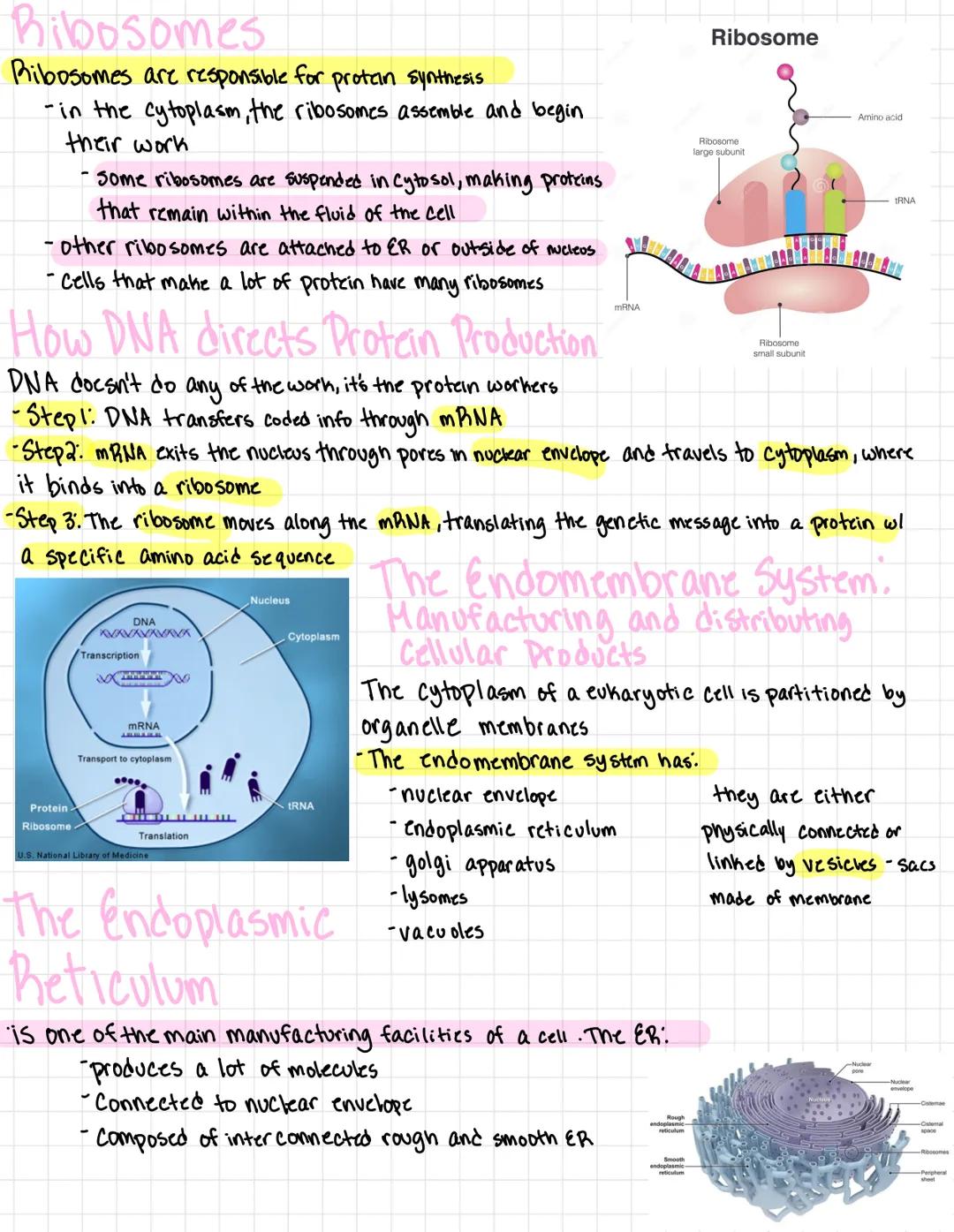
Ribosomes and Protein Production
Ribosomes are the protein factories of your cells! These tiny but crucial organelles are responsible for protein synthesis, assembling amino acids into the proteins that do most of the work in your body.
The process of making proteins involves several steps. First, DNA transfers coded information through mRNA (messenger RNA) in a process called transcription. Next, the mRNA exits the nucleus through pores and travels to the cytoplasm, where it binds to a ribosome. Finally, the ribosome moves along the mRNA, translating the genetic message into a protein with a specific amino acid sequence.
Some ribosomes float freely in the cytosol, while others attach to the Endoplasmic Reticulum (ER), one of the main manufacturing facilities in the cell. The ER is connected to the nuclear envelope and is composed of interconnected rough and smooth sections. Cells that make lots of proteins, like pancreatic cells that produce digestive enzymes, have many ribosomes.
🧪 Your body makes about 2 million proteins per second! Each ribosome can assemble proteins at a rate of about 200 amino acids per minute.
4
of 7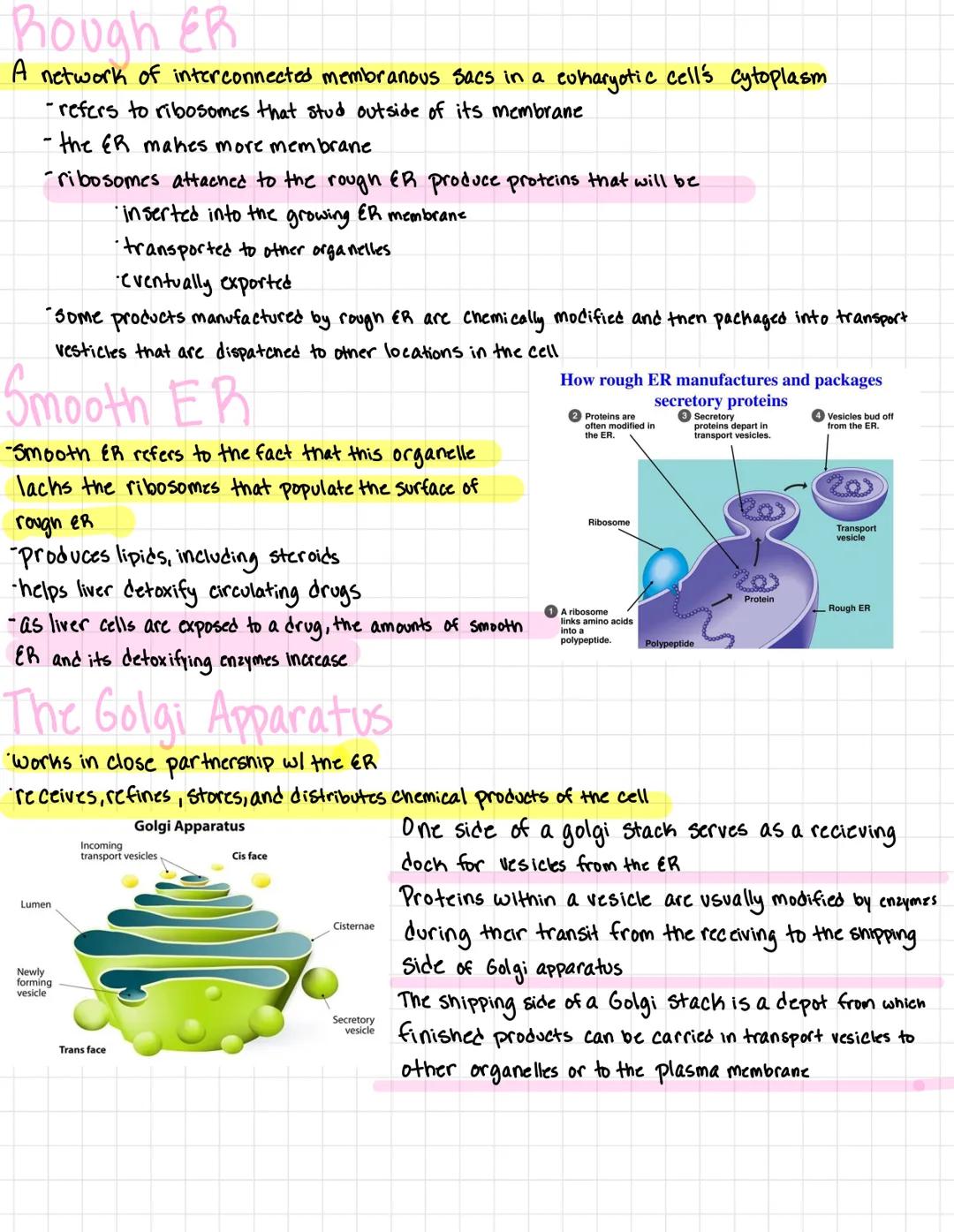
The Endoplasmic Reticulum and Golgi Apparatus
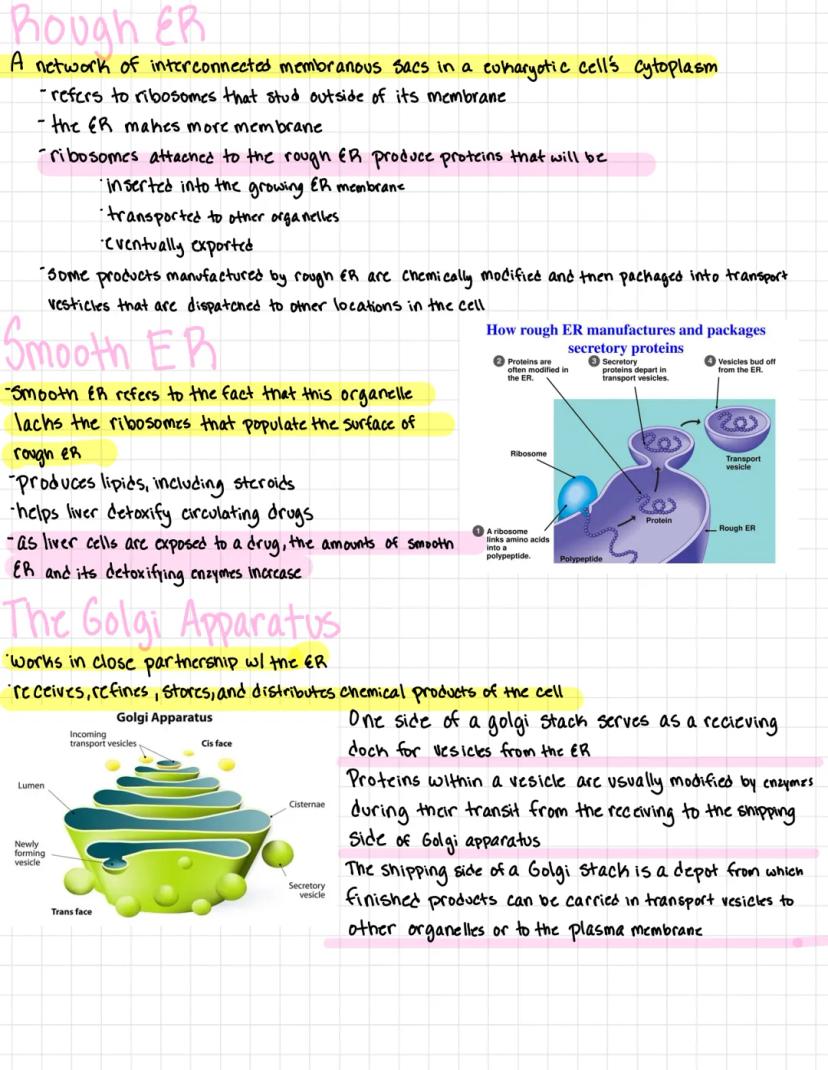
The Rough ER is like your cell's manufacturing plant. It gets its "rough" appearance from the ribosomes attached to its membrane. These ribosomes produce proteins that will either become part of the ER membrane, be transported to other organelles, or be exported from the cell. The ER also makes more membrane for the cell's growth and repair.
The Smooth ER lacks ribosomes and specializes in lipid production, including steroids. It also helps detoxify circulating drugs—which is why your liver (full of smooth ER) can process medications. Interestingly, when your liver cells are regularly exposed to certain drugs, the amount of smooth ER actually increases to help detoxify them more efficiently!
Working closely with the ER is the Golgi Apparatus, which receives, refines, stores, and distributes the cell's chemical products. Think of it as your cell's packaging and shipping department. One side serves as a receiving dock for vesicles from the ER. As proteins move through the Golgi, they're modified by enzymes, then sent out in transport vesicles to their final destinations—either to other organelles or to the plasma membrane for secretion.
🔄 The Golgi Apparatus is constantly busy! In some cells, a protein can move through the entire Golgi stack in as little as 20 minutes, being modified at each step before reaching its final destination.
5
of 7
Lysosomes and Vacuoles
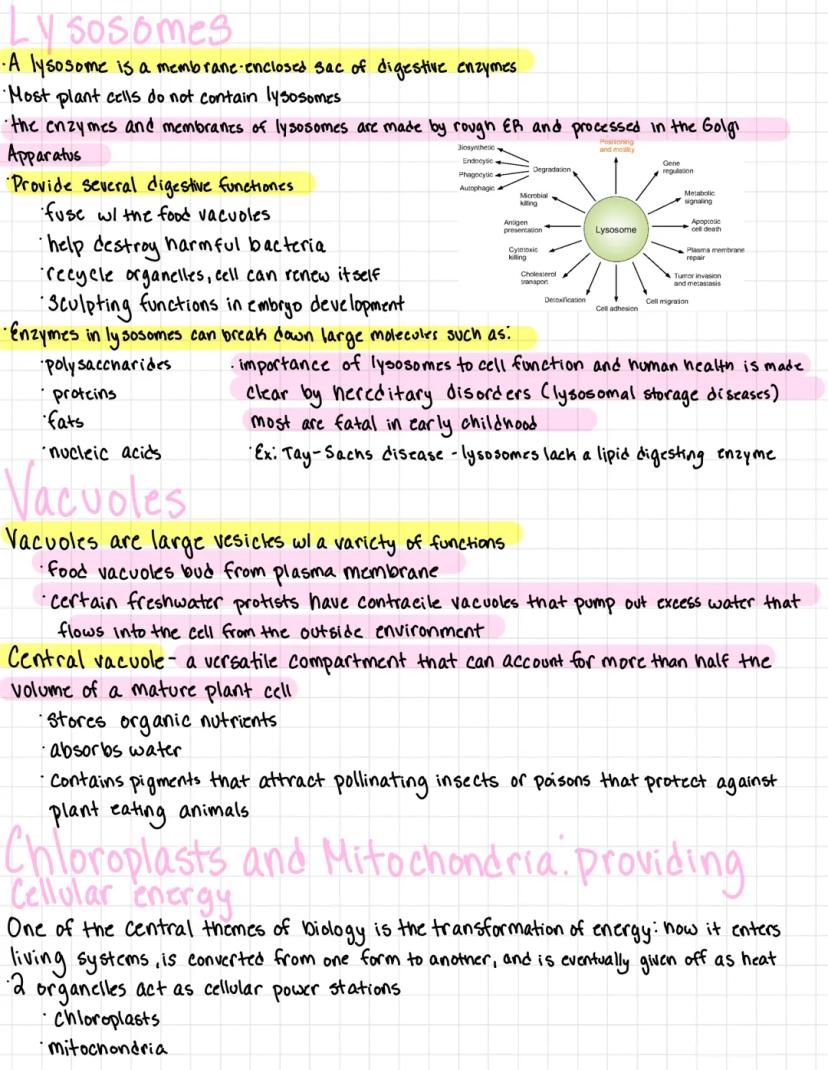
Lysosomes are like the cleanup crew of your cells! These membrane-enclosed sacs contain powerful digestive enzymes that break down large molecules like proteins, fats, and carbohydrates. Made by the rough ER and processed in the Golgi apparatus, lysosomes serve several crucial functions: they fuse with food vacuoles, help destroy harmful bacteria, and recycle old organelles so the cell can renew itself.
The importance of lysosomes is highlighted by hereditary disorders called lysosomal storage diseases. Tay-Sachs disease, for example, occurs when lysosomes lack a lipid-digesting enzyme, causing harmful substances to accumulate in brain cells. Most of these disorders are fatal in early childhood, showing just how essential lysosomes are to proper cell function.
Vacuoles are large vesicles with varied functions across different cell types. In protists, contractile vacuoles pump out excess water that flows into the cell. Plant cells feature a central vacuole that can account for more than half the cell's volume! This versatile compartment stores nutrients, absorbs water, and may contain pigments that attract pollinating insects or poisons that protect against plant-eating animals.
💦 The central vacuole in plant cells is so powerful that when filled with water, it creates turgor pressure that helps support the plant. When plants wilt, it's often because these vacuoles have lost water!
6
of 7
Chloroplasts and Mitochondria
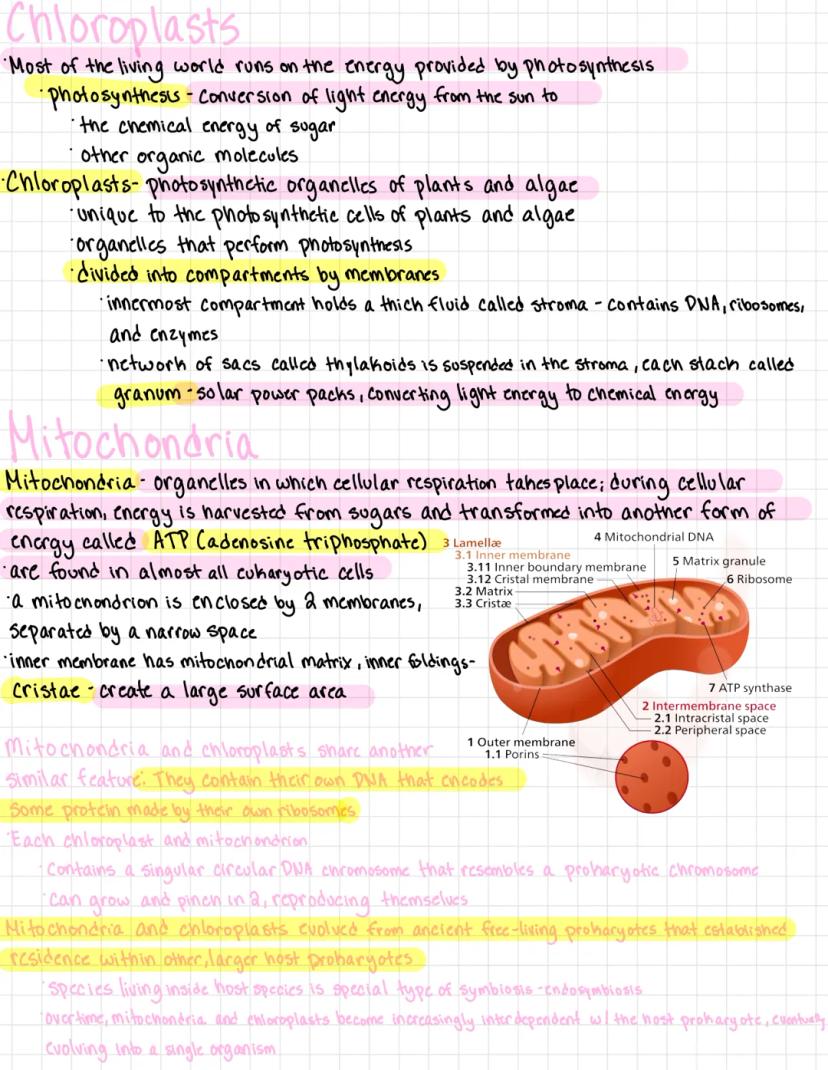
Most life on Earth depends on energy from photosynthesis! Chloroplasts are the specialized organelles that perform this crucial process, converting light energy from the sun into the chemical energy of sugar and other organic molecules.
Found only in plant and algae cells, chloroplasts are divided into compartments by membranes. The innermost compartment holds a fluid called the stroma, which contains DNA, ribosomes, and enzymes. Within the stroma, a network of sacs called thylakoids (stacked into structures called grana) act like solar power packs, capturing light energy and converting it to chemical energy.
Mitochondria are the powerhouses in nearly all eukaryotic cells. During cellular respiration, they harvest energy from sugars and transform it into ATP (adenosine triphosphate), the energy currency your cells can readily use. Each mitochondrion has two membranes, with the inner membrane forming folds called cristae that create a large surface area for energy production.
Fascinatingly, both chloroplasts and mitochondria contain their own DNA and can reproduce themselves by dividing in two. Scientists believe they evolved from ancient free-living prokaryotes that established residence within larger host cells—a special type of symbiosis called endosymbiosis. Over time, these relationships became so interdependent that they evolved into the single organisms we see today.
⚡ Your brain cells contain thousands of mitochondria because they need so much energy! In fact, your brain uses about 20% of your body's energy despite being only 2% of your body weight.
7
of 7
The Cytoskeleton and Cell Movement
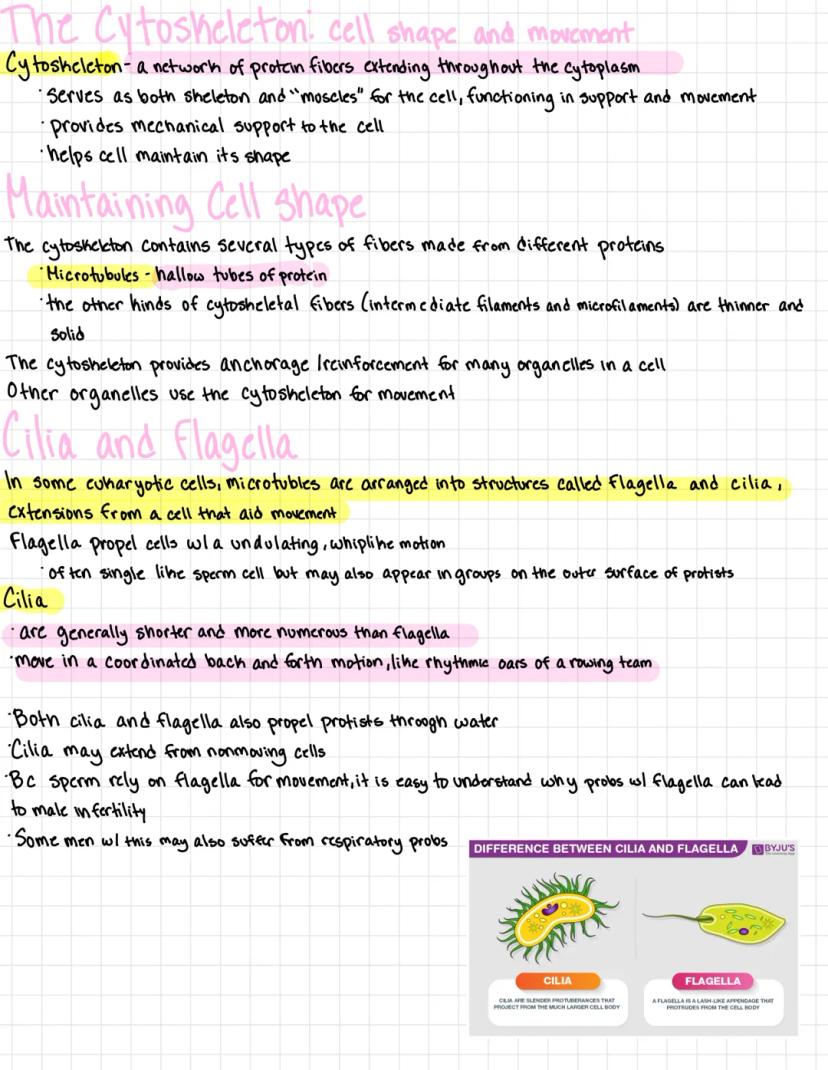
The cytoskeleton is like the scaffolding and muscles of your cells all in one! This network of protein fibers extends throughout the cytoplasm, providing mechanical support and helping cells maintain their shape. It also plays a key role in cell movement and the positioning of organelles.
Three main types of fibers make up the cytoskeleton. Microtubules are hollow tubes of protein that provide structural support. The other kinds—intermediate filaments and microfilaments—are thinner and solid. Together, these structures not only help maintain cell shape but also provide tracks along which organelles can move within the cell.
Some eukaryotic cells have extensions called flagella and cilia that aid in movement. Flagella propel cells with a whip-like motion—think of sperm cells swimming toward an egg. Cilia are generally shorter and more numerous than flagella, moving in a coordinated back-and-forth motion, like the rhythmic oars of a rowing team. While both structures can propel cells through water, cilia may also extend from stationary cells, where they perform other functions.
🏊 The connection between cilia and flagella extends beyond single cells! Men with defective flagella often experience infertility because sperm can't swim effectively. Interestingly, these same men may suffer from respiratory problems, as the airways are lined with cilia that help clear mucus from the lungs.
We thought you’d never ask...
What is the Knowunity AI companion?
Our AI companion is specifically built for the needs of students. Based on the millions of content pieces we have on the platform we can provide truly meaningful and relevant answers to students. But its not only about answers, the companion is even more about guiding students through their daily learning challenges, with personalised study plans, quizzes or content pieces in the chat and 100% personalisation based on the students skills and developments.
Where can I download the Knowunity app?
You can download the app in the Google Play Store and in the Apple App Store.
Is Knowunity really free of charge?
That's right! Enjoy free access to study content, connect with fellow students, and get instant help – all at your fingertips.
Similar Content
Most popular content in AP Biology
9I
AP BiologyIntroduction to Biological Elements of Life
Practice identifying the essential elements including carbon, nitrogen, phosphorus, and sulfur that compose biological macromolecules.
9th1,7390
I
AP BiologyIntroduction to Water Polarity and Bonding
Practice identifying partial charges and the chemical basis of hydrogen bond formation between polar water molecules.
9th8520
I
AP BiologyIntroduction to Biological Macromolecules
Practice identifying the four classes of biological macromolecules and the dehydration synthesis reactions that form their covalent bonds.
9th5890
I
AP BiologyIntroduction to Biological Macromolecules
Practice identifying the monomers and chemical compositions of carbohydrates, lipids, proteins, and nucleic acids in biological systems.
9th4460
I
AP BiologyIntroduction to Cell Compartmentalization
Practice identifying how membrane-bound organelles increase surface area and facilitate specialized chemical reactions in eukaryotic cells.
9th3370
C
AP BiologyComponents of the Plasma Membrane
Practice identifying the molecular structure of phospholipids, proteins, cholesterol, and carbohydrates within the fluid mosaic model.
9th2720
I
AP BiologyIntroduction to Evidence of Evolution
Practice identifying fundamental concepts of common ancestry, including homologous structures, vestigial traits, and the fossil record.
9th2010
AP BiologyBio 1000 Chapter 2 The Molecules of Cells
Cell Make up
College55211
F
AP BiologyFundamentals of Cell Size and Surface Area
Practice calculating surface area-to-volume ratios and defining how these geometric constraints limit the maximum size of a functional biological cell.
9th1550
Most popular content
9O
 AP US History
Origins and Dynamics of the Columbian Exchange
Analyze the ecological and economic motivations behind the initial transfer of goods, people, and diseases between the Old and New Worlds.
9th3,1280
I
AP US HistoryIntroduction to Early Cultural Interactions
Analyze the initial social and religious encounters between Europeans, Africans, and Indigenous peoples in the colonial Americas.
9th2,7730
O
 AP World History
Origins of Ancient River Civilizations
Analyze the environmental factors and technological innovations that led to the rise of early states in Mesopotamia, Egypt, and the Indus Valley.
9th3,1870
M
AP US HistoryMotivations for European Exploration
Analyze the economic, religious, and political factors that drove European powers to the Americas during the 15th and 16th centuries.
9th1,7780
F
 AP Psychology
Foundations of Ethical Guidelines in Research
Practice the core principles of the APA ethical code including informed consent, debriefing, and the role of Institutional Review Boards.
9th1,3360
I
AP US HistoryIntroduction to Native American Societies
Examine the diverse social, political, and economic structures of North American indigenous groups prior to European contact.
9th1,1100
I
AP BiologyIntroduction to Biological Elements of Life
Practice identifying the essential elements including carbon, nitrogen, phosphorus, and sulfur that compose biological macromolecules.
9th1,7390
I
AP US HistoryIntroduction to the Spanish Encomienda System
Explore the fundamental economic and social structures of the Spanish colonial system, focusing on the encomienda and the casta social hierarchy.
9th8890
O
AP World HistoryOrigins and Continuity of the Byzantine Empire
Analyze the political and cultural transitions from the Roman Empire to the Byzantine Empire, focusing on the reign of Justinian I and his code.
9th1,6320
Can't find what you're looking for? Explore other subjects.
Students love us — and so will you.
4.6/5App Store
4.7/5Google Play
The app is very easy to use and well designed. I have found everything I was looking for so far and have been able to learn a lot from the presentations! I will definitely use the app for a class assignment! And of course it also helps a lot as an inspiration.
Stefan SiOS user
This app is really great. There are so many study notes and help [...]. My problem subject is French, for example, and the app has so many options for help. Thanks to this app, I have improved my French. I would recommend it to anyone.
Samantha KlichAndroid user
Wow, I am really amazed. I just tried the app because I've seen it advertised many times and was absolutely stunned. This app is THE HELP you want for school and above all, it offers so many things, such as workouts and fact sheets, which have been VERY helpful to me personally.
AnnaiOS user
AP Biology92 views·Updated Jun 15, 2026·7 pagesUnderstanding Cell Membrane: Structure and Role
Katrina Stone@katrinastone02
Welcome to your guide on cell biology! We'll explore the fascinating world of cells, from their basic structures to the specialized components that keep them functioning. Understanding how cells work is like peeking into the microscopic factories that power all...
1
of 7
Sign up to see the content. It's free!
- Access to all documents
- Improve your grades
- Join milions of students
Cell Basics and Types
Ever wonder what you're really made of? The answer is cells! Cell theory tells us that all living things are composed of cells, and all cells come from other cells.
There are two major categories of cells: prokaryotic and eukaryotic. Prokaryotes (bacteria and archaea) are simpler cells lacking a nucleus and membrane-bound organelles. They were the first life forms on Earth, appearing over 3.5 billion years ago. Eukaryotes (including humans, plants, fungi, and protists) emerged around 1.8 billion years ago and have more complex structures.
Both cell types share some features: a plasma membrane that regulates what enters and exits the cell, cytosol (the fluid part of the cytoplasm), chromosomes that carry genetic information, and ribosomes that build proteins. However, eukaryotic cells are typically larger and more complex, containing numerous organelles and a prominent nucleus that houses the DNA.
💡 Think of prokaryotic cells as studio apartments (simple, open layout) and eukaryotic cells as large houses with many specialized rooms (organelles) for different functions!
2
of 7Sign up to see the content. It's free!
- Access to all documents
- Improve your grades
- Join milions of students
Cell Membranes and Surfaces
The cell membrane is like your skin—it's what separates you from the outside world! The plasma membrane is mainly composed of phospholipids, fascinating molecules with a water-loving (hydrophilic) head and water-fearing (hydrophobic) tails. These arrange themselves into a double layer called a phospholipid bilayer.
Different types of cells have different protective outer layers. Plant cells have a rigid cell wall made of cellulose fibers that protects the cell, maintains its shape, and prevents it from absorbing too much water. Animal cells lack cell walls but have a sticky coat called the extracellular matrix—a meshwork of protein and polysaccharide fibers that surrounds and supports cells.
The nucleus is the control center of eukaryotic cells, separated from the cytoplasm by a double membrane called the nuclear envelope. Inside the nucleus, long DNA molecules and associated proteins form fibers called chromatin. The nucleolus, found within the nucleus, is where components of ribosomes are made.
🔍 The DNA in your cells is packaged incredibly efficiently! If stretched out, the DNA from a single cell would be about 6 feet long, yet it fits inside a nucleus only a few micrometers in diameter.
3
of 7Sign up to see the content. It's free!
- Access to all documents
- Improve your grades
- Join milions of students
Ribosomes and Protein Production
Ribosomes are the protein factories of your cells! These tiny but crucial organelles are responsible for protein synthesis, assembling amino acids into the proteins that do most of the work in your body.
The process of making proteins involves several steps. First, DNA transfers coded information through mRNA (messenger RNA) in a process called transcription. Next, the mRNA exits the nucleus through pores and travels to the cytoplasm, where it binds to a ribosome. Finally, the ribosome moves along the mRNA, translating the genetic message into a protein with a specific amino acid sequence.
Some ribosomes float freely in the cytosol, while others attach to the Endoplasmic Reticulum (ER), one of the main manufacturing facilities in the cell. The ER is connected to the nuclear envelope and is composed of interconnected rough and smooth sections. Cells that make lots of proteins, like pancreatic cells that produce digestive enzymes, have many ribosomes.
🧪 Your body makes about 2 million proteins per second! Each ribosome can assemble proteins at a rate of about 200 amino acids per minute.
4
of 7Sign up to see the content. It's free!
- Access to all documents
- Improve your grades
- Join milions of students
The Endoplasmic Reticulum and Golgi Apparatus
The Rough ER is like your cell's manufacturing plant. It gets its "rough" appearance from the ribosomes attached to its membrane. These ribosomes produce proteins that will either become part of the ER membrane, be transported to other organelles, or be exported from the cell. The ER also makes more membrane for the cell's growth and repair.
The Smooth ER lacks ribosomes and specializes in lipid production, including steroids. It also helps detoxify circulating drugs—which is why your liver (full of smooth ER) can process medications. Interestingly, when your liver cells are regularly exposed to certain drugs, the amount of smooth ER actually increases to help detoxify them more efficiently!
Working closely with the ER is the Golgi Apparatus, which receives, refines, stores, and distributes the cell's chemical products. Think of it as your cell's packaging and shipping department. One side serves as a receiving dock for vesicles from the ER. As proteins move through the Golgi, they're modified by enzymes, then sent out in transport vesicles to their final destinations—either to other organelles or to the plasma membrane for secretion.
🔄 The Golgi Apparatus is constantly busy! In some cells, a protein can move through the entire Golgi stack in as little as 20 minutes, being modified at each step before reaching its final destination.
5
of 7Sign up to see the content. It's free!
- Access to all documents
- Improve your grades
- Join milions of students
Lysosomes and Vacuoles
Lysosomes are like the cleanup crew of your cells! These membrane-enclosed sacs contain powerful digestive enzymes that break down large molecules like proteins, fats, and carbohydrates. Made by the rough ER and processed in the Golgi apparatus, lysosomes serve several crucial functions: they fuse with food vacuoles, help destroy harmful bacteria, and recycle old organelles so the cell can renew itself.
The importance of lysosomes is highlighted by hereditary disorders called lysosomal storage diseases. Tay-Sachs disease, for example, occurs when lysosomes lack a lipid-digesting enzyme, causing harmful substances to accumulate in brain cells. Most of these disorders are fatal in early childhood, showing just how essential lysosomes are to proper cell function.
Vacuoles are large vesicles with varied functions across different cell types. In protists, contractile vacuoles pump out excess water that flows into the cell. Plant cells feature a central vacuole that can account for more than half the cell's volume! This versatile compartment stores nutrients, absorbs water, and may contain pigments that attract pollinating insects or poisons that protect against plant-eating animals.
💦 The central vacuole in plant cells is so powerful that when filled with water, it creates turgor pressure that helps support the plant. When plants wilt, it's often because these vacuoles have lost water!
6
of 7Sign up to see the content. It's free!
- Access to all documents
- Improve your grades
- Join milions of students
Chloroplasts and Mitochondria
Most life on Earth depends on energy from photosynthesis! Chloroplasts are the specialized organelles that perform this crucial process, converting light energy from the sun into the chemical energy of sugar and other organic molecules.
Found only in plant and algae cells, chloroplasts are divided into compartments by membranes. The innermost compartment holds a fluid called the stroma, which contains DNA, ribosomes, and enzymes. Within the stroma, a network of sacs called thylakoids (stacked into structures called grana) act like solar power packs, capturing light energy and converting it to chemical energy.
Mitochondria are the powerhouses in nearly all eukaryotic cells. During cellular respiration, they harvest energy from sugars and transform it into ATP (adenosine triphosphate), the energy currency your cells can readily use. Each mitochondrion has two membranes, with the inner membrane forming folds called cristae that create a large surface area for energy production.
Fascinatingly, both chloroplasts and mitochondria contain their own DNA and can reproduce themselves by dividing in two. Scientists believe they evolved from ancient free-living prokaryotes that established residence within larger host cells—a special type of symbiosis called endosymbiosis. Over time, these relationships became so interdependent that they evolved into the single organisms we see today.
⚡ Your brain cells contain thousands of mitochondria because they need so much energy! In fact, your brain uses about 20% of your body's energy despite being only 2% of your body weight.
7
of 7Sign up to see the content. It's free!
- Access to all documents
- Improve your grades
- Join milions of students
The Cytoskeleton and Cell Movement
The cytoskeleton is like the scaffolding and muscles of your cells all in one! This network of protein fibers extends throughout the cytoplasm, providing mechanical support and helping cells maintain their shape. It also plays a key role in cell movement and the positioning of organelles.
Three main types of fibers make up the cytoskeleton. Microtubules are hollow tubes of protein that provide structural support. The other kinds—intermediate filaments and microfilaments—are thinner and solid. Together, these structures not only help maintain cell shape but also provide tracks along which organelles can move within the cell.
Some eukaryotic cells have extensions called flagella and cilia that aid in movement. Flagella propel cells with a whip-like motion—think of sperm cells swimming toward an egg. Cilia are generally shorter and more numerous than flagella, moving in a coordinated back-and-forth motion, like the rhythmic oars of a rowing team. While both structures can propel cells through water, cilia may also extend from stationary cells, where they perform other functions.
🏊 The connection between cilia and flagella extends beyond single cells! Men with defective flagella often experience infertility because sperm can't swim effectively. Interestingly, these same men may suffer from respiratory problems, as the airways are lined with cilia that help clear mucus from the lungs.
We thought you’d never ask...
What is the Knowunity AI companion?
Our AI companion is specifically built for the needs of students. Based on the millions of content pieces we have on the platform we can provide truly meaningful and relevant answers to students. But its not only about answers, the companion is even more about guiding students through their daily learning challenges, with personalised study plans, quizzes or content pieces in the chat and 100% personalisation based on the students skills and developments.
Where can I download the Knowunity app?
You can download the app in the Google Play Store and in the Apple App Store.
Is Knowunity really free of charge?
That's right! Enjoy free access to study content, connect with fellow students, and get instant help – all at your fingertips.
Similar Content
Most popular content in AP Biology
9I
AP BiologyIntroduction to Biological Elements of Life
Practice identifying the essential elements including carbon, nitrogen, phosphorus, and sulfur that compose biological macromolecules.
9th1,7390
I
AP BiologyIntroduction to Water Polarity and Bonding
Practice identifying partial charges and the chemical basis of hydrogen bond formation between polar water molecules.
9th8520
I
AP BiologyIntroduction to Biological Macromolecules
Practice identifying the four classes of biological macromolecules and the dehydration synthesis reactions that form their covalent bonds.
9th5890
I
AP BiologyIntroduction to Biological Macromolecules
Practice identifying the monomers and chemical compositions of carbohydrates, lipids, proteins, and nucleic acids in biological systems.
9th4460
I
AP BiologyIntroduction to Cell Compartmentalization
Practice identifying how membrane-bound organelles increase surface area and facilitate specialized chemical reactions in eukaryotic cells.
9th3370
C
AP BiologyComponents of the Plasma Membrane
Practice identifying the molecular structure of phospholipids, proteins, cholesterol, and carbohydrates within the fluid mosaic model.
9th2720
I
AP BiologyIntroduction to Evidence of Evolution
Practice identifying fundamental concepts of common ancestry, including homologous structures, vestigial traits, and the fossil record.
9th2010
AP BiologyBio 1000 Chapter 2 The Molecules of Cells
Cell Make up
College55211
F
AP BiologyFundamentals of Cell Size and Surface Area
Practice calculating surface area-to-volume ratios and defining how these geometric constraints limit the maximum size of a functional biological cell.
9th1550
Most popular content
9O
AP US HistoryOrigins and Dynamics of the Columbian Exchange
Analyze the ecological and economic motivations behind the initial transfer of goods, people, and diseases between the Old and New Worlds.
9th3,1280
I
AP US HistoryIntroduction to Early Cultural Interactions
Analyze the initial social and religious encounters between Europeans, Africans, and Indigenous peoples in the colonial Americas.
9th2,7730
O
AP World HistoryOrigins of Ancient River Civilizations
Analyze the environmental factors and technological innovations that led to the rise of early states in Mesopotamia, Egypt, and the Indus Valley.
9th3,1870
M
AP US HistoryMotivations for European Exploration
Analyze the economic, religious, and political factors that drove European powers to the Americas during the 15th and 16th centuries.
9th1,7780
F
AP PsychologyFoundations of Ethical Guidelines in Research
Practice the core principles of the APA ethical code including informed consent, debriefing, and the role of Institutional Review Boards.
9th1,3360
I
AP US HistoryIntroduction to Native American Societies
Examine the diverse social, political, and economic structures of North American indigenous groups prior to European contact.
9th1,1100
I
AP BiologyIntroduction to Biological Elements of Life
Practice identifying the essential elements including carbon, nitrogen, phosphorus, and sulfur that compose biological macromolecules.
9th1,7390
I
AP US HistoryIntroduction to the Spanish Encomienda System
Explore the fundamental economic and social structures of the Spanish colonial system, focusing on the encomienda and the casta social hierarchy.
9th8890
O
AP World HistoryOrigins and Continuity of the Byzantine Empire
Analyze the political and cultural transitions from the Roman Empire to the Byzantine Empire, focusing on the reign of Justinian I and his code.
9th1,6320
Can't find what you're looking for? Explore other subjects.
Students love us — and so will you.
4.6/5App Store
4.7/5Google Play
The app is very easy to use and well designed. I have found everything I was looking for so far and have been able to learn a lot from the presentations! I will definitely use the app for a class assignment! And of course it also helps a lot as an inspiration.
Stefan SiOS user
This app is really great. There are so many study notes and help [...]. My problem subject is French, for example, and the app has so many options for help. Thanks to this app, I have improved my French. I would recommend it to anyone.
Samantha KlichAndroid user
Wow, I am really amazed. I just tried the app because I've seen it advertised many times and was absolutely stunned. This app is THE HELP you want for school and above all, it offers so many things, such as workouts and fact sheets, which have been VERY helpful to me personally.
AnnaiOS user