
Understanding the fundamentals of biology requires mastering key concepts about...
 AP Biology591 views·Updated Jun 13, 2026·25 pages
Biology Full Class Notes PDF Free Download - Easy and Fun Learning!
N
Nate Ridl@nateridl_ycjf
1 / 10
1
of 10
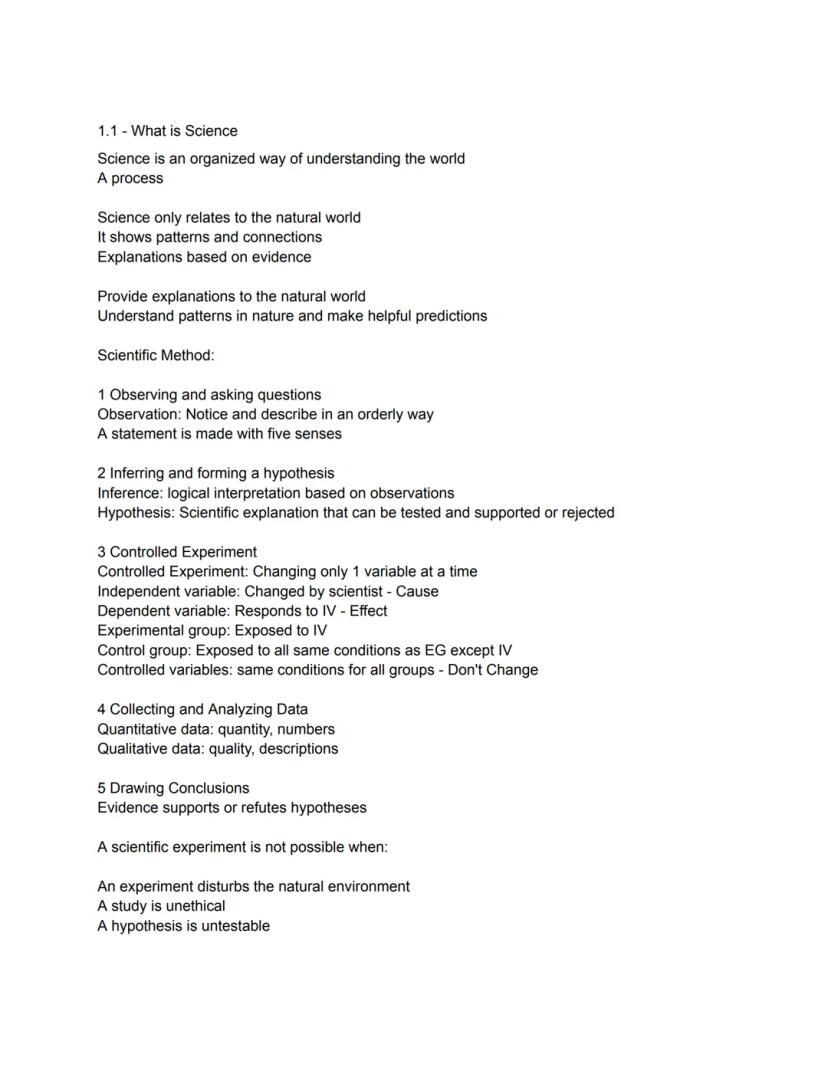
Understanding Scientific Method and Basic Biology Concepts
The scientific method forms the foundation of all biological research, providing a systematic approach to understanding the natural world. Scientific method and controlled experiment examples demonstrate how researchers gather evidence and draw conclusions. This process begins with careful observation using our five senses, followed by making inferences and developing testable hypotheses.
A crucial component is the controlled experiment, where scientists manipulate one variable while keeping all other conditions constant. The independent variable represents the factor being tested, while the dependent variable shows the measured response. What is a control experiment in biology involves maintaining an experimental group exposed to the variable being tested and a control group that experiences identical conditions except for that variable.
Data collection involves both quantitative measurements (numerical data) and qualitative observations (descriptive information). Scientists must remain objective and avoid personal bias, which is why peer review and collaboration are essential parts of the scientific process. What is the purpose of a control in an experiment is to provide a baseline for comparison and ensure that any observed changes can be attributed to the variable being tested.
Definition: A controlled experiment is a scientific test where only one variable is changed while all other conditions remain constant, allowing researchers to determine cause-and-effect relationships.
2
of 10
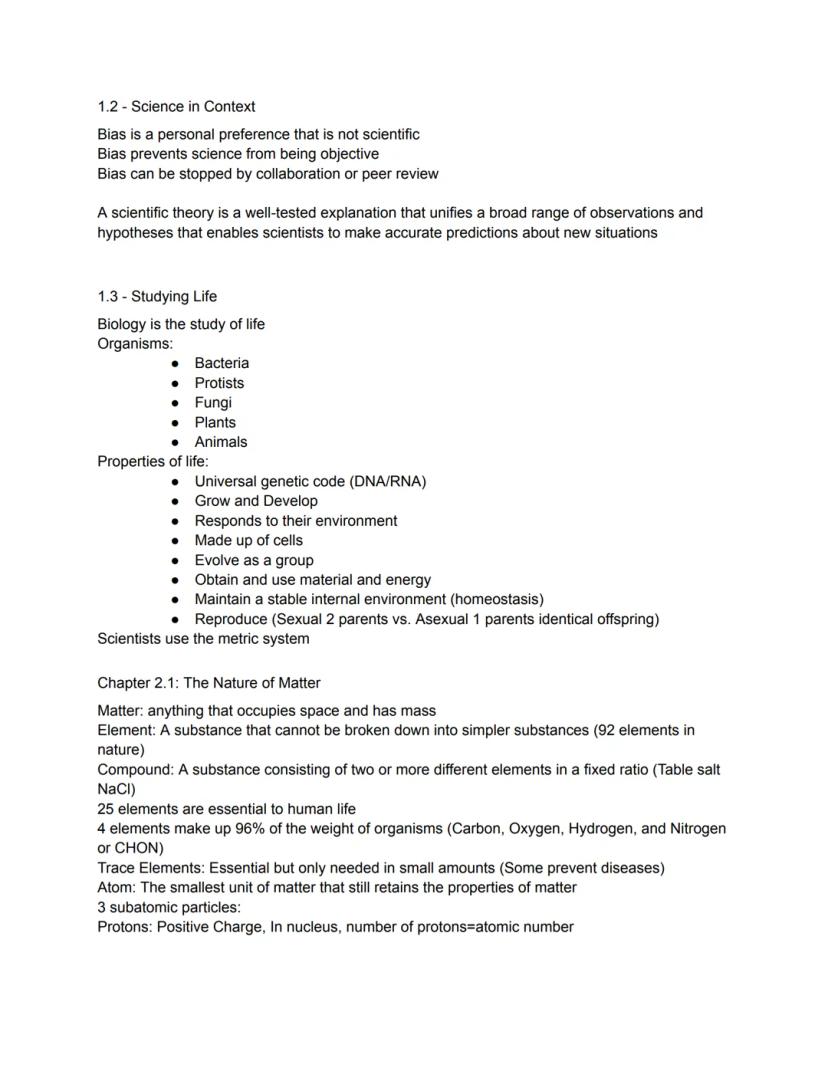
Properties of Life and Biological Organization
Properties of life biology encompasses several key characteristics that distinguish living things from non-living matter. The seven fundamental properties of life examples include:
- Universal genetic code
- Growth and development
- Response to environment
- Cellular organization
- Evolution
- Energy processing
- Homeostasis maintenance
Properties of living things demonstrate remarkable complexity and organization. Living organisms maintain properties of life regulation through various mechanisms, with homeostasis being particularly crucial for survival. Properties of life order example can be observed in how cells organize themselves into tissues, organs, and organ systems.
Highlight: All living organisms share these seven fundamental properties, though they may express them in different ways depending on their complexity and environment.
3
of 10
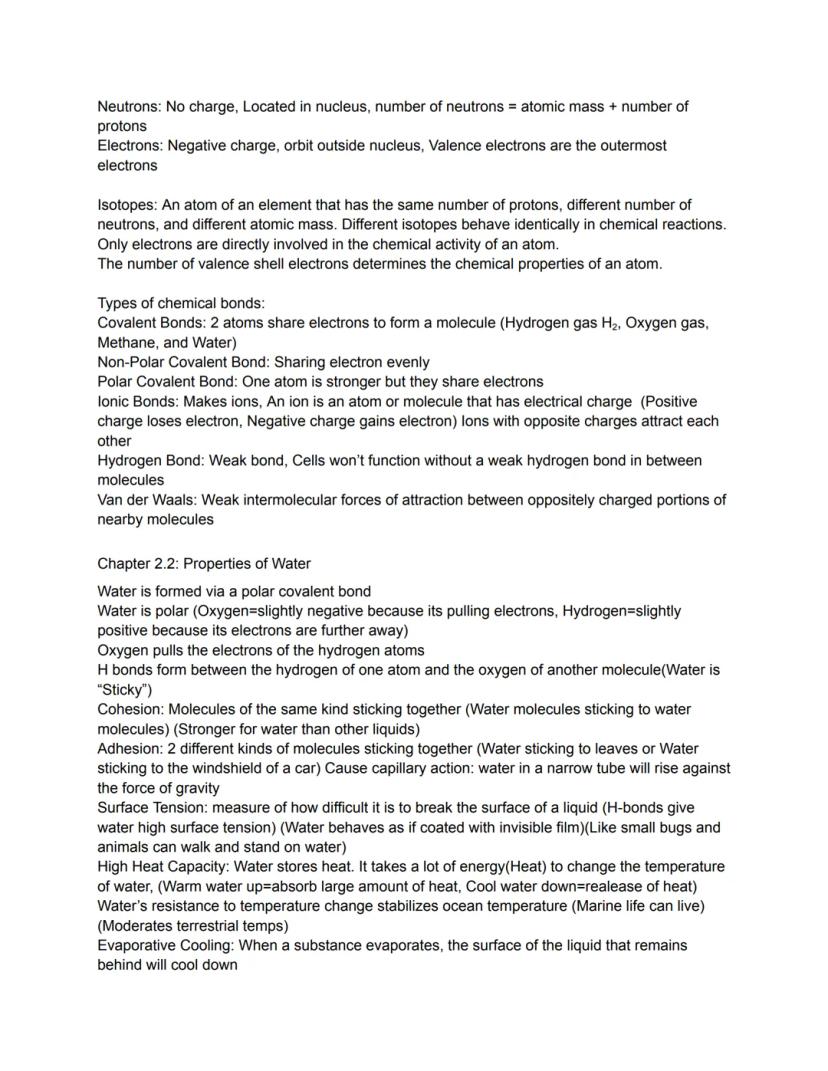
The Nature of Matter in Biology
Matter forms the physical basis for all biological processes. Elements are pure substances that cannot be broken down further through chemical means, while compounds consist of two or more elements in fixed ratios. The four most abundant elements in living organisms make up 96% of biological matter.
Atoms, the smallest units of matter retaining chemical properties, consist of three subatomic particles: protons (positive charge), neutrons (neutral charge), and electrons (negative charge). Chemical bonds between atoms create molecules essential for life. These bonds can be covalent (shared electrons), ionic (electron transfer), or weak hydrogen bonds.
Vocabulary: Isotopes are atoms of the same element with different numbers of neutrons, affecting their atomic mass but not their chemical behavior.
4
of 10
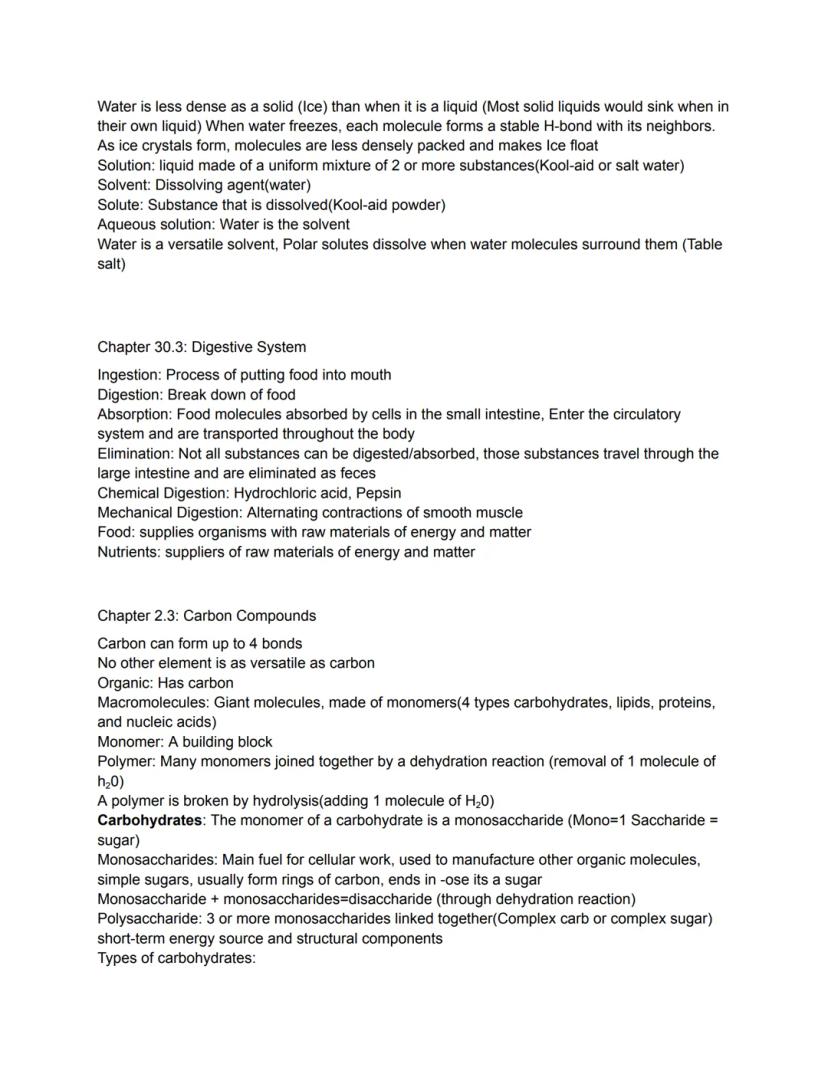
Carbon Compounds and Biological Molecules
Carbon's unique ability to form up to four stable bonds makes it the cornerstone of biological molecules. Macromolecules, the large complex molecules of life, consist of smaller building blocks called monomers. The four major types of biological macromolecules are carbohydrates, lipids, proteins, and nucleic acids.
Carbohydrates serve as primary energy sources and structural components in living organisms. They range from simple sugars (monosaccharides) to complex polysaccharides. The formation of these molecules occurs through dehydration reactions, while their breakdown involves hydrolysis.
Example: Glucose, a monosaccharide, serves as the main energy source for cells and can be linked together to form energy storage molecules like starch and glycogen.
5
of 10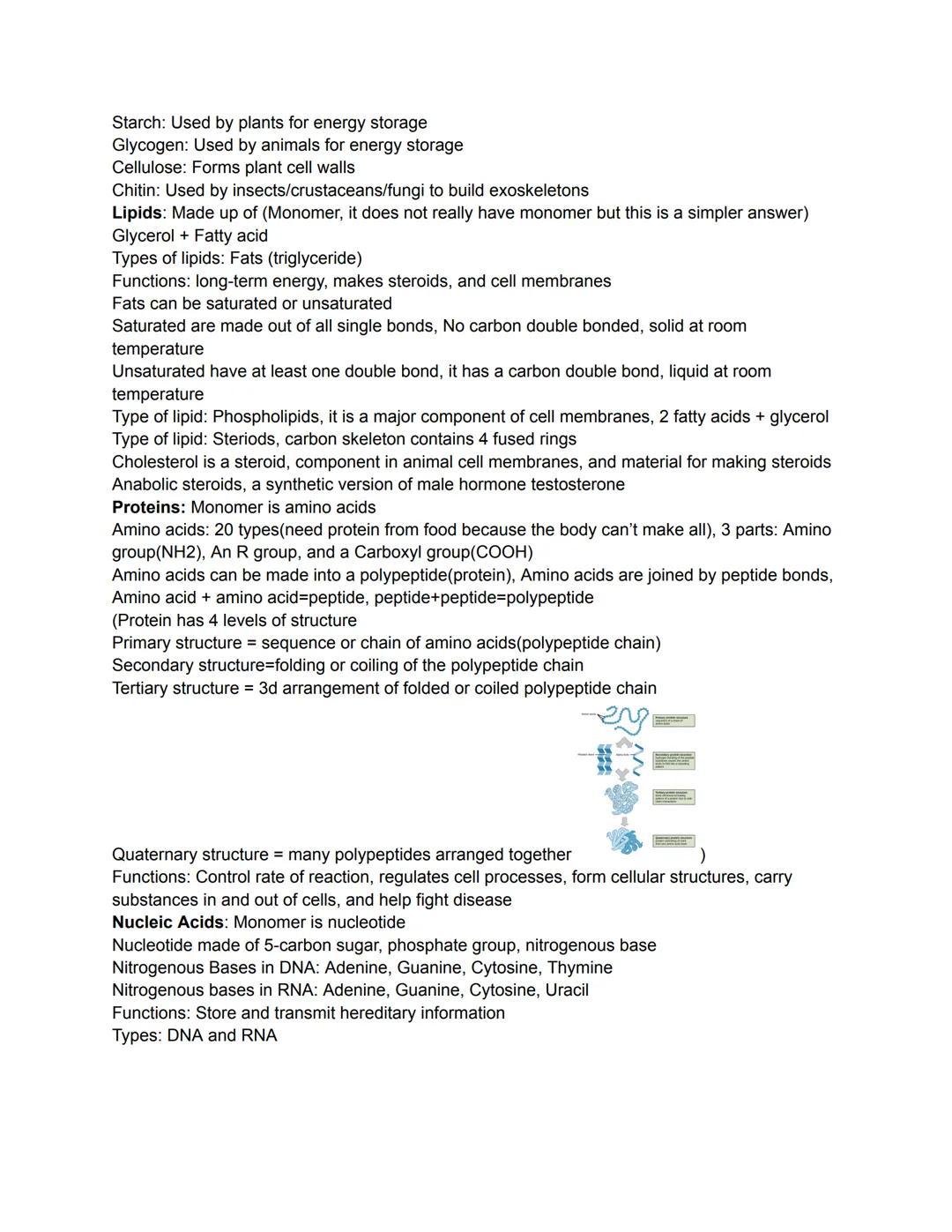
Understanding Biological Molecules and Their Functions
The fundamental building blocks of life include several key biological molecules that serve essential functions in living organisms. Properties of life biology are deeply connected to how these molecules interact and function within cells.
Carbohydrates serve as crucial energy storage molecules in living organisms. Plants store energy in the form of starch, while animals use glycogen. Cellulose, another important carbohydrate, forms plant cell walls, providing structural support. Meanwhile, chitin serves as a structural component in fungi and arthropod exoskeletons.
Lipids perform multiple vital functions in biological systems. These molecules, composed of glycerol and fatty acids, can be either saturated or unsaturated. Saturated fats contain only single bonds and are solid at room temperature, while unsaturated fats have at least one double bond and remain liquid at room temperature. Phospholipids, a special type of lipid, form cell membranes, while steroids like cholesterol serve as important membrane components and hormone precursors.
Definition: Proteins are complex molecules made up of amino acids that perform numerous essential functions in living organisms, from enzyme activity to structural support.
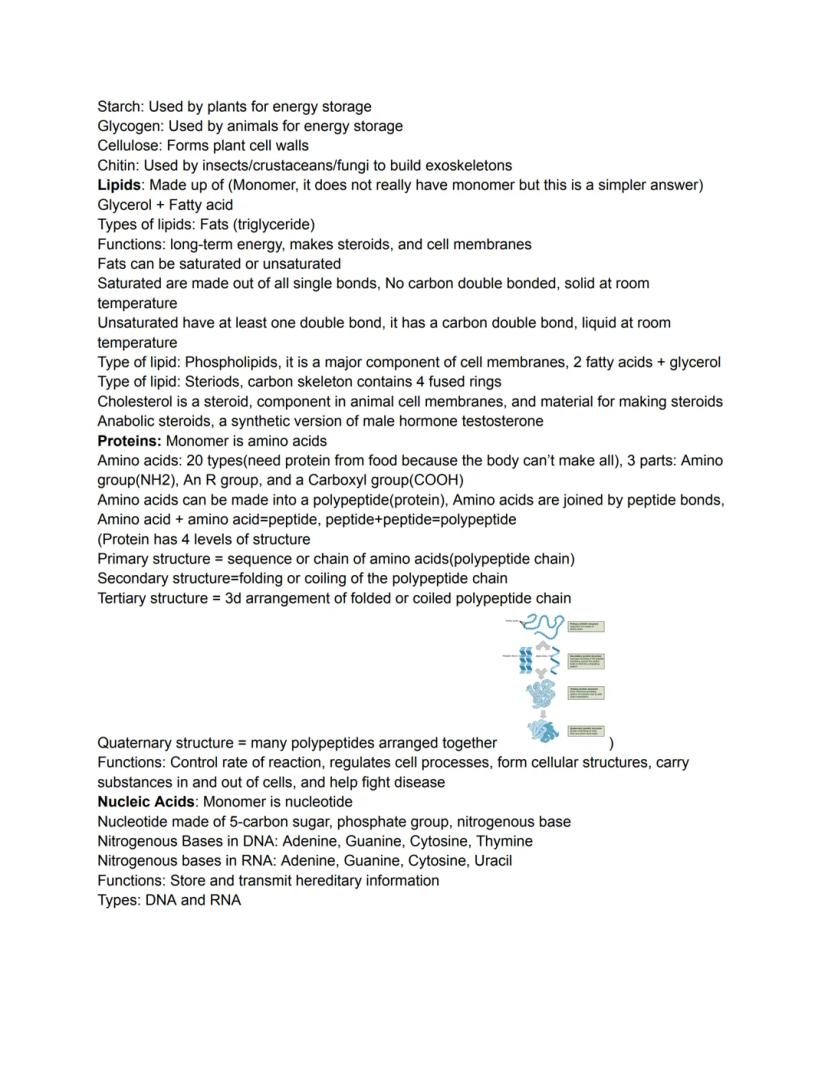
Proteins, composed of amino acid monomers, exhibit four levels of structure: primary (amino acid sequence), secondary (folding patterns), tertiary , and quaternary (multiple polypeptide arrangements). These versatile molecules control reaction rates, regulate cellular processes, and help fight diseases.
6
of 10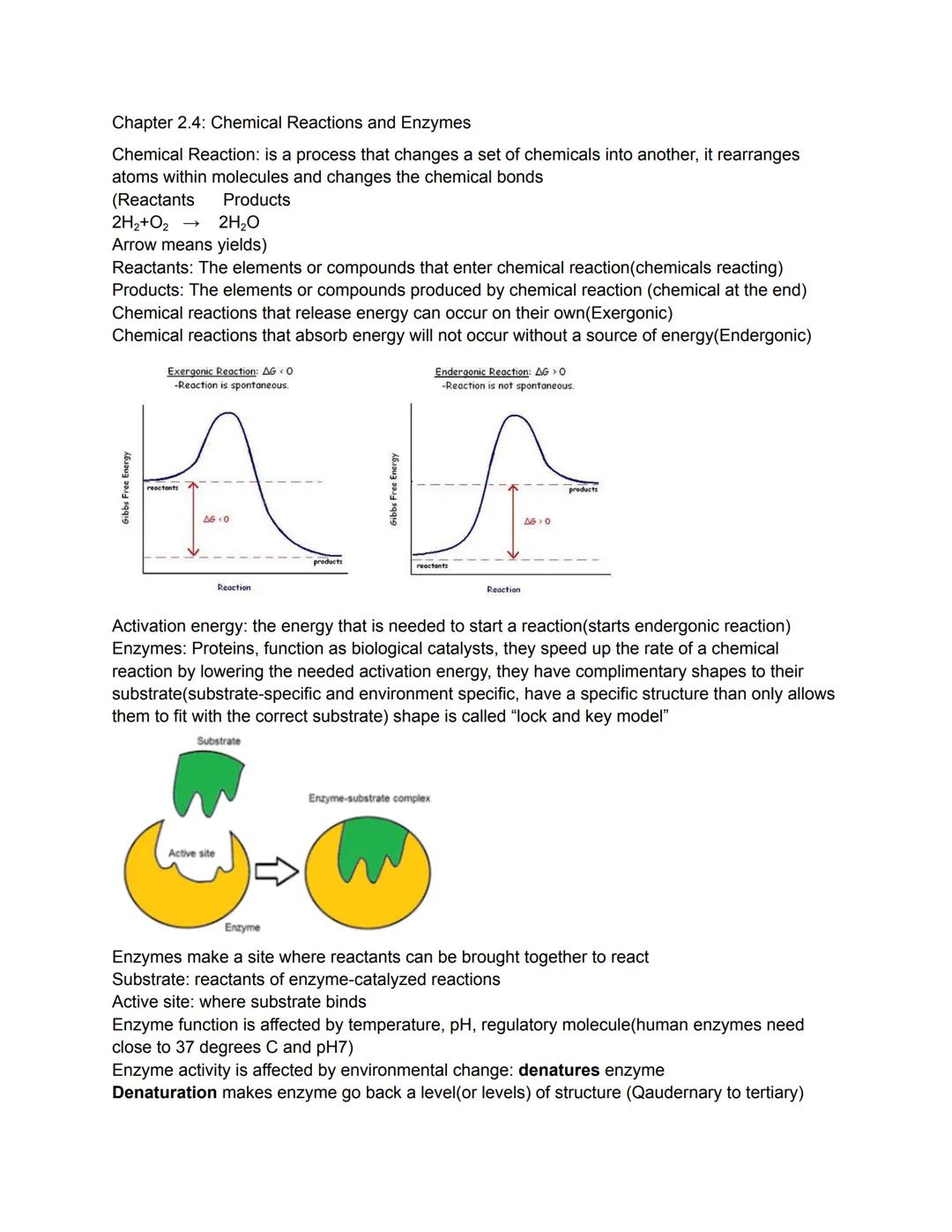
Chemical Reactions and Enzymatic Activity in Living Systems
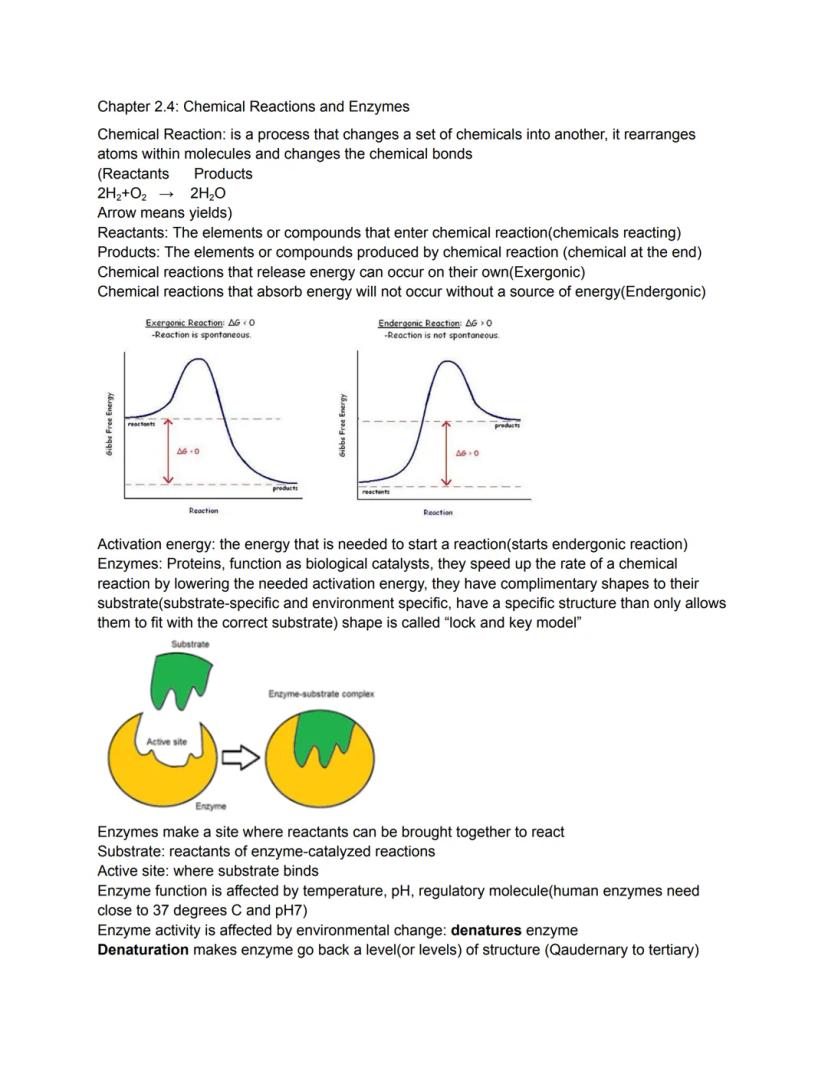
Chemical reactions form the basis of life processes, involving the rearrangement of atoms and changes in chemical bonds. These reactions can be either exergonic (releasing energy) or endergonic (requiring energy input).
Highlight: Enzymes are biological catalysts that significantly lower the activation energy required for chemical reactions, making them essential for life processes.
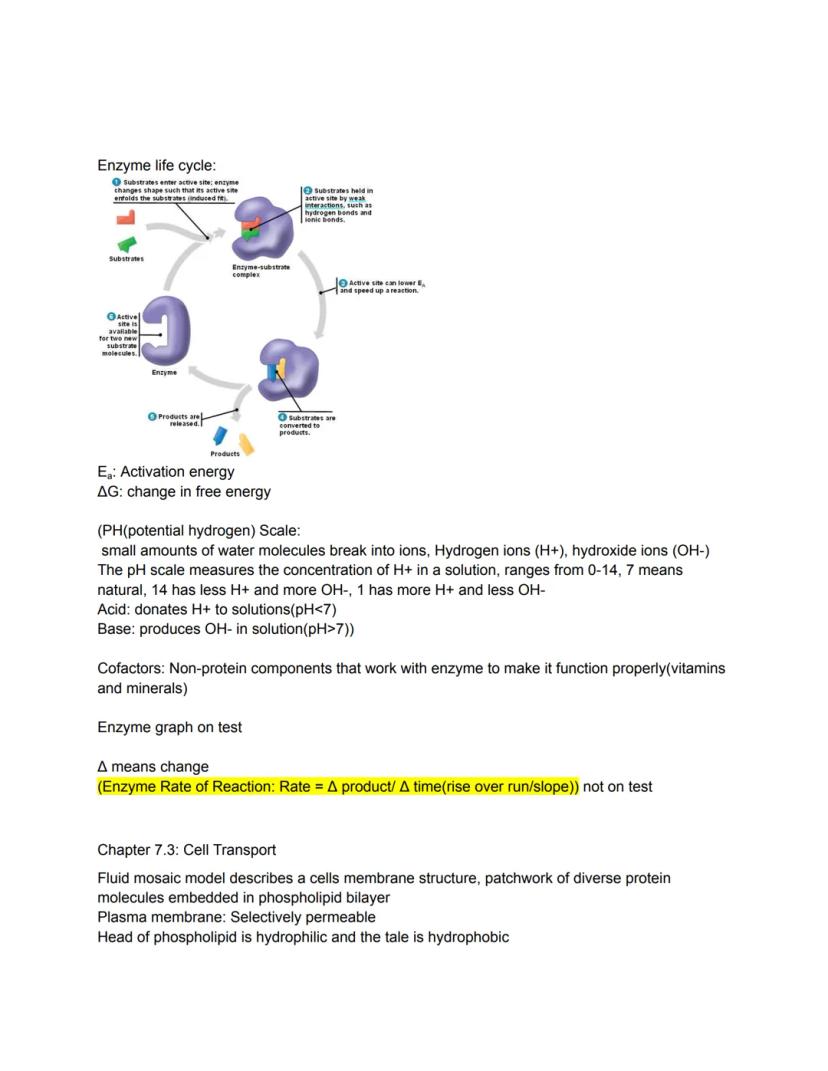
Enzymes function through a precise "lock and key" mechanism, where their active sites are specifically shaped to accommodate particular substrates. This specificity ensures that only the correct molecules participate in the intended reactions. Environmental factors such as temperature and pH significantly affect enzyme function, with human enzymes typically operating optimally at 37°C and pH 7.
The pH scale, ranging from 0 to 14, measures hydrogen ion concentration in solutions. Acids donate H+ ions (pH < 7), while bases produce OH- ions (pH > 7). This balance is crucial for proper enzyme function and cellular processes.
7
of 10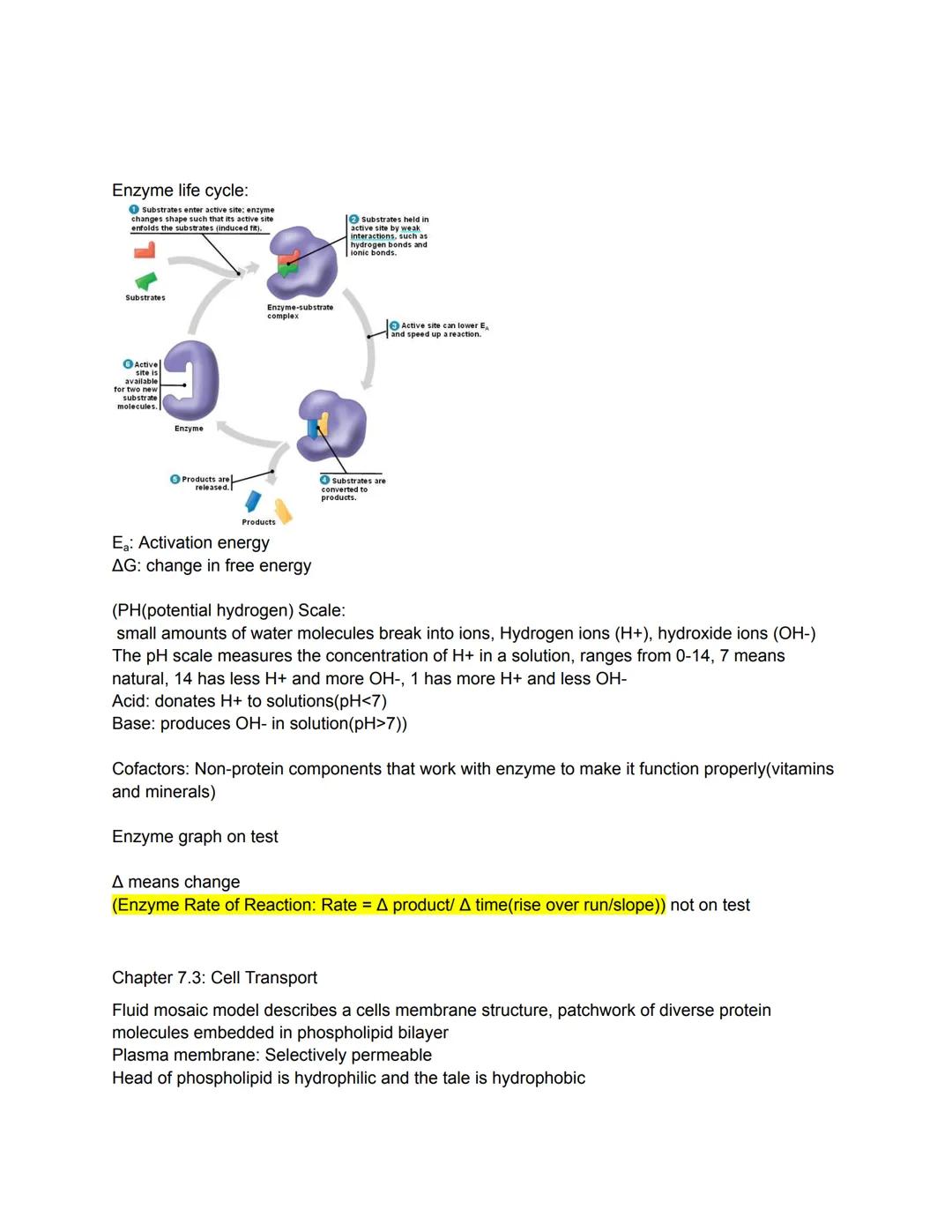
Cell Membrane Structure and Transport Mechanisms
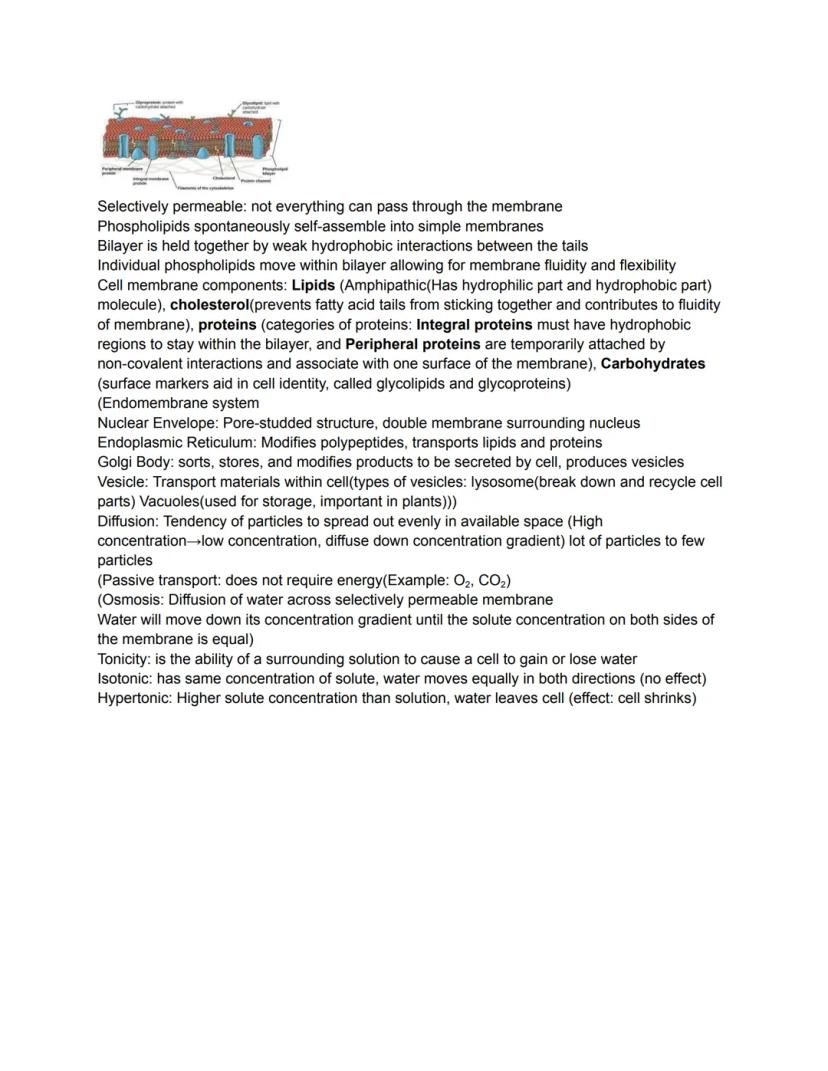
The cell membrane, described by the fluid mosaic model, consists of a phospholipid bilayer embedded with various proteins. This structure is selectively permeable, allowing only certain substances to pass through.
Vocabulary: Selectively permeable means that the membrane controls which substances can enter or exit the cell, maintaining essential cellular conditions.
Cell membranes contain several important components: phospholipids (with hydrophilic heads and hydrophobic tails), cholesterol (maintaining membrane fluidity), proteins (both integral and peripheral), and carbohydrates (serving as surface markers). The endomembrane system, including the nuclear envelope, endoplasmic reticulum, and Golgi body, works together to process and transport cellular materials.
Transport across cell membranes occurs through various mechanisms. Basic biology notes pdf often emphasize the importance of understanding these transport processes, including diffusion, osmosis, and active transport, as they are fundamental to cellular function.
8
of 10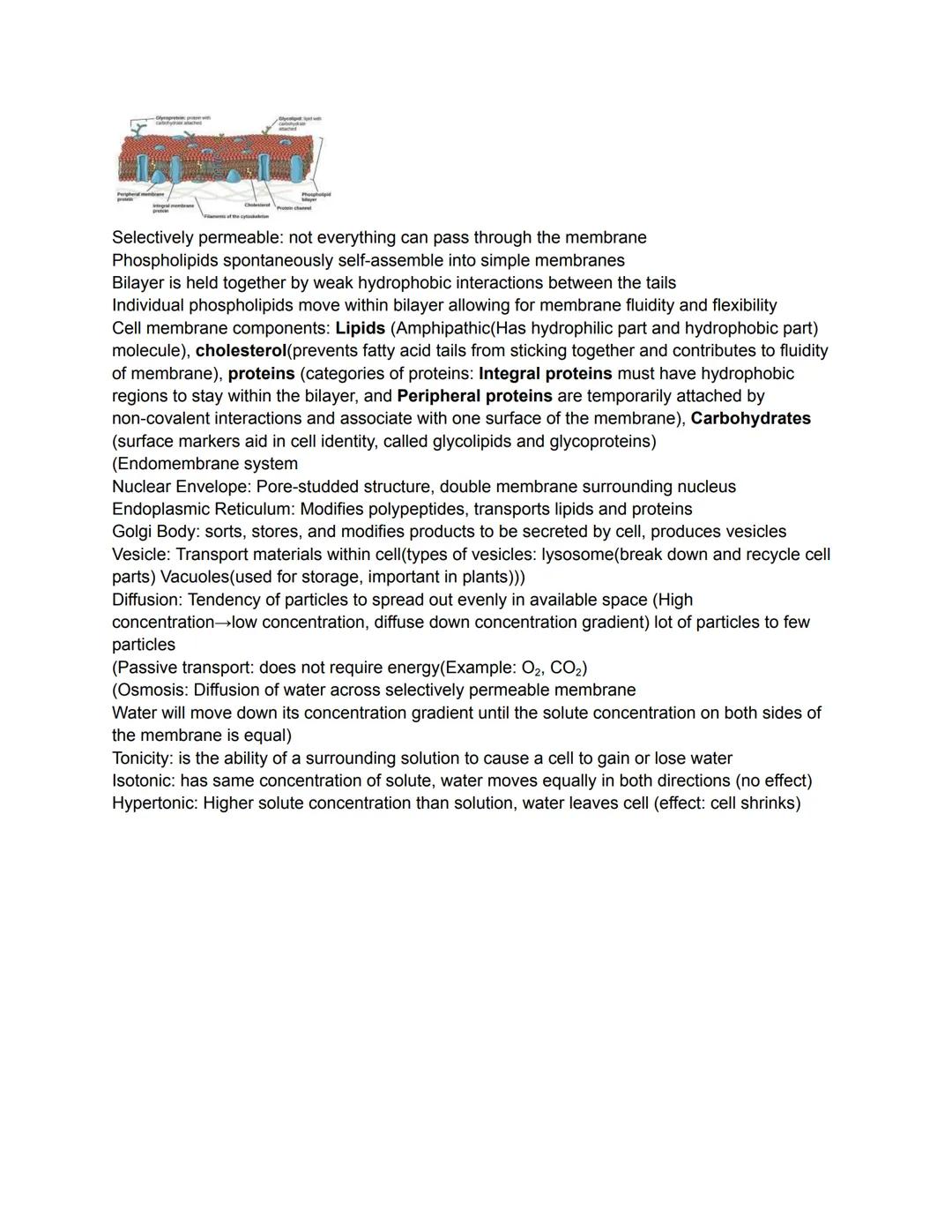
Cellular Transport and ATP-Driven Processes
Cells employ various transport mechanisms to move substances across their membranes. Understanding these processes is crucial for high school biology notes pdf and advanced studies.
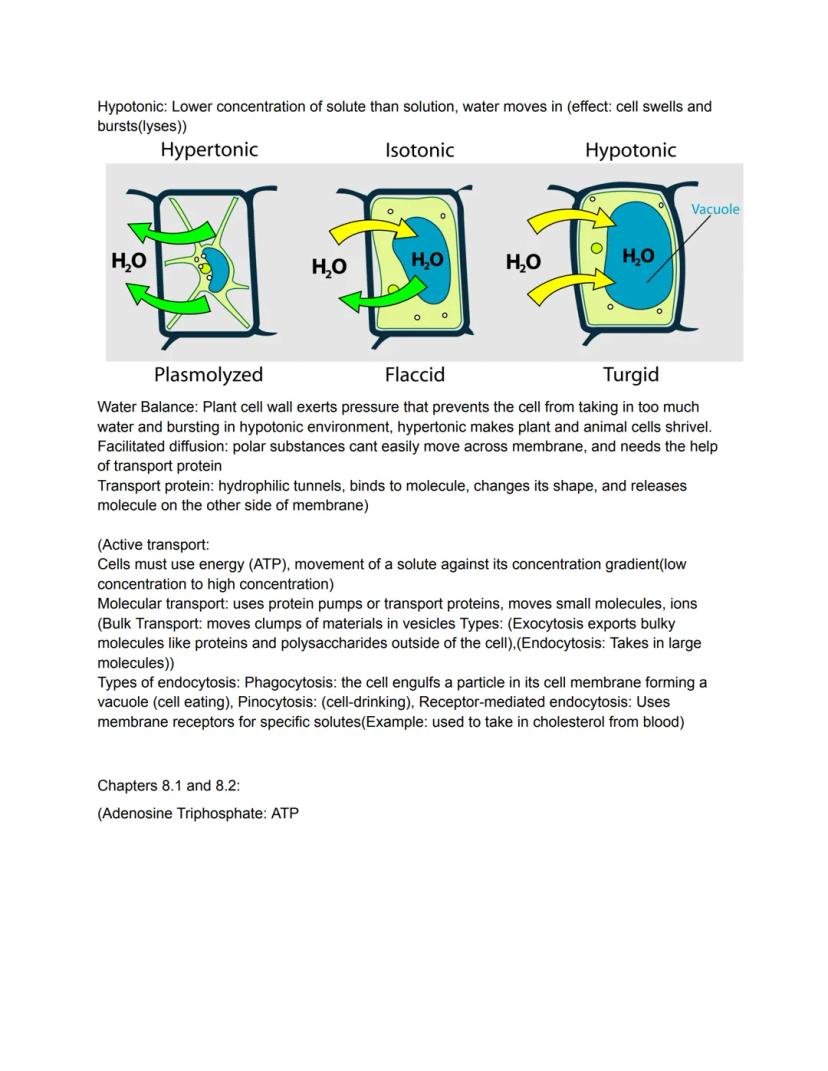
Passive transport, including diffusion and osmosis, moves substances down their concentration gradients without energy input. Tonicity plays a crucial role in osmotic movement, with isotonic solutions maintaining cell stability, hypertonic solutions causing cell shrinkage, and hypotonic solutions potentially leading to cell swelling.
Example: In plant cells, the cell wall prevents bursting in hypotonic environments, while animal cells may lyse under the same conditions.
Active transport requires energy in the form of ATP to move substances against their concentration gradients. This process is essential for maintaining cellular homeostasis and proper function. Bulk transport mechanisms like endocytosis and exocytosis move larger molecules or particles across the membrane, often utilizing specialized cellular structures and proteins.
9
of 10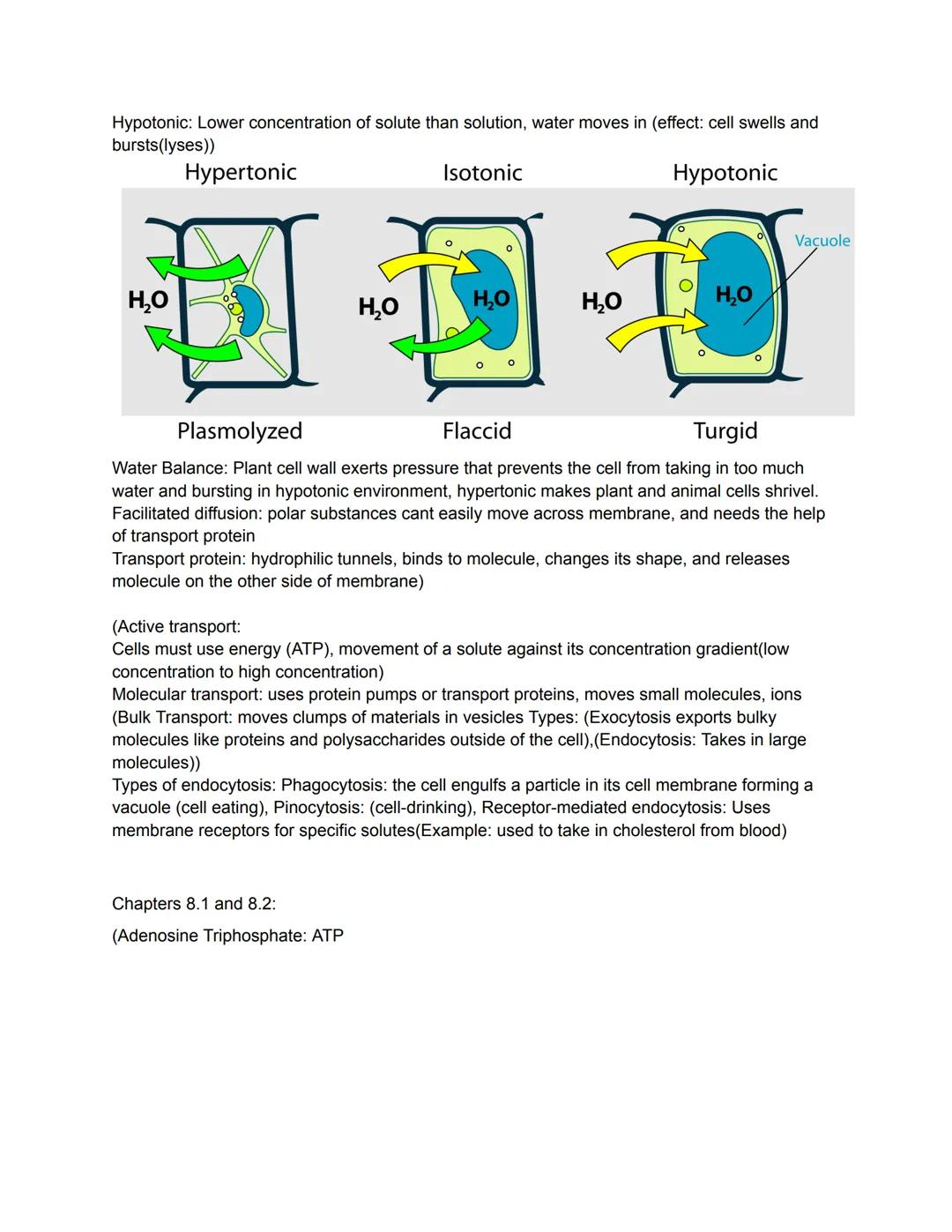
Understanding ATP, ADP, and Photosynthesis in Biology
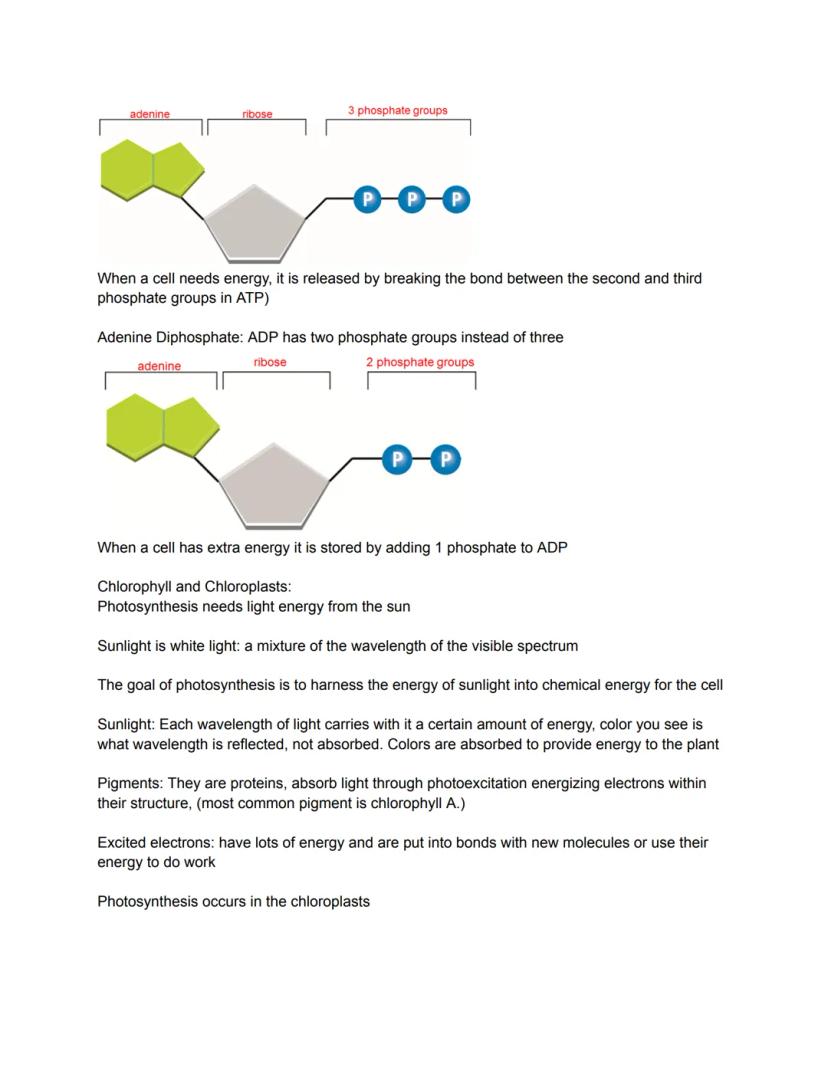
Adenosine triphosphate (ATP) serves as the primary energy currency in biological systems, playing a crucial role in cellular metabolism. The molecule consists of an adenine base, a ribose sugar, and three phosphate groups bonded together. When cells require energy for various processes, ATP releases this energy by breaking the high-energy bond between its second and third phosphate groups.
Definition: ATP (Adenosine Triphosphate) is a complex organic chemical that provides energy to drive many processes in living cells, such as muscle contraction, nerve impulse propagation, and chemical synthesis.
The relationship between ATP and ADP (Adenosine Diphosphate) represents a fundamental energy cycle in living organisms. ADP contains two phosphate groups and acts as an energy-depleted form of ATP. When cells have excess energy available, they can convert ADP back to ATP by adding a phosphate group through a process called phosphorylation. This cyclical conversion between ATP and ADP enables cells to efficiently manage their energy resources.
Photosynthesis, occurring within specialized organelles called chloroplasts, harnesses light energy to produce chemical energy. This process relies heavily on chlorophyll, the primary photosynthetic pigment. White sunlight contains all wavelengths of the visible spectrum, but plants selectively absorb specific wavelengths while reflecting others - this selective absorption explains why plants appear green to our eyes.
Highlight: Pigments like chlorophyll A undergo photoexcitation when they absorb light energy, causing electrons within their structure to become energized. These excited electrons carry significant energy that can be used to form new chemical bonds or perform cellular work.
10
of 10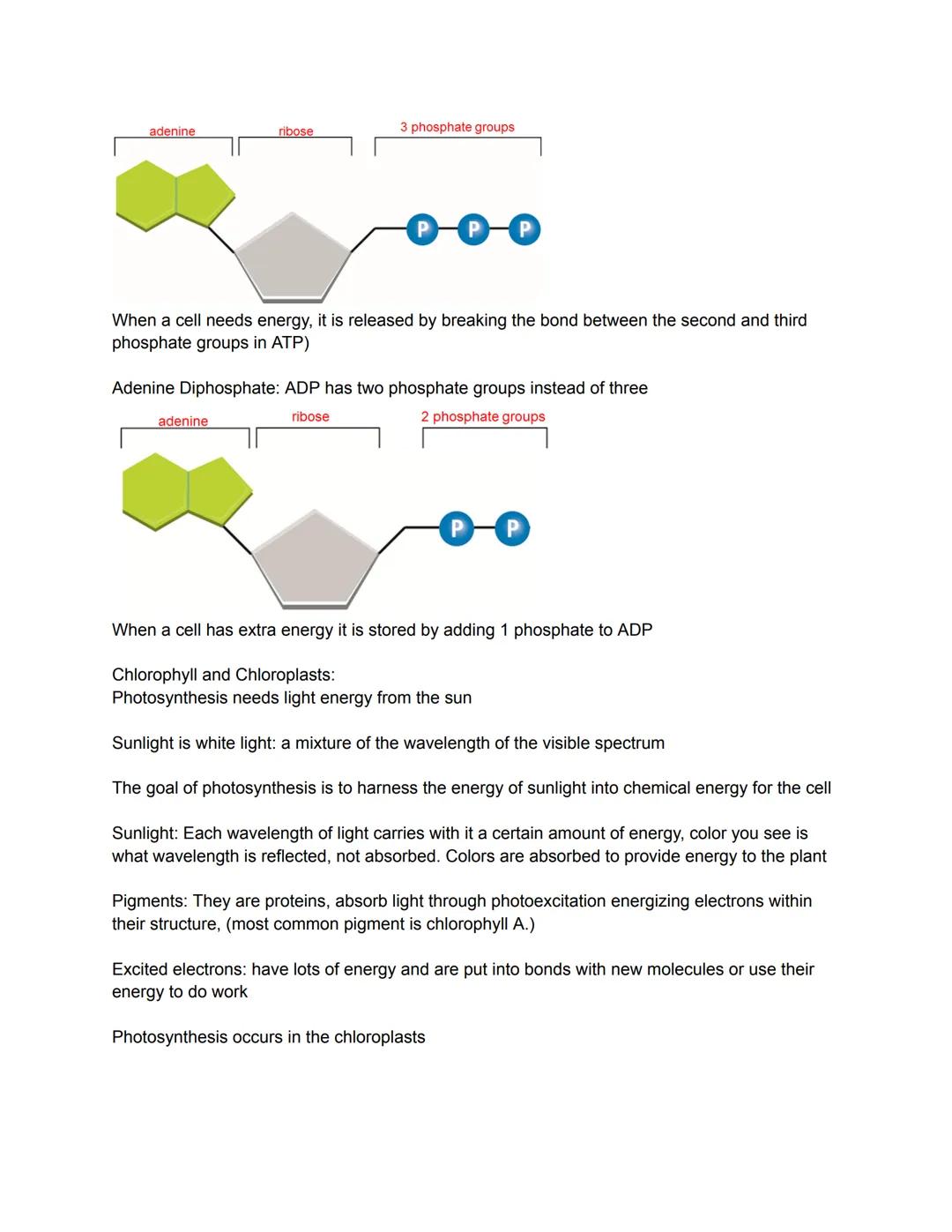
The Science of Light Energy in Biology
The intricate process of photosynthesis demonstrates how organisms convert light energy into usable chemical energy. When sunlight strikes chlorophyll molecules within chloroplasts, specific wavelengths are absorbed while others are reflected. This selective absorption is crucial for initiating the photosynthetic process, where light energy transforms into chemical energy that plants can use for growth and metabolism.
Example: Consider how a green leaf appears: it looks green because chlorophyll molecules absorb red and blue light while reflecting green wavelengths. The absorbed light energy excites electrons within the chlorophyll molecule, initiating the photosynthetic process.
Understanding the role of pigments in photosynthesis reveals the sophisticated mechanisms that plants have evolved. These specialized proteins can capture light energy through photoexcitation, which energizes electrons within their molecular structure. Chlorophyll A, the most abundant photosynthetic pigment, efficiently absorbs light in the blue and red regions of the visible spectrum.
The excited electrons generated during photoexcitation carry substantial energy that cells can harness in various ways. These high-energy electrons can form new chemical bonds or drive other cellular processes, effectively converting light energy into forms that support life. This energy conversion process, occurring within chloroplasts, represents one of nature's most remarkable examples of energy transformation.
Vocabulary: Photoexcitation - The process by which a molecule absorbs light energy, causing its electrons to move to higher energy states.
We thought you’d never ask...
What is the Knowunity AI companion?
Our AI companion is specifically built for the needs of students. Based on the millions of content pieces we have on the platform we can provide truly meaningful and relevant answers to students. But its not only about answers, the companion is even more about guiding students through their daily learning challenges, with personalised study plans, quizzes or content pieces in the chat and 100% personalisation based on the students skills and developments.
Where can I download the Knowunity app?
You can download the app in the Google Play Store and in the Apple App Store.
Is Knowunity really free of charge?
That's right! Enjoy free access to study content, connect with fellow students, and get instant help – all at your fingertips.
Similar Content
 Biology
Most popular content: Nucleic Acids
1Most popular content in AP Biology
9I
AP BiologyIntroduction to Biological Elements of Life
Practice identifying the essential elements including carbon, nitrogen, phosphorus, and sulfur that compose biological macromolecules.
9th1,7390
I
AP BiologyIntroduction to Water Polarity and Bonding
Practice identifying partial charges and the chemical basis of hydrogen bond formation between polar water molecules.
9th8520
I
AP BiologyIntroduction to Biological Macromolecules
Practice identifying the four classes of biological macromolecules and the dehydration synthesis reactions that form their covalent bonds.
9th5890
I
AP BiologyIntroduction to Biological Macromolecules
Practice identifying the monomers and chemical compositions of carbohydrates, lipids, proteins, and nucleic acids in biological systems.
9th4460
I
AP BiologyIntroduction to Cell Compartmentalization
Practice identifying how membrane-bound organelles increase surface area and facilitate specialized chemical reactions in eukaryotic cells.
9th3370
C
AP BiologyComponents of the Plasma Membrane
Practice identifying the molecular structure of phospholipids, proteins, cholesterol, and carbohydrates within the fluid mosaic model.
9th2720
I
AP BiologyIntroduction to Evidence of Evolution
Practice identifying fundamental concepts of common ancestry, including homologous structures, vestigial traits, and the fossil record.
9th2010
AP BiologyBio 1000 Chapter 2 The Molecules of Cells
Cell Make up
College55211
F
AP BiologyFundamentals of Cell Size and Surface Area
Practice calculating surface area-to-volume ratios and defining how these geometric constraints limit the maximum size of a functional biological cell.
9th1550
Most popular content
9O
 AP US History
Origins and Dynamics of the Columbian Exchange
Analyze the ecological and economic motivations behind the initial transfer of goods, people, and diseases between the Old and New Worlds.
9th3,1280
I
AP US HistoryIntroduction to Early Cultural Interactions
Analyze the initial social and religious encounters between Europeans, Africans, and Indigenous peoples in the colonial Americas.
9th2,7730
O
 AP World History
Origins of Ancient River Civilizations
Analyze the environmental factors and technological innovations that led to the rise of early states in Mesopotamia, Egypt, and the Indus Valley.
9th3,1870
M
AP US HistoryMotivations for European Exploration
Analyze the economic, religious, and political factors that drove European powers to the Americas during the 15th and 16th centuries.
9th1,7780
F
 AP Psychology
Foundations of Ethical Guidelines in Research
Practice the core principles of the APA ethical code including informed consent, debriefing, and the role of Institutional Review Boards.
9th1,3360
I
AP US HistoryIntroduction to Native American Societies
Examine the diverse social, political, and economic structures of North American indigenous groups prior to European contact.
9th1,1100
I
AP BiologyIntroduction to Biological Elements of Life
Practice identifying the essential elements including carbon, nitrogen, phosphorus, and sulfur that compose biological macromolecules.
9th1,7390
I
AP US HistoryIntroduction to the Spanish Encomienda System
Explore the fundamental economic and social structures of the Spanish colonial system, focusing on the encomienda and the casta social hierarchy.
9th8890
O
AP World HistoryOrigins and Continuity of the Byzantine Empire
Analyze the political and cultural transitions from the Roman Empire to the Byzantine Empire, focusing on the reign of Justinian I and his code.
9th1,6320
Can't find what you're looking for? Explore other subjects.
Students love us — and so will you.
4.6/5App Store
4.7/5Google Play
The app is very easy to use and well designed. I have found everything I was looking for so far and have been able to learn a lot from the presentations! I will definitely use the app for a class assignment! And of course it also helps a lot as an inspiration.
Stefan SiOS user
This app is really great. There are so many study notes and help [...]. My problem subject is French, for example, and the app has so many options for help. Thanks to this app, I have improved my French. I would recommend it to anyone.
Samantha KlichAndroid user
Wow, I am really amazed. I just tried the app because I've seen it advertised many times and was absolutely stunned. This app is THE HELP you want for school and above all, it offers so many things, such as workouts and fact sheets, which have been VERY helpful to me personally.
AnnaiOS user
AP Biology591 views·Updated Jun 13, 2026·25 pagesBiology Full Class Notes PDF Free Download - Easy and Fun Learning!
N
Nate Ridl@nateridl_ycjf
Understanding the fundamentals of biology requires mastering key concepts about life processes and scientific investigation methods.
The scientific method forms the foundation of biological research, consisting of systematic observation, hypothesis formation, and controlled testing. In a controlled experiment, scientists...
1
of 10
Sign up to see the content. It's free!
- Access to all documents
- Improve your grades
- Join milions of students
Understanding Scientific Method and Basic Biology Concepts
The scientific method forms the foundation of all biological research, providing a systematic approach to understanding the natural world. Scientific method and controlled experiment examples demonstrate how researchers gather evidence and draw conclusions. This process begins with careful observation using our five senses, followed by making inferences and developing testable hypotheses.
A crucial component is the controlled experiment, where scientists manipulate one variable while keeping all other conditions constant. The independent variable represents the factor being tested, while the dependent variable shows the measured response. What is a control experiment in biology involves maintaining an experimental group exposed to the variable being tested and a control group that experiences identical conditions except for that variable.
Data collection involves both quantitative measurements (numerical data) and qualitative observations (descriptive information). Scientists must remain objective and avoid personal bias, which is why peer review and collaboration are essential parts of the scientific process. What is the purpose of a control in an experiment is to provide a baseline for comparison and ensure that any observed changes can be attributed to the variable being tested.
Definition: A controlled experiment is a scientific test where only one variable is changed while all other conditions remain constant, allowing researchers to determine cause-and-effect relationships.
2
of 10Sign up to see the content. It's free!
- Access to all documents
- Improve your grades
- Join milions of students
Properties of Life and Biological Organization
Properties of life biology encompasses several key characteristics that distinguish living things from non-living matter. The seven fundamental properties of life examples include:
- Universal genetic code
- Growth and development
- Response to environment
- Cellular organization
- Evolution
- Energy processing
- Homeostasis maintenance
Properties of living things demonstrate remarkable complexity and organization. Living organisms maintain properties of life regulation through various mechanisms, with homeostasis being particularly crucial for survival. Properties of life order example can be observed in how cells organize themselves into tissues, organs, and organ systems.
Highlight: All living organisms share these seven fundamental properties, though they may express them in different ways depending on their complexity and environment.
3
of 10Sign up to see the content. It's free!
- Access to all documents
- Improve your grades
- Join milions of students
The Nature of Matter in Biology
Matter forms the physical basis for all biological processes. Elements are pure substances that cannot be broken down further through chemical means, while compounds consist of two or more elements in fixed ratios. The four most abundant elements in living organisms make up 96% of biological matter.
Atoms, the smallest units of matter retaining chemical properties, consist of three subatomic particles: protons (positive charge), neutrons (neutral charge), and electrons (negative charge). Chemical bonds between atoms create molecules essential for life. These bonds can be covalent (shared electrons), ionic (electron transfer), or weak hydrogen bonds.
Vocabulary: Isotopes are atoms of the same element with different numbers of neutrons, affecting their atomic mass but not their chemical behavior.
4
of 10Sign up to see the content. It's free!
- Access to all documents
- Improve your grades
- Join milions of students
Carbon Compounds and Biological Molecules
Carbon's unique ability to form up to four stable bonds makes it the cornerstone of biological molecules. Macromolecules, the large complex molecules of life, consist of smaller building blocks called monomers. The four major types of biological macromolecules are carbohydrates, lipids, proteins, and nucleic acids.
Carbohydrates serve as primary energy sources and structural components in living organisms. They range from simple sugars (monosaccharides) to complex polysaccharides. The formation of these molecules occurs through dehydration reactions, while their breakdown involves hydrolysis.
Example: Glucose, a monosaccharide, serves as the main energy source for cells and can be linked together to form energy storage molecules like starch and glycogen.
5
of 10Sign up to see the content. It's free!
- Access to all documents
- Improve your grades
- Join milions of students
Understanding Biological Molecules and Their Functions
The fundamental building blocks of life include several key biological molecules that serve essential functions in living organisms. Properties of life biology are deeply connected to how these molecules interact and function within cells.
Carbohydrates serve as crucial energy storage molecules in living organisms. Plants store energy in the form of starch, while animals use glycogen. Cellulose, another important carbohydrate, forms plant cell walls, providing structural support. Meanwhile, chitin serves as a structural component in fungi and arthropod exoskeletons.
Lipids perform multiple vital functions in biological systems. These molecules, composed of glycerol and fatty acids, can be either saturated or unsaturated. Saturated fats contain only single bonds and are solid at room temperature, while unsaturated fats have at least one double bond and remain liquid at room temperature. Phospholipids, a special type of lipid, form cell membranes, while steroids like cholesterol serve as important membrane components and hormone precursors.
Definition: Proteins are complex molecules made up of amino acids that perform numerous essential functions in living organisms, from enzyme activity to structural support.
Proteins, composed of amino acid monomers, exhibit four levels of structure: primary (amino acid sequence), secondary (folding patterns), tertiary , and quaternary (multiple polypeptide arrangements). These versatile molecules control reaction rates, regulate cellular processes, and help fight diseases.
6
of 10Sign up to see the content. It's free!
- Access to all documents
- Improve your grades
- Join milions of students
Chemical Reactions and Enzymatic Activity in Living Systems
Chemical reactions form the basis of life processes, involving the rearrangement of atoms and changes in chemical bonds. These reactions can be either exergonic (releasing energy) or endergonic (requiring energy input).
Highlight: Enzymes are biological catalysts that significantly lower the activation energy required for chemical reactions, making them essential for life processes.
Enzymes function through a precise "lock and key" mechanism, where their active sites are specifically shaped to accommodate particular substrates. This specificity ensures that only the correct molecules participate in the intended reactions. Environmental factors such as temperature and pH significantly affect enzyme function, with human enzymes typically operating optimally at 37°C and pH 7.
The pH scale, ranging from 0 to 14, measures hydrogen ion concentration in solutions. Acids donate H+ ions (pH < 7), while bases produce OH- ions (pH > 7). This balance is crucial for proper enzyme function and cellular processes.
7
of 10Sign up to see the content. It's free!
- Access to all documents
- Improve your grades
- Join milions of students
Cell Membrane Structure and Transport Mechanisms
The cell membrane, described by the fluid mosaic model, consists of a phospholipid bilayer embedded with various proteins. This structure is selectively permeable, allowing only certain substances to pass through.
Vocabulary: Selectively permeable means that the membrane controls which substances can enter or exit the cell, maintaining essential cellular conditions.
Cell membranes contain several important components: phospholipids (with hydrophilic heads and hydrophobic tails), cholesterol (maintaining membrane fluidity), proteins (both integral and peripheral), and carbohydrates (serving as surface markers). The endomembrane system, including the nuclear envelope, endoplasmic reticulum, and Golgi body, works together to process and transport cellular materials.
Transport across cell membranes occurs through various mechanisms. Basic biology notes pdf often emphasize the importance of understanding these transport processes, including diffusion, osmosis, and active transport, as they are fundamental to cellular function.
8
of 10Sign up to see the content. It's free!
- Access to all documents
- Improve your grades
- Join milions of students
Cellular Transport and ATP-Driven Processes
Cells employ various transport mechanisms to move substances across their membranes. Understanding these processes is crucial for high school biology notes pdf and advanced studies.
Passive transport, including diffusion and osmosis, moves substances down their concentration gradients without energy input. Tonicity plays a crucial role in osmotic movement, with isotonic solutions maintaining cell stability, hypertonic solutions causing cell shrinkage, and hypotonic solutions potentially leading to cell swelling.
Example: In plant cells, the cell wall prevents bursting in hypotonic environments, while animal cells may lyse under the same conditions.
Active transport requires energy in the form of ATP to move substances against their concentration gradients. This process is essential for maintaining cellular homeostasis and proper function. Bulk transport mechanisms like endocytosis and exocytosis move larger molecules or particles across the membrane, often utilizing specialized cellular structures and proteins.
9
of 10Sign up to see the content. It's free!
- Access to all documents
- Improve your grades
- Join milions of students
Understanding ATP, ADP, and Photosynthesis in Biology
Adenosine triphosphate (ATP) serves as the primary energy currency in biological systems, playing a crucial role in cellular metabolism. The molecule consists of an adenine base, a ribose sugar, and three phosphate groups bonded together. When cells require energy for various processes, ATP releases this energy by breaking the high-energy bond between its second and third phosphate groups.
Definition: ATP (Adenosine Triphosphate) is a complex organic chemical that provides energy to drive many processes in living cells, such as muscle contraction, nerve impulse propagation, and chemical synthesis.
The relationship between ATP and ADP (Adenosine Diphosphate) represents a fundamental energy cycle in living organisms. ADP contains two phosphate groups and acts as an energy-depleted form of ATP. When cells have excess energy available, they can convert ADP back to ATP by adding a phosphate group through a process called phosphorylation. This cyclical conversion between ATP and ADP enables cells to efficiently manage their energy resources.
Photosynthesis, occurring within specialized organelles called chloroplasts, harnesses light energy to produce chemical energy. This process relies heavily on chlorophyll, the primary photosynthetic pigment. White sunlight contains all wavelengths of the visible spectrum, but plants selectively absorb specific wavelengths while reflecting others - this selective absorption explains why plants appear green to our eyes.
Highlight: Pigments like chlorophyll A undergo photoexcitation when they absorb light energy, causing electrons within their structure to become energized. These excited electrons carry significant energy that can be used to form new chemical bonds or perform cellular work.
10
of 10Sign up to see the content. It's free!
- Access to all documents
- Improve your grades
- Join milions of students
The Science of Light Energy in Biology
The intricate process of photosynthesis demonstrates how organisms convert light energy into usable chemical energy. When sunlight strikes chlorophyll molecules within chloroplasts, specific wavelengths are absorbed while others are reflected. This selective absorption is crucial for initiating the photosynthetic process, where light energy transforms into chemical energy that plants can use for growth and metabolism.
Example: Consider how a green leaf appears: it looks green because chlorophyll molecules absorb red and blue light while reflecting green wavelengths. The absorbed light energy excites electrons within the chlorophyll molecule, initiating the photosynthetic process.
Understanding the role of pigments in photosynthesis reveals the sophisticated mechanisms that plants have evolved. These specialized proteins can capture light energy through photoexcitation, which energizes electrons within their molecular structure. Chlorophyll A, the most abundant photosynthetic pigment, efficiently absorbs light in the blue and red regions of the visible spectrum.
The excited electrons generated during photoexcitation carry substantial energy that cells can harness in various ways. These high-energy electrons can form new chemical bonds or drive other cellular processes, effectively converting light energy into forms that support life. This energy conversion process, occurring within chloroplasts, represents one of nature's most remarkable examples of energy transformation.
Vocabulary: Photoexcitation - The process by which a molecule absorbs light energy, causing its electrons to move to higher energy states.
We thought you’d never ask...
What is the Knowunity AI companion?
Our AI companion is specifically built for the needs of students. Based on the millions of content pieces we have on the platform we can provide truly meaningful and relevant answers to students. But its not only about answers, the companion is even more about guiding students through their daily learning challenges, with personalised study plans, quizzes or content pieces in the chat and 100% personalisation based on the students skills and developments.
Where can I download the Knowunity app?
You can download the app in the Google Play Store and in the Apple App Store.
Is Knowunity really free of charge?
That's right! Enjoy free access to study content, connect with fellow students, and get instant help – all at your fingertips.
Similar Content
Most popular content: Nucleic Acids
1Most popular content in AP Biology
9I
AP BiologyIntroduction to Biological Elements of Life
Practice identifying the essential elements including carbon, nitrogen, phosphorus, and sulfur that compose biological macromolecules.
9th1,7390
I
AP BiologyIntroduction to Water Polarity and Bonding
Practice identifying partial charges and the chemical basis of hydrogen bond formation between polar water molecules.
9th8520
I
AP BiologyIntroduction to Biological Macromolecules
Practice identifying the four classes of biological macromolecules and the dehydration synthesis reactions that form their covalent bonds.
9th5890
I
AP BiologyIntroduction to Biological Macromolecules
Practice identifying the monomers and chemical compositions of carbohydrates, lipids, proteins, and nucleic acids in biological systems.
9th4460
I
AP BiologyIntroduction to Cell Compartmentalization
Practice identifying how membrane-bound organelles increase surface area and facilitate specialized chemical reactions in eukaryotic cells.
9th3370
C
AP BiologyComponents of the Plasma Membrane
Practice identifying the molecular structure of phospholipids, proteins, cholesterol, and carbohydrates within the fluid mosaic model.
9th2720
I
AP BiologyIntroduction to Evidence of Evolution
Practice identifying fundamental concepts of common ancestry, including homologous structures, vestigial traits, and the fossil record.
9th2010
AP BiologyBio 1000 Chapter 2 The Molecules of Cells
Cell Make up
College55211
F
AP BiologyFundamentals of Cell Size and Surface Area
Practice calculating surface area-to-volume ratios and defining how these geometric constraints limit the maximum size of a functional biological cell.
9th1550
Most popular content
9O
AP US HistoryOrigins and Dynamics of the Columbian Exchange
Analyze the ecological and economic motivations behind the initial transfer of goods, people, and diseases between the Old and New Worlds.
9th3,1280
I
AP US HistoryIntroduction to Early Cultural Interactions
Analyze the initial social and religious encounters between Europeans, Africans, and Indigenous peoples in the colonial Americas.
9th2,7730
O
AP World HistoryOrigins of Ancient River Civilizations
Analyze the environmental factors and technological innovations that led to the rise of early states in Mesopotamia, Egypt, and the Indus Valley.
9th3,1870
M
AP US HistoryMotivations for European Exploration
Analyze the economic, religious, and political factors that drove European powers to the Americas during the 15th and 16th centuries.
9th1,7780
F
AP PsychologyFoundations of Ethical Guidelines in Research
Practice the core principles of the APA ethical code including informed consent, debriefing, and the role of Institutional Review Boards.
9th1,3360
I
AP US HistoryIntroduction to Native American Societies
Examine the diverse social, political, and economic structures of North American indigenous groups prior to European contact.
9th1,1100
I
AP BiologyIntroduction to Biological Elements of Life
Practice identifying the essential elements including carbon, nitrogen, phosphorus, and sulfur that compose biological macromolecules.
9th1,7390
I
AP US HistoryIntroduction to the Spanish Encomienda System
Explore the fundamental economic and social structures of the Spanish colonial system, focusing on the encomienda and the casta social hierarchy.
9th8890
O
AP World HistoryOrigins and Continuity of the Byzantine Empire
Analyze the political and cultural transitions from the Roman Empire to the Byzantine Empire, focusing on the reign of Justinian I and his code.
9th1,6320
Can't find what you're looking for? Explore other subjects.
Students love us — and so will you.
4.6/5App Store
4.7/5Google Play
The app is very easy to use and well designed. I have found everything I was looking for so far and have been able to learn a lot from the presentations! I will definitely use the app for a class assignment! And of course it also helps a lot as an inspiration.
Stefan SiOS user
This app is really great. There are so many study notes and help [...]. My problem subject is French, for example, and the app has so many options for help. Thanks to this app, I have improved my French. I would recommend it to anyone.
Samantha KlichAndroid user
Wow, I am really amazed. I just tried the app because I've seen it advertised many times and was absolutely stunned. This app is THE HELP you want for school and above all, it offers so many things, such as workouts and fact sheets, which have been VERY helpful to me personally.
AnnaiOS user