
Dive into the fascinating world of eukaryotic cells, the complex...
 AP Biology87 views·Updated Jun 18, 2026·12 pages
AP Biology Unit 2 Overview: Key Topics Explained
A
Aseel Matar@aseelmatar_vich

1 / 10
1
of 10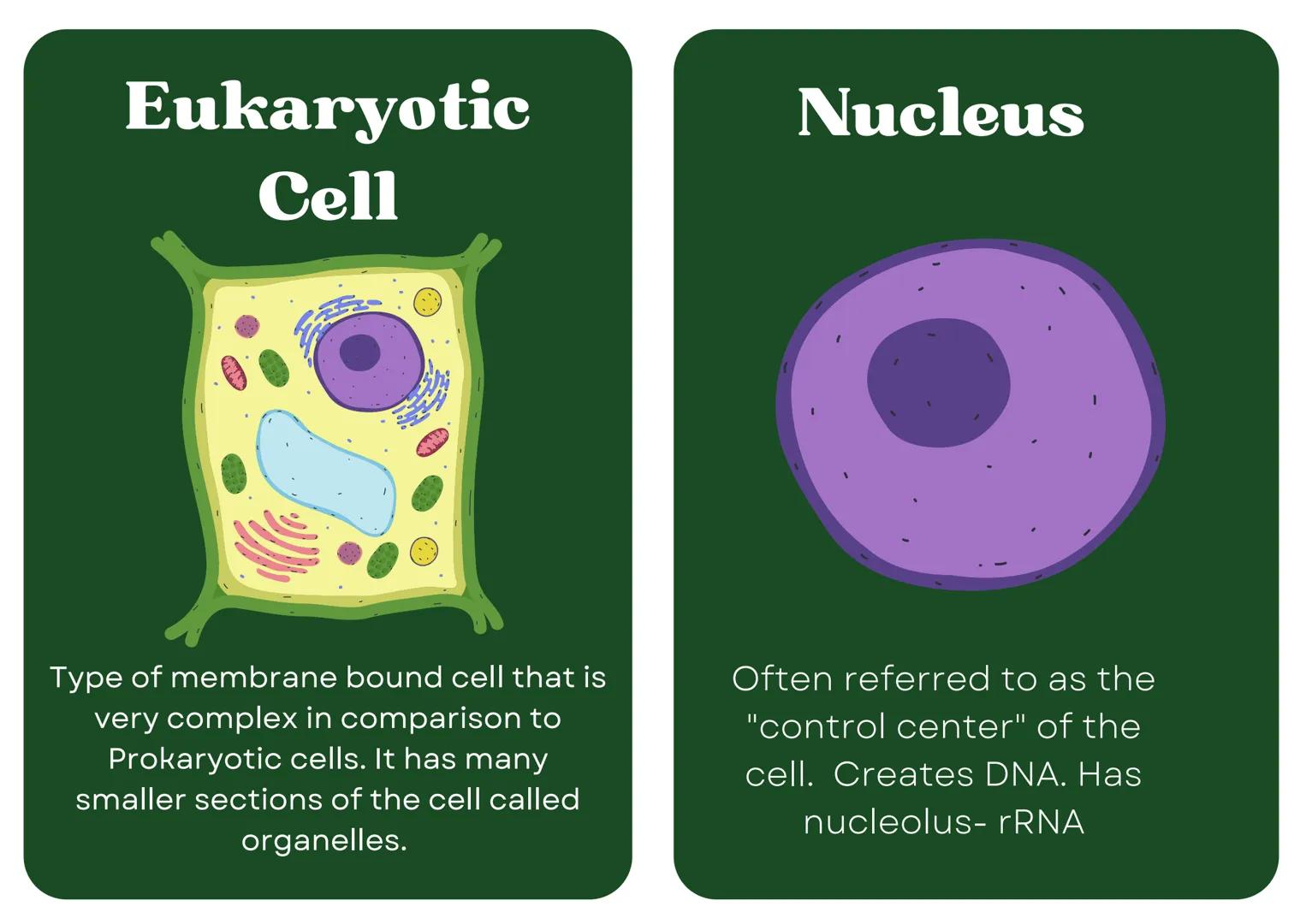
Eukaryotic Cells and the Nucleus
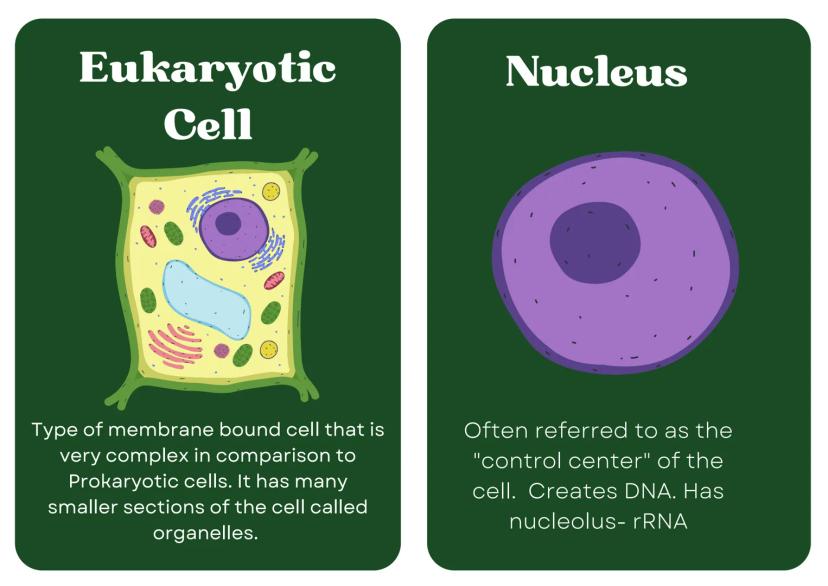
Eukaryotic cells are highly complex cellular structures with membrane-bound compartments called organelles. Unlike their simpler prokaryotic cousins (like bacteria), eukaryotic cells have specialized components that perform specific jobs.
At the center of it all is the nucleus, often called the "control center" of the cell. This crucial organelle houses your DNA and controls most cellular activities. Inside the nucleus, you'll find the nucleolus, which produces ribosomal RNA (rRNA).
Quick Fact: Every human starts as a single eukaryotic cell that divides billions of times to create your entire body—all with the same DNA in the nucleus!
2
of 10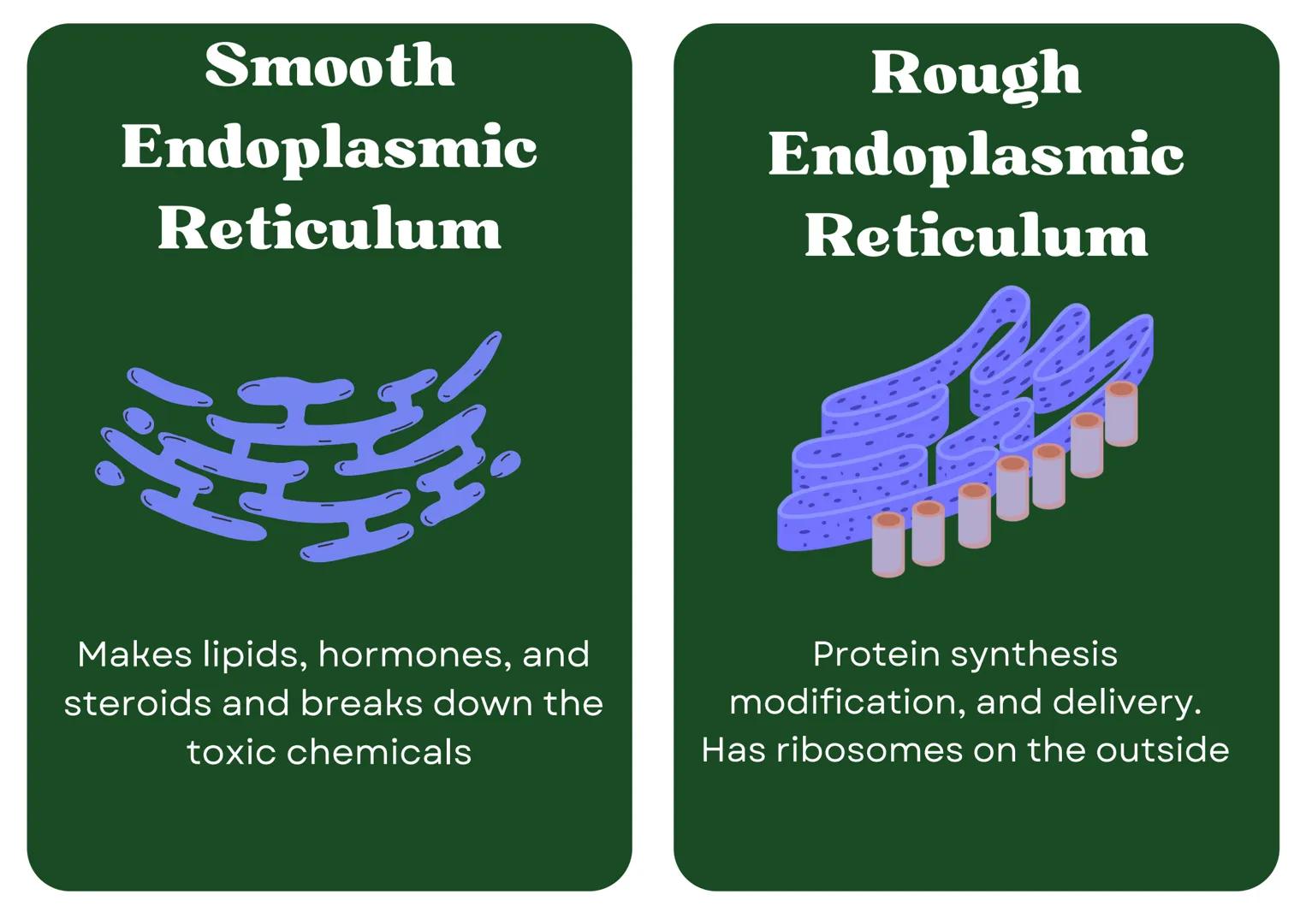
Endoplasmic Reticulum
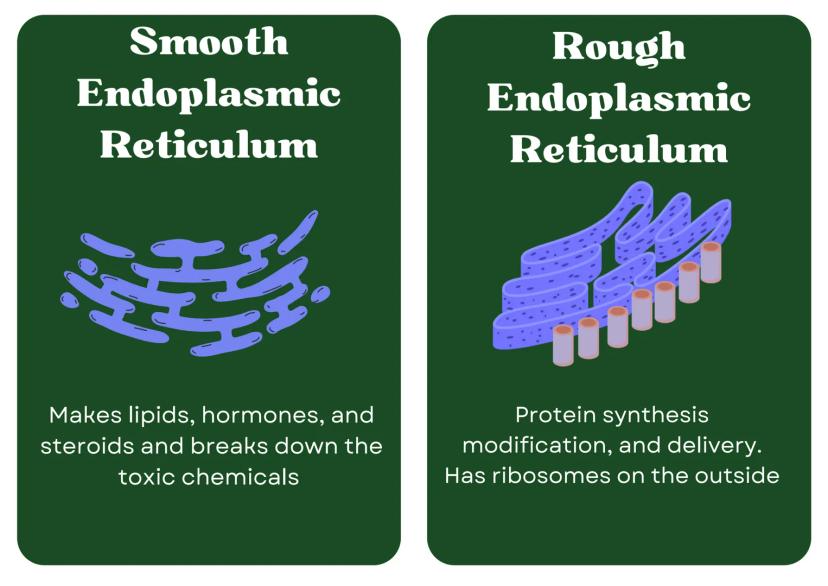
The endoplasmic reticulum (ER) comes in two varieties, each with different jobs. Think of them as the cell's manufacturing and processing plants!
The Smooth ER lacks ribosomes and specializes in making lipids (fats), hormones, and steroids. It's also your cellular detox system, breaking down toxic chemicals that could harm the cell.
The Rough ER gets its bumpy appearance from ribosomes attached to its surface. These ribosomes are protein factories, creating proteins that the rough ER then modifies and packages for delivery throughout the cell.
Remember This: The rough ER has ribosomes while the smooth ER doesn't—this helps you tell them apart!
3
of 10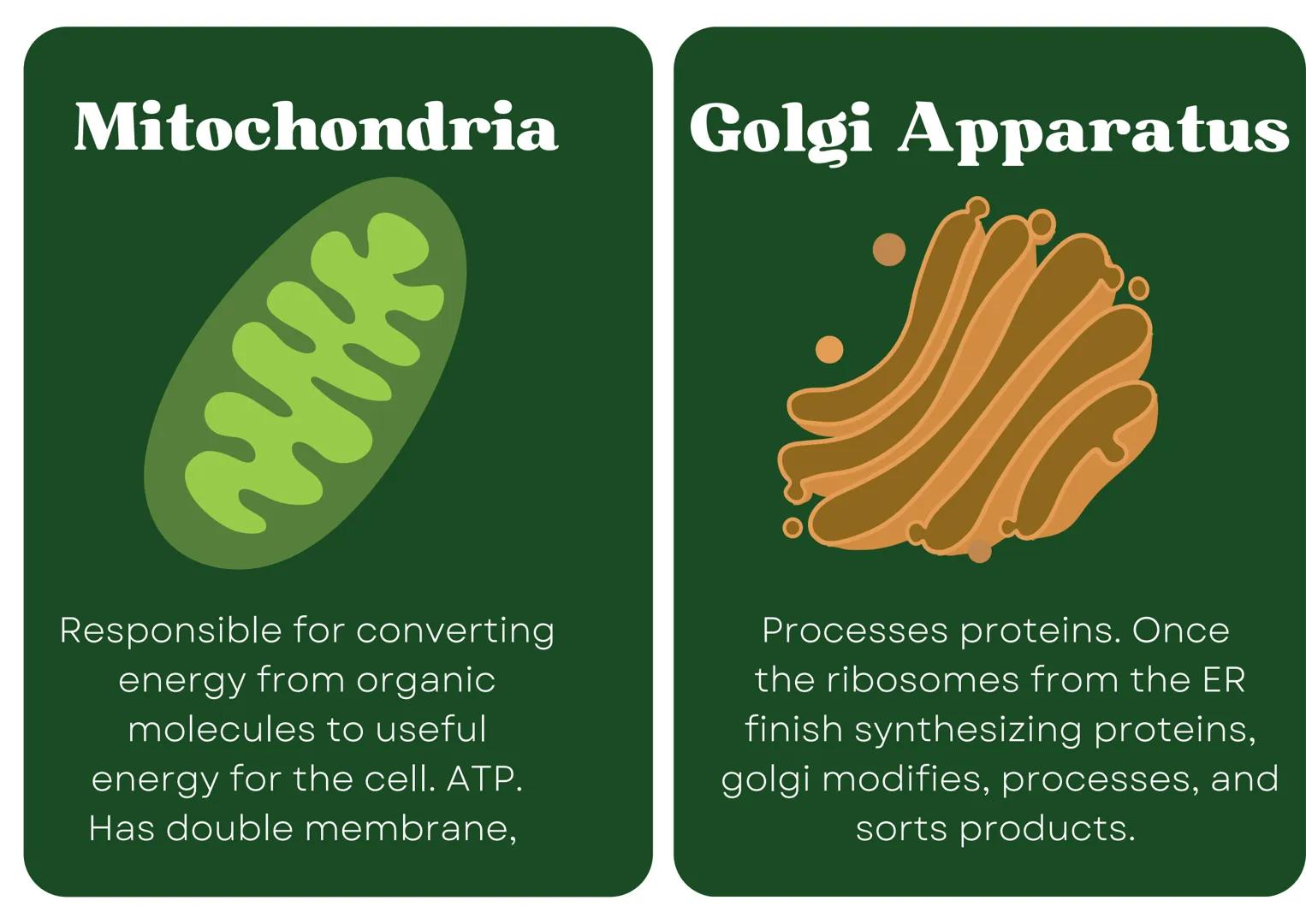
Mitochondria and Golgi Apparatus
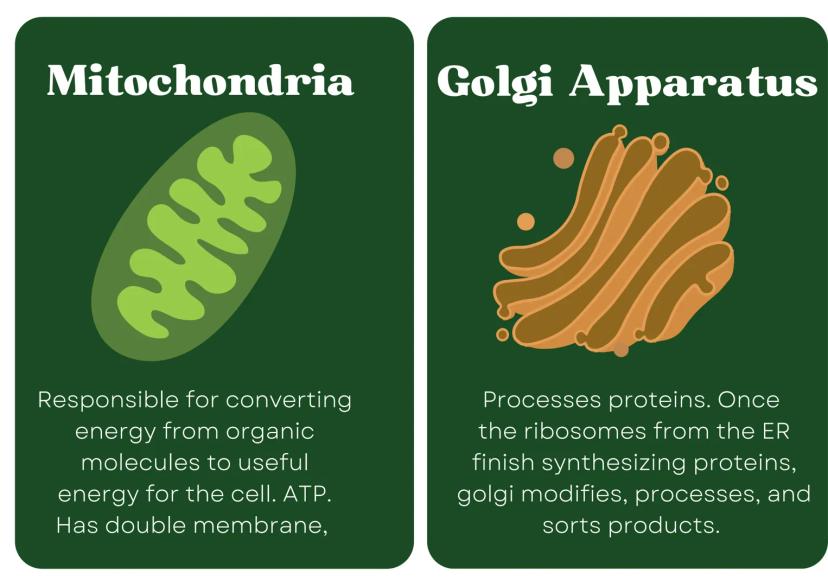
Mitochondria are often called the "powerhouses" of the cell because they convert energy from food into ATP, the usable energy currency for cellular activities. These unique organelles have their own double membrane and even contain their own DNA!
The Golgi apparatus works like the cell's post office and packaging center. After proteins are made by ribosomes on the rough ER, they're sent to the Golgi apparatus, which modifies, processes, and sorts these proteins for delivery to their final destinations.
Energy Fact: Your brain cells contain thousands of mitochondria each because thinking requires tons of energy!
4
of 10
Vacuoles and Lysosomes
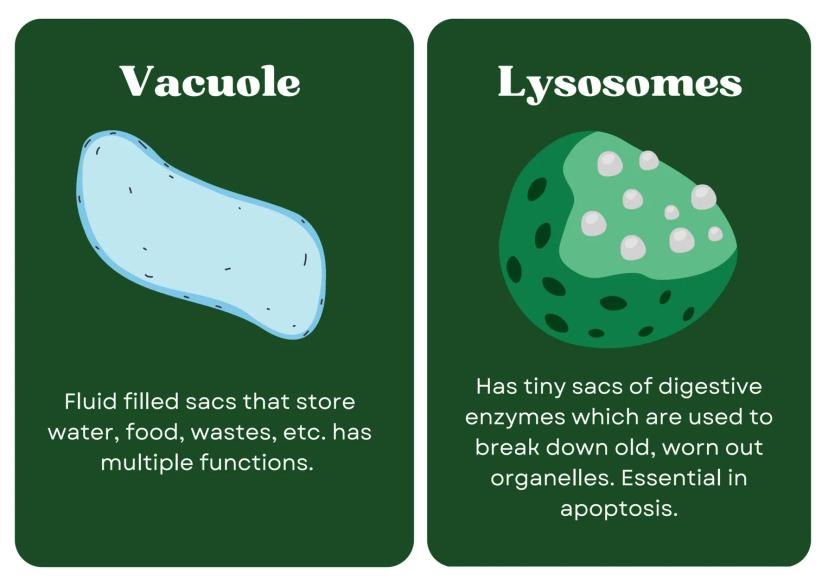
Vacuoles are fluid-filled storage sacs with multiple functions. Think of them as the cell's storage units, warehousing water, food, waste products, and other materials until they're needed or can be disposed of.
Lysosomes function as the cell's cleanup crew. These small sacs contain powerful digestive enzymes that break down worn-out organelles and cellular debris. They're essential for apoptosis (programmed cell death), a process that helps maintain healthy tissues.
Biology Insight: When white blood cells engulf bacteria, lysosomes merge with the bacterial package to destroy the invaders—acting like your body's microscopic defense system!
5
of 10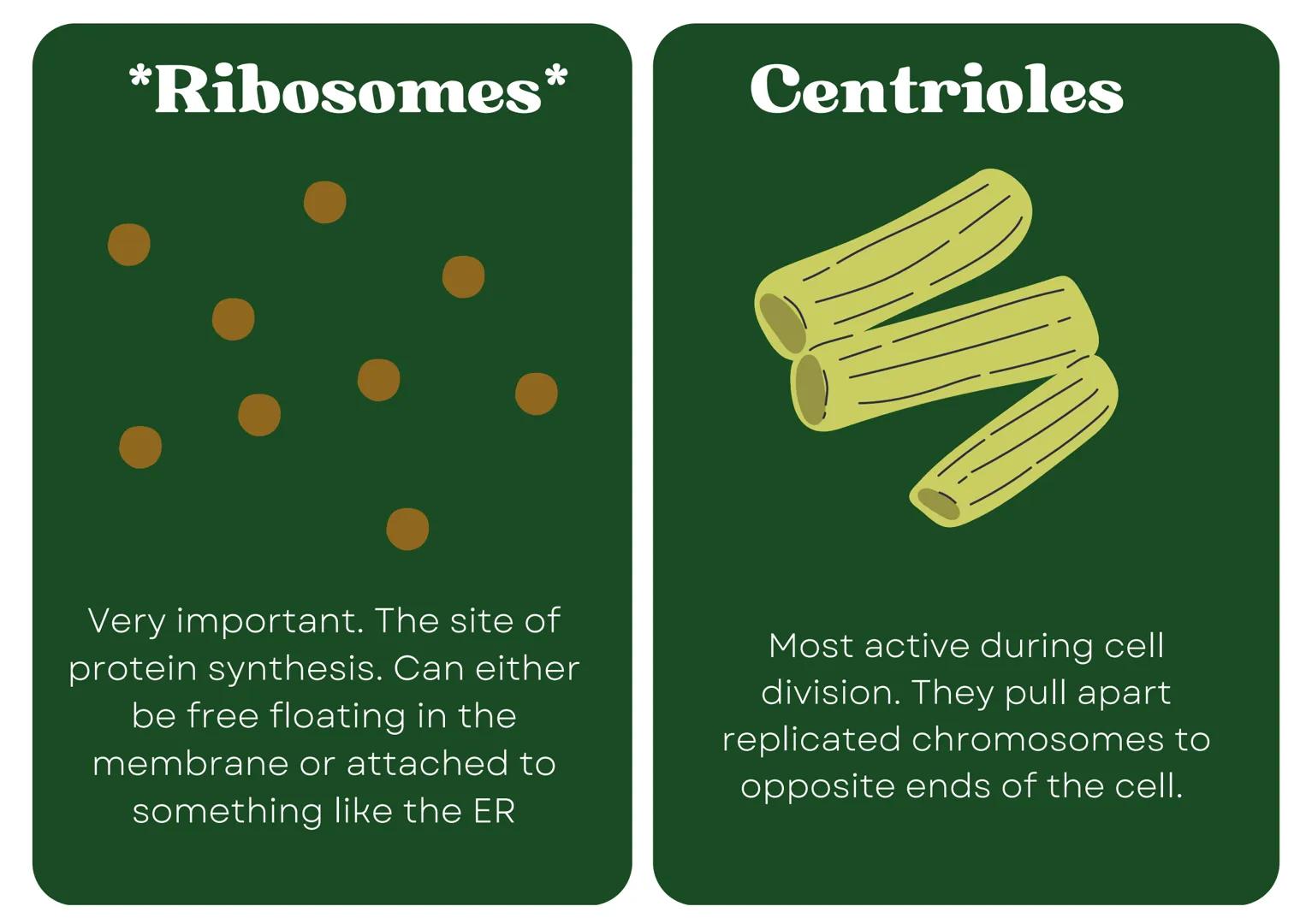
Ribosomes and Centrioles
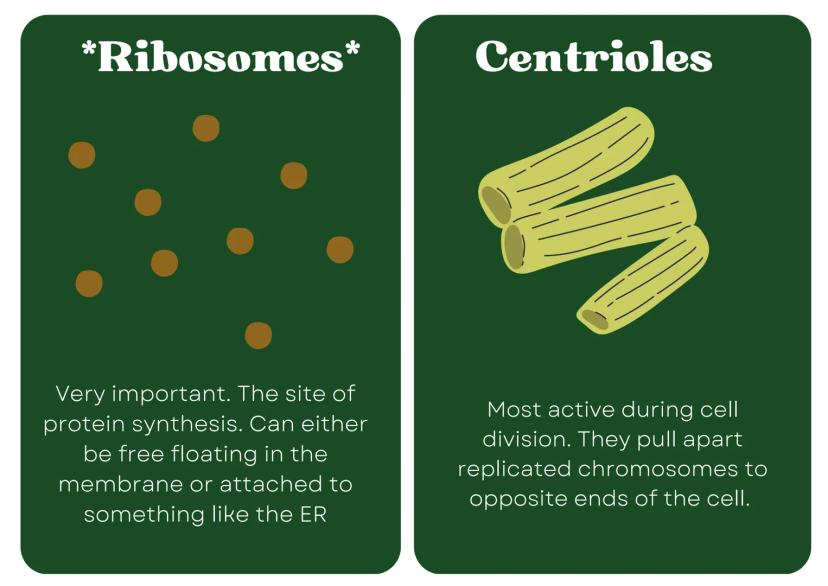
Ribosomes are protein synthesis powerhouses essential for cell function. These tiny structures can either float freely in the cytoplasm or attach to the endoplasmic reticulum. Every protein in your body—from hair to hormones—was built by ribosomes!
Centrioles become especially active during cell division. These cylindrical structures help organize the process by pulling replicated chromosomes to opposite ends of the cell, ensuring each new daughter cell gets the correct genetic material.
Fun Fact: Your body makes about 2 million proteins per second! Ribosomes work non-stop to keep up with this incredible demand.
6
of 10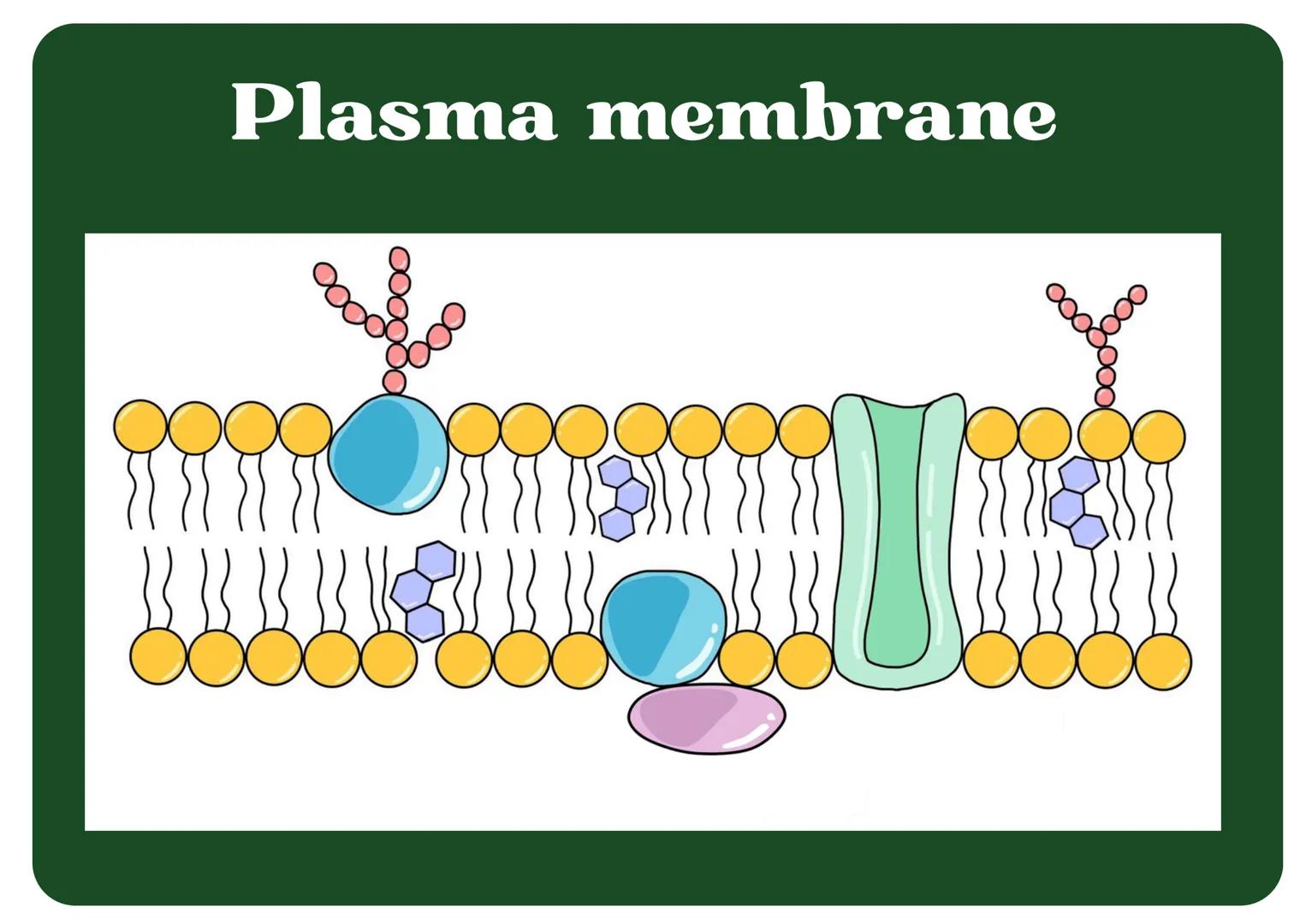
Plasma Membrane: The Cell's Boundary
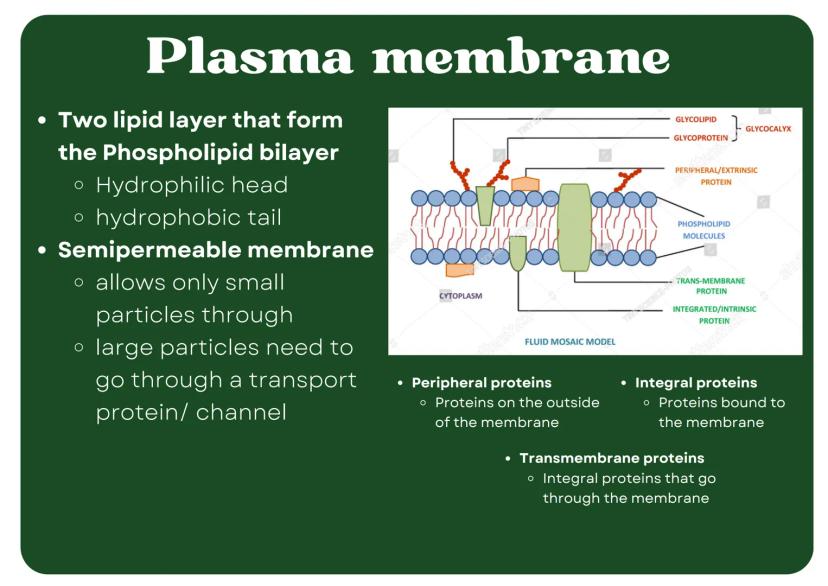
The plasma membrane forms the outer boundary of the cell, separating its internal contents from the outside environment. This selectively permeable barrier controls what enters and exits the cell.
The membrane isn't just a simple wall—it's a complex, dynamic structure made of phospholipids, proteins, and carbohydrates that work together to maintain cellular health and function.
Cell Insight: Your body replaces about 330 billion cells each day, and each new cell must construct its own plasma membrane!
7
of 10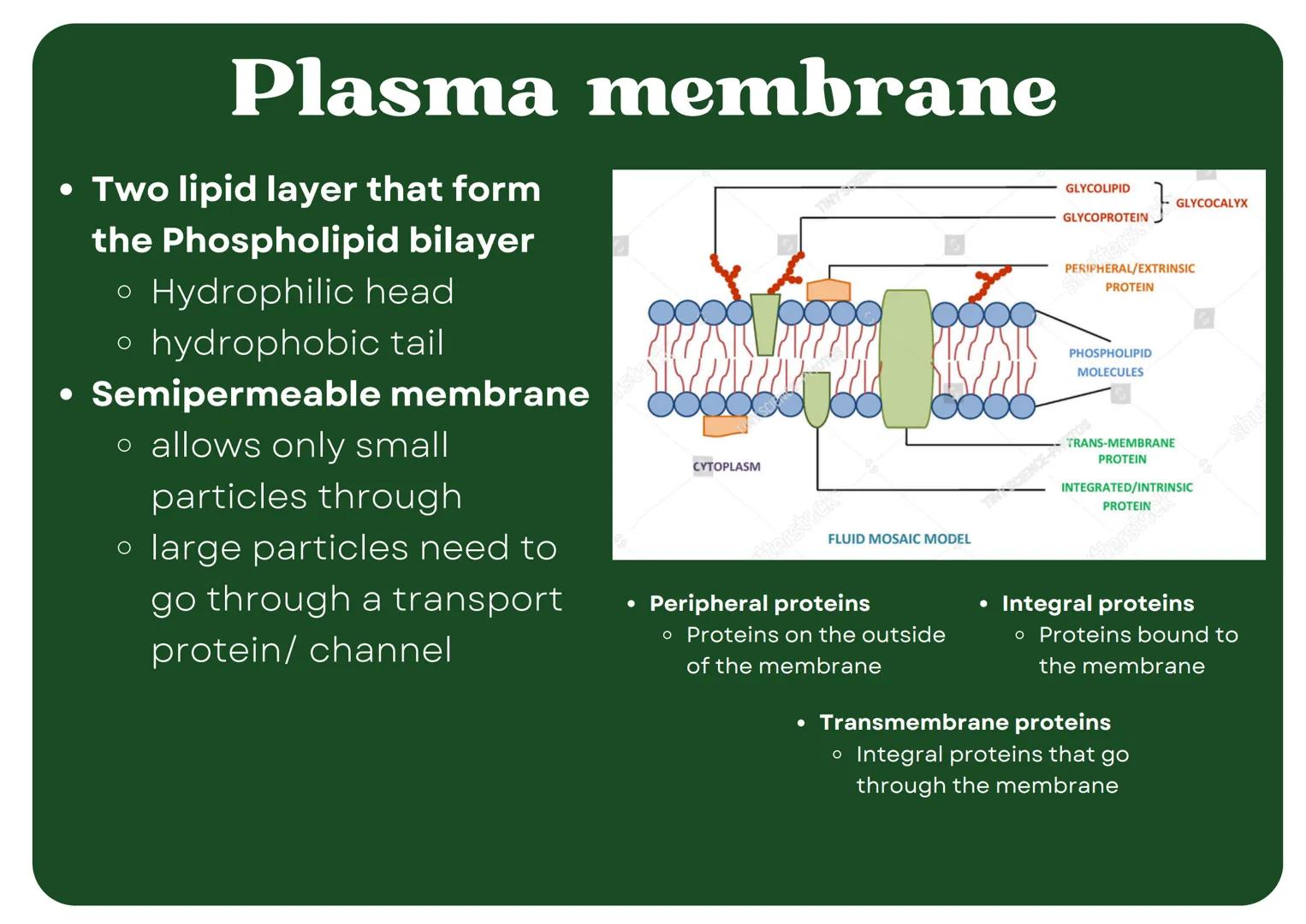
Plasma Membrane Structure
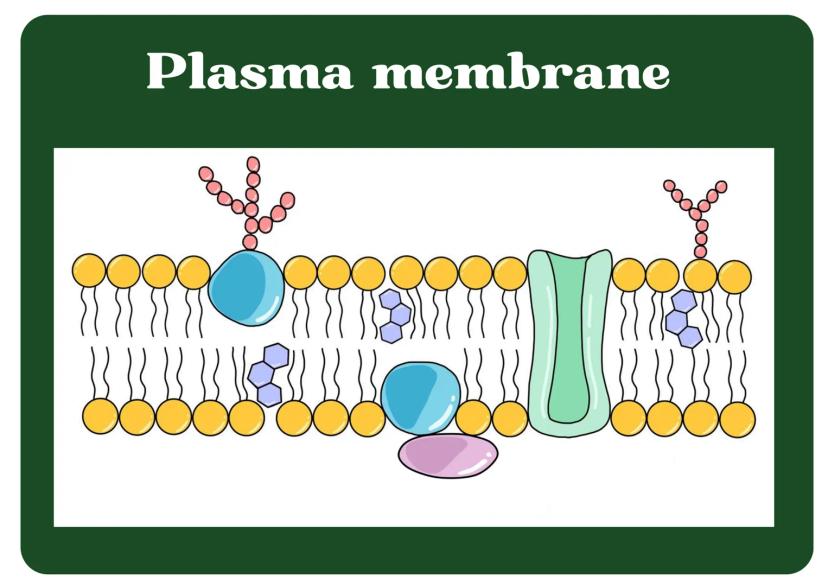
The plasma membrane follows the fluid mosaic model with a phospholipid bilayer as its foundation. Each phospholipid has a hydrophilic head and hydrophobic tails, creating a structure that keeps the watery environments inside and outside the cell separated.
The membrane contains different types of proteins: peripheral proteins attach to the membrane's surface, while integral proteins are embedded within the membrane. Transmembrane proteins extend completely through the membrane, often forming channels for substances to pass through.
The cell's outer surface is coated with carbohydrate chains attached to proteins (glycoproteins) and lipids (glycolipids), collectively called the glycocalyx. This carbohydrate coat helps with cell recognition, protection, and communication.
Visualization Tip: Imagine the membrane as a sea of phospholipids with protein "icebergs" floating in it—some sitting on the surface, others embedded halfway, and some extending all the way through!
8
of 10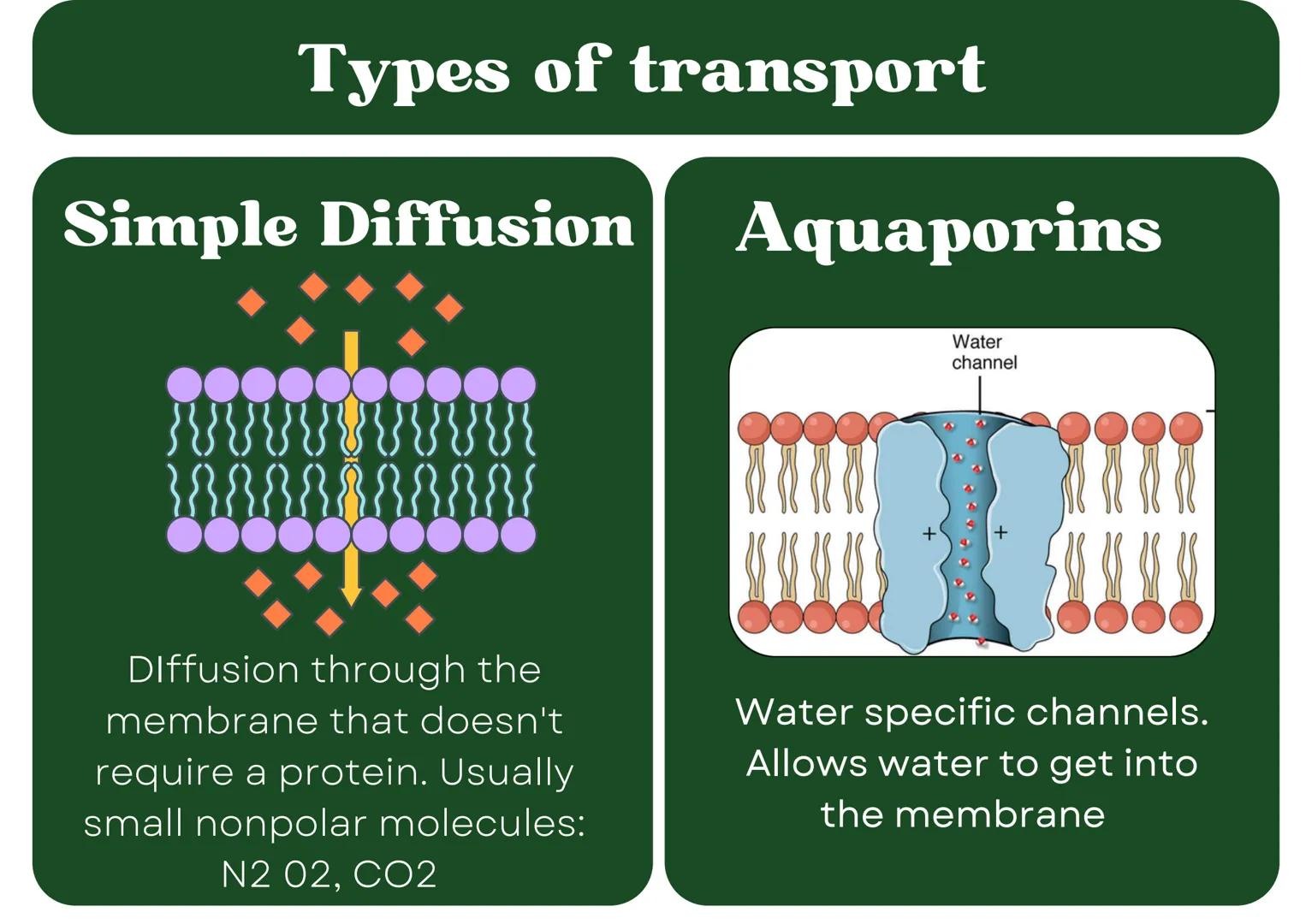
Simple Diffusion and Aquaporins
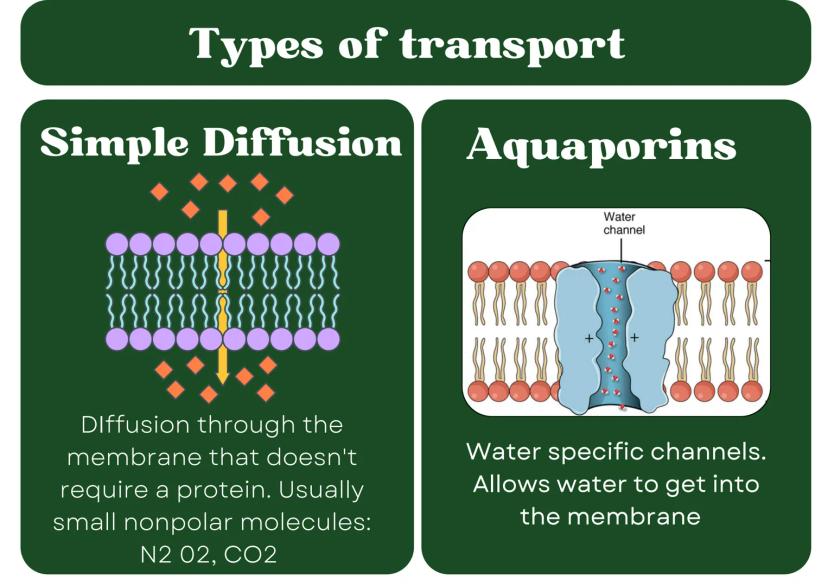
Simple diffusion allows small, nonpolar molecules like oxygen, carbon dioxide, and nitrogen to pass directly through the phospholipid bilayer without assistance. These molecules move from areas of higher concentration to lower concentration, requiring no energy from the cell.
Aquaporins are specialized protein channels specifically designed for water molecules. These "water highways" dramatically increase the rate at which water can enter or leave cells, essential for maintaining proper hydration and cell volume.
Real-World Connection: When you exhale carbon dioxide, it's leaving your blood cells through simple diffusion—no energy required!
9
of 10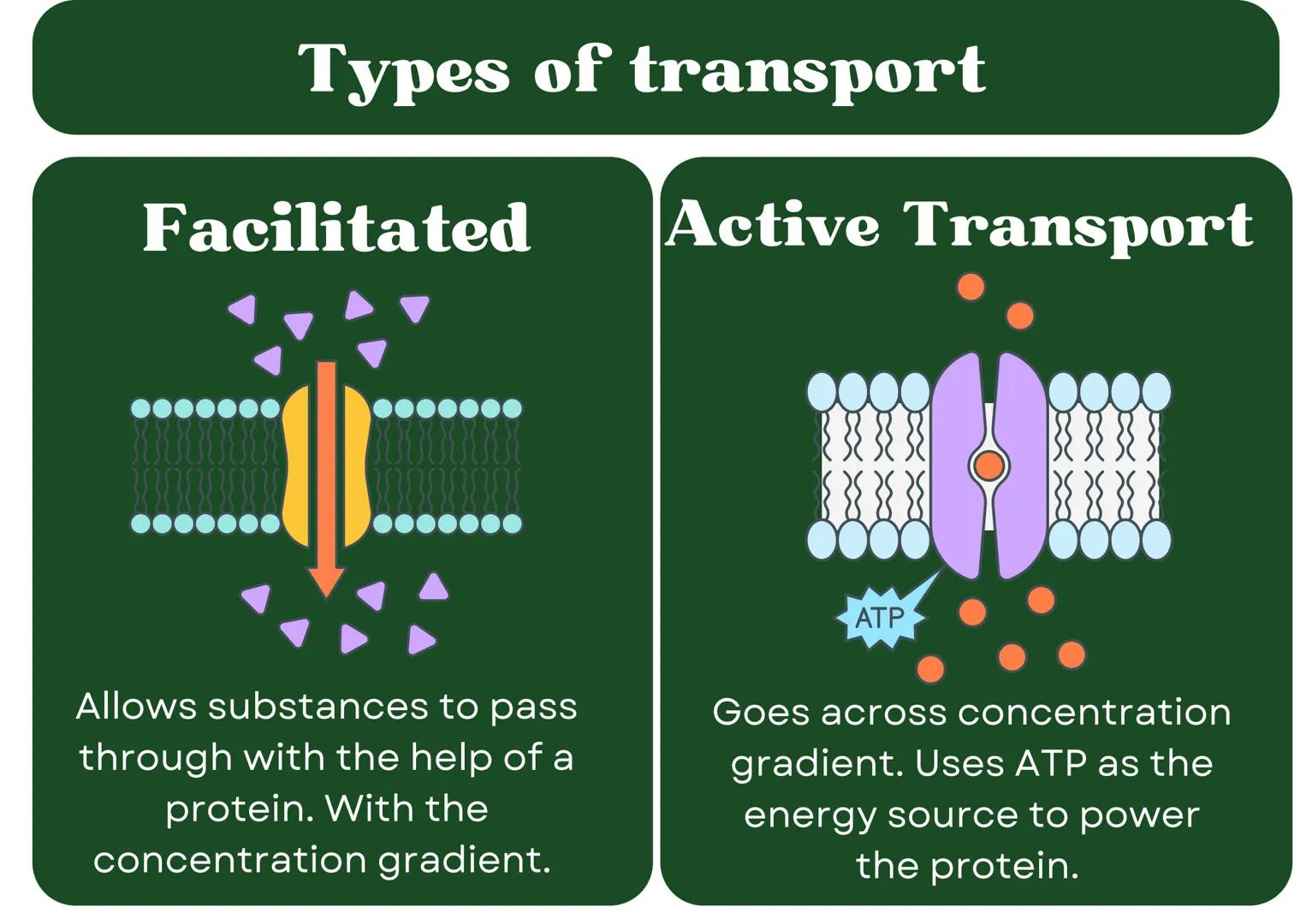
Facilitated Diffusion and Active Transport
Facilitated diffusion uses transport proteins to help molecules cross the membrane while still moving with their concentration gradient (from high to low concentration). It's perfect for larger or charged molecules that can't pass through the phospholipid bilayer on their own.
Active transport, on the other hand, moves substances against their concentration gradient—like pushing a ball uphill. This process requires energy in the form of ATP to power transport proteins that pump molecules from areas of low concentration to high concentration.
Think About It: Your neurons use active transport to maintain their electrical charge, using about 20% of your body's energy just to keep these pumps working!
10
of 10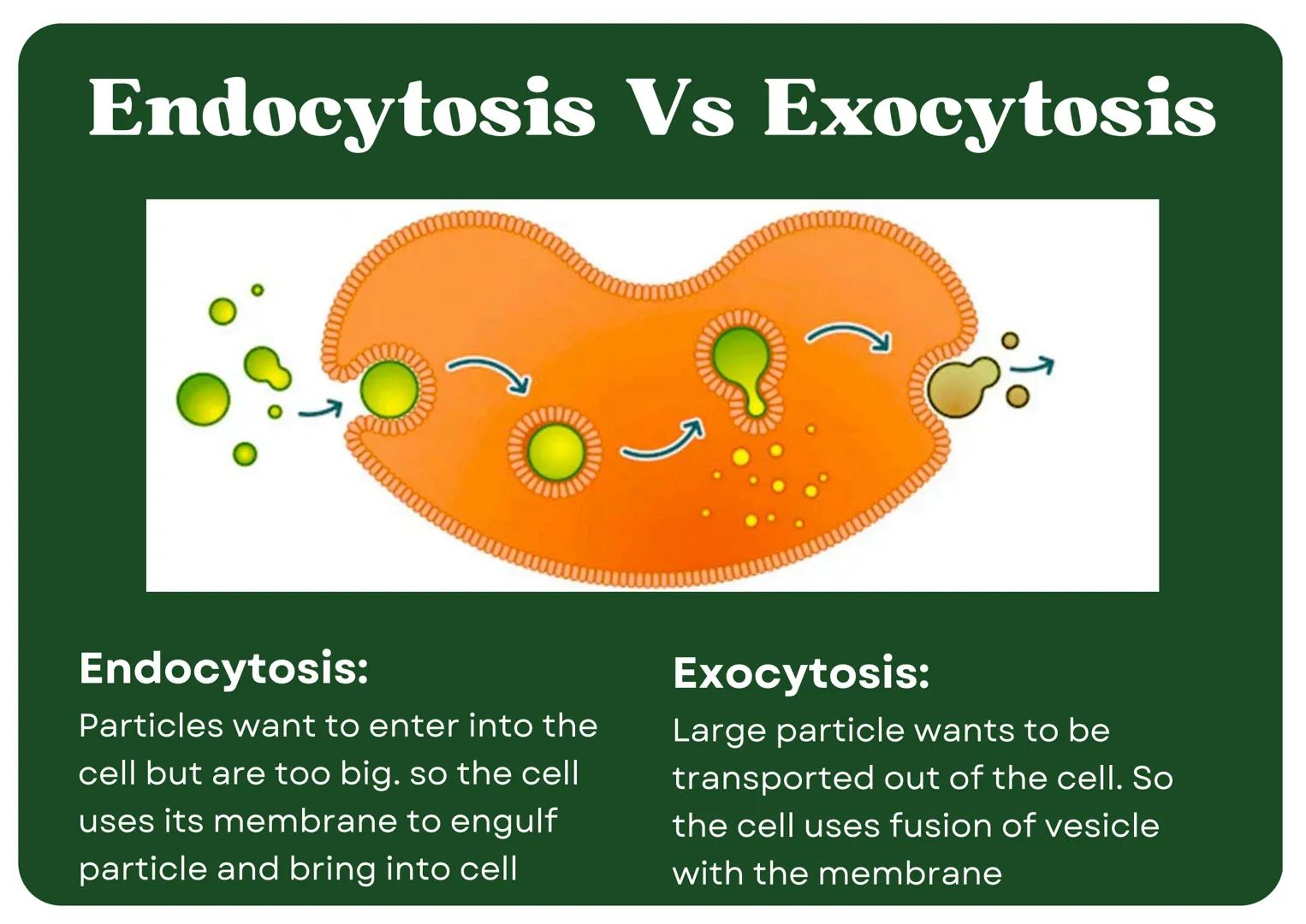
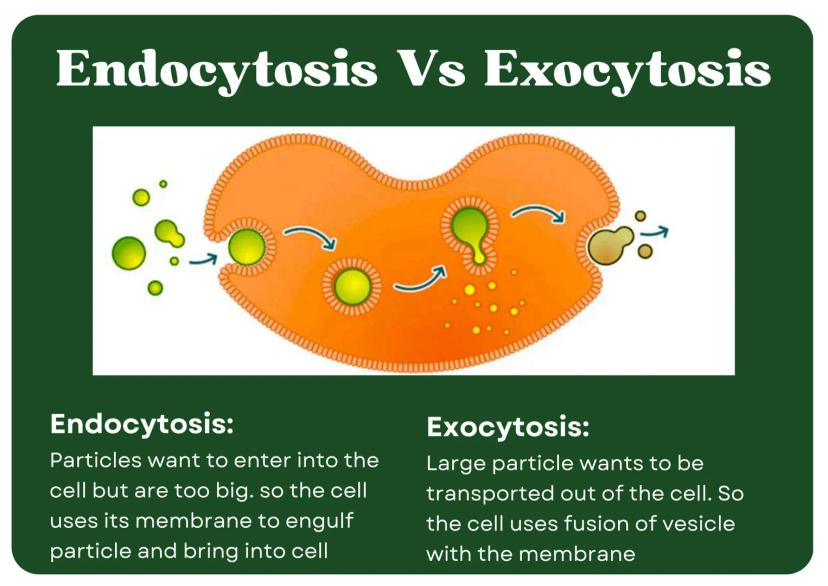
Endocytosis Versus Exocytosis
Endocytosis is the cell's way of bringing in large particles that can't pass through the membrane. The cell membrane extends outward, surrounds the particle, and then pinches off to form a vesicle containing the material, which is then brought inside the cell.
Exocytosis works in reverse—it's how cells expel large materials. A vesicle containing the substance moves to the cell membrane, fuses with it, and releases its contents to the outside. This process is crucial for secreting hormones, neurotransmitters, and waste products.
Daily Example: When you eat, your intestinal cells use endocytosis to absorb nutrients, while your pancreas uses exocytosis to release digestive enzymes into your gut!
We thought you’d never ask...
What is the Knowunity AI companion?
Our AI companion is specifically built for the needs of students. Based on the millions of content pieces we have on the platform we can provide truly meaningful and relevant answers to students. But its not only about answers, the companion is even more about guiding students through their daily learning challenges, with personalised study plans, quizzes or content pieces in the chat and 100% personalisation based on the students skills and developments.
Where can I download the Knowunity app?
You can download the app in the Google Play Store and in the Apple App Store.
Is Knowunity really free of charge?
That's right! Enjoy free access to study content, connect with fellow students, and get instant help – all at your fingertips.
Most popular content in AP Biology
9I
AP BiologyIntroduction to Biological Elements of Life
Practice identifying the essential elements including carbon, nitrogen, phosphorus, and sulfur that compose biological macromolecules.
9th1,7390
I
AP BiologyIntroduction to Water Polarity and Bonding
Practice identifying partial charges and the chemical basis of hydrogen bond formation between polar water molecules.
9th8520
I
AP BiologyIntroduction to Biological Macromolecules
Practice identifying the four classes of biological macromolecules and the dehydration synthesis reactions that form their covalent bonds.
9th5890
I
AP BiologyIntroduction to Biological Macromolecules
Practice identifying the monomers and chemical compositions of carbohydrates, lipids, proteins, and nucleic acids in biological systems.
9th4460
I
AP BiologyIntroduction to Cell Compartmentalization
Practice identifying how membrane-bound organelles increase surface area and facilitate specialized chemical reactions in eukaryotic cells.
9th3370
C
AP BiologyComponents of the Plasma Membrane
Practice identifying the molecular structure of phospholipids, proteins, cholesterol, and carbohydrates within the fluid mosaic model.
9th2720
I
AP BiologyIntroduction to Evidence of Evolution
Practice identifying fundamental concepts of common ancestry, including homologous structures, vestigial traits, and the fossil record.
9th2010
AP BiologyBio 1000 Chapter 2 The Molecules of Cells
Cell Make up
College55211
F
AP BiologyFundamentals of Cell Size and Surface Area
Practice calculating surface area-to-volume ratios and defining how these geometric constraints limit the maximum size of a functional biological cell.
9th1550
Most popular content
9O
 AP US History
Origins and Dynamics of the Columbian Exchange
Analyze the ecological and economic motivations behind the initial transfer of goods, people, and diseases between the Old and New Worlds.
9th3,1280
I
AP US HistoryIntroduction to Early Cultural Interactions
Analyze the initial social and religious encounters between Europeans, Africans, and Indigenous peoples in the colonial Americas.
9th2,7730
O
 AP World History
Origins of Ancient River Civilizations
Analyze the environmental factors and technological innovations that led to the rise of early states in Mesopotamia, Egypt, and the Indus Valley.
9th3,1870
M
AP US HistoryMotivations for European Exploration
Analyze the economic, religious, and political factors that drove European powers to the Americas during the 15th and 16th centuries.
9th1,7780
F
 AP Psychology
Foundations of Ethical Guidelines in Research
Practice the core principles of the APA ethical code including informed consent, debriefing, and the role of Institutional Review Boards.
9th1,3360
I
AP US HistoryIntroduction to Native American Societies
Examine the diverse social, political, and economic structures of North American indigenous groups prior to European contact.
9th1,1100
I
AP BiologyIntroduction to Biological Elements of Life
Practice identifying the essential elements including carbon, nitrogen, phosphorus, and sulfur that compose biological macromolecules.
9th1,7390
I
AP US HistoryIntroduction to the Spanish Encomienda System
Explore the fundamental economic and social structures of the Spanish colonial system, focusing on the encomienda and the casta social hierarchy.
9th8890
O
AP World HistoryOrigins and Continuity of the Byzantine Empire
Analyze the political and cultural transitions from the Roman Empire to the Byzantine Empire, focusing on the reign of Justinian I and his code.
9th1,6320
Can't find what you're looking for? Explore other subjects.
Students love us — and so will you.
4.6/5App Store
4.7/5Google Play
The app is very easy to use and well designed. I have found everything I was looking for so far and have been able to learn a lot from the presentations! I will definitely use the app for a class assignment! And of course it also helps a lot as an inspiration.
Stefan SiOS user
This app is really great. There are so many study notes and help [...]. My problem subject is French, for example, and the app has so many options for help. Thanks to this app, I have improved my French. I would recommend it to anyone.
Samantha KlichAndroid user
Wow, I am really amazed. I just tried the app because I've seen it advertised many times and was absolutely stunned. This app is THE HELP you want for school and above all, it offers so many things, such as workouts and fact sheets, which have been VERY helpful to me personally.
AnnaiOS user
AP Biology87 views·Updated Jun 18, 2026·12 pagesAP Biology Unit 2 Overview: Key Topics Explained
A
Aseel Matar@aseelmatar_vich
Dive into the fascinating world of eukaryotic cells, the complex building blocks that make up plants, animals, fungi, and more. These specialized cells contain numerous organelles, each with unique functions that keep cells running smoothly—like a tiny, well-organized city inside...
1
of 10
Sign up to see the content. It's free!
- Access to all documents
- Improve your grades
- Join milions of students
Eukaryotic Cells and the Nucleus
Eukaryotic cells are highly complex cellular structures with membrane-bound compartments called organelles. Unlike their simpler prokaryotic cousins (like bacteria), eukaryotic cells have specialized components that perform specific jobs.
At the center of it all is the nucleus, often called the "control center" of the cell. This crucial organelle houses your DNA and controls most cellular activities. Inside the nucleus, you'll find the nucleolus, which produces ribosomal RNA (rRNA).
Quick Fact: Every human starts as a single eukaryotic cell that divides billions of times to create your entire body—all with the same DNA in the nucleus!
2
of 10Sign up to see the content. It's free!
- Access to all documents
- Improve your grades
- Join milions of students
Endoplasmic Reticulum
The endoplasmic reticulum (ER) comes in two varieties, each with different jobs. Think of them as the cell's manufacturing and processing plants!
The Smooth ER lacks ribosomes and specializes in making lipids (fats), hormones, and steroids. It's also your cellular detox system, breaking down toxic chemicals that could harm the cell.
The Rough ER gets its bumpy appearance from ribosomes attached to its surface. These ribosomes are protein factories, creating proteins that the rough ER then modifies and packages for delivery throughout the cell.
Remember This: The rough ER has ribosomes while the smooth ER doesn't—this helps you tell them apart!
3
of 10Sign up to see the content. It's free!
- Access to all documents
- Improve your grades
- Join milions of students
Mitochondria and Golgi Apparatus
Mitochondria are often called the "powerhouses" of the cell because they convert energy from food into ATP, the usable energy currency for cellular activities. These unique organelles have their own double membrane and even contain their own DNA!
The Golgi apparatus works like the cell's post office and packaging center. After proteins are made by ribosomes on the rough ER, they're sent to the Golgi apparatus, which modifies, processes, and sorts these proteins for delivery to their final destinations.
Energy Fact: Your brain cells contain thousands of mitochondria each because thinking requires tons of energy!
4
of 10Sign up to see the content. It's free!
- Access to all documents
- Improve your grades
- Join milions of students
Vacuoles and Lysosomes
Vacuoles are fluid-filled storage sacs with multiple functions. Think of them as the cell's storage units, warehousing water, food, waste products, and other materials until they're needed or can be disposed of.
Lysosomes function as the cell's cleanup crew. These small sacs contain powerful digestive enzymes that break down worn-out organelles and cellular debris. They're essential for apoptosis (programmed cell death), a process that helps maintain healthy tissues.
Biology Insight: When white blood cells engulf bacteria, lysosomes merge with the bacterial package to destroy the invaders—acting like your body's microscopic defense system!
5
of 10Sign up to see the content. It's free!
- Access to all documents
- Improve your grades
- Join milions of students
Ribosomes and Centrioles
Ribosomes are protein synthesis powerhouses essential for cell function. These tiny structures can either float freely in the cytoplasm or attach to the endoplasmic reticulum. Every protein in your body—from hair to hormones—was built by ribosomes!
Centrioles become especially active during cell division. These cylindrical structures help organize the process by pulling replicated chromosomes to opposite ends of the cell, ensuring each new daughter cell gets the correct genetic material.
Fun Fact: Your body makes about 2 million proteins per second! Ribosomes work non-stop to keep up with this incredible demand.
6
of 10Sign up to see the content. It's free!
- Access to all documents
- Improve your grades
- Join milions of students
Plasma Membrane: The Cell's Boundary
The plasma membrane forms the outer boundary of the cell, separating its internal contents from the outside environment. This selectively permeable barrier controls what enters and exits the cell.
The membrane isn't just a simple wall—it's a complex, dynamic structure made of phospholipids, proteins, and carbohydrates that work together to maintain cellular health and function.
Cell Insight: Your body replaces about 330 billion cells each day, and each new cell must construct its own plasma membrane!
7
of 10Sign up to see the content. It's free!
- Access to all documents
- Improve your grades
- Join milions of students
Plasma Membrane Structure
The plasma membrane follows the fluid mosaic model with a phospholipid bilayer as its foundation. Each phospholipid has a hydrophilic head and hydrophobic tails, creating a structure that keeps the watery environments inside and outside the cell separated.
The membrane contains different types of proteins: peripheral proteins attach to the membrane's surface, while integral proteins are embedded within the membrane. Transmembrane proteins extend completely through the membrane, often forming channels for substances to pass through.
The cell's outer surface is coated with carbohydrate chains attached to proteins (glycoproteins) and lipids (glycolipids), collectively called the glycocalyx. This carbohydrate coat helps with cell recognition, protection, and communication.
Visualization Tip: Imagine the membrane as a sea of phospholipids with protein "icebergs" floating in it—some sitting on the surface, others embedded halfway, and some extending all the way through!
8
of 10Sign up to see the content. It's free!
- Access to all documents
- Improve your grades
- Join milions of students
Simple Diffusion and Aquaporins
Simple diffusion allows small, nonpolar molecules like oxygen, carbon dioxide, and nitrogen to pass directly through the phospholipid bilayer without assistance. These molecules move from areas of higher concentration to lower concentration, requiring no energy from the cell.
Aquaporins are specialized protein channels specifically designed for water molecules. These "water highways" dramatically increase the rate at which water can enter or leave cells, essential for maintaining proper hydration and cell volume.
Real-World Connection: When you exhale carbon dioxide, it's leaving your blood cells through simple diffusion—no energy required!
9
of 10Sign up to see the content. It's free!
- Access to all documents
- Improve your grades
- Join milions of students
Facilitated Diffusion and Active Transport
Facilitated diffusion uses transport proteins to help molecules cross the membrane while still moving with their concentration gradient (from high to low concentration). It's perfect for larger or charged molecules that can't pass through the phospholipid bilayer on their own.
Active transport, on the other hand, moves substances against their concentration gradient—like pushing a ball uphill. This process requires energy in the form of ATP to power transport proteins that pump molecules from areas of low concentration to high concentration.
Think About It: Your neurons use active transport to maintain their electrical charge, using about 20% of your body's energy just to keep these pumps working!
10
of 10Sign up to see the content. It's free!
- Access to all documents
- Improve your grades
- Join milions of students
Endocytosis Versus Exocytosis
Endocytosis is the cell's way of bringing in large particles that can't pass through the membrane. The cell membrane extends outward, surrounds the particle, and then pinches off to form a vesicle containing the material, which is then brought inside the cell.
Exocytosis works in reverse—it's how cells expel large materials. A vesicle containing the substance moves to the cell membrane, fuses with it, and releases its contents to the outside. This process is crucial for secreting hormones, neurotransmitters, and waste products.
Daily Example: When you eat, your intestinal cells use endocytosis to absorb nutrients, while your pancreas uses exocytosis to release digestive enzymes into your gut!
We thought you’d never ask...
What is the Knowunity AI companion?
Our AI companion is specifically built for the needs of students. Based on the millions of content pieces we have on the platform we can provide truly meaningful and relevant answers to students. But its not only about answers, the companion is even more about guiding students through their daily learning challenges, with personalised study plans, quizzes or content pieces in the chat and 100% personalisation based on the students skills and developments.
Where can I download the Knowunity app?
You can download the app in the Google Play Store and in the Apple App Store.
Is Knowunity really free of charge?
That's right! Enjoy free access to study content, connect with fellow students, and get instant help – all at your fingertips.
Most popular content in AP Biology
9I
AP BiologyIntroduction to Biological Elements of Life
Practice identifying the essential elements including carbon, nitrogen, phosphorus, and sulfur that compose biological macromolecules.
9th1,7390
I
AP BiologyIntroduction to Water Polarity and Bonding
Practice identifying partial charges and the chemical basis of hydrogen bond formation between polar water molecules.
9th8520
I
AP BiologyIntroduction to Biological Macromolecules
Practice identifying the four classes of biological macromolecules and the dehydration synthesis reactions that form their covalent bonds.
9th5890
I
AP BiologyIntroduction to Biological Macromolecules
Practice identifying the monomers and chemical compositions of carbohydrates, lipids, proteins, and nucleic acids in biological systems.
9th4460
I
AP BiologyIntroduction to Cell Compartmentalization
Practice identifying how membrane-bound organelles increase surface area and facilitate specialized chemical reactions in eukaryotic cells.
9th3370
C
AP BiologyComponents of the Plasma Membrane
Practice identifying the molecular structure of phospholipids, proteins, cholesterol, and carbohydrates within the fluid mosaic model.
9th2720
I
AP BiologyIntroduction to Evidence of Evolution
Practice identifying fundamental concepts of common ancestry, including homologous structures, vestigial traits, and the fossil record.
9th2010
AP BiologyBio 1000 Chapter 2 The Molecules of Cells
Cell Make up
College55211
F
AP BiologyFundamentals of Cell Size and Surface Area
Practice calculating surface area-to-volume ratios and defining how these geometric constraints limit the maximum size of a functional biological cell.
9th1550
Most popular content
9O
AP US HistoryOrigins and Dynamics of the Columbian Exchange
Analyze the ecological and economic motivations behind the initial transfer of goods, people, and diseases between the Old and New Worlds.
9th3,1280
I
AP US HistoryIntroduction to Early Cultural Interactions
Analyze the initial social and religious encounters between Europeans, Africans, and Indigenous peoples in the colonial Americas.
9th2,7730
O
AP World HistoryOrigins of Ancient River Civilizations
Analyze the environmental factors and technological innovations that led to the rise of early states in Mesopotamia, Egypt, and the Indus Valley.
9th3,1870
M
AP US HistoryMotivations for European Exploration
Analyze the economic, religious, and political factors that drove European powers to the Americas during the 15th and 16th centuries.
9th1,7780
F
AP PsychologyFoundations of Ethical Guidelines in Research
Practice the core principles of the APA ethical code including informed consent, debriefing, and the role of Institutional Review Boards.
9th1,3360
I
AP US HistoryIntroduction to Native American Societies
Examine the diverse social, political, and economic structures of North American indigenous groups prior to European contact.
9th1,1100
I
AP BiologyIntroduction to Biological Elements of Life
Practice identifying the essential elements including carbon, nitrogen, phosphorus, and sulfur that compose biological macromolecules.
9th1,7390
I
AP US HistoryIntroduction to the Spanish Encomienda System
Explore the fundamental economic and social structures of the Spanish colonial system, focusing on the encomienda and the casta social hierarchy.
9th8890
O
AP World HistoryOrigins and Continuity of the Byzantine Empire
Analyze the political and cultural transitions from the Roman Empire to the Byzantine Empire, focusing on the reign of Justinian I and his code.
9th1,6320
Can't find what you're looking for? Explore other subjects.
Students love us — and so will you.
4.6/5App Store
4.7/5Google Play
The app is very easy to use and well designed. I have found everything I was looking for so far and have been able to learn a lot from the presentations! I will definitely use the app for a class assignment! And of course it also helps a lot as an inspiration.
Stefan SiOS user
This app is really great. There are so many study notes and help [...]. My problem subject is French, for example, and the app has so many options for help. Thanks to this app, I have improved my French. I would recommend it to anyone.
Samantha KlichAndroid user
Wow, I am really amazed. I just tried the app because I've seen it advertised many times and was absolutely stunned. This app is THE HELP you want for school and above all, it offers so many things, such as workouts and fact sheets, which have been VERY helpful to me personally.
AnnaiOS user